

Free Łęczyca Land Travel Guide & Mobile App
Explore Łęczyca Land with free travel guides. Discover regional history, expert tips, proposed trips, and audio guides on web or mobile app.


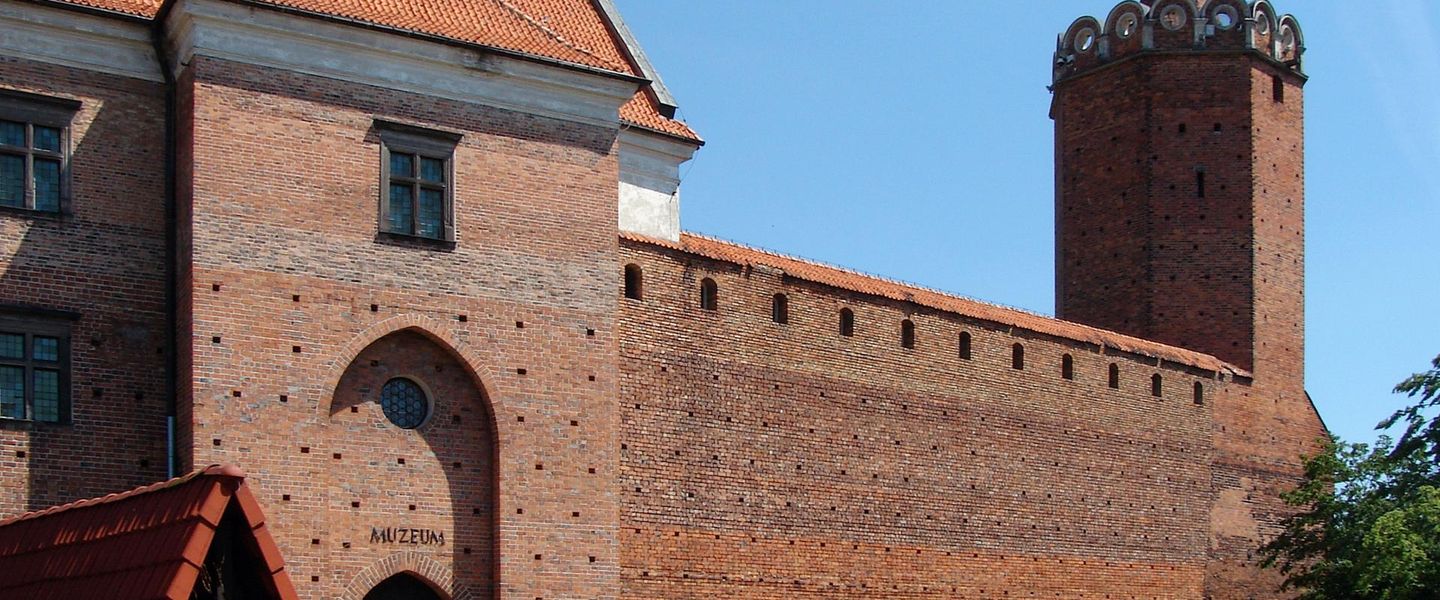


Explore Łęczyca Land in central Poland for Romanesque heritage, royal history, rural landscapes, local folklore and quiet cycling routes.
Read more about Łęczyca Land
When is the best time to visit Łęczyca Land?
Best: June–August · 22–23°C| Month | High (°C) | Rainfall (mm) |
|---|---|---|
| January | 2 | 30 |
| February | 2 | 30 |
| March | 7 | 35 |
| April | 14 | 40 |
| May | 19 | 50 |
| June (best) | 22 | 60 |
| July (best) | 23 | 65 |
| August (best) | 22 | 60 |
| September | 17 | 50 |
| October | 12 | 40 |
| November | 6 | 35 |
| December | 2 | 30 |
Getting to and around Łęczyca Land
How to get there
Transportation
Top city travel guides in Łęczyca Land
The cities of Łęczyca Land, and the easiest places to base yourself.

Swipe for more cities
Destinations in Łęczyca Land
Resorts, valleys and scenic spots worth a trip of their own.

Swipe for more destinations
Best attractions in Łęczyca Land
Łęczyca Land’s attractions are concentrated around medieval history, rural heritage and the open landscape of central Poland. In Łęczyca, the castle museum introduces the town’s royal past, regional archaeology, folk culture and the stories of Boruta, while the old town rewards a slower walk between the market area and surviving historic buildings. The nearby village of Tum is the region’s principal ecclesiastical and archaeological destination, combining a major Romanesque collegiate church with traces of the earlier settlement that preceded modern Łęczyca. Besiekiery Castle, a weathered ruin in the countryside, offers a more atmospheric encounter with the region’s defensive past. Smaller parish churches, cemeteries, village layouts and remnants of manor landscapes extend the historical experience beyond formal museums. Cycling and gentle countryside walks are practical ways to see the agricultural character of the land, especially along quiet local roads, although routes require independent planning. Military memorials and cemeteries connected with the 1939 Battle of the Bzura add a twentieth-century layer to the itinerary. The region is less about a long list of major attractions than about understanding how archaeology, medieval architecture, farming communities and local folklore occupy the same compact landscape.
-
Tourist attraction
The Royal Castle in Łęczyca
Explore the Royal Castle in Łęczyca, a stunning historical landmark showcasing Poland's medieval architecture and rich cultural heritage.
-
Tourist attraction
Skansen w Kwiatkówku i Grodzisko w Tumie
Experience Poland's rich heritage at Skansen w Kwiatkówku and Grodzisko w Tumie, a captivating open-air museum showcasing traditional life and culture.
-
Tourist attraction
Park. Jozef Pilsudski
Explore the serene beauty of Park Jozef Pilsudski, a lush retreat in Lęczyca perfect for relaxation and leisurely strolls amidst nature's tranquility.
-
Archaeological museum
Gród Łęczycki
Discover the rich history of ancient Poland at Gród Łęczycki, an archaeological gem in Tum, showcasing artifacts and a reconstructed settlement.



Best landmarks in Łęczyca Land
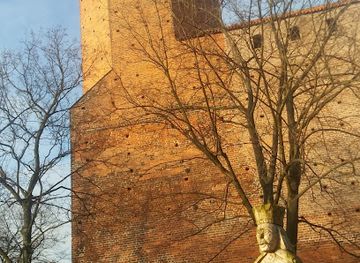
The Collegiate Church of the Blessed Virgin Mary and Saint Alexius at Tum is Łęczyca Land’s defining architectural landmark. Its massive Romanesque form, built in the twelfth century, recalls the importance of the early medieval centre that once stood here and makes the church a key monument in the history of Polish architecture. In Łęczyca, the brick royal castle associated with Casimir III the Great remains the town’s most recognisable historic structure, even though the surviving complex reflects damage and later changes as well as its medieval origins. The town’s market area and historic street plan provide a broader sense of its former role as a regional centre. Besiekiery Castle, reduced to ruins, has a different character: its broken walls and isolated rural setting evoke the defensive network of early-modern Poland. Across the countryside, parish churches, old cemeteries and traditional village layouts serve as smaller landmarks, while memorials connected with the Battle of the Bzura mark the region’s twentieth-century military history. Together these places show Łęczyca Land as a landscape of layered, rather than monumental, history.
-
Castle
The Royal Castle in Łęczyca
Explore the Royal Castle in Łęczyca, a stunning historical landmark rich in Polish heritage and captivating tales of nobility.
-
Open air museum
Skansen w Kwiatkówku i Grodzisko w Tumie
Discover Poland's rural heritage at Skansen w Kwiatkówku and Grodzisko w Tumie, an open-air museum showcasing traditional life and culture.
-
Park
Park. Jozef Pilsudski
Explore the tranquil beauty of Park Jozef Pilsudski in Łęczyca, where nature, culture, and history blend seamlessly for a perfect getaway.
-
Archaeological museum
Gród Łęczycki
Explore the captivating history of Poland at Gród Łęczycki, an archaeological museum that brings ancient civilizations to life through engaging exhibits.


Explore Łęczyca Land on the map
Plan your trip on one map. See where the top cities, national parks and sights are, and book hotels and experiences in a few clicks.
Best hotels in Łęczyca Land
Best restaurants in Łęczyca Land
Dining in Łęczyca Land is rooted in the everyday cooking of central Poland rather than a narrowly defined regional restaurant style. Visitors can expect Polish soups, pierogi, potato dishes, pickled vegetables, seasonal mushrooms, pork and poultry, with menus varying between traditional restaurants, cafés, family-run establishments and rural inns. Bread, cakes and dairy products are common features of local food shopping, while market stalls and small producers may offer preserves, honey and other farm goods when available. Łęczyca is the most dependable place for a choice of cafés and restaurants; outside the town, dining opportunities are more dispersed and often linked to village businesses or accommodation. Traditional Polish cooking is usually hearty and seasonal, and menus may include regional variations rather than dishes found only in Łęczyca Land. Visitors interested in local food should look for market days, ask about daily specials and allow time for meals rather than relying entirely on roadside services. Beer, vodka and non-alcoholic fruit drinks are widely available, but alcohol is not central to every dining experience.
-
Restaurant
Pod Wiatrakiem
Experience authentic Polish cuisine and warm hospitality at Pod Wiatrakiem in Warta – your perfect retreat for dining and celebrations.
-
Crêperie
Nasz Naleśnik - Łęczyca
Savor delicious crepes and more at Nasz Naleśnik in Łęczyca – a must-visit culinary gem for tourists seeking local flavors.
-
Restaurant
Restauracja Agawa
Experience modern European cuisine at Restauracja Agawa in Łęczyca – where local flavors meet contemporary dining.
-
Restaurant
Restauracja Quattro Łęczyca
Discover exquisite modern European and Italian cuisine at Restauracja Quattro in Łęczyca - perfect for every meal from breakfast to dinner.


Best bars in Łęczyca Land
Nightlife in Łęczyca Land is modest and locally focused. In Łęczyca, evenings centre on cafés, traditional pubs, hotel bars and restaurants, with occasional cultural programmes or live performances rather than a large club circuit. Smaller towns and villages generally offer a few social venues, while rural evenings are more likely to revolve around family gatherings, community events or dining than late-night entertainment. Visitors should not expect a substantial nightclub district or extensive late public transport. The most relaxed approach is to explore the town’s food and drink venues early in the evening and arrange transport back to rural accommodation in advance. Polish beer, regional-style nalewka and spirits may appear on menus, alongside coffee, tea and soft drinks. Seasonal festivals, cultural celebrations and local events can create livelier evenings, but their dates and programmes change, so current information should be checked locally.
-
Gastropub
Piwoteka Narodowa Craft Beer & Food
Discover Piwoteka Narodowa in Łódź, a premier gastropub celebrated for its extensive craft beer selection and mouthwatering culinary delights.
-
Restaurant
Pod Wiatrakiem
Experience the flavors and festivities of Warta at Pod Wiatrakiem, where delightful dining meets vibrant entertainment.
-
Restaurant
Restauracja Quattro Łęczyca
Experience the culinary magic of Restauracja Quattro in Łęczyca, offering Italian and modern European dishes that delight every palate.
-
Restaurant
Restauracja Pod Ekranem
Experience authentic Polish cuisine at Restauracja Pod Ekranem in Łęczyca, where tradition meets modern culinary art in a cozy setting.


Best nightclubs in Łęczyca Land
Nightlife in Łęczyca Land is modest and locally focused. In Łęczyca, evenings centre on cafés, traditional pubs, hotel bars and restaurants, with occasional cultural programmes or live performances rather than a large club circuit. Smaller towns and villages generally offer a few social venues, while rural evenings are more likely to revolve around family gatherings, community events or dining than late-night entertainment. Visitors should not expect a substantial nightclub district or extensive late public transport. The most relaxed approach is to explore the town’s food and drink venues early in the evening and arrange transport back to rural accommodation in advance. Polish beer, regional-style nalewka and spirits may appear on menus, alongside coffee, tea and soft drinks. Seasonal festivals, cultural celebrations and local events can create livelier evenings, but their dates and programmes change, so current information should be checked locally.
-
Night club
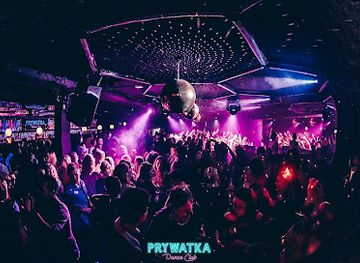
Prywatka Dance Club
Discover the pulse of Łódź's nightlife at Prywatka Dance Club, where energy and music create unforgettable nights.
-
Night club
Soda Underground Stage
Explore the electrifying nightlife of Łódź at Soda Underground Stage, a premier club featuring live music and vibrant energy.
-
Night club
Klub ''U Maćka''
Discover the pulsating nightlife at Klub 'U Maćka' in Łęczyca, where great music and a friendly atmosphere await you.

Best shops in Łęczyca Land
Shopping in Łęczyca Land is centred on the market-town economy of Łęczyca rather than on large-scale retail tourism. The town provides everyday shops, supermarkets, cafés and independent businesses, while its market activity reflects the agricultural character of the surrounding villages. Visitors may find Polish baked goods, preserves, honey, seasonal produce and other food products more readily than highly specialised souvenirs. Regional museums and cultural institutions can be useful places to look for books, local-history material, postcards or small craft items connected with Łęczyca and Tum. Traditional folk culture, including the imagery of Boruta, may appear in locally produced gifts, but quality and availability vary. Rural markets and town trading days can be worthwhile for observing ordinary local commerce, although dates and stock should be confirmed locally. For broader fashion, luxury retail or specialist shopping, Łódź outside the region offers a much wider choice. The most appropriate purchases within Łęczyca Land are practical food products, regional publications and modest crafts that reflect the area’s agricultural and historical identity.
-
Shopping mall
Ptak Outlet
Discover unbeatable prices and a diverse shopping experience at Ptak Outlet in Rzgów, the ultimate destination for savvy shoppers and fashion enthusiasts.
-
Tourist attraction
The Royal Castle in Łęczyca
Explore the Royal Castle in Łęczyca, a historical gem showcasing Poland's medieval heritage and stunning architecture amidst beautiful surroundings.
-
Tool store
Rytczak 1910 r.
Explore Rytczak 1910 r., a historical tool store in Łęczyca, showcasing the finest Polish craftsmanship and quality tools for all your needs.
-
Computer accessories store
ACEGEAR
Discover top-notch computer accessories and exceptional service at ACEGEAR, your ultimate tech destination while traveling.


Get your free copy of our complete guide to Łęczyca Land, delivered straight to you.
Everything on this page, from attractions and restaurants to essentials and local phrases, in one PDF you can read offline, print or share.
Already have an account? Sign in
Your Łęczyca Land guide is ready.
We'll send it to · Not you? Sign out

Getting your guide ready…
We are putting together a fresh copy of the Łęczyca Land guide. This can take up to a minute.
This can take a few moments. If your browser asks, choose Allow so the download can start. You'll find the guide in your Downloads folder.
Nothing happened? Download it again
Sorry, the guide is taking longer than usual. Please try again in a minute, or get it by email instead.
Łęczyca Land essentials
Currency and Payment
Safety
Emergency Situations
Do's and Don'ts
Local Tips
From Eve
Local phrases worth knowing
You don't need to get them perfect. A few words go a long way, and locals appreciate the effort.
Basics
| English | Local | Say it |
|---|---|---|
| Hello | Cześć | [cheh-shch] |
| Goodbye | Do widzenia | [doh veed-zenia] |
| Yes | Tak | [tahk] |
| No | Nie | [nyeh] |
| Please/You're welcome | Proszę | [proh-sheh] |
| Thank you | Dziękuję | [jen-koo-yeh] |
| Excuse me/Sorry | Przepraszam | [psheh-prah-sham] |
| How are you? | Jak się masz? | [yak shay mahsh] |
| Fine. And you? | Dobrze. A ty? | [doh-bzheh. ah tih] |
| Do you speak English? | Czy mówisz po angielsku? | [chi moo-veesh poh ahn-gyehl-skoo] |
| I don't understand | Nie rozumiem | [nyeh roh-zoo-myem] |
Eating & Drinking
| English | Local | Say it |
|---|---|---|
| I'd like to see the menu, please | Chciałbym zobaczyć menu, proszę | [hchaw-bim zo-bah-chih menu, proh-sheh] |
| I don't eat meat | Nie jem mięsa | [nyeh yem myen-sah] |
| Cheers! | Na zdrowie! | [nah zdroh-vyeh] |
| I would like to pay, please | Chciałbym zapłacić, proszę | [hchaw-bim zah-pwah-chih, proh-sheh] |
Emergencies
| English | Local | Say it |
|---|---|---|
| Help! | Pomocy! | [poh-moh-tsih] |
| Go away! | Idź stąd! | [eech stont] |
| Call the Police! | Zadzwoń na Policję! | [zahd-zvohn nah poh-leet-syeh] |
| Call a doctor! | Zadzwoń po lekarza! | [zahd-zvohn poh leh-kah-zha] |
| I'm lost | Zgubiłem się | [zgo-bee-wem shay] |
| I'm ill | Jestem chory | [yes-tem kho-ree] |
Shopping
| English | Local | Say it |
|---|---|---|
| I'd like to buy... | Chciałbym kupić... | [hchaw-bim koo-peach] |
| I'm just looking | Tylko się przyglądam | [til-koh shay pshih-glah-dahm] |
| How much is it? | Ile to kosztuje? | [ee-leh toh kohsh-too-yeh] |
| That's too expensive | To jest za drogie | [to yest zah droh-geh] |
| Can you lower the price? | Czy możesz obniżyć cenę? | [chi moh-zhesh ob-nee-zhih tseh-neh] |
Time & Numbers
| English | Local | Say it |
|---|---|---|
| What time is it? | Która godzina? | [ktoo-rah goh-jee-nah] |
| It's one o'clock | Jest pierwsza | [yest pyer-vsha] |
| Half past (10) | Wpół do (11) | [fpoo doh (jedenaście)] |
| Morning | Poranek | [poh-rah-nek] |
| Afternoon | Popołudnie | [poh-poh-ood-nyeh] |
| Evening | Wieczór | [vyeh-choor] |
| Yesterday | Wczoraj | [fcho-rai] |
| Today | Dziś | [jish] |
| Tomorrow | Jutro | [yoo-troh] |
| 1 | 1 | [1] |
| 2 | 2 | [2] |
| 3 | 3 | [3] |
| 4 | 4 | [4] |
| 5 | 5 | [5] |
| 6 | 6 | [6] |
| 7 | 7 | [7] |
| 8 | 8 | [8] |
| 9 | 9 | [9] |
| 10 | 10 | [10] |
Transport & Directions
| English | Local | Say it |
|---|---|---|
| Where's a/the...? | Gdzie jest...? | [gjeh yest] |
| What's the address? | Jaki jest adres? | [yah-kee yest ah-dres] |
| Can you show me (on the map)? | Czy możesz mi pokazać (na mapie)? | [chi moh-zhesh mee poh-kah-zhahch (nah mah-pyeh)] |
| When's the next (bus)? | Kiedy jest następny (autobus)? | [kyeh-dih yest nah-stemp-ny (ow-toh-boos)] |
| A ticket (to ....) | Bilet (do....) | [bee-let (doh....)] |
History of Łęczyca Land
Early settlement and the stronghold at Tum
The area around present-day Tum was an important centre before the foundation of modern Łęczyca. Archaeological evidence indicates settlement and fortification in the early medieval period, when river corridors and fertile land made the region valuable for agriculture, administration and communication. The stronghold formed part of the network of centres through which the Piast rulers consolidated authority in central Poland. Its importance is reflected in the substantial Romanesque collegiate church built nearby in the twelfth century, making Tum one of the most significant surviving witnesses to Poland’s early Christian and political development.
The Łęczyca synods and early Polish law
Łęczyca became a notable ecclesiastical and political centre in the twelfth century. A synod held there in 1180, traditionally associated with the reign of Casimir II the Just, is remembered for measures concerning the rights of the Church and the protection of church property. Later assemblies at Łęczyca contributed to the town’s reputation as a place where major questions affecting the Polish realm were discussed. These events took place during the period of territorial fragmentation following the division of Poland into principalities, when regional centres acquired particular political importance.
The Duchy of Łęczyca and medieval regional power
During Poland’s period of fragmentation, Łęczyca served as the centre of a duchy whose territory occupied a strategic position between Mazovia, Greater Poland and the lands of central Poland. The town’s location supported administration, trade and military movement, while the surrounding settlements supplied agricultural resources. Although the duchy changed hands within the Piast dynasty, its existence helped establish Łęczyca as a distinct historical land. The later reunification of the Polish kingdom reduced the autonomy of such principalities but preserved their importance as administrative and cultural regions.
Royal Łęczyca and the fourteenth-century castle
After the reunification of Poland, Łęczyca was strengthened as a royal town. King Casimir III the Great is associated with the construction of a brick castle in the fourteenth century, part of a broader programme of fortification and urban development across the kingdom. The castle defended a strategically placed settlement and served royal and administrative purposes. Wars, fires and later rebuilding altered the complex over time, but the surviving remains still express the shift from an early medieval stronghold to a stone-and-brick royal centre within the reunited Polish state.
Trade, agriculture and the market-town landscape
From the late medieval period through the early modern era, Łęczyca Land was shaped chiefly by agriculture, local trade and the network of market towns and villages. Its location in central Poland connected communities travelling between larger political and commercial centres, while fertile soils supported grain production and livestock farming. Parish churches, manor estates and village layouts accumulated gradually rather than through one defining industrial transformation. This agricultural character remains visible today in the broad fields, dispersed settlements and food traditions of the region.
The Polish partitions and changing administration
The partitions of Poland at the end of the eighteenth century brought Łęczyca and its surrounding land under successive foreign administrations, followed by the changing political arrangements of the nineteenth century. Administrative borders and official institutions were repeatedly reorganised, but local religious, family and market networks continued to structure everyday life. The period also brought improvements in roads, communication and state administration, alongside the economic pressures experienced by rural communities across partitioned Poland. The region’s historic identity survived despite its incorporation into larger governmental units.
The Battle of the Bzura in 1939
In September 1939, Łęczyca Land and the wider Bzura basin became part of the Battle of the Bzura, the largest Polish counter-offensive during the German invasion. Polish forces attacked westwards in an attempt to disrupt the German advance towards Warsaw, and fighting spread across fields, villages and towns in central Poland. The campaign ended in defeat, followed by occupation and severe disruption to civilian life. Military cemeteries, memorials and local commemorations preserve the memory of those who fought and died in the surrounding landscape.
Post-war rural life and regional preservation
After 1945, Łęczyca Land remained predominantly agricultural while Łęczyca developed as a local administrative and service centre. Poland’s post-war political and economic systems changed landholding, employment and public institutions, yet many villages retained their historic layouts and parish traditions. Since the late twentieth century, museums, conservation work and regional cultural programmes have placed greater emphasis on the Romanesque heritage of Tum, the royal castle, local folklore and traditional rural culture. These efforts have helped present Łęczyca Land as a distinct historical landscape within modern central Poland.
Łęczyca Land in Photos
Browse through our photo collection highlighting the charm and character of the destination.
Neighbouring regions of Łęczyca Land
The closest regions to Łęczyca Land, if you have time for more than one.
-

-

-

-
-


Swipe for more regions
Explore more

Explore more of Poland
Discover Poland's rich history, vibrant cities, and scenic landscapes, from the medieval streets of Kraków to the serene beauty of the Tatra Mountains and Masurian Lakes.
Explore Poland