

Free Masovia Travel Guide & Mobile App
Explore Masovia with free travel guides. Discover regional history, expert tips, proposed trips, and audio guides on web or mobile app.


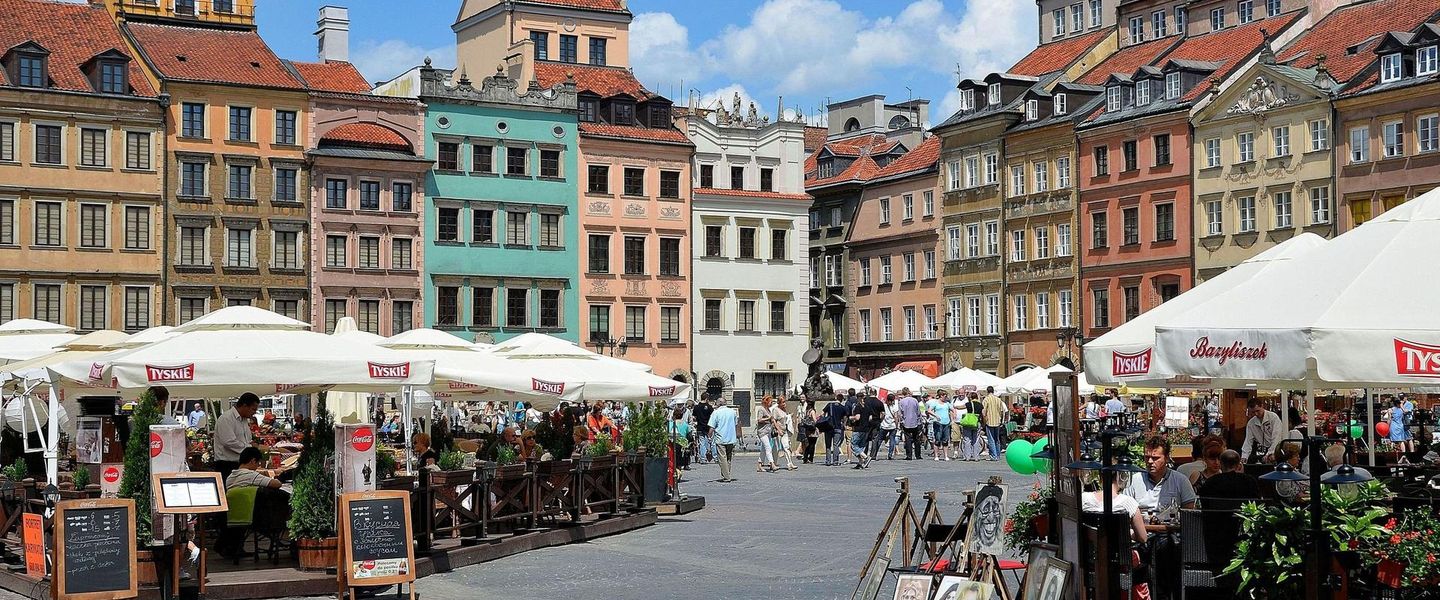


Explore Masovia through Warsaw’s museums, Vistula landscapes, Chopin heritage, historic towns and the forests of Kampinos National Park.
Read more about Masovia
When is the best time to visit Masovia?
Best: June–August · 23–24°C| Month | High (°C) | Rainfall (mm) |
|---|---|---|
| January | 2 | 30 |
| February | 3 | 25 |
| March | 8 | 30 |
| April | 14 | 35 |
| May | 20 | 55 |
| June (best) | 23 | 60 |
| July (best) | 24 | 70 |
| August (best) | 24 | 60 |
| September | 19 | 50 |
| October | 14 | 35 |
| November | 8 | 35 |
| December | 3 | 35 |
Getting to and around Masovia
How to get there
Transportation
Top city travel guides in Masovia
The cities of Masovia, and the easiest places to base yourself.
-

-

-

-

-

-


Swipe for more cities
Destinations in Masovia
Resorts, valleys and scenic spots worth a trip of their own.
-

-

-

-

-

-


Swipe for more destinations
Best attractions in Masovia
Masovia’s attractions range from the museums, galleries and reconstructed historic quarters of Warsaw to forests, river valleys and small-town heritage sites. In the capital, the Royal Castle, Łazienki Park, Wilanów Palace, the POLIN Museum and the Warsaw Uprising Museum provide different perspectives on royal history, urban culture, Jewish life and wartime memory. West of the city, Kampinos National Park offers marked walking and cycling routes through pine forest, inland dunes and marshland. Żelazowa Wola combines Chopin heritage with landscaped grounds, while Płock brings together a cathedral complex, museums and a high Vistula bank. Czersk Castle, Pułtusk’s market square, the Museum of the Mazovian Countryside in Sierpc and the nineteenth-century textile townscape of Żyrardów extend the historical picture beyond Warsaw. In the north and east, village museums, folk traditions and open landscapes offer a slower form of sightseeing. The Treblinka museum and memorial site provides a solemn place of remembrance rather than conventional tourism, and should be approached with appropriate respect. Seasonal cycling, birdwatching and riverside walks complement the region’s built heritage.
-
Tourist attraction
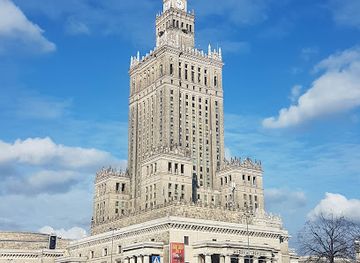
Palace of Culture and Science
Explore the Palace of Culture and Science, Warsaw's towering symbol of history, culture, and breathtaking city views.
-
Tourist attraction
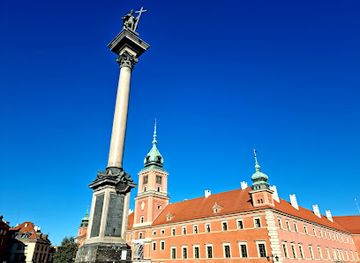
The Royal Castle in Warsaw
Explore the Royal Castle in Warsaw, an iconic symbol of Poland's rich history, art, and culture, nestled in the heart of the capital.
-
Tourist attraction
Copernicus Science Centre
Explore the interactive world of science at the Copernicus Science Centre in Warsaw, where curiosity meets discovery in an inspiring setting.
-
Tourist attraction
City Zoological Garden in Warsaw
Explore the City Zoological Garden in Warsaw, a family-friendly attraction showcasing diverse wildlife and engaging educational experiences amid lush landscapes.
Best landmarks in Masovia
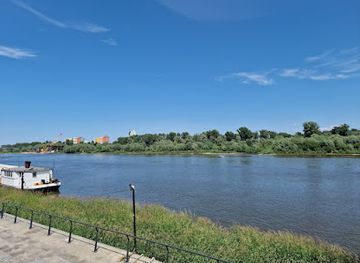
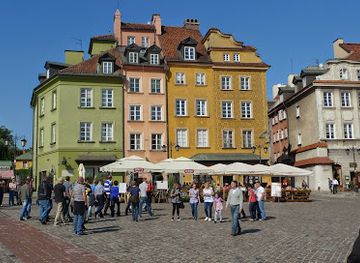
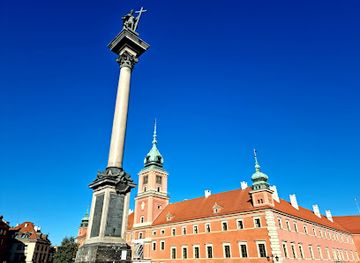
Warsaw’s reconstructed Old Town, with the Royal Castle, Castle Square and the Sigismund Column, is Masovia’s most recognisable historic ensemble and symbolises the capital’s post-war rebuilding. The Palace on the Isle in Łazienki Park and Wilanów Palace represent different phases of aristocratic and royal architecture, while the Warsaw Uprising Monument and POLIN’s surrounding urban setting carry powerful twentieth-century associations. Płock Cathedral and the adjoining Wawel Hill complex occupy a commanding position above the Vistula and recall the city’s medieval importance. Czersk Castle, with its surviving brick towers and walls, marks the former Masovian centre south of Warsaw. The industrial workers’ townscape of Żyrardów, built around nineteenth-century textile production, is a landmark of a different kind, with red-brick factories and planned housing. In the natural landscape, the dunes and forests of Kampinos National Park and the broad Vistula escarpments around Płock are defining geographical features. The memorial field and stark sculptural forms at Treblinka constitute one of the region’s most significant sites of remembrance.
-
Park
Royal Łazienki Park
Explore the serene beauty of Royal Łazienki Park, a historic oasis in Warsaw filled with culture, gardens, and royal architecture.
-
 Event venue
Palace of Culture and Science
Discover the Palace of Culture and Science in Warsaw, a towering symbol of history and culture with breathtaking views and enriching experiences.
-
Museum
The Royal Castle in Warsaw
Explore the Royal Castle in Warsaw, a UNESCO World Heritage site showcasing Poland's royal heritage through art, history, and stunning architecture.
-
Science museum
Copernicus Science Centre
Discover the universe's secrets at the Copernicus Science Centre, Warsaw's premier science museum offering interactive exhibits and engaging experiences for all ages.
Explore Masovia on the map
Plan your trip on one map. See where the top cities, national parks and sights are, and book hotels and experiences in a few clicks.
Best hotels in Masovia
Best restaurants in Masovia
Dining in Masovia is widest and most diverse in Warsaw, where traditional Polish cooking sits alongside international restaurants, contemporary bistros, cafés and bakeries. Outside the capital, meals are more likely to centre on soups, pierogi, potato dishes, rye bread, freshwater fish, orchard fruit and locally produced honey. Sójka mazowiecka, a baked pastry associated with eastern Masovia and often filled with cabbage and buckwheat, is one regional speciality worth seeking in local bakeries or food events. The countryside around Warsaw and southern Masovia is known for agricultural production, including fruit from orchard districts, while the Vistula and its tributaries support a longstanding connection with river fish. Płock, Radom, Żyrardów and smaller market towns offer cafés, traditional restaurants and informal lunch places, though opening patterns can be limited outside busy periods. Farmers’ markets and seasonal stalls are useful for discovering apples, berries, preserves, breads and honey. In Warsaw, explore neighbourhood restaurants rather than assuming that regional food is confined to formal Polish dining rooms.
-
History museum
POLIN Museum of the History of Polish Jews
Discover over a thousand years of Jewish history at Warsaw's POLIN Museum - an enlightening journey through culture and heritage.
-
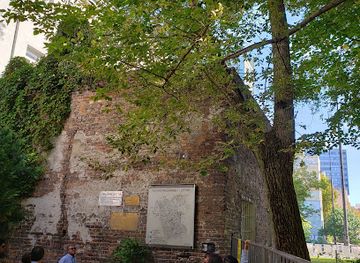
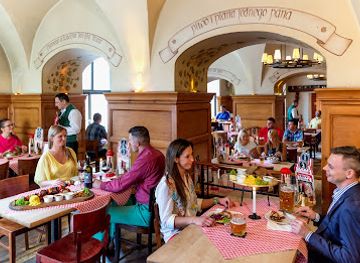
Polish
Podwale 25 Kompania Piwna
Savor authentic Polish flavors at Podwale 25 Kompania Piwna - where tradition meets modern culinary excellence in the heart of Warsaw.
-
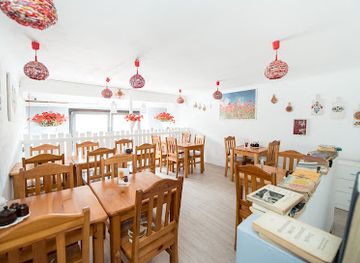
Polish
Gościniec
Experience the essence of Polish culture through its rich flavors at Gościniec in Warsaw's Śródmieście district.
-
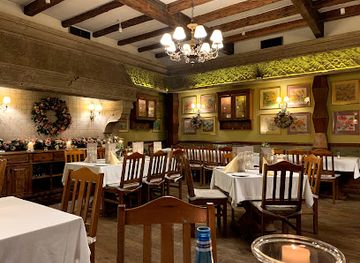
Polish
Stary Dom
Discover the essence of Polish cuisine and culture at Stary Dom, where tradition meets vibrant dining experiences in Warsaw.
Best bars in Masovia
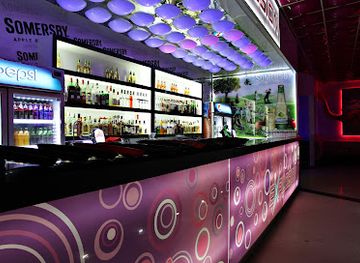
Warsaw is the centre of Masovia’s nightlife, with a broad choice of traditional beer pubs, cocktail bars, wine bars, live-music venues, late cafés and clubs. Evening activity is concentrated in central districts and along parts of the Vistula, although the character of particular venues changes quickly and current arrangements should be checked locally. The capital also has theatres, concert halls and cultural centres for visitors who prefer an evening without a club setting. In Płock, Radom, Siedlce and other larger towns, nightlife is more compact, with pubs, cafés, restaurants and occasional live music providing the main options. Smaller market towns and rural areas generally close earlier, and evenings may centre on a restaurant, historic inn or local cultural programme rather than a dedicated nightclub. Breweries and craft-beer venues can be found in urban areas, but beer is not the only focus of the region’s social life. Public drinking restrictions apply in some places, particularly around transport hubs, parks and riverside areas.
-
Restaurant
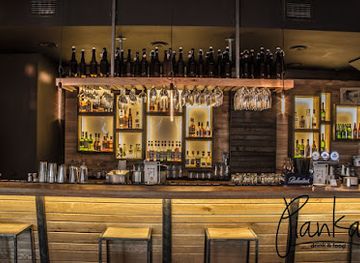
Pianka | restauracja całodobowa
Experience the vibrant flavors of Pianka, a 24-hour restaurant in Warsaw offering American and Polish cuisine in a lively atmosphere.
-
Beer hall
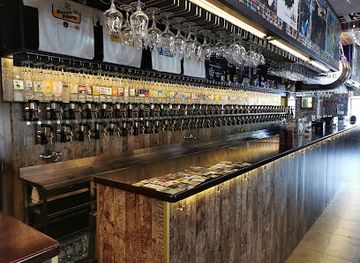
PiwPaw Beer Heaven
Explore PiwPaw Beer Heaven in Warsaw for an exceptional craft beer experience with over 300 selections from Poland and beyond.
-
Bar
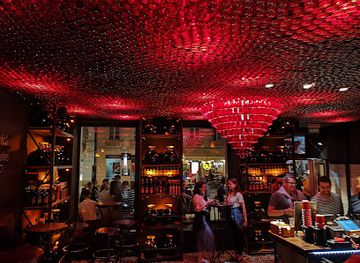
Pijana Wiśnia
Experience the lively atmosphere and exquisite wine selection at Pijana Wiśnia, Warsaw's iconic bar and wine destination.
-
Cocktail bar
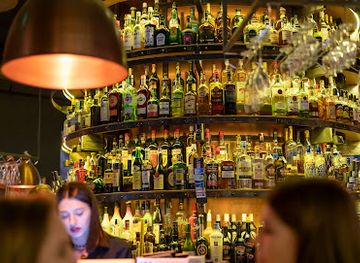
Coctail Bar Max & Dom Whisky
Explore Warsaw's vibrant nightlife at Cocktail Bar Max & Dom Whisky, where expertly crafted cocktails and a lively atmosphere await.
Best nightclubs in Masovia
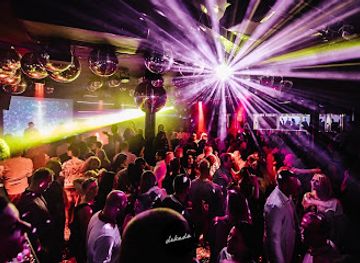
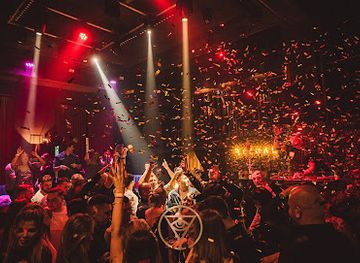
Warsaw is the centre of Masovia’s nightlife, with a broad choice of traditional beer pubs, cocktail bars, wine bars, live-music venues, late cafés and clubs. Evening activity is concentrated in central districts and along parts of the Vistula, although the character of particular venues changes quickly and current arrangements should be checked locally. The capital also has theatres, concert halls and cultural centres for visitors who prefer an evening without a club setting. In Płock, Radom, Siedlce and other larger towns, nightlife is more compact, with pubs, cafés, restaurants and occasional live music providing the main options. Smaller market towns and rural areas generally close earlier, and evenings may centre on a restaurant, historic inn or local cultural programme rather than a dedicated nightclub. Breweries and craft-beer venues can be found in urban areas, but beer is not the only focus of the region’s social life. Public drinking restrictions apply in some places, particularly around transport hubs, parks and riverside areas.
-
Disco club
Explosion Club
Discover the heart of Warsaw's nightlife at Explosion Club, where music and energy collide for an unforgettable experience.
-
Night club
Level 27
Unleash your nightlife in Warsaw at Level 27, a vibrant nightclub known for cocktails, live music, and an unforgettable party atmosphere.
-
Night club
Dekada Club
Discover the electrifying nightlife at Dekada Club in Warsaw, where music and dance create unforgettable memories every weekend.
-
Night club
RITUAL Cocktail Club
Discover RITUAL Cocktail Club, Warsaw's premier nightlife destination, offering exquisite cocktails, live music, and an electrifying atmosphere for unforgettable nights.

Best shops in Masovia
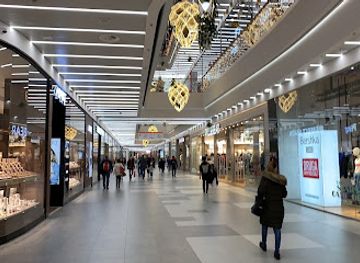
Shopping in Masovia ranges from Warsaw’s extensive high streets, department stores, design shops and shopping centres to the independent businesses and weekly markets of smaller towns. The capital is the best place for contemporary Polish fashion, books, art, ceramics and food products, while neighbourhood streets often provide a more local retail atmosphere than large commercial complexes. Płock, Radom, Pułtusk, Siedlce and other regional centres have traditional market areas, bakeries, specialist food shops and practical high-street shopping. In rural districts, look for honey, preserves, apples and other orchard produce, as well as regional breads and seasonal goods sold at markets or farm stalls. The Kurpie area in north-eastern Masovia is associated with folk crafts and decorative traditions, although availability varies by village and season. Museum shops at heritage and cultural institutions can offer books, music, local-history publications and artisan goods. Check market days in advance, carry cash for small traders and distinguish permanent local commerce from temporary festival stalls.
-
Shopping mall
Złote Tarasy
Explore Złote Tarasy, Warsaw's premier shopping mall, where retail, dining, and entertainment blend seamlessly for an unforgettable experience.
-
Shopping mall
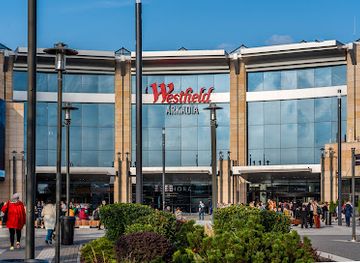
Westfield Arkadia
Discover Westfield Arkadia, Warsaw's premier shopping destination with a vast selection of stores, dining options, and entertainment.
-
Shopping mall
Westfield Mokotów
Explore Westfield Mokotów, Warsaw's premier shopping mall with a variety of stores, dining, and entertainment options for an unforgettable experience.
-
Shopping mall
Galeria Młociny
Discover Galeria Młociny, Warsaw's premier shopping mall with diverse stores, dining, and entertainment options for an unforgettable experience.


Get your free copy of our complete guide to Masovia, delivered straight to you.
Everything on this page, from attractions and restaurants to essentials and local phrases, in one PDF you can read offline, print or share.
Already have an account? Sign in
Your Masovia guide is ready.
We'll send it to · Not you? Sign out

Getting your guide ready…
We are putting together a fresh copy of the Masovia guide. This can take up to a minute.
This can take a few moments. If your browser asks, choose Allow so the download can start. You'll find the guide in your Downloads folder.
Nothing happened? Download it again
Sorry, the guide is taking longer than usual. Please try again in a minute, or get it by email instead.
Masovia essentials
Currency and Payment
Safety
Emergency Situations
Do's and Don'ts
Local Tips
From Eve
Local phrases worth knowing
You don't need to get them perfect. A few words go a long way, and locals appreciate the effort.
Basics
| English | Local | Say it |
|---|---|---|
| Hello | Cześć | [cheh-shch] |
| Goodbye | Do widzenia | [doh veed-zen-yah] |
| Yes | Tak | [tahk] |
| No | Nie | [nyeh] |
| Please/You're welcome | Proszę | [proh-sheh] |
| Thank you | Dziękuję | [jen-koo-yeh] |
| Excuse me/Sorry | Przepraszam | [psheh-prah-shahm] |
| How are you? | Jak się masz? | [yak shay mahsh] |
| Fine. And you? | Dobrze. A ty? | [doh-bzheh. ah ti] |
| Do you speak English? | Czy mówisz po angielsku? | [chih moo-veesh poh ahn-ghel-skoo] |
| I don't understand | Nie rozumiem | [nyeh roh-zoo-myem] |
Eating & Drinking
| English | Local | Say it |
|---|---|---|
| I'd like to see the menu, please | Chciałbym zobaczyć menu, proszę | [hchow-bim zo-bah-chih men-oo, proh-sheh] |
| I don't eat meat | Nie jem mięsa | [nyeh yem myen-sah] |
| Cheers! | Na zdrowie! | [nah zdroh-vyeh] |
| I would like to pay, please | Chciałbym zapłacić, proszę | [hchow-bim zah-pwah-chih, proh-sheh] |
Emergencies
| English | Local | Say it |
|---|---|---|
| Help! | Pomocy! | [poh-moh-tsih] |
| Go away! | Idź stąd! | [eech stont] |
| Call the Police! | Zadzwoń po policję! | [zahdz-voyn poh poh-leet-syeh] |
| Call a doctor! | Zadzwoń po lekarza! | [zahdz-voyn poh leh-kah-zhah] |
| I'm lost | Zgubiłem się | [zgoo-bee-wem shay] |
| I'm ill | Jestem chory | [yeh-stem kho-ri] |
Shopping
| English | Local | Say it |
|---|---|---|
| I'd like to buy... | Chciałbym kupić... | [hchow-bim koo-peech] |
| I'm just looking | Tylko się rozglądam | [til-koh shay roh-zglah-dahm] |
| How much is it? | Ile to kosztuje? | [ee-leh toh kosh-too-yeh] |
| That's too expensive | To za drogie | [toh zah droh-gyeh] |
| Can you lower the price? | Czy możesz obniżyć cenę? | [chih moh-zhehsh ob-nee-zhih tsen-eh] |
Time & Numbers
| English | Local | Say it |
|---|---|---|
| What time is it? | Która godzina? | [ktoo-rah goh-dzee-nah] |
| It's one o'clock | Jest pierwsza | [yeh-st pyerv-shah] |
| Half past (10) | Wpół do (11) | [fpoo-doh (yeden-naście)] |
| Morning | Poranek | [poh-rah-nek] |
| Afternoon | Popołudnie | [poh-poh-oohd-nyeh] |
| Evening | Wieczór | [vyeh-choor] |
| Yesterday | Wczoraj | [fcho-rai] |
| Today | Dziś | [jeesh] |
| Tomorrow | Jutro | [yoo-troh] |
| 1 | 1 | [1] |
| 2 | 2 | [2] |
| 3 | 3 | [3] |
| 4 | 4 | [4] |
| 5 | 5 | [5] |
| 6 | 6 | [6] |
| 7 | 7 | [7] |
| 8 | 8 | [8] |
| 9 | 9 | [9] |
| 10 | 10 | [10] |
Transport & Directions
| English | Local | Say it |
|---|---|---|
| Where's a/the...? | Gdzie jest...? | [gdyeh yest] |
| What's the address? | Jaki jest adres? | [yah-kee yest ah-dres] |
| Can you show me (on the map)? | Możesz mi pokazać (na mapie)? | [moh-zhehsh mee poh-kah-zhahch (nah mah-pyeh)] |
| When's the next (bus)? | Kiedy jest następny (autobus)? | [kyeh-dih yest nah-stemp-ny (ow-toob-oos)] |
| A ticket (to ....) | Bilet (do ....) | [bee-let (doh ....)] |
History of Masovia
Early Masovian Settlement and the Piast Frontier
Masovia developed as a historical region around the middle Vistula and its tributaries, with settlements linked to river transport, farming and woodland resources. Early fortified centres formed part of the Piast state’s northern and eastern frontier. Płock became especially important from the eleventh century, while settlements around the site of modern Warsaw grew in relation to river crossings and regional administration. Archaeological remains and the medieval layout of several towns reflect this gradual consolidation rather than a single founding event.
The Duchy of Masovia in the Middle Ages
After the fragmentation of the Polish kingdom in the twelfth century, Masovia was governed for centuries by its own Piast dukes. The duchy’s political centres included Płock, Czersk and later Warsaw, and its rulers established castles, churches and market settlements across the region. Czersk Castle and the medieval cathedral complex at Płock preserve visible traces of this period. Masovia’s position between the Polish heartlands and eastern territories also gave it strategic importance, while forests and rivers shaped the pattern of settlement.
Incorporation into the Polish Crown, 1526
The independent line of Masovian Piast dukes ended in the early sixteenth century after the death of Duke Janusz III in 1526. Masovia was then incorporated into the Polish Crown, bringing its institutions more firmly into the political framework of the Polish–Lithuanian Commonwealth. Warsaw continued to grow as an administrative and political centre, benefiting from its central position and connections along the Vistula. The transition helped prepare the ground for the city’s later rise as a national capital.
Warsaw and the Commonwealth Capital
In 1596 King Sigismund III Vasa moved the royal court from Kraków to Warsaw, making the Masovian city the practical political centre of the Commonwealth. Warsaw’s castle, churches, palaces and ceremonial routes expanded as a result, while the Vistula supported trade and communication. The period also strengthened the region’s role in parliamentary and royal life. Much of the historic fabric was later destroyed, but the city’s rebuilt Old Town, Royal Castle and surviving seventeenth- and eighteenth-century residences preserve the capital’s Commonwealth-era legacy.
Partitions, Industrialisation and the Railway Age
The third partition of Poland in 1795 placed Masovia under Prussian and then Russian rule, with Warsaw becoming the centre of the Russian-controlled Kingdom of Poland after 1815. The nineteenth century brought administrative change, new roads and railways, and the rapid growth of manufacturing. Żyrardów became a major textile settlement, while Warsaw expanded beyond its historic core. Rail connections encouraged trade, migration and industrial development, although the region also experienced political repression and participated in Polish uprisings against partitioning powers.
War, Occupation and the Destruction of Warsaw
The Second World War transformed Masovia through German occupation, mass murder and destruction. The Nazi German extermination camp at Treblinka, now commemorated by a museum and memorial landscape, was the site of the murder of hundreds of thousands of Jews and other victims. Warsaw’s Jewish community was confined in the ghetto, which was destroyed after the 1943 uprising. The Warsaw Uprising of 1944 led to further devastation, and much of the capital was systematically demolished after its suppression. These events remain central to the region’s museums and memorial sites.
Reconstruction and Contemporary Masovia
After 1945, Warsaw was rebuilt on a vast scale, including a historically informed reconstruction of the Old Town alongside modern housing, civic buildings and industrial districts. Under state socialism, the capital remained Poland’s administrative and economic centre, while towns such as Płock and Radom developed new industrial roles. Since 1989, Masovia has undergone rapid economic and social change, with Warsaw becoming an international business, cultural and academic hub. At the same time, rural districts, protected landscapes and historic towns have retained older patterns of agriculture and regional identity.
Masovia in Photos
Browse through our photo collection highlighting the charm and character of the destination.
Neighbouring regions of Masovia
The closest regions to Masovia, if you have time for more than one.
-

-

-

-

-


Swipe for more regions
Explore more

Explore more of Poland
Discover Poland's rich history, vibrant cities, and scenic landscapes, from the medieval streets of Kraków to the serene beauty of the Tatra Mountains and Masurian Lakes.
Explore Poland