

Free Kuyavia Travel Guide & Mobile App
Explore Kuyavia with free travel guides. Discover regional history, expert tips, proposed trips, and audio guides on web or mobile app.


Explore Kuyavia in Poland for Piast heritage, Vistula landscapes, historic churches, brine spas, fertile countryside and lakeside retreats.
Read more about Kuyavia
When is the best time to visit Kuyavia?
Best: June–August · 22–24°C| Month | High (°C) | Rainfall (mm) |
|---|---|---|
| January | 2 | 40 |
| February | 3 | 35 |
| March | 8 | 40 |
| April | 14 | 45 |
| May | 19 | 55 |
| June (best) | 22 | 60 |
| July (best) | 24 | 65 |
| August (best) | 23 | 60 |
| September | 18 | 50 |
| October | 12 | 45 |
| November | 7 | 45 |
| December | 4 | 45 |
Getting to and around Kuyavia
How to get there
Transportation
Top city travel guides in Kuyavia
The cities of Kuyavia, and the easiest places to base yourself.
-

-


Swipe for more cities
Destinations in Kuyavia
Resorts, valleys and scenic spots worth a trip of their own.

Swipe for more destinations
Best attractions in Kuyavia
Kuyavia’s attractions combine medieval religious heritage, spa culture, waterways and an agricultural landscape rather than forming a single concentrated sightseeing circuit. Włocławek provides the region’s strongest urban and ecclesiastical focus, with its cathedral, museums and Vistula setting. Inowrocław and Ciechocinek offer contrasting interpretations of the brine tradition: the former combines spa gardens with a substantial modern town, while the latter is known for its resort promenades, graduation towers and therapeutic atmosphere. Kruszwica introduces the early Piast story beside Lake Gopło, with opportunities for lakeside walks and boating. Smaller towns such as Brześć Kujawski and Radziejów add market-town history, while Strzelno, just beyond the modern Kuyavian-Pomeranian boundary in Greater Poland but historically linked with Kuyavia, makes a worthwhile nearby excursion for its Romanesque heritage. Rural roads, cycling routes, bird-rich wetlands and open fields complete a visitor experience suited to unhurried exploration.
-
Tourist attraction
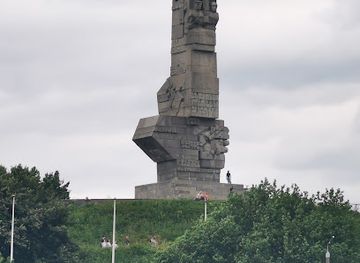
Westerplatte
Explore Westerplatte in Gdańsk, a historic site of World War II significance, where bravery meets beauty by the Baltic Sea.
-
Tourist attraction
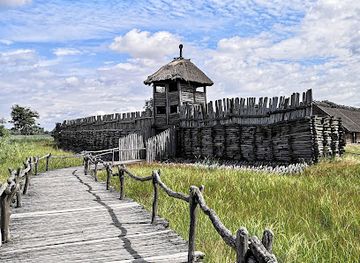
Archaeological Museum in Biskupin
Explore Biskupin's Archaeological Museum, where ancient history meets natural beauty in Poland's enchanting landscapes.
-
Tourist attraction
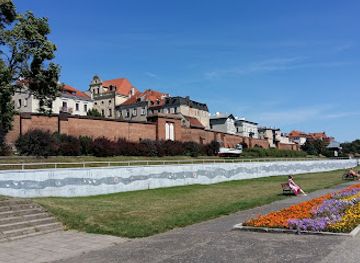
Muzeum Piernika
Explore the enchanting world of gingerbread at Muzeum Piernika in Toruń, where history, art, and sweet flavors come together.
-
Tourist attraction
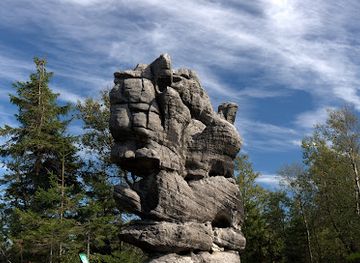
Stołowe Mountains National Park
Explore the majestic Stołowe Mountains National Park, a haven of stunning rock formations and diverse wildlife in Poland's enchanting natural landscape.
Best landmarks in Kuyavia
Włocławek Cathedral is one of Kuyavia’s defining landmarks, representing the region’s long ecclesiastical importance and its position beside the Vistula. In Kruszwica, the collegiate church and the nearby Mouse Tower are closely associated with the town’s medieval and Piast-era identity, although the tower’s legends belong as much to Polish tradition as to documented history. Ciechocinek’s wooden graduation towers are among the clearest visual symbols of Kuyavia’s nineteenth-century salt and spa economy, while Inowrocław’s graduation structures and landscaped resort area express the same brine heritage in a different urban setting. The Romanesque church complex at Strzelno, historically connected with Kuyavia but situated today in Greater Poland, is an important nearby landmark rather than a site within the modern Kuyavian-Pomeranian region. Lake Gopło and the Vistula valley provide the region’s most significant natural landmarks, linking scenery with settlement, trade and early political history.
-
Plaza
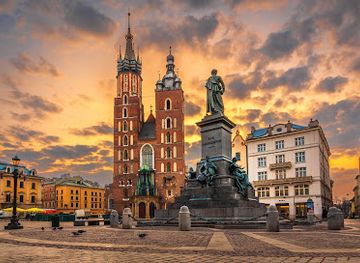
Rynek Główny
Explore the vibrant Rynek Główny in Kraków, a historic plaza filled with stunning architecture, local delicacies, and cultural charm.
-
Park
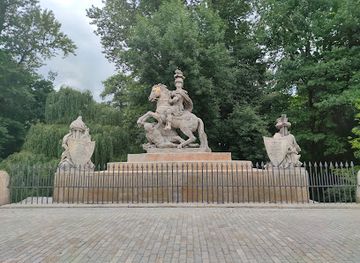
Royal Łazienki Park
Explore the serene beauty of Royal Łazienki Park, a historic gem in Warsaw filled with stunning landscapes, iconic monuments, and cultural treasures.
-
Castle
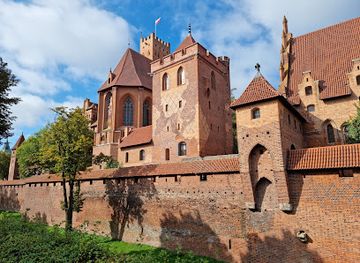
Malbork Castle
Discover the majestic Malbork Castle, a UNESCO World Heritage Site and the largest brick castle in the world, steeped in history and architectural beauty.
-
 Event venue
Palace of Culture and Science
Discover Warsaw's iconic Palace of Culture and Science, a stunning architectural marvel and cultural hub offering breathtaking city views.
Explore Kuyavia on the map
Plan your trip on one map. See where the top cities, national parks and sights are, and book hotels and experiences in a few clicks.
Best hotels in Kuyavia
Best restaurants in Kuyavia
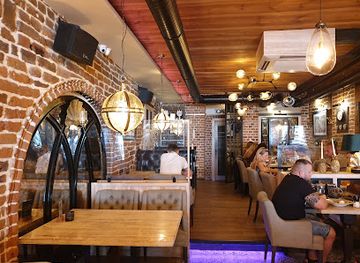
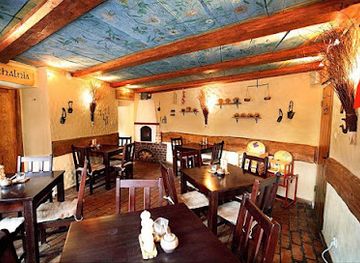
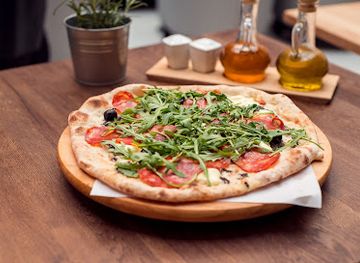
Kuyavian food reflects the productivity of its dark soils and the practical cooking of north-central Poland. Expect breads, potatoes, cabbage, soups, dumplings, freshwater fish, pork, poultry, dairy products and seasonal fruit, with menus varying between town restaurants, traditional inns and family cafés. Włocławek and Inowrocław have the broadest choice, including contemporary Polish cooking and international food, while Ciechocinek’s dining scene is shaped by spa visitors and relaxed café culture. Rural establishments may focus on regional home-style dishes and ingredients from nearby farms. Markets are useful for finding breads, smoked products, preserves, honey and orchard produce, particularly when travelling through smaller towns. Kuyavia does not depend on one universally recognised signature dish; its culinary identity is better understood through everyday Polish food, local agricultural produce and seasonal cooking. Poland’s familiar beers, clear spirits and non-alcoholic fruit drinks are widely available, alongside coffee and tea in spa cafés.
-
Polish
Gościniec
Discover Gościniec: A Culinary Journey Through Authentic Polish Flavors in Warsaw's Heart.
-
European
Restauracja Chleb i Wino Toruń
Experience exquisite European cuisine at Restauracja Chleb i Wino in the historic heart of Toruń—where tradition meets taste.
-
Dumpling
Pierogarnia Stary Toruń
Experience the authentic taste of Poland at Pierogarnia Stary Toruń, renowned for its delicious dumplings in the heart of historic Toruń.
-
Italian
Stare Metropolis Łazienna 26 Toruń
Experience the perfect fusion of Italian flavors and Polish culinary traditions at Stare Metropolis in the heart of Toruń.
Best bars in Kuyavia
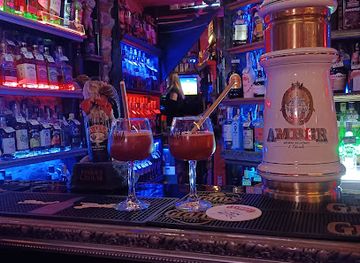
Evening life in Kuyavia is generally modest and town-centred rather than built around a large club scene. Włocławek has the widest selection of pubs, cafés, restaurants and occasional live-music venues, while Inowrocław and Ciechocinek offer bars and hotel lounges catering to residents, spa guests and weekend visitors. Ciechocinek’s evening atmosphere is often linked to its parks, concert culture and relaxed resort routines rather than late-night dancing. In smaller market towns, traditional pubs and restaurant bars provide the main social venues, and rural evenings are usually quiet. Seasonal events may bring outdoor performances or extended hospitality, but programmes and opening arrangements change. Visitors should not assume that nightlife continues late outside the principal towns; an early dinner, a riverside walk or a spa concert may be more characteristic of the region than clubbing.
-
Brewpub
Kredens Pub
Discover the lively atmosphere and delicious brews at Kredens Pub, a must-visit brewpub in Toruń's historic Medieval Town.
-
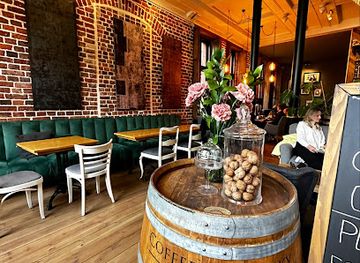
Coffee shop
Coffee & Whisky House
Discover the perfect blend of rich coffee and exquisite whisky at Coffee & Whisky House in the heart of Toruń, offering a cozy retreat for every taste.
-
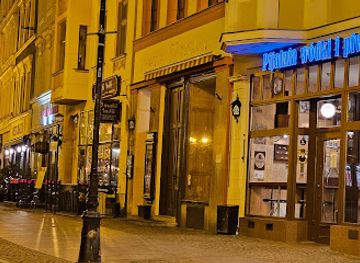
Bar
Pijalnia Wódki i Piwa
Discover the lively spirit of Poland at Pijalnia Wódki i Piwa, a bar renowned for its local vodkas and beers in the heart of Toruń.
-
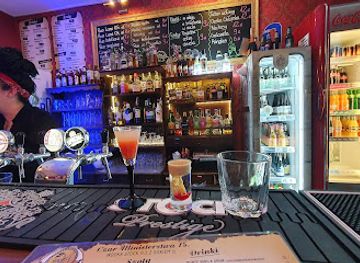
Gastropub
Ministerstwo Śledzia i Wódki
Discover the heart of Polish cuisine at Ministerstwo Śledzia i Wódki, a lively gastropub in Toruń known for its herring and vodka specialties.
Best nightclubs in Kuyavia
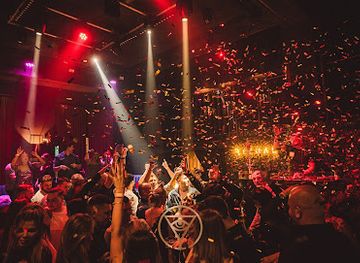
Evening life in Kuyavia is generally modest and town-centred rather than built around a large club scene. Włocławek has the widest selection of pubs, cafés, restaurants and occasional live-music venues, while Inowrocław and Ciechocinek offer bars and hotel lounges catering to residents, spa guests and weekend visitors. Ciechocinek’s evening atmosphere is often linked to its parks, concert culture and relaxed resort routines rather than late-night dancing. In smaller market towns, traditional pubs and restaurant bars provide the main social venues, and rural evenings are usually quiet. Seasonal events may bring outdoor performances or extended hospitality, but programmes and opening arrangements change. Visitors should not assume that nightlife continues late outside the principal towns; an early dinner, a riverside walk or a spa concert may be more characteristic of the region than clubbing.
-
Night club
Level 27
Experience the vibrant nightlife of Warsaw at Level 27, where stunning views and electrifying music create unforgettable nights.
-
Live Music
NIEBO
Experience the vibrant cultural scene at NIEBO, Warsaw's premier destination for live music, art, and unforgettable nights out.
-
Night club
RITUAL Cocktail Club
Immerse yourself in Warsaw's vibrant nightlife at RITUAL Cocktail Club, where exceptional cocktails and live music create an unforgettable experience.
-
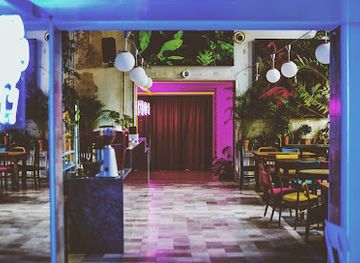
Night club
ENKLAWA Art & Music Club
Experience the vibrant nightlife at ENKLAWA Art & Music Club, Warsaw's ultimate destination for art, music, and unforgettable dance parties.


Best shops in Kuyavia
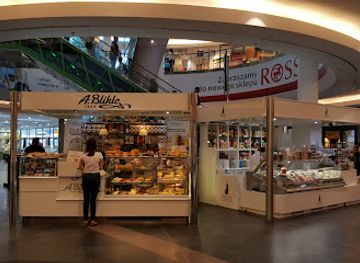
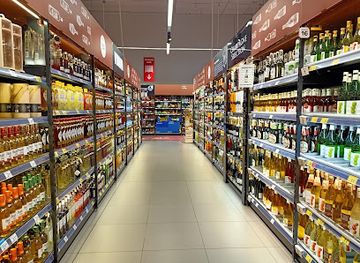
Shopping in Kuyavia is centred on ordinary town high streets, local markets, spa boutiques and food producers rather than major luxury retail. Włocławek and Inowrocław provide the broadest mix of national chains, independent shops, bookshops and cafés, while smaller towns such as Kruszwica, Radziejów and Brześć Kujawski are useful for everyday provisions and market browsing. Ciechocinek has shops aimed at visitors, including regional food products, health-related goods, small crafts and souvenirs associated with spa culture. Look for breads, honey, preserves, smoked foods, dairy products and seasonal fruit at markets when available, and consider pottery, textiles or small handmade items from local craft sellers. Shopping hours and market days vary, especially in smaller communities, so do not plan a rural itinerary around a market without checking locally. The most meaningful souvenirs are often edible products or modest craft items that reflect Kuyavia’s farming, brine and traditional domestic culture.
-
Shopping mall
Złote Tarasy
Discover the vibrant shopping and dining experience at Złote Tarasy in Warsaw, where modern architecture meets a diverse range of shops and restaurants.
-
Shopping mall
Galeria Krakowska
Experience the best of shopping and dining at Galeria Krakowska, Kraków’s premier shopping mall with endless options and vibrant atmosphere.
-
Shopping mall
Westfield Arkadia
Explore Westfield Arkadia, Warsaw's premier shopping mall with over 200 stores, diverse dining, and entertainment options for an unforgettable experience.
-
Shopping mall
Posnania
Discover Posnania: A vibrant shopping mall in Poznań offering a diverse range of stores, dining, and entertainment for all ages.


Get your free copy of our complete guide to Kuyavia, delivered straight to you.
Everything on this page, from attractions and restaurants to essentials and local phrases, in one PDF you can read offline, print or share.
Already have an account? Sign in
Your Kuyavia guide is ready.
We'll send it to · Not you? Sign out

Getting your guide ready…
We are putting together a fresh copy of the Kuyavia guide. This can take up to a minute.
This can take a few moments. If your browser asks, choose Allow so the download can start. You'll find the guide in your Downloads folder.
Nothing happened? Download it again
Sorry, the guide is taking longer than usual. Please try again in a minute, or get it by email instead.
Kuyavia essentials
Currency and Payment
Safety
Emergency Situations
Do's and Don'ts
Local Tips
From Eve
Local phrases worth knowing
You don't need to get them perfect. A few words go a long way, and locals appreciate the effort.
Basics
| English | Local | Say it |
|---|---|---|
| Hello | Cześć | [cheh-shch] |
| Goodbye | Do widzenia | [doh veed-zen-yah] |
| Yes | Tak | [tahk] |
| No | Nie | [nyeh] |
| Please/You're welcome | Proszę | [proh-sheh] |
| Thank you | Dziękuję | [jen-koo-yeh] |
| Excuse me/Sorry | Przepraszam | [psheh-prah-shahm] |
| How are you? | Jak się masz? | [yahk shay mahsh] |
| Fine. And you? | Dobrze. A ty? | [doh-bzheh. ah tih] |
| Do you speak English? | Czy mówisz po angielsku? | [chih moo-veesh poh ahn-gyehl-skoo] |
| I don't understand | Nie rozumiem | [nyeh roh-zoo-myem] |
Eating & Drinking
| English | Local | Say it |
|---|---|---|
| I'd like to see the menu, please | Chciałbym zobaczyć menu, proszę | [hch-yahl-bihm zo-bah-chihch meh-noo, proh-sheh] |
| I don't eat meat | Nie jem mięsa | [nyeh yem myen-sah] |
| Cheers! | Na zdrowie! | [nah zdroh-vyeh] |
| I would like to pay, please | Chciałbym zapłacić, proszę | [hch-yahl-bihm zah-pwah-chihch, proh-sheh] |
Emergencies
| English | Local | Say it |
|---|---|---|
| Help! | Pomocy! | [poh-moh-tsih] |
| Go away! | Idź stąd! | [eech stohnd] |
| Call the Police! | Zadzwoń po policję! | [zahdz-voyn poh poh-leet-see-eh] |
| Call a doctor! | Zadzwoń po lekarza! | [zahdz-voyn poh leh-kah-zhah] |
| I'm lost | Zgubiłem się | [zgoo-bee-wem shay] |
| I'm ill | Jestem chory | [yeh-stem hoh-rih] |
Shopping
| English | Local | Say it |
|---|---|---|
| I'd like to buy... | Chciałbym kupić... | [hch-yahl-bihm koo-peach] |
| I'm just looking | Tylko się rozglądam | [tihl-koh shay rohz-glah-dahm] |
| How much is it? | Ile to kosztuje? | [ee-leh toh kosh-too-yeh] |
| That's too expensive | To za drogie | [toh zah droh-gyeh] |
| Can you lower the price? | Czy możesz obniżyć cenę? | [chih moh-zhehsh ob-nee-zhych tseh-neh] |
Time & Numbers
| English | Local | Say it |
|---|---|---|
| What time is it? | Która godzina? | [ktoo-rah goh-jee-nah] |
| It's one o'clock | Jest pierwsza godzina | [yeh-st py-air-v-shah goh-jee-nah] |
| Half past (10) | W pół do (11) | [v poo-doh (yena-sta)] |
| Morning | Poranek | [poh-ra-nek] |
| Afternoon | Popołudnie | [poh-poh-ood-nyeh] |
| Evening | Wieczór | [vyeh-choor] |
| Yesterday | Wczoraj | [fcho-rah-y] |
| Today | Dzisiaj | [djee-shyai] |
| Tomorrow | Jutro | [yoo-troh] |
| 1 | 1 | [yeden] |
| 2 | 2 | [dwa] |
| 3 | 3 | [trzy] |
| 4 | 4 | [cztery] |
| 5 | 5 | [pięć] |
| 6 | 6 | [sześć] |
| 7 | 7 | [siedem] |
| 8 | 8 | [osiem] |
| 9 | 9 | [dziewięć] |
| 10 | 10 | [dziesięć] |
Transport & Directions
| English | Local | Say it |
|---|---|---|
| Where's a/the...? | Gdzie jest...? | [gjeh yest] |
| What's the address? | Jaki jest adres? | [yah-kee yest ah-dres] |
| Can you show me (on the map)? | Czy możesz mi pokazać (na mapie)? | [chih moh-zhehsh mee poh-kah-zach (nah mah-pyeh)] |
| When's the next (bus)? | Kiedy następny (autobus)? | [kyed-y nah-stemp-ny (ow-toh-boos)] |
| A ticket (to ....) | Bilet (do ....) | [bee-let (doh ....)] |
History of Kuyavia
Early farming and the Gopło landscape
Kuyavia has been inhabited since prehistoric times, and its fertile soils encouraged early agriculture. Archaeological evidence from the wider region records Neolithic farming communities, later Bronze Age and Iron Age settlement, and networks of exchange linked to the Vistula basin. The lakes and wetlands around Gopło were especially important for settlement and movement. Although later medieval legends attach the origins of Poland’s Piast dynasty to this landscape, the historical importance of Kuyavia rests more securely on its agricultural wealth, waterways and position between the central Polish plains and the Baltic hinterland.
Piast consolidation and medieval Christianity
During the early medieval period, Kuyavia became part of the political world from which the Polish state developed. Kruszwica, beside Lake Gopło, was an important stronghold and is closely associated with early Piast traditions. Christianity became institutionally established through bishoprics, monasteries and collegiate churches; Włocławek emerged as a major ecclesiastical centre from the twelfth century. Romanesque buildings at Strzelno and later Gothic churches across the region demonstrate the wealth and organisational reach of medieval church foundations.
The Duchy of Kuyavia and regional fragmentation
After the fragmentation of the Polish monarchy in the twelfth century, Kuyavia was divided among Piast princes and developed as a group of duchies rather than a single consistently governed territory. Rulers based in towns such as Inowrocław and Brześć Kujawski competed for influence while confronting neighbouring powers, including the Teutonic Order. This period left a durable network of fortified settlements, religious institutions and market towns. The reunification of the Polish kingdom gradually restored Kuyavia to a broader political framework while preserving its distinct regional name.
Wars with the Teutonic Order and the return to Poland
Kuyavia occupied a strategically sensitive position during the medieval conflicts between Poland and the Teutonic Order. Towns and lands in the region suffered from warfare and political disputes, particularly during the thirteenth and fourteenth centuries. The Treaty of Kalisz in 1343 helped settle a major phase of the conflict, returning Kuyavian territories to the Polish Crown. Later, the region benefited from the greater stability of the Polish-Lithuanian Commonwealth, although its towns remained vulnerable to wider political and military crises.
The Commonwealth, partitions and changing borders
For centuries Kuyavia functioned as an agricultural and ecclesiastical region within the Polish-Lithuanian Commonwealth. Włocławek’s cathedral chapter and the region’s estates formed important centres of landholding and administration, while market towns supported grain and local trade. The partitions of Poland at the end of the eighteenth century divided Kuyavia between Prussia and the Russian Empire. Napoleonic-era changes briefly placed parts of the region in the Duchy of Warsaw, after which much of Kuyavia became part of Congress Poland under Russian control.
Salt, brine and the rise of the spas
The nineteenth century brought a major transformation through the systematic use of underground brine. Salt works and evaporation installations developed at Ciechocinek, and the town subsequently grew as a health resort known for brine treatments, spa gardens and large wooden graduation towers. Inowrocław developed a parallel spa identity, combining saline waters with urban parks and later tourism infrastructure. These enterprises connected Kuyavia to industrial technology, medical fashion and railway travel, creating a distinctive landscape where agricultural plains stand beside substantial timber and masonry engineering.
War, occupation and post-war reconstruction
Kuyavia was incorporated into German-occupied territory during the Second World War, and its towns and villages experienced repression, forced labour, displacement and the destruction of Jewish communities. Włocławek and other urban centres were affected by occupation policies and wartime disruption. After 1945, the region was rebuilt within communist Poland, with agriculture, food processing, industry and state-managed enterprises shaping economic life. Since 1989, spa tourism, heritage travel, local food production and regional cultural institutions have gained greater prominence alongside continuing agricultural activity.
Kuyavia in Photos
Browse through our photo collection highlighting the charm and character of the destination.
Neighbouring regions of Kuyavia
The closest regions to Kuyavia, if you have time for more than one.
-

-

-

-

-


Swipe for more regions
Explore more

Explore more of Poland
Discover Poland's rich history, vibrant cities, and scenic landscapes, from the medieval streets of Kraków to the serene beauty of the Tatra Mountains and Masurian Lakes.
Explore Poland