
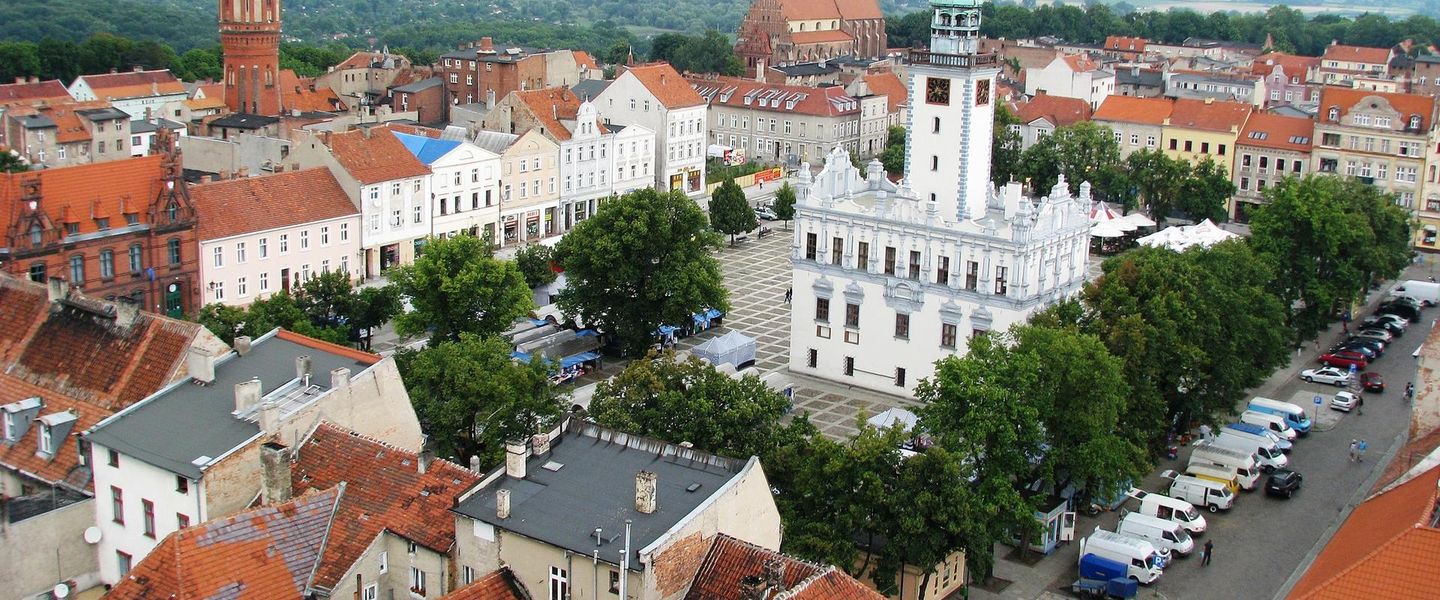
Chełmno Land, Poland Travel Guide
Discover Chełmno Land in Poland: a captivating blend of medieval history, stunning landscapes, and vibrant local culture waiting to be explored.
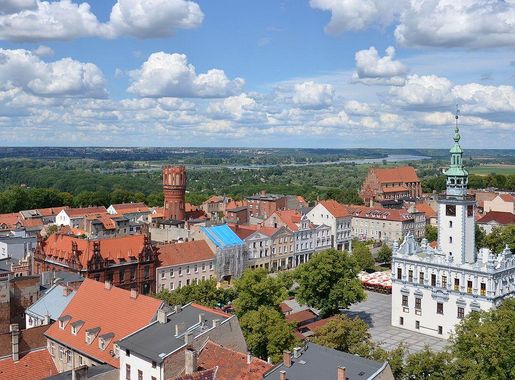
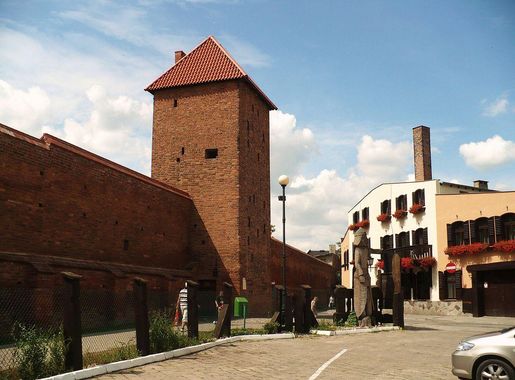
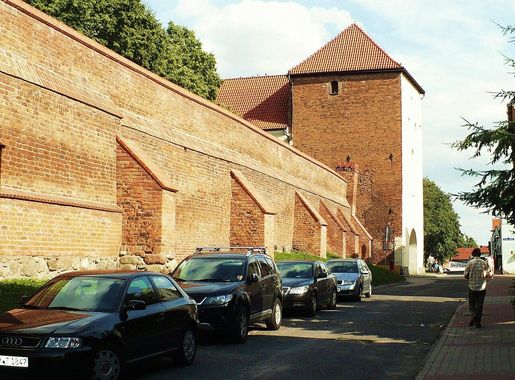
Chełmno Land, located in northern Poland, is a hidden gem that offers a glimpse into the medieval past. This region, rich in history and culture, is home to the charming town of Chełmno, known for its well-preserved Gothic architecture and cobblestone streets. Visitors can explore the town's impressive city walls, which date back to the 13th century, and the beautifully maintained churches, including the Church of the Assumption of the Blessed Virgin Mary. The region is also famous for its picturesque landscapes, with rolling hills, lush forests, and serene rivers. Nature enthusiasts will enjoy the numerous hiking and biking trails that wind through the countryside, offering stunning views and a chance to experience the tranquility of the Polish countryside. Chełmno Land is not just about history and nature; it also boasts a vibrant local culture. The region hosts several festivals throughout the year, celebrating everything from medieval traditions to modern arts. Local cuisine is another highlight, with hearty Polish dishes and fresh, locally-sourced ingredients that are sure to delight any food lover. Whether you're a history buff, a nature lover, or simply looking for a peaceful escape, Chełmno Land offers a unique and unforgettable experience.

Know before you go
Hi, I'm Eve. Here are a few practical things to know before exploring Chełmno Land.
- Visit the town of Chełmno during the Chełmno Days festival in June for a taste of local culture and entertainment.
- Take a guided tour of the medieval city walls for fascinating insights into the town's history.
- Try the local specialty, pierogi, at one of the traditional Polish restaurants in town.
- Bring comfortable walking shoes as the cobblestone streets can be uneven.
- Explore the nearby Vistula River banks for a peaceful and scenic walk.
Top City Travel Guides in Chełmno Land
The cities of Chełmno Land, and the easiest places to base yourself.
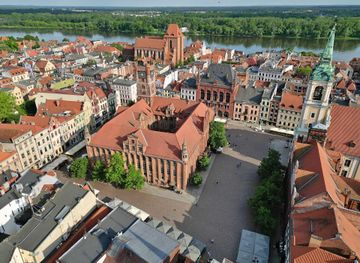

Destinations in Chełmno Land
Resorts, valleys and scenic spots worth a trip of their own.

Explore Chełmno Land: Things to Do, Places to Eat, Hotels & More
Handpicked recommendations for top attractions, local dining, accommodations, and more

Top Attractions & Sightseeing in Chełmno Land
Top-rated picks
Best Attractions

Muzeum Piernika
Explore the enchanting world of gingerbread at Muzeum Piernika in Toruń, where history, craft, and deliciousness come together for an unforgettable experience.

Teutonic Castle ruins
Discover the awe-inspiring Teutonic Castle ruins in Toruń, a historical gem that offers breathtaking views and a glimpse into Poland's medieval past.

House of Nicolaus Copernicus
Discover the birthplace of Nicolaus Copernicus in Toruń, a captivating museum celebrating the father of modern astronomy and his revolutionary ideas.

Muzeum Toruńskiego Piernika
Explore the enchanting world of gingerbread making at Muzeum Toruńskiego Piernika in the heart of historic Toruń.

Best landmarks in Chełmno Land
Top-rated picks
Best Landmarks

Nicolaus Copernicus Monument in Toruń
Explore the Nicolaus Copernicus Monument in Toruń, a stunning tribute to the famed astronomer amidst the charm of this medieval city.
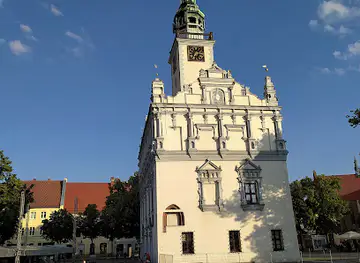
Rynek miasta Chełmno
Discover the enchanting Market Square of Chełmno, a hub of history, culture, and culinary delights in Poland.
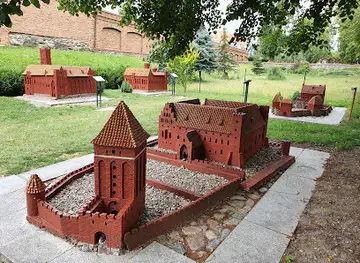
Park Miniatur Zamków Krzyżackich
Discover the enchanting world of miniature castles at Park Miniatur Zamków Krzyżackich in Chełmno, where history and artistry come together in delightful detail.

The old bridge on the Wisla
Experience the breathtaking views and historical charm at the Old Bridge over the Vistula in Toruń, a must-see scenic spot for travelers.

Best restaurants in Chełmno Land
Top-rated picks
Best Restaurants

Zajazd Tama Brodzka
Discover authentic Polish cuisine and delicious pizzas at Zajazd Tama Brodzka in Brodnica – where every bite tells a story.

Chlebem i Solą
Discover authentic Polish cuisine at Chlebem i Solą in Chełmno – where every meal feels like home.

Restauracja „Spichlerz”
Experience authentic Polish cuisine at Restauracja 'Spichlerz' in Chełmno - where family dining meets traditional flavors.
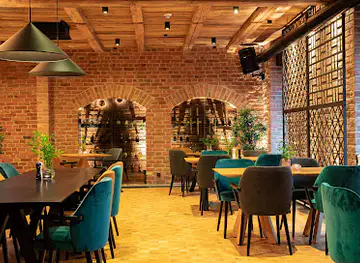
Restauracja Fyrtel
Discover the rich flavors of Poland at Restauracja Fyrtel in Chełmno – where tradition meets modern culinary art.

Best bars in Chełmno Land
Top-rated picks
Best Bars

Chlebem i Solą
Experience authentic Polish cuisine at Chlebem i Solą in Chełmno, where traditional flavors meet a warm, family-friendly atmosphere.

Restauracja „Spichlerz”
Savor the rich flavors of Polish cuisine at Restauracja „Spichlerz”, a family-friendly gem in Chełmno, perfect for travelers and locals alike.
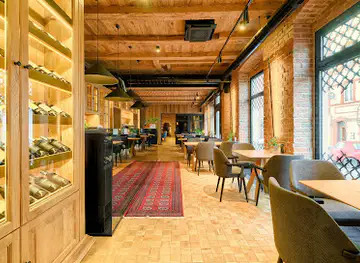
Restauracja Fyrtel
Savor the authentic flavors of Poland at Restauracja Fyrtel in Chełmno, where culinary tradition meets modern creativity.
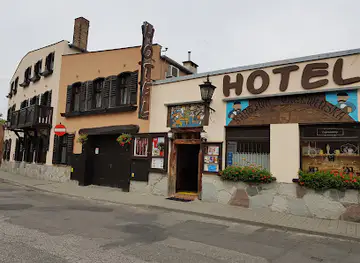
Restauracja Karczma Chełmińska
Experience the rich flavors of traditional Polish cuisine at Restauracja Karczma Chełmińska, a culinary gem in the heart of Chełmno.

Best nightclubs in Chełmno Land
Top-rated picks
Best Nightclubs

RITUAL Cocktail Club
Discover the vibrant nightlife of Warsaw at RITUAL Cocktail Club, where exceptional cocktails meet live music in a stylish setting.

Park Miniatur Zamków Krzyżackich
Experience the rich history of Poland at Park Miniatur Zamków Krzyżackich, featuring stunning miniature models of Teutonic castles.

Restauracja „Spichlerz”
Experience authentic Polish cuisine at Restauracja „Spichlerz”, a family-friendly restaurant in the heart of Chełmno, perfect for every palate.

Restauracja Fyrtel
Experience the culinary artistry of Restauracja Fyrtel – a delightful blend of tradition and modern flavors in Chełmno.

Best shops in Chełmno Land
Top-rated picks
Best Shops

Galeria Pomorska Bydgoszcz
Explore Galeria Pomorska in Bydgoszcz, a vibrant shopping destination with a mix of retail, dining, and entertainment options for all visitors.

Park Miniatur Zamków Krzyżackich
Visit the Park Miniatur Zamków Krzyżackich in Chełmno for an unforgettable journey through Poland's medieval architecture and history.

Park City "New Planty"
Experience the serene beauty of Park City 'New Planty', a tranquil state park perfect for relaxation, exploration, and outdoor adventures in Chełmno.

Pasaż Chełmiński
Explore Pasaż Chełmiński, a vibrant shopping mall in Chełmno, offering diverse shops, dining, and a lively community atmosphere.

Explore Chełmno Land on the Map
A handpicked selection of must-see spots in Chełmno Land, mapped for you.
Chełmno Land Essentials
-
Chełmno Land is located in the Kuyavian-Pomeranian Voivodeship in north-central Poland. The nearest major airport is Bydgoszcz Ignacy Jan Paderewski Airport (BZG), approximately 50 kilometers away. From Bydgoszcz, you can take a bus or train directly to Chełmno Land. Alternatively, you can use the Gdańsk Lech Wałęsa Airport (GDN), which is about 130 kilometers away, and then take a train or rent a car to reach Chełmno Land.
-
Chełmno Land offers several transportation options. Local buses connect the main towns and villages. Taxis are readily available and relatively affordable. For a more flexible mode of travel, consider renting a car, which allows you to explore the region at your own pace. Cycling is also popular, with many well-marked cycling routes. Walking is a pleasant way to explore the historical parts of the region.
-
The official currency in Poland is the Polish Złoty (PLN). Credit and debit cards are widely accepted in hotels, restaurants, and shops in Chełmno Land. However, it is advisable to carry some cash, especially when visiting smaller establishments or rural areas. ATMs are available in most towns and cities within the region.
-
Chełmno Land is generally a safe destination for tourists. However, like any travel destination, it is important to take standard precautions. Avoid walking alone at night in unfamiliar areas and be cautious with your belongings in crowded places. There are no specific high-crime areas targeting tourists, but staying vigilant is always advisable.
-
In case of emergency, dial 112 for immediate assistance, which is the general emergency number in Poland. The local police, fire brigade, and medical services are available throughout Chełmno Land. It is recommended to have travel insurance that covers medical emergencies. For minor health issues, pharmacies are available in most towns.
-
Fashion: Do dress modestly, especially when visiting religious sites. Avoid overly revealing clothing. Religion: Do respect local customs and traditions. Always cover your head when entering churches. Public Transport: Do be respectful and give up your seat to elderly passengers. Don't eat or drink on public transport. Greetings: Do greet people with a handshake. Saying 'Dzień dobry' (Good day) is also appreciated. Eating & Drinking: Do try local delicacies and accept food offerings graciously. Don't refuse hospitality, as it is considered impolite.
-
To experience Chełmno Land like a local, visit the local markets where you can buy fresh produce and traditional Polish goods. Engage with locals, who are often friendly and willing to share stories about the region's history and culture. Don't miss visiting the medieval town of Chełmno, known for its beautiful Gothic architecture and well-preserved town walls. For a unique experience, take a walk along the Vistula River or explore the numerous historical churches scattered throughout the region.
When is the best time to visit Chełmno Land?
Useful Local Phrases for Chełmno Land
You don't need to speak the language perfectly. Even learning a few simple words can make conversations warmer—and locals usually appreciate the effort.
— Eve

Here are the phrases I use most often in Chełmno Land. Try a few—you'll be surprised how far they go! 😊
❤️
-
- HelloCześć
[cheshch] - GoodbyeDo widzenia
[do vee-dzenia] - YesTak
[tak] - NoNie
[nye] - Please/You're welcomeProszę
[pro-sheh] - Thank youDziękuję
[djen-koo-yeh] - Excuse me/SorryPrzepraszam
[psheh-pra-sham] - How are you?Jak się masz?
[yak shay mash] - Fine. And you?Dobrze. A ty?
[dob-zhe. a ti] - Do you speak English?Czy mówisz po angielsku?
[chee moo-veesh po an-gel-sku] - I don't understandNie rozumiem
[nye ro-zu-myem]
- HelloCześć
-
- I'd like to see the menu, pleaseChciałbym zobaczyć menu, proszę
[hchow-bim zo-bah-chich meh-nu, pro-sheh] - I don't eat meatNie jem mięsa
[nye yem myen-sa] - Cheers!Na zdrowie!
[na zdro-vyeh] - I would like to pay, pleaseChciałbym zapłacić, proszę
[hchow-bim za-pwa-chich, pro-sheh]
- I'd like to see the menu, pleaseChciałbym zobaczyć menu, proszę
-
- Help!Pomocy!
[po-mo-tsi] - Go away!Idź stąd!
[eej sh-tond] - Call the Police!Zadzwoń po policję!
[zadz-von po po-li-tsyeh] - Call a doctor!Zadzwoń po lekarza!
[zadz-von po le-kah-rza] - I'm lostZgubiłem się
[zgoo-bee-wem shay] - I'm illJestem chory
[yes-tem ho-ry]
- Help!Pomocy!
-
- I'd like to buy...Chciałbym kupić...
[hchow-bim koo-pich] - I'm just lookingTylko się przyglądam
[til-ko shay pshih-glah-dam] - How much is it?Ile to kosztuje?
[ee-leh to kosh-tu-yeh] - That's too expensiveTo za drogie
[to za dro-gyeh] - Can you lower the price?Czy możesz obniżyć cenę?
[chee mo-zhe-sh ob-nee-zhich tseh-neh]
- I'd like to buy...Chciałbym kupić...
-
- What time is it?Która godzina?
[ktoo-ra go-jee-na] - It's one o'clockJest pierwsza godzina
[yest pyer-vsha go-jee-na] - Half past (10)Dziesięć po
[dzyen-shen po] - MorningRano
[ra-no] - AfternoonPopołudnie
[po-po-ood-nye] - EveningWieczór
[vye-choor] - YesterdayWczoraj
[vcho-raj] - TodayDzisiaj
[dji-shai] - TomorrowJutro
[yoo-tro] - 11
[1] - 22
[2] - 33
[3] - 44
[4] - 55
[5] - 66
[6] - 77
[7] - 88
[8] - 99
[9] - 1010
[10]
- What time is it?Która godzina?
-
- Where's a/the...?Gdzie jest...?
[gje yest] - What's the address?Jaki jest adres?
[ya-kee yest a-dres] - Can you show me (on the map)?Możesz mi pokazać (na mapie)?
[mo-zhe-sh mee po-ka-zach (na ma-pye)] - When's the next (bus)?Kiedy następny (autobus)?
[kye-dy nas-tem-ny (au-to-bus)] - A ticket (to ....)Bilet (do ...)
[bee-let (do ...)]
- Where's a/the...?Gdzie jest...?
History of Chełmno Land
-
Chełmno Land, known in Polish as Ziemia Chełmińska, has a rich history that dates back to the early medieval period. The region was originally inhabited by the pagan Prussian tribes before the arrival of the Christianizing Teutonic Order in the 13th century. The strategic location along the Vistula River made it a valuable territory for trade and military purposes.
-
In 1233, the Teutonic Knights founded the town of Chełmno, which became the cornerstone of their state in the region. The town was granted the Chełmno Law, a charter that provided a model for urban development and self-governance for other towns in the Order's territory. The Teutonic Order built numerous castles and fortifications, establishing their dominance over the area.
-
The Chełmno Law (Kulm law) played a crucial role in the urban development of Chełmno Land. This legal framework was used to establish several towns, including Toruń, Grudziądz, and Brodnica. The law promoted self-governance, economic growth, and civic responsibility, laying the foundation for the region's prosperity.
-
Chełmno Land was significantly impacted by the Thirteen Years' War (1454-1466) between the Kingdom of Poland and the Teutonic Order. The conflict ended with the Second Peace of Toruń, which resulted in Chełmno Land being incorporated into the Kingdom of Poland. This marked the beginning of a new chapter in the region's history, under Polish rule.
-
In the mid-17th century, Chełmno Land suffered during the Swedish invasion, known as the Deluge. Swedish forces occupied the region, causing widespread destruction and economic hardship. The devastation left a lasting impact on the region's towns and rural areas, slowing down their development for many years.
-
Chełmno Land was affected by the Partitions of Poland in the late 18th century. In 1772, it was annexed by the Kingdom of Prussia as part of the First Partition. The region remained under Prussian control until the end of World War I, when it was reintegrated into the newly re-established Polish state in 1919.
-
During World War II, Chełmno Land was occupied by Nazi Germany. The region was incorporated into the Reichsgau Danzig-West Prussia, and its population faced severe repression, forced labor, and atrocities. After the war, the region was restored to Poland, and efforts were made to rebuild and recover from the wartime devastation.
-
Today, Chełmno Land is a vibrant region known for its historical architecture, charming towns, and rich cultural heritage. Visitors can explore medieval castles, Gothic churches, and picturesque landscapes that tell the story of a region that has witnessed significant historical events over the centuries.
Neighbouring Regions of Chełmno Land
The closest regions to Chełmno Land, if you have time for more than one.



Your all‑in‑one travel companion app
Explore expert travel guides, compare and book tours, experiences, hotels, and more—all from the palm of your hand. Download now for seamless trip planning wherever your wanderlust takes you.


Explore More of Poland

Looking beyond Chełmno Land? Discover Poland for broader travel guides, local hot-spots, and regional highlights.
Explore PolandChełmno Land in Photos
Browse through our photo collection highlighting the charm and character of the destination.






Chełmno Land: The Heart of Medieval Poland
Chełmno Land, located in northern Poland, is a hidden gem that offers a glimpse into the medieval past. This region, rich in history and culture, is home to the charming town of Chełmno, known for its well-preserved Gothic architecture and cobblestone streets. Visitors can explore the town's impressive city walls, which date back to the 13th century, and the beautifully maintained churches, including the Church of the Assumption of the Blessed Virgin Mary. The region is also famous for its picturesque landscapes, with rolling hills, lush forests, and serene rivers. Nature enthusiasts will enjoy the numerous hiking and biking trails that wind through the countryside, offering stunning views and a chance to experience the tranquility of the Polish countryside. Chełmno Land is not just about history and nature; it also boasts a vibrant local culture. The region hosts several festivals throughout the year, celebrating everything from medieval traditions to modern arts. Local cuisine is another highlight, with hearty Polish dishes and fresh, locally-sourced ingredients that are sure to delight any food lover. Whether you're a history buff, a nature lover, or simply looking for a peaceful escape, Chełmno Land offers a unique and unforgettable experience.