

Free Greater Poland Travel Guide & Mobile App
Explore Greater Poland with free travel guides. Discover regional history, expert tips, proposed trips, and audio guides on web or mobile app.


Explore Greater Poland from Poznań and Gniezno to manor houses, glacial lakes, forests, historic towns and the landscapes of Poland’s early statehood.
Read more about Greater Poland
When is the best time to visit Greater Poland?
Best: June–August · 20–22°C| Month | High (°C) | Rainfall (mm) |
|---|---|---|
| January | 3 | 25 |
| February | 4 | 25 |
| March | 8 | 30 |
| April | 12 | 35 |
| May | 17 | 45 |
| June (best) | 20 | 55 |
| July (best) | 22 | 65 |
| August (best) | 22 | 60 |
| September | 19 | 50 |
| October | 12 | 40 |
| November | 8 | 35 |
| December | 3 | 30 |
Getting to and around Greater Poland
How to get there
Transportation
Top city travel guides in Greater Poland
The cities of Greater Poland, and the easiest places to base yourself.
-

-

-

-

-


Swipe for more cities
Destinations in Greater Poland
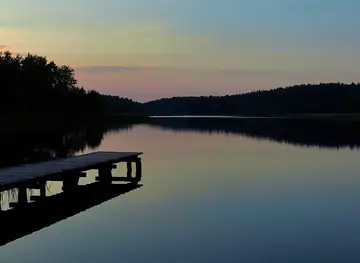
Resorts, valleys and scenic spots worth a trip of their own.
-

-
-

-

-


Swipe for more destinations
Best attractions in Greater Poland
Greater Poland’s attractions range from the urban heritage of Poznań to archaeological sites, aristocratic residences, forests and lake districts. In Poznań, visitors can explore the Old Market Square, cathedral island, museums and the riverfront, while Gniezno offers a major cathedral and a direct connection with the origins of the Polish state. Ostrów Lednicki, reached through an archaeological museum and ferry arrangements that may vary seasonally, presents the remains of an early Piast island stronghold. South of Poznań, the Wielkopolska National Park provides marked walking routes through glacial hills, woods and lakes. Historic estates form another defining group of attractions: Kórnik combines a castle and arboretum, Rogalin has a palace park and ancient oaks, and Gołuchów includes a castle, parkland and cultural collections. Smaller towns, open-air museums, village churches and cycling routes add quieter experiences, while lakes around the region support boating, walking and seasonal recreation.
-
Tourist attraction
Termy Maltańskie
Experience relaxation and fun at Termy Maltańskie, Poznań's premier thermal spa and water park, featuring thermal baths, saunas, and exciting water attractions.
-
Tourist attraction
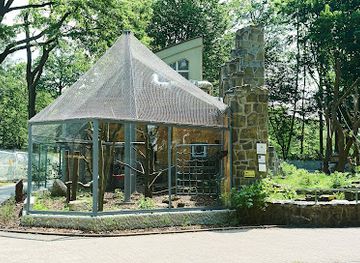
Łódź Zoo
Discover the magic of wildlife at Łódź Zoo, a family-friendly destination for animal lovers and conservation advocates in the heart of Poland.
-
Tourist attraction
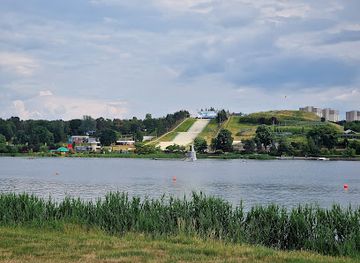
Poznań Palm House
Explore the lush greenery and vibrant aquatic life at Poznań Palm House, a unique botanical garden and aquarium experience in the heart of Poland.
-
Tourist attraction
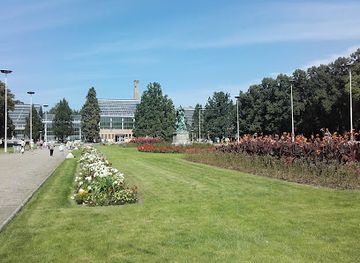
Palm House
Discover the beauty of exotic plants and serene landscapes at the Palm House in Łódź, a must-visit botanical garden for nature lovers.

Best landmarks in Greater Poland
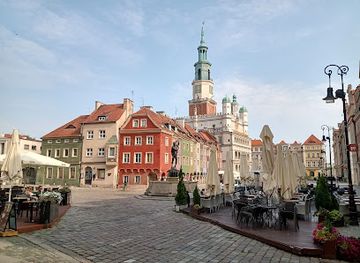
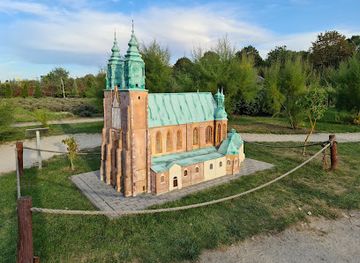
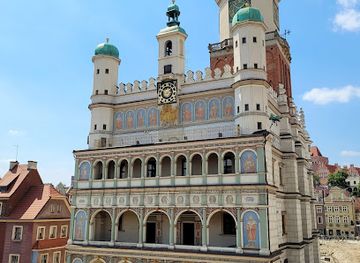
Poznań’s Cathedral Island is one of Greater Poland’s most important historical landscapes, with the cathedral and surviving ecclesiastical buildings marking the centre of early Piast power. The Old Market Square, with its Renaissance Town Hall and rows of historic townhouses, represents the city’s later commercial and civic importance. Gniezno Cathedral is a defining landmark of Polish Christian and royal history, particularly for its Romanesque Bronze Door and the tradition surrounding Saint Adalbert. Kórnik Castle is notable for its nineteenth-century romantic appearance, historic collections and lakeside setting, while Rogalin Palace and its park express the influence of aristocratic estates. Further south, Gołuchów Castle’s picturesque nineteenth-century form stands within an extensive park. The limestone cliffs and wooded terrain associated with the Wielkopolska National Park offer a natural contrast to the region’s built landmarks, while the monumental oaks of Rogalin are among its most recognisable living features.
-
Tourist attraction
Old Market Square
Experience the vibrant heart of Poznań at Old Market Square, a historical landmark filled with culture, architecture, and delicious local cuisine.
-
Botanical garden
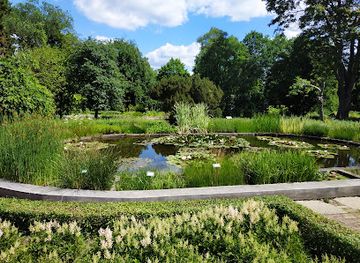
University Botanical Garden
Discover the lush landscapes and diverse plant life at the University Botanical Garden in Poznań, a peaceful oasis perfect for nature lovers.
-
Park
Deli Park
Experience the serene beauty of Deli Park in Trzebaw, a perfect destination for relaxation, recreation, and family fun amidst nature.
-
Museum
Croissant Museum
Discover the sweet tradition of rogale marcińskie at the Croissant Museum in Poznań, where history and pastry-making come together.
Explore Greater Poland on the map
Plan your trip on one map. See where the top cities, national parks and sights are, and book hotels and experiences in a few clicks.
Best hotels in Greater Poland
Best restaurants in Greater Poland
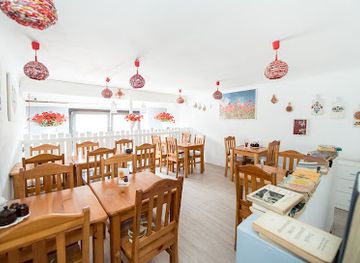
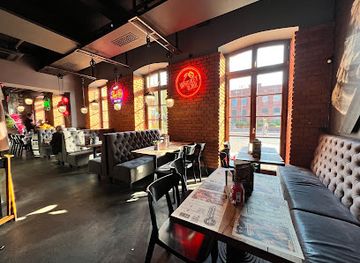
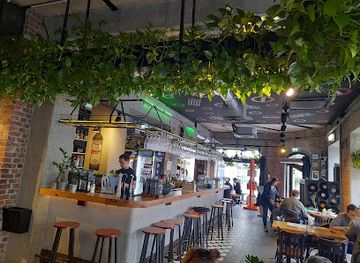
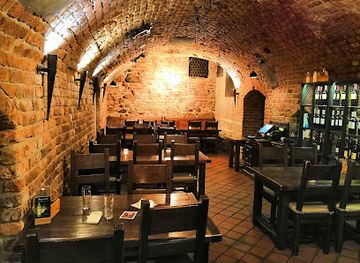
Greater Poland’s food reflects its farming landscape and the culinary traditions of western Poland. Poznań is particularly associated with St Martin’s croissants, or rogale świętomarcińskie, made with white poppy-seed filling and traditionally linked to 11 November, although they are available more widely throughout the year. Potatoes, pork, cabbage, poultry, seasonal berries and freshwater fish appear frequently on regional menus, alongside soups and substantial dishes suited to the area’s agricultural climate. Restaurants in Poznań range from contemporary Polish dining rooms and bakeries to milk bars, cafés and international cafés, while smaller towns are more likely to centre on family restaurants, traditional inns and hotel dining rooms. Farmers’ markets and delicatessens are useful for finding local preserves, breads, dairy products and smoked foods. Beer is widely available, and local menus commonly reflect the broader Polish tradition of pairing hearty food with lager or fruit-based drinks.
-
Polish
Gościniec
Discover authentic Polish cuisine at Gościniec in Warsaw - where tradition meets flavor in a warm and welcoming atmosphere.
-
American
Whiskey in the Jar
Experience the vibrant flavors of America at Whiskey in the Jar, a top-rated restaurant in Łódź offering delicious dishes and an inviting atmosphere.
-
Restaurant
ORZO Poznań
Experience delicious vegan and vegetarian cuisine at ORZO Poznań - where every meal is crafted with care in the heart of Stare Miasto.
-
Restaurant
Restauracja Rynek 95
Experience the perfect fusion of Polish and American cuisine at Restauracja Rynek 95 in Poznań's charming Old Market Square.
Best bars in Greater Poland
Poznań has the region’s broadest evening scene, with traditional beer cellars, cocktail bars, cafés, wine bars, live-music venues and late-night establishments concentrated around the historic centre and nearby streets. The city’s student population supports a varied calendar of concerts, theatre, cultural events and club nights, although venues and schedules change frequently. In Gniezno, Kalisz, Leszno and other larger towns, evenings are generally centred on pubs, restaurants, cafés and occasional live music rather than a large club district. Rural Greater Poland is quieter: historic inns, village pubs, brewery taprooms and hotel bars are more typical than nightlife venues, and some places close relatively early. Visitors should check local transport before staying out in smaller towns, as late connections to villages and countryside accommodation may be limited.
-
Restaurant
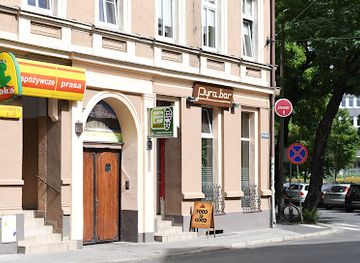
Pyra Bar Poznań
Discover the heart of Polish cuisine at Pyra Bar, famed for its authentic dishes and warm atmosphere in the charming city of Poznań.
-
Brewpub
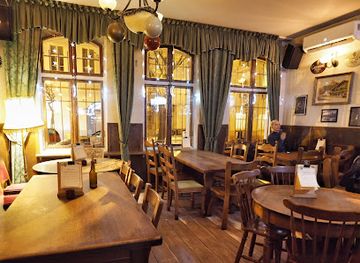
Piwna Stopa
Discover the essence of Polish brewing at Piwna Stopa, a vibrant brewpub offering craft beers and traditional cuisine in the heart of Poznań.
-
Restaurant
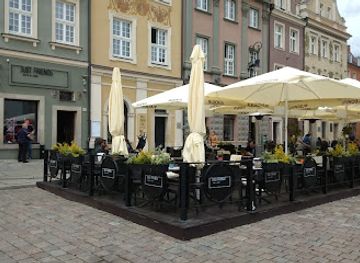
Just Friends Poznań - Restauracja | Cocktail bar
Experience a culinary journey at Just Friends Poznań, where Polish traditions meet modern European flair in a cozy and vibrant setting.
-
Bar
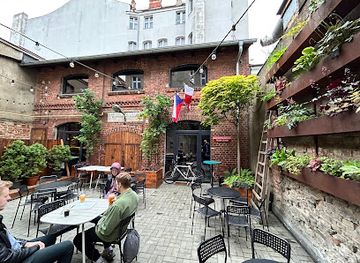
Ministerstwo Browaru
Discover the unique blend of craft beer and traditional Polish cuisine at Ministerstwo Browaru, Poznań's premier brewpub and dining destination.
Best nightclubs in Greater Poland
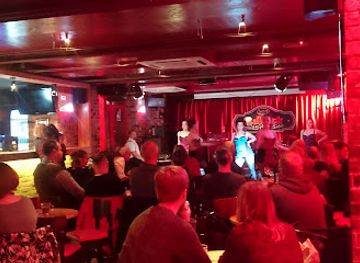
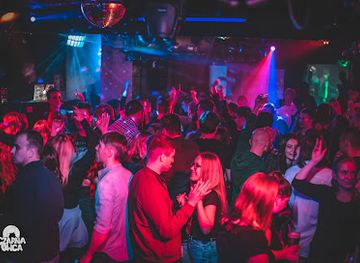
Poznań has the region’s broadest evening scene, with traditional beer cellars, cocktail bars, cafés, wine bars, live-music venues and late-night establishments concentrated around the historic centre and nearby streets. The city’s student population supports a varied calendar of concerts, theatre, cultural events and club nights, although venues and schedules change frequently. In Gniezno, Kalisz, Leszno and other larger towns, evenings are generally centred on pubs, restaurants, cafés and occasional live music rather than a large club district. Rural Greater Poland is quieter: historic inns, village pubs, brewery taprooms and hotel bars are more typical than nightlife venues, and some places close relatively early. Visitors should check local transport before staying out in smaller towns, as late connections to villages and countryside accommodation may be limited.
-
Disco club
Pacha Poznań
Discover the electric vibe of Pacha Poznań, a premier disco club where unforgettable nightlife experiences await in the heart of the city.
-
Night club
BAROCK KLUB MUZYCZNY
Discover the vibrant nightlife of Poznań at Barock Klub Muzyczny, a night club that promises electrifying music and a memorable atmosphere.
-
Disco club
Czarna Owca
Experience the vibrant nightlife at Czarna Owca, Poznań's premier disco club and pub, where music and dance come alive until dawn.
-
Night club
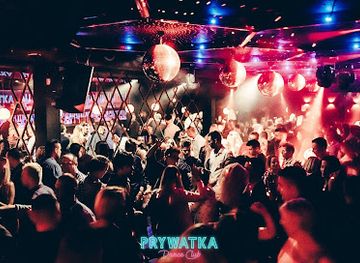
Prywatka Dance Club
Discover the electric nightlife of Łódź at Prywatka Dance Club, where legendary DJs and a vibrant atmosphere await.

Best shops in Greater Poland
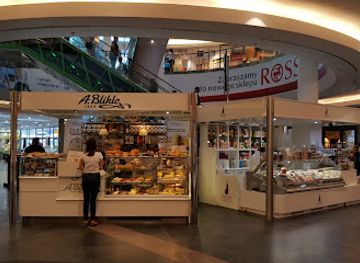
Poznań provides Greater Poland’s widest shopping choice, from the historic centre’s independent shops, bookshops, cafés and galleries to modern retail complexes and everyday high-street stores. Market halls and food markets are useful for regional breads, preserves, dairy products, smoked foods and seasonal produce, while certified St Martin’s croissants make a practical edible souvenir. Gniezno, Kalisz, Leszno and other market towns offer smaller high streets with local services, bakeries, antiques and independent retailers rather than extensive luxury shopping. Around manor houses and cultural attractions, visitors may find craft items, books and reproductions connected with local history, although selection varies. Pottery, folk-inspired textiles, amber jewellery and Polish food products can be found in specialist shops, but they are not exclusive to Greater Poland. In rural areas, opening arrangements may be limited, so town markets and established food shops are usually more dependable than searching for a permanent craft district.
-
Shopping mall
Złote Tarasy
Experience the vibrant atmosphere and diverse offerings at Złote Tarasy, Warsaw's premier shopping and entertainment destination.
-
Shopping mall
Galeria Krakowska
Explore Galeria Krakowska, a shopping paradise in the heart of Kraków with diverse stores, dining, and exciting events for all ages.
-
Shopping mall
Westfield Arkadia
Explore Westfield Arkadia, Warsaw's premier shopping mall offering diverse retail, dining, and entertainment experiences for every traveler.
-
Shopping mall
Galeria Katowicka
Discover the essence of shopping at Galeria Katowicka, where style meets convenience in the heart of Katowice.


Get your free copy of our complete guide to Greater Poland, delivered straight to you.
Everything on this page, from attractions and restaurants to essentials and local phrases, in one PDF you can read offline, print or share.
Already have an account? Sign in
Your Greater Poland guide is ready.
We'll send it to · Not you? Sign out

Getting your guide ready…
We are putting together a fresh copy of the Greater Poland guide. This can take up to a minute.
This can take a few moments. If your browser asks, choose Allow so the download can start. You'll find the guide in your Downloads folder.
Nothing happened? Download it again
Sorry, the guide is taking longer than usual. Please try again in a minute, or get it by email instead.
Greater Poland essentials
Currency and Payment
Safety
Emergency Situations
Do's and Don'ts
Local Tips
From Eve
Local phrases worth knowing
You don't need to get them perfect. A few words go a long way, and locals appreciate the effort.
Basics
| English | Local | Say it |
|---|---|---|
| Hello | Cześć | [Cheh-shch] |
| Goodbye | Do widzenia | [Doh vee-dzen-yah] |
| Yes | Tak | [Tahk] |
| No | Nie | [Nyeh] |
| Please/You're welcome | Proszę | [Proh-sheh] |
| Thank you | Dziękuję | [Jyen-koo-yeh] |
| Excuse me/Sorry | Przepraszam | [Psheh-prah-sham] |
| How are you? | Jak się masz? | [Yahk shay mahsh?] |
| Fine. And you? | Dobrze. A ty? | [Doh-bzheh. Ah tee?] |
| Do you speak English? | Czy mówisz po angielsku? | [Chih moo-veesh poh ahn-gyehl-skoo?] |
| I don't understand | Nie rozumiem | [Nyeh roh-zoo-myem] |
Eating & Drinking
| English | Local | Say it |
|---|---|---|
| I'd like to see the menu, please | Chciałbym zobaczyć menu, proszę | [Hch-yahw-bihm zoh-bah-chihch meh-noo, proh-sheh] |
| I don't eat meat | Nie jem mięsa | [Nyeh yem myen-sah] |
| Cheers! | Na zdrowie! | [Nah zdroh-vyeh!] |
| I would like to pay, please | Chciałbym zapłacić, proszę | [Hch-yahw-bihm zah-pwah-chihch, proh-sheh] |
Emergencies
| English | Local | Say it |
|---|---|---|
| Help! | Pomocy! | [Poh-moh-tsih!] |
| Go away! | Idź stąd! | [Eedzh stohnd!] |
| Call the Police! | Zadzwoń na policję! | [Zahdz-voyn nah poh-leet-syeh!] |
| Call a doctor! | Zadzwoń po lekarza! | [Zahdz-voyn poh leh-kah-zhah!] |
| I'm lost | Zgubiłem się | [Zgoo-bee-wem shay] |
| I'm ill | Jestem chory | [Yeh-stem khoh-ri] |
Shopping
| English | Local | Say it |
|---|---|---|
| I'd like to buy... | Chciałbym kupić... | [Hch-yahw-bihm koo-pihch...] |
| I'm just looking | Tylko się rozglądam | [Tihl-koh shay rohz-glah-dahm] |
| How much is it? | Ile to kosztuje? | [Ee-leh toh kohsht-oo-yeh?] |
| That's too expensive | To jest za drogie | [To yest zah droh-gyeh] |
| Can you lower the price? | Czy możesz obniżyć cenę? | [Chih moh-zhehsh ohb-nee-zhihch tseh-neh?] |
Time & Numbers
| English | Local | Say it |
|---|---|---|
| What time is it? | Która godzina? | [Ktoo-rah goh-jee-nah?] |
| It's one o'clock | Jest pierwsza | [Yest pyayr-shah] |
| Half past (10) | Wpół do (11) | [Vpooh do (jedenaście)] |
| Morning | Poranek | [Poh-ra-nek] |
| Afternoon | Popołudnie | [Poh-poh-ood-nyeh] |
| Evening | Wieczór | [Vyeh-choor] |
| Yesterday | Wczoraj | [Fcho-rye] |
| Today | Dzisiaj | [Jee-shy] |
| Tomorrow | Jutro | [Yoo-troh] |
| 1 | 1 | [1] |
| 2 | 2 | [2] |
| 3 | 3 | [3] |
| 4 | 4 | [4] |
| 5 | 5 | [5] |
| 6 | 6 | [6] |
| 7 | 7 | [7] |
| 8 | 8 | [8] |
| 9 | 9 | [9] |
| 10 | 10 | [10] |
Transport & Directions
| English | Local | Say it |
|---|---|---|
| Where's a/the...? | Gdzie jest...? | [Gdyeh yest...?] |
| What's the address? | Jaki jest adres? | [Yah-kee yest ah-dres?] |
| Can you show me (on the map)? | Czy możesz mi pokazać (na mapie)? | [Chih moh-zhehsh mee poh-kah-zhahch (nah mah-pyeh)?] |
| When's the next (bus)? | Kiedy jest następny (autobus)? | [Kyeh-dih yest nah-stehp-ny (au-toh-boos)?] |
| A ticket (to ....) | Bilet (do ....) | [Bee-let (doh ....)] |
History of Greater Poland
Prehistoric Settlement and the Bronze Age
Greater Poland has been occupied since prehistoric times, and its rivers, fertile soils and gently elevated sites encouraged settled farming communities. Archaeological evidence from the region records changing populations, burial practices and technologies across the Stone, Bronze and Iron ages. The landscape around Lake Lednica is especially important for understanding early medieval settlement, while excavated sites elsewhere show the development of agriculture, craft production and local exchange networks before the emergence of a unified Polish state. Much of this early history is encountered through museums and archaeological reserves rather than monumental ruins, because timber buildings and earthworks have rarely survived intact.
The Piast Heartland and the Christianisation of Poland
In the tenth century, the Piast dynasty consolidated power in the lands around Poznań, Gniezno and the central Warta basin. Poznań’s cathedral island and Gniezno became major centres of authority, while Ostrów Lednicki served as an important fortified island settlement linked to the early rulers. The baptism of Mieszko I in 966 is conventionally regarded as the beginning of Poland’s Christian state, and Greater Poland was central to the political and religious changes that followed. Gniezno’s cathedral later became the seat of Poland’s first archbishopric, confirmed in 1000 during the meeting of Bolesław I Chrobry and Emperor Otto III.
Medieval Towns, Trade and the Polish Crown
During the Middle Ages, Greater Poland developed a network of chartered towns, parish churches, monasteries and market centres. Poznań grew as a political and commercial settlement on the Warta, while Gniezno retained exceptional ecclesiastical importance. Kalisz gained prominence as a regional centre and was associated with the Statute of Kalisz, issued in 1264 by Duke Bolesław the Pious, which granted legal protections to Jewish communities in lands under his rule. Trade, craft production and agriculture connected the region to other parts of the Polish kingdom and to routes leading westwards into Central Europe.
Noble Estates and the Polish-Lithuanian Commonwealth
From the sixteenth to the eighteenth centuries, Greater Poland’s economy rested heavily on agriculture, grain production and the estates of the szlachta, or noble class. Magnate and aristocratic families shaped the region through manor houses, churches, gardens and foundations, many of which were later remodelled in Baroque, neoclassical or romantic styles. Towns remained centres of trade and administration, while Poznań’s location supported connections between the Polish interior and western markets. The period also brought religious change, war and political instability, leaving a built legacy that can still be seen in historic residences at Rogalin, Kórnik and Gołuchów.
Prussian Rule and Nineteenth-Century Modernisation
After the partitions of Poland, most of present-day Greater Poland was incorporated into Prussia and later the German Empire, becoming the Province of Posen. Poznań was reshaped as a major administrative and military centre, while railways, modern agriculture, education and industry altered the region’s economy. Germanisation policies created sustained cultural and political tensions, but Polish landowners, clergy, cooperative organisations and urban associations developed methods of maintaining language and national identity. The nineteenth century also left a clear architectural imprint, from fortifications and railway infrastructure to manor-house remodelling and the planned urban expansion of Poznań.
The Greater Poland Uprising, 1918–1919
At the end of the First World War, Polish inhabitants of the former Prussian province sought incorporation into the newly restored Polish state. The Greater Poland Uprising began in Poznań in December 1918 after a visit by Ignacy Jan Paderewski and spread across much of the region. Polish forces gained control of substantial territory, and the outcome was recognised through the Treaty of Versailles in 1919. The uprising is remembered as a decisive regional contribution to the re-establishment of Poland’s independence. Memorials, museums and commemorations in Poznań and other towns preserve its legacy.
War, Reconstruction and Contemporary Greater Poland
The Second World War brought occupation, persecution, destruction and forced population movements to Greater Poland, which was incorporated into Nazi Germany as the Reichsgau Wartheland. After 1945, the region was rebuilt within the Polish People’s Republic, with Poznań remaining an important industrial, academic and trade centre. The Poznań protests of June 1956 became one of the earliest major demonstrations against communist rule in post-war Poland. Since 1989, the region has combined manufacturing, logistics, agriculture, universities and tourism, while restoration projects and museums have renewed interest in its Piast, Polish, Prussian and modern histories.
Greater Poland in Photos
Browse through our photo collection highlighting the charm and character of the destination.
Neighbouring regions of Greater Poland
The closest regions to Greater Poland, if you have time for more than one.
-

-

-

-

-


Swipe for more regions
Explore more

Explore more of Poland
Discover Poland's rich history, vibrant cities, and scenic landscapes, from the medieval streets of Kraków to the serene beauty of the Tatra Mountains and Masurian Lakes.
Explore Poland