

Ria Formosa Natural Park Travel Guide - Free Web & App
Your ultimate guide to Ria Formosa Natural Park. Discover top landmarks, proposed trips, and local tips. Free on the web or via the Evendo companion app.


Ria Formosa Natural Park in Portugal offers barrier islands, salt marshes, birdlife, boat trips, seafood and historic Algarve villages near Faro and Tavira.
Lagoon, Islands and Tidal Landscapes
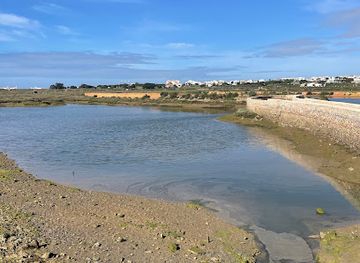
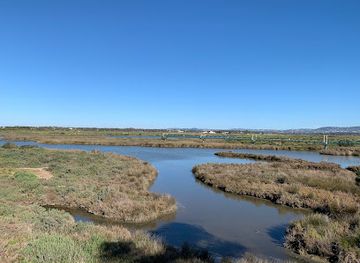
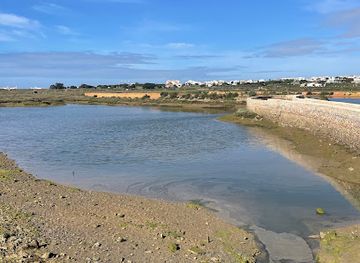
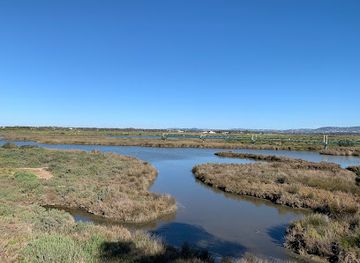
Ria Formosa Natural Park follows approximately 60 kilometres of Algarve coastline between the Ancão Peninsula near Faro and Manta Rota, east of Tavira. Rather than being a single open lagoon, it is a shifting system of tidal channels, mudflats, sandbanks, salt marshes, dunes and barrier islands. The islands of Faro, Barreta, Culatra, Armona, Tavira and Cabanas shelter the inner waters from the Atlantic, while narrow inlets allow the tide to reshape the landscape each day. Much of the park is low-lying and open, with changing horizons, shallow water and broad skies rather than dramatic cliffs or mountainous scenery.Read more about Ria Formosa Natural Park
Wildlife and Working Waters
Villages, Ferries and Island Life
When is the best time to visit Ria Formosa Natural Park?
Best: May–June, September · 24–28°C| Month | High (°C) | Rainfall (mm) |
|---|---|---|
| January | 17 | 54 |
| February | 17 | 43 |
| March | 18 | 38 |
| April | 20 | 25 |
| May (best) | 24 | 13 |
| June (best) | 27 | 5 |
| July | 30 | 2 |
| August | 30 | 1 |
| September (best) | 28 | 7 |
| October | 24 | 24 |
| November | 20 | 39 |
| December | 18 | 53 |
Getting to and around Ria Formosa Natural Park
How to get there
Transportation
Best attractions in Ria Formosa Natural Park
The Ria Formosa’s attractions are spread across a chain of mainland wetlands and Atlantic barrier islands. Faro’s shoreline provides access to the western lagoon and Ilha Deserta, while boat trips from Olhão commonly explore the waters around Culatra and Armona, where small island settlements sit behind extensive beaches and dunes. Fuseta offers another gateway to the lagoon, with shallow channels, mudflats and island views close to the town. Around Tavira, Ilha de Tavira and the channels near Cabanas reveal the contrast between sheltered lagoon scenery and open Atlantic sand. Santa Luzia, traditionally associated with octopus fishing, adds a strong maritime and culinary dimension, while the village of Cacela Velha overlooks the eastern end of the lagoon from a historic coastal setting. Salt pans, oyster-growing areas, marshes and tidal creeks are attractions in their own right, particularly for visitors interested in birdwatching, photography and the relationship between conservation and working coastal landscapes.
-
Resort hotel
Quinta do Lago
Discover the epitome of luxury at Quinta do Lago, the Algarve's premier resort hotel offering stunning beaches, exquisite dining, and world-class golf.
-
Archaeological museum
Municipal Museum of Faro
Explore the fascinating history of Faro at the Municipal Museum, showcasing archaeological treasures and cultural heritage of the Algarve region.
-
Park
Parque Ribeirinho de Faro
Experience the serene beauty of Parque Ribeirinho de Faro, a picturesque park perfect for relaxation, exploration, and family fun in Portugal.
-
Portuguese restaurant
Tertúlia Algarvia
Savor the authentic taste of Portugal at Tertúlia Algarvia, a must-visit restaurant in Faro offering traditional dishes in a warm atmosphere.


Best landmarks in Ria Formosa Natural Park
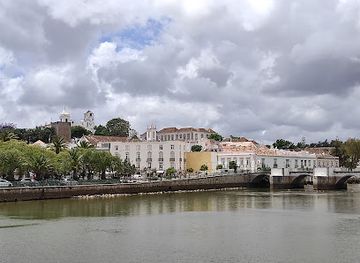
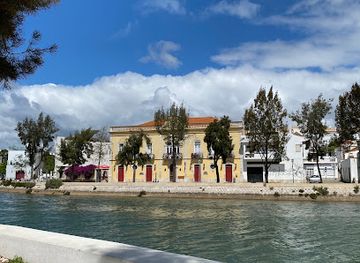
The defining landmarks of the Ria Formosa are largely natural: the long barrier islands of Faro, Barreta, Culatra, Armona, Tavira and Cabanas, the tidal inlets that separate them, and the marshes and mudflats behind their dunes. Ilha Deserta, also known as Barreta, represents the quieter western island landscape, while Ilha de Tavira is one of the best-known Atlantic-facing beach settings in the eastern sector. Salt pans and oyster-growing waters are cultural landmarks of the working lagoon, showing how people have adapted to its tides and sheltered channels. On the mainland, the waterfront and market architecture of Olhão reflects the town’s maritime identity, while Santa Luzia’s fishing heritage adds another human dimension. At the eastern edge, Cacela Velha’s historic village and elevated position provide a distinctive viewpoint over the lagoon and coast.
-
Castle
Castelo de Tavira
Explore the historic Castelo de Tavira, a majestic castle offering stunning views, rich cultural experiences, and serene gardens in the heart of Tavira, Portugal.
-
Park
Ria Formosa Nature Park
Experience the enchanting landscapes and rich biodiversity of Ria Formosa Nature Park, a natural wonder in Portugal's Algarve region.
-
Park
Parque Ribeirinho de Faro
Explore the serene landscapes of Parque Ribeirinho de Faro, a picturesque park perfect for relaxation, picnics, and enjoying nature's beauty in Faro.
-
Ecological park
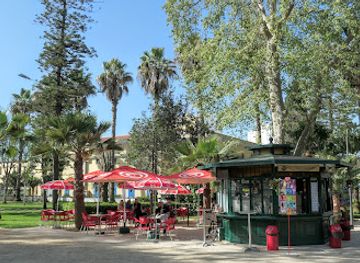
Jardim da Alameda João de Deus
Explore the lush landscapes and tranquil pathways of Jardim da Alameda João de Deus, an ecological park in the heart of Faro, Portugal.
Explore Ria Formosa Natural Park on the map
Plan your trip on one map. See where the top attractions, landmarks, restaurants and hotels are, and book hotels and experiences in a few clicks.
Best hotels in Ria Formosa Natural Park
Best restaurants in Ria Formosa Natural Park
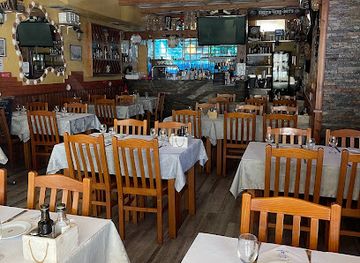
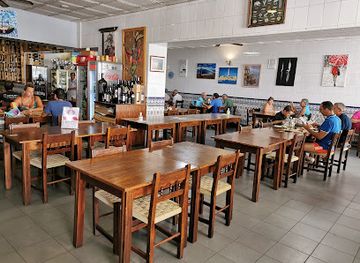
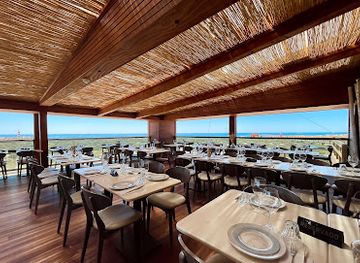
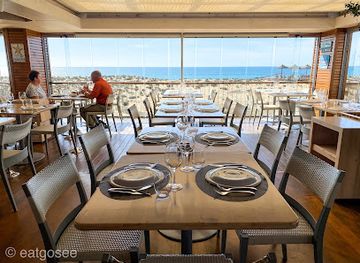
Dining around the Ria Formosa is concentrated in mainland towns and fishing villages rather than on remote stretches of marsh or every island beach. Olhão is closely associated with its waterfront markets and seafood restaurants, while Fuseta, Santa Luzia, Faro and Tavira provide further choices for fish, shellfish and traditional Algarve cooking. Local menus may feature grilled fish, clams, prawns, oysters and octopus, reflecting the lagoon’s fishing and aquaculture economy; cataplana, a covered seafood dish, is a regional speciality found across the Algarve, although recipes vary between kitchens. In smaller island communities, options can be more limited and seasonal. Cafés, bakeries and simple restaurants in the gateway settlements are useful for provisions before boat trips, while farm shops and markets around the eastern Algarve offer regional fruit, preserves, almonds, carob products and other ingredients associated with the wider region.
-
Portuguese
Restaurante Chefe Branco
Discover the essence of Portuguese flavors at Restaurante Chefe Branco in Faro - a culinary journey through authentic dishes.
-
Restaurant
Restaurante Olhão - Restaurante Ria Formosa
Experience authentic Portuguese seafood at Restaurante Ria Formosa in Olhão – where every meal is a taste of tradition and coastal charm.
-
Restaurant
Restaurante Estaminé
Discover exquisite Portuguese seafood at Restaurante Estaminé on Ilha Deserta – a culinary oasis surrounded by breathtaking natural beauty.
-
Restaurant
2 Passos
Discover exquisite dining at 2 Passos near Praia do Ancão – where local flavors meet stunning coastal views.
Best bars in Ria Formosa Natural Park
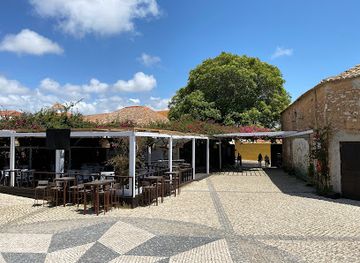
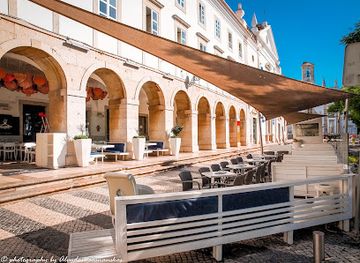
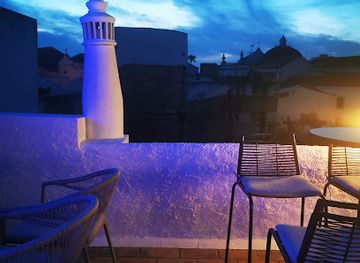
Evening entertainment in the Ria Formosa is generally relaxed and community-focused rather than centred on nightclubs. Faro, Olhão and Tavira have the broadest choice of bars and late-opening hospitality, while waterfront areas in Fuseta, Santa Luzia and Cabanas offer quieter places for a drink after a day on the water. Traditional cafés, seafood restaurants and village bars provide the most characteristic evening atmosphere, with outdoor tables especially appealing during the warmer months. On the barrier islands, nightlife is limited and shaped by the size and seasonality of each settlement; visitors should not expect a continuous entertainment district or extensive late-night transport. Cultural programming and live music may take place in the larger Algarve towns, but events vary, so evening plans are best kept flexible when staying in or near the protected landscape.
-
Restaurant
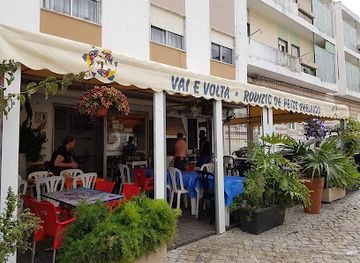
Vai e Volta
Experience authentic Portuguese cuisine at Vai e Volta, a delightful restaurant in Olhão offering fresh, affordable dishes in a charming setting.
-
Restaurant
O Castelo
Experience the vibrant atmosphere of O Castelo in Faro, where delicious Portuguese cuisine meets lively nightlife and local culture.
-
Restaurant
Columbus
Discover the vibrant culinary scene at Columbus in Faro, where exquisite gastronomy meets lively entertainment in a charming atmosphere.
-
Restaurant
The Black Anchor
Experience the lively charm of The Black Anchor in Tavira, where Irish hospitality meets Portuguese flair, perfect for food and music lovers alike.
Best nightclubs in Ria Formosa Natural Park
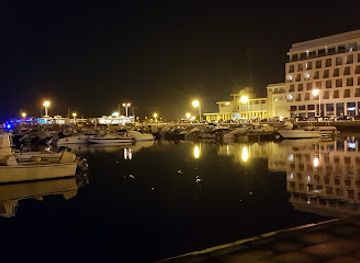
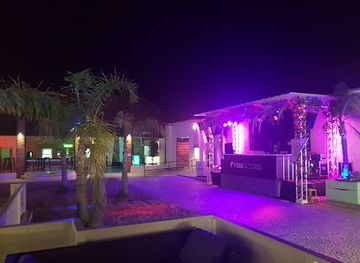
Evening entertainment in the Ria Formosa is generally relaxed and community-focused rather than centred on nightclubs. Faro, Olhão and Tavira have the broadest choice of bars and late-opening hospitality, while waterfront areas in Fuseta, Santa Luzia and Cabanas offer quieter places for a drink after a day on the water. Traditional cafés, seafood restaurants and village bars provide the most characteristic evening atmosphere, with outdoor tables especially appealing during the warmer months. On the barrier islands, nightlife is limited and shaped by the size and seasonality of each settlement; visitors should not expect a continuous entertainment district or extensive late-night transport. Cultural programming and live music may take place in the larger Algarve towns, but events vary, so evening plans are best kept flexible when staying in or near the protected landscape.
-
Park
Ria Formosa Nature Park
Explore Ria Formosa Nature Park, a stunning coastal paradise in Faro, Portugal, featuring diverse wildlife, breathtaking lagoons, and serene landscapes.
-
Bar
Call In Faro
Discover the vibrant nightlife of Faro at Call In Faro, a lively bar offering cocktails, music, and an unforgettable atmosphere.
-
Cocktail bar
Varandas Bar
Discover the vibrant nightlife at Varandas Bar in Faro, where handcrafted cocktails and a lively atmosphere await every visitor.
-
Disco club
Echo Tavira
Experience the vibrant nightlife of Tavira at Echo Tavira, a premier discotheque offering electrifying music and an unforgettable dance atmosphere.
Best shops in Ria Formosa Natural Park
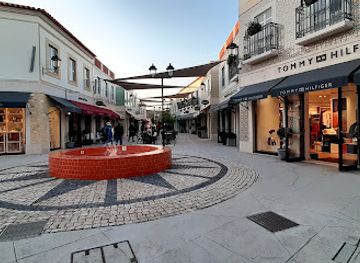
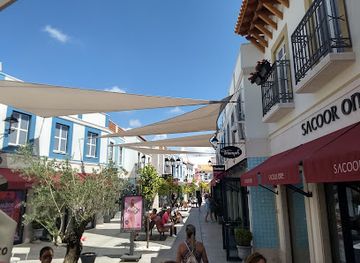
Shopping within the park itself is modest and concentrated in its mainland gateways and island settlements. Olhão’s municipal market is the most prominent place to encounter the region’s seafood culture, with fish and shellfish traditionally central to its identity, while Faro and Tavira offer broader selections of food shops, crafts, clothing and independent retail. In villages such as Santa Luzia and Fuseta, visitors may find local food products and small stores rather than a dedicated shopping district. Regional purchases can include Algarve almonds, figs, carob products, olive oil, preserves, ceramics and woven goods, although availability varies by business and season. Farm shops and local markets around the eastern Algarve may be more useful for authentic provisions than souvenir outlets. Island communities have limited retail space, so buy essentials on the mainland before longer boat or beach excursions.
-
Shopping mall
MAR Shopping Algarve
Discover the ultimate shopping destination in Almancil with a mix of international brands, delicious dining, and fun entertainment at MAR Shopping Algarve.
-
 Park
ParkRia Formosa Nature Park
Discover the exquisite beauty and diverse wildlife of Ria Formosa Nature Park, a top natural attraction in the Algarve, Portugal.
-
Shopping mall
Ria Shopping
Experience the vibrant shopping scene at Ria Shopping in Olhão, where retail therapy meets local flavors and entertainment.
-
Hotel
ibis Faro Algarve
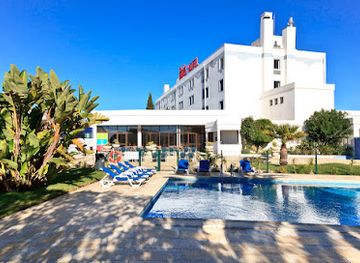
Experience the perfect blend of comfort and convenience at ibis Faro Algarve, your ideal gateway to the stunning Algarve region.
Get your free copy of our complete guide to Ria Formosa Natural Park, delivered straight to you.
Everything on this page, from attractions and restaurants to essentials and local phrases, in one PDF you can read offline, print or share.
Already have an account? Sign in
Your Ria Formosa Natural Park guide is ready.
We'll send it to · Not you? Sign out

Getting your guide ready…
We are putting together a fresh copy of the Ria Formosa Natural Park guide. This can take up to a minute.
This can take a few moments. If your browser asks, choose Allow so the download can start. You'll find the guide in your Downloads folder.
Nothing happened? Download it again
Sorry, the guide is taking longer than usual. Please try again in a minute, or get it by email instead.
Ria Formosa Natural Park essentials
Currency and Payment
Safety
Emergency Situations
Do's and Don'ts
Local Tips
From Eve
Local phrases worth knowing
You don't need to get them perfect. A few words go a long way, and locals appreciate the effort.
Basics
| English | Local | Say it |
|---|---|---|
| Hello | Olá | [oh-lah] |
| Goodbye | Adeus | [ah-deh-oos] |
| Yes | Sim | [seem] |
| No | Não | [now] |
| Please/You're welcome | Por favor/De nada | [por fah-vor/deh nah-dah] |
| Thank you | Obrigado/a | [oh-bree-gah-doo/ah] |
| Excuse me/Sorry | Com licença/Desculpe | [kohm leh-sen-sah/dehs-kool-peh] |
| How are you? | Como está? | [koh-moh ehs-tah] |
| Fine. And you? | Bem. E você? | [behn/eh voh-seh] |
| Do you speak English? | Fala inglês? | [fah-lah een-glehsh] |
| I don't understand | Não entendo | [now ehn-ten-doo] |
Eating & Drinking
| English | Local | Say it |
|---|---|---|
| I'd like to see the menu, please | Gostaria de ver o menu, por favor | [goh-stah-ree-ah deh vehr ooh meh-noo/por fah-vor] |
| I don't eat meat | Não como carne | [now koh-moo kahr-neh] |
| Cheers! | Saúde! | [sow-deh] |
| I would like to pay, please | Gostaria de pagar, por favor | [goh-stah-ree-ah deh pah-gahr/por fah-vor] |
Emergencies
| English | Local | Say it |
|---|---|---|
| Help! | Socorro! | [soh-koh-roh] |
| Go away! | Vai embora! | [vah-ee ehm-boh-rah] |
| Call the Police! | Chame a Polícia! | [shah-meh ah poh-lee-see-ah] |
| Call a doctor! | Chame um médico! | [shah-meh oong meh-dee-koo] |
| I'm lost | Estou perdido/a | [ehs-toh pehr-dee-doo/ah] |
| I'm ill | Estou doente | [ehs-toh doo-ehn-teh] |
Shopping
| English | Local | Say it |
|---|---|---|
| I'd like to buy... | Gostaria de comprar... | [goh-stah-ree-ah deh kohm-prahr] |
| I'm just looking | Estou só a ver | [ehs-toh soh ah vehr] |
| How much is it? | Quanto custa? | [kwahn-toh koos-tah] |
| That's too expensive | Isso é muito caro | [ee-soh eh moo-eetoo kah-roo] |
| Can you lower the price? | Pode baixar o preço? | [poh-deh bye-shahr ooh preh-soo] |
Time & Numbers
| English | Local | Say it |
|---|---|---|
| What time is it? | Que horas são? | [keh oh-rahsh sah-ooh] |
| It's one o'clock | É uma hora | [eh ooh-mah oh-rah] |
| Half past (10) | Meia hora (dez) | [may-ah oh-rah/dehs] |
| Morning | Manhã | [mah-nyah] |
| Afternoon | Tarde | [tahr-deh] |
| Evening | Noite | [noy-teh] |
| Yesterday | Ontem | [ohn-tehm] |
| Today | Hoje | [oh-zheh] |
| Tomorrow | Amanhã | [ah-mah-nyah] |
| 1 | Um | [oom] |
| 2 | Dois | [doysh] |
| 3 | Três | [trehsh] |
| 4 | Quatro | [kwah-troh] |
| 5 | Cinco | [seen-koh] |
| 6 | Seis | [saysh] |
| 7 | Sete | [seh-teh] |
| 8 | Oito | [oy-toh] |
| 9 | Nove | [noh-veh] |
| 10 | Dez | [dehsh] |
Transport & Directions
| English | Local | Say it |
|---|---|---|
| Where's a/the...? | Onde fica o/a...? | [oh-deh fee-kah oh/ah] |
| What's the address? | Qual é o endereço? | [kahl eh oh ehn-deh-reh-soo] |
| Can you show me (on the map)? | Pode mostrar-me (no mapa)? | [poh-deh moh-strahr-meh/noo mah-pah] |
| When's the next (bus)? | Quando é o próximo (autocarro)? | [kwahn-doo eh oh proh-ks-ee-moh/ow-toh-kah-roo] |
| A ticket (to ....) | Um bilhete (para ....) | [oom bee-lyeh-teh/par-ah] |
History of Ria Formosa Natural Park
A Coast Shaped by Sea and Sediment
The Ria Formosa is a relatively recent coastal landscape in geological terms, formed and continually modified by tides, currents, sediment and the movement of sand along the Algarve shore. Its barrier islands and sandbanks protect shallow inner waters while tidal inlets connect them with the Atlantic. Mudflats, salt marshes and channels are therefore not fixed features: their shape and extent change over time. This dynamic geography explains both the park’s ecological importance and the long relationship between local communities and the sheltered waters behind the beach barriers.
Settlement and Coastal Livelihoods
Human occupation around the lagoon developed through access to sheltered waters, fertile coastal margins and the resources of the sea. Fishing, shellfish gathering, salt production and small-scale agriculture helped shape settlements such as Olhão, Fuseta, Santa Luzia and the communities on the barrier islands. The lagoon was not simply a wilderness beyond the villages; it was a working environment in which channels, tidal flats and salt pans supported household economies and regional trade. Traditional boats, fishing structures and waterfront markets remain part of the cultural landscape around the park.
Tavira and the Eastern Lagoon
The eastern part of the Ria Formosa is closely associated with Tavira and the coastal settlements of Cabanas, Santa Luzia and Fuseta, as well as the historic village of Cacela Velha at the lagoon’s eastern edge. These places developed within the wider maritime economy of the Algarve, where fishing, salt and coastal trade connected inland towns with the sea. The lagoon’s sheltered waters also helped sustain specialised activities such as tuna fishing and shellfish cultivation, particularly around the eastern Algarve, although the intensity and form of these industries changed over time.
From Exploited Wetland to Protected Landscape
Increasing recognition of the lagoon’s importance for birds, coastal habitats and traditional livelihoods led to stronger conservation measures during the twentieth century. Ria Formosa was designated a Natural Park in 1987, creating a protected framework across a substantial section of the coastal lagoon between the Ancão area and Manta Rota. The designation reflects a management challenge as much as a conservation achievement: the park must accommodate tourism, fishing, aquaculture, transport and settled communities while protecting a landscape that is naturally mobile and environmentally sensitive.
Conservation and Contemporary Tourism
Today, the Ria Formosa is valued both as a protected wetland and as a lived coastal region. Environmental education, birdwatching and guided boat trips complement established fishing and aquaculture activities, while the island communities continue to give the park a human character. Visitor pressure is concentrated around beaches, ferry points and waterfront towns, making responsible access important. Protection focuses on habitats and species as well as on the ecological processes that maintain the lagoon, including tidal exchange, dune formation and the health of its marshes and intertidal flats.
Ria Formosa Natural Park in Photos
Browse through our photo collection highlighting the charm and character of the destination.
Cities in Ria Formosa Natural Park
The towns and cities of Ria Formosa Natural Park, and the easiest places to base yourself.

Swipe for more cities
Neighbouring destination travel guides
The closest destinations to Ria Formosa Natural Park, if you have time for more than one.
-

-

-

-

-


Swipe for more destinations
Explore more
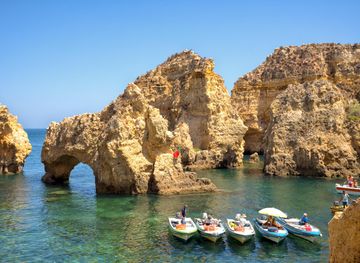
Explore more of Algarve
Discover Algarve: A sun-soaked destination in southern Portugal, offering stunning beaches, rich history, vibrant culture, and exquisite culinary delights.
Explore Algarve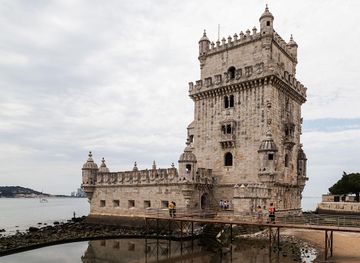
Explore more of Portugal
Discover Portugal: A blend of historic charm, stunning coastlines, and delightful cuisine awaits in this captivating European gem.
Explore Portugal