

Free Dorado Travel Guide & Mobile App
Plan your Dorado trip with Evendo. Get free guides to top attractions, restaurants, hotels, and bars. Web access or download the mobile app.


Dorado, Puerto Rico blends Atlantic beaches, Taíno and colonial history, golf, local food and easy access to the island’s northern coast and culture.
Atlantic Shores and Island History
Dorado occupies a privileged stretch of Puerto Rico’s northern coast, roughly 25 kilometres west of San Juan. Its setting combines broad Atlantic beaches, low limestone landscapes and a small historic centre shaped by more than four centuries of Spanish and Caribbean history. The municipality was formally founded in 1842, although Indigenous Taíno communities lived in the wider region long before Spanish settlement. Today, Dorado is known for its beach communities, golf courses and resort development, but its identity extends beyond leisure: the town centre retains a traditional plaza, a historic church and buildings connected with Puerto Rico’s sugar-producing past.Read more about Dorado
Town Life and Coastal Landscapes
When is the best time to visit Dorado?
Best: February–April · 29–30°C| Month | High (°C) | Rainfall (mm) |
|---|---|---|
| January | 29 | 70 |
| February (best) | 29 | 60 |
| March (best) | 30 | 60 |
| April (best) | 30 | 60 |
| May | 30 | 80 |
| June | 31 | 100 |
| July | 31 | 100 |
| August | 31 | 100 |
| September | 31 | 110 |
| October | 30 | 120 |
| November | 30 | 120 |
| December | 29 | 120 |
Getting to and around Dorado
How to get there
Transportation
Best attractions in Dorado
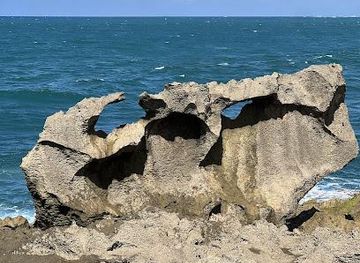
Dorado’s attractions combine Atlantic scenery with the understated character of a historic Puerto Rican municipality. The town centre around Plaza de Recreo is a natural starting point, with Iglesia San Antonio de Padua and Casa del Rey providing cultural and architectural context. Along the coast, Playa Sardinera and the beaches associated with Dorado Beach offer sand, sea views and opportunities for relaxed shoreline walks, subject to local access arrangements and surf conditions. Ojo del Buey, a distinctive coastal rock formation, is one of the area’s most recognisable natural sights and illustrates the limestone character of the north coast. Golf is an important part of Dorado’s visitor identity, with courses developed within the resort landscape. The town’s cafés, bakeries and small businesses add a more local dimension, while its road connections make it a convenient base for exploring wider northern Puerto Rico without confusing nearby regional attractions with those within the municipality.
-
Tourist attraction
El Gran Parque Agroturístico Ecológico y Recreativo El Dorado
Discover the stunning biodiversity and immersive experiences at El Gran Parque Agroturístico Ecológico y Recreativo El Dorado, Puerto Rico's ecological paradise.
6 min drive · 1.9 km from city centre
-
Tourist attraction
Playa Sardinera
Experience the breathtaking beauty of Playa Sardinera in Dorado, Puerto Rico, where golden sands meet crystal-clear waters in a serene paradise.
7 min drive · 2.2 km from city centre
-
Park
Bahía del Ojo del Buey
Discover the tranquil paradise of Bahía del Ojo del Buey in Dorado, Puerto Rico—a serene park perfect for nature lovers and relaxation.
6 min drive · 2.2 km from city centre
-
Tourist attraction
Playa Parchola
Experience the serene beauty of Playa Parchola, a hidden gem in Puerto Rico with golden sands and crystal-clear waters ideal for relaxation.
18 min drive · 5.9 km from city centre


Best landmarks in Dorado
Casa del Rey is one of Dorado’s most significant historic buildings, representing the Spanish administrative presence and the civic structures around which the municipality developed; it now serves as an important point of historical interpretation. Iglesia San Antonio de Padua, close to the central plaza, remains a defining religious and architectural feature of the town. Plaza de Recreo provides the civic setting that links church, municipal life and everyday social activity, following the traditional planning pattern found in many Puerto Rican towns. Along the coast, Ojo del Buey functions as a natural landmark rather than a monument, its weathered rock form giving the shoreline a recognisable identity. Together, these places express Dorado’s layered character: colonial administration, Catholic community life, public-town planning and the geological presence of the Atlantic coast.
-
Resort hotel
Embassy Suites by Hilton Dorado del Mar Beach Resort
Experience paradise at Embassy Suites by Hilton Dorado del Mar Beach Resort, where luxury meets the beauty of Puerto Rico's coastline.
6 min drive · 2.1 km from city centre
-
Pizza
Pirilo Pizza Rustica - Dorado
Discover the vibrant flavors of Pirilo Pizza Rustica in Dorado, offering delicious pizzas, tapas, and vegan options in a charming setting.
5 min drive · 1.7 km from city centre
-
Puerto Rican
Papos Guacaros Place
Experience the authentic flavors of Puerto Rican cuisine at Papos Guacaros Place, where tradition meets taste in a friendly setting.
14 min drive · 4.7 km from city centre
-
Seafood
Katrina
Discover the flavors of the ocean at Katrina, Dorado's premier seafood restaurant, where fresh ingredients and vibrant atmosphere create unforgettable dining experiences.
6 min drive · 2.1 km from city centre


Explore Dorado on the map
Plan your Dorado trip on one map. See where the top attractions, landmarks, restaurants, bars and hotels are, find what's near where you're staying, and book hotels and experiences in a few clicks.
Best hotels in Dorado
Best restaurants in Dorado
Dorado’s dining scene reflects its position between a traditional Puerto Rican town and an established coastal resort area. Local restaurants and casual eateries serve familiar island cooking such as mofongo, rice and beans, fried plantains, seafood and roast pork, while bakeries provide coffee, sandwiches and pastries suited to breakfast or a quick midday stop. Seafood is a natural presence along the coast, although menus change with supply and season. Around the town centre and main road corridors, family-run businesses offer an everyday atmosphere; resort districts provide more formal dining and international influences. Puerto Rican cooking combines Indigenous, Spanish and African traditions, visible in the use of plantains, root vegetables, spices and slow-cooked meats. Visitors will find the greatest variety by looking beyond resort dining to local cafés, bakeries and neighbourhood restaurants.
-
Pizza
Pirilo Pizza Rustica - Dorado
Discover delicious artisanal pizzas and vibrant Italian cuisine at Pirilo Pizza Rustica in Dorado - perfect for families and food lovers alike.
5 min drive · 1.7 km from city centre
-
Seafood
Katrina
Discover the flavors of Puerto Rico at Katrina, where fresh seafood meets breathtaking coastal views in Dorado.
6 min drive · 2.1 km from city centre
-
Caribbean
Metropol Restaurant
Discover authentic Puerto Rican cuisine at Metropol Restaurant in Dorado – where every dish tells a story.
5 min drive · 1.6 km from city centre
-
Grill
La Vaca Enfurecida
Experience the vibrant flavors of Puerto Rico at La Vaca Enfurecida, where delicious grilled dishes meet lively entertainment in Dorado.
6 min drive · 1.9 km from city centre


Best bars in Dorado
Dorado’s evening scene is more relaxed than that of San Juan, with social life centred on restaurants, hotel lounges, casual bars and gathering places near the town centre and coastal developments rather than a concentrated nightclub district. Evenings may include cocktails, beer, live music or informal conversation, while resort properties can offer a more polished setting and occasional entertainment. Local restaurants often become the main focus after dark, and traditional Puerto Rican music may feature during community celebrations or special events. The atmosphere varies considerably between residential streets, the plaza and the resort areas, so visitors should arrange transport rather than expect to move easily between venues on foot. Opening days, music programmes and access policies can change, particularly outside peak holiday periods.
-
Grill
La Vaca Enfurecida
Experience the vibrant flavors and lively atmosphere at La Vaca Enfurecida, Dorado's premier bar and grill, where every meal is a celebration of culinary delight.
6 min drive · 1.9 km from city centre
-
Restaurant
Applebee's Grill + Bar
Experience the flavors of America at Applebee's Grill + Bar in Dorado, where delicious food meets a welcoming atmosphere.
5 min drive · 1.7 km from city centre
-
Puerto Rican
Kikita Beach House
Discover the flavors of Puerto Rico at Kikita Beach House, a vibrant beach club and restaurant with stunning ocean views in Dorado.
7 min drive · 2.2 km from city centre
-
Grill
Limo Viejo Beach
Experience the best of coastal dining at Limo Viejo Beach in Dorado, Puerto Rico, where grilled flavors meet breathtaking ocean views.
5 min drive · 1.8 km from city centre


Best nightclubs in Dorado
Dorado’s evening scene is more relaxed than that of San Juan, with social life centred on restaurants, hotel lounges, casual bars and gathering places near the town centre and coastal developments rather than a concentrated nightclub district. Evenings may include cocktails, beer, live music or informal conversation, while resort properties can offer a more polished setting and occasional entertainment. Local restaurants often become the main focus after dark, and traditional Puerto Rican music may feature during community celebrations or special events. The atmosphere varies considerably between residential streets, the plaza and the resort areas, so visitors should arrange transport rather than expect to move easily between venues on foot. Opening days, music programmes and access policies can change, particularly outside peak holiday periods.
-
Grill
Limo Viejo Beach
Discover the beauty of Limo Viejo Beach in Dorado, where golden sands meet vibrant culture and delicious dining options.
5 min drive · 1.8 km from city centre
-
Grill
Tres Palos Bar & Grill
Experience the vibrant flavors of Puerto Rico at Tres Palos Bar & Grill, where delicious grilled dishes meet a lively atmosphere.
5 min drive · 1.8 km from city centre
-
Grill
Encanto Beach Club Bar & Grill
Experience the best of Puerto Rican cuisine at Encanto Beach Club Bar & Grill, where luxury dining meets stunning natural beauty.
13 min drive · 4.2 km from city centre
-
Night club
El Almendro
Experience the vibrant nightlife of Dorado at El Almendro, a unique night club and bar & grill offering delicious food and lively entertainment.
5 min walk · 0.4 km from city centre


Best shops in Dorado
Shopping in Dorado is concentrated around everyday commercial areas, local businesses and the retail corridors serving residents and beach communities rather than a single historic market quarter. The town centre is useful for small shops, bakeries and practical purchases, while larger commercial developments and supermarkets provide contemporary retail close to the main roads. Visitors can look for Puerto Rican coffee, rum, sweets, sauces, crafts and locally made souvenirs, although selection varies between businesses. Resort districts tend to offer more visitor-oriented goods, whereas neighbourhood shops give a clearer sense of ordinary local life. Traditional island products are often easier to find across northern Puerto Rico than in a dedicated Dorado craft market, so shopping here is best approached as a mixture of useful local retail, food discoveries and small independent purchases rather than a major luxury-shopping destination.
-
Shopping mall
Doramar Plaza
Discover the vibrant shopping and dining experiences at Doramar Plaza, a premier shopping mall in the heart of Dorado, Puerto Rico.
12 min drive · 4.1 km from city centre
-
Supermarket
SuperMax
Discover the vibrant flavors of Puerto Rico at SuperMax, your go-to supermarket for fresh produce, sushi, and Açaí bowls in Dorado.
7 min walk · 0.6 km from city centre
-
Shopping mall
Plaza Dorada
Explore Plaza Dorada in Dorado, Puerto Rico - a vibrant shopping mall offering diverse stores, dining options, and a taste of local culture.
5 min drive · 1.7 km from city centre
-
Shopping mall
Mahi Mahi Shopping Village
Discover the vibrant Mahi Mahi Shopping Village in Dorado, where shopping meets local culture and convenience in a picturesque setting.
10 min walk · 0.8 km from city centre


Get your free copy of our complete guide to Dorado, delivered straight to you.
Everything on this page, from attractions and restaurants to essentials and local phrases, in one PDF you can read offline, print or share.
Already have an account? Sign in
Your Dorado guide is ready.
We'll send it to · Not you? Sign out

Getting your guide ready…
We are putting together a fresh copy of the Dorado guide. This can take up to a minute.
This can take a few moments. If your browser asks, choose Allow so the download can start. You'll find the guide in your Downloads folder.
Nothing happened? Download it again
Sorry, the guide is taking longer than usual. Please try again in a minute, or get it by email instead.
Dorado essentials
Currency and Payment
Safety
Emergency Situations
Do's and Don'ts
Local Tips
From Eve
Local phrases worth knowing
You don't need to get them perfect. A few words go a long way, and locals appreciate the effort.
Basics
| English | Local | Say it |
|---|---|---|
| Hello | Hola | [oh-lah] |
| Goodbye | Adiós | [ah-dee-ohs] |
| Yes | Sí | [see] |
| No | No | [noh] |
| Please/You're welcome | Por favor/De nada | [por fah-bor/de nah-dah] |
| Thank you | Gracias | [grah-see-ahs] |
| Excuse me/Sorry | Perdón/Lo siento | [pair-dohn/loh see-en-toh] |
| How are you? | ¿Cómo estás? | [koh-moh es-tahs] |
| Fine. And you? | Bien. ¿Y tú? | [bee-en. ee too] |
| Do you speak English? | ¿Hablas inglés? | [ah-blahs een-glehs] |
| I don't understand | No entiendo | [noh en-tee-en-doh] |
Eating & Drinking
| English | Local | Say it |
|---|---|---|
| I'd like to see the menu, please | Me gustaría ver el menú, por favor | [may goo-stah-ree-ah vair ayl may-noo, por fah-bor] |
| I don't eat meat | No como carne | [noh koh-moh kahr-neh] |
| Cheers! | ¡Salud! | [sah-lood] |
| I would like to pay, please | Me gustaría pagar, por favor | [may goo-stah-ree-ah pah-gar, por fah-bor] |
Emergencies
| English | Local | Say it |
|---|---|---|
| Help! | ¡Ayuda! | [ah-yoo-dah] |
| Go away! | ¡Vete! | [veh-teh] |
| Call the Police! | ¡Llama a la Policía! | [yah-mah ah lah poh-lee-see-ah] |
| Call a doctor! | ¡Llama a un médico! | [yah-mah ah oon meh-dee-koh] |
| I'm lost | Estoy perdido | [es-toy pair-dee-doh] |
| I'm ill | Estoy enfermo | [es-toy en-fehr-moh] |
Shopping
| English | Local | Say it |
|---|---|---|
| I'd like to buy... | Me gustaría comprar... | [may goo-stah-ree-ah kohm-prahr] |
| I'm just looking | Solo estoy mirando | [soh-loh es-toy mee-rahn-doh] |
| How much is it? | ¿Cuánto cuesta? | [kwan-toh kwehs-tah] |
| That's too expensive | Eso es muy caro | [eh-soh es moo-ee kah-roh] |
| Can you lower the price? | ¿Puedes bajar el precio? | [pweh-dehs bah-har ayl pree-syoh] |
Time & Numbers
| English | Local | Say it |
|---|---|---|
| What time is it? | ¿Qué hora es? | [keh oh-rah es] |
| It's one o'clock | Es la una | [es lah oo-nah] |
| Half past (10) | Las diez y media | [lahs d'yehs ee meh-dee-ah] |
| Morning | Mañana | [mah-nyah-nah] |
| Afternoon | Tarde | [tahr-deh] |
| Evening | Noche | [noh-cheh] |
| Yesterday | Ayer | [ah-yehr] |
| Today | Hoy | [oy] |
| Tomorrow | Mañana | [mah-nyah-nah] |
| 1 | Uno | [oo-noh] |
| 2 | Dos | [dohs] |
| 3 | Tres | [trehs] |
| 4 | Cuatro | [kwah-troh] |
| 5 | Cinco | [seen-koh] |
| 6 | Seis | [says] |
| 7 | Siete | [syeh-teh] |
| 8 | Ocho | [oh-choh] |
| 9 | Nueve | [nweh-veh] |
| 10 | Diez | [dyehs] |
Transport & Directions
| English | Local | Say it |
|---|---|---|
| Where's a/the...? | ¿Dónde está el/la...? | [dohn-deh es-tah ayl/lah] |
| What's the address? | ¿Cuál es la dirección? | [kwahl es lah dee-rek-syohn] |
| Can you show me (on the map)? | ¿Puedes mostrarme (en el mapa)? | [pweh-dehs mohs-trar-meh (en el mah-pah)] |
| When's the next (bus)? | ¿Cuándo es el próximo (autobús)? | [kwan-doh es ayl proh-ksee-moh (ow-toh-boos)] |
| A ticket (to ....) | Un boleto (para ...) | [oon boh-leh-toh (pah-rah)] |
History of Dorado
Taíno Presence Before Spanish Settlement
The northern coast around present-day Dorado was inhabited by Taíno communities before the arrival of Spanish colonists. These communities farmed, fished and travelled through a landscape of rivers, coastal wetlands and fertile plains. Spanish colonisation transformed the region through new landholding patterns, Christian institutions and the introduction of European crops and livestock. Although much of the physical evidence of pre-colonial settlement has been altered by later development, Taíno heritage remains part of Puerto Rico’s broader cultural identity and helps place Dorado within the island’s long human history rather than viewing it solely through its Spanish colonial past.
The Foundation of Dorado
Dorado was established as a municipality in 1842 during a period when Puerto Rico’s northern coastal settlements were becoming more formally organised. The name is associated with the Spanish word for gold and with early legends surrounding the area, rather than with a major gold-mining industry. The settlement developed around civic, religious and agricultural activity, with the central plaza serving as a focus for public life. Casa del Rey, a surviving historic building associated with Spanish administration, reflects the institutional framework that shaped the town during the nineteenth century. Dorado’s position between San Juan and the western coastal settlements also gave it practical importance as part of the island’s northern communications network.
Agriculture and Sugar Production
During the nineteenth and early twentieth centuries, Dorado’s economy was closely tied to agriculture, particularly sugar production and the estates that processed and transported cane. Sugar reshaped land ownership, labour patterns and the settlement’s relationship with surrounding rural areas. As in other parts of Puerto Rico, the industry depended on complex social relations involving landowners, workers and Afro-Caribbean communities, while economic fortunes fluctuated with international markets and political change. Buildings and streets in and around the historic centre offer reminders of this agricultural era, even though later residential, commercial and tourism development has substantially changed the municipality’s physical landscape.
From Rural Municipality to Coastal Destination
Puerto Rico’s economic transformation during the twentieth century brought road improvements, expanded metropolitan connections and new patterns of suburban development to Dorado. The coast increasingly attracted visitors and investment, while agriculture became less dominant in the local economy. A major turning point came with the development of Dorado Beach as a resort destination in the late 1950s, associated with Laurance Rockefeller and the creation of prominent golf facilities. This development helped establish the municipality’s international leisure profile and influenced later growth in hospitality, gated communities and second homes. At the same time, the traditional town centre continued to function as a civic and commercial focus for residents.
Contemporary Dorado
Modern Dorado combines a residential municipality, a resort landscape and a community linked economically and socially to the wider San Juan metropolitan area. Its beaches, golf courses and coastal properties attract visitors, while local businesses and public institutions preserve a more ordinary rhythm of Puerto Rican town life. Hurricanes, including the severe impact of Hurricane Maria in 2017, highlighted the importance of infrastructure, energy reliability and community resilience across the island. Contemporary Dorado is therefore best understood as a place where historic civic spaces, coastal development and the practical concerns of a modern Puerto Rican community exist side by side.
Dorado in Photos
Browse through our photo collection highlighting the charm and character of the destination.
Cities near Dorado
The closest cities to Dorado, if you have time for more than one stop.
-

-

-

-

-


Swipe for more cities
Explore more

Explore more of Puerto Rico
Discover Puerto Rico, where vibrant culture, stunning beaches, and rich history create an unforgettable Caribbean experience. Perfect for adventurers and relaxation seekers alike.
Explore Puerto Rico