

Free Bayamón Travel Guide & Mobile App
Plan your Bayamón trip with Evendo. Get free guides to top attractions, restaurants, hotels, and bars. Web access or download the mobile app.


Bayamón, Puerto Rico, pairs Taíno-era heritage, museums, Río Hondo shopping and metropolitan access with authentic food and culture beyond San Juan.
A City Beside San Juan
Bayamón occupies an important place in the San Juan metropolitan area, spreading across the northern coastal plain and foothills of Puerto Rico’s Cordillera Central. Often known for its transport links, shopping centres and residential districts, it also has a distinct civic identity shaped by more than two centuries of history. The city’s name is associated with the island’s Taíno heritage, while its colonial foundation, established in 1772, belongs to the Spanish period.Read more about Bayamón
History, Museums and Civic Life
Green Spaces and Everyday Puerto Rico
When is the best time to visit Bayamón?
Best: January–March · 28°C| Month | High (°C) | Rainfall (mm) |
|---|---|---|
| January (best) | 28 | 60 |
| February (best) | 28 | 51 |
| March (best) | 28 | 52 |
| April | 29 | 54 |
| May | 29 | 72 |
| June | 30 | 85 |
| July | 30 | 89 |
| August | 30 | 92 |
| September | 30 | 92 |
| October | 29 | 92 |
| November | 29 | 79 |
| December | 28 | 71 |
Getting to and around Bayamón
How to get there
Transportation
Best attractions in Bayamón
Bayamón’s attractions combine cultural institutions, urban history and accessible outdoor space. In the central district, the Iglesia Santa Cruz and surrounding civic areas provide an introduction to the municipality’s older identity, while Casa Museo Dr Agustín Stahl explores the life and scientific work of the Puerto Rican naturalist. Museo de Arte de Bayamón presents Puerto Rican and wider artistic perspectives, and Teatro Braulio Castillo contributes a performing-arts dimension to the city’s cultural life. Families and curious visitors may also include Parque de las Ciencias Luis A. Ferré, a science-focused public institution, subject to its current programme and opening arrangements. Beyond the centre, Parque Nacional Julio Enrique Monagas offers trails, vegetation and outdoor recreation within the metropolitan area. Río Hondo brings a different form of sightseeing, with large shopping complexes, restaurants and everyday commercial activity that reveal how Bayamón functions as an important urban centre rather than simply a satellite of San Juan.
-
Historical landmark
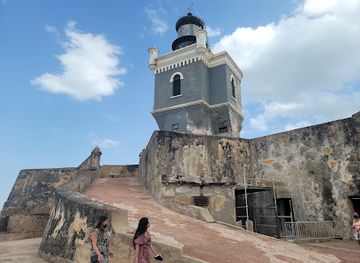
San Juan National Historic Site
Discover the breathtaking history of Puerto Rico at San Juan National Historic Site, home to majestic forts and stunning coastal views.
26 min drive · 8.7 km from city centre
-
Castle
Castillo San Felipe del Morro
Unveil the rich history of Puerto Rico at Castillo San Felipe del Morro, a majestic fortress with stunning ocean views and captivating stories.
26 min drive · 8.7 km from city centre
-
Castle
Castillo San Cristóbal
Explore the historic Castillo San Cristóbal, a magnificent fortress in San Juan, and uncover the rich history of Puerto Rico's colonial past.
27 min drive · 9.0 km from city centre
-
Event venue
DISTRITO T-Mobile
Discover the energy and culture of San Juan at DISTRITO T-Mobile, a premier event venue offering entertainment, dining, and unforgettable experiences.
28 min drive · 9.2 km from city centre


Best landmarks in Bayamón
The Iglesia Santa Cruz is one of Bayamón’s principal historic reference points, representing the parish and civic foundations around which the older town developed. Casa Museo Dr Agustín Stahl adds a more personal landmark to the cityscape: the former residence connects Bayamón with the nineteenth-century physician and naturalist whose work helped document Puerto Rico’s natural world. Museo de Arte de Bayamón is significant not only for its collections and exhibitions but also for the city’s modern cultural ambitions, while Teatro Braulio Castillo gives the municipality an established performing-arts address. The Parque de las Ciencias Luis A. Ferré represents a later civic vision in which science education became part of public culture. Together with central plazas, municipal buildings and the urban transport infrastructure, these places show Bayamón’s evolution from a colonial agricultural settlement into a substantial metropolitan municipality.
-
Historical place
San Juan National Historic Site
Discover the historical significance and breathtaking views at San Juan National Historic Site, a UNESCO World Heritage Site in Puerto Rico.
26 min drive · 8.7 km from city centre
-
Shopping mall
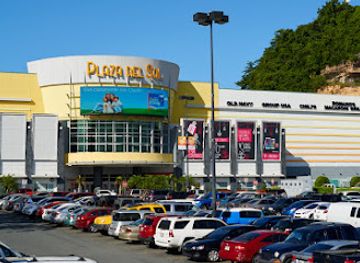
Plaza del Sol
Experience the vibrant shopping atmosphere of Plaza del Sol in Bayamón, Puerto Rico, where retail therapy meets local culture.
15 min walk · 1.2 km from city centre
-
Restaurant
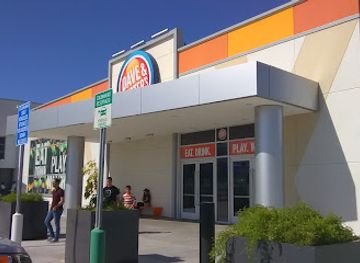
Dave & Buster's Bayamon
Experience exhilarating fun, delicious dining, and vibrant nightlife at Dave & Buster's Bayamon, the ultimate entertainment destination in Puerto Rico.
15 min walk · 1.2 km from city centre
-
Shopping mall
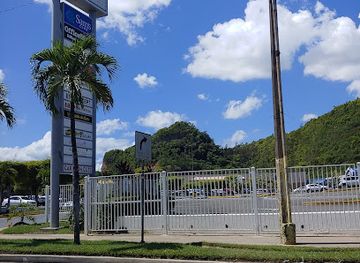
Plaza del Parque
Discover the lively shopping, dining, and entertainment options at Plaza del Parque in Bayamón, Puerto Rico, where culture meets commerce.
5 min drive · 1.6 km from city centre
Explore Bayamón on the map
Plan your Bayamón trip on one map. See where the top attractions, landmarks, restaurants, bars and hotels are, find what's near where you're staying, and book hotels and experiences in a few clicks.
Best hotels in Bayamón
Best restaurants in Bayamón
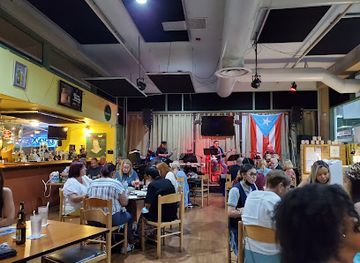
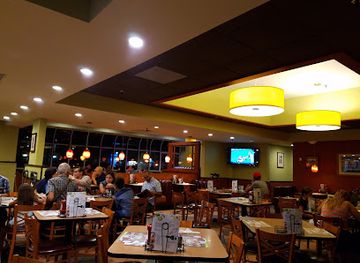
Bayamón’s dining culture reflects Puerto Rico’s Spanish, Taíno, African and Caribbean influences, with familiar staples such as mofongo, arroz con habichuelas, pernil, pasteles and seafood appearing across casual restaurants and family-run eateries. Plantains, root vegetables, pork, rice and sofrito form the foundation of much traditional cooking, while bakeries and cafés provide coffee, pastries and light breakfasts throughout the day. Central Bayamón and the Río Hondo area offer a mixture of local restaurants, fast-casual dining and international options, with roadside businesses and smaller neighbourhood establishments adding a more informal character. Food shopping and prepared dishes can also be found in supermarkets and local commercial areas, although the city is less defined by one concentrated historic food market than Old San Juan. Lunch is often a useful time to encounter substantial Puerto Rican cooking, while evening dining varies from relaxed family meals to contemporary metropolitan menus.
-
Italian
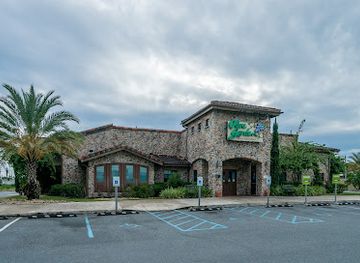
Olive Garden Italian Restaurant
Experience authentic Italian cuisine at Olive Garden in Bayamón - perfect for families and friends seeking delightful flavors.
9 min walk · 0.7 km from city centre
-
American
LongHorn Steakhouse
Experience authentic American dining at LongHorn Steakhouse in Bayamón—where expertly grilled steaks meet warm hospitality.
10 min walk · 0.8 km from city centre
-
Puerto Rican
Doña Ana
Savor the rich flavors of Puerto Rican cuisine at Doña Ana in Bayamón – an unforgettable culinary journey awaits!
4 min walk · 0.3 km from city centre
-
Breakfast
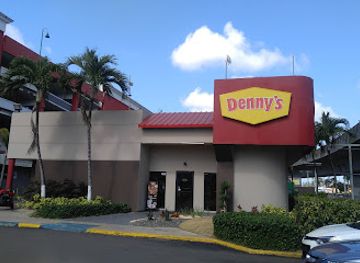
Denny's
Discover delicious breakfast delights at Denny's in Bayamón - your go-to spot for hearty meals any time of the day.
13 min walk · 1.1 km from city centre

Best bars in Bayamón
Bayamón’s nightlife is primarily local and metropolitan rather than concentrated in a famous club district. Evenings commonly centre on restaurants, neighbourhood bars, sports bars and informal music venues, particularly around central commercial areas and Río Hondo. Visitors may encounter salsa, merengue, reggaetón and live acoustic performances within the broader Puerto Rican entertainment scene, although venues and programmes change frequently. The city’s theatres and cultural institutions can provide an alternative to drinking-focused nightlife when performances, concerts or community events are scheduled. San Juan remains the region’s principal destination for large clusters of late-night clubs and established bar streets, while Bayamón offers a more dispersed social evening shaped by residents, food and music. Taxis or ride-hailing services are preferable to walking long distances between separated districts after dark, and visitors should check current venue information before planning a night out.
-
Grill
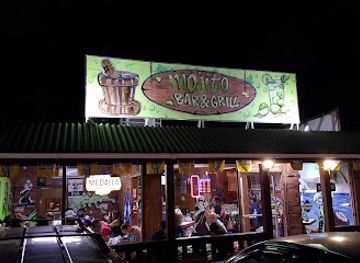
Mojito's Bar & Grill
Experience the vibrant flavors of the Caribbean at Mojito's Bar & Grill in Bayamón, where every meal is a celebration of local cuisine.
14 min drive · 4.5 km from city centre
-
Grill
The Ribs Bar & Grill
Experience the authentic taste of Puerto Rican barbecue at The Ribs Bar & Grill in Bayamón - a must-visit for food lovers.
9 min drive · 3.0 km from city centre
-
Sports bar
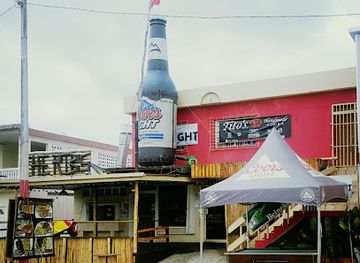
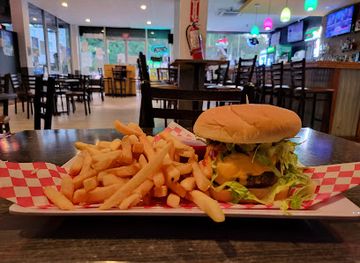
Coors Light - Main City Sport Bar
Experience thrilling sports action and delicious food at Coors Light - Main City Sport Bar in Bayamón, a must-visit for every sports lover.
14 min walk · 1.1 km from city centre
-
Bar
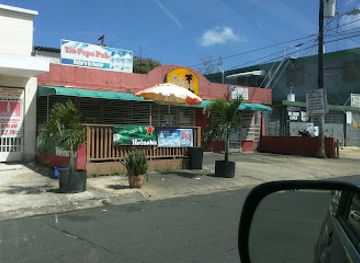
Tio Pepe Pub
Experience the vibrant nightlife at Tio Pepe Pub, a local favorite in Bayamón, Puerto Rico, offering a lively atmosphere and affordable drinks.
6 min drive · 2.2 km from city centre
Best nightclubs in Bayamón
Bayamón’s nightlife is primarily local and metropolitan rather than concentrated in a famous club district. Evenings commonly centre on restaurants, neighbourhood bars, sports bars and informal music venues, particularly around central commercial areas and Río Hondo. Visitors may encounter salsa, merengue, reggaetón and live acoustic performances within the broader Puerto Rican entertainment scene, although venues and programmes change frequently. The city’s theatres and cultural institutions can provide an alternative to drinking-focused nightlife when performances, concerts or community events are scheduled. San Juan remains the region’s principal destination for large clusters of late-night clubs and established bar streets, while Bayamón offers a more dispersed social evening shaped by residents, food and music. Taxis or ride-hailing services are preferable to walking long distances between separated districts after dark, and visitors should check current venue information before planning a night out.
-
Bar
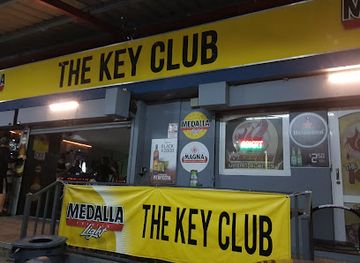
The Key Club
Experience the vibrant nightlife of Bayamón at The Key Club, where exquisite drinks and live music await you in a warm, inviting atmosphere.
6 min drive · 2.0 km from city centre
-
 Night club
CASA APAMA
Discover the lively nightlife at CASA APAMA, a premier night club in Guaynabo, Puerto Rico, where unforgettable music and vibrant energy await.
21 min drive · 7.1 km from city centre
-
Night club
Rude Monkey Studios
Discover the nightlife at Rude Monkey Studios, Bayamón's premier night club, where vibrant music and a lively atmosphere create unforgettable experiences.
6 min drive · 2.0 km from city centre
-
Night club
El Rincon De JO-C
Experience the vibrant nightlife of Bayamón at El Rincon De JO-C, where great music and lively crowds create unforgettable nights.
5 min drive · 1.7 km from city centre
Best shops in Bayamón
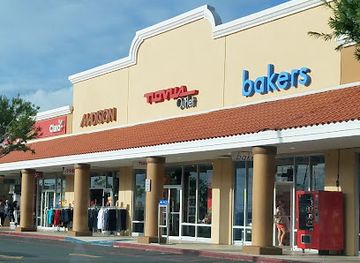
Shopping in Bayamón ranges from large metropolitan retail complexes to smaller local businesses and everyday Puerto Rican commerce. Río Hondo is the principal area for major shopping centres, department stores, services, restaurants and familiar international brands, while central Bayamón offers a more local mixture of independent shops, pharmacies, bakeries and practical retailers. Visitors looking for gifts can seek out Puerto Rican coffee, sweets, rum-related products, handicrafts, artwork and locally designed clothing, although stock varies by shop rather than following one standard market tradition. Supermarkets and food retailers are useful for discovering packaged island products and ingredients such as spices, sauces and snacks. Bayamón is not chiefly an antique or artisan-market destination, so shopping here is best understood as a combination of contemporary retail, neighbourhood commerce and selected Puerto Rican products rather than a single concentrated bazaar.
-
Shopping mall
Plaza Las Américas
Discover the ultimate shopping experience at Plaza Las Américas, the Caribbean's largest shopping mall in San Juan, Puerto Rico.
27 min drive · 9.0 km from city centre
-
Shopping mall
The Mall of San Juan
Explore The Mall of San Juan, a luxurious shopping center in San Juan featuring high-end brands, exquisite dining, and vibrant entertainment options.
34 min drive · 14 km from city centre
-
Shopping mall
Santa Rosa Mall
Discover the vibrant shopping and dining experience at Santa Rosa Mall in Bayamón, Puerto Rico, where retail therapy meets local culture.
15 min walk · 1.2 km from city centre
-
Shopping mall
Rexville Town Center
Experience the lively atmosphere of Rexville Town Center, Bayamón's premier shopping destination with diverse stores and delicious dining options.
16 min drive · 5.4 km from city centre


Get your free copy of our complete guide to Bayamón, delivered straight to you.
Everything on this page, from attractions and restaurants to essentials and local phrases, in one PDF you can read offline, print or share.
Already have an account? Sign in
Your Bayamón guide is ready.
We'll send it to · Not you? Sign out

Getting your guide ready…
We are putting together a fresh copy of the Bayamón guide. This can take up to a minute.
This can take a few moments. If your browser asks, choose Allow so the download can start. You'll find the guide in your Downloads folder.
Nothing happened? Download it again
Sorry, the guide is taking longer than usual. Please try again in a minute, or get it by email instead.
Bayamón essentials
Currency and Payment
Safety
Emergency Situations
Do's and Don'ts
Local Tips
From Eve
Local phrases worth knowing
You don't need to get them perfect. A few words go a long way, and locals appreciate the effort.
Basics
| English | Local | Say it |
|---|---|---|
| Hello | Hola | [oh-lah] |
| Goodbye | Adiós | [ah-dee-ohs] |
| Yes | Sí | [see] |
| No | No | [noh] |
| Please/You're welcome | Por favor/De nada | [pohr fah-vohr/deh nah-dah] |
| Thank you | Gracias | [grah-see-ahs] |
| Excuse me/Sorry | Perdón/Lo siento | [pehr-dohn/loh see-ehn-toh] |
| How are you? | ¿Cómo estás? | [koh-moh ehs-tahs] |
| Fine. And you? | Bien. ¿Y tú? | [byehn. ee too] |
| Do you speak English? | ¿Hablas inglés? | [ah-blahs een-glehs] |
| I don't understand | No entiendo | [noh ehn-tee-ehn-doh] |
Eating & Drinking
| English | Local | Say it |
|---|---|---|
| I'd like to see the menu, please | Quisiera ver el menú, por favor | [kee-see-eh-rah behr ehl meh-noo, pohr fah-vohr] |
| I don't eat meat | No como carne | [noh koh-moh kahr-neh] |
| Cheers! | ¡Salud! | [sah-lood] |
| I would like to pay, please | Quisiera pagar, por favor | [kee-see-eh-rah pah-gahr, pohr fah-vohr] |
Emergencies
| English | Local | Say it |
|---|---|---|
| Help! | ¡Ayuda! | [ah-yoo-dah] |
| Go away! | ¡Vete! | [veh-teh] |
| Call the Police! | ¡Llama a la Policía! | [yah-mah ah lah poh-lee-see-ah] |
| Call a doctor! | ¡Llama a un médico! | [yah-mah ah oon meh-dee-koh] |
| I'm lost | Estoy perdido | [ehs-toy pehr-dee-doh] |
| I'm ill | Estoy enfermo | [ehs-toy ehn-fehr-moh] |
Shopping
| English | Local | Say it |
|---|---|---|
| I'd like to buy... | Quiero comprar... | [kyeh-roh kohm-prahr] |
| I'm just looking | Solo estoy mirando | [soh-loh ehs-toy mee-rahn-doh] |
| How much is it? | ¿Cuánto cuesta? | [kwan-toh kwehs-tah] |
| That's too expensive | Eso es muy caro | [eh-soh ehs mwee kah-roh] |
| Can you lower the price? | ¿Puedes bajar el precio? | [pweh-dehs bah-hahr ehl pree-syoh] |
Time & Numbers
| English | Local | Say it |
|---|---|---|
| What time is it? | ¿Qué hora es? | [keh oh-rah ehs] |
| It's one o'clock | Es la una | [ehs lah oo-nah] |
| Half past (10) | Y media (10) | [ee meh-dee-ah (d'yehs)] |
| Morning | Mañana | [mah-nyah-nah] |
| Afternoon | Tarde | [tahr-deh] |
| Evening | Noche | [noh-cheh] |
| Yesterday | Ayer | [ah-yehr] |
| Today | Hoy | [oy] |
| Tomorrow | Mañana | [mah-nyah-nah] |
| 1 | Uno | [oo-noh] |
| 2 | Dos | [dohs] |
| 3 | Tres | [trehs] |
| 4 | Cuatro | [kwah-troh] |
| 5 | Cinco | [seen-koh] |
| 6 | Seis | [says] |
| 7 | Siete | [syeh-teh] |
| 8 | Ocho | [oh-choh] |
| 9 | Nueve | [nweh-veh] |
| 10 | Diez | [dyehs] |
Transport & Directions
| English | Local | Say it |
|---|---|---|
| Where's a/the...? | ¿Dónde está un/el...? | [dohn-deh ehs-tah oon/ehl] |
| What's the address? | ¿Cuál es la dirección? | [kwahl ehs lah dee-rehk-syohn] |
| Can you show me (on the map)? | ¿Me puedes mostrar (en el mapa)? | [meh pweh-dehs mohs-trahr (ehn ehl mah-pah)] |
| When's the next (bus)? | ¿Cuándo es el próximo (autobús)? | [kwan-doh ehs ehl proh-ksy-moh (ow-toh-boos)] |
| A ticket (to ....) | Un boleto (a ....) | [oon boh-leh-toh (ah)] |
History of Bayamón
Taíno Landscapes and Spanish Settlement
Before Spanish colonisation, the area around present-day Bayamón formed part of a wider Taíno cultural landscape shaped by rivers, fertile plains and coastal access. Spanish settlement expanded across the northern valleys during the sixteenth and seventeenth centuries, bringing agriculture, livestock and new religious and administrative structures. Bayamón was formally founded in 1772, traditionally associated with the initiative of Spanish settlers and the establishment of a parish community. Its name is commonly linked with the Taíno cacique Bayamón, although explanations of the name’s precise origin vary. The settlement’s position inland from San Juan encouraged agricultural development while keeping it connected to the island’s principal port and political centre.
Agriculture and the Colonial Economy
During the late Spanish colonial period, Bayamón developed as an agricultural municipality within the productive northern plain. Sugar cane became especially important, alongside coffee, fruit and subsistence farming, and estates and mills connected local production to regional trade. The landscape was shaped by waterways and transport routes that carried agricultural goods towards San Juan and nearby coastal settlements. Religious and civic institutions gradually gave the town a more defined centre, while rural communities extended across the surrounding territory. The surviving Iglesia Santa Cruz and the pattern of older streets reflect this process of parish formation and municipal consolidation, even though later urban growth transformed much of the original agricultural setting.
Science, Education and Nineteenth-Century Change
The nineteenth century brought changes in agriculture, communications and public life as Puerto Rico’s towns became more closely connected to commercial and intellectual networks. Bayamón is associated with Dr Agustín Stahl, a physician and naturalist whose work contributed to the study of Puerto Rican flora, fauna and society. His former residence, preserved as the Casa Museo Dr Agustín Stahl, provides a local connection to the island’s scientific history. The period also saw the growth of civic institutions and changing ideas about education, public health and municipal administration. These developments helped move Bayamón beyond its earlier agricultural role and prepared the town for the larger social and economic transformations of the twentieth century.
American Rule and Urban Transformation
Following the change of sovereignty in 1898, Bayamón entered a new political and economic framework under United States administration and, later, as part of the Commonwealth of Puerto Rico. Improved roads, public services and expanding commercial activity strengthened its relationship with San Juan and other municipalities. Industrialisation and the growth of metropolitan employment gradually reduced the relative importance of agriculture, while suburban development spread across former rural areas. Population growth brought new schools, neighbourhoods and civic facilities, and Bayamón became increasingly integrated into the capital region. The city’s modern character therefore emerged from a combination of local institutions, metropolitan expansion and Puerto Rico’s changing economic relationship with the United States.
A Contemporary Metropolitan Municipality
In the late twentieth and early twenty-first centuries, Bayamón developed as one of the principal municipalities of the San Juan metropolitan area. The Tren Urbano, whose Bayamón terminus opened as part of the rapid-transit system in 2004, reinforced connections with San Juan, Guaynabo and other urban centres. Large retail districts such as Río Hondo accompanied the expansion of services, while museums, theatres, public parks and cultural programmes supported a stronger civic profile. Institutions including the Museo de Arte de Bayamón and the Parque de las Ciencias Luis A. Ferré reflect efforts to make art, science and public recreation part of everyday urban life. Bayamón today is best understood as both an independent municipality and an active component of Puerto Rico’s metropolitan landscape.
Bayamón in Photos
Browse through our photo collection highlighting the charm and character of the destination.
Cities near Bayamón
The closest cities to Bayamón, if you have time for more than one stop.
-

-

-

-

-


Swipe for more cities
Explore more

Explore more of Puerto Rico
Discover Puerto Rico, where vibrant culture, stunning beaches, and rich history create an unforgettable Caribbean experience. Perfect for adventurers and relaxation seekers alike.
Explore Puerto Rico