

Free Manatí Travel Guide & Mobile App
Plan your Manatí trip with Evendo. Get free guides to top attractions, restaurants, hotels, and bars. Web access or download the mobile app.


Manatí, Puerto Rico blends colonial heritage, sugar history, karst landscapes, Mar Chiquita beach and authentic northern-coast culture.
A Coastal Town with Agricultural Roots
Manatí lies on Puerto Rico’s north coast, between the Atlantic Ocean and the limestone hills of the island’s northern karst region. Known as the Atenas de Puerto Rico, or Athens of Puerto Rico, the town combines a compact historic centre with beaches, caves, wetlands and farmland. Its name comes from the Manatí River, whose watershed has long shaped local settlement and agriculture. Sugar production once dominated the surrounding economy, and traces of that era remain at Hacienda La Esperanza, a former plantation estate now protected as a nature reserve.Read more about Manatí
Town Life and Historic Character
Karst Landscapes and the Northern Sea
When is the best time to visit Manatí?
Best: February–April · 27–28°C| Month | High (°C) | Rainfall (mm) |
|---|---|---|
| January | 27 | 66 |
| February (best) | 27 | 61 |
| March (best) | 27 | 58 |
| April (best) | 28 | 56 |
| May | 28 | 61 |
| June | 28 | 92 |
| July | 28 | 96 |
| August | 28 | 103 |
| September | 28 | 107 |
| October | 28 | 111 |
| November | 27 | 106 |
| December | 27 | 88 |
Getting to and around Manatí
How to get there
Transportation
Best attractions in Manatí
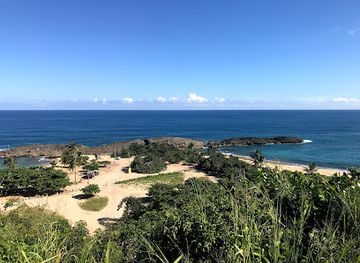
Manatí’s attractions bring together historic streets, sugar-industry heritage and a rugged northern coastline. In the town centre, Plaza de la Atenas and the church of Nuestra Señora de la Candelaria provide an introduction to the municipality’s civic and religious character, while the surrounding streets reveal its small-scale urban rhythm. At Hacienda La Esperanza Nature Reserve, former plantation buildings and industrial remains stand within a landscape of forest, wetlands and coastal habitats, offering a more expansive view of Puerto Rico’s agricultural past. Mar Chiquita is the municipality’s best-known natural attraction, a compact coastal inlet framed by limestone and Atlantic water; nearby Playa Los Tubos has a more exposed, rocky character. The Manatí River and the northern karst landscape add opportunities for observing vegetation, birds and geological formations, although access and sea conditions vary. Together, these places make Manatí more suited to a day of varied exploration than to a single concentrated sightseeing circuit.
-
Tourist attraction
Reserva Natural Cueva del Indio
Explore the stunning cliffs, historical caves, and breathtaking landscapes of Cueva del Indio in Arecibo, Puerto Rico - a must-visit for nature and history enthusiasts.
37 min drive · 17 km from city centre
-
Museum
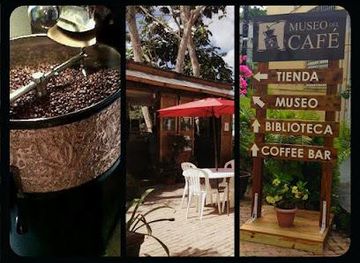
Coffee Museum of Puerto Rico
Explore the rich history and flavors of Puerto Rican coffee at the Coffee Museum of Puerto Rico, a unique cultural gem in Ciales.
31 min drive · 11 km from city centre
-
Beach
La Poza de las Mujeres
Experience the tranquil beauty of La Poza de las Mujeres, a hidden beach gem in Puerto Rico, perfect for relaxation and adventure.
17 min drive · 5.7 km from city centre
-
Beach
Puerto Nuevo Playa de Vega Baja Beach
Experience the serene beauty and vibrant culture at Puerto Nuevo Playa de Vega Baja Beach, a must-visit destination in Puerto Rico.
32 min drive · 12 km from city centre

Best landmarks in Manatí
The church of Nuestra Señora de la Candelaria is one of Manatí’s principal historic markers, standing beside the central civic spaces and expressing the parish-based structure around which the town developed. Plaza de la Atenas provides the civic setting for this historic core, with public buildings and streets that retain the scale of a traditional Puerto Rican municipality. At Hacienda La Esperanza, the plantation house, mill structures and surviving industrial elements represent the economic power of nineteenth-century sugar and the labour systems that supported it; the site is also significant because its landscape is now protected for conservation. Mar Chiquita serves as a natural landmark rather than a built monument, its narrow coastal opening and limestone surroundings giving Manatí a recognisable Atlantic profile. Together, these places connect religious life, civic development, plantation history and the geology of the northern coast.
-
Department store
Walmart Supercenter
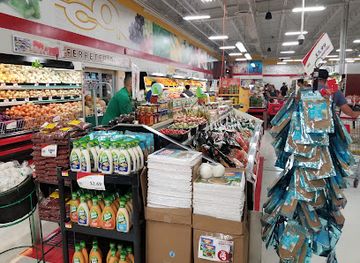
Explore the ultimate shopping destination in Manatí, Puerto Rico, at Walmart Supercenter, where variety and affordability meet.
12 min drive · 3.9 km from city centre
-
Beach
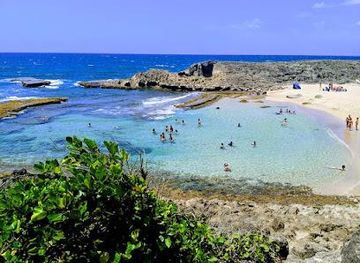
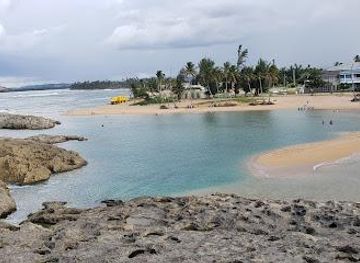
Mar Chiquita Beach
Explore the enchanting Mar Chiquita Beach in Manatí, Puerto Rico, where stunning views and serene waters create an unforgettable coastal retreat.
15 min drive · 5.1 km from city centre
-
Restaurant
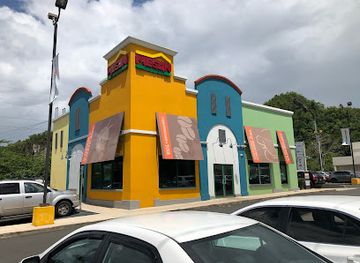
El Mesón Sandwiches (Manatí)
Explore the flavors of Puerto Rico at El Mesón Sandwiches in Manatí, where delicious sandwiches and fresh breakfast options await you.
5 min drive · 1.8 km from city centre
-
Shopping mall
Trigal Plaza
Discover Trigal Plaza in Manatí, Puerto Rico: a vibrant shopping mall featuring diverse retail, dining, and entertainment experiences.
5 min drive · 1.8 km from city centre

Explore Manatí on the map
Plan your Manatí trip on one map. See where the top attractions, landmarks, restaurants, bars and hotels are, find what's near where you're staying, and book hotels and experiences in a few clicks.
Best hotels in Manatí
Best restaurants in Manatí
Manatí’s dining scene reflects the everyday cooking of Puerto Rico’s north coast, with rice and beans, roast pork, stewed meats, plantains, seafood and hearty soups appearing in family restaurants, casual cafés and roadside food businesses. Coastal location brings fish and shellfish into the local repertoire, while agricultural surroundings support the use of root vegetables, fruit and locally familiar seasonings. Traditional fritters and fried snacks are common choices for an informal meal, and bakeries provide coffee, bread and sweet pastries during the day. Around the town centre and along roads serving the beaches, visitors may find a mixture of Puerto Rican cooking, pizza, grilled food and contemporary casual dining rather than a single restaurant quarter. The most characteristic meals are often relaxed and social, with generous portions and an emphasis on familiar island flavours rather than formal presentation.
-
Restaurant
El Mesón Sandwiches (Manatí)
Experience the best of Puerto Rican cuisine at El Mesón Sandwiches in Manatí, where delicious sandwiches and breakfast delights await every visitor.
5 min drive · 1.8 km from city centre
-
Steak
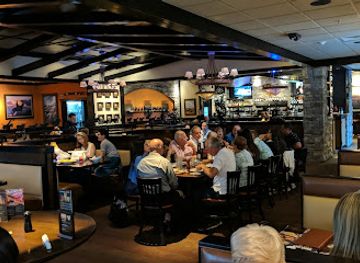
LongHorn Steakhouse
Discover exceptional steaks and American cuisine at LongHorn Steakhouse in Manatí – where every meal is an experience!
5 min drive · 1.8 km from city centre
-
Caribbean
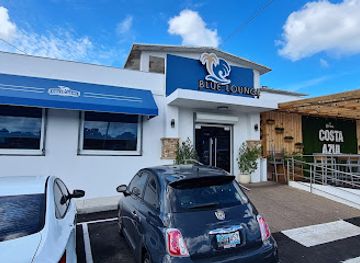
Costa Azul Restaurant & Lounge
Discover authentic Caribbean flavors at Costa Azul Restaurant & Lounge in Manatí, Puerto Rico—where every dish tells a story.
13 min drive · 4.3 km from city centre
-
Mexican
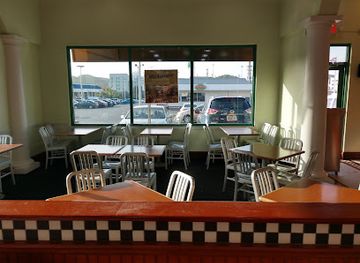
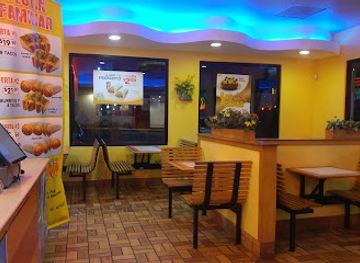
The Taco Maker
Experience vibrant flavors and authentic dishes at The Taco Maker in Manatí – a must-visit destination for Mexican food lovers.
6 min drive · 1.9 km from city centre
Best bars in Manatí
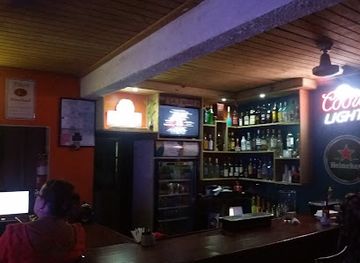
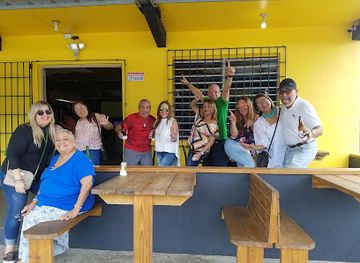
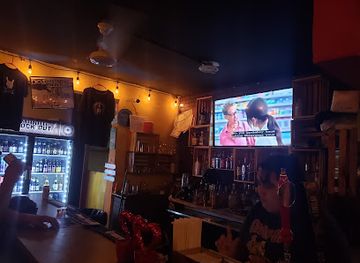
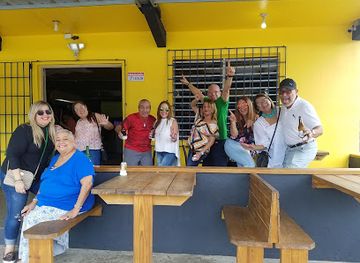
Manatí has a modest, locally oriented evening scene rather than a large club district. After dark, activity is concentrated around neighbourhood bars, casual restaurants and small businesses in and near the town centre, where conversation, music and televised sport are often more important than elaborate cocktail culture. Puerto Rican favourites such as rum-based drinks and local beer may accompany informal gatherings, while weekend events and seasonal festivals can bring live music, dancing and a stronger communal atmosphere. The municipality’s coastal sites are not generally organised as nightlife zones, and visitors should not expect the concentration of late venues found in San Juan. Cultural events, plaza gatherings and performances connected with religious or civic celebrations can provide more representative evening experiences than independent bar-hopping. Transport should be arranged in advance when returning from rural restaurants or outlying areas.
-
Grill
La Tranka Sport Bar
Discover the vibrant flavors and warm hospitality at La Tranka Sport Bar, Manatí's favorite grill and bar for tourists seeking a true Puerto Rican experience.
8 min drive · 2.6 km from city centre
-
Grill
Rock Out Café
Experience a culinary adventure at Rock Out Café, where grill meets Mexican flavors in a vibrant atmosphere.
5 min walk · 0.4 km from city centre
-
Bar
Expreso Beer and More
Experience the vibrant nightlife at Expreso Beer and More, where refreshing drinks and local culture meet in the heart of Manatí.
15 min drive · 4.9 km from city centre
-
Bar
Bakano’s Sport Bar
Experience the excitement of live sports at Bakano's Sport Bar, the go-to destination in Manatí for fans and fun seekers alike.
17 min drive · 5.5 km from city centre


Best nightclubs in Manatí
Manatí has a modest, locally oriented evening scene rather than a large club district. After dark, activity is concentrated around neighbourhood bars, casual restaurants and small businesses in and near the town centre, where conversation, music and televised sport are often more important than elaborate cocktail culture. Puerto Rican favourites such as rum-based drinks and local beer may accompany informal gatherings, while weekend events and seasonal festivals can bring live music, dancing and a stronger communal atmosphere. The municipality’s coastal sites are not generally organised as nightlife zones, and visitors should not expect the concentration of late venues found in San Juan. Cultural events, plaza gatherings and performances connected with religious or civic celebrations can provide more representative evening experiences than independent bar-hopping. Transport should be arranged in advance when returning from rural restaurants or outlying areas.
-
Grill
Rock Out Café
Experience a flavorful fusion of grilled delights and Mexican cuisine at Rock Out Café in Manatí, Puerto Rico.
5 min walk · 0.4 km from city centre
-
Bar
Bakano’s Sport Bar
Experience the vibrant nightlife and local sports culture at Bakano’s Sport Bar in Manatí, where good times and great drinks await.
17 min drive · 5.5 km from city centre
-
Bar
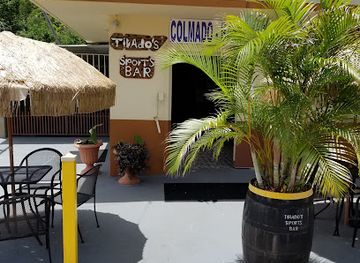
Tirado’s Sport Bar
Discover the lively atmosphere of Tirado's Sport Bar in Manatí, Puerto Rico, where sports and community come together for an unforgettable night out.
18 min drive · 6.2 km from city centre
-
Bar
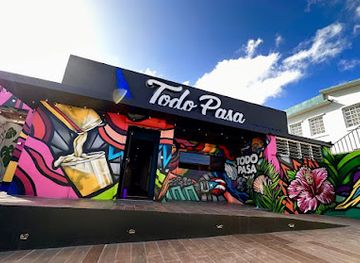
Todo Pasa Sport Bar
Experience the vibrant nightlife at Todo Pasa Sport Bar in Manatí, where great drinks, lively music, and a welcoming atmosphere await you.
11 min walk · 0.9 km from city centre
Best shops in Manatí
Shopping in Manatí is primarily practical and local, centred on the town’s small businesses, commercial corridors, supermarkets and larger retail areas rather than a specialised luxury district. The historic centre is more useful for observing everyday commerce and finding cafés, bakeries and independent services than for a concentrated souvenir circuit. Visitors may encounter Puerto Rican food products, sweets, coffee, rum, handmade items and festival-related crafts through local businesses or seasonal community markets, although the selection varies. Retail centres and supermarkets are convenient for beach supplies, picnic food and necessities before travelling towards the coast or countryside. Small roadside vendors can offer prepared snacks and locally familiar produce, but quality and availability are not uniform. Manatí’s shopping character is therefore tied to ordinary island life, with practical purchases and regional flavours taking precedence over large-scale tourist retail.
-
Department store
Walmart Supercenter
Shop at Walmart Supercenter in Manatí for groceries, clothing, and electronics, all under one roof. Discover local products and essentials!
12 min drive · 3.9 km from city centre
-
Department store
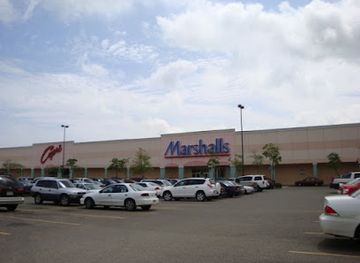
Marshalls
Explore Marshalls in Manatí for unbeatable fashion finds and accessories at incredible prices, perfect for the savvy shopper.
6 min drive · 2.0 km from city centre
-
Shopping mall
Trigal Plaza
Discover Trigal Plaza in Manatí, Puerto Rico, a bustling shopping mall offering diverse stores, dining options, and entertainment experiences.
5 min drive · 1.8 km from city centre
-
Supermarket
Supermercado Econo
Explore the vibrant flavors of Puerto Rico at Supermercado Econo, your go-to supermarket in Manatí for local and international groceries.
13 min walk · 1.0 km from city centre



Get your free copy of our complete guide to Manatí, delivered straight to you.
Everything on this page, from attractions and restaurants to essentials and local phrases, in one PDF you can read offline, print or share.
Already have an account? Sign in
Your Manatí guide is ready.
We'll send it to · Not you? Sign out

Getting your guide ready…
We are putting together a fresh copy of the Manatí guide. This can take up to a minute.
This can take a few moments. If your browser asks, choose Allow so the download can start. You'll find the guide in your Downloads folder.
Nothing happened? Download it again
Sorry, the guide is taking longer than usual. Please try again in a minute, or get it by email instead.
Manatí essentials
Currency and Payment
Safety
Emergency Situations
Do's and Don'ts
Local Tips
From Eve
Local phrases worth knowing
You don't need to get them perfect. A few words go a long way, and locals appreciate the effort.
Basics
| English | Local | Say it |
|---|---|---|
| Hello | Hola | [oh-lah] |
| Goodbye | Adiós | [ah-dee-ohs] |
| Yes | Sí | [see] |
| No | No | [noh] |
| Please/You're welcome | Por favor/De nada | [por fah-bor/de nah-dah] |
| Thank you | Gracias | [grah-see-ahs] |
| Excuse me/Sorry | Perdón/Lo siento | [pair-dohn/loh see-en-toh] |
| How are you? | ¿Cómo estás? | [koh-moh ehs-tahs] |
| Fine. And you? | Bien. ¿Y tú? | [bee-ehn. ee too] |
| Do you speak English? | ¿Hablas inglés? | [ah-blahs een-glays] |
| I don't understand | No entiendo | [noh ehn-tee-ehn-doh] |
Eating & Drinking
| English | Local | Say it |
|---|---|---|
| I'd like to see the menu, please | Me gustaría ver el menú, por favor | [may goos-tah-ree-ah behr ehl meh-noo, poor fah-bor] |
| I don't eat meat | No como carne | [noh koh-moh kahr-neh] |
| Cheers! | ¡Salud! | [sah-lood] |
| I would like to pay, please | Quisiera pagar, por favor | [kee-see-eh-rah pah-gahr, poor fah-bor] |
Emergencies
| English | Local | Say it |
|---|---|---|
| Help! | ¡Ayuda! | [ah-yoo-dah] |
| Go away! | ¡Vete! | [veh-teh] |
| Call the Police! | ¡Llama a la Policía! | [yah-mah ah lah poh-lee-see-ah] |
| Call a doctor! | ¡Llama a un médico! | [yah-mah ah oon meh-dee-koh] |
| I'm lost | Estoy perdido | [ehs-toy pair-dee-doh] |
| I'm ill | Estoy enfermo | [ehs-toy ehn-fehr-moh] |
Shopping
| English | Local | Say it |
|---|---|---|
| I'd like to buy... | Me gustaría comprar... | [may goos-tah-ree-ah kohm-prahr] |
| I'm just looking | Solo estoy mirando | [soh-loh ehs-toy mee-rahn-doh] |
| How much is it? | ¿Cuánto cuesta? | [kwan-toh kwehs-tah] |
| That's too expensive | Eso es demasiado caro | [eh-soh ehs deh-mah-see-ah-doh kahr-oh] |
| Can you lower the price? | ¿Puedes bajar el precio? | [pweh-dehs bah-hahr ehl pree-see-oh] |
Time & Numbers
| English | Local | Say it |
|---|---|---|
| What time is it? | ¿Qué hora es? | [keh oh-rah ehs] |
| It's one o'clock | Es la una en punto | [ehs lah oo-nah ehn poon-toh] |
| Half past (10) | Media (10) | [meh-dee-ah (deez-eez)] |
| Morning | Mañana | [mah-nyah-nah] |
| Afternoon | Tarde | [tahr-deh] |
| Evening | Noche | [noh-cheh] |
| Yesterday | Ayer | [ah-yehr] |
| Today | Hoy | [oy] |
| Tomorrow | Mañana | [mah-nyah-nah] |
| 1 | Uno | [oo-noh] |
| 2 | Dos | [dohs] |
| 3 | Tres | [trehs] |
| 4 | Cuatro | [kwah-troh] |
| 5 | Cinco | [seen-koh] |
| 6 | Seis | [sehs] |
| 7 | Siete | [syeh-teh] |
| 8 | Ocho | [oh-choh] |
| 9 | Nueve | [nweh-veh] |
| 10 | Diez | [dyehs] |
Transport & Directions
| English | Local | Say it |
|---|---|---|
| Where's a/the...? | ¿Dónde está...? | [dohn-deh ehs-tah] |
| What's the address? | ¿Cuál es la dirección? | [kwal ehs lah dee-rehk-see-ohn] |
| Can you show me (on the map)? | ¿Puedes mostrarme (en el mapa)? | [pweh-dehs mohs-trar-meh (ehn ehl mah-pah)] |
| When's the next (bus)? | ¿Cuándo es el próximo (autobús)? | [kwan-doh ehs ehl prohk-see-moh (ow-toh-boos)] |
| A ticket (to ....) | Un boleto (a ....) | [oon boh-leh-toh (ah)] |
History of Manatí
Indigenous Landscapes and Early Settlement
Before Spanish colonisation, the northern coastal plain and river valleys around present-day Manatí were inhabited by Taíno communities whose settlements depended on fertile land, freshwater and access to the sea. European colonisation transformed these patterns through new systems of landholding, Christianity and agricultural production. The Manatí River remained an important geographical reference, linking the interior to the coast and helping give the developing settlement its name. As elsewhere in Puerto Rico, Indigenous, European and African histories became intertwined through colonisation, forced labour and migration, creating the cultural foundations of the municipality visible today.
The Foundation of Manatí
Manatí was formally founded in 1738 during a period when Spanish settlements were consolidating across Puerto Rico’s northern coastal plain. Its location near the river and fertile agricultural land supported the growth of a town whose economy combined farming, livestock raising and coastal connections. Religious and civic institutions gradually organised the settlement around the central plaza, establishing the urban form that remains legible in the historic centre. The parish dedicated to Nuestra Señora de la Candelaria reflects the importance of Catholic institutions in the town’s social and architectural development.
Sugar and Plantation Society
During the nineteenth century, sugar became increasingly important to Manatí’s economy, linking the municipality to Puerto Rico’s wider plantation system and international markets. Estates such as Hacienda La Esperanza brought together agricultural land, industrial processing and a labour force shaped by slavery before abolition and by later forms of wage labour. The surviving plantation complex offers unusual insight into this transformation: its machinery, buildings and landscape show that sugar production was both an agricultural activity and an industrial enterprise. The period also deepened the social divisions and cultural exchanges that influenced northern Puerto Rican communities.
From Spanish Rule to American Administration
The political order changed in 1898, when Puerto Rico passed from Spanish to United States administration after the Spanish-American War. Manatí, like other municipalities, entered a new period of economic and institutional adjustment as commercial agriculture, public administration and transport networks developed under the changing colonial framework. Sugar remained influential into the twentieth century, but mechanisation, market shifts and the decline of large-scale plantation production gradually altered the countryside. Families increasingly combined agricultural work with commerce, public employment and migration, reshaping the relationship between the town centre and its rural surroundings.
A Modern Municipality of Coast and Community
In the later twentieth and early twenty-first centuries, Manatí’s identity broadened beyond plantation agriculture. Residential growth, local commerce and improved road connections strengthened its links with other northern municipalities, while former agricultural landscapes became valued for conservation, recreation and heritage interpretation. Hacienda La Esperanza is now associated with environmental protection as well as industrial history, and coastal places such as Mar Chiquita have become important expressions of the municipality’s natural character. Religious traditions, civic celebrations and everyday neighbourhood life continue to anchor Manatí while the town develops a measured visitor profile based on heritage and landscape.
Manatí in Photos
Browse through our photo collection highlighting the charm and character of the destination.
Cities near Manatí
The closest cities to Manatí, if you have time for more than one stop.
-

-

-

-

-


Swipe for more cities
Explore more

Explore more of Puerto Rico
Discover Puerto Rico, where vibrant culture, stunning beaches, and rich history create an unforgettable Caribbean experience. Perfect for adventurers and relaxation seekers alike.
Explore Puerto Rico