

Free Drobeta-Turnu Severin Travel Guide & Mobile App
Plan your Drobeta-Turnu Severin trip with Evendo. Get free guides to top attractions, restaurants, hotels, and bars. Web access or download the mobile app.


Drobeta-Turnu Severin blends Roman ruins, Danube scenery and Iron Gates heritage with historic boulevards, museums and relaxed Romanian city life.
Roman Origins and River Horizons
Drobeta-Turnu Severin occupies a strategic stretch of Romania’s south-western Danube, facing Serbia across the broad river and standing close to the dramatic Iron Gates gorge. The city’s identity is inseparable from Drobeta, the Roman settlement established beside the Danube at the beginning of the second century. Its most celebrated remnant is the site of Trajan’s Bridge, the great crossing built by Apollodorus of Damascus during the Dacian Wars. Only the bridge’s stone piers survive, but the remains convey the scale of the engineering project and the importance of the frontier.Read more about Drobeta-Turnu Severin
Historic Streets and Civic Architecture
Life beside the Danube
When is the best time to visit Drobeta-Turnu Severin?
Best: April, September–October · 21–28°C| Month | High (°C) | Rainfall (mm) |
|---|---|---|
| January | 8 | 44 |
| February | 9 | 36 |
| March | 15 | 36 |
| April (best) | 21 | 36 |
| May | 28 | 72 |
| June | 33 | 104 |
| July | 36 | 92 |
| August | 34 | 80 |
| September (best) | 28 | 56 |
| October (best) | 22 | 44 |
| November | 14 | 44 |
| December | 11 | 44 |
Getting to and around Drobeta-Turnu Severin
How to get there
Transportation
Best attractions in Drobeta-Turnu Severin
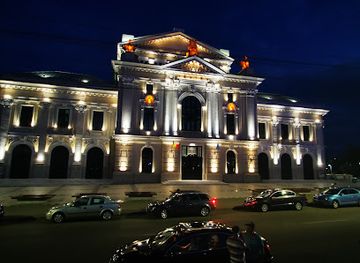
Drobeta-Turnu Severin’s principal attractions reveal the city’s long relationship with the Danube. The archaeological site of Drobeta preserves the remains of the Roman castrum and the nearby piers of Trajan’s Bridge, offering a tangible encounter with the engineering and military ambition of imperial Rome. The Iron Gates Region Museum, housed in the historic Cultural Palace, places these remains within a broader story of archaeology, local society and the river landscape. At the waterfront, the ruins of Severin Fortress evoke the medieval Danube frontier, while the Theodor Costescu Cultural Palace and the city’s broad central streets illustrate its later civic development. Public gardens and riverside promenades provide space for slower exploration, with views towards the Serbian bank. The city also serves as a practical starting point for journeys into the Iron Gates region, where wooded slopes, reservoirs and scattered historic settlements extend the landscape beyond the urban centre.
-
Tourist attraction
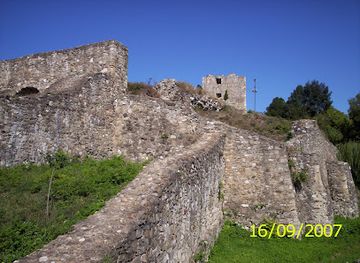
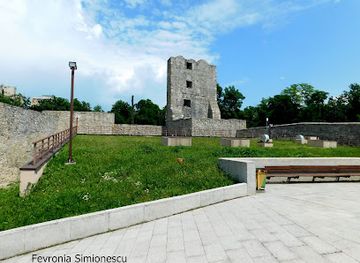
The Fortress of Severin
Experience the historical allure of the Fortress of Severin, a stunning medieval fortress in Drobeta-Turnu Severin, Romania, offering rich history and breathtaking views.
5 min drive · 1.5 km from city centre
-
Tourist attraction
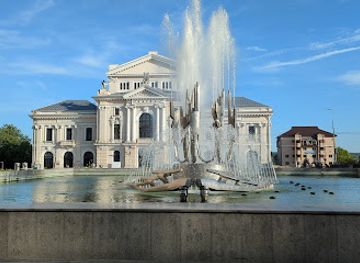
Fântâna Cinetică
Discover the mesmerizing Fântâna Cinetică in Drobeta-Turnu Severin, where water, light, and music create an unforgettable experience.
16 min walk · 1.3 km from city centre
-
Park
Promenada Crișan
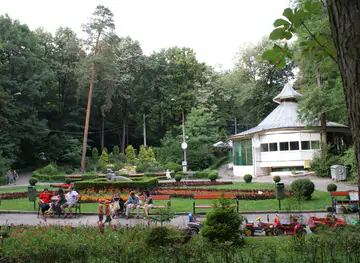
Explore the lush landscapes of Promenada Crișan, a serene park in Drobeta-Turnu Severin perfect for relaxation and outdoor activities.
5 min walk · 0.4 km from city centre
-
Tourist attraction
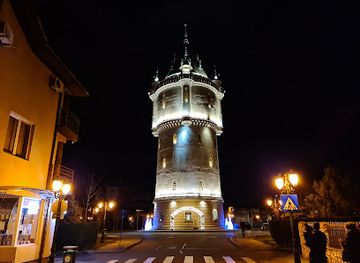
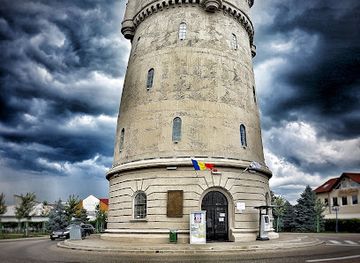
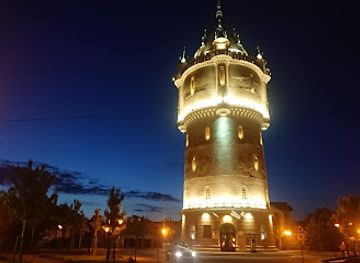
Water Castle
Discover the enchanting Water Castle in Drobeta-Turnu Severin, where stunning architecture meets serene natural beauty, perfect for your next adventure.
9 min walk · 0.7 km from city centre
Best landmarks in Drobeta-Turnu Severin
The Roman remains of Drobeta and the surviving piers of Trajan’s Bridge are the city’s defining historical landmarks, connecting the modern urban landscape with the military infrastructure of the Roman conquest of Dacia. Severin Fortress represents a later era, when the Danube was a contested medieval frontier between regional powers and the Ottoman world. Among the city’s modern landmarks, the Theodor Costescu Cultural Palace is notable for its early twentieth-century civic role and imposing period architecture. The Water Tower, built as part of the city’s modern infrastructure, is another recognisable feature of the urban skyline. Broad boulevards and planned public spaces around the centre reveal the nineteenth-century ambitions behind Turnu Severin’s foundation, while the Danube itself remains the enduring geographical landmark against which the city’s successive layers are understood.
-
Fortress
The Fortress of Severin
Discover the historical marvel of The Fortress of Severin, a captivating landmark that reveals the rich heritage of Romania's medieval past.
5 min drive · 1.5 km from city centre
-
Restaurant
Kripton Pub&Grill
Discover the vibrant culinary scene at Kripton Pub&Grill in Drobeta-Turnu Severin, where delicious food meets live music in a welcoming atmosphere.
17 min walk · 1.4 km from city centre
-
Tourist attraction
Fântâna Cinetică
Explore Fântâna Cinetică in Drobeta-Turnu Severin, a stunning park featuring enchanting fountains and serene green spaces perfect for relaxation.
16 min walk · 1.3 km from city centre
-
Park
Promenada Crișan
Discover the serene beauty of Promenada Crișan, a lush park in Drobeta-Turnu Severin, perfect for relaxation, leisure, and enjoying nature's tranquility.
5 min walk · 0.4 km from city centre

Explore Drobeta-Turnu Severin on the map
Plan your Drobeta-Turnu Severin trip on one map. See where the top attractions, landmarks, restaurants, bars and hotels are, find what's near where you're staying, and book hotels and experiences in a few clicks.
Best hotels in Drobeta-Turnu Severin
Best restaurants in Drobeta-Turnu Severin
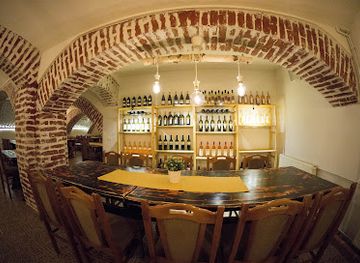
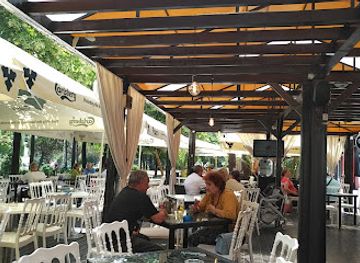
Dining in Drobeta-Turnu Severin reflects the food traditions of Oltenia and the Danube plain, with menus commonly shaped by soups, grilled meats, sarmale, seasonal vegetables, cheeses and baked pastries. River fish appears in local cooking, although the selection varies by restaurant and season; preparations such as grilled or fried fish and fish soup are associated with the wider Danube region. Traditional Romanian restaurants provide hearty meals, while cafés, pizzerias and informal eateries around the centre cater to everyday dining. Local markets are useful for fruit, vegetables, dairy products and other seasonal ingredients rather than for an elaborate street-food scene. Regional wines and Romanian beer are familiar accompaniments, and a roadside or family-run establishment outside the city may offer a more rustic expression of local cooking than central dining rooms.
-
Restaurant
Kripton Pub&Grill
Experience the vibrant culinary scene at Kripton Pub&Grill in Drobeta-Turnu Severin with fresh seafood, gourmet burgers, and live music.
17 min walk · 1.4 km from city centre
-
Restaurant
NEST Hotel & Restaurant
Discover the culinary delights at NEST Hotel & Restaurant - where comfort meets exquisite dining in Drobeta-Turnu Severin.
12 min walk · 0.9 km from city centre
-
Gastropub
Queen's Cafe&Lounge
Discover authentic Italian cuisine at Queen's Cafe&Lounge, where every meal is an experience in Drobeta-Turnu Severin.
16 min walk · 1.2 km from city centre
-
Italian
Trattoria Il Calcio
Discover authentic Italian cuisine at Trattoria Il Calcio in Drobeta-Turnu Severin – where every meal feels like a journey to Italy.
6 min walk · 0.5 km from city centre
Best bars in Drobeta-Turnu Severin
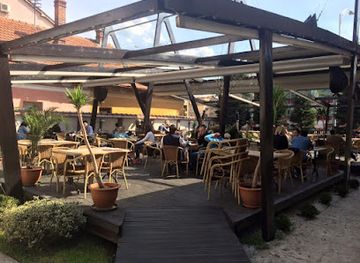
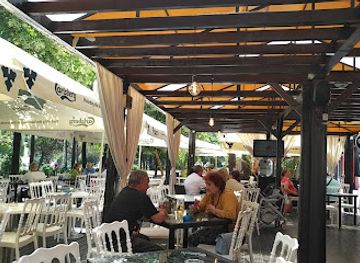
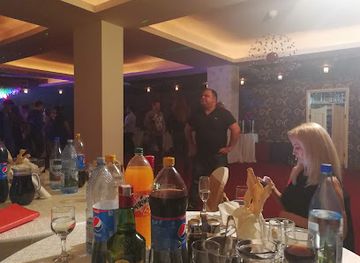
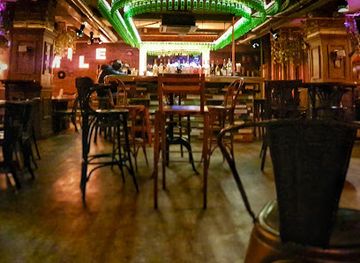
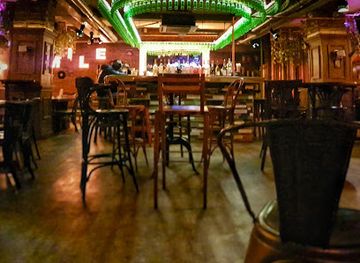
Evenings in Drobeta-Turnu Severin are generally relaxed rather than built around a large club scene. Central streets and the areas near the main boulevards contain cafés, pubs and casual bars where residents meet for coffee, beer, wine or a late conversation. In warmer months, outdoor terraces and the Danube promenade become important social spaces, especially around sunset. Cultural evenings may centre on performances and events at the Theodor Costescu Cultural Palace or other local institutions rather than on dedicated nightlife venues. The city has some late-night entertainment, but opening patterns and venue choice can change, so visitors should check locally rather than expect a concentrated club district. Taxis are a sensible option after late evenings, particularly when staying outside the central area.
-
Restaurant
Kripton Pub&Grill
Discover Kripton Pub&Grill in Drobeta-Turnu Severin - where fresh fish, juicy burgers, and live music create unforgettable dining experiences.
17 min walk · 1.4 km from city centre
-
Gastropub
Queen's Cafe&Lounge
Discover the delightful fusion of Italian cuisine and local charm at Queen's Cafe&Lounge in Drobeta-Turnu Severin, a must-visit gastropub.
16 min walk · 1.2 km from city centre
-
Bar
Good
Discover the perfect blend of drinks and ambiance at Good Bar in Drobeta-Turnu Severin, a cozy spot for coffee and cocktails alike.
15 min walk · 1.2 km from city centre
-
Pub
C’PUB
Experience the vibrant atmosphere at C’PUB, a must-visit pub in Drobeta-Turnu Severin, offering great drinks, food, and local entertainment.
7 min walk · 0.6 km from city centre
Best nightclubs in Drobeta-Turnu Severin
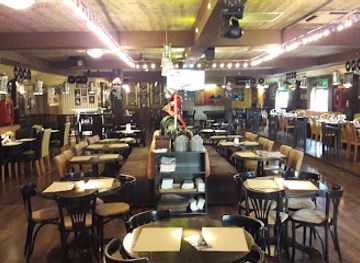
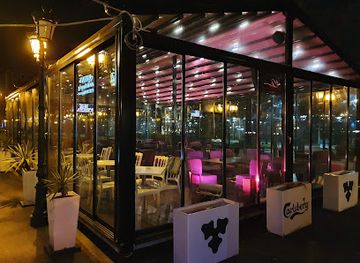
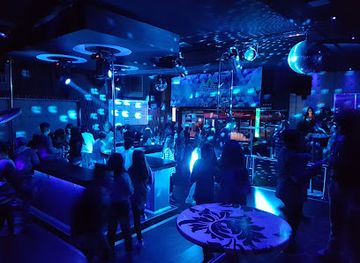
Evenings in Drobeta-Turnu Severin are generally relaxed rather than built around a large club scene. Central streets and the areas near the main boulevards contain cafés, pubs and casual bars where residents meet for coffee, beer, wine or a late conversation. In warmer months, outdoor terraces and the Danube promenade become important social spaces, especially around sunset. Cultural evenings may centre on performances and events at the Theodor Costescu Cultural Palace or other local institutions rather than on dedicated nightlife venues. The city has some late-night entertainment, but opening patterns and venue choice can change, so visitors should check locally rather than expect a concentrated club district. Taxis are a sensible option after late evenings, particularly when staying outside the central area.
-
Gastropub
Queen's Cafe&Lounge
Explore Queen's Cafe&Lounge in Drobeta-Turnu Severin for a delightful blend of Italian cuisine, vibrant ambiance, and fine wines in a welcoming gastropub setting.
16 min walk · 1.2 km from city centre
-
Pub
C’PUB
Discover C’PUB: A lively pub in Drobeta-Turnu Severin offering a rich local atmosphere, diverse drinks, and exciting entertainment options.
7 min walk · 0.6 km from city centre
-
Disco club
Discotheque ATRIJUM
Dive into Kladovo's nightlife at Discotheque ATRIJUM, where electrifying music and vibrant crowds create unforgettable nights.
14 min drive · 4.7 km from city centre
-
Sports bar
Amadeus
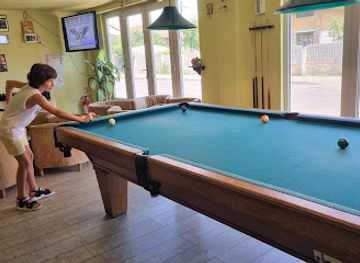
Discover Amadeus, the vibrant sports bar in Drobeta-Turnu Severin, where excitement meets great food and drinks in a welcoming atmosphere.
9 min walk · 0.7 km from city centre
Best shops in Drobeta-Turnu Severin
Shopping in Drobeta-Turnu Severin combines ordinary Romanian city retail with markets that reflect the agricultural character of south-western Romania. Central boulevards and commercial streets contain clothing shops, cafés, pharmacies and general retailers, while larger commercial centres provide familiar national chains. Open markets are more useful for seasonal fruit and vegetables, cheeses, preserves and everyday household goods than for carefully curated souvenirs. Visitors interested in gifts can look for Romanian food products, regional wine, honey, ceramics and small craft items, though selection varies between shops and market days. The city does not have a single dominant luxury or designer quarter; its retail character is practical and local, with independent businesses and food stalls offering a closer view of daily life than a conventional shopping district.
-
Shopping mall
Severin Shopping Center
Discover the ultimate shopping experience at Severin Shopping Center in Drobeta-Turnu Severin, where retail therapy meets culinary delights.
5 min drive · 1.8 km from city centre
-
Hypermarket
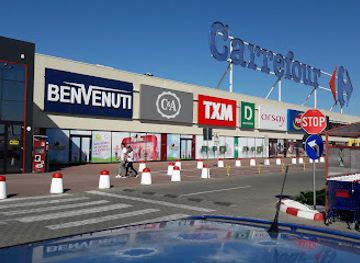
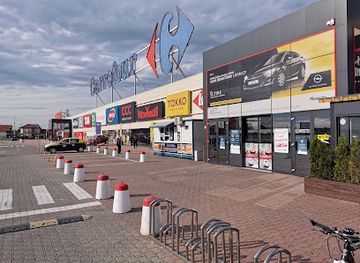
Carrefour
Experience the vibrant shopping hub of Carrefour in Drobeta-Turnu Severin, where local flavors meet international variety in a convenient hypermarket setting.
6 min drive · 1.8 km from city centre
-
Supermarket
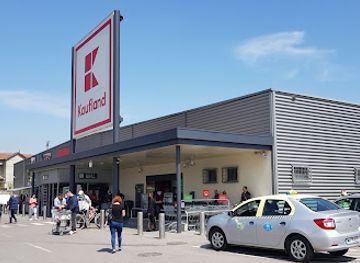
Kaufland Drobeta Turnu Severin
Explore Kaufland Drobeta Turnu Severin for a delightful supermarket experience filled with local flavors and everyday essentials.
15 min walk · 1.2 km from city centre
-
Shopping mall
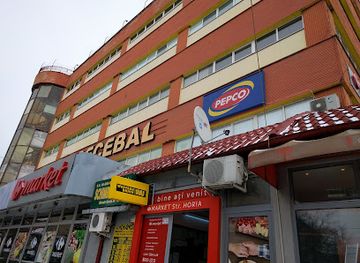
Decebal Shopping Center
Explore the Decebal Shopping Center in Drobeta-Turnu Severin, where shopping meets dining in a vibrant atmosphere filled with local charm.
11 min walk · 0.9 km from city centre
Get your free copy of our complete guide to Drobeta-Turnu Severin, delivered straight to you.
Everything on this page, from attractions and restaurants to essentials and local phrases, in one PDF you can read offline, print or share.
Already have an account? Sign in
Your Drobeta-Turnu Severin guide is ready.
We'll send it to · Not you? Sign out

Getting your guide ready…
We are putting together a fresh copy of the Drobeta-Turnu Severin guide. This can take up to a minute.
This can take a few moments. If your browser asks, choose Allow so the download can start. You'll find the guide in your Downloads folder.
Nothing happened? Download it again
Sorry, the guide is taking longer than usual. Please try again in a minute, or get it by email instead.
Drobeta-Turnu Severin essentials
Currency and Payment
Safety
Emergency Situations
Do's and Don'ts
Local Tips
From Eve
Local phrases worth knowing
You don't need to get them perfect. A few words go a long way, and locals appreciate the effort.
Basics
| English | Local | Say it |
|---|---|---|
| Hello | Salut | [sah-LOOT] |
| Goodbye | La revedere | [lah reh-veh-DEH-reh] |
| Yes | Da | [dah] |
| No | Nu | [noo] |
| Please/You're welcome | Te rog | [teh rohg] |
| Thank you | Mulțumesc | [mool-TZOO-mesk] |
| Excuse me/Sorry | Scuzați-mă | [skoo-ZAH-tzuh muh] |
| How are you? | Ce faci? | [cheh FAH-chi] |
| Fine. And you? | Bine. Și tu? | [BEE-neh. shee too] |
| Do you speak English? | Vorbiți engleză? | [vor-BEE-tz eng-leh-ZAH] |
| I don't understand | Nu înțeleg | [noo uhn-tseh-LEHG] |
Eating & Drinking
| English | Local | Say it |
|---|---|---|
| I'd like to see the menu, please | Aș dori să văd meniul, vă rog | [ush DOH-ree suh vuhd meh-NYOOL, vuh rohg] |
| I don't eat meat | Nu mănânc carne | [noo muh-NUHNK KAR-neh] |
| Cheers! | Noroc! | [noh-ROHK] |
| I would like to pay, please | Aș dori să plătesc, vă rog | [ush DOH-ree suh PLAH-tesk, vuh rohg] |
Emergencies
| English | Local | Say it |
|---|---|---|
| Help! | Ajutor! | [ah-ZHOO-tor] |
| Go away! | Du-te! | [doo-teh] |
| Call the Police! | Apelați Poliția! | [ah-peh-LAHTs-ee poh-LEETsyah] |
| Call a doctor! | Apelați un doctor! | [ah-peh-LAHTs oon dohk-TOHR] |
| I'm lost | M-am pierdut | [mahm pyehR-DOOT] |
| I'm ill | Sunt bolnav | [soont bohl-NAHV] |
Shopping
| English | Local | Say it |
|---|---|---|
| I'd like to buy... | Aș dori să cumpăr... | [ush DOH-ree suh KOOM-puhr] |
| I'm just looking | Doar mă uit | [doh-AHR muh ooit] |
| How much is it? | Cât costă? | [kaht kohs-TUH] |
| That's too expensive | Este prea scump | [ehs-teh prah skoomp] |
| Can you lower the price? | Puteți să scădeți prețul? | [poo-TEHTs sah skuh-DEHTs prehtsool] |
Time & Numbers
| English | Local | Say it |
|---|---|---|
| What time is it? | Cât e ceasul? | [kaht eh chyah-SOOL] |
| It's one o'clock | Este ora unu | [ehs-teh oh-rah oo-NOO] |
| Half past (10) | O jumătate | [oh joo-MAH-tah-teh] |
| Morning | Dimineața | [dee-mee-NYAHT-sah] |
| Afternoon | După-amiază | [doo-PAH ah-myah-ZAH] |
| Evening | Seara | [seh-AH-rah] |
| Yesterday | Ieri | [yeh-REE] |
| Today | Astăzi | [ah-STUH-zee] |
| Tomorrow | Mâine | [MUH-ee-neh] |
| 1 | Unu | [OO-noo] |
| 2 | Doi | [doi] |
| 3 | Trei | [treh-ee] |
| 4 | Patru | [PAH-troo] |
| 5 | Cinci | [CHEEN-chee] |
| 6 | Șase | [shah-seh] |
| 7 | Șapte | [SHAHP-teh] |
| 8 | Opt | [opt] |
| 9 | Nouă | [noo-WUH] |
| 10 | Zece | [ZEH-che] |
Transport & Directions
| English | Local | Say it |
|---|---|---|
| Where's a/the...? | Unde este unul/o... | [OON-deh eh-STEH OO-noo/oh] |
| What's the address? | Care este adresa? | [KA-reh eh-STEH ah-DREH-sah] |
| Can you show me (on the map)? | Puteți să-mi arătați (pe hartă)? | [poo-TEHTs sah-mee ah-RAH-tsuhts peh HAR-tuh] |
| When's the next (bus)? | Când vine următorul (autobuz)? | [kahnd VEE-neh oor-MAH-toh-rool ow-TOH-booz] |
| A ticket (to ....) | Un bilet (spre ....) | [oon bee-let spre ...] |
History of Drobeta-Turnu Severin
Drobeta and the Roman Danube
Drobeta emerged as a Roman military and civilian settlement on the northern bank of the Danube during the reign of Emperor Trajan. The castrum was established around the time of the Dacian Wars, probably in the early second century, to secure the river frontier and support Roman operations north of the Danube. Its position became especially important after the construction of Trajan’s Bridge, completed in 105–106 under the direction of Apollodorus of Damascus. The bridge connected the Roman province of Moesia with Dacia and was one of the most ambitious engineering works of the ancient world. The surviving piers and archaeological remains form the foundation of the city’s historical identity.
A Frontier Settlement in Late Antiquity
Drobeta remained a significant military and commercial point as Roman power in the region changed. The settlement supported movement along the Danube and linked river traffic with routes through the interior. During the later Roman period, the bridge and fortifications were affected by repeated military pressures and changing imperial priorities. Roman authority north of the Danube was withdrawn under Emperor Aurelian in the late third century, although the river corridor continued to matter to successive communities and powers. Archaeological remains around the former castrum preserve evidence of military buildings, public structures and everyday settlement, showing that Drobeta was more than an isolated frontier camp.
Severin and the Medieval Frontier
The medieval settlement known as Severin developed in a region contested by the Hungarian kingdom, Wallachian rulers and Ottoman power. A fortress associated with the Banate of Severin was established during the thirteenth century to control movement along the Danube and defend the frontier. Its position gave the settlement political and military importance, while the nearby river encouraged trade and communication. The fortress was damaged and destroyed during the Ottoman advance in the sixteenth century, and the medieval town declined. The surviving ruins, generally known as Severin Fortress, are a reminder of a period when the Danube marked a shifting boundary between competing states and religious worlds.
The Founding of Modern Turnu Severin
The modern city was founded in the nineteenth century as part of the urban and administrative development of Wallachia. Turnu Severin was formally established in 1833, and its planned layout reflected the ambitions of a modernising state seeking stronger commercial and institutional links along the Danube. Streets, public buildings and gardens gradually extended beyond the older archaeological and medieval sites. River transport, trade and later railway connections helped the town grow, while its position opposite the Serbian bank maintained its role as a regional crossing and commercial centre. The nineteenth-century plan remains visible in the city’s broad avenues and civic architecture.
Industry, Transport and Urban Growth
During the late nineteenth and twentieth centuries, Drobeta-Turnu Severin developed from a planned river town into an industrial and transport centre for Mehedinți County. The Danube remained central to commerce, while rail connections strengthened the city’s links with Craiova, Bucharest and western Romania. Public institutions, schools and cultural buildings expanded alongside industry and housing. The Theodor Costescu Cultural Palace, completed in the early twentieth century, expressed the civic confidence of this period and became an important architectural and cultural landmark. Like many Romanian cities, Drobeta-Turnu Severin experienced substantial demographic and urban change during the communist era.
The Iron Gates Era
The construction of the Iron Gates I hydropower and navigation system, developed jointly by Romania and Yugoslavia and inaugurated in 1972, transformed the Danube landscape upstream from Drobeta-Turnu Severin. The project improved navigation and generated electricity, but it also altered river settlements, shorelines and archaeological contexts across the gorge. The city became an administrative and logistical centre for a region reshaped by this major infrastructure scheme. Today, the Iron Gates Region Museum and the wider cultural landscape encourage visitors to consider both the technological ambition of the project and the long human history of the Danube corridor.
Drobeta-Turnu Severin in Photos
Browse through our photo collection highlighting the charm and character of the destination.
Cities near Drobeta-Turnu Severin
The closest cities to Drobeta-Turnu Severin, if you have time for more than one stop.
-

-

-

-

-


Swipe for more cities
Explore more

Explore more of Romania
Discover Romania's blend of mystical castles, enchanting landscapes, and vibrant culture. Experience the rich history and natural beauty that make Romania a unique travel destination.
Explore Romania