

Free Râmnicu Vâlcea Travel Guide & Mobile App
Plan your Râmnicu Vâlcea trip with Evendo. Get free guides to top attractions, restaurants, hotels, and bars. Web access or download the mobile app.


Râmnicu Vâlcea, Romania, pairs Olt Valley scenery with medieval heritage, museums, parks and easy access to monasteries, spa towns and the Southern Carpathians.
A Riverside City in Vâlcea
Râmnicu Vâlcea lies in southern Romania, where the Olt River leaves the foothills of the Southern Carpathians and opens towards the plains of Oltenia. As the capital of Vâlcea County, it combines the practical character of a regional centre with a setting shaped by wooded hills, river valleys and nearby spa resorts. The compact centre is easy to explore on foot, with parks, civic buildings, churches and museums gathered around streets that reveal the city's long connection with trade, administration and religious life.Read more about Râmnicu Vâlcea
History in the Urban Landscape
Parks, Culture and Surrounding Landscapes
When is the best time to visit Râmnicu Vâlcea?
Best: April–May, September · 20–26°C| Month | High (°C) | Rainfall (mm) |
|---|---|---|
| January | 5 | 40 |
| February | 6 | 40 |
| March | 12 | 40 |
| April (best) | 20 | 50 |
| May (best) | 26 | 70 |
| June | 30 | 70 |
| July | 32 | 60 |
| August | 31 | 50 |
| September (best) | 25 | 50 |
| October | 19 | 60 |
| November | 12 | 50 |
| December | 8 | 40 |
Getting to and around Râmnicu Vâlcea
How to get there
Transportation
Best attractions in Râmnicu Vâlcea
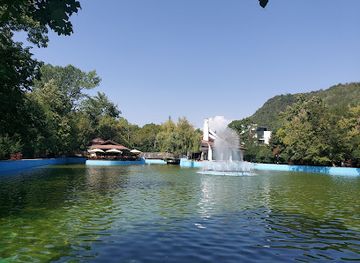
Râmnicu Vâlcea's attractions are concentrated within a manageable urban area. The Muzeul Județean Vâlcea introduces the county's archaeology, history and ethnography, while the Muzeul de Artă Casa Simian presents art in one of the city's notable historic houses. At Casa Memorială Anton Pann, literary history is connected with the nineteenth-century writer's period in Râmnic. Zăvoi Park, one of the city's principal green spaces, offers shaded paths and a quieter view of local daily life, while Mircea cel Bătrân Park provides a central setting near civic buildings and the cathedral. The Archiepiscopal Cathedral of Saint Nicholas anchors the historic centre, and nearby Ocnele Mari adds salt-mining history and the archaeological legacy of Buridava. For a broader picture of Vâlcea's rural traditions, the open-air museum at Bujoreni, outside the city, displays historic village architecture and household life.
-
Tourist attraction
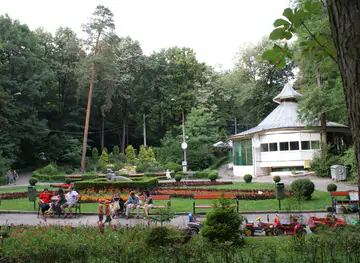
Zăvoi
Explore the beauty of Zăvoi, a serene state park in Râmnicu Vâlcea, Romania, perfect for nature lovers and families seeking adventure.
5 min drive · 1.6 km from city centre
-
Tourist attraction
Ștrand Ostroveni
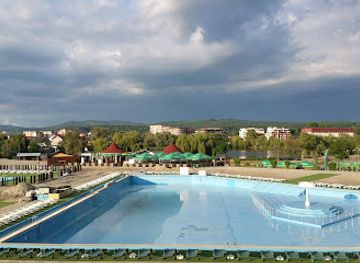
Discover the ultimate family-friendly destination at Strand Ostroveni, featuring a water park, bowling, dining, and plenty of outdoor fun in Rm. Valcea, Romania.
8 min drive · 2.8 km from city centre
-
Park
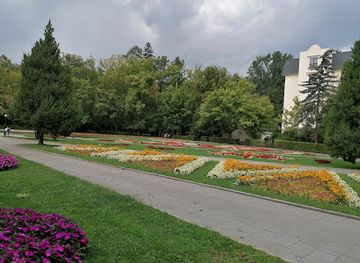
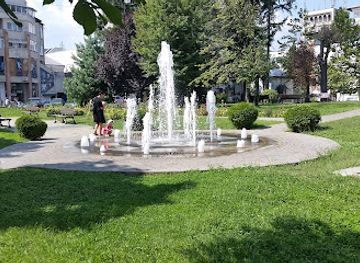
Mircea cel Batran Park
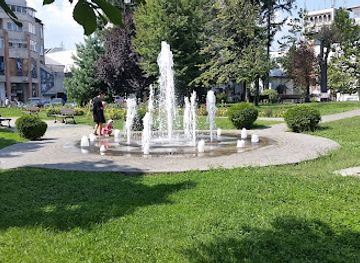
Explore the lush landscapes and vibrant culture of Mircea cel Batran Park, a serene retreat in Râmnicu Vâlcea, perfect for relaxation and family fun.
10 min walk · 0.8 km from city centre
-
Zoo
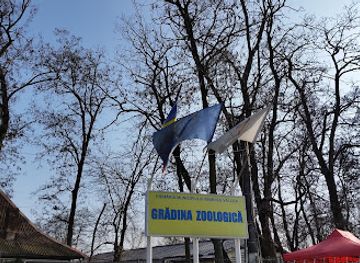
Grădina Zoologică
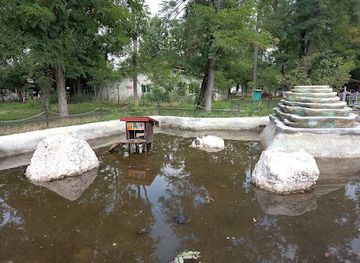
Explore Grădina Zoologică in Râmnicu Vâlcea – a vibrant zoo experience showcasing diverse animal species and beautiful greenery.
7 min drive · 2.4 km from city centre
Best landmarks in Râmnicu Vâlcea
The Cathedral of Saint Nicholas is one of Râmnicu Vâlcea's principal religious landmarks and expresses the continuing importance of the Diocese of Râmnic in the city's history. The historic Casa Memorială Anton Pann preserves the memory of a major nineteenth-century Romanian writer, composer and collector of popular wisdom. Casa Simian, an elegant historic residence now associated with the city's art museum, represents the civic and cultural development of modern Râmnic. In the public realm, the statue of Mircea cel Bătrân recalls the Wallachian ruler whose reign is connected with the city's first documentary mention, while Zăvoi Park forms an important landscape landmark close to the centre. Beyond the city, Bujoreni's preserved rural buildings and the salt landscapes of Ocnele Mari extend the architectural and historical identity of Vâlcea into its immediate surroundings.
-
Shopping mall
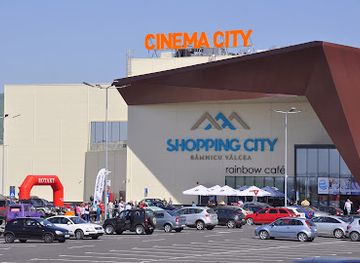
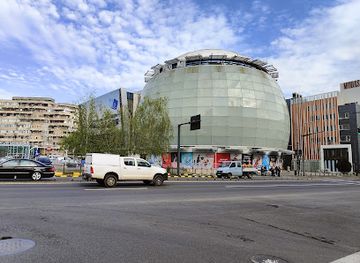
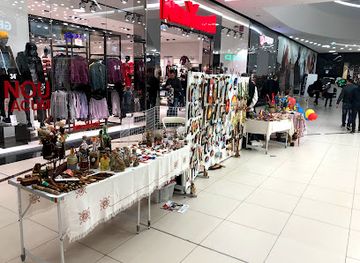
Shopping City Râmnicu Vâlcea
Explore the ultimate shopping experience at Shopping City Râmnicu Vâlcea, where retail therapy meets entertainment and dining in Romania.
11 min walk · 0.9 km from city centre
-
State park
Zăvoi
Experience the breathtaking landscapes and rich biodiversity of Zăvoi State Park, a natural gem in Râmnicu Vâlcea, Romania.
5 min drive · 1.6 km from city centre
-
Park
Mircea cel Batran Park
Explore the serene beauty of Mircea cel Batran Park, a lush oasis in Râmnicu Vâlcea perfect for relaxation and family outings.
10 min walk · 0.8 km from city centre
-
Zoo
Grădina Zoologică
Visit Grădina Zoologică in Râmnicu Vâlcea for an unforgettable family experience with amazing wildlife and educational fun.
7 min drive · 2.4 km from city centre
Explore Râmnicu Vâlcea on the map
Plan your Râmnicu Vâlcea trip on one map. See where the top attractions, landmarks, restaurants, bars and hotels are, find what's near where you're staying, and book hotels and experiences in a few clicks.
Best hotels in Râmnicu Vâlcea
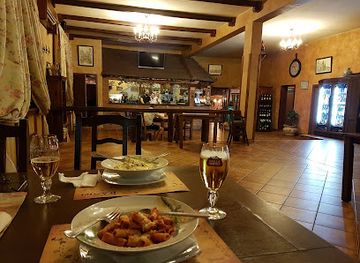
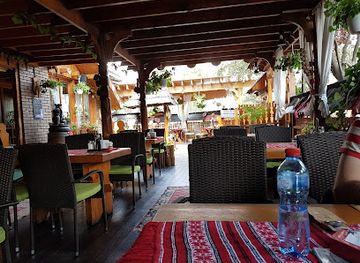
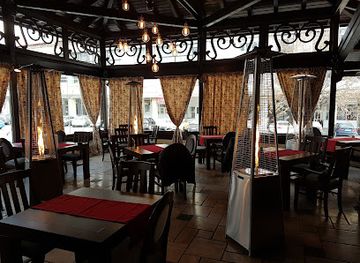
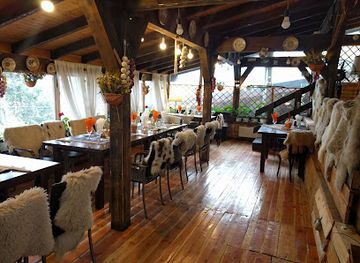
Best restaurants in Râmnicu Vâlcea
Dining in Râmnicu Vâlcea reflects the cooking of Oltenia and the wider Olt Valley, with hearty soups, grilled meats, sarmale, bean dishes, polenta, seasonal vegetables and baked pastries appearing alongside familiar Romanian staples. Zacusca, pickled vegetables, local cheeses and preserves are common regional flavours, while cozonac and other sweet breads belong to the festive table. Central restaurants and cafés provide the broadest choice, from traditional Romanian menus to pizza, international dishes and contemporary interpretations of local ingredients. Markets and bakeries are useful for simpler purchases, especially fresh bread, pastries and seasonal produce. Meals are often unhurried, and menus may change according to the season. The surrounding county's monasteries, farms and spa towns also influence the city's food culture, linking urban dining with rural products and home-style cooking.
-
Restaurant
Taverna D'Amici
Discover the rich flavors of Romanian cuisine at Taverna D'Amici in Râmnicu Vâlcea - where tradition meets taste in a cozy setting.
16 min walk · 1.3 km from city centre
-
Romanian
Hanul Haiducilor
Savor authentic Romanian flavors at Hanul Haiducilor—where tradition meets taste in Râmnicu Vâlcea.
15 min walk · 1.2 km from city centre
-
Italian
Ristorante D'Amici
Experience authentic Italian cuisine at Ristorante D'Amici in Râmnicu Vâlcea - where every meal feels like a trip to Italy.
9 min walk · 0.7 km from city centre
-
Restaurant
Restaurant Casa Veche
Experience authentic Romanian cuisine at Restaurant Casa Veche in Râmnicu Vâlcea - where tradition meets modern culinary excellence.
7 min drive · 2.2 km from city centre
Best bars in Râmnicu Vâlcea
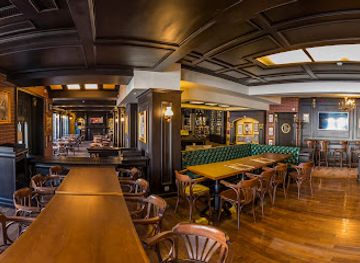
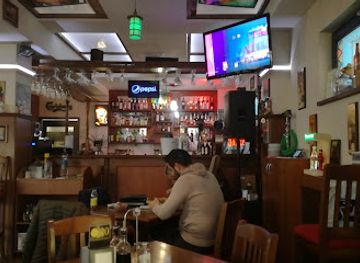
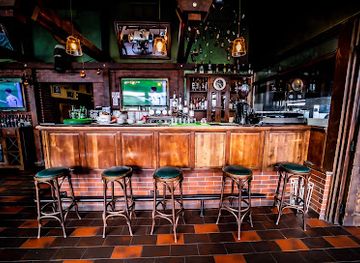
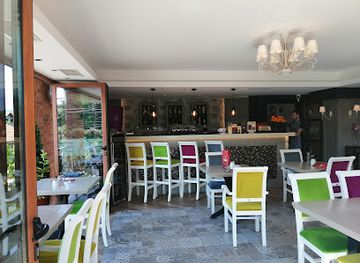
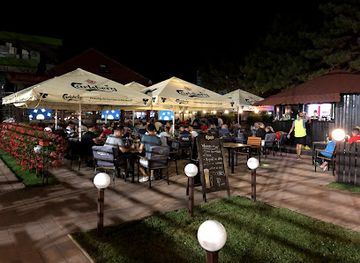
Râmnicu Vâlcea has a modest, locally oriented evening scene rather than the scale of a university or capital-city nightlife district. Central cafés, pubs and restaurants provide the main places for meeting friends, with activity generally concentrated around the pedestrian and civic areas. Evenings may include live music, occasional cultural programmes or performances at local theatres and music institutions, including the Teatrul Municipal Ariel and the Filarmonica Ion Dumitrescu. Bars tend to suit conversation and socialising more than elaborate cocktail culture, while clubs and late-night venues may vary by season and day of the week. A quieter alternative is an evening walk through the central parks or attendance at a concert, theatre performance or local cultural event. Visitors should check current programmes and opening arrangements locally rather than relying on fixed assumptions about nightlife schedules.
-
Restaurant
OK Street Pub
Experience the vibrant flavors of Râmnicu Vâlcea at OK Street Pub, where delicious pizzas and a welcoming atmosphere await.
11 min walk · 0.9 km from city centre
-
Restaurant
Brothers Pub
Discover local flavors and vibrant ambiance at Brothers Pub in Râmnicu Vâlcea, where every meal is a celebration of culinary art.
6 min drive · 2.1 km from city centre
-
Restaurant
Club Winners'
Experience the lively blend of sports and dining at Club Winners in Râmnicu Vâlcea, where every meal is a celebration of community and competition.
12 min walk · 0.9 km from city centre
-
Pub
SOHO PUB
Discover the lively SOHO PUB in Râmnicu Vâlcea, where local culture meets modern ambiance for an unforgettable experience.
8 min walk · 0.6 km from city centre
Best nightclubs in Râmnicu Vâlcea
Râmnicu Vâlcea has a modest, locally oriented evening scene rather than the scale of a university or capital-city nightlife district. Central cafés, pubs and restaurants provide the main places for meeting friends, with activity generally concentrated around the pedestrian and civic areas. Evenings may include live music, occasional cultural programmes or performances at local theatres and music institutions, including the Teatrul Municipal Ariel and the Filarmonica Ion Dumitrescu. Bars tend to suit conversation and socialising more than elaborate cocktail culture, while clubs and late-night venues may vary by season and day of the week. A quieter alternative is an evening walk through the central parks or attendance at a concert, theatre performance or local cultural event. Visitors should check current programmes and opening arrangements locally rather than relying on fixed assumptions about nightlife schedules.
-
Restaurant
Club Winners'
Experience the vibrant blend of American cuisine and sports at Club Winners' in Râmnicu Vâlcea, where every visit is a celebration of fun and activity.
12 min walk · 0.9 km from city centre
-
Night club
Aby Stage Bar
Aby Stage Bar: Discover Râmnicu Vâlcea's hottest nightlife destination for exceptional music, drinks, and unforgettable fun.
18 min walk · 1.5 km from city centre
-
Bar
KTY SPORT PUB
Discover KTY Sport Pub, a vibrant bar in Râmnicu Vâlcea, perfect for sports fans and social gatherings, serving refreshing drinks and a lively atmosphere.
19 min walk · 1.5 km from city centre
-
Night club
Mosia Mengoliana
Discover the electrifying nightlife of Râmnicu Vâlcea at Mosia Mengoliana, where music, dance, and fun come alive in a stylish setting.
13 min drive · 4.2 km from city centre

Best shops in Râmnicu Vâlcea
Shopping in Râmnicu Vâlcea combines ordinary Romanian retail with the practical market culture of a county capital. The central market is the best place to look for seasonal fruit and vegetables, cheeses, preserves and other everyday products from the surrounding region, although selection changes throughout the year. Central streets contain bakeries, cafés, pharmacies, clothing shops and independent businesses, while supermarkets and modern commercial areas provide familiar national and international brands. Visitors seeking authentic purchases should consider packaged local foods, honey, preserves, herbal products and small craft items rather than generic souvenirs. Traditional textiles, woodwork and ceramics are more consistently found at county museums, rural fairs or excursions around Vâlcea than in a dedicated tourist shopping quarter. Ocnele Mari and village communities nearby may also offer products connected with the county's salt and rural heritage.
-
Shopping mall
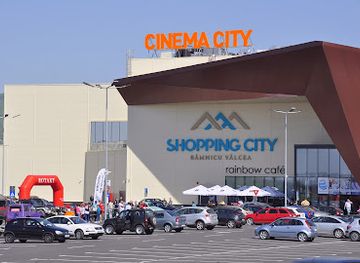
Shopping City Râmnicu Vâlcea
Discover a vibrant shopping hub in Râmnicu Vâlcea with diverse stores, dining, and entertainment for an unforgettable experience.
11 min walk · 0.9 km from city centre
-
Shopping mall
River Plaza Mall
Experience shopping, dining, and entertainment at River Plaza Mall in Râmnicu Vâlcea, a vibrant hub for tourists and locals alike.
14 min walk · 1.1 km from city centre
-
Electronics store
Altex Ramnicu Valcea Shopping City
Altex Ramnicu Valcea Shopping City: Your one-stop destination for cutting-edge electronics and home appliances in Râmnicu Vâlcea.
11 min walk · 0.9 km from city centre
-
Shopping mall
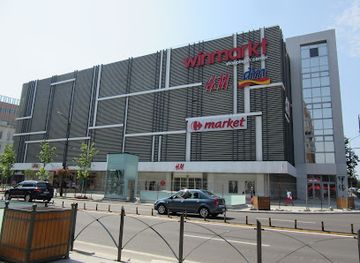
Winmarkt
Experience the best of shopping and dining at Winmarkt, Râmnicu Vâlcea's vibrant retail hub with something for everyone.
13 min walk · 1.0 km from city centre
Get your free copy of our complete guide to Râmnicu Vâlcea, delivered straight to you.
Everything on this page, from attractions and restaurants to essentials and local phrases, in one PDF you can read offline, print or share.
Already have an account? Sign in
Your Râmnicu Vâlcea guide is ready.
We'll send it to · Not you? Sign out

Getting your guide ready…
We are putting together a fresh copy of the Râmnicu Vâlcea guide. This can take up to a minute.
This can take a few moments. If your browser asks, choose Allow so the download can start. You'll find the guide in your Downloads folder.
Nothing happened? Download it again
Sorry, the guide is taking longer than usual. Please try again in a minute, or get it by email instead.
Râmnicu Vâlcea essentials
Currency and Payment
Safety
Emergency Situations
Do's and Don'ts
Local Tips
From Eve
Local phrases worth knowing
You don't need to get them perfect. A few words go a long way, and locals appreciate the effort.
Basics
| English | Local | Say it |
|---|---|---|
| Hello | Salut | [saˈlut] |
| Goodbye | La revedere | [la re.veˈde.re] |
| Yes | Da | [da] |
| No | Nu | [nu] |
| Please/You're welcome | Te rog | [te rog] |
| Thank you | Mulțumesc | [mul.t͡suˈmesk] |
| Excuse me/Sorry | Scuzați-mă | [skuˈzaʦi. mə] |
| How are you? | Ce faci? | [t͡ʃe ˈfaʧi] |
| Fine. And you? | Bine. Și tu? | [biˈne ʃi tu] |
| Do you speak English? | Vorbiți engleză? | [vorˈbit͡s iŋˈɡle.zə] |
| I don't understand | Nu înțeleg | [nu ɨnˈt͡se.leɡ] |
Eating & Drinking
| English | Local | Say it |
|---|---|---|
| I'd like to see the menu, please | Aș dori să văd meniul, vă rog | [aʃ doˈri sə vad meˈni.ul və roɡ] |
| I don't eat meat | Nu mănânc carne | [nu mɨˈnɨŋk ˈkar.ne] |
| Cheers! | Noroc! | [no.rok] |
| I would like to pay, please | Aș dori să plătesc, vă rog | [aʃ doˈri sə pləˈtesk və roɡ] |
Emergencies
| English | Local | Say it |
|---|---|---|
| Help! | Ajutor! | [aʒuˈtor] |
| Go away! | Du-te! | [du.te] |
| Call the Police! | Sunați Poliția! | [suˈnat͡s poˈlit͡si.a] |
| Call a doctor! | Sunați un doctor! | [suˈnat͡s un doˈktor] |
| I'm lost | M-am pierdut | [mam pierˈdut] |
| I'm ill | Sunt bolnav | [sunt bolˈnav] |
Shopping
| English | Local | Say it |
|---|---|---|
| I'd like to buy... | Aș dori să cumpăr... | [aʃ doˈri sə kumˈpar] |
| I'm just looking | Doar mă uit | [do.ar mə wit] |
| How much is it? | Cât costă? | [kɨt kosˈtə] |
| That's too expensive | Asta este prea scump | [as.ta ˈje.ste pre̯a skump] |
| Can you lower the price? | Puteți să scădeți prețul? | [puˈtet͡s sə skəˈdet͡s pre.ʦul] |
Time & Numbers
| English | Local | Say it |
|---|---|---|
| What time is it? | Cât este ceasul? | [kɨt ˈje.ste t͡ʃe̯a.sul] |
| It's one o'clock | Este ora unu | [ˈje.ste o.ra unu] |
| Half past (10) | Jumătate (10) | [ʒu.məˈta.te (10)] |
| Morning | Dimineața | [di.mi.ne̯a.tsə] |
| Afternoon | După-amiază | [duˈpə a.mia.za] |
| Evening | Seara | [ˈse̯a.ra] |
| Yesterday | Ieri | [ˈje.rj] |
| Today | Astăzi | [asˈtəz] |
| Tomorrow | Mâine | [mɨˈi.ne] |
| 1 | Unu | [un] |
| 2 | Doi | [doj] |
| 3 | Trei | [trej] |
| 4 | Patru | [ˈpatru] |
| 5 | Cinci | [ˈt͡ʃint͡ʃ] |
| 6 | Șase | [ʃa.se] |
| 7 | Șapte | [ʃap.te] |
| 8 | Opt | [opt] |
| 9 | Nouă | [no.wə] |
| 10 | Zece | [ˈze.t͡ʃe] |
Transport & Directions
| English | Local | Say it |
|---|---|---|
| Where's a/the...? | Unde este...? | [un.de ˈje.ste] |
| What's the address? | Care este adresa? | [ka.re ˈje.ste aˈdresə] |
| Can you show me (on the map)? | Puteți să-mi arătați (pe hartă)? | [puˈtet͡s səm i aˈrə.tat͡s pe harˈtə] |
| When's the next (bus)? | Când este următorul (autobuz)? | [kɨnd ˈje.ste ur.məˈtorul auˈto.buz] |
| A ticket (to ....) | Un bilet (spre ....) | [un biˈlet spre] |
History of Râmnicu Vâlcea
From Buridava to Medieval Râmnic
The wider Vâlcea area has deep roots in pre-Roman and Roman history. At nearby Ocnele Mari, archaeological evidence is associated with Buridava, an ancient settlement linked to the region's salt resources and trade routes. The modern city's name and medieval development belong to a later period, when settlements along the Olt became significant points of movement between Wallachia and Transylvania. Râmnicu Vâlcea was first documented in 1388, in a charter issued during the reign of Mircea cel Bătrân. Its position beside the river and near routes crossing the Carpathian foothills helped it develop as a market and administrative centre, although much of the early medieval urban fabric has since been altered.
The Diocese of Râmnic
Religious institutions played a formative role in the city's cultural history. The Diocese of Râmnic, traditionally associated with the medieval ecclesiastical organisation of Wallachia, became an important centre for worship, education and manuscript culture. The present Cathedral of Saint Nicholas reflects the continued importance of the diocese in the city centre, while monasteries across Vâlcea County preserve the artistic and spiritual networks that shaped the region. Religious foundations supported literacy and the transmission of Romanian texts at a time when church institutions were among the principal centres of learning. This heritage helps explain why Râmnicu Vâlcea is often encountered through its churches, monastic landscapes and religious collections as much as through its civic architecture.
Trade and Administration in Wallachia
During the early modern period, Râmnicu Vâlcea grew within the political framework of Wallachia and benefited from the movement of goods along the Olt corridor. Salt from the nearby mines, agricultural products, livestock and forest resources connected the town with surrounding settlements and larger markets. Its role as the seat of Vâlcea County strengthened its administrative importance, while the churches and commercial streets of the centre gave the town a recognisable civic identity. The Olt was both a practical route and a geographical boundary, linking the county's southern lowlands with mountain passes and Transylvanian connections. This mixture of commerce, administration and ecclesiastical influence remained central to the city's development into the modern era.
Anton Pann and Romanian Cultural Life
The city is associated with Anton Pann, the nineteenth-century writer, composer and teacher whose literary and musical work contributed to the development of modern Romanian culture. Pann spent part of his life in Râmnic, and the Casa Memorială Anton Pann commemorates that connection through a historic domestic setting and displays relating to his career. The period was one of growing cultural and political change in the Romanian principalities, with printing, education and the spread of Romanian-language literature gaining importance. Râmnicu Vâlcea participated in these wider currents through its schools, churches and intellectual institutions. Anton Pann's association gives the city a particularly tangible link to the vernacular literary and musical culture of nineteenth-century Wallachia.
Modernisation and the Contemporary City
The nineteenth and twentieth centuries brought new administrative, educational and transport links, gradually reshaping Râmnicu Vâlcea from a regional market town into the county capital visible today. Roads and railway connections strengthened its relationship with Pitești, Sibiu, Craiova and Bucharest, while public buildings, parks and cultural institutions expanded the urban centre. Socialist-era development introduced larger residential districts and industrial activity, changing the scale of the city without erasing its older religious and civic landmarks. After 1989, private commerce, new services and cultural initiatives altered everyday life again. Contemporary Râmnicu Vâlcea retains this layered character: a practical regional centre whose identity remains closely tied to the Olt Valley, Vâlcea's monasteries and the surrounding mountain landscape.
Râmnicu Vâlcea in Photos
Browse through our photo collection highlighting the charm and character of the destination.
Cities near Râmnicu Vâlcea
The closest cities to Râmnicu Vâlcea, if you have time for more than one stop.
-
-

-

-

-


Swipe for more cities
Explore more

Explore more of Romania
Discover Romania's blend of mystical castles, enchanting landscapes, and vibrant culture. Experience the rich history and natural beauty that make Romania a unique travel destination.
Explore Romania