

Free Saint John Figtree Parish Travel Guide & Mobile App
Explore Saint John Figtree Parish with free travel guides. Discover regional history, expert tips, proposed trips, and audio guides on web or mobile app.


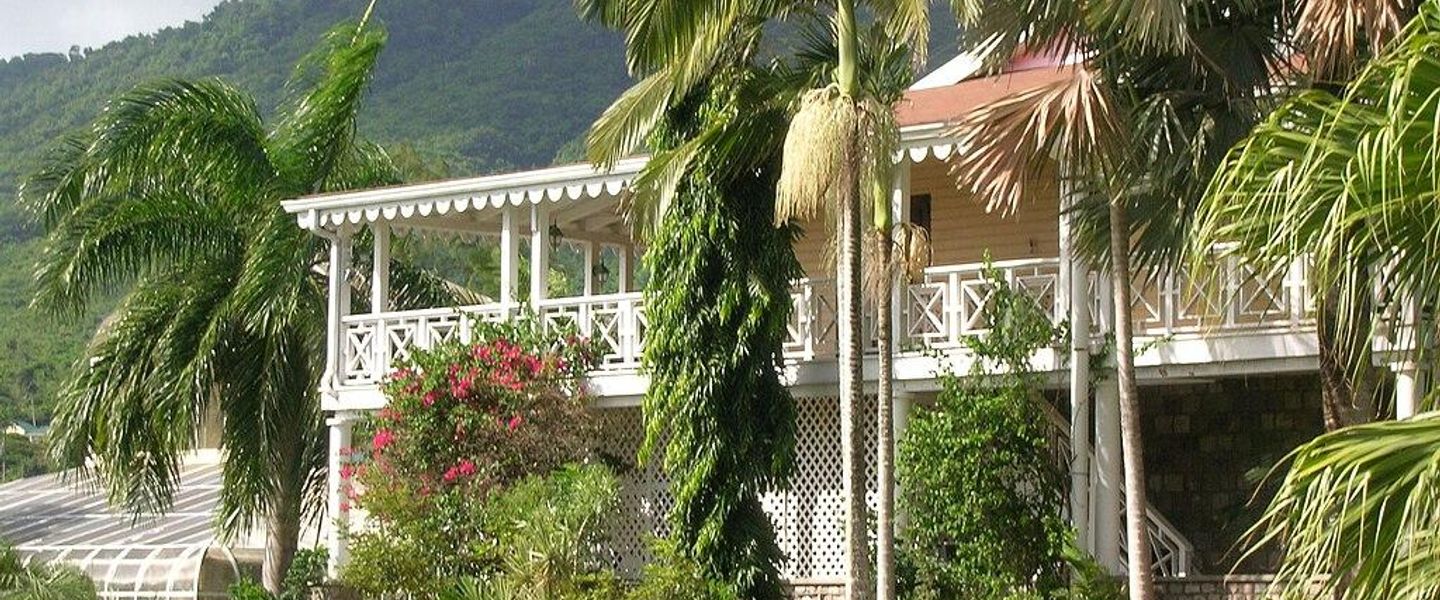


Discover the charm and history of Saint John Figtree Parish in Saint Kitts and Nevis, where colonial heritage meets lush landscapes and serene beaches.
Read more about Saint John Figtree Parish
When is the best time to visit Saint John Figtree Parish?
Best: February–April · 28–29°C| Month | High (°C) | Rainfall (mm) |
|---|---|---|
| January | 28 | 80 |
| February (best) | 28 | 60 |
| March (best) | 28 | 50 |
| April (best) | 29 | 70 |
| May | 29 | 100 |
| June | 30 | 120 |
| July | 30 | 140 |
| August | 30 | 150 |
| September | 30 | 140 |
| October | 30 | 130 |
| November | 29 | 110 |
| December | 28 | 90 |
Getting to and around Saint John Figtree Parish
How to get there
Transportation
Top city travel guides in Saint John Figtree Parish
The cities of Saint John Figtree Parish, and the easiest places to base yourself.

Swipe for more cities
Destinations in Saint John Figtree Parish
Resorts, valleys and scenic spots worth a trip of their own.
-

-


Swipe for more destinations
Best attractions in Saint John Figtree Parish
Saint John Figtree Parish in Saint Kitts and Nevis is a hidden gem that offers a captivating blend of history, culture, and natural beauty. Visitors can explore the majestic ruins of the Cottle Church, the first church in the West Indies where slaves and masters worshipped together, and the charming Fig Tree Church, where the marriage banns of Horatio Nelson and Fanny Nisbet were announced. Nature enthusiasts can hike the lush trails of the Nevis Peak, offering breathtaking panoramic views, or relax on the pristine sands of Pinney's Beach. The parish is also home to the historic Bath Hotel and Spring House, the first luxury hotel in the Caribbean, where you can soak in the therapeutic hot springs that have been drawing visitors for centuries. With its rich tapestry of historical landmarks, stunning landscapes, and serene beaches, Saint John Figtree Parish is a treasure trove of experiences waiting to be discovered.
-
Botanical garden
Botanical Gardens of Nevis
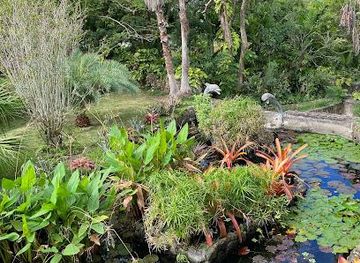
Explore the Botanical Gardens of Nevis, a harmonious blend of nature's beauty and local artistry in the heart of Montpelier Estates.
-
Museum
Nevis Botanical Gardens
Explore the enchanting Nevis Botanical Gardens, a tropical paradise filled with diverse flora, art, and unique gifts on the beautiful island of Nevis.
Best landmarks in Saint John Figtree Parish
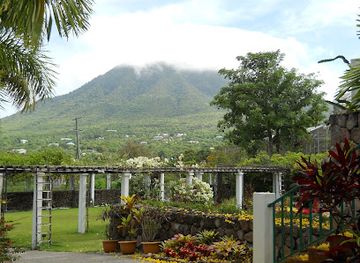
In Saint John Figtree Parish, visitors can explore a captivating blend of historical and natural wonders. The parish is home to the majestic St. John’s Figtree Anglican Church, where founding father Alexander Hamilton's parents were married, offering a picturesque glimpse into colonial history. The lush and serene Botanical Gardens provide a vibrant palette of tropical flora, perfect for a leisurely stroll. Adventurers can hike the verdant trails of Saddle Hill, once a lookout for the island's early inhabitants, providing panoramic views of the surrounding seas. Nearby, the enigmatic ruins of the Eden Brown Estate whisper tales of a bygone era, with its romantic yet tragic history. The area’s warm, sandy beaches, such as Pinney's Beach, beckon sun-seekers and water sports enthusiasts alike, promising a perfect mix of discovery and relaxation.
-
Grill
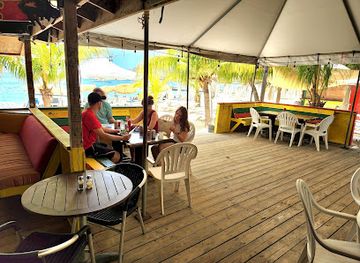
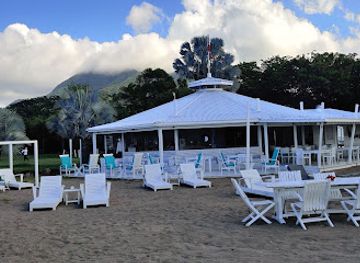
Reggae Beach Bar-Grill
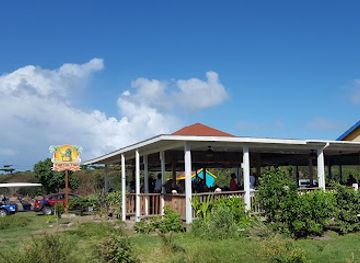
Experience the vibrant spirit of St. Kitts & Nevis at Reggae Beach Bar-Grill, where delicious grilled cuisine meets the rhythm of reggae music.
-
Tourist attraction
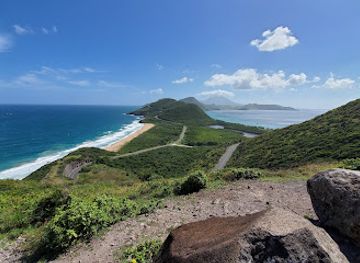
Timothy Hill Overlook
Discover the stunning views of St. Kitts and Nevis from Timothy Hill Overlook, a must-see destination for every traveler seeking natural beauty.
-
Fortress
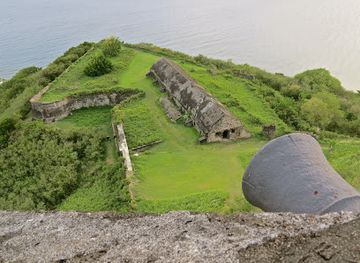
Brimstone Hill Fortress National Park
Explore the historical grandeur of Brimstone Hill Fortress National Park, a UNESCO World Heritage site offering stunning views and rich colonial history.
-
Cruise terminal
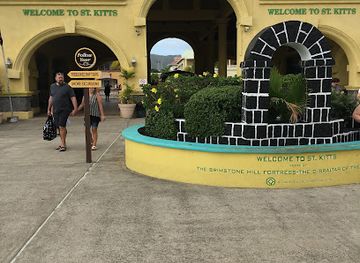
Port Zante
Explore Port Zante, the vibrant cruise terminal in Basseterre, St. Kitts, where culture, shopping, and stunning views await every traveler.
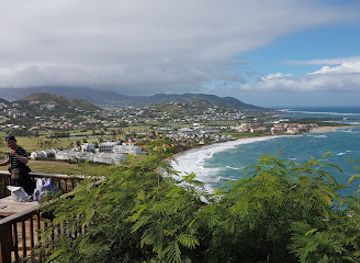
Explore Saint John Figtree Parish on the map
Plan your trip on one map. See where the top cities, national parks and sights are, and book hotels and experiences in a few clicks.
Best hotels in Saint John Figtree Parish
Best restaurants in Saint John Figtree Parish
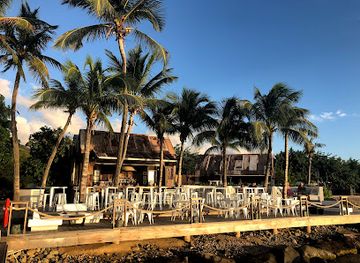
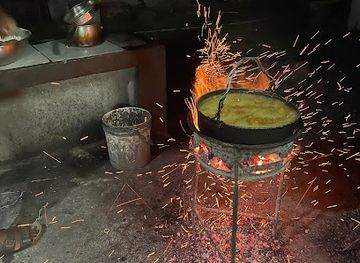
Saint John Figtree Parish in Saint Kitts and Nevis offers a vibrant and eclectic dining scene that tantalizes every palate with a blend of local and international flavors. Visitors can indulge in fresh seafood caught daily from the surrounding Caribbean waters, seasoned with aromatic island spices and herbs. Quaint beachside shacks serve up traditional Nevisian dishes like goat water stew and johnnycakes, while upscale restaurants offer gourmet interpretations of Caribbean classics, often paired with fine wines and stunning ocean views. The parish's rich history is reflected in its cuisine, with many eateries housed in charming colonial buildings or historic plantation estates, providing a unique and atmospheric dining experience that transports guests back in time. Whether savoring a casual meal by the sea or enjoying a romantic dinner in a lush, tropical garden, the dining options in Saint John Figtree Parish promise a memorable culinary adventure.
-
Grill
Reggae Beach Bar-Grill
Experience authentic Caribbean flavors and vibrant atmosphere at Reggae Beach Bar-Grill in St. Kitts & Nevis.
-
Caribbean
Salt Plage at Christophe Harbour
Experience exquisite dining with stunning views at Salt Plage - St. Kitts' premier Caribbean restaurant for relaxation and culinary delight.
-
Restaurant
Turtle Time Bar & Grill
Discover culinary bliss at Turtle Time Bar & Grill on Pinney's Beach – where stunning views meet mouthwatering flavors in St. Kitts & Nevis.
-
Restaurant
Drift Restaurant + V Gallery
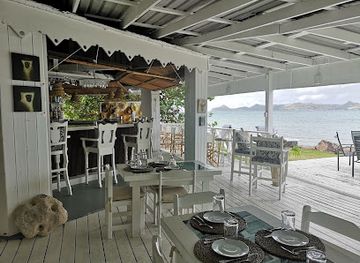
Discover Drift Restaurant + V Gallery in Nevis: where exquisite cuisine meets captivating local art amidst stunning views.
Best bars in Saint John Figtree Parish
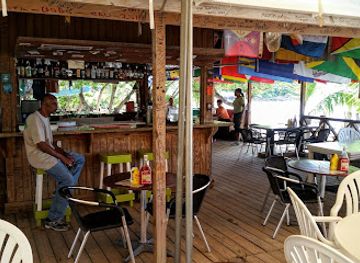
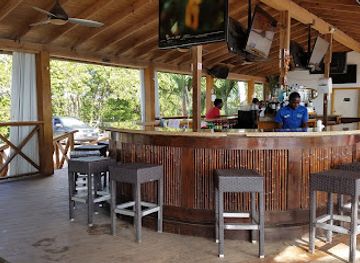
Saint John Figtree Parish in Saint Kitts and Nevis offers a unique nightlife experience that seamlessly blends laid-back island vibes with vibrant local culture. As the sun sets, the parish comes alive with its charming beach bars and intimate clubs where you can sip on expertly crafted rum cocktails while listening to the rhythmic beats of calypso and reggae music. Picture yourself under the starlit sky, with the sound of waves gently crashing in the background, as you dance barefoot on the sand or enjoy live music performances by talented local artists. The welcoming atmosphere and the friendly locals make every night an unforgettable journey into the heart of Caribbean hospitality.
-
Grill
Reggae Beach Bar-Grill
Experience authentic Caribbean flavors and vibrant atmosphere at Reggae Beach Bar-Grill in St. Kitts & Nevis, a must-visit for every traveler.
-
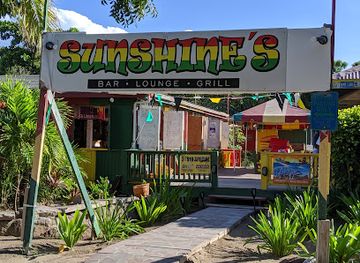
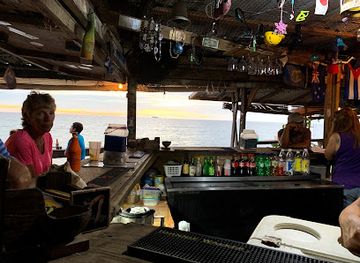
Bar
Sunshines Restaurant
Experience the vibrant nightlife and delicious Caribbean cuisine at Sunshines Restaurant, a top bar and nightclub in Nevis.
-
Restaurant
Shipwreck Beach Bar
Experience the vibrant atmosphere and delicious cuisine at Shipwreck Beach Bar in St. Kitts, where relaxation meets Caribbean charm.
-
Bar
Vibes Beach Bar
Experience the vibrant atmosphere of Vibes Beach Bar on Frigate Bay Beach, where delicious cocktails and breathtaking views await.
Best nightclubs in Saint John Figtree Parish
Saint John Figtree Parish in Saint Kitts and Nevis offers a unique nightlife experience that seamlessly blends laid-back island vibes with vibrant local culture. As the sun sets, the parish comes alive with its charming beach bars and intimate clubs where you can sip on expertly crafted rum cocktails while listening to the rhythmic beats of calypso and reggae music. Picture yourself under the starlit sky, with the sound of waves gently crashing in the background, as you dance barefoot on the sand or enjoy live music performances by talented local artists. The welcoming atmosphere and the friendly locals make every night an unforgettable journey into the heart of Caribbean hospitality.
-
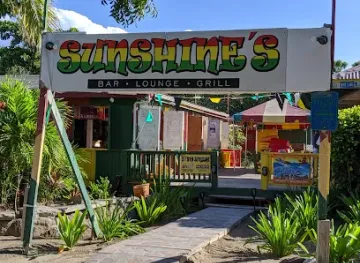
Bar
Sunshines Restaurant
Discover the vibrant nightlife and delicious Caribbean cuisine at Sunshines Restaurant in Nevis, a must-visit destination for tourists.
-
Restaurant
Chrishi Beach Club
Experience the enchanting blend of Caribbean flavors and breathtaking views at Chrishi Beach Club, your ultimate dining paradise in St. Kitts & Nevis.
-
Bar
Passion Bar & Grill
Experience the vibrant Caribbean flavors and lively ambiance at Passion Bar & Grill in Pond Hill, St. Kitts & Nevis.
-
Bar
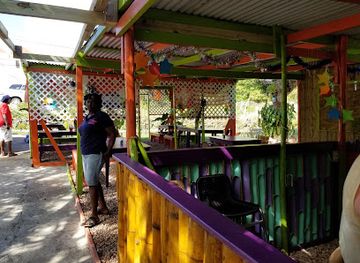
Sandy's Fried Chicken
Experience the authentic taste of the Caribbean at Sandy's Fried Chicken, a lively bar in Church Ground, St. Kitts & Nevis, famous for its fried chicken and vibrant atmosphere.
Best shops in Saint John Figtree Parish
Saint John Figtree Parish offers a unique shopping experience where visitors can immerse themselves in local culture and craftsmanship. Stroll through charming markets and boutique shops that dot the area, where you can discover an array of handmade crafts, vibrant textiles, and locally produced goods. The parish is known for its artisanal products, from intricately woven baskets to exquisite pottery, all reflecting the rich heritage of the island. Foodies will delight in the fresh produce and traditional spices available at the local farmers' markets, offering a taste of the island's culinary heritage. Whether you're hunting for a one-of-a-kind souvenir or simply enjoying the vibrant atmosphere, shopping in Saint John Figtree Parish promises an authentic and memorable experience.
-
Supermarket
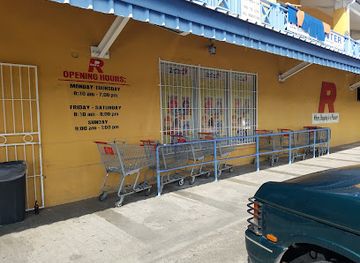
Ram's Supermarket - Nevis
Explore Nevis's local flavors at Ram's Supermarket, your go-to spot for authentic Caribbean products and warm island hospitality.
-
Bar
La Casa Del Habano
Discover the luxurious ambiance of La Casa Del Habano, St. Kitts' premier bar and cigar lounge, perfect for relaxation and indulgence.
-
Shopping mall
The Pelican Shopping Mall
Experience the best of shopping and dining at The Pelican Shopping Mall in Basseterre, St. Kitts, where local flavors meet international brands.
-
Jewelry store
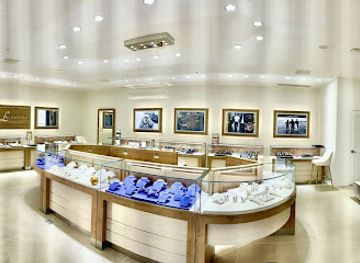
L’Elegance Fine Jewelry & Timepieces
Explore luxury and craftsmanship at L’Elegance Fine Jewelry & Timepieces in the stunning Four Seasons Resort Nevis, a destination for exquisite gems.

Get your free copy of our complete guide to Saint John Figtree Parish, delivered straight to you.
Everything on this page, from attractions and restaurants to essentials and local phrases, in one PDF you can read offline, print or share.
Already have an account? Sign in
Your Saint John Figtree Parish guide is ready.
We'll send it to · Not you? Sign out

Getting your guide ready…
We are putting together a fresh copy of the Saint John Figtree Parish guide. This can take up to a minute.
This can take a few moments. If your browser asks, choose Allow so the download can start. You'll find the guide in your Downloads folder.
Nothing happened? Download it again
Sorry, the guide is taking longer than usual. Please try again in a minute, or get it by email instead.
Saint John Figtree Parish essentials
Currency and Payment
Safety
Emergency Situations
Do's and Don'ts
Local Tips
From Eve
Local phrases worth knowing
You don't need to get them perfect. A few words go a long way, and locals appreciate the effort.
Basics
| English | Local | Say it |
|---|---|---|
| Hello | Hello | [Heh-loh] |
| Goodbye | Goodbye | [Goo-dbye] |
| Yes | Yes | [Yes] |
| No | No | [No] |
| Please/You're welcome | Please/You’re welcome | [Pleez/Yor wel-com] |
| Thank you | Thank you | [Thangk yu] |
| Excuse me/Sorry | Excuse me/Sorry | [Ex-kyoos mee/Sor-ree] |
| How are you? | How you doing? | [How yu doin?] |
| Fine. And you? | Fine. And you? | [Fine. An yu?] |
| Do you speak English? | You speak English? | [Yu speak English?] |
| I don't understand | I don’t get it | [I don’t get it] |
Eating & Drinking
| English | Local | Say it |
|---|---|---|
| I'd like to see the menu, please | Can I see the menu, please? | [Kan I see de men-yu, pleez?] |
| I don't eat meat | I no eat meat | [I no eat meet] |
| Cheers! | Cheers! | [Cheers!] |
| I would like to pay, please | I would like to pay, please | [I wud like to pay, pleez] |
Emergencies
| English | Local | Say it |
|---|---|---|
| Help! | Help! | [Help!] |
| Go away! | Go away! | [Go away!] |
| Call the Police! | Call di Police! | [Call di Po-lees!] |
| Call a doctor! | Call a doctor! | [Call a dok-ta!] |
| I'm lost | I lost | [I lost] |
| I'm ill | I not feeling well | [I not feelin wel] |
Shopping
| English | Local | Say it |
|---|---|---|
| I'd like to buy... | I want to buy... | [I want to buy...] |
| I'm just looking | I’m just looking | [I’m just looking] |
| How much is it? | How much it cost? | [How much it cost?] |
| That's too expensive | Dat too high | [Dat too hai] |
| Can you lower the price? | You can lower the price? | [Yu can lower de price?] |
Time & Numbers
| English | Local | Say it |
|---|---|---|
| What time is it? | Wha time it is? | [Wha time it is?] |
| It's one o'clock | It one o'clock | [It one o'clock] |
| Half past (10) | Half past ten | [Half past ten] |
| Morning | Morning | [Mornin] |
| Afternoon | Afternoon | [Afternoon] |
| Evening | Evening | [Evening] |
| Yesterday | Yesterday | [Yes-ter-day] |
| Today | Today | [To-day] |
| Tomorrow | Tomorrow | [To-mor-row] |
| 1 | 1 | [1] |
| 2 | 2 | [2] |
| 3 | 3 | [3] |
| 4 | 4 | [4] |
| 5 | 5 | [5] |
| 6 | 6 | [6] |
| 7 | 7 | [7] |
| 8 | 8 | [8] |
| 9 | 9 | [9] |
| 10 | 10 | [10] |
Transport & Directions
| English | Local | Say it |
|---|---|---|
| Where's a/the...? | Wha di...? | [Wha di...?] |
| What's the address? | Wha di address? | [Wha di ad-dress?] |
| Can you show me (on the map)? | You can show me on di map? | [Yu can show me on di map?] |
| When's the next (bus)? | When di next bus? | [When di next bus?] |
| A ticket (to ....) | A ticket to... | [A tick-it to...] |
History of Saint John Figtree Parish
The Founding of Saint John Figtree Parish
Saint John Figtree Parish, located on the island of Nevis, holds a rich history dating back to the early colonial period. It was established by British settlers in the 17th century and named after the abundance of fig trees in the area. The parish quickly became a thriving community due to its fertile land and strategic location.
The Marriage of Horatio Nelson
One of the most notable historical events in Saint John Figtree Parish is the marriage of British naval hero Horatio Nelson. On March 11, 1787, Nelson married Frances 'Fanny' Nisbet at the Fig Tree Church, an event that is commemorated by a plaque in the church today. This union linked Nelson to the prominent plantation-owning Nisbet family of Nevis.
The Role in the Sugar Industry
During the 18th and 19th centuries, Saint John Figtree Parish was a significant player in the sugar industry, which was the economic backbone of Nevis. The parish was dotted with sugar plantations, and the remnants of sugar mills and estate houses still stand as a testament to this era. The labor-intensive industry relied heavily on enslaved Africans, and their contributions are an integral part of the parish's history.
The Impact of Emancipation
The abolition of slavery in 1834 had a profound impact on Saint John Figtree Parish. The transition from a slave-based economy to a free labor system was challenging. Many former slaves established small villages and communities within the parish, shaping its cultural and social landscape. The historical sites and oral histories from this period offer a glimpse into the resilience and adaptability of the people.
Cultural Heritage and Festivals
Today, Saint John Figtree Parish is known for its vibrant cultural heritage. The annual Culturama festival, celebrated across Nevis, showcases the island's music, dance, and culinary traditions. The parish's historical sites, such as the Fig Tree Church and the ruins of old plantations, are integral parts of the celebration, connecting the past with the present.
Preservation of Historical Sites
Efforts to preserve the historical sites in Saint John Figtree Parish have been ongoing. The Fig Tree Church, where Horatio Nelson was married, has been meticulously maintained. The ruins of sugar plantations and mills are protected as heritage sites, offering visitors a chance to explore the parish's rich history. These preservation efforts ensure that the stories and legacy of Saint John Figtree Parish continue to be shared with future generations.
Saint John Figtree Parish in Photos
Browse through our photo collection highlighting the charm and character of the destination.
Neighbouring regions of Saint John Figtree Parish
The closest regions to Saint John Figtree Parish, if you have time for more than one.
-

-

-

-

-


Swipe for more regions
Explore more

Explore more of Saint Kitts and Nevis
Discover the pristine beaches, lush landscapes, and rich history of Saint Kitts and Nevis, a hidden gem in the Caribbean offering adventure and relaxation.
Explore Saint Kitts and Nevis