

Free Nevis Peak Travel Guide & Mobile App
Explore Nevis Peak with free travel guides. Discover regional history, expert tips, proposed trips, and audio guides on web or mobile app.


Nevis Peak offers demanding rainforest hiking, volcanic scenery and cloud-wrapped summit views above the historic island of Nevis.
Read more about Nevis Peak
When is the best time to visit Nevis Peak?
Best: January–March · 29°C| Month | High (°C) | Rainfall (mm) |
|---|---|---|
| January (best) | 29 | 55 |
| February (best) | 29 | 45 |
| March (best) | 29 | 50 |
| April | 30 | 65 |
| May | 31 | 75 |
| June | 31 | 80 |
| July | 32 | 85 |
| August | 32 | 90 |
| September | 31 | 95 |
| October | 31 | 100 |
| November | 30 | 90 |
| December | 30 | 75 |
Getting to and around Nevis Peak
How to get there
Transportation
Top city travel guides in Nevis Peak
The cities of Nevis Peak, and the easiest places to base yourself.
-

-
-

-


Swipe for more cities
Destinations in Nevis Peak
Resorts, valleys and scenic spots worth a trip of their own.
-

-

-


Swipe for more destinations
Best attractions in Nevis Peak
The central attraction is the demanding ascent of Nevis Peak through tropical woodland, with the landscape changing from cultivated lower slopes to humid forest and cloud-wrapped upper terrain. The route appeals to experienced walkers and fit visitors prepared for steep, muddy and sometimes slippery ground, while guided interpretation can add useful context about volcanic geology, rainforest plants and Nevis’s rural history. Clear weather may open views towards the coast, neighbouring Saint Kitts and the Caribbean, although cloud is a normal part of the mountain experience. The surrounding uplands offer a quieter contrast to Nevis’s coastal leisure areas, with narrow roads, small agricultural communities and former estate landscapes on the lower slopes. Visitors should treat the peak as a nature and hiking destination rather than expect a concentration of museums, family attractions or developed facilities at elevation. Charlestown, outside the peak area, provides the island’s main historical and visitor services, while other parts of Nevis contain beaches, heritage sites and hot springs that require separate journeys and should not be confused with attractions on the mountain itself.
-
Tourist attraction
Dolphin Discovery Saint Kitts
Explore the wonders of marine life and enjoy unforgettable dolphin encounters in the stunning Caribbean setting of Dolphin Discovery Saint Kitts.
-
Tourist attraction
Frigate Bay
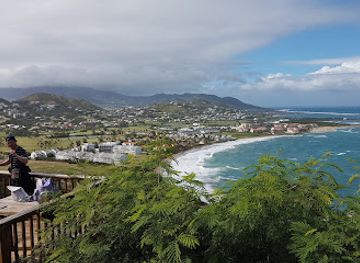
Discover the vibrant culture and stunning beaches of Frigate Bay in St. Kitts, a prime destination for relaxation, adventure, and unforgettable memories.
-
 Hotel
The Hermitage Inn
Discover the charm and history of The Hermitage Inn in Nevis, a perfect blend of traditional hospitality and stunning natural beauty.
-
Theme park
St. Kitts Eco-Park
Discover the vibrant St. Kitts Eco-Park, a theme park that blends adventure, education, and the stunning natural beauty of the Caribbean.

Best landmarks in Nevis Peak
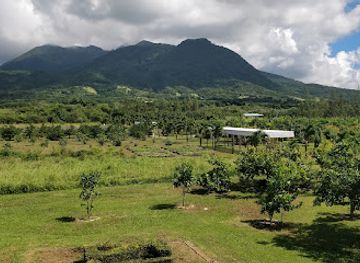
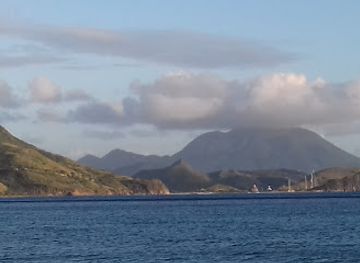
Nevis Peak is the defining natural landmark of Nevis, rising centrally above the island as a broad volcanic cone whose upper slopes are frequently veiled by cloud. Its profile is visible from coastal roads and from the sea approaches to Nevis, making it both a navigational presence and a symbol of the island’s mountainous interior. The summit and ascent route are physical landmarks rather than built monuments, with the character of the forest, steep volcanic terrain and changing weather providing much of their significance. On the lower approaches, old estate roads and remnants of the plantation landscape connect the mountain with Nevis’s colonial past, although individual ruins should be visited only where access is permitted. Charlestown’s historic buildings and the island’s coastal heritage lie outside the peak area and should be considered separate landmarks rather than features of the summit itself. The mountain’s strongest visual character comes from the contrast between its cloud forest, cultivated lower slopes and the sea-level settlements encircling it.
-
Hotel
St. Kitts Marriott Resort & The Royal Beach Casino
Discover luxury and adventure at St. Kitts Marriott Resort & The Royal Beach Casino, your perfect Caribbean escape.
-
Restaurant
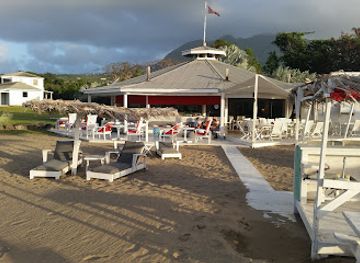
Carambola Beach Club
Discover the culinary delights and stunning views at Carambola Beach Club, a premier dining destination on the beautiful Frigate Bay in St. Kitts.
-
Grill
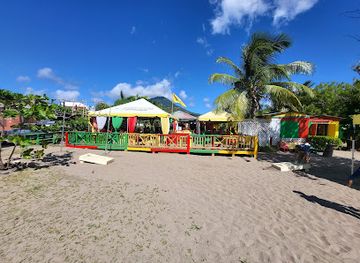
Reggae Beach Bar-Grill
Experience the vibrant flavors and stunning views at Reggae Beach Bar-Grill in St. Kitts & Nevis, where every meal is a celebration of island culture.
-
Tourist attraction
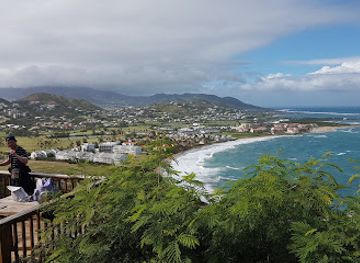
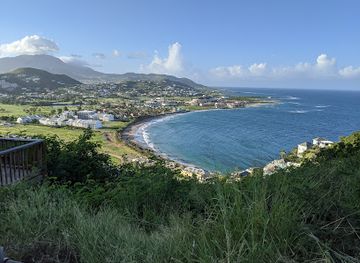
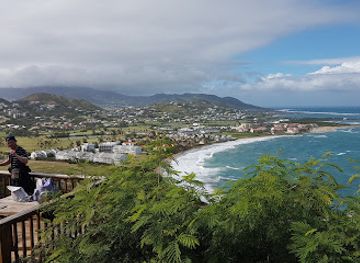
Timothy Hill Overlook
Discover stunning views and tranquil beauty at Timothy Hill Overlook, a must-see destination in St. Kitts for every traveler.
Explore Nevis Peak on the map
Plan your trip on one map. See where the top cities, national parks and sights are, and book hotels and experiences in a few clicks.
Best hotels in Nevis Peak
Best restaurants in Nevis Peak
There are no substantial dining facilities on Nevis Peak, so hikers should eat before departure or carry suitable food and water without leaving anything behind. Dining connected with the mountain is found in the surrounding Nevis communities and in Charlestown, outside the immediate peak area. Local menus commonly draw on Caribbean staples such as rice and peas, plantain, vegetables, chicken and fish, while seafood is more prominent in coastal settings. Roadside food sellers, cafés, guesthouse kitchens and informal local establishments may offer a more practical meal than a formal restaurant before or after a climb. Ask about the day’s availability rather than assuming every rural business keeps fixed hours. Fresh tropical fruit, island-grown produce and rum-based drinks are part of the wider Nevis food scene, but their availability varies by season and establishment. A pre-arranged guide or accommodation host can advise on dependable food near the chosen access route.
-
Grill
Reggae Beach Bar-Grill
Experience vibrant Caribbean cuisine at Reggae Beach Bar-Grill with stunning ocean views and a lively atmosphere in St. Kitts & Nevis.
-
Caribbean
Spice Mill Restaurant
Discover authentic Caribbean flavors at Spice Mill Restaurant in New Castle, St. Kitts - where every meal is a celebration.
-
Restaurant
Yachtsman Grill
Discover culinary excellence at Yachtsman Grill in Nevis – where exquisite dining meets breathtaking views.
-
Indian
Indian Summer Nevis
Experience authentic Indian cuisine at Indian Summer Nevis, where every dish tells a story of flavor and tradition amidst stunning Caribbean scenery.


Best bars in Nevis Peak
Nevis Peak itself has no nightlife, and the mountain should be approached as an early-start outdoor destination rather than an evening entertainment area. After a hike, visitors generally return to the island’s settlements for relaxed meals, small bars, hotel lounges and informal socialising. Charlestown, outside the peak area, has the broadest concentration of services, while rural communities around the lower slopes are quieter and may have limited evening options. Nevis is not primarily a large nightclub destination; evening culture is more often associated with conversation, local food, occasional live music and gatherings connected with hotels or community events. Rum and other Caribbean drinks may appear on local menus, but drinking is not necessary to experience the island. Check transport arrangements before going out, since roads beyond the main settlements can be dark and taxis may need to be booked in advance.
-
Grill
Reggae Beach Bar-Grill
Experience the vibrant flavors and lively atmosphere at Reggae Beach Bar-Grill, a must-visit destination in St. Kitts & Nevis for food and beach lovers alike.
-
Bar
Sunshines Restaurant
Experience the vibrant flavors and lively atmosphere of Sunshines Restaurant in Nevis, where Caribbean cuisine meets unforgettable nightlife.
-
Restaurant
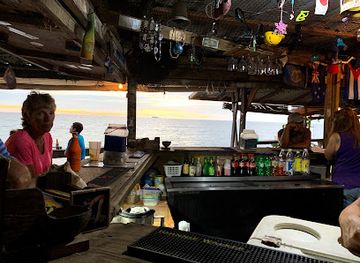
Shipwreck Beach Bar
Discover the vibrant Shipwreck Beach Bar in St. Kitts: a tropical hideaway offering delicious local cuisine, refreshing drinks, and stunning ocean views.
-
Bar
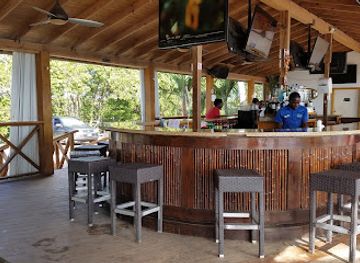
Vibes Beach Bar
Experience the vibrant atmosphere and stunning views at Vibes Beach Bar, the perfect tropical escape in St. Kitts & Nevis.


Best nightclubs in Nevis Peak
Nevis Peak itself has no nightlife, and the mountain should be approached as an early-start outdoor destination rather than an evening entertainment area. After a hike, visitors generally return to the island’s settlements for relaxed meals, small bars, hotel lounges and informal socialising. Charlestown, outside the peak area, has the broadest concentration of services, while rural communities around the lower slopes are quieter and may have limited evening options. Nevis is not primarily a large nightclub destination; evening culture is more often associated with conversation, local food, occasional live music and gatherings connected with hotels or community events. Rum and other Caribbean drinks may appear on local menus, but drinking is not necessary to experience the island. Check transport arrangements before going out, since roads beyond the main settlements can be dark and taxis may need to be booked in advance.
-
Grill
Reggae Beach Bar-Grill
Experience the laid-back island vibe at Reggae Beach Bar-Grill in St. Kitts & Nevis, where delicious food meets stunning ocean views.
-
Bar
Sunshines Restaurant
Discover the lively atmosphere and Caribbean flavors at Sunshines Restaurant, the ultimate nightlife destination in St. Kitts & Nevis.
-
Bar
Vibes Beach Bar
Experience the vibrant atmosphere of Vibes Beach Bar on Frigate Bay Beach, where delicious food and stunning ocean views await.
-
Restaurant
Chrishi Beach Club
Discover the allure of Chrishi Beach Club, a culinary haven by the sea in St. Kitts & Nevis, blending exquisite dining with breathtaking ocean views.

Best shops in Nevis Peak
Nevis Peak is not a shopping destination, and there are no substantial retail facilities on the upper mountain. Buy water, food, sun protection and hiking essentials in Charlestown or another established settlement before travelling towards the trail access. Shopping around Nevis is generally small-scale, with local produce, Caribbean food products, crafts, artwork, clothing and souvenirs available through independent businesses, markets and visitor-oriented outlets; availability can vary by day and season. Items connected with the island’s volcanic landscape or mountain imagery make more meaningful souvenirs than anything collected from the forest itself. Do not remove plants, stones or other natural material from Nevis Peak. Visitors looking for a broader choice of groceries, practical supplies or gifts should shop before heading into the rural uplands, where businesses are more dispersed and opening arrangements may be limited.
-
Supermarket
Ram's Supermarket - Nevis
Explore the vibrant flavors of Nevis at Ram's Supermarket, your go-to destination for fresh produce and local delicacies on the island.
-
Bar
La Casa Del Habano
Experience the rich tradition of cigar culture at La Casa Del Habano, where luxury meets relaxation in the heart of St. Kitts.
-
Shopping mall
The Pelican Shopping Mall
Discover the vibrant shopping experience at The Pelican Shopping Mall in Basseterre, St. Kitts, where local culture meets international flair.
-
Jewelry store
L’Elegance Fine Jewelry & Timepieces
Experience luxury and sophistication at L’Elegance Fine Jewelry & Timepieces in the heart of Nevis.


Get your free copy of our complete guide to Nevis Peak, delivered straight to you.
Everything on this page, from attractions and restaurants to essentials and local phrases, in one PDF you can read offline, print or share.
Already have an account? Sign in
Your Nevis Peak guide is ready.
We'll send it to · Not you? Sign out

Getting your guide ready…
We are putting together a fresh copy of the Nevis Peak guide. This can take up to a minute.
This can take a few moments. If your browser asks, choose Allow so the download can start. You'll find the guide in your Downloads folder.
Nothing happened? Download it again
Sorry, the guide is taking longer than usual. Please try again in a minute, or get it by email instead.
Nevis Peak essentials
Currency and Payment
Safety
Emergency Situations
Do's and Don'ts
Local Tips
From Eve
Local phrases worth knowing
You don't need to get them perfect. A few words go a long way, and locals appreciate the effort.
Basics
| English | Local | Say it |
|---|---|---|
| Hello | Greetings | [Gree-tings] |
| Goodbye | Farewell | [Fare-well] |
| Yes | Yea | [Yea] |
| No | Nah | [Nah] |
| Please/You’re welcome | Pleasah | [Pleas-ah] |
| Thank you | Tank yuh | [Tank yuh] |
| Excuse me/Sorry | Suh-ree | [Suh-ree] |
| How are you? | How yuh doin? | [How yuh doin?] |
| Fine. And you? | Ah fine. An yuh? | [Ah fine. An yuh?] |
| Do you speak English? | Yuh speak English? | [Yuh speak English?] |
| I don't understand | Ah nuh undahstand | [Ah nuh undahstand] |
Eating & Drinking
| English | Local | Say it |
|---|---|---|
| I’d like to see the menu, please | Mi wan see di menu, please | [Mi wan see di menu, please] |
| I don't eat meat | Ah nuh eat meat | [Ah nuh eat meat] |
| Cheers! | Cheers! | [Cheers!] |
| I would like to pay, please | Mi wan pay, please | [Mi wan pay, please] |
Emergencies
| English | Local | Say it |
|---|---|---|
| Help! | Helpp! | [Helpp!] |
| Go away! | Guh way! | [Guh way!] |
| Call the Police! | Call di Police! | [Call di Police!] |
| Call a doctor! | Call a doctah! | [Call a doctah!] |
| I’m lost | Ah lost | [Ah lost] |
| I’m ill | Ah sick | [Ah sick] |
Shopping
| English | Local | Say it |
|---|---|---|
| I’d like to buy... | Mi wan buy... | [Mi wan buy...] |
| I’m just looking | Mi jus lookin | [Mi jus lookin] |
| How much is it? | How much dat cost? | [How much dat cost?] |
| That’s too expensive | Dat too pricey | [Dat too pricey] |
| Can you lower the price? | Can yuh lower di price? | [Can yuh lower di price?] |
Time & Numbers
| English | Local | Say it |
|---|---|---|
| What time is it? | What time it be? | [What time it be?] |
| It’s one o'clock | It one o'clock | [It one o'clock] |
| Half past (10) | Half past ten | [Half past ten] |
| Morning | Mornin | [Mornin] |
| Afternoon | Afternoon | [Afternoon] |
| Evening | Evenin | [Evenin] |
| Yesterday | Yestahday | [Yestahday] |
| Today | Today | [Today] |
| Tomorrow | Tommorow | [Tommorow] |
| 1 | One | [One] |
| 2 | Two | [Two] |
| 3 | Three | [Three] |
| 4 | Four | [Four] |
| 5 | Five | [Five] |
| 6 | Six | [Six] |
| 7 | Seven | [Seven] |
| 8 | Eight | [Eight] |
| 9 | Nine | [Nine] |
| 10 | Ten | [Ten] |
Transport & Directions
| English | Local | Say it |
|---|---|---|
| Where's a/the...? | Wheh di...? | [Wheh di...?] |
| What's the address? | Wha di address? | [Wha di address?] |
| Can you show me (on the map)? | Can yuh show mi (pon di map)? | [Can yuh show mi (pon di map)?] |
| When's the next (bus)? | When di next (bus)? | [When di next (bus)?] |
| A ticket (to ....) | A ticket (to ....) | [A ticket (to ....)] |
History of Nevis Peak
Volcanic formation and the making of Nevis Peak
Nevis Peak is the eroded summit of a volcanic mountain that shaped the island’s geography long before human settlement. Its steep central massif captures moisture from passing trade winds, supporting a wetter upland forest than the lower coastal districts. The mountain’s slopes also influenced where roads, farms and settlements developed. Volcanic soils helped sustain later agriculture, while the summit’s rugged terrain limited intensive cultivation at higher elevations and preserved a comparatively wild interior.
Early settlement and the island before European colonisation
Nevis was inhabited by Indigenous peoples before European colonisation, and archaeological evidence records pre-contact life on the island. European accounts used names including Oualie for Nevis, while the present name derives from a Spanish reference to snow on the mountain’s cloud-covered summit. The central peak was a prominent geographical marker for communities and seafarers, although surviving historical records provide far more detail about coastal settlement than about activities in the upper forest.
English colonisation and the rise of sugar
English settlement from the seventeenth century transformed Nevis into a plantation island, with sugar production, enslaved African labour and an export economy centred on the coast. Estates occupied much of the fertile lower and middle slopes, while Nevis Peak remained too steep and wet for extensive plantation development. Estate roads and surviving ruins around the island reflect this landscape of cultivation and coercion, connecting the mountain’s lower approaches to the wider history of British colonial power in the Caribbean.
Emancipation and the post-plantation landscape
The abolition of slavery in the British Empire in 1834, followed by the end of the apprenticeship system, changed the social and economic structure of Nevis. Sugar estates continued for a time, but production later declined and many former plantation lands were abandoned, divided or returned to smaller-scale agriculture. Communities on the slopes of Nevis Peak developed within this changing rural economy. The mixture of cultivated plots, old estate traces and regenerating woodland is part of the mountain’s wider historical setting.
Nevis within the Federation of Saint Kitts and Nevis
Saint Kitts and Nevis became an independent state in 1983, with Nevis retaining substantial constitutional autonomy through the Nevis Island Administration. This arrangement is important for visitors because the peak lies on Nevis even though national services, travel rules and emergency arrangements belong to the Federation as a whole. Tourism on Nevis has increasingly complemented heritage, agriculture and marine activities with guided nature experiences, including organised hiking on Nevis Peak.
Conservation, guides and mountain tourism
As Nevis has diversified beyond its historic plantation economy, the peak has become one of the island’s best-known natural attractions. Its steep trail and humid forest require local knowledge, especially after rainfall, and guided access has helped make the climb more manageable for visitors while supporting island-based expertise. Modern interest in Nevis Peak is therefore connected not only with recreation, but also with protecting upland vegetation, managing erosion and presenting the mountain as part of Nevis’s natural heritage.
Nevis Peak in Photos
Browse through our photo collection highlighting the charm and character of the destination.
Neighbouring regions of Nevis Peak
The closest regions to Nevis Peak, if you have time for more than one.
-

-

-
-

-


Swipe for more regions
Explore more

Explore more of Saint Kitts and Nevis
Discover the pristine beaches, lush landscapes, and rich history of Saint Kitts and Nevis, a hidden gem in the Caribbean offering adventure and relaxation.
Explore Saint Kitts and Nevis