

Free Saint George Gingerland Parish Travel Guide & Mobile App
Explore Saint George Gingerland Parish with free travel guides. Discover regional history, expert tips, proposed trips, and audio guides on web or mobile app.


Explore Saint George Gingerland Parish on Nevis for botanical gardens, plantation history, mountain trails, rural villages and views beneath Nevis Peak.
Read more about Saint George Gingerland Parish
When is the best time to visit Saint George Gingerland Parish?
Best: January–March · 29°C| Month | High (°C) | Rainfall (mm) |
|---|---|---|
| January (best) | 29 | 50 |
| February (best) | 29 | 40 |
| March (best) | 29 | 45 |
| April | 30 | 60 |
| May | 30 | 70 |
| June | 30 | 80 |
| July | 31 | 90 |
| August | 31 | 110 |
| September | 31 | 120 |
| October | 30 | 100 |
| November | 30 | 80 |
| December | 29 | 60 |
Getting to and around Saint George Gingerland Parish
How to get there
Transportation
Top city travel guides in Saint George Gingerland Parish
The cities of Saint George Gingerland Parish, and the easiest places to base yourself.

Swipe for more cities
Destinations in Saint George Gingerland Parish
Resorts, valleys and scenic spots worth a trip of their own.
-

-


Swipe for more destinations
Best attractions in Saint George Gingerland Parish
Saint George Gingerland’s attractions are closely tied to its volcanic landscape, plantation history and rural communities. The Nevis Botanical Garden at Montpelier presents tropical and subtropical plants within a historic estate setting, making it one of the parish’s most accessible introductions to the island’s cultivated landscapes. Historic estate traces, old stonework and church buildings add depth to drives through the villages and agricultural slopes. For active travellers, the ascent towards Nevis Peak provides the parish’s defining outdoor experience; the trail is steep and weather-sensitive, and many visitors choose a local guide. Birdwatching, nature walks and scenic drives are rewarding around the wetter upper slopes, where vegetation becomes denser and views can open across Nevis and the surrounding Caribbean. Gingerland is not a resort strip, so its attractions are dispersed rather than concentrated in one complex. The pleasure lies in combining gardens, village roads, historic sites and mountain scenery at a measured pace, with time for changing weather and conversations at local businesses.
-
Historical place museum
Nevis Heritage Village
Explore the Nevis Heritage Village, where the rich history and culture of the island come alive through traditional architecture and immersive exhibits.
-
Museum
New River Estate
Explore the captivating history of coconut production at New River Estate, a must-visit museum in St. Kitts & Nevis.


Best landmarks in Saint George Gingerland Parish
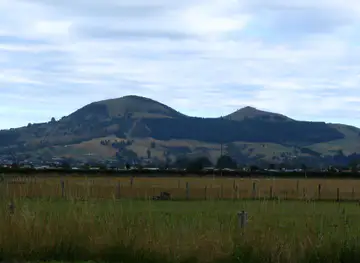
Nevis Peak is Saint George Gingerland’s dominant natural landmark, rising above the parish as the forested summit of the island’s volcanic interior. Its changing outline, frequently wrapped in cloud, gives the surrounding villages a strong geographical identity, while the trail towards the summit illustrates the transition from cultivated lower slopes to humid mountain forest. The Nevis Botanical Garden at Montpelier is also significant for the way it combines historic estate associations with a carefully developed plant collection in a rural setting. Parish churches and their surrounding cemeteries provide important architectural and social reference points, particularly the Anglican and Methodist traditions that helped shape village life after emancipation. Old plantation walls, estate remains and masonry encountered along Gingerland’s roads are less monumental than a fortress or cathedral, but they are meaningful landmarks of the sugar economy and the labour systems that sustained it. Together these places show the parish as a meeting point of volcanic geography, African Caribbean community history and the enduring structures of plantation-era Nevis.
-
Grill
Reggae Beach Bar-Grill
Experience the vibrant flavors and rhythms of the Caribbean at Reggae Beach Bar-Grill in St. Kitts & Nevis, where island life meets delicious dining.
-
Tourist attraction
Timothy Hill Overlook
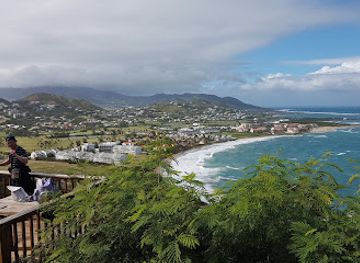
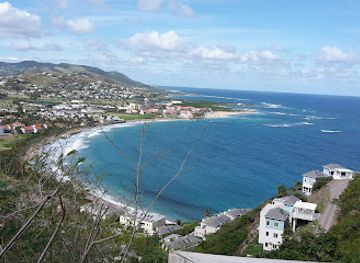
Experience the stunning vistas of Timothy Hill Overlook, where the Caribbean Sea meets the Atlantic Ocean in St. Kitts.
-
Fortress
Brimstone Hill Fortress National Park
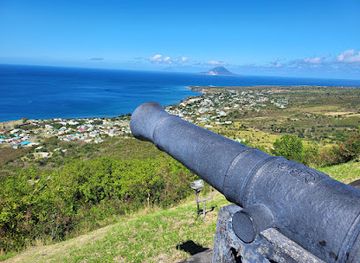
Explore the breathtaking Brimstone Hill Fortress National Park, a UNESCO World Heritage Site offering stunning views and rich history in St. Kitts & Nevis.
-
Cruise terminal
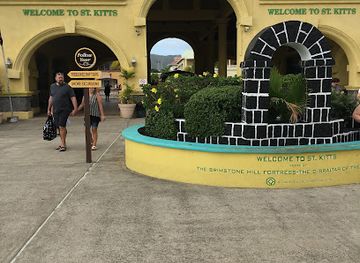
Port Zante
Experience the vibrant charm of Port Zante, the bustling cruise terminal of St. Kitts, where shopping and local culture come alive.
Explore Saint George Gingerland Parish on the map
Plan your trip on one map. See where the top cities, national parks and sights are, and book hotels and experiences in a few clicks.
Best hotels in Saint George Gingerland Parish
Best restaurants in Saint George Gingerland Parish
Dining in Saint George Gingerland is generally low-key, with small local eateries, roadside vendors, guesthouse kitchens and restaurants associated with rural accommodation rather than a dense restaurant district. Menus across Nevis often draw on Caribbean staples such as rice and peas, provisions, stewed or grilled meats, fresh fish, plantain and seasonal vegetables, while ginger, coconut, peppers and other local ingredients add flavour. Seafood is more strongly associated with the island as a whole than with Gingerland’s inland slopes, but it may appear alongside poultry, goat and locally grown produce. Fruit, juices and simple snacks can vary with the agricultural season. Visitors should distinguish between informal places serving everyday food and destination dining at plantation-style properties, where menus may be more polished and reservations may be useful. Farmers’ produce and home-grown ingredients are part of the parish’s character, although availability changes. Ask about payment methods and opening arrangements before making a special journey to a small rural establishment.
-
Restaurant
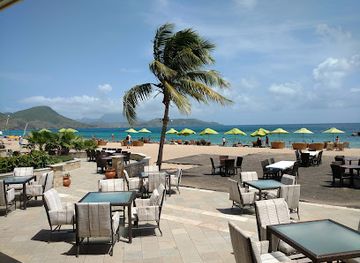
Carambola Beach Club
Discover culinary delights and stunning views at Carambola Beach Club in St. Kitts – a perfect getaway for beach lovers and food enthusiasts alike.
-
Grill
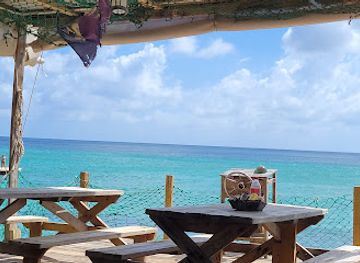
Reggae Beach Bar-Grill
Experience authentic Caribbean flavors at Reggae Beach Bar-Grill in St. Kitts & Nevis – where great food meets stunning ocean views.
-
Restaurant
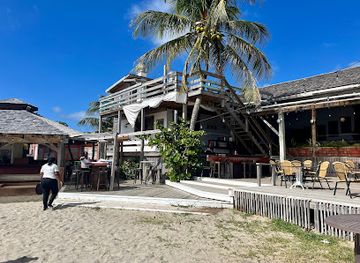
Shipwreck Beach Bar
Experience vibrant Caribbean culture at Shipwreck Beach Bar – your ultimate beachside dining destination in St. Kitts.
-
Caribbean
Spice Mill Restaurant
Discover authentic Caribbean cuisine at Spice Mill Restaurant in New Castle, St. Kitts – where every meal tells a story of island flavors.

Best bars in Saint George Gingerland Parish
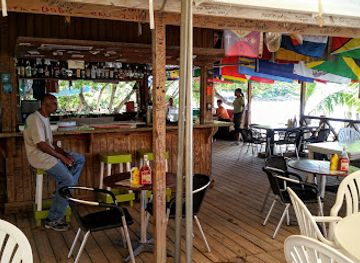
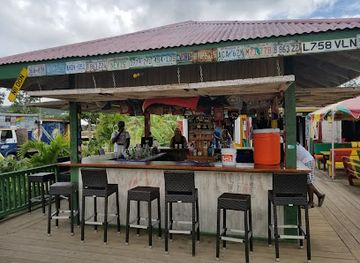
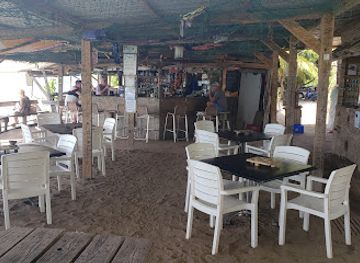
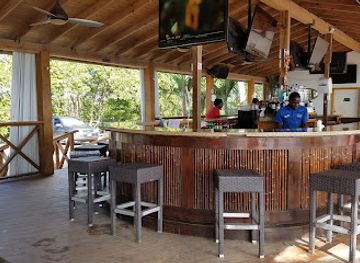
Evening life in Saint George Gingerland is predominantly local and unhurried. Small bars, rum shops and village gathering places provide conversation, music and sport, while guesthouses and plantation-style properties may offer drinks in a quieter setting. The parish does not have a concentrated nightclub strip; visitors seeking a broader choice of bars, restaurants or organised evening entertainment will usually look towards Charlestown or resort areas elsewhere on Nevis. Occasional community events, live music and seasonal celebrations can bring people together, but schedules are not necessarily published far in advance. Rum and rum-based drinks are part of the wider Caribbean drinking culture, yet enjoying Gingerland after dark does not require alcohol: early dinners, verandah views, music and evening walks in populated areas are more typical options. Arrange transport before going out, as rural taxi availability can be limited and roads are poorly lit in places.
-
Grill
Reggae Beach Bar-Grill
Experience the vibrant flavors and laid-back atmosphere at Reggae Beach Bar-Grill in St. Kitts & Nevis, your tropical getaway for delicious Caribbean cuisine.
-
Bar
Sunshines Restaurant
Discover the vibrant nightlife and delicious Caribbean cuisine at Sunshines Restaurant, a must-visit bar and nightclub in Vaughans.
-
Restaurant
Shipwreck Beach Bar
Discover the vibrant atmosphere of Shipwreck Beach Bar in St. Kitts, where Caribbean flavors meet stunning ocean views for an unforgettable experience.
-
Bar
Vibes Beach Bar
Experience the vibrant atmosphere and stunning views at Vibes Beach Bar in Frigate Bay, St. Kitts & Nevis—a true island gem for relaxation and entertainment.
Best nightclubs in Saint George Gingerland Parish
Evening life in Saint George Gingerland is predominantly local and unhurried. Small bars, rum shops and village gathering places provide conversation, music and sport, while guesthouses and plantation-style properties may offer drinks in a quieter setting. The parish does not have a concentrated nightclub strip; visitors seeking a broader choice of bars, restaurants or organised evening entertainment will usually look towards Charlestown or resort areas elsewhere on Nevis. Occasional community events, live music and seasonal celebrations can bring people together, but schedules are not necessarily published far in advance. Rum and rum-based drinks are part of the wider Caribbean drinking culture, yet enjoying Gingerland after dark does not require alcohol: early dinners, verandah views, music and evening walks in populated areas are more typical options. Arrange transport before going out, as rural taxi availability can be limited and roads are poorly lit in places.
-
Grill
Reggae Beach Bar-Grill
Experience the vibrant atmosphere and delicious flavors of the Caribbean at Reggae Beach Bar-Grill in St. Kitts & Nevis.
-
Night club
Sunshines Restaurant
Discover the lively atmosphere and delicious cuisine at Sunshines Restaurant, the top night club and bar in St. Kitts & Nevis.
-
Bar
Vibes Beach Bar
Experience the vibrant atmosphere of Vibes Beach Bar, where relaxation meets delicious food and stunning ocean views in St. Kitts.
-
Bar
Inon's Beach Bar
Discover the laid-back charm of Inon's Beach Bar, where stunning views, delicious cocktails, and a vibrant atmosphere await you in St. Kitts & Nevis.


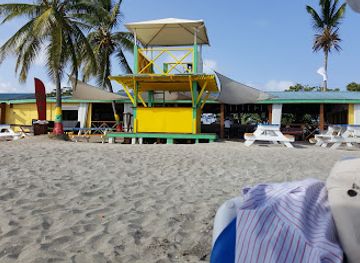

Best shops in Saint George Gingerland Parish
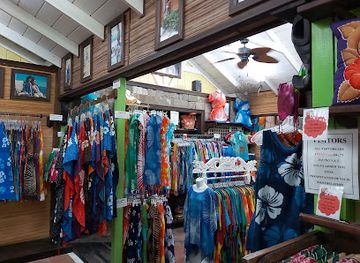
Shopping in Saint George Gingerland is small-scale and practical rather than centred on large retail complexes. Village shops and roadside sellers may provide everyday supplies, drinks, fruit and locally grown produce, while craft and gift items are more likely to be found at gardens, guesthouses, visitor attractions or in larger settlements elsewhere on Nevis. Look for tropical preserves, spices, hot sauces, rum-related products, handmade items and artwork when available, checking that plants, shells, food and other goods can legally be taken through customs. The parish’s agricultural character makes seasonal produce a more representative purchase than an extensive souvenir range. Charlestown, outside Gingerland, generally offers a broader selection of galleries, small shops and visitor-oriented businesses, but it should be treated as a separate nearby shopping centre rather than part of the parish. Carry cash for informal sellers, ask about payment before choosing goods and support businesses that clearly identify local products and makers.
-
Tourist attraction
Caribelle Batik at Romney Manor
Explore the vibrant artistry of Batik at Caribelle Batik, where culture and nature intertwine in a stunning Caribbean setting.
-
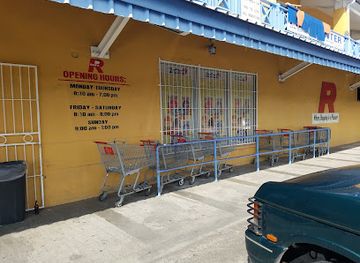
Supermarket
Ram's Supermarket - Nevis
Explore local flavors and vibrant culture at Ram's Supermarket, the heart of Nevis for fresh produce and Caribbean delights.
-
Bar
La Casa Del Habano
Discover the ultimate cigar experience at La Casa Del Habano in Basseterre, where luxury meets relaxation in a vibrant lounge atmosphere.
-
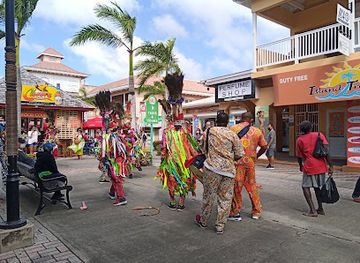
Shopping mall
The Pelican Shopping Mall
Experience the vibrant shopping scene at The Pelican Shopping Mall, where local charm meets international brands in the heart of St. Kitts.

Get your free copy of our complete guide to Saint George Gingerland Parish, delivered straight to you.
Everything on this page, from attractions and restaurants to essentials and local phrases, in one PDF you can read offline, print or share.
Already have an account? Sign in
Your Saint George Gingerland Parish guide is ready.
We'll send it to · Not you? Sign out

Getting your guide ready…
We are putting together a fresh copy of the Saint George Gingerland Parish guide. This can take up to a minute.
This can take a few moments. If your browser asks, choose Allow so the download can start. You'll find the guide in your Downloads folder.
Nothing happened? Download it again
Sorry, the guide is taking longer than usual. Please try again in a minute, or get it by email instead.
Saint George Gingerland Parish essentials
Currency and Payment
Safety
Emergency Situations
Do's and Don'ts
Local Tips
From Eve
Local phrases worth knowing
You don't need to get them perfect. A few words go a long way, and locals appreciate the effort.
Basics
| English | Local | Say it |
|---|---|---|
| Hello | Hello | [Hello] |
| Goodbye | Goodbye | [Goodbye] |
| Yes | Yes | [Yes] |
| No | No | [No] |
| Please/You're welcome | Please/You welcome | [Please/You welcome] |
| Thank you | Thank you | [Thank you] |
| Excuse me/Sorry | Excuse me/Sorry | [Excuse me/Sorry] |
| How are you? | How yuh? | [How yuh?] |
| Fine. And you? | Fine. An yuh? | [Fine. An yuh?] |
| Do you speak English? | Yuh speak English? | [Yuh speak English?] |
| I don't understand | I nuh understand | [I nuh understand] |
Eating & Drinking
| English | Local | Say it |
|---|---|---|
| I'd like to see the menu, please | I would like to see di menu, please | [I would like to see di menu, please] |
| I don't eat meat | I nuh eat meat | [I nuh eat meat] |
| Cheers! | Cheers! | [Cheers!] |
| I would like to pay, please | I would like to pay, please | [I would like to pay, please] |
Emergencies
| English | Local | Say it |
|---|---|---|
| Help! | Help! | [Help!] |
| Go away! | Go way! | [Go way!] |
| Call the Police! | Call di Police! | [Call di Police!] |
| Call a doctor! | Call a doctor! | [Call a doctor!] |
| I'm lost | I lost | [I lost] |
| I'm ill | I sick | [I sick] |
Shopping
| English | Local | Say it |
|---|---|---|
| I'd like to buy... | I would like to buy... | [I would like to buy...] |
| I'm just looking | I just a look | [I just a look] |
| How much is it? | How much is it? | [How much is it?] |
| That's too expensive | Dat too expensive | [Dat too expensive] |
| Can you lower the price? | Can yuh lower di price? | [Can yuh lower di price?] |
Time & Numbers
| English | Local | Say it |
|---|---|---|
| What time is it? | Wha time it? | [Wha time it?] |
| It's one o'clock | It one o'clock | [It one o'clock] |
| Half past (10) | Half past (10) | [Half past (10)] |
| Morning | Mornin' | [Mornin'] |
| Afternoon | Afternoon | [Afternoon] |
| Evening | Evenin' | [Evenin'] |
| Yesterday | Yesterday | [Yesterday] |
| Today | Today | [Today] |
| Tomorrow | Tomorrow | [Tomorrow] |
| 1 | 1 | [1] |
| 2 | 2 | [2] |
| 3 | 3 | [3] |
| 4 | 4 | [4] |
| 5 | 5 | [5] |
| 6 | 6 | [6] |
| 7 | 7 | [7] |
| 8 | 8 | [8] |
| 9 | 9 | [9] |
| 10 | 10 | [10] |
Transport & Directions
| English | Local | Say it |
|---|---|---|
| Where's a/the...? | Wheh a di...? | [Wheh a di...?] |
| What's the address? | Wha di address? | [Wha di address?] |
| Can you show me (on the map)? | Can yuh show me (pon di map)? | [Can yuh show me (pon di map)?] |
| When's the next (bus)? | When di next (bus)? | [When di next (bus)?] |
| A ticket (to ....) | A ticket (to ....) | [A ticket (to ....)] |
History of Saint George Gingerland Parish
Amerindian Nevis and Early Settlement
Long before European colonisation, Nevis was inhabited by Indigenous peoples who used its fertile volcanic soils, coastal waters and freshwater sources. Archaeological evidence from across the island records settlement, cultivation and movement between communities in the Lesser Antilles. The slopes now associated with Gingerland formed part of this wider island environment, where forest, gardens and coastal resources supported human life. Visitors should understand that the plantation landscape is only one layer of Nevis’s history; Indigenous presence predates European records by many centuries, although surviving archaeological evidence is often less visually prominent than later stone buildings and estate remains.
European Colonisation and the Plantation Landscape
English settlement on Nevis expanded from the seventeenth century, bringing land appropriation, enslaved African labour and an export economy based first on tobacco and later, more successfully, on sugar. The fertile eastern and central slopes were divided into estates, with roads, mills, boiling houses, residences and workers’ quarters organised around plantation production. Gingerland’s historic buildings and field patterns reflect this transformation. Although many structures have disappeared or been absorbed into vegetation and later settlement, estate walls, old works and altered land boundaries continue to show how profoundly sugar shaped the parish.
Slavery, African Heritage and Emancipation
Sugar production depended on the labour of enslaved Africans and their descendants, whose skills, endurance and community life shaped Nevisian society while colonial law denied them freedom and political rights. Emancipation in the British Caribbean took effect in the 1830s, followed by a period of apprenticeship and major social adjustment. In Gingerland, as elsewhere on Nevis, formerly enslaved families established stronger control over their lives through wage labour, small cultivation, religious communities and family land. The parish’s churches, village networks and agricultural traditions are part of this longer history of African Caribbean resilience.
Sugar Decline and Rural Change
Nevis’s sugar economy weakened over the nineteenth and twentieth centuries as international prices, competition, labour conditions and production costs changed. Estates were consolidated, abandoned or adapted, and many residents sought work elsewhere in the Caribbean, North America and Britain. The decline of plantation agriculture did not erase its influence: cane fields became pasture or small farms, while estate roads and masonry remained embedded in the countryside. Gingerland retained a strong rural identity, but its economy increasingly combined local cultivation, public-sector work, remittances, services and tourism.
Churches, Villages and Community Life
Religious institutions became important centres of education, mutual support and public life after emancipation, alongside family networks and village associations. Anglican, Methodist and other Christian congregations helped structure communities in and around Gingerland, while schools and small businesses connected scattered settlements. These institutions should not be viewed only as architectural survivals: they represent the social reorganisation of Nevis after plantation slavery and the continuing importance of local community life. Parish roads, churches and village names preserve elements of that history in the contemporary landscape.
The Federation of Saint Kitts and Nevis
Nevis and Saint Kitts were linked through changing colonial arrangements before becoming the independent Federation of Saint Kitts and Nevis in 1983. Nevis retains its own island administration and a strong political and cultural identity within the federation, while Gingerland remains one of its rural parishes. The modern economy has moved away from sugar towards tourism, services, construction, small farming and overseas connections. Contemporary visitors therefore encounter a parish where volcanic geography and plantation history remain visible, but where everyday life belongs to a modern Caribbean society rather than a preserved historical tableau.
Saint George Gingerland Parish in Photos
Browse through our photo collection highlighting the charm and character of the destination.
Neighbouring regions of Saint George Gingerland Parish
The closest regions to Saint George Gingerland Parish, if you have time for more than one.
-

-
-

-

-


Swipe for more regions
Explore more

Explore more of Saint Kitts and Nevis
Discover the pristine beaches, lush landscapes, and rich history of Saint Kitts and Nevis, a hidden gem in the Caribbean offering adventure and relaxation.
Explore Saint Kitts and Nevis