

Free Nevis Lowlands Travel Guide & Mobile App
Explore Nevis Lowlands with free travel guides. Discover regional history, expert tips, proposed trips, and audio guides on web or mobile app.


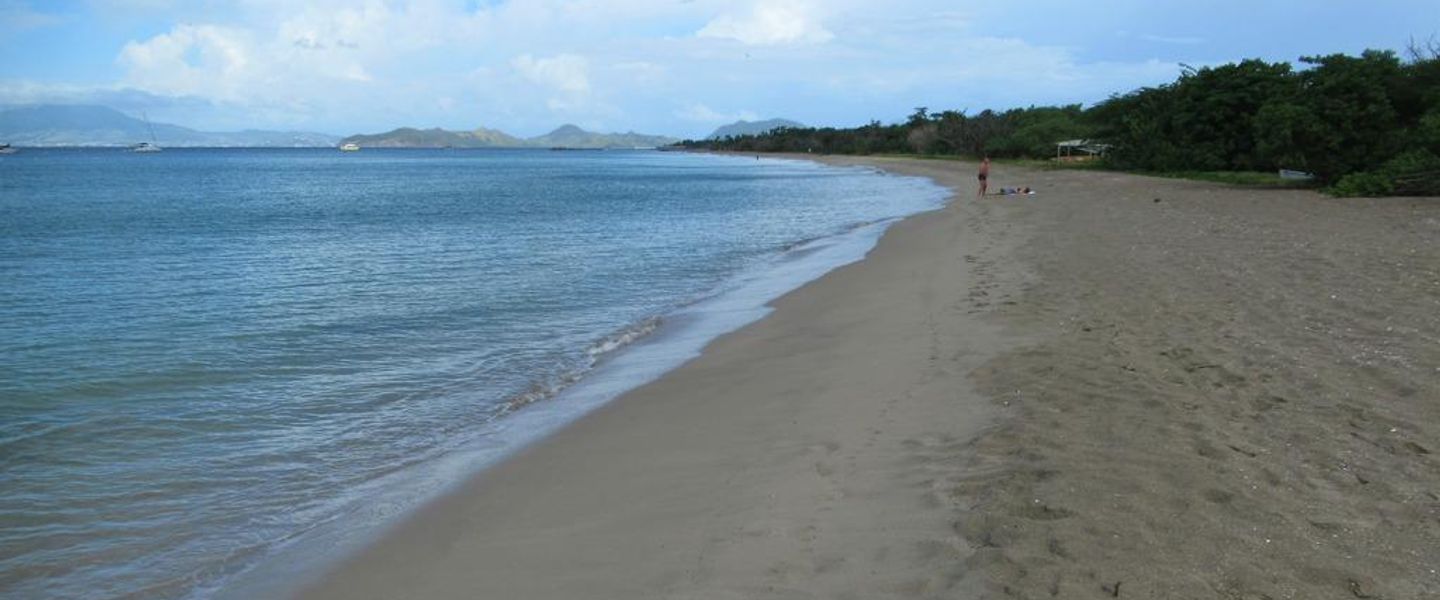


Explore Nevis Lowlands for Charlestown heritage, quiet beaches, former sugar estates, Caribbean food and views across the Narrows.
Read more about Nevis Lowlands
When is the best time to visit Nevis Lowlands?
Best: January–March · 28°C| Month | High (°C) | Rainfall (mm) |
|---|---|---|
| January (best) | 28 | 50 |
| February (best) | 28 | 40 |
| March (best) | 28 | 40 |
| April | 29 | 50 |
| May | 30 | 60 |
| June | 30 | 70 |
| July | 30 | 80 |
| August | 30 | 90 |
| September | 30 | 100 |
| October | 30 | 110 |
| November | 29 | 100 |
| December | 29 | 90 |
Getting to and around Nevis Lowlands
How to get there
Transportation
Top city travel guides in Nevis Lowlands
The cities of Nevis Lowlands, and the easiest places to base yourself.
-

-
-

-


Swipe for more cities
Destinations in Nevis Lowlands
Resorts, valleys and scenic spots worth a trip of their own.
-

-

-


Swipe for more destinations
Best attractions in Nevis Lowlands
The Nevis Lowlands offer a concentrated mix of heritage, coast and rural scenery. Charlestown’s museums and historic streets introduce the island’s colonial past, the life of Alexander Hamilton and the development of the port town, while the nearby Bath area connects Nevis with its long association with mineral springs and spa travel. Along the coast, Pinney’s Beach is the best-known sandy shoreline near Charlestown, with sea views towards Saint Kitts and a mixture of developed and quieter stretches. Further south and east, the attractions become more landscape-led: old sugar estates, churchyards, grazing land, salt ponds and dry woodland reveal how settlement and agriculture adapted to the island’s volcanic terrain. Visitors can arrange island tours, horse-riding and nature-focused excursions, although conditions and availability vary. The lowlands also provide access to wider Nevis experiences, including the greener mountain slopes and guided approaches to Nevis Peak, but these should not be confused with easy coastal walks. The appeal lies in combining several modest-scale sites—historic buildings, beaches, food stops and viewpoints—rather than relying on a single large attraction.
-
Restaurant
Carambola Beach Club
Discover the beauty of Carambola Beach Club, where exquisite dining meets stunning views on the pristine shores of St. Kitts.
-
Restaurant
Palms Court Gardens
Experience the serene beauty and culinary delights of Palms Court Gardens in Brumaire, St. Kitts & Nevis, a must-visit destination for travelers.
-
Tourist attraction
Nevis Hot Springs
Experience the rejuvenating beauty of Nevis Hot Springs, a tranquil oasis in the heart of the Caribbean, perfect for relaxation and natural healing.
-
History museum
Museum of Nevis History
Discover the rich heritage of Nevis at the Museum of Nevis History, showcasing artifacts and stories that illuminate the island's captivating past.


Best landmarks in Nevis Lowlands
Charlestown’s historic streets are the defining built landmark of the Nevis Lowlands, with stonework, wooden upper floors, churches and civic buildings reflecting the town’s role as a colonial port. The Alexander Hamilton birthplace and museum gives the town an internationally recognisable historical association, while the Nevis Historical and Conservation Society’s collections place that story within the broader history of the island. The Bath Hotel and surrounding spring area represent an early Caribbean tradition of therapeutic travel and remain important reminders of Nevis’s Georgian-era reputation. Beyond town, the remains of sugar estates, mills and associated structures mark the lower slopes and coastal plain, although individual sites vary in condition and access. Pinney’s Beach is a natural landmark as well as a recreation area, defined by its long strand and open outlook towards Saint Kitts. Across the lowlands, the contrast between the volcanic silhouette of Nevis Peak, dry coastal vegetation and historic plantation country gives the region its most characteristic visual identity.
-
Restaurant
Carambola Beach Club
Experience stunning beachfront dining at Carambola Beach Club, where delicious cuisine meets breathtaking Caribbean views in St. Kitts.
-
Grill
Reggae Beach Bar-Grill
Experience the vibrant flavors and rhythms of the Caribbean at Reggae Beach Bar-Grill in St. Kitts & Nevis, where good food meets good vibes.
-
Tourist attraction
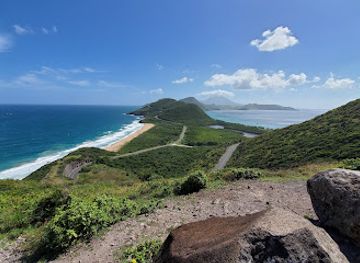
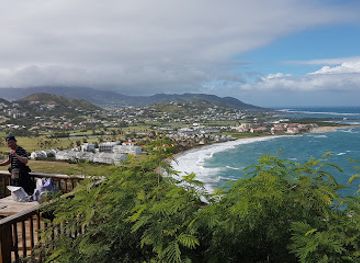
Timothy Hill Overlook
Discover stunning panoramic views of St. Kitts and Nevis at Timothy Hill Overlook, a must-visit destination for breathtaking landscapes and serene experiences.
-
Fortress
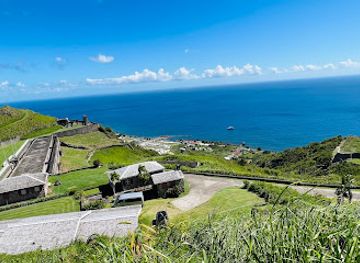
Brimstone Hill Fortress National Park
Explore the rich history and stunning views of Brimstone Hill Fortress National Park, a UNESCO World Heritage Site in St. Kitts.

Explore Nevis Lowlands on the map
Plan your trip on one map. See where the top cities, national parks and sights are, and book hotels and experiences in a few clicks.
Best hotels in Nevis Lowlands
Best restaurants in Nevis Lowlands
Dining in the Nevis Lowlands ranges from informal beach meals and cafés in and around Charlestown to hotel restaurants, family-run establishments and rural eateries serving Caribbean cooking. Local menus commonly draw on fresh fish, chicken, goat, rice, peas, vegetables, plantain and seasonal fruit, while goat water is a traditional Nevisian dish with a brothy, spiced character. Conch and seafood may appear when available, although catches and menus vary with weather and supply. Rum-based drinks and locally influenced fruit juices complement meals, and simple grilled food is particularly suited to the coastal setting. Charlestown offers the broadest choice, while quieter lowland areas may have fewer venues and more limited service outside peak meal periods. Farmers, small producers and roadside sellers contribute to the island’s food culture, but visitors should not assume that every produce stall operates daily. Asking about the day’s catch or seasonal ingredients is often the best way to find food that reflects Nevis rather than a standardised resort menu.
-
Restaurant
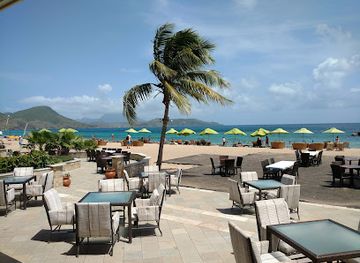
Carambola Beach Club
Discover culinary delights at Carambola Beach Club in St. Kitts - where exquisite dining meets breathtaking beach views.
-
Grill
Reggae Beach Bar-Grill
Experience the vibrant flavors of the Caribbean at Reggae Beach Bar-Grill in St. Kitts & Nevis – where great food meets breathtaking views.
-
Bar
Sunshines Restaurant
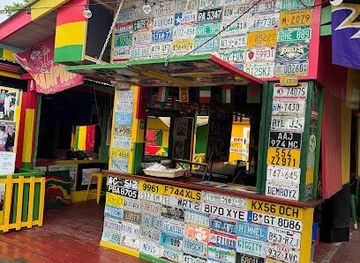
Legendary Caribbean beach bar where the Killer Bee rum punch and fresh seafood meet island hospitality.
-
Restaurant
Shipwreck Beach Bar
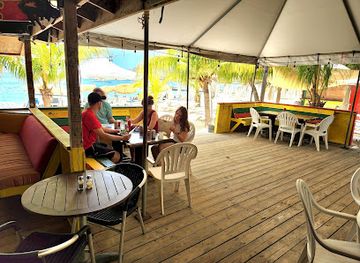
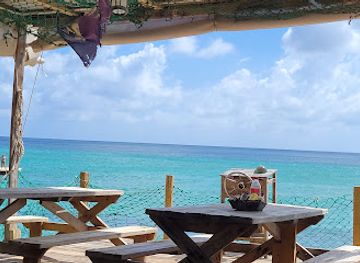
Experience vibrant island culture at Shipwreck Beach Bar in St. Kitts - where stunning views meet delicious Caribbean cuisine.
Best bars in Nevis Lowlands
Evenings in the Nevis Lowlands are generally relaxed, with the main choices found in Charlestown, around hotels and at selected beachside restaurants rather than in a large club district. Traditional rum shops and local bars provide informal places for conversation, while restaurants and hotel lounges offer rum cocktails, beer and occasional live music. Some beach establishments and seasonal events become livelier at weekends, but opening arrangements and entertainment schedules can change. Nightclubs are limited compared with larger Caribbean destinations, and nightlife may be quiet outside holiday periods or special community events. Visitors seeking an evening out should arrange transport in advance if staying beyond Charlestown, as taxis are not always immediately available late at night. A meal, music and a sunset over the Narrows are often more representative of the lowlands’ evening character than a late-night party scene.
-
Restaurant
Carambola Beach Club
Experience the paradise of Carambola Beach Club in St. Kitts, where stunning views and exquisite cuisine meet the gentle Caribbean breeze.
-
Grill
Reggae Beach Bar-Grill
Discover the vibrant flavors and laid-back atmosphere of Reggae Beach Bar-Grill in St. Kitts & Nevis, your perfect beachside dining escape.
-
Bar
Sunshines Restaurant
Experience the vibrant Caribbean culture at Sunshines Restaurant, where delicious cuisine meets lively nightlife in St. Kitts & Nevis.
-
Restaurant
Shipwreck Beach Bar
Experience the best of St. Kitts at Shipwreck Beach Bar, where stunning views, delicious food, and vibrant atmosphere await.


Best nightclubs in Nevis Lowlands
Evenings in the Nevis Lowlands are generally relaxed, with the main choices found in Charlestown, around hotels and at selected beachside restaurants rather than in a large club district. Traditional rum shops and local bars provide informal places for conversation, while restaurants and hotel lounges offer rum cocktails, beer and occasional live music. Some beach establishments and seasonal events become livelier at weekends, but opening arrangements and entertainment schedules can change. Nightclubs are limited compared with larger Caribbean destinations, and nightlife may be quiet outside holiday periods or special community events. Visitors seeking an evening out should arrange transport in advance if staying beyond Charlestown, as taxis are not always immediately available late at night. A meal, music and a sunset over the Narrows are often more representative of the lowlands’ evening character than a late-night party scene.
-
Restaurant
Carambola Beach Club
Experience the ultimate blend of beach relaxation and exquisite dining at Carambola Beach Club in St. Kitts.
-
Grill
Reggae Beach Bar-Grill
Experience the vibrant atmosphere of Reggae Beach Bar-Grill in St. Kitts & Nevis, where delicious food meets stunning ocean views.
-
Night club
Sunshines Restaurant
Experience the vibrant nightlife of Vaughans at Sunshines Restaurant, where delicious food and refreshing drinks meet lively entertainment.
-
Bar
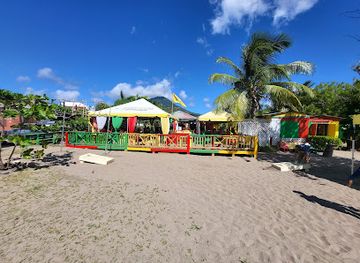
Vibes Beach Bar
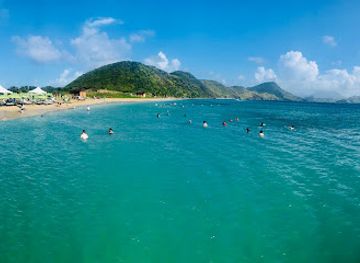
Experience the vibrant atmosphere and delightful flavors at Vibes Beach Bar, where relaxation meets Caribbean culture on Frigate Bay Beach.

Best shops in Nevis Lowlands
Shopping in the Nevis Lowlands is modest in scale and centred on Charlestown rather than large retail complexes. The town has small groceries, general stores, souvenir outlets, craft sellers, galleries and practical shops, with independent businesses offering locally made items, Caribbean clothing, books, artwork and gifts. Visitors may find batik, woodwork, jewellery, paintings and other crafts, although stock and opening arrangements vary. Local produce, spices, pepper sauces, rum and packaged foods make useful souvenirs when properly labelled and suitable for transport. Small markets and roadside sellers appear according to season and local activity rather than following a single daily tourist schedule, so ask accommodation staff about current locations. The lowlands are better for buying distinctive island products and supporting independent traders than for fashion or luxury retail. Charlestown’s compact centre can be combined with a museum visit, while larger or more specialised purchases may require planning around limited opening times and inter-island supply.
-
Historical landmark
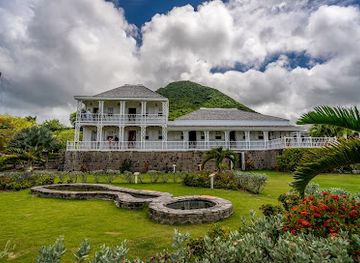
Fairview Great House and Botanical Gardens
Explore the enchanting Fairview Great House and Botanical Gardens, where history meets breathtaking natural beauty in St. Kitts.
-
Tourist attraction
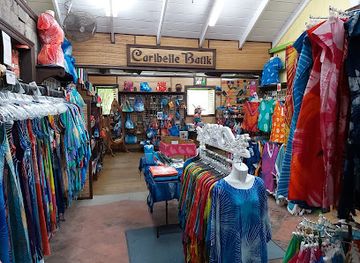
Caribelle Batik at Romney Manor
Explore vibrant batik art and lush gardens at Caribelle Batik, a unique destination in St. Kitts that captivates with culture and beauty.
-
Bar
La Casa Del Habano
Discover the essence of luxury at La Casa Del Habano, where fine cigars and a soothing atmosphere meet in the heart of St. Kitts & Nevis.
-
Shopping mall
The Pelican Shopping Mall
Experience the vibrant shopping scene at The Pelican Shopping Mall in St. Kitts, where local culture meets international flair.
Get your free copy of our complete guide to Nevis Lowlands, delivered straight to you.
Everything on this page, from attractions and restaurants to essentials and local phrases, in one PDF you can read offline, print or share.
Already have an account? Sign in
Your Nevis Lowlands guide is ready.
We'll send it to · Not you? Sign out

Getting your guide ready…
We are putting together a fresh copy of the Nevis Lowlands guide. This can take up to a minute.
This can take a few moments. If your browser asks, choose Allow so the download can start. You'll find the guide in your Downloads folder.
Nothing happened? Download it again
Sorry, the guide is taking longer than usual. Please try again in a minute, or get it by email instead.
Nevis Lowlands essentials
Currency and Payment
Safety
Emergency Situations
Do's and Don'ts
Local Tips
From Eve
Local phrases worth knowing
You don't need to get them perfect. A few words go a long way, and locals appreciate the effort.
Basics
| English | Local | Say it |
|---|---|---|
| Hello | Wha gwaan | [Wah gwaan] |
| Goodbye | Lata | [Latah] |
| Yes | Yea | [Yea] |
| No | Nah | [Nah] |
| Please/You're welcome | No problem | [No prob-lem] |
| Thank you | Tank yuh | [Tank yuh] |
| Excuse me/Sorry | Scuse me | [Skewz me] |
| How are you? | How yuh doin? | [How yuh doin] |
| Fine. And you? | I good. An yuh? | [I good. An yuh?] |
| Do you speak English? | Yuh speak English? | [Yuh speak English?] |
| I don't understand | Mi nuh undastand | [Mi nuh undastand] |
Eating & Drinking
| English | Local | Say it |
|---|---|---|
| I'd like to see the menu, please | Mi wan see di menu, please | [Mi wan see di menu, please] |
| I don't eat meat | Mi nuh eat meat | [Mi nuh eat meat] |
| Cheers! | Cheers! | [Cheers!] |
| I would like to pay, please | Mi wan pay, please | [Mi wan pay, please] |
Emergencies
| English | Local | Say it |
|---|---|---|
| Help! | Help! | [Help!] |
| Go away! | Go weh! | [Go weh] |
| Call the Police! | Call di Police! | [Call di Police!] |
| Call a doctor! | Call a doctor! | [Call a doctor!] |
| I'm lost | Mi lost | [Mi lost] |
| I'm ill | Mi sick | [Mi sick] |
Shopping
| English | Local | Say it |
|---|---|---|
| I'd like to buy... | Mi wan buy... | [Mi wan buy...] |
| I'm just looking | Mi jus lookin | [Mi jus lookin] |
| How much is it? | How much dat? | [How much dat?] |
| That's too expensive | Dat too expensive | [Dat too expensive] |
| Can you lower the price? | Yuh can lower di price? | [Yuh can lower di price?] |
Time & Numbers
| English | Local | Say it |
|---|---|---|
| What time is it? | Wha time it? | [Wha time it?] |
| It's one o'clock | It one o'clock | [It one o'clock] |
| Half past (10) | Half past ten | [Half past ten] |
| Morning | Mornin | [Mornin] |
| Afternoon | Aftanoon | [Aftanoon] |
| Evening | Evenin | [Evenin] |
| Yesterday | Yestaday | [Yestaday] |
| Today | Today | [Today] |
| Tomorrow | Tomorow | [Tomorow] |
| 1 | One | [One] |
| 2 | Two | [Two] |
| 3 | Three | [Three] |
| 4 | Four | [Four] |
| 5 | Five | [Five] |
| 6 | Six | [Six] |
| 7 | Seven | [Seven] |
| 8 | Eight | [Eight] |
| 9 | Nine | [Nine] |
| 10 | Ten | [Ten] |
Transport & Directions
| English | Local | Say it |
|---|---|---|
| Where's a/the...? | Wheh di...? | [Wheh di...?] |
| What's the address? | Wha di address? | [Wha di address?] |
| Can you show me (on the map)? | Yuh can show mi (pon di map)? | [Yuh can show mi (pon di map)?] |
| When's the next (bus)? | Wen di next (bus)? | [Wen di next (bus)?] |
| A ticket (to ....) | A ticket (to ....) | [A ticket (to ....)] |
History of Nevis Lowlands
Early Settlement and Kalinago Heritage
Nevis was inhabited before European colonisation by Indigenous peoples, including communities associated with the Kalinago world of the Lesser Antilles. The island’s fertile volcanic soils, springs and coastal resources supported settlement, while its mountain provided a prominent natural reference point. Archaeological evidence across Nevis indicates long periods of Indigenous activity before the arrival of Europeans. Although much of the later written record was produced by colonial authorities, Indigenous knowledge of the island’s terrain and resources formed the earliest human layer of the Nevisian landscape.
English Colonisation and the Sugar Economy
English settlement began in the early seventeenth century, and Nevis became one of England’s important Caribbean sugar islands. Plantations spread across the lower slopes and coastal plain, relying on the labour of enslaved Africans and linking the island to Atlantic trade. Mills, boiling houses, estate villages and shipping points shaped the society and landscape. Charlestown developed as the main port and administrative centre, while the volcanic slopes provided water and productive land for sugar cultivation. The prosperity of the colonial elite rested on a coercive plantation system whose consequences remain central to the island’s history.
Charlestown, Bath and the Georgian Island
During the eighteenth century, Charlestown grew as a port and commercial settlement, and Nevis acquired a reputation for its warm mineral springs at Bath. The Bath Hotel, established in the late eighteenth century, is often regarded as one of the Caribbean’s earliest hotels and reflects the period’s interest in therapeutic bathing. Georgian architectural details, churches and surviving estate structures also date from the era when sugar wealth influenced public and private building. At the same time, the island’s enslaved majority endured harsh conditions that were largely excluded from elite accounts of fashionable spa life.
Alexander Hamilton’s Nevis Birthplace
Alexander Hamilton, a major figure in the early political history of the United States, was born on Nevis in 1757. His mother, Rachel Faucette, lived on the island, and Hamilton spent part of his early childhood in the Caribbean before moving to North America. The Hamilton Museum and birthplace site in Charlestown interpret this connection and place it within the wider context of eighteenth-century colonial society. The story is significant not because Nevis was Hamilton’s lifelong home, but because the island forms an important early chapter in the life of a prominent statesman and writer.
Emancipation and the End of Plantation Slavery
The abolition of slavery in the British Empire was enacted in 1833, with emancipation taking effect in 1834 and a period of apprenticeship preceding full freedom. On Nevis, this transformed the labour system that had sustained sugar estates for generations, although economic and social inequalities continued. Formerly enslaved people established families, villages, churches and independent livelihoods while many remained connected to plantation work through low-paid labour. The lowlands’ estate ruins and historic burial grounds are therefore not simply picturesque remains; they are reminders of the people whose forced labour built the island’s colonial economy.
Decline of Sugar and the Modern Federation
Sugar remained important after emancipation but gradually lost its economic dominance as competition, changing markets and production difficulties affected the Caribbean industry. Nevis’s economy became more varied, with small farming, fishing, public employment, remittances and later tourism contributing to local life. Saint Kitts and Nevis achieved independence from Britain in 1983, and Nevis received substantial internal self-government within the federation. Today, the lowlands combine residential communities, hospitality, agriculture, historic sites and protected natural areas, with the plantation landscape retained as both cultural inheritance and a focus for tourism.
Nevis Lowlands in Photos
Browse through our photo collection highlighting the charm and character of the destination.
Neighbouring regions of Nevis Lowlands
The closest regions to Nevis Lowlands, if you have time for more than one.
-

-
-
-

-


Swipe for more regions
Explore more

Explore more of Saint Kitts and Nevis
Discover the pristine beaches, lush landscapes, and rich history of Saint Kitts and Nevis, a hidden gem in the Caribbean offering adventure and relaxation.
Explore Saint Kitts and Nevis