
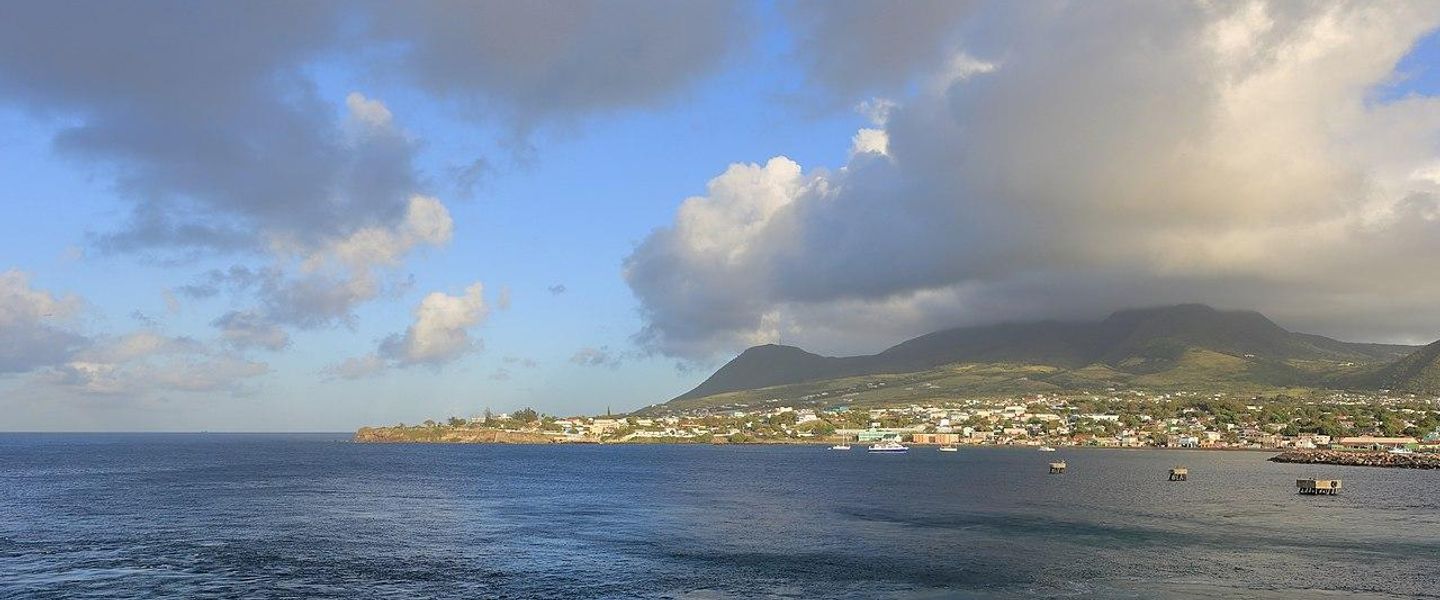
Saint Mary Cayon Parish, Saint Kitts and Nevis Travel Guide
Discover the serene beauty and rich history of Saint Mary Cayon Parish, a hidden gem in Saint Kitts and Nevis offering lush landscapes, pristine beaches, and cultural experiences.
Saint Mary Cayon Parish is a tranquil escape on the island of Saint Kitts. This area is known for its lush landscapes and rich history. It offers a unique blend of natural beauty and cultural heritage. Here, you can explore charming villages, historical sites, and vibrant local markets. Nature lovers will enjoy the scenic hiking trails that lead to breathtaking viewpoints. The coastline offers pristine beaches with clear blue waters, perfect for swimming and snorkeling. Bird watchers will find a haven in the diverse bird species that inhabit the area. The parish is also home to some of the oldest sugar plantations on the island. These sites offer a glimpse into the island's colonial past. Local festivals and events provide a lively atmosphere where you can experience the local culture and traditions. Whether you're looking to relax or explore, Saint Mary Cayon Parish has something for everyone.

Know before you go
Hi, I'm Eve. Here are a few practical things to know before exploring Saint Mary Cayon Parish.
- Visit the sugar plantations to learn about the island's colonial history.
- Bring comfortable shoes for hiking the scenic trails.
- Check the local calendar for festivals and events.
- Pack snorkeling gear to explore the clear blue waters.
- Don't forget your binoculars if you're a bird watcher.
Top City Travel Guides in Saint Mary Cayon Parish
The cities of Saint Mary Cayon Parish, and the easiest places to base yourself.

Explore Saint Mary Cayon Parish: Things to Do, Places to Eat, Hotels & More
Handpicked recommendations for top attractions, local dining, accommodations, and more

Top Attractions & Sightseeing in Saint Mary Cayon Parish
Top-rated picks
Best Attractions

Saint Kitts
Explore the captivating beauty and vibrant culture of St Kitts & Nevis, a Caribbean paradise perfect for every traveler seeking adventure and relaxation.

Liamuiga Natural Farm
Experience the lush landscapes and sustainable agriculture of Liamuiga Natural Farm, a serene escape in St. Kitts & Nevis.

Cave
Uncover the beauty of the Cave in Key's Village, St. Kitts, where nature's splendor and adventure await every traveler.

B Luvely Garden
Explore the serene beauty of B Luvely Garden in Cayon, St. Kitts – a lush paradise perfect for nature lovers and relaxation.

Best landmarks in Saint Mary Cayon Parish
Top-rated picks
Best Landmarks

Reggae Beach Bar-Grill
Experience the vibrant ambiance of Reggae Beach Bar-Grill in St. Kitts & Nevis, where Caribbean cuisine meets lively entertainment and stunning beach views.

Carambola Beach Club
Experience the natural beauty and vibrant atmosphere of Carambola Beach Club in St. Kitts, where relaxation meets adventure in paradise.

Timothy Hill Overlook
Discover stunning panoramic views of the Caribbean at Timothy Hill Overlook, a must-visit tourist attraction in St. Kitts and Nevis.

Brimstone Hill Fortress National Park
Explore the historic Brimstone Hill Fortress National Park in St. Kitts, a UNESCO World Heritage site with stunning views and rich colonial history.

Best restaurants in Saint Mary Cayon Parish
Top-rated picks
Best Restaurants

Carambola Beach Club
Experience paradise at Carambola Beach Club – where exquisite dining meets stunning beachfront views in St. Kitts.

Shipwreck Beach Bar
Experience tropical bliss at Shipwreck Beach Bar in St. Kitts - where great food meets stunning ocean views!

Sprat Net
Experience authentic St. Kitts cuisine at Sprat Net - renowned for fresh seafood in a vibrant coastal setting.

Palms Court Gardens
Experience culinary delights amidst lush gardens at Palms Court Gardens in Brumaire, St. Kitts & Nevis.

Best bars in Saint Mary Cayon Parish
Top-rated picks
Best Bars

Reggae Beach Bar-Grill
Discover the vibrant flavors and laid-back atmosphere of Reggae Beach Bar-Grill in St. Kitts & Nevis, where every meal is a tropical getaway.

Shipwreck Beach Bar
Experience the vibrant tastes and lively atmosphere at Shipwreck Beach Bar in St. Kitts – the perfect beachside escape for tourists.

Vibes Beach Bar
Experience the vibrant essence of Caribbean beach life at Vibes Beach Bar in St. Kitts, where relaxation meets festivity.

Zanzi Bar & Grill
Experience the vibrant flavors of the Caribbean at Zanzi Bar & Grill in St. Kitts, where grilled delights and tropical cocktails await you.

Best nightclubs in Saint Mary Cayon Parish
Top-rated picks
Best Nightclubs

Vibes Beach Bar
Experience the vibrant atmosphere of Vibes Beach Bar on Frigate Bay, where stunning views, refreshing drinks, and friendly vibes await all visitors.

Inon's Beach Bar
Discover the vibrant spirit of the Caribbean at Inon's Beach Bar, where refreshing drinks and stunning ocean views come together for an unforgettable experience.

The Green Valley Pub
Discover the vibrant local culture and delicious cuisine at The Green Valley Pub in Cayon, St. Kitts & Nevis, a pub that embodies Caribbean charm.

Last Lap Bar and Lounge
Experience the vibrant nightlife of Basseterre at Last Lap Bar and Lounge, where drinks and lively atmosphere await every visitor.

Best shops in Saint Mary Cayon Parish
Top-rated picks
Best Shops

Colors Duty Free Jewellers
Explore the elegance and artistry of St. Kitts at Colors Duty Free Jewellers, your destination for exquisite handcrafted jewelry.

Caribelle Batik at Romney Manor
Discover the vibrant world of batik at Caribelle Batik in St. Kitts, where art meets nature in a stunning botanical garden setting.

The Pelican Shopping Mall
Explore the vibrant shopping scene at The Pelican Shopping Mall in Basseterre, St. Kitts, where local culture meets retail therapy.

La Casa Del Habano
Experience the rich culture of cigars and premium spirits at La Casa Del Habano in St. Kitts & Nevis, a relaxing bar and lounge.

Explore Saint Mary Cayon Parish on the Map
A handpicked selection of must-see spots in Saint Mary Cayon Parish, mapped for you.
Saint Mary Cayon Parish Essentials
-
Saint Mary Cayon Parish is located on the island of Saint Kitts in the Federation of Saint Kitts and Nevis. The nearest international airport is Robert L. Bradshaw International Airport (SKB) in Basseterre, which is about a 20-minute drive from Saint Mary Cayon. From the airport, you can take a taxi or rent a car to reach the Parish. There are also ferry services available from Nevis to Saint Kitts, which dock in Basseterre.
-
Transportation within Saint Mary Cayon Parish and to other parts of the island is convenient. Taxis are readily available and are a popular choice for tourists. Public buses, which are usually minibuses, operate on fixed routes and are an economical way to travel. Car rentals are also available for those who prefer to explore the island at their own pace. Be prepared to drive on the left side of the road.
-
The official currency is the Eastern Caribbean Dollar (XCD). US Dollars are also widely accepted. Credit cards are accepted in most hotels, restaurants, and larger shops, but it is advisable to carry some cash for small purchases and in rural areas. ATMs are available in the Parish, but it’s wise to withdraw sufficient cash in Basseterre before heading to more remote areas.
-
Saint Mary Cayon Parish is generally a safe destination for tourists. However, like any travel destination, it is important to take standard precautions. Avoid walking alone at night in unfamiliar areas and keep an eye on your belongings in crowded places. While the area is relatively safe, it is always best to stay vigilant and aware of your surroundings.
-
In case of emergency, dial 911 for immediate assistance. The local police station and medical facilities are available in the Parish. It is recommended to have travel insurance that covers medical emergencies. For minor health issues, there are pharmacies in the Parish where you can purchase over-the-counter medications.
-
Fashion: Do dress modestly, especially when visiting religious sites. Avoid wearing overly revealing clothing. Religion: Do respect local customs and traditions. Always dress appropriately and remove your hat when entering churches. Public Transport: Do be respectful and greet the driver when boarding. Don’t play loud music or speak loudly on your phone. Greetings: Do greet people with a friendly 'Good morning' or 'Good afternoon'. A handshake is also common. Eating & Drinking: Do try local delicacies and accept food offerings graciously. Don’t refuse hospitality, as it is considered impolite.
-
To experience Saint Mary Cayon Parish like a local, visit the community markets where you can buy fresh produce and traditional goods. Engage with locals, as they are often friendly and willing to share stories about the area’s history and culture. Don’t miss visiting nearby historical sites such as the Great House, and enjoy a leisurely walk along the beautiful coastline. For a unique experience, participate in local festivals and events to immerse yourself in the vibrant culture of the Parish.
When is the best time to visit Saint Mary Cayon Parish?
Useful Local Phrases for Saint Mary Cayon Parish
You don't need to speak the language perfectly. Even learning a few simple words can make conversations warmer—and locals usually appreciate the effort.
— Eve

Here are the phrases I use most often in Saint Mary Cayon Parish. Try a few—you'll be surprised how far they go! 😊
❤️
-
- HelloHello
[Heh-loh] - GoodbyeGoodbye
[Goo-dbye] - YesYes
[Yes] - NoNo
[No] - Please/You're welcomePlease/You’re welcome
[Pleez/Yuhr wel-kum] - Thank youThank you
[Thangk yu] - Excuse me/SorryExcuse me/Sorry
[Ex-kyoos mi/Sor-ry] - How are you?How you doing?
[How yuh doin?] - Fine. And you?I good. And you?
[I gud. An yuh?] - Do you speak English?Yuh speak English?
[Yuh speek Ing-lish?] - I don't understandI no understand
[I no un-der-stand]
- HelloHello
-
- I'd like to see the menu, pleaseCan I see the menu, please?
[Kan I see de men-yu, pleez?] - I don't eat meatI no eat meat
[I no eet meet] - Cheers!Cheers!
[Cheers!] - I would like to pay, pleaseI would like to pay, please
[I wud laik to pay, pleez]
- I'd like to see the menu, pleaseCan I see the menu, please?
-
- Help!Help!
[Help!] - Go away!Go away!
[Go aw-ay!] - Call the Police!Call de Police!
[Call de Po-lees!] - Call a doctor!Call a doctor!
[Call a doc-tor!] - I'm lostI lost
[I lost] - I'm illI sick
[I sik]
- Help!Help!
-
- I'd like to buy...I want to buy...
[I want to buy...] - I'm just lookingI just looking
[I just luking] - How much is it?How much it cost?
[How much it kost?] - That's too expensiveDat too expensive
[Dat too expen-siv] - Can you lower the price?Can yuh lower de price?
[Can yuh lo-wer de prais?]
- I'd like to buy...I want to buy...
-
- What time is it?What time it is?
[What taim it is?] - It's one o'clockIt one o'clock
[It one o'clock] - Half past (10)Half past ten
[Haf past ten] - MorningMorning
[Morn-ing] - AfternoonAfternoon
[Af-ter-noon] - EveningEvening
[Eve-ning] - YesterdayYesterday
[Yes-ter-day] - TodayToday
[To-day] - TomorrowTomorrow
[To-mor-row] - 11
[1] - 22
[2] - 33
[3] - 44
[4] - 55
[5] - 66
[6] - 77
[7] - 88
[8] - 99
[9] - 1010
[10]
- What time is it?What time it is?
-
- Where's a/the...?Wha de...?
[Wha de...?] - What's the address?Wha de address?
[Wha de ad-dres?] - Can you show me (on the map)?Can yuh show me (on de map)?
[Can yuh sho mi (on de map)?] - When's the next (bus)?When de next (bus)?
[When de next (bus)?] - A ticket (to ....)A ticket (to ....)
[A tik-it (to ....)]
- Where's a/the...?Wha de...?
History of Saint Mary Cayon Parish
-
Long before European settlers arrived, the area now known as Saint Mary Cayon Parish was inhabited by the Kalinago people. These indigenous inhabitants were skilled fishermen and farmers, living in harmony with the island’s natural resources. Archaeological evidence, including pottery shards and tools, provide a glimpse into their daily lives and cultural practices.
-
During the 17th century, Saint Mary Cayon Parish became a significant site for sugar plantations under British colonial rule. The fertile volcanic soil proved ideal for sugarcane cultivation, leading to the establishment of numerous plantations like Spooner's Estate. The parish’s landscape transformed with the construction of mills and estate houses, many of which still stand as historical landmarks today.
-
Spooner’s Estate is one of the most prominent historical sites in Saint Mary Cayon Parish. Established in the late 1700s, the estate’s Great House was the epicenter of plantation operations. Today, it serves as a museum, offering visitors a window into the colonial past and the daily lives of those who lived and worked on the plantation.
-
The abolition of slavery in 1834 marked a significant turning point for Saint Mary Cayon Parish. Freed slaves established their own communities and began cultivating their own lands. This period saw the rise of small-scale farming and the gradual decline of large plantations. The social fabric of the parish transformed as former slaves integrated into the broader economic and social systems.
-
Cayon Village, the main settlement in the parish, is renowned for its vibrant culture and community spirit. The village is known for its annual festivities, such as the Green Valley Festival, which celebrates local music, dance, and culinary traditions. The festival is a testament to the enduring cultural heritage and communal bonds that characterize the parish.
-
Religion has played a pivotal role in the history of Saint Mary Cayon Parish. St. Mary’s Anglican Church, dating back to the 19th century, is one of the oldest religious structures in the area. The church has been a spiritual and social hub for the community, witnessing generations of parishioners through significant life events and religious practices.
-
Today, Saint Mary Cayon Parish blends its rich historical legacy with contemporary life. The parish has developed into a vibrant community with modern amenities while preserving its historical sites and cultural traditions. Visitors can explore a mix of historical landmarks, natural beauty, and local customs that offer a comprehensive experience of the parish’s unique heritage.
Neighbouring Regions of Saint Mary Cayon Parish
The closest regions to Saint Mary Cayon Parish, if you have time for more than one.



Your all‑in‑one travel companion app
Explore expert travel guides, compare and book tours, experiences, hotels, and more—all from the palm of your hand. Download now for seamless trip planning wherever your wanderlust takes you.


Explore More of Saint Kitts and Nevis

Looking beyond Saint Mary Cayon Parish? Discover Saint Kitts and Nevis for broader travel guides, local hot-spots, and regional highlights.
Explore Saint Kitts and NevisSaint Mary Cayon Parish in Photos
Browse through our photo collection highlighting the charm and character of the destination.




Saint Mary Cayon Parish: A Hidden Gem in Saint Kitts and Nevis
Saint Mary Cayon Parish is a tranquil escape on the island of Saint Kitts. This area is known for its lush landscapes and rich history. It offers a unique blend of natural beauty and cultural heritage. Here, you can explore charming villages, historical sites, and vibrant local markets. Nature lovers will enjoy the scenic hiking trails that lead to breathtaking viewpoints. The coastline offers pristine beaches with clear blue waters, perfect for swimming and snorkeling. Bird watchers will find a haven in the diverse bird species that inhabit the area. The parish is also home to some of the oldest sugar plantations on the island. These sites offer a glimpse into the island's colonial past. Local festivals and events provide a lively atmosphere where you can experience the local culture and traditions. Whether you're looking to relax or explore, Saint Mary Cayon Parish has something for everyone.