

Free Saint Kitts Central Range Travel Guide & Mobile App
Explore Saint Kitts Central Range with free travel guides. Discover regional history, expert tips, proposed trips, and audio guides on web or mobile app.


Explore Saint Kitts Central Range for Mount Liamuiga, rainforest hiking, volcanic scenery and the plantation landscapes of the island’s mountainous interior.
Read more about Saint Kitts Central Range
When is the best time to visit Saint Kitts Central Range?
Best: January–March · 29°C| Month | High (°C) | Rainfall (mm) |
|---|---|---|
| January (best) | 29 | 70 |
| February (best) | 29 | 61 |
| March (best) | 29 | 65 |
| April | 30 | 76 |
| May | 31 | 90 |
| June | 31 | 101 |
| July | 31 | 110 |
| August | 31 | 116 |
| September | 31 | 120 |
| October | 31 | 106 |
| November | 30 | 95 |
| December | 29 | 81 |
Getting to and around Saint Kitts Central Range
How to get there
Transportation
Top city travel guides in Saint Kitts Central Range
The cities of Saint Kitts Central Range, and the easiest places to base yourself.
-

-

-

-
-


Swipe for more cities
Destinations in Saint Kitts Central Range
Resorts, valleys and scenic spots worth a trip of their own.
-

-
-


Swipe for more destinations
Best attractions in Saint Kitts Central Range
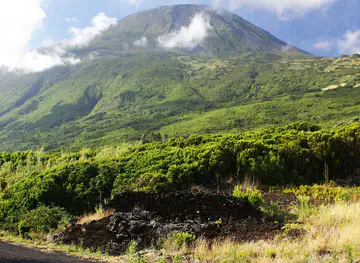
The principal attraction of the Saint Kitts Central Range is Mount Liamuiga, whose strenuous forest trail culminates at the rim of a volcanic crater. The ascent passes through changing vegetation zones, from cultivated lower slopes to humid rainforest and cloud-affected uplands, making it as much a study of island ecology as a summit walk. The Central Forest Reserve and surrounding mountain habitats offer opportunities for guided nature walks, birdwatching and photography, although trail access and conditions vary after rain. Around the lower slopes, plantation-country roads, old estate landscapes and small settlements provide a quieter understanding of the agricultural history that shaped Saint Kitts. Visitors interested in the island’s sugar era can combine a mountain outing with established heritage properties and estate remains on the approaches, while those seeking exercise may find options for shorter walks and scenic drives rather than only the full summit route. The region is not a dense attraction corridor: its appeal lies in forest, geology, rural history and the changing relationship between cultivated land and protected upland terrain.
-
Historical landmark
Fairview Great House & Botanical Gardens
Explore the enchanting Fairview Great House & Botanical Gardens, a historical gem in Basseterre, St. Kitts, blending rich culture and stunning nature.
-
Historical landmark
Fairview Great House and Botanical Gardens
Explore the enchanting Fairview Great House and Botanical Gardens, a historical landmark showcasing St. Kitts' rich heritage and stunning botanical beauty.
-
National park
Central Forest Reserve National Park
Explore the lush trails and breathtaking vistas of Central Forest Reserve National Park, a must-see destination in St. Kitts & Nevis.
-
Hiking area
Bat Cave Hike
Discover the rich biodiversity and stunning landscapes at Bat Cave Hike in St. Kitts & Nevis, an unforgettable adventure awaits in nature's paradise.



Best landmarks in Saint Kitts Central Range
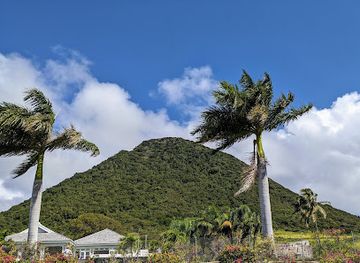
Mount Liamuiga is the defining natural landmark of the Central Range, rising above the island as a broad volcanic massif and marking the highest point in Saint Kitts. Its crater and forested upper slopes are geographically more significant than visually dramatic from every angle, since cloud frequently changes the mountain’s appearance. The ridges and ravines of the Central Forest Reserve form a second major landmark system, protecting the green interior and the watershed landscapes that contrast with the drier coastal fringe. On lower ground, plantation-era stonework, estate roads and surviving industrial features provide reminders of the sugar economy, although many are dispersed rather than arranged as a single monumental complex. The mountain approaches also reveal the strong visual contrast between former cane country, scattered villages and steep forest. These places matter because together they express Saint Kitts’s physical and historical structure: volcanic elevation at the core, cultivated slopes around it and coastal settlement beyond.
-
Grill
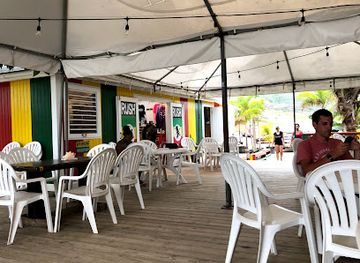
Reggae Beach Bar-Grill
Experience the vibrant flavors and Caribbean vibes at Reggae Beach Bar-Grill in St. Kitts & Nevis, where relaxation meets culinary delight.
-
Tourist attraction
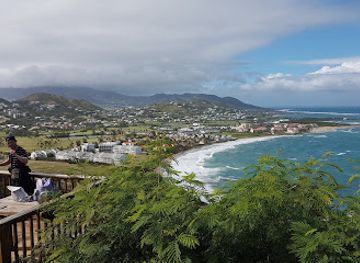
Timothy Hill Overlook
Explore Timothy Hill Overlook for breathtaking views of the Caribbean Sea and lush landscapes in St. Kitts, a must-visit destination for all travelers.
-
Fortress
Brimstone Hill Fortress National Park
Experience the rich history and breathtaking views at Brimstone Hill Fortress National Park, a UNESCO World Heritage site in St. Kitts & Nevis.
-
Cruise terminal
Port Zante
Discover the vibrant Port Zante in St. Kitts – a lively cruise terminal filled with shopping, dining, and a gateway to island adventures.


Explore Saint Kitts Central Range on the map
Plan your trip on one map. See where the top cities, national parks and sights are, and book hotels and experiences in a few clicks.
Best hotels in Saint Kitts Central Range
Best restaurants in Saint Kitts Central Range
Dining in the Central Range is generally connected to village communities, rural guesthouses, farm areas and arranged excursions rather than a concentrated restaurant district. Meals may feature the wider Saint Kitts and Nevis tradition of seasoned fish, chicken, goat water, rice and peas, ground provisions, plantain and fresh tropical fruit. Roadside or community-based cooking can provide a more direct sense of local food habits, but availability is limited and opening arrangements may be informal, so hikers should carry water and food unless refreshments have been confirmed. The agricultural foothills support small-scale production of fruit, vegetables and other provisions, while coastal restaurants elsewhere on Saint Kitts offer a broader choice of seafood and international cuisine. Basseterre, outside the Central Range, is the most practical nearby centre for cafés, supermarkets and a wide restaurant selection. Visitors should distinguish between genuinely local dishes and general Caribbean fare served across the country, and should not expect a high-density fine-dining scene in the mountain interior.
-
Restaurant
Carambola Beach Club
Experience Caribbean dining at its finest with breathtaking views at Carambola Beach Club in St. Kitts.
-
Grill
Reggae Beach Bar-Grill
Experience authentic Caribbean flavors at Reggae Beach Bar-Grill in St. Kitts & Nevis - where every meal feels like a vacation.
-
Restaurant
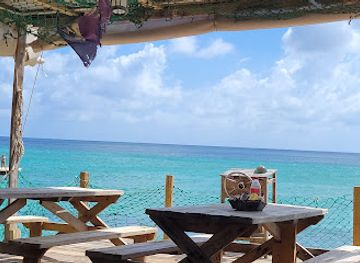
Shipwreck Beach Bar
Experience vibrant Caribbean dining at Shipwreck Beach Bar in St. Kitts - where delicious food meets stunning ocean views.
-
 Restaurant
Royal St. Kitts Hotel
Experience luxury and relaxation at Royal St. Kitts Hotel with exquisite dining and stunning Caribbean views.
Best bars in Saint Kitts Central Range
Evening life in the Central Range is quiet and community-based, with rural bars, small eateries and social gatherings providing more typical options than nightclubs. Visitors staying near the foothills may find informal places for a drink or conversation, but venues, hours and entertainment can change and should be checked locally. The principal concentration of organised nightlife is in Basseterre and resort areas outside the Central Range, where bars, restaurants, live music and occasional events serve residents and visitors. After a mountain walk, an early meal and a restful evening are often more practical than attempting a late return on narrow rural roads. Local rum drinks and Caribbean beers are widely available nationally, but alcohol should not be treated as central to experiencing the region. Arrange transport in advance if travelling after dark, particularly from isolated trail approaches or small settlements.
-
Restaurant
Carambola Beach Club
Experience the perfect blend of ocean views and culinary delights at Carambola Beach Club in St. Kitts & Nevis.
-
Grill
Reggae Beach Bar-Grill
Discover the vibrant flavors and laid-back atmosphere of Reggae Beach Bar-Grill in St. Kitts & Nevis, where every meal is a celebration of Caribbean culture.
-
Bar
Sunshines Restaurant
Experience the vibrant flavors and nightlife at Sunshines Restaurant in Vaughans, your gateway to Caribbean culinary delights.
-
Restaurant
Shipwreck Beach Bar
Experience the vibrant flavors and breathtaking views at Shipwreck Beach Bar, a tropical escape in St. Kitts.


Best nightclubs in Saint Kitts Central Range
Evening life in the Central Range is quiet and community-based, with rural bars, small eateries and social gatherings providing more typical options than nightclubs. Visitors staying near the foothills may find informal places for a drink or conversation, but venues, hours and entertainment can change and should be checked locally. The principal concentration of organised nightlife is in Basseterre and resort areas outside the Central Range, where bars, restaurants, live music and occasional events serve residents and visitors. After a mountain walk, an early meal and a restful evening are often more practical than attempting a late return on narrow rural roads. Local rum drinks and Caribbean beers are widely available nationally, but alcohol should not be treated as central to experiencing the region. Arrange transport in advance if travelling after dark, particularly from isolated trail approaches or small settlements.
-
Grill
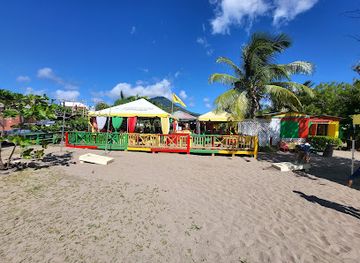
Reggae Beach Bar-Grill
Experience tropical flavors and laid-back vibes at Reggae Beach Bar-Grill in St. Kitts & Nevis, your ultimate Caribbean escape!
-
Night club
Sunshines Restaurant
Experience the vibrant nightlife at Sunshines Restaurant in St. Kitts & Nevis, where delicious drinks and lively music create unforgettable evenings.
-
Bar
Vibes Beach Bar
Experience the vibrant atmosphere and stunning ocean views at Vibes Beach Bar, the ultimate destination for relaxation and local flavor in St. Kitts.
-
Bar
Mr. X’s Shiggidy Shack
Discover the vibrant atmosphere and delicious flavors at Mr. X's Shiggidy Shack in St. Kitts & Nevis, a must-visit bar for an unforgettable experience.
Best shops in Saint Kitts Central Range
Shopping within the Central Range is limited and primarily local, with small village shops and occasional roadside sellers providing basic provisions rather than a substantial retail experience. Visitors may find locally grown fruit, vegetables, preserves, baked goods or handmade items when purchasing directly from producers, though supply and availability vary by season. The most useful purchases for a mountain excursion, including water, snacks and sun or rain protection, are usually made in Basseterre or larger settlements before heading inland. Craft products, spices, rum, locally themed souvenirs and artwork are more readily found in Basseterre, at visitor-oriented outlets and at selected markets elsewhere on Saint Kitts than in the uplands themselves. Buy responsibly from legitimate vendors and avoid products made from protected wildlife or plant material. The region’s strongest souvenir is often experiential: a guided understanding of Mount Liamuiga, rainforest ecology and the plantation landscapes that surround the island’s central volcanic spine.
-
Hotel
Royal St. Kitts Hotel
Discover luxury and relaxation at the Royal St. Kitts Hotel, your perfect Caribbean getaway with stunning views and exceptional amenities.
-
Historical landmark
Fairview Great House and Botanical Gardens
Discover the historical charm and botanical beauty of Fairview Great House, a must-visit attraction in St. Kitts.
-
Historical landmark
Romney Manor
Explore Romney Manor in St. Kitts, where history meets natural beauty, and discover the art of batik in a stunning tropical setting.
-
Tourist attraction
Frigate Bay
Discover the beauty of Frigate Bay in St. Kitts, where golden beaches meet vibrant nightlife and endless opportunities for adventure.


Get your free copy of our complete guide to Saint Kitts Central Range, delivered straight to you.
Everything on this page, from attractions and restaurants to essentials and local phrases, in one PDF you can read offline, print or share.
Already have an account? Sign in
Your Saint Kitts Central Range guide is ready.
We'll send it to · Not you? Sign out

Getting your guide ready…
We are putting together a fresh copy of the Saint Kitts Central Range guide. This can take up to a minute.
This can take a few moments. If your browser asks, choose Allow so the download can start. You'll find the guide in your Downloads folder.
Nothing happened? Download it again
Sorry, the guide is taking longer than usual. Please try again in a minute, or get it by email instead.
Saint Kitts Central Range essentials
Currency and Payment
Safety
Emergency Situations
Do's and Don'ts
Local Tips
From Eve
Local phrases worth knowing
You don't need to get them perfect. A few words go a long way, and locals appreciate the effort.
Basics
| English | Local | Say it |
|---|---|---|
| Hello | Hello | [Heh-lo] |
| Goodbye | Goodbye | [Good-bye] |
| Yes | Yes | [Yes] |
| No | No | [No] |
| Please/You're welcome | Please/You're welcome | [Pleez/You’re wel-kum] |
| Thank you | Thank you | [Thank yuh] |
| Excuse me/Sorry | Excuse me/Sorry | [Ex-cuse me/Soh-ree] |
| How are you? | How yuh doin'? | [How yuh do-in?] |
| Fine. And you? | Fine. An yuh? | [Fine. An yuh?] |
| Do you speak English? | Yuh speak English? | [Yuh speek In-glish?] |
| I don't understand | I nah understand | [I nah un-der-stand] |
Eating & Drinking
| English | Local | Say it |
|---|---|---|
| I'd like to see the menu, please | Mi wan see di menu, please | [Mi wan see di men-yu, pleez] |
| I don't eat meat | I nah eat meat | [I nah eet meet] |
| Cheers! | Cheers! | [Cheers] |
| I would like to pay, please | Mi wan pay, please | [Mi wan pay, pleez] |
Emergencies
| English | Local | Say it |
|---|---|---|
| Help! | Help! | [Help] |
| Go away! | Go way! | [Go way] |
| Call the Police! | Call di Police! | [Call di Po-lees] |
| Call a doctor! | Call a docta! | [Call a doc-ta] |
| I'm lost | Mi lost | [Mi lost] |
| I'm ill | Mi sick | [Mi sik] |
Shopping
| English | Local | Say it |
|---|---|---|
| I'd like to buy... | Mi wan buy... | [Mi wan buy...] |
| I'm just looking | Mi jus lookin' | [Mi jus look-in'] |
| How much is it? | How much dat cost? | [How much dat cost?] |
| That's too expensive | Dat too expensive | [Dat too ex-pen-sive] |
| Can you lower the price? | Yuh can lower di price? | [Yuh can low-er di price?] |
Time & Numbers
| English | Local | Say it |
|---|---|---|
| What time is it? | Wah time it? | [Wah time it?] |
| It's one o'clock | It one o'clock | [It one o'clock] |
| Half past (10) | Half past ten | [Half past ten] |
| Morning | Mornin' | [Morn-in'] |
| Afternoon | Afternoon | [Af-ter-noon] |
| Evening | Evenin' | [Eve-nin'] |
| Yesterday | Yestaday | [Yes-ta-day] |
| Today | Today | [To-day] |
| Tomorrow | Tomorra | [To-mor-ra] |
| 1 | One | [One] |
| 2 | Two | [Two] |
| 3 | Three | [Three] |
| 4 | Four | [Four] |
| 5 | Five | [Five] |
| 6 | Six | [Six] |
| 7 | Seven | [Seven] |
| 8 | Eight | [Eight] |
| 9 | Nine | [Nine] |
| 10 | Ten | [Ten] |
Transport & Directions
| English | Local | Say it |
|---|---|---|
| Where's a/the...? | Whey di...? | [Whey di...?] |
| What's the address? | Wah di address? | [Wah di ad-dress?] |
| Can you show me (on the map)? | Yuh can show mi (pon di map)? | [Yuh can show mi (pon di map)?] |
| When's the next (bus)? | When di next (bus)? | [When di next (bus)?] |
| A ticket (to ....) | A ticket (to ....) | [A tick-et (to ....)] |
History of Saint Kitts Central Range
Volcanic formation and early settlement
The Central Range is the surviving volcanic core of Saint Kitts, built through successive eruptions and erosion over a long geological period. Its fertile soils, dependable rainfall and varied elevations helped make the island suitable for human settlement. Before European colonisation, Indigenous peoples used the island’s forests and cultivated lower ground, while the steep interior remained more lightly transformed than the coast. Archaeological evidence across Saint Kitts reflects successive Indigenous cultures, although the central uplands are better understood as a resource landscape than as a densely settled urban area.
European colonisation in the seventeenth century
English settlement on Saint Kitts began in 1623, followed soon afterwards by French colonisation, making the island one of the earliest European footholds in the eastern Caribbean. Competition between European powers and conflict with Indigenous communities reshaped control of the island. The central mountains provided a difficult interior behind the coastal settlements and later plantations. Their ravines, forests and steep slopes also influenced the routes by which people, livestock and agricultural goods moved between estate districts and the coast.
The rise of the sugar plantation economy
From the seventeenth century, sugar became the dominant commercial crop on Saint Kitts. Plantations occupied the more accessible lower slopes around the Central Range, using cane fields, mills, estate houses, roads and water-management works. Enslaved Africans performed the overwhelming majority of the labour that sustained this economy, while European-owned estates controlled land and trade. The contrast between cultivated foothills and largely forested upper slopes remains visible in the island’s scenery, even though most estates no longer operate as sugar plantations.
Emancipation and post-slavery rural society
The abolition of slavery in the British Empire took effect in Saint Kitts in 1834, followed by a period of apprenticeship and then full freedom in 1838. Formerly enslaved communities developed new relationships with plantation land, wage labour and small-scale cultivation. Estate systems continued to shape settlement and access to resources, but the social geography of the mountain foothills gradually changed. The villages, roads and agricultural plots around the Central Range carry traces of this longer transition from plantation labour to rural communities.
The sugar railway and island transport
Sugar production encouraged the development of roads and rail infrastructure linking estates with coastal shipping points. The St Kitts sugar railway, created in stages during the nineteenth and early twentieth centuries, carried cane and supplies around much of the island. Although the present tourist railway follows coastal and plantation-country routes rather than crossing the highest central terrain, the wider transport network helped connect the foothills to the island’s ports. Its legacy is part of the industrial landscape through which the Central Range is approached.
The end of commercial sugar and conservation
Commercial sugar production ended in Saint Kitts in 2005 after decades in which the crop had dominated the island’s economy and landscape. Agricultural land has since been used in more varied ways, while upland forest has gained importance for biodiversity, water catchments, recreation and national identity. The Central Forest Reserve and associated mountain environments now represent a significant ecological counterweight to the developed coast. Modern visits to Mount Liamuiga therefore connect the island’s plantation history with its continuing effort to protect a fragile volcanic interior.
Saint Kitts Central Range in Photos
Browse through our photo collection highlighting the charm and character of the destination.
Neighbouring regions of Saint Kitts Central Range
The closest regions to Saint Kitts Central Range, if you have time for more than one.
-

-

-

-

-


Swipe for more regions
Explore more

Explore more of Saint Kitts and Nevis
Discover the pristine beaches, lush landscapes, and rich history of Saint Kitts and Nevis, a hidden gem in the Caribbean offering adventure and relaxation.
Explore Saint Kitts and Nevis