

Free Saint John Capisterre Parish Travel Guide & Mobile App
Explore Saint John Capisterre Parish with free travel guides. Discover regional history, expert tips, proposed trips, and audio guides on web or mobile app.


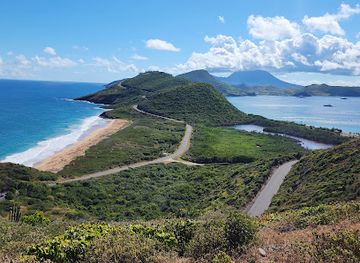
Explore Saint John Capisterre on Saint Kitts for dark-sand beaches, Dieppe Bay, sugar landscapes and access to volcanic mountain country.
Read more about Saint John Capisterre Parish
When is the best time to visit Saint John Capisterre Parish?
Best: January–March · 29°C| Month | High (°C) | Rainfall (mm) |
|---|---|---|
| January (best) | 29 | 70 |
| February (best) | 29 | 60 |
| March (best) | 29 | 50 |
| April | 30 | 60 |
| May | 31 | 80 |
| June | 31 | 90 |
| July | 31 | 100 |
| August | 32 | 110 |
| September | 31 | 120 |
| October | 31 | 110 |
| November | 30 | 100 |
| December | 29 | 90 |
Getting to and around Saint John Capisterre Parish
How to get there
Transportation
Top city travel guides in Saint John Capisterre Parish
The cities of Saint John Capisterre Parish, and the easiest places to base yourself.

Swipe for more cities
Destinations in Saint John Capisterre Parish
Resorts, valleys and scenic spots worth a trip of their own.
-
-


Swipe for more destinations
Best attractions in Saint John Capisterre Parish
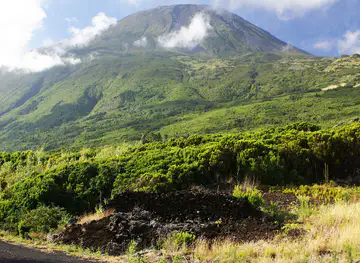
Saint John Capisterre’s attractions are primarily coastal, rural and geological rather than concentrated in large museums or purpose-built visitor complexes. Dieppe Bay Town provides the parish’s clearest base, with a broad dark-sand beach and views towards the volcanic mountains. Along the northern shore, rocky formations associated with the island’s volcanic origin create a different character from the pale sandy beaches of some Caribbean resorts. The surrounding countryside reveals former sugar lands, village roads, pasture and steep green slopes that lead towards Mount Liamuiga. Ambitious walkers can use locally arranged access and guidance for mountain excursions, while less strenuous visitors can enjoy scenic drives, birdwatching and quiet coastal stops. The parish is also useful for travellers interested in the transition between settled farmland and rainforest-covered uplands. Formal cultural attractions are fewer than in Basseterre, so experiences depend more on landscape, conversations, local food and observation of everyday life. Visitors should confirm access arrangements for private land, hiking routes and any small seasonal business rather than assuming that rural sites operate to fixed tourism hours.
-
Park
Black Rocks Memories
Explore Black Rocks Memories in Belle Vue, St. Kitts & Nevis - a tranquil park brimming with natural beauty, perfect for relaxation and adventure.
-
Hiking area
Mount Liamuiga Trailhead to True Summit
Explore the breathtaking Mount Liamuiga Trailhead, the ultimate hiking experience in St. Kitts, featuring stunning views and rich biodiversity.
Best landmarks in Saint John Capisterre Parish
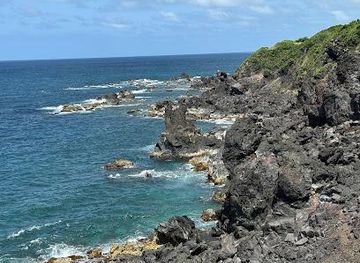
Dieppe Bay Town is Saint John Capisterre’s principal historical and geographical landmark, marking one of the island’s oldest northern settlement areas and retaining a direct relationship with the sea. Its dark-sand beach and coastal setting provide a clear visual expression of Saint Kitts’ volcanic geology. The rocky formations known as Black Rocks, on the northern coast near Dieppe Bay, are another notable natural feature, created by the meeting of volcanic terrain and the Atlantic-facing shoreline. Inland, the slopes leading towards Mount Liamuiga form the parish’s most imposing backdrop and connect Saint John Capisterre with the island’s central volcanic landscape. Former sugar fields and estate roads are less monumental but historically important landmarks in their own right, showing how plantation agriculture organised the countryside. The parish is not dominated by a single grand colonial building; its significance lies in the relationship between village, coast, agricultural land and mountain. Visitors should distinguish these local features from major fortifications and plantation attractions elsewhere on Saint Kitts, which lie outside Saint John Capisterre.
-
Tourist attraction
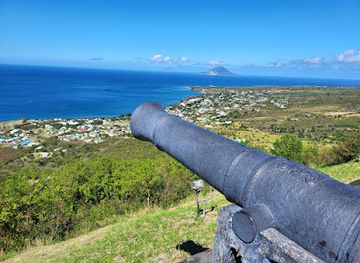
Timothy Hill Overlook
Discover the stunning beauty of Timothy Hill Overlook, where breathtaking views of St. Kitts and Nevis create unforgettable travel memories.
-
Fortress
Brimstone Hill Fortress National Park
Discover the rich history and breathtaking views at Brimstone Hill Fortress National Park, a UNESCO World Heritage site in St. Kitts & Nevis.
-
Cruise terminal
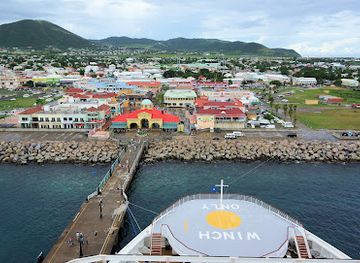
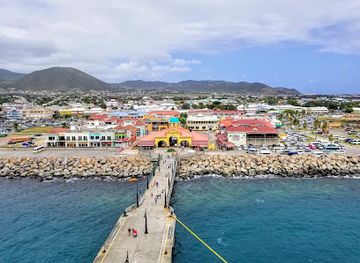
Port Zante
Discover the vibrant atmosphere of Port Zante, the premier cruise terminal in Basseterre, St. Kitts, where shopping, dining, and local culture await.
-
Island
Saint Kitts
Explore the stunning natural beauty and rich cultural heritage of Saint Kitts, a tropical island paradise perfect for every type of traveler.
Explore Saint John Capisterre Parish on the map
Plan your trip on one map. See where the top cities, national parks and sights are, and book hotels and experiences in a few clicks.
Best hotels in Saint John Capisterre Parish
Best restaurants in Saint John Capisterre Parish
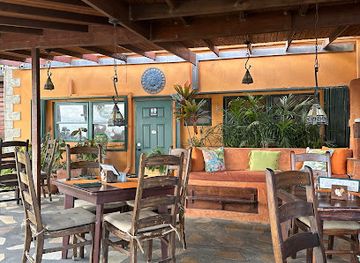
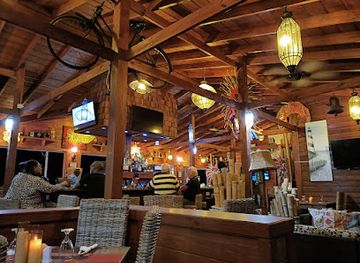
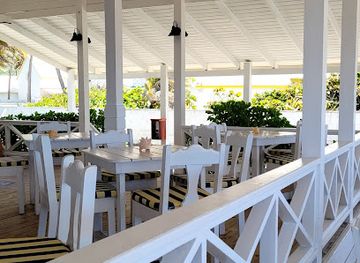
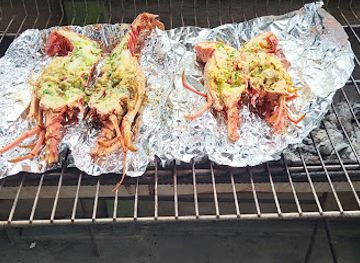
Dining in Saint John Capisterre is informal and closely connected with village life, home cooking and the wider culinary traditions of Saint Kitts and Nevis. Visitors are likely to encounter rice and peas, stewed or grilled meats, provisions such as sweet potato and plantain, fresh fish, and seafood prepared according to the day’s availability. Goat water, a hearty spiced stew associated with the national cuisine, may appear at local gatherings or traditional eateries, while Caribbean-style roti, patties and fried fish provide practical choices for a casual meal. Dieppe Bay and the surrounding villages are better suited to small restaurants, takeaways, roadside food and occasional community events than to a dense fine-dining scene. Larger hotels and resort restaurants are concentrated elsewhere on Saint Kitts, so travellers should plan meals when touring the parish and carry water and snacks for rural drives or hikes. Local drinks, fruit and rum-based preparations reflect the island’s broader food culture, but availability varies by establishment.
-
Restaurant
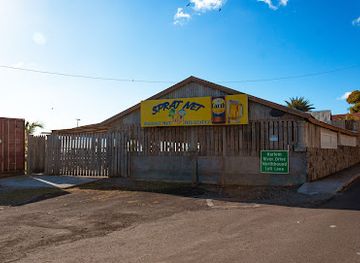
Sprat Net
Experience authentic Caribbean cuisine at Sprat Net in St. Kitts - where fresh seafood meets island charm for an unforgettable dining experience.
-
Restaurant
Palms Court Gardens
Experience authentic Caribbean flavors amidst stunning tropical gardens at Palms Court Gardens in St. Kitts & Nevis.
-
Restaurant
Boozies on The Beach
Discover Boozies on The Beach: where exquisite local cuisine meets stunning ocean views in St. Kitts.
-
Restaurant
Arthur's Restaurant & Bar
Discover exquisite Caribbean cuisine at Arthur's Restaurant & Bar on Dieppe Bay Beach - where every meal is a celebration of flavor and beauty.
Best bars in Saint John Capisterre Parish
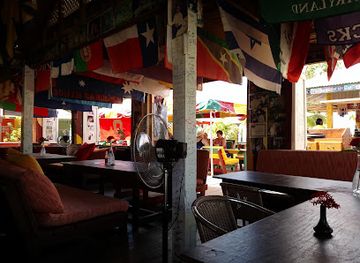
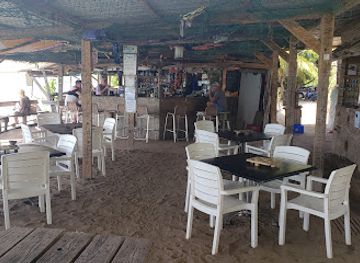
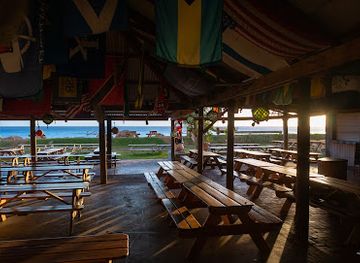
Evening life in Saint John Capisterre is generally quiet and local in character. Dieppe Bay Town and nearby villages may offer small bars, rum shops or casual eateries where residents meet, but the parish does not have the concentrated nightclub scene found in larger urban or resort areas elsewhere on Saint Kitts. Expect conversation, music and occasional community events rather than a fixed programme of late-night entertainment. Travellers seeking more extensive choices, including live music, organised events and later-opening venues, will usually need to travel towards Basseterre or the island’s principal resort districts outside the parish. Confirm transport in advance if planning to return after dark, as rural services are limited. Pace, atmosphere and opening arrangements can vary by day, season and public holiday, so local advice is more dependable than assuming regular nightlife hours.
-
Grill
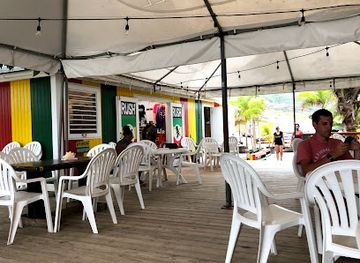
Reggae Beach Bar-Grill
Discover the vibrant Reggae Beach Bar-Grill in St. Kitts & Nevis, offering delicious Caribbean cuisine and stunning ocean views for an unforgettable experience.
-
Bar
Sunshines Restaurant
Discover the vibrant nightlife and delicious cuisine at Sunshines Restaurant, a top-rated bar and night club in St. Kitts & Nevis.
-
Restaurant
Shipwreck Beach Bar
Experience the vibrant flavors of St. Kitts at Shipwreck Beach Bar, a perfect blend of delicious cuisine and stunning beach views.
-
Restaurant
Sprat Net
Experience authentic Caribbean cuisine at Sprat Net, a charming restaurant in St. Kitts & Nevis, where fresh seafood and local hospitality await.
Best nightclubs in Saint John Capisterre Parish
Evening life in Saint John Capisterre is generally quiet and local in character. Dieppe Bay Town and nearby villages may offer small bars, rum shops or casual eateries where residents meet, but the parish does not have the concentrated nightclub scene found in larger urban or resort areas elsewhere on Saint Kitts. Expect conversation, music and occasional community events rather than a fixed programme of late-night entertainment. Travellers seeking more extensive choices, including live music, organised events and later-opening venues, will usually need to travel towards Basseterre or the island’s principal resort districts outside the parish. Confirm transport in advance if planning to return after dark, as rural services are limited. Pace, atmosphere and opening arrangements can vary by day, season and public holiday, so local advice is more dependable than assuming regular nightlife hours.
-
Bar
Inon's Beach Bar
Experience the vibrant atmosphere and stunning views at Inon's Beach Bar, a tropical gem in Frigate Bay, St. Kitts & Nevis.
-
Bar
Last Lap Bar and Lounge
Unwind at Last Lap Bar and Lounge, where the vibrant St. Kitts nightlife comes alive with refreshing drinks and a lively atmosphere.
-
Bar
Rum Dawg Beach Bar & Grill
Discover the vibrant flavors and island vibes at Rum Dawg Beach Bar & Grill in Sandy Point, St. Kitts & Nevis.
-
Lounge
KayanJet St. Kitts
Discover the tranquil oasis of KayanJet St. Kitts, where relaxation meets delightful Caribbean flavors in a warm, inviting atmosphere.


Best shops in Saint John Capisterre Parish
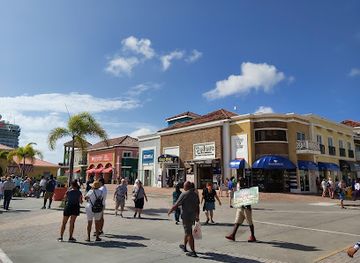
Shopping in Saint John Capisterre is modest and practical, centred on small village shops, roadside vendors and locally prepared food rather than large retail complexes. Dieppe Bay Town is the most useful place to look for everyday supplies and informal purchases, although opening arrangements can vary. Travellers may find seasonal fruit, vegetables, baked goods, preserves, spices or rum-based products, depending on the time of year and the individual seller. Locally made crafts, jewellery and artwork are more consistently available in Basseterre, cruise-port areas and established visitor centres elsewhere on Saint Kitts, so the parish is better approached as a place to buy produce or enjoy a locally prepared item than as a dedicated shopping destination. Carry cash in Eastern Caribbean dollars for small transactions, and ask before photographing market stalls or makers. The most meaningful souvenirs are often durable food products or handmade pieces sourced transparently from local producers rather than generic imported merchandise.
-
Jewelry store
Colors Duty Free Jewellers
Explore exquisite jewelry at Colors Duty Free Jewellers in St. Kitts, where luxury meets affordability in a stunning Caribbean setting.
-
Tourist attraction
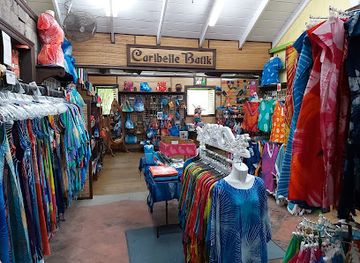
Caribelle Batik at Romney Manor
Discover the enchanting blend of art and nature at Caribelle Batik, where vibrant fabrics meet stunning botanical gardens in St. Kitts.
-
Bar
La Casa Del Habano
Discover luxury at La Casa Del Habano, a premier bar and cigar shop in Basseterre, St. Kitts & Nevis, where relaxation meets sophistication.
-
Shopping mall
The Pelican Shopping Mall
Explore the vibrant shopping scene at The Pelican Shopping Mall in Basseterre, St. Kitts, where local charm meets international brands.

Get your free copy of our complete guide to Saint John Capisterre Parish, delivered straight to you.
Everything on this page, from attractions and restaurants to essentials and local phrases, in one PDF you can read offline, print or share.
Already have an account? Sign in
Your Saint John Capisterre Parish guide is ready.
We'll send it to · Not you? Sign out

Getting your guide ready…
We are putting together a fresh copy of the Saint John Capisterre Parish guide. This can take up to a minute.
This can take a few moments. If your browser asks, choose Allow so the download can start. You'll find the guide in your Downloads folder.
Nothing happened? Download it again
Sorry, the guide is taking longer than usual. Please try again in a minute, or get it by email instead.
Saint John Capisterre Parish essentials
Currency and Payment
Safety
Emergency Situations
Do's and Don'ts
Local Tips
From Eve
Local phrases worth knowing
You don't need to get them perfect. A few words go a long way, and locals appreciate the effort.
Basics
| English | Local | Say it |
|---|---|---|
| Hello | Hello | [Hello] |
| Goodbye | Goodbye | [Goodbye] |
| Yes | Yes | [Yes] |
| No | No | [No] |
| Please/You're welcome | Please / You're welcome | [Please / You're welcome] |
| Thank you | Thank you | [Thank you] |
| Excuse me/Sorry | Excuse me / Sorry | [Excuse me / Sorry] |
| How are you? | How you doing? | [How you doing?] |
| Fine. And you? | I good. And you? | [I good. An yuh?] |
| Do you speak English? | Yuh speak English? | [Yuh speak English?] |
| I don't understand | I no understand | [I no understand] |
Eating & Drinking
| English | Local | Say it |
|---|---|---|
| I'd like to see the menu, please | I wan see di menu, please | [I wan see di menu, please] |
| I don't eat meat | I no eat meat | [I no eat meat] |
| Cheers! | Cheers! | [Cheers!] |
| I would like to pay, please | I would like to pay, please | [I would like to pay, please] |
Emergencies
| English | Local | Say it |
|---|---|---|
| Help! | Help! | [Help!] |
| Go away! | Go way! | [Go way!] |
| Call the Police! | Call di Police! | [Call di Police!] |
| Call a doctor! | Call a doctor! | [Call a doctor!] |
| I'm lost | I lost | [I lost] |
| I'm ill | I sick | [I sick] |
Shopping
| English | Local | Say it |
|---|---|---|
| I'd like to buy... | I wan buy... | [I wan buy...] |
| I'm just looking | I just looking | [I just looking] |
| How much is it? | How much dis cost? | [How much dis cost?] |
| That's too expensive | Dat too expensive | [Dat too expensive] |
| Can you lower the price? | Can yuh lower di price? | [Can yuh lower di price?] |
Time & Numbers
| English | Local | Say it |
|---|---|---|
| What time is it? | Wah time it? | [Wah time it?] |
| It's one o'clock | It one o'clock | [It one o'clock] |
| Half past (10) | Half past ten | [Half past ten] |
| Morning | Morning | [Morning] |
| Afternoon | Afternoon | [Afternoon] |
| Evening | Evening | [Evening] |
| Yesterday | Yesterday | [Yesterday] |
| Today | Today | [Today] |
| Tomorrow | Tomorrow | [Tomorrow] |
| 1 | 1 | [1] |
| 2 | 2 | [2] |
| 3 | 3 | [3] |
| 4 | 4 | [4] |
| 5 | 5 | [5] |
| 6 | 6 | [6] |
| 7 | 7 | [7] |
| 8 | 8 | [8] |
| 9 | 9 | [9] |
| 10 | 10 | [10] |
Transport & Directions
| English | Local | Say it |
|---|---|---|
| Where's a/the...? | Wah de...? | [Wah de...?] |
| What's the address? | Wah di address? | [Wah di address?] |
| Can you show me (on the map)? | Can yuh show me (pon di map)? | [Can yuh show me (pon di map)?] |
| When's the next (bus)? | When di next (bus)? | [When di next (bus)?] |
| A ticket (to ....) | A ticket (to ...) | [A ticket (to ...)] |
History of Saint John Capisterre Parish
Indigenous Settlement before European Colonisation
Before European colonisation, Saint Kitts was inhabited by Indigenous peoples whose activity formed part of the wider history of the Lesser Antilles. The island was known as Liamuiga, commonly translated as fertile land, a name that reflects the productivity of its volcanic soils. Coastal resources, woodland and freshwater shaped settlement and movement across the northern part of the island, including the area now called Saint John Capisterre. Much of this earlier landscape was later altered by plantation agriculture, and visible archaeological evidence is not as prominent here as the surviving colonial and agricultural traces.
French and English Colonisation in the Seventeenth Century
Saint Kitts became a centre of European colonisation during the seventeenth century, with French and English settlements established on the island. The northern coastal area associated with Dieppe Bay formed part of this contested colonial landscape. Rival claims, military conflict and changing political control affected landholding and settlement patterns, while Indigenous communities suffered displacement and severe population loss. The parish name preserves a Christian and colonial naming tradition, as do many other place names across Saint Kitts and Nevis.
The Sugar Plantation Economy
From the seventeenth century onwards, sugar transformed Saint Kitts. Plantations spread across fertile lower slopes, using enslaved African labour to cultivate cane and process sugar for export. Saint John Capisterre’s settlement pattern, roads and open agricultural spaces were shaped by this economy, even where plantation buildings have disappeared. Estate lands generally occupied the more productive lower country, while steeper volcanic terrain remained less intensively cultivated. The prosperity generated by sugar accrued to colonial owners and merchants, whereas enslaved people endured coercion, family disruption and harsh working conditions.
Emancipation and the Post-Slavery Countryside
Slavery was abolished in the British colonies during the 1830s, followed by a period of apprenticeship and then full emancipation. The end of slavery changed labour relations but did not remove the economic dominance of sugar, and many formerly enslaved families remained connected to estates through wage labour or small-scale cultivation. In Saint John Capisterre, villages and rural communities continued to develop within a landscape still organised around cane fields, estate roads and the coast. These changes form an important part of the social history behind the parish’s present-day communities.
Sugar Decline and Agricultural Change
Sugar remained central to Saint Kitts into the twentieth century, but declining profitability, changing markets and high production costs eventually brought the industry to an end in 2005. The closure of the national sugar industry transformed the island’s rural economy and left former cane land to be used for pasture, development, conservation or informal agriculture. Saint John Capisterre retains elements of this agricultural inheritance in its open slopes, old estate landscapes and village roads, although the parish is no longer defined by active sugar production.
Independent Saint Kitts and Nevis
Saint Kitts and Nevis became an independent state in 1983 after a period of British colonial administration and internal self-government. Saint John Capisterre is now one of Saint Kitts and Nevis’s parishes and participates in the national economy through tourism, services, agriculture and small businesses. Its contemporary identity combines historic village settlement with a relatively quiet northern coastline and access to the island’s volcanic interior. The parish’s development is therefore closely linked to national change while retaining a distinct rural and coastal character.
Saint John Capisterre Parish in Photos
Browse through our photo collection highlighting the charm and character of the destination.
Neighbouring regions of Saint John Capisterre Parish
The closest regions to Saint John Capisterre Parish, if you have time for more than one.
-

-

-

-

-


Swipe for more regions
Explore more

Explore more of Saint Kitts and Nevis
Discover the pristine beaches, lush landscapes, and rich history of Saint Kitts and Nevis, a hidden gem in the Caribbean offering adventure and relaxation.
Explore Saint Kitts and Nevis