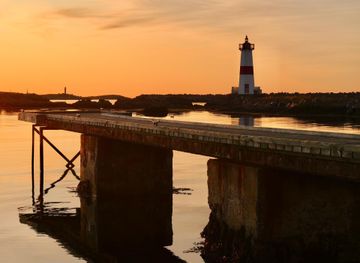
Free Saint-Pierre Airport Travel Guide & Mobile App
Plan your Saint-Pierre Airport trip with Evendo. Get free guides to top attractions, restaurants, hotels, and bars. Web access or download the mobile app.


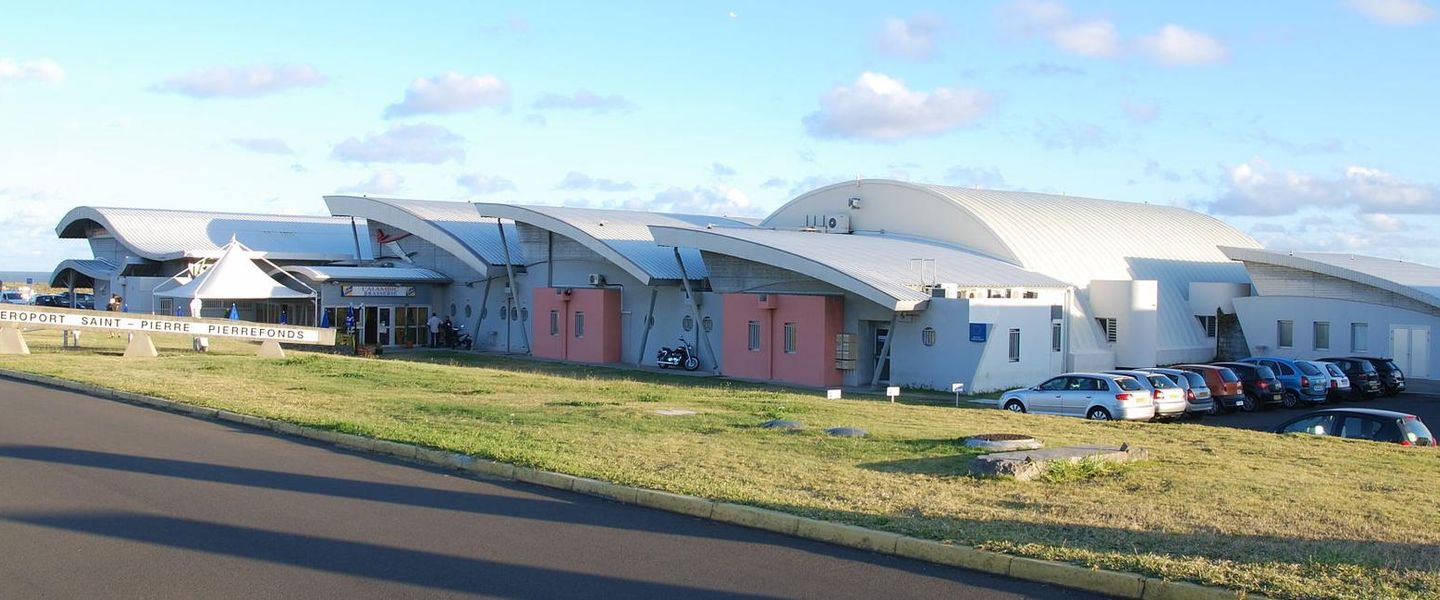


Saint-Pierre Airport opens onto Saint-Pierre and Miquelon, where French island culture, seafaring history, colourful streets and Atlantic landscapes meet.
An Island Arrival
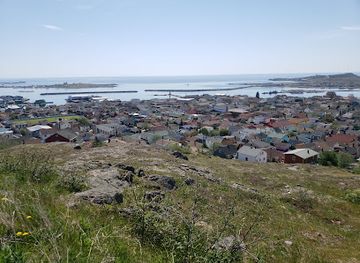
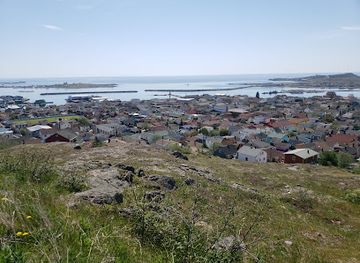
Saint-Pierre Airport is the air gateway to Saint-Pierre, the principal settlement of Saint-Pierre and Miquelon, a small French overseas collectivity in the North Atlantic, south of Newfoundland. The airport itself lies on Île Saint-Pierre, close to the town, whose compact streets, brightly painted houses and harbour create a distinctly French setting shaped by fishing, maritime trade and North American geography. Arrivals are often accompanied by broad views of rugged coastline, low hills and cool Atlantic waters rather than the dense urban landscape associated with most international airports.Read more about Saint-Pierre Airport
Saint-Pierre Beyond the Terminal
When is the best time to visit Saint-Pierre Airport?
Best: June–August · 15–19°C| Month | High (°C) | Rainfall (mm) |
|---|---|---|
| January | 1 | 60 |
| February | 1 | 50 |
| March | 2 | 40 |
| April | 5 | 30 |
| May | 11 | 20 |
| June (best) | 15 | 20 |
| July (best) | 19 | 30 |
| August (best) | 19 | 40 |
| September | 16 | 50 |
| October | 12 | 60 |
| November | 7 | 60 |
| December | 3 | 60 |
Getting to and around Saint-Pierre Airport
How to get there
Transportation
Best attractions in Saint-Pierre Airport
Saint-Pierre's attractions are concentrated within an easily explored town and its surrounding coastline. The Musée de l'Arche presents the political, maritime and social history of the archipelago, including its changing relationship with France, Britain and North America. Around the harbour, brightly painted buildings, fishing infrastructure and waterfront views convey the character of a working island settlement rather than a preserved museum quarter. The Cathédrale de Saint-Pierre is an important visual reference in the town, while the Île aux Marins, reached by boat from Saint-Pierre, offers a distinctive glimpse of a former fishing village whose buildings and shoreline evoke the islands' earlier maritime economy. Short drives or guided outings reveal coastal scenery and open viewpoints on Île Saint-Pierre. Excursions to Miquelon-Langlade belong to the wider archipelago rather than Saint-Pierre itself, but add access to dunes, lagoons, wetlands and a much less urban landscape.
-
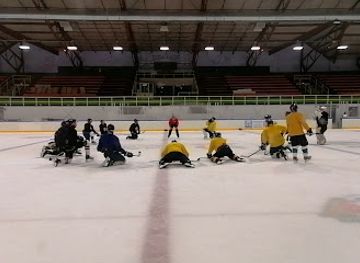
Ice skating rink
Ice Rink of Saint-Pierre
Experience the magic of winter at the Ice Rink of Saint-Pierre, a premier destination for ice skating enthusiasts and winter fun lovers.
5 min drive · 1.8 km from city centre
-
 Park
ParkPlace du Général de Gaulle
Discover the serene beauty of Place du Général de Gaulle, an enchanting park in the heart of Saint-Pierre, perfect for relaxation and local culture.
6 min drive · 2.1 km from city centre
Best landmarks in Saint-Pierre Airport
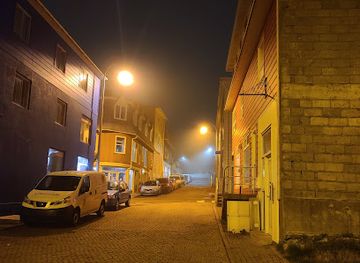
The principal landmarks of Saint-Pierre express its position as a French fishing settlement in the North Atlantic. The Cathédrale de Saint-Pierre anchors the town centre and reflects the importance of Catholic institutions in the community's historical development. The harbour is an equally significant landmark in practical terms: it remains the setting where fishing, passenger transport and the islands' relationship with the sea can be understood most clearly. The Musée de l'Arche occupies a central cultural role by interpreting the territory's contested sovereignty, maritime economy and modern political history. Offshore, the Île aux Marins preserves the physical memory of a former fishing community, with its houses, shoreline and working structures forming a heritage landscape rather than a single monument. Together these places connect religious, civic and maritime strands of Saint-Pierre's identity.
-
Restaurant
Le Feu de Braise
Discover the authentic taste of Italy at Le Feu de Braise, a beloved pizza restaurant in the heart of Saint-Pierre, where every bite is a slice of heaven.
6 min drive · 2.1 km from city centre
-
Restaurant
Les P'tits Graviers
Experience the authentic taste of St. Pierre at Les P'tits Graviers, where local ingredients meet culinary passion for an unforgettable dining experience.
6 min drive · 2.0 km from city centre
-
Hotel
Hotel Robert
Experience comfort and local charm at Hotel Robert, the perfect base for exploring the scenic beauty of Saint-Pierre in St. Pierre & Miquelon.
6 min drive · 2.0 km from city centre
-
Restaurant
Le Select
Discover the authentic flavors of Saint-Pierre at Le Select, where local cuisine meets warm hospitality in a charming setting.
6 min drive · 2.0 km from city centre
Explore Saint-Pierre Airport on the map
Plan your Saint-Pierre Airport trip on one map. See where the top attractions, landmarks, restaurants, bars and hotels are, find what's near where you're staying, and book hotels and experiences in a few clicks.
Best hotels in Saint-Pierre Airport
Best restaurants in Saint-Pierre Airport
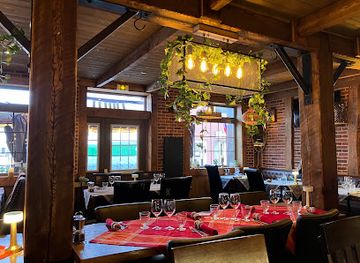
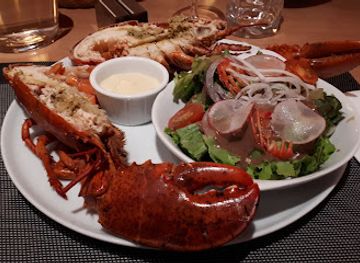
Dining in Saint-Pierre reflects its French administration, North Atlantic setting and long fishing tradition. Seafood is central, with cod and other locally relevant marine produce appearing alongside French techniques and familiar dishes such as fish soups, terrines and preparations built around seasonal catches. Restaurants and cafés in and around the town provide the main choice of meals, while bakeries and pâtisseries bring French breads, pastries and desserts to an island community whose supply lines are necessarily limited. The influence of nearby Newfoundland is also present in the wider food culture, although Saint-Pierre retains a clearly French culinary vocabulary. Menus and availability can change with weather, deliveries and the fishing calendar, making local seafood, simple café meals and regional products more representative than a large fine-dining scene.
-
Restaurant
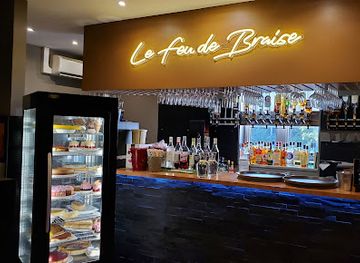
Le Feu de Braise
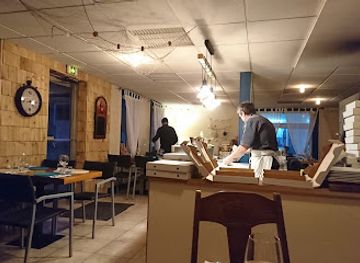
Experience authentic pizza and local cuisine at Le Feu de Braise in Saint-Pierre - A must-visit culinary destination for travelers.
6 min drive · 2.1 km from city centre
-
Restaurant
Les P'tits Graviers
Experience authentic St. Pierre cuisine at Les P'tits Graviers - where local flavors meet warm hospitality.
6 min drive · 2.0 km from city centre
-
Hotel
Hotel Robert
Experience unparalleled comfort at Hotel Robert in St. Pierre – your perfect retreat in this stunning archipelago.
6 min drive · 2.0 km from city centre
-
Bar
Bar Le Rustique
Experience the warmth and charm of Bar Le Rustique in Saint-Pierre – where delightful drinks meet local culture in an inviting atmosphere.
6 min drive · 2.1 km from city centre
Best bars in Saint-Pierre Airport
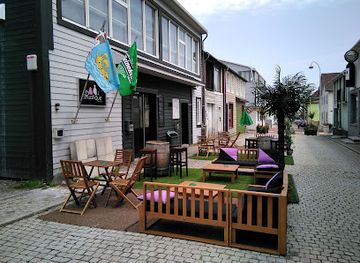
Saint-Pierre's evening life is modest and sociable rather than built around large nightclubs. The town's cafés, bars and restaurant-bars provide places to meet over drinks, conversation and food, with French wine, beer and spirits alongside products familiar in the North Atlantic. In summer, longer daylight and visiting boats can bring extra activity to the waterfront, while cultural programming and local events may offer alternatives to drinking-focused nightlife. The small scale of the settlement means that entertainment is concentrated near central streets and the harbour, and late-night options can be limited outside busier periods. Visitors should expect an island community atmosphere, where evening social life is shaped by weather, seasonal population and local events rather than a fixed club circuit.
-
Restaurant
Le Feu de Braise
Experience the best pizza in Saint-Pierre at Le Feu de Braise, where quality ingredients meet delicious flavors in a charming setting.
6 min drive · 2.1 km from city centre
-
Restaurant
Les P'tits Graviers
Discover the culinary treasures of Saint-Pierre at Les P'tits Graviers, where fresh seafood meets local charm in a delightful dining experience.
6 min drive · 2.0 km from city centre
-
Bar
Bar Le Rustique
Experience the charm of Bar Le Rustique in Saint-Pierre, where local flavors and a warm atmosphere await every visitor.
6 min drive · 2.1 km from city centre
-
Restaurant
Le Select
Discover the flavors of St. Pierre & Miquelon at Le Select, a charming restaurant offering local cuisine in a cozy atmosphere.
6 min drive · 2.0 km from city centre
Best nightclubs in Saint-Pierre Airport
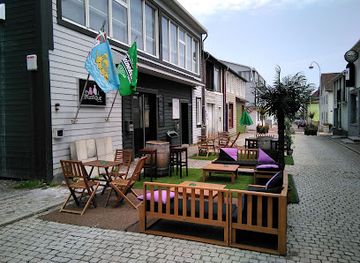
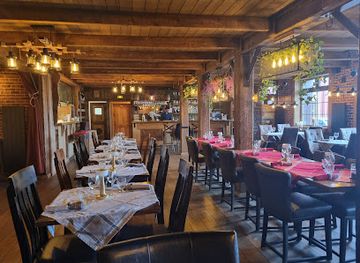
Saint-Pierre's evening life is modest and sociable rather than built around large nightclubs. The town's cafés, bars and restaurant-bars provide places to meet over drinks, conversation and food, with French wine, beer and spirits alongside products familiar in the North Atlantic. In summer, longer daylight and visiting boats can bring extra activity to the waterfront, while cultural programming and local events may offer alternatives to drinking-focused nightlife. The small scale of the settlement means that entertainment is concentrated near central streets and the harbour, and late-night options can be limited outside busier periods. Visitors should expect an island community atmosphere, where evening social life is shaped by weather, seasonal population and local events rather than a fixed club circuit.
-
Bar
Bar Le Rustique
Experience the warmth of Saint-Pierre at Bar Le Rustique, a delightful bar offering local drinks and a vibrant atmosphere for tourists.
6 min drive · 2.1 km from city centre
-
Bar
Complexe Hôtelier Les Terrasses du Port
Experience luxury and relaxation at Complexe Hôtelier Les Terrasses du Port, the ultimate destination for wellness in Saint-Pierre & Miquelon.
7 min drive · 2.4 km from city centre
-
International airport
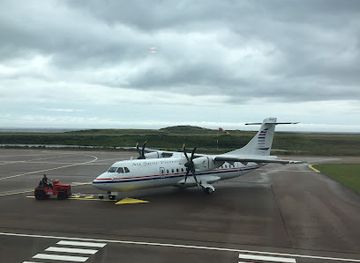
Saint Pierre-Pointe Blanche Airport
Discover the stunning beauty and unique culture of Saint Pierre and Miquelon at Saint Pierre-Pointe Blanche Airport, your gateway to the Atlantic's hidden treasure.
8 min drive · 2.6 km from city centre
-
Bar
Chez Txetxo
Discover the lively ambiance and local flavors at Chez Txetxo, a charming bar in Saint-Pierre perfect for socializing and relaxation.
7 min drive · 2.2 km from city centre


Best shops in Saint-Pierre Airport
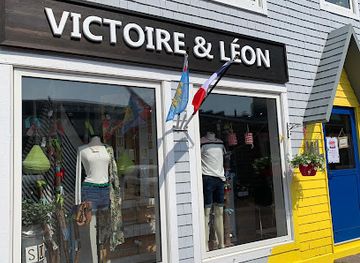
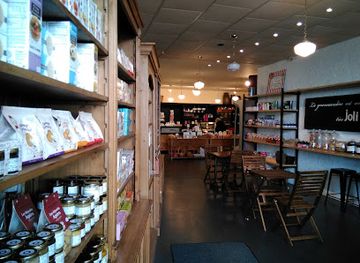
Shopping in Saint-Pierre is small-scale and practical, with central streets offering local shops, cafés, bakeries, specialist food retailers and souvenirs rather than extensive department-store retail. Visitors may find products associated with the archipelago's French identity, including regional foods, preserves, confectionery, wine and locally themed crafts, while maritime imagery and island souvenirs reflect the community's relationship with fishing and the sea. The town's shops also serve residents, so opening patterns and stock can be influenced by shipping, weather and seasonal demand. Miquelon-Langlade has a quieter retail environment, making Saint-Pierre the principal place for browsing and supplies. Purchases should be packed with transport conditions in mind, particularly when travelling onwards by small aircraft or boat.
-
Gift shop
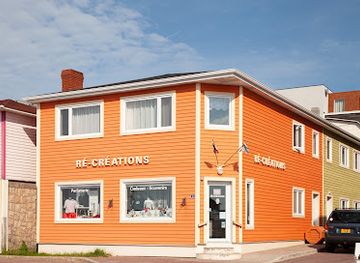
Ré-Créations - Parfumerie & Cadeaux
Discover unique perfumes and thoughtful gifts at Ré-Créations, a charming shop in Saint-Pierre, perfect for unforgettable souvenirs.
6 min drive · 2.1 km from city centre
-
Clothing store
Victoire&Léon
Discover unique fashion finds for the whole family at Victoire&Léon, a stylish clothing store in the heart of St. Pierre & Miquelon.
6 min drive · 2.1 km from city centre
-
Gift shop
Épicerie fine 4 épice
Explore Épicerie fine 4 épice, your gateway to gourmet delights and unique souvenirs in the heart of Saint-Pierre.
6 min drive · 2.1 km from city centre
-
Clothing store
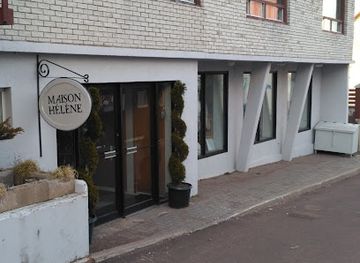
Maison Hélène
Discover unique fashion treasures at Maison Hélène, a charming clothing boutique in Saint-Pierre that reflects the island's vibrant culture.
5 min drive · 1.8 km from city centre
Get your free copy of our complete guide to Saint-Pierre Airport, delivered straight to you.
Everything on this page, from attractions and restaurants to essentials and local phrases, in one PDF you can read offline, print or share.
Already have an account? Sign in
Your Saint-Pierre Airport guide is ready.
We'll send it to · Not you? Sign out

Getting your guide ready…
We are putting together a fresh copy of the Saint-Pierre Airport guide. This can take up to a minute.
This can take a few moments. If your browser asks, choose Allow so the download can start. You'll find the guide in your Downloads folder.
Nothing happened? Download it again
Sorry, the guide is taking longer than usual. Please try again in a minute, or get it by email instead.
Saint-Pierre Airport essentials
Currency and Payment
Safety
Emergency Situations
Do's and Don'ts
Local Tips
From Eve
Local phrases worth knowing
You don't need to get them perfect. A few words go a long way, and locals appreciate the effort.
Basics
| English | Local | Say it |
|---|---|---|
| Hello | Bonjour | [bon-zhoor] |
| Goodbye | Au revoir | [oh ruh-vwahr] |
| Yes | Oui | [wee] |
| No | Non | [nohn] |
| Please/You're welcome | S'il vous plaît/De rien | [seel voo pleh/duh ryehn] |
| Thank you | Merci | [mehr-see] |
| Excuse me/Sorry | Excusez-moi/Désolé | [ehk-skyew-zay mwa/deh-zoh-lay] |
| How are you? | Comment ça va? | [koh-moh sah vah] |
| Fine. And you? | Bien. Et toi? | [byen. ay twah] |
| Do you speak English? | Parlez-vous anglais? | [pahr-lay voo ahn-glay] |
| I don't understand | Je ne comprends pas | [zhuh nuh kohm-prahnd pah] |
Eating & Drinking
| English | Local | Say it |
|---|---|---|
| I'd like to see the menu, please | Je voudrais voir le menu, s'il vous plaît | [zhuh voo-dray vwahr luh muh-noo, seel voo pleh] |
| I don't eat meat | Je ne mange pas de viande | [zhuh nuh mahnj pah duh vyand] |
| Cheers! | Santé! | [sahn-tay] |
| I would like to pay, please | Je voudrais payer, s'il vous plaît | [zhuh voo-dray pay-ay, seel voo pleh] |
Emergencies
| English | Local | Say it |
|---|---|---|
| Help! | Au secours! | [oh se-koo] |
| Go away! | Allez-vous en! | [ah-lay voo zahn] |
| Call the Police! | Appelez la police! | [ah-puh-lay lah poh-lees] |
| Call a doctor! | Appelez un médecin! | [ah-puh-lay uh may-deh-sahn] |
| I'm lost | Je suis perdu | [zhuh swee pair-doo] |
| I'm ill | Je suis malade | [zhuh swee mah-lahd] |
Shopping
| English | Local | Say it |
|---|---|---|
| I'd like to buy... | Je voudrais acheter... | [zhuh voo-dray zheh-tay...] |
| I'm just looking | Je regarde juste | [zhuh ruh-gahrd zhewst] |
| How much is it? | Combien cela coûte-t-il? | [kohm-byen suh-lah koot-eel] |
| That's too expensive | C'est trop cher | [say troh shehr] |
| Can you lower the price? | Pouvez-vous baisser le prix? | [poo-veh voo beh-say luh pree] |
Time & Numbers
| English | Local | Say it |
|---|---|---|
| What time is it? | Quelle heure est-il? | [kell uhr ay-tee] |
| It's one o'clock | Il est une heure | [eel ayz uhn uhr] |
| Half past (10) | Dix et demie | [dees ay duh-mee] |
| Morning | Matin | [mah-tahn] |
| Afternoon | Après-midi | [ah-pray mee-dee] |
| Evening | Soir | [swah] |
| Yesterday | Hier | [yehr] |
| Today | Aujourd'hui | [oh-zhoor-dwee] |
| Tomorrow | Demain | [duh-man] |
| 1 | Un | [uhn] |
| 2 | Deux | [duh] |
| 3 | Trois | [twah] |
| 4 | Quatre | [kah-truh] |
| 5 | Cinq | [sank] |
| 6 | Six | [sees] |
| 7 | Sept | [sept] |
| 8 | Huit | [weet] |
| 9 | Neuf | [nuhf] |
| 10 | Dix | [dees] |
Transport & Directions
| English | Local | Say it |
|---|---|---|
| Where's a/the...? | Où est un/le...? | [oo eh uh/luh] |
| What's the address? | Quelle est l'adresse? | [kell ay lah-dress] |
| Can you show me (on the map)? | Pouvez-vous me montrer (sur la carte)? | [poo-veh voo muh mohn-tray (soor lah kart)] |
| When's the next (bus)? | Quand est le prochain (bus)? | [kahn eh luh proh-shahn (boos)] |
| A ticket (to ....) | Un billet (pour ....) | [uhn bee-yay (poor)] |
History of Saint-Pierre Airport
Early Maritime Encounters
Saint-Pierre and Miquelon became known to European mariners during the era of North Atlantic exploration and the expansion of transatlantic fisheries. Basque, Breton and Norman fishermen were among those drawn to the rich cod grounds around Newfoundland, using the islands as seasonal bases for shelter, processing and trade. The English name Saint Peter's Island and the French name Saint-Pierre reflect the long period of competing European interest in the region. Indigenous peoples had inhabited and travelled through the wider Newfoundland and Gulf of St Lawrence region before European settlement, although the islands' later recorded history is dominated by fishing and imperial rivalry.
French and British Rivalry
Control of the archipelago shifted repeatedly as France and Britain contested the fisheries and strategic routes of the North Atlantic. The Treaty of Utrecht in 1713 transferred Saint-Pierre and Miquelon to Britain, but the islands returned to France after the Seven Years' War under the Treaty of Paris in 1763, within the wider settlement that reshaped French possessions in North America. British forces occupied the islands again during later conflicts, including the French Revolutionary and Napoleonic periods. Their small population and exposed position meant that fishing, evacuation and rebuilding were recurring features of local life.
A Fishing Economy Takes Shape
After the Napoleonic era, French possession was confirmed and Saint-Pierre developed as a permanent fishing and commercial settlement. Cod shaped nearly every aspect of society, from seasonal employment and boatbuilding to the drying and salting of fish for export. The harbour became the practical centre of the town, while churches, merchants' premises and houses reflected the growth of a community tied to the sea. Although changing fishing methods and international regulation later weakened the traditional industry, the maritime economy remains central to the islands' historical identity and to the museums, waterfront and cultural traditions visible in Saint-Pierre today.
Prohibition and the Smuggling Years
During Prohibition in the United States, from 1920 to 1933, Saint-Pierre acquired a new and lucrative role as a staging point for the transhipment of alcoholic drinks. Its French status and proximity to the North American mainland made the archipelago useful to traders moving liquor towards the United States, and the period brought considerable commercial activity to the harbour. The trade ended when Prohibition was repealed, leaving behind an important, sometimes romanticised chapter in local history. Saint-Pierre's museums and heritage interpretation place these events within the broader story of an island society repeatedly adapting to changing international circumstances.
The Free French Rally
On 24 December 1941, Free French forces landed in Saint-Pierre and Miquelon and took control of the islands from the Vichy-appointed administration. The operation, carried out during the Second World War, made the archipelago one of the first French territories in the Americas to rally to General de Gaulle's Free French movement. A subsequent plebiscite confirmed support for the change in authority. The episode gave the islands a significance beyond their size and remains part of the political and military history represented in Saint-Pierre's heritage institutions.
A Modern French Collectivity
Saint-Pierre and Miquelon gradually moved towards greater administrative autonomy within the French Republic. The territory became a department in 1976 and a territorial collectivity in 1985; since the constitutional reforms of 2003 it has been an overseas collectivity. Today, Saint-Pierre remains the administrative and commercial centre, while Miquelon-Langlade has a smaller population and a more open landscape. Modern life combines French public institutions, euro currency and European legal traditions with close geographical and economic links to Newfoundland and the wider North Atlantic.
Saint-Pierre Airport in Photos
Browse through our photo collection highlighting the charm and character of the destination.
Cities near Saint-Pierre Airport
The closest cities to Saint-Pierre Airport, if you have time for more than one stop.
-

-

-


Swipe for more cities