

Palm Island, Saint Vincent and the Grenadines Travel Guide
Discover the ultimate tropical escape on Palm Island in Saint Vincent and the Grenadines, where luxury meets nature in a serene, private paradise.
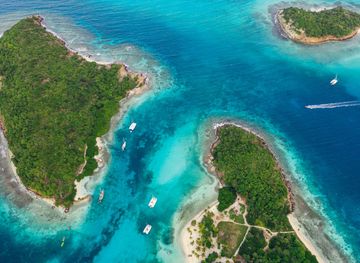
Palm Island is a pristine, private island located in the heart of the Grenadines. This idyllic destination offers a serene retreat, perfect for those looking to escape the hustle and bustle of daily life. Surrounded by crystal-clear turquoise waters and powdery white sand beaches, Palm Island provides an unparalleled sense of tranquility and natural beauty. The island's lush landscapes are dotted with swaying palm trees and vibrant tropical flora, creating a picture-perfect setting for relaxation and adventure alike. The island is home to a luxury resort that caters to guests' every need, ensuring a comfortable and memorable stay. Visitors can enjoy a range of activities, from snorkeling and diving in the vibrant coral reefs to exploring the island's scenic hiking trails. For those seeking a more laid-back experience, the resort offers spa services, beachside lounging, and gourmet dining experiences featuring local Caribbean flavors. Palm Island's commitment to sustainability and conservation adds to its charm, making it a destination where visitors can feel good about their environmental impact. The island's efforts to preserve its natural beauty ensure that future generations can also enjoy this slice of paradise. Whether you're seeking adventure or relaxation, Palm Island in Saint Vincent and the Grenadines promises an unforgettable getaway in a truly breathtaking setting.

Know before you go
Hi, I'm Eve. Here are a few practical things to know before exploring Palm Island.
- Book well in advance as the island's accommodations are limited and in high demand.
- Pack light, breathable clothing to stay comfortable in the warm, tropical climate.
- Bring reef-safe sunscreen to protect the coral reefs during snorkeling and diving activities.
- Take advantage of the complimentary bicycles available for exploring the island at your own pace.
- Don't miss the sunset views from Sunset Restaurant, offering panoramic vistas of the Caribbean Sea.
Explore Palm Island: Things to Do, Places to Eat, Hotels & More
Handpicked recommendations for top attractions, local dining, accommodations, and more

Best attractions in Palm Island
Top-rated picks
Best Attractions

Turtle Watching Reserve
Discover the serene beauty of the Turtle Watching Reserve, where you can witness sea turtles in their natural habitat within the stunning Tobago Cays Marine Park.

Bequia Heritage Museum
Explore Bequia's maritime legacy and cultural heritage at the Bequia Heritage Museum, a treasure trove of history on this stunning Caribbean island.

Point Cistern
Experience the breathtaking views and tranquility of Point Cistern, a hidden coastal gem in Argyle, Grenada.

Petit Bateau
Explore the tranquil beauty of Petit Bateau in Tobago Cays, a perfect blend of stunning scenery and delicious local cuisine.

Best landmarks in Palm Island
Top-rated picks
Best Landmarks

Wallilabou Anchorage
Experience the natural beauty and vibrant culture of Wallilabou Anchorage, a stunning Caribbean gem offering delightful cuisine and breathtaking views.

Fort Charlotte, Saint Vincent
Explore the historic Fort Charlotte in Saint Vincent, where stunning views and rich history converge for an unforgettable experience.

Princess Margaret Beach
Explore the tranquil beauty of Princess Margaret Beach, where soft sands meet azure waters in St. Vincent's tropical paradise.

Salt Whistle Bay
Experience the tranquility and beauty of Salt Whistle Bay, a paradise in the Grenadines that offers stunning beaches and vibrant marine life.

Best restaurants in Palm Island
Top-rated picks
Best Restaurants

Sparrow's Beach Club
Experience exceptional Caribbean cuisine at Sparrow's Beach Club in Clifton - where great food meets breathtaking ocean views.

Happy Island
Experience the captivating beauty and vibrant culture at Happy Island - your ultimate Caribbean getaway.

Barracuda Restaurant and Bar
Discover exquisite Italian dining at Barracuda Restaurant and Bar in Union Island – where every meal is paired with stunning harbor views.

Alphonso‘s Lobster BBQ Tobago cays
Experience authentic Caribbean flavors with fresh lobster BBQ at Alphonso's in Tobago Cays - a true culinary gem by the sea.

Best bars in Palm Island
Top-rated picks
Best Bars

Happy Island
Experience the flavors of the Caribbean at Happy Island, where fresh seafood and stunning views create an unforgettable dining adventure.

Last Bar Before the Jungle
Discover the charm of Last Bar Before the Jungle in Mayreau, where Caribbean flavors meet breathtaking views in a relaxed atmosphere.

Tipsy Turtle Bar and Restaurant
Discover the lively ambiance and delicious offerings at Tipsy Turtle Bar and Restaurant in Clifton, where every visit is a taste of the Caribbean.

Nadi's Bar & Restorante
Discover the vibrant flavors of the Caribbean at Nadi's Bar & Restorante, a must-visit dining spot in Mayreau, St. Vincent and the Grenadines.

Best nightclubs in Palm Island
Top-rated picks
Best Nightclubs
Palm Island Resort & Spa
Discover paradise at Palm Island Resort & Spa, where luxury meets nature in the breathtaking Grenadines.

Tipsy Turtle Bar and Restaurant
Experience vibrant nightlife and mouthwatering cuisine at Tipsy Turtle Bar and Restaurant in Clifton, the perfect spot for relaxation and fun.

Nadi's Bar & Restorante
Experience the flavors of the Caribbean at Nadi's Bar & Restorante in Mayreau, where culinary delights meet stunning waterfront views.

Drop Off Night Club
Dive into the electrifying nightlife at Drop Off Night Club in Friendly, where music and dance create unforgettable memories.

Best shops in Palm Island
Top-rated picks
Best Shops

Hutchinson's Variety Store
Discover local flavors and essentials at Hutchinson's Variety Store, an essential stop for tourists in Ashton, Central Union Island.

Adon's Syrian Store
Discover the heart of Syrian culture at Adon's Syrian Store, offering authentic flavors and unique culinary treasures in Clifton.

The Salty Girl Boutique
Discover unique island fashion and handmade treasures at The Salty Girl Boutique on Union Island, a true shopping gem for every traveler.

Grocery Bar Rebel say one love
Explore the vibrant flavors of Clifton at Grocery Bar Rebel, your go-to destination for local ingredients and culinary delights.

Explore Palm Island on the Map
A handpicked selection of must-see spots in Palm Island, mapped for you.
Palm Island Essentials
-
Palm Island can be accessed by flying into the Argyle International Airport (AIA) on the main island of Saint Vincent. From there, you can take a short inter-island flight to Union Island, or a ferry service, followed by a private boat transfer to Palm Island. The boat ride from Union Island to Palm Island typically takes about 10 minutes.
-
Palm Island is a small, private island, so internal transportation is limited and primarily consists of walking or using bicycles provided by the resort. There are no public transportation options on the island itself. For trips to nearby islands, you can arrange for boat transfers or charters through your resort.
-
The official currency is the Eastern Caribbean Dollar (XCD), but US dollars are widely accepted. Credit cards are accepted at the resort on Palm Island, but it is advisable to carry some cash for small purchases or tips. ATMs are available on Union Island, but not on Palm Island itself.
-
Palm Island is generally very safe for tourists. It is a private island with restricted access, ensuring a secure environment. However, it is always wise to exercise basic precautions, such as not leaving valuables unattended. There are no high-crime areas targeting tourists on Palm Island.
-
In case of emergency, contact the resort staff immediately. They are trained to handle various emergency situations and can coordinate with local authorities if needed. For medical emergencies, there is basic medical assistance available on the island, and the nearest hospital is on Union Island, reachable by a short boat ride.
-
Fashion: Do wear light, comfortable clothing suitable for a tropical climate. Don't wear overly revealing swimwear outside of the beach and pool areas. Religion: Do be respectful of local customs and any religious sites you may visit on nearby islands. Public Transport: Do understand that public transport is not available on Palm Island. Arrange for boat transfers if you wish to visit other islands. Greetings: Do greet locals and staff with a friendly 'hello' or 'good day.' Eating & Drinking: Do try the local cuisine offered at the resort. Don't waste food, as it is considered impolite.
-
To experience Palm Island like a local, take part in the various activities organized by the resort, such as snorkeling, diving, and guided nature walks. Engage with the staff and locals from nearby islands to learn more about the culture and history of the Grenadines. Don’t miss the opportunity to explore the pristine beaches and enjoy a private picnic arranged by the resort.
When is the best time to visit Palm Island?
Useful Local Phrases for Palm Island
You don't need to speak the language perfectly. Even learning a few simple words can make conversations warmer—and locals usually appreciate the effort.
— Eve

Here are the phrases I use most often in Palm Island. Try a few—you'll be surprised how far they go! 😊
❤️
-
- HelloWa gwan
[wah gwan] - GoodbyeLater
[lay-ter] - YesYeah man
[yeh man] - NoNah
[nah] - Please/You're welcomeParblish
[pah-blish] - Thank youTenk yuh
[tenk yuh] - Excuse me/SorrySarry
[sah-ree] - How are you?Wa goin on?
[wah go-in on] - Fine. And you?Irie. An yuh?
[eye-ree. an yuh] - Do you speak English?Yuh speak English?
[yuh speak English] - I don't understandMi nuh undastan
[mee no under-stan]
- HelloWa gwan
-
- I'd like to see the menu, pleaseMi wah see di menu, pliz
[mee wah see dee menu, pleez] - I don't eat meatMi nuh eat meat
[mee no eat meat] - Cheers!Cheers!
[cheers] - I would like to pay, pleaseMi wah pay, pliz
[mee wah pay, pleez]
- I'd like to see the menu, pleaseMi wah see di menu, pliz
-
- Help!Help!
[help] - Go away!Go wey!
[go way] - Call the Police!Ring de Police!
[ring dee police] - Call a doctor!Ring a doctor!
[ring a doctor] - I'm lostMi loss
[mee loss] - I'm illMi sick
[mee sick]
- Help!Help!
-
- I'd like to buy...Mi wah buy...
[mee wah buy] - I'm just lookingMi jus lookin
[mee jus lookin] - How much is it?How much dat deh?
[how much dat deh] - That's too expensiveDat too dear
[dat too dear] - Can you lower the price?Yuh cud drop di price?
[yuh could drop dee price]
- I'd like to buy...Mi wah buy...
-
- What time is it?Wah time it be?
[wah time it be] - It's one o'clockIt one o'clock
[it one o'clock] - Half past (10)Half ten
[half ten] - MorningMahnin
[mah-nin] - AfternoonAftanoon
[afta-noon] - EveningEevinin
[ee-vee-nin] - YesterdayYestadeh
[yes-ta-deh] - TodayToday
[to-day] - TomorrowTomorro
[to-mor-row] - 1One
[wun] - 2Two
[too] - 3Tree
[tree] - 4Fo'
[fo] - 5Fife
[fife] - 6Six
[siks] - 7Seven
[sev-en] - 8Eight
[ate] - 9Nine
[nine] - 10Ten
[ten]
- What time is it?Wah time it be?
-
- Where's a/the...?Where de...?
[where dee] - What's the address?Wat de address?
[what dee address] - Can you show me (on the map)?Yuh cud show me (pan di map)?
[yuh could show me (pan dee map)] - When's the next (bus)?When de nex (bus)?
[when dee nex (bus)] - A ticket (to ....)A ticket (to ....)
[a ticket (to)]
- Where's a/the...?Where de...?
History of Palm Island
-
Before European colonization, Palm Island, like many other islands in the Grenadines, was inhabited by the Arawak and later the Carib peoples. These indigenous groups relied on the sea and land for sustenance, fishing, farming, and crafting tools from the island's natural resources. Their influence remains a fundamental part of the island's early history.
-
Palm Island was first encountered by Europeans during the age of exploration in the 15th and 16th centuries. It was part of the larger region known as the Windward Islands. The island saw sporadic visits from Spanish, French, and British explorers. However, it remained largely untouched due to its small size and the lack of significant resources.
-
Throughout the 17th and 18th centuries, the Caribbean was a hotspot for colonial powers vying for control. Palm Island was no exception, changing hands several times between the British and French. It was during this period that the island began to appear on European maps, though it remained relatively undeveloped.
-
In the early 20th century, Palm Island was known as Prune Island due to the presence of wild prune trees. The island was leased to the United States as a part of the Lend-Lease Act during World War II, although it saw little development during this period.
-
The modern history of Palm Island began with John Caldwell, an American adventurer who leased the island from the government of Saint Vincent and the Grenadines in the late 1960s. Caldwell and his wife Mary transformed the island from a barren land into a tropical paradise by planting hundreds of coconut palms and constructing the first resort accommodations.
-
Under the Caldwell's stewardship, Prune Island was rebranded as Palm Island, reflecting the lush greenery they had cultivated. The transformation attracted tourists from around the world, eager to experience the island's pristine beaches and tropical beauty. By the 1980s, Palm Island had become a premier destination in the Grenadines.
-
Today, Palm Island is a private resort island known for its luxury accommodations and exclusive atmosphere. The island continues to attract visitors seeking tranquility and natural beauty. Despite modern developments, efforts have been made to preserve the island's natural habitats and honor its rich history.
Neighbouring destination travel guides
Browse our curated selection of top destinations, scenic points, and must-visit spots in the area.



Your all‑in‑one travel companion app
Explore expert travel guides, compare and book tours, experiences, hotels, and more—all from the palm of your hand. Download now for seamless trip planning wherever your wanderlust takes you.


Explore More of Saint Vincent and the Grenadines
Looking beyond Palm Island? Discover Saint Vincent and the Grenadines for broader travel guides, local hot-spots, and regional highlights.
Explore Saint Vincent and the GrenadinesPalm Island in Photos
Browse through our photo collection highlighting the charm and character of the destination.




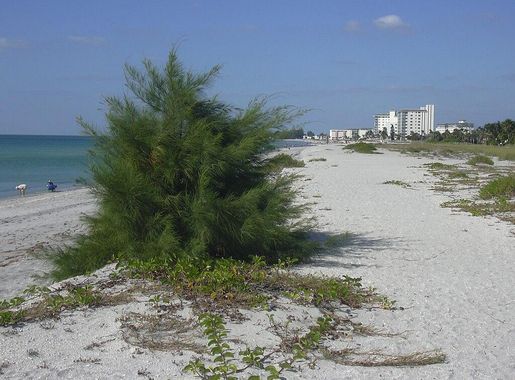
Tropical Paradise: Palm Island in Saint Vincent and the Grenadines
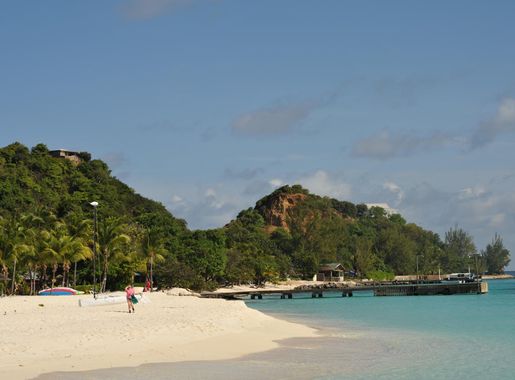
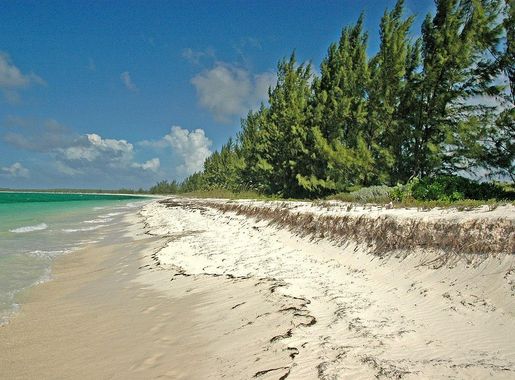
Palm Island is a pristine, private island located in the heart of the Grenadines. This idyllic destination offers a serene retreat, perfect for those looking to escape the hustle and bustle of daily life. Surrounded by crystal-clear turquoise waters and powdery white sand beaches, Palm Island provides an unparalleled sense of tranquility and natural beauty. The island's lush landscapes are dotted with swaying palm trees and vibrant tropical flora, creating a picture-perfect setting for relaxation and adventure alike. The island is home to a luxury resort that caters to guests' every need, ensuring a comfortable and memorable stay. Visitors can enjoy a range of activities, from snorkeling and diving in the vibrant coral reefs to exploring the island's scenic hiking trails. For those seeking a more laid-back experience, the resort offers spa services, beachside lounging, and gourmet dining experiences featuring local Caribbean flavors. Palm Island's commitment to sustainability and conservation adds to its charm, making it a destination where visitors can feel good about their environmental impact. The island's efforts to preserve its natural beauty ensure that future generations can also enjoy this slice of paradise. Whether you're seeking adventure or relaxation, Palm Island in Saint Vincent and the Grenadines promises an unforgettable getaway in a truly breathtaking setting.