

Free Guava Travel Guide & Mobile App
Plan your Guava trip with Evendo. Get free guides to top attractions, restaurants, hotels, and bars. Web access or download the mobile app.


Guava, Grenada offers a peaceful rural setting, tropical landscapes and an authentic glimpse of island life beyond the capital, resorts and cruise crowds.
A Small Grenadian Settlement
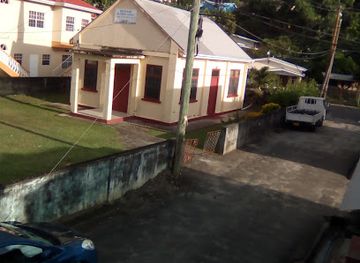
Guava is a small rural settlement in Grenada, far removed from the island’s best-known resort areas and cruise-ship waterfronts. Its appeal lies less in a concentration of monuments or visitor facilities than in the everyday landscape of inland Grenada: narrow roads, steep green slopes, tropical vegetation, scattered homes and views shaped by the island’s volcanic terrain. The locality offers a useful base for travellers interested in seeing a less commercial side of Grenadian life, although facilities are limited and plans normally depend on transport in neighbouring communities.Read more about Guava
Landscape and Island Character
When is the best time to visit Guava?
Best: June–August · 32°C| Month | High (°C) | Rainfall (mm) |
|---|---|---|
| January | 31 | 73 |
| February | 31 | 59 |
| March | 32 | 47 |
| April | 32 | 32 |
| May | 32 | 26 |
| June (best) | 32 | 20 |
| July (best) | 32 | 17 |
| August (best) | 32 | 21 |
| September | 32 | 28 |
| October | 32 | 45 |
| November | 32 | 64 |
| December | 32 | 77 |
Getting to and around Guava
How to get there
Transportation
Best attractions in Guava
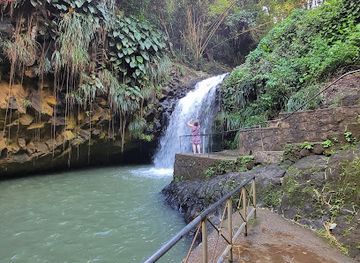
Guava itself is a small rural settlement rather than a sightseeing centre, so its attractions are primarily its surrounding landscape and the experience of seeing everyday Grenadian life away from the resort belt. Visitors can explore winding country roads, cultivated hillsides and tropical vegetation, while photographs and walks should be approached with respect for private land. The most substantial sightseeing opportunities require travel elsewhere on the island: Grand Etang National Park offers rainforest scenery and mountain trails, Annandale Falls provides a well-known waterfall setting, and the Grenada National Museum in St George’s introduces the island’s archaeology and colonial history. The Gouyave Nutmeg Processing Cooperative and the capital’s historic waterfront offer further insight into Grenada’s agricultural and maritime identity. These places are not within Guava, but they can be incorporated into a broader island itinerary using a hired car, taxi or organised excursion.
-
Tourist attraction
Annandale Waterfall & Forest Park
Discover Grenada's natural beauty at Annandale Waterfall: swim in refreshing pools, hike lush trails, and explore the island's rich biodiversity.
16 min drive · 5.3 km from city centre
-
Beach
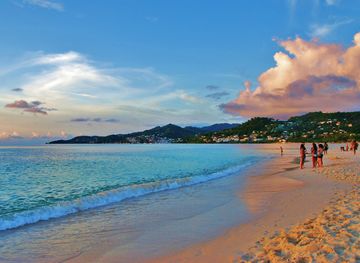
Grand Anse Beach
Experience paradise at Grand Anse Beach, Grenada: turquoise waters, soft white sand, and vibrant Caribbean culture await!
34 min drive · 14 km from city centre
-
Tourist attraction
Belmont Estate
Discover Grenada's rich history and indulge in organic chocolate at Belmont Estate, a 300-year-old working plantation in St. Patrick's.
26 min drive · 8.5 km from city centre
-
National reserve
Grand Étang National Park
Discover Grenada's natural beauty at Grand Étang National Park: rainforests, crater lake, hiking trails, and diverse wildlife await!
9 min drive · 3.1 km from city centre


Best landmarks in Guava
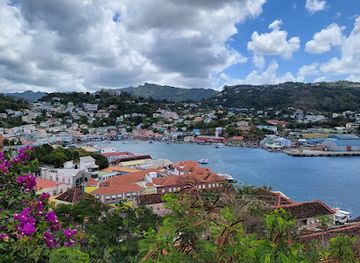
Guava has no widely documented monumental core, cathedral or civic landmark, and its identity is expressed more through rural settlement patterns than through major architecture. The most important landmarks associated with a wider Grenada visit include Fort George in St George’s, whose elevated position reflects the capital’s colonial defences; the Carenage, the horseshoe-shaped harbour lined with historic buildings and working waterfront activity; and the Grenada National Museum, housed in former French barracks and connected with the island’s political and cultural history. St George’s Anglican Church and the nearby Roman Catholic Cathedral of the Immaculate Conception also illustrate the capital’s layered religious and colonial heritage. These landmarks lie outside Guava and should be described as island excursions, while local churches, homes and agricultural landscapes should be treated as community places rather than formal monuments.
-
Tourist attraction
Annandale Waterfall & Forest Park
Discover Grenada's natural beauty at Annandale Waterfall: an easily accessible rainforest escape with a refreshing waterfall and pool.
16 min drive · 5.3 km from city centre
-
Island
Grenada
Discover Grenada, the Spice Isle: Pristine beaches, lush rainforests, historic sites, and vibrant culture await in this Caribbean paradise.
15 min walk · 1.2 km from city centre
-
Tourist attraction
Belmont Estate
Explore Grenada's Belmont Estate: A historic cocoa plantation offering tours, chocolate making, local cuisine, and cultural immersion.
26 min drive · 8.5 km from city centre
-
Fortress
Fort George
Explore Grenada's past at Fort George: panoramic views, colonial history, and a powerful symbol of the island's resilience.
31 min drive · 11 km from city centre


Explore Guava on the map
Plan your Guava trip on one map. See where the top attractions, landmarks, restaurants, bars and hotels are, find what's near where you're staying, and book hotels and experiences in a few clicks.
Best hotels in Guava
Best restaurants in Guava
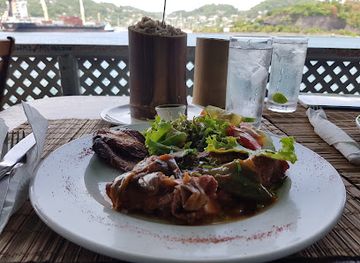
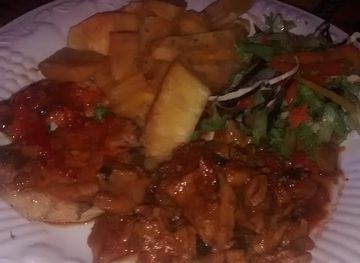
Guava has no established restaurant quarter and dining options are likely to be limited to small local businesses or food prepared by accommodation providers, so arrangements should be made before travelling into the countryside. Grenadian cooking commonly brings together rice and peas, provisions such as sweet potato and breadfruit, fresh fish, chicken, callaloo and warmly spiced sauces, with nutmeg and other island spices appearing in both savoury dishes and drinks. Oil down, Grenada’s celebrated one-pot dish of salted meat or fish, coconut milk, dumplings and vegetables, is more often encountered through local homes, community cooking or established eateries elsewhere on the island than as a guaranteed Guava speciality. For a wider choice, visitors can eat in larger villages, St George’s or coastal districts, where cafés, takeaway counters and hotel restaurants provide more dependable daytime and evening options.
-
Caribbean
Dodgy Dock Restaurant Grenada
Experience authentic Caribbean flavors at Dodgy Dock Restaurant in Grenada - a culinary delight by the sea blending local and Mexican cuisine.
36 min drive · 16 km from city centre
-
Seafood
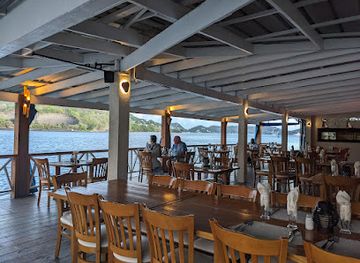
Sails Restaurant & Bar
Experience exquisite Caribbean seafood and cocktails at Sails Restaurant & Bar in St. George's, Grenada – where flavor meets breathtaking views.
31 min drive · 11 km from city centre
-
Restaurant
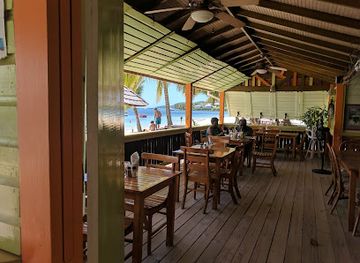
Coconut Beach Restaurant & Bar
Experience authentic Caribbean flavors at Coconut Beach Restaurant & Bar with stunning views of Grand Anse Beach in Grenada.
33 min drive · 13 km from city centre
-
Seafood
bbs crab back
Savor fresh seafood delights at BB's Crab Back in St. George's, Grenada—where every bite is a taste of paradise.
31 min drive · 11 km from city centre

Best bars in Guava
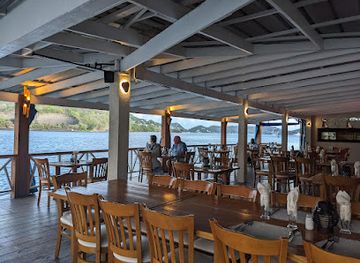
Guava is not known for a concentrated nightlife scene, and evenings are more likely to centre on private homes, small community gatherings or quiet accommodation than on clubs and late-opening bars. Visitors seeking a fuller social atmosphere generally travel to St George’s, Grand Anse or other established coastal areas, where hotel bars, rum-focused venues, restaurants with live music and occasional cultural performances provide Grenada’s principal evening entertainment. Local music may include soca, calypso and reggae, while community events can offer a more informal expression of island culture than commercial nightlife. Transport should be arranged before going out, as rural roads may be dark and public services limited later in the evening. Drinking should be moderate, and visitors should respect residential surroundings rather than expecting an urban after-dark scene.
-
Bar
Umbrella's Beach Bar
Umbrella's Beach Bar: A vibrant beachfront spot in Grenada offering delectable local cuisine, refreshing drinks, and live entertainment.
34 min drive · 14 km from city centre
-
Seafood
Sails Restaurant & Bar
Experience the best of Caribbean seafood dining at Sails Restaurant & Bar, featuring stunning harbor views and exquisite cocktails in St George's, Grenada.
31 min drive · 11 km from city centre
-
Bar
Lavo Lanes
Discover the ultimate entertainment spot in Grenada at Lavo Lanes, where bowling, dining, and nightlife come together for an unforgettable experience.
36 min drive · 16 km from city centre
-
Bar
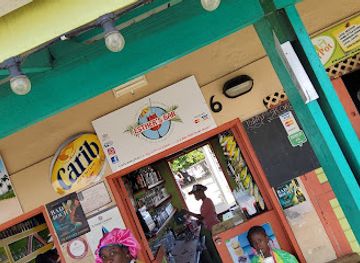
Esther's Bar
Discover the vibrant atmosphere of Esther's Bar on Grand Anse Beach, where tropical cocktails and stunning views create the perfect escape in Grenada.
33 min drive · 13 km from city centre


Best nightclubs in Guava
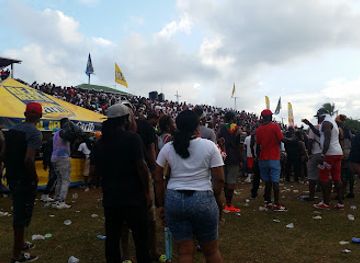
Guava is not known for a concentrated nightlife scene, and evenings are more likely to centre on private homes, small community gatherings or quiet accommodation than on clubs and late-opening bars. Visitors seeking a fuller social atmosphere generally travel to St George’s, Grand Anse or other established coastal areas, where hotel bars, rum-focused venues, restaurants with live music and occasional cultural performances provide Grenada’s principal evening entertainment. Local music may include soca, calypso and reggae, while community events can offer a more informal expression of island culture than commercial nightlife. Transport should be arranged before going out, as rural roads may be dark and public services limited later in the evening. Drinking should be moderate, and visitors should respect residential surroundings rather than expecting an urban after-dark scene.
-
Night club
Moonlight City
Discover the vibrant nightlife of Grenada at Moonlight City, La Poterie's premier night club, where music and excitement await every visitor.
28 min drive · 9.5 km from city centre
-
Bar
Freedom St. Night Club
Discover the energetic nightlife of Grenada at Freedom St. Night Club, where drinks flow and rhythms ignite the dance floor.
21 min drive · 6.9 km from city centre
-
Night club
DJ BAR & GRILL
Discover the vibrant nightlife at DJ Bar & Grill in Harvey Vale, Grenada - where music, dance, and delicious food unite for an unforgettable experience.
1 h 3 min drive · 43 km from city centre
-
Night club
Q West Night Club
Discover the lively nightlife of Gouyave at Q West Night Club, where music, dance, and local culture come together for an unforgettable experience.
24 min drive · 7.9 km from city centre
Best shops in Guava
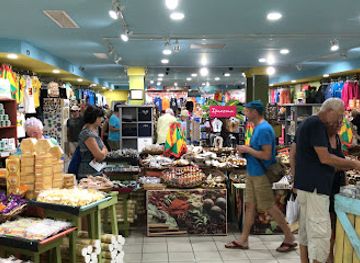
Shopping in Guava is likely to be limited to everyday provisions and small local purchases rather than dedicated visitor retail. Travellers looking for Grenadian produce and crafts will find a broader choice in larger towns and markets, where nutmeg, mace, cocoa, jams, hot sauces and other locally made foods are practical reminders of the island’s agricultural economy. St George’s Market Square is the principal urban market setting, while craft stalls and shops in tourist areas may offer woven work, wood carvings, paintings, clothing and spice-based gifts. Bargaining is not a defining feature of every Grenadian shop, so prices and payment methods should be checked politely. Rural roadside sellers can be worth exploring, but visitors should buy directly from vendors, ask about produce and avoid treating working farms as retail attractions.
-
Shopping mall
Spiceland Mall
Explore Spiceland Mall in Grenada - a vibrant shopping hub with local art, fashion, and delightful dining experiences.
34 min drive · 14 km from city centre
-
Shopping mall
Esplanade Shopping Complex
Explore the Esplanade Shopping Complex in St. George's, Grenada - a vibrant destination for shopping, dining, and cultural experiences.
31 min drive · 11 km from city centre
-
Market
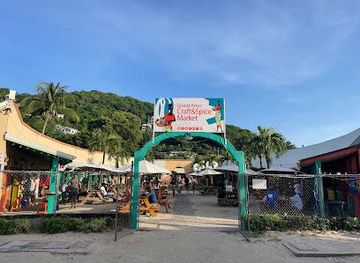
Grand Anse Craft and Spice Market
Discover the authentic flavors and crafts of Grenada at the Grand Anse Craft and Spice Market, a vibrant showcase of local culture.
33 min drive · 13 km from city centre
-
Cafe
House of Chocolate Grenada Museum
Experience the enchanting world of chocolate at the House of Chocolate Grenada Museum, where history meets indulgence in St. George's.
31 min drive · 11 km from city centre


Get your free copy of our complete guide to Guava, delivered straight to you.
Everything on this page, from attractions and restaurants to essentials and local phrases, in one PDF you can read offline, print or share.
Already have an account? Sign in
Your Guava guide is ready.
We'll send it to · Not you? Sign out

Getting your guide ready…
We are putting together a fresh copy of the Guava guide. This can take up to a minute.
This can take a few moments. If your browser asks, choose Allow so the download can start. You'll find the guide in your Downloads folder.
Nothing happened? Download it again
Sorry, the guide is taking longer than usual. Please try again in a minute, or get it by email instead.
Guava essentials
Currency and Payment
Safety
Emergency Situations
Do's and Don'ts
Local Tips
From Eve
Local phrases worth knowing
You don't need to get them perfect. A few words go a long way, and locals appreciate the effort.
Basics
| English | Local | Say it |
|---|---|---|
| Hello | Wah Gwaan | [wah gwaan] |
| Goodbye | Lata | [lay-ta] |
| Yes | Yeah man | [yeah man] |
| No | Nah man | [nah man] |
| Please/You're welcome | Pliz/No problem | [pleez/no problem] |
| Thank you | Tank yuh | [tank yuh] |
| Excuse me/Sorry | Sarry | [sarry] |
| How are you? | How yuh dey? | [how yuh dey] |
| Fine. And you? | Ahrite. An yuh? | [ah-rite. an yuh] |
| Do you speak English? | Yuh speak English? | [yuh speak english] |
| I don't understand | Mi nah undastan | [mi nah un-da-stan] |
Eating & Drinking
| English | Local | Say it |
|---|---|---|
| I'd like to see the menu, please | Lemme see de menu, pliz | [lem-me see de menu, pleez] |
| I don't eat meat | Mi nuh eat meat | [mi nuh eat meat] |
| Cheers! | Cheers! | [cheers] |
| I would like to pay, please | Mi wah pay, pliz | [mi wah pay, pleez] |
Emergencies
| English | Local | Say it |
|---|---|---|
| Help! | Help! | [help] |
| Go away! | Gwan weh! | [gwan way] |
| Call the Police! | Call de Police! | [call de police] |
| Call a doctor! | Call a doctor! | [call a doctor] |
| I'm lost | Mi lost | [mi lost] |
| I'm ill | Mi sick | [mi sick] |
Shopping
| English | Local | Say it |
|---|---|---|
| I'd like to buy... | Mi wah buy... | [mi wah buy] |
| I'm just looking | Mi just a look | [mi just a look] |
| How much is it? | How much dat? | [how much dat] |
| That's too expensive | Dat too dear | [dat too dear] |
| Can you lower the price? | Yuh can drop de price? | [yuh can drop de price] |
Time & Numbers
| English | Local | Say it |
|---|---|---|
| What time is it? | Wah time it is? | [wah time it is] |
| It's one o'clock | It one o'clock | [it one o'clock] |
| Half past (10) | Half ten | [half ten] |
| Morning | Mawnin | [mawnin] |
| Afternoon | Evenin | [evenin] |
| Evening | Evinin | [evi-nin] |
| Yesterday | Yestadeh | [yes-ta-deh] |
| Today | Today | [to-day] |
| Tomorrow | Tomorra | [to-mor-ra] |
| 1 | One | [one] |
| 2 | Two | [two] |
| 3 | Tree | [tree] |
| 4 | Fo' | [fo] |
| 5 | Fi' | [fi] |
| 6 | Six | [six] |
| 7 | Seven | [seven] |
| 8 | Ate | [ate] |
| 9 | Nine | [nine] |
| 10 | Ten | [ten] |
Transport & Directions
| English | Local | Say it |
|---|---|---|
| Where's a/the...? | Whe de... deh? | [whe de deh] |
| What's the address? | Wah de address deh? | [wah de address deh] |
| Can you show me (on the map)? | Yuh can show me (pan de map)? | [yuh can show me (pan de map)] |
| When's the next (bus)? | Wen de next (bus) deh? | [wen de next bus deh] |
| A ticket (to ....) | A ticket (to ....) | [a ticket (to ....)] |
History of Guava
Kalinago and Island Beginnings
Grenada’s earliest known inhabitants included Indigenous peoples associated with the Kalinago and earlier communities who used the island’s fertile valleys, forests and coastal waters. Small inland settlements were shaped by access to cultivable land and freshwater rather than by formal urban planning. The name Guava reflects a landscape in which tropical plants and food cultivation have long been important, although the precise history of the locality itself is not extensively documented. The wider island’s geography, with mountains rising quickly from the coast, encouraged dispersed communities and agricultural practices that remain visible in rural Grenada today.
French Settlement and Plantation Society
French colonisation began in the seventeenth century, bringing Catholic institutions, plantation agriculture and forced African labour to Grenada. Sugar became an important export, while Indigenous resistance and conflict accompanied the expansion of European control. Although Guava is not known for a major surviving colonial monument, rural settlements across the island developed within this plantation landscape, linked by paths and roads to estates, ports and parish communities. French influence can still be seen in some Grenadian place names, food traditions and Catholic heritage, even though later British rule shaped the island’s political and administrative development.
British Rule and Agricultural Change
Britain took control of Grenada in 1763, apart from a brief French restoration during the American Revolutionary period, and plantation production continued under a British colonial system. Enslaved Africans formed the majority of the population until emancipation in 1834, after which labour, landholding and rural society changed gradually. Sugar later declined in importance, while cocoa, bananas and spices became central to Grenada’s agricultural economy. The countryside around small settlements such as Guava was therefore connected to a wider history of estate production, freed communities and family farming rather than to the growth of a large industrial town.
Spice Island Economy
During the nineteenth and twentieth centuries, nutmeg and mace became especially important to Grenada’s economy, earning the island its enduring association with spices. Cocoa, bananas and other crops also supported rural households and export trade. Roads, schools, churches and local markets gradually strengthened connections between inland settlements and coastal centres, though many communities retained a dispersed character. Agricultural life remained vulnerable to hurricanes, fluctuating commodity prices and limited infrastructure. These forces helped shape the modest scale of places such as Guava, where the surrounding landscape remains more significant than a formal historic core.
Independence and Contemporary Grenada
Grenada became independent from Britain in 1974, beginning a new national period in which rural communities formed part of a developing island state balancing agriculture, tourism and public services. The revolution of 1979 and the United States-led intervention of 1983 remain important chapters in modern Grenadian history, particularly in relation to political change and national identity. Hurricane Ivan caused severe damage across Grenada in 2004, affecting homes, farms and infrastructure. Contemporary Guava belongs to this broader story of recovery and adaptation, with rural settlement patterns continuing alongside the island’s growth as a nature, heritage and beach destination.
Guava in Photos
Browse through our photo collection highlighting the charm and character of the destination.
Cities near Guava
The closest cities to Guava, if you have time for more than one stop.
-

-

-

-

-


Swipe for more cities
Explore more
Explore more of Grenada
Discover Grenada, the Spice Isle of the Caribbean, where lush landscapes, pristine beaches, and rich cultural heritage create a tropical paradise for all travelers.
Explore Grenada