

Free Westerhall Travel Guide & Mobile App
Plan your Westerhall trip with Evendo. Get free guides to top attractions, restaurants, hotels, and bars. Web access or download the mobile app.


Westerhall, Grenada, pairs a quiet east-coast setting with plantation history, rum heritage, bays and easy access to St David’s rural landscapes and coastal walks.
A Rural Coastal Setting
Westerhall is a small settlement on Grenada’s south-eastern coast, in the parish of Saint David, where low hills descend towards sheltered bays and the sea. It has a quieter, more residential character than St George’s, with scattered homes, tropical vegetation, working farms and winding roads rather than a concentrated town centre. The area suits travellers interested in Grenada’s rural landscapes, plantation history and less-developed coastline.Read more about Westerhall
Plantation and Rum Heritage
Bays, Villages and Nearby Landscapes
When is the best time to visit Westerhall?
Best: June–August · 31°C| Month | High (°C) | Rainfall (mm) |
|---|---|---|
| January | 31 | 132 |
| February | 31 | 107 |
| March | 31 | 83 |
| April | 31 | 55 |
| May | 31 | 38 |
| June (best) | 31 | 25 |
| July (best) | 31 | 20 |
| August (best) | 31 | 22 |
| September | 31 | 31 |
| October | 31 | 69 |
| November | 31 | 90 |
| December | 31 | 111 |
Getting to and around Westerhall
How to get there
Transportation
Best attractions in Westerhall
Westerhall’s main point of interest is Westerhall Estate, a historic sugar property associated with Grenada’s rum-making tradition and the agricultural history of Saint David’s parish; visiting arrangements should be checked in advance. Westerhall Bay adds a coastal dimension, with a quiet shoreline setting rather than a formal resort promenade. The surrounding roads lead through small farms, tropical vegetation and scattered villages where everyday Grenadian life is more apparent than in the island’s principal tourist centres. Nearby La Sagesse, in the wider Saint David’s area, is known for its coastal landscape and nature-focused setting, while the parish’s smaller bays provide opportunities for scenery and gentle exploration. These attractions are best understood as a rural cluster rather than a concentrated sightseeing circuit: distances are modest on a map but roads are winding, and a taxi or car makes it easier to combine the estate, coast and countryside.
-
Beach
Grand Anse Beach
Experience the beauty of Grand Anse Beach: Grenada's iconic shoreline offering pristine sands, turquoise waters, and unforgettable Caribbean charm.
22 min drive · 7.2 km from city centre
-
Bar
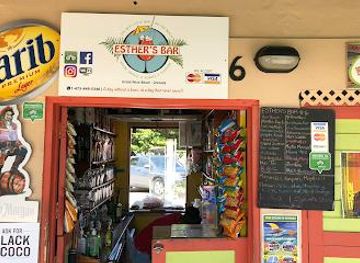
Esther's Bar
Experience Grenada's best beach with a local beer and stunning views at this laid-back, budget-friendly bar right on Grand Anse Beach.
20 min drive · 6.6 km from city centre
-
Stadium
Grenada National Cricket Stadium
Experience the thrill of cricket at Grenada's premier sporting venue, a hub of culture and passion in the heart of St. George's.
23 min drive · 7.5 km from city centre
-
 Cafe
CafeHouse of Chocolate Grenada Museum
Discover Grenada's sweet side at the House of Chocolate: museum, café, and boutique celebrating the island's cocoa heritage.
21 min drive · 7.1 km from city centre


Best landmarks in Westerhall
Westerhall Estate is the settlement’s principal historic landmark, representing the plantation landscape that shaped Grenada’s economy and the later survival of sugar-cane distilling as a rum tradition. Its significance lies not only in the surviving estate setting but also in the difficult history of enslaved labour and emancipation embedded in such properties. Westerhall Bay is a natural landmark whose sheltered coastal setting helps define the settlement’s geography, while the parish’s churches and village buildings reflect the continuing social structure of rural Saint David. The wider landscape of hills, cultivated plots and coastal roads is itself historically meaningful: it shows how Grenada’s plantation economy gave way to smaller-scale agriculture and mixed rural settlement. These landmarks are modest in scale and dispersed, so their character is best appreciated through the relationship between estate, village and coast rather than through monumental architecture.
-
Fortress
Fort George
Explore Fort George in Grenada: a historic fortress with panoramic views, offering a glimpse into the island's colonial past and strategic importance.
21 min drive · 7.1 km from city centre
-
Historical landmark
Fort Frederick
Explore Grenada's history at Fort Frederick: panoramic views, unique architecture, and a bastion that never fired a shot in anger.
17 min drive · 5.5 km from city centre
-
Cafe
House of Chocolate Grenada Museum
Discover Grenada's cocoa heritage at this charming museum, café, and boutique in St. George's. A sweet treat for all!
21 min drive · 7.1 km from city centre
-
Historical landmark
Christ of the Deep
Discover Grenada's Christ of the Deep: An underwater sculpture park blending art, history, and vibrant marine life in the Caribbean Sea.
21 min drive · 6.9 km from city centre
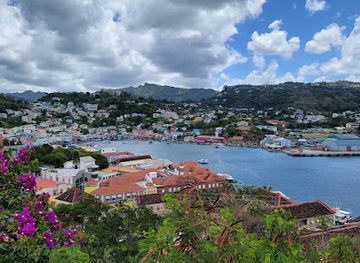


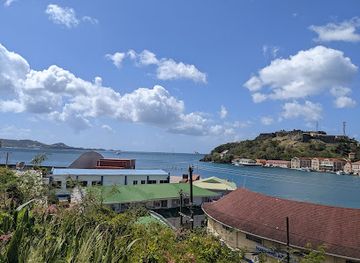
Explore Westerhall on the map
Plan your Westerhall trip on one map. See where the top attractions, landmarks, restaurants, bars and hotels are, find what's near where you're staying, and book hotels and experiences in a few clicks.
Best hotels in Westerhall
Best restaurants in Westerhall
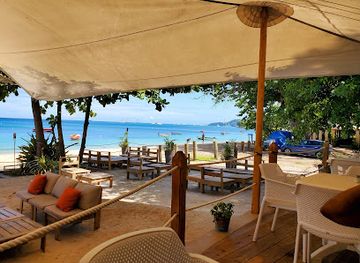
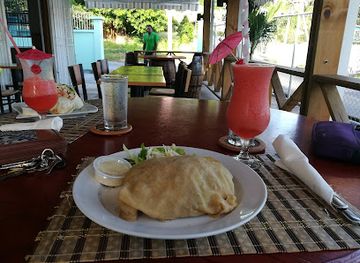
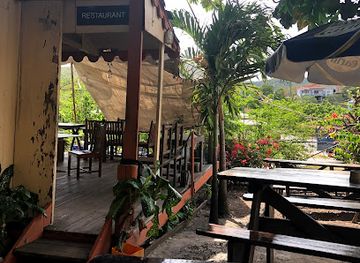
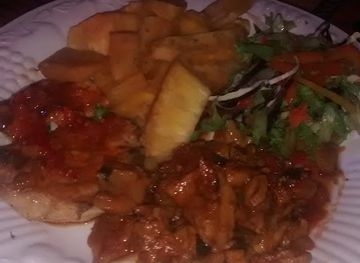
Westerhall itself has a limited dining scene, so meals are more likely to come from small local eateries, takeaways, guesthouses or nearby coastal establishments than from a dense restaurant quarter. Grenadian cooking draws on Caribbean, West African, European and South Asian influences, with staples such as oil down, the island’s one-pot national dish, alongside seafood, chicken, root vegetables, plantain and dishes flavoured with nutmeg and other spices. Fresh fish and locally grown produce are important around the coast, while roadside vendors and village shops may offer simple snacks and drinks rather than extensive menus. The wider Saint David’s parish is a useful place to seek home-style cooking and seasonal ingredients, but opening patterns can be informal. Travellers staying in Westerhall should plan evening meals ahead, particularly when relying on taxis or accommodation outside the main south-coast tourism zone.
-
Restaurant
Coconut Beach Restaurant & Bar
Experience vibrant Caribbean flavors at Coconut Beach Restaurant & Bar on Grand Anse Beach, where culinary delights meet stunning ocean views.
19 min drive · 6.5 km from city centre
-
Restaurant
61° West Restaurant + Beach bar
Experience exquisite dining at 61° West Restaurant + Beach Bar on Grand Anse Beach, where local flavors meet breathtaking ocean views.
19 min drive · 6.5 km from city centre
-
Seafood
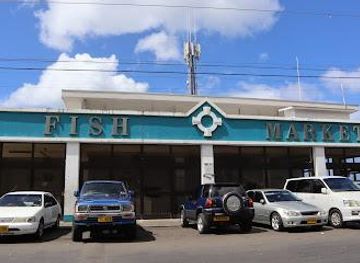
Grenada Fish Market
Authentic seafood market where daily catches meet affordable Caribbean cuisine in downtown St George's.
23 min drive · 7.5 km from city centre
-
Caribbean
Patrick's Local Homestyle Restaurant
Experience authentic Caribbean cuisine at Patrick's Local Homestyle Restaurant in St. George's - a must-visit for food lovers.
19 min drive · 6.4 km from city centre


Best bars in Westerhall
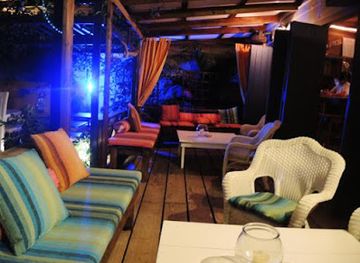
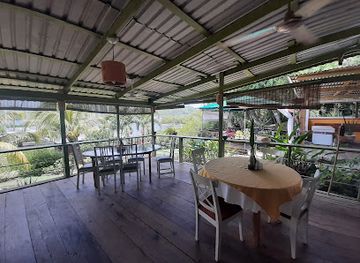
Westerhall has a quiet evening atmosphere rather than a concentrated nightlife district, and entertainment generally centres on small rum shops, informal village bars, community gatherings and occasional music events. These local spaces are social rather than heavily geared towards visitors, so a courteous greeting and relaxed approach are appropriate. More established bars, live music and late-night venues are concentrated in St George’s, Grand Anse and other south-western tourist areas, which require organised transport from Saint David’s. Grenada’s musical life includes calypso, soca and steelpan, while community fêtes and seasonal celebrations can bring livelier evenings to rural districts. Visitors should not assume that venues operate to fixed tourist schedules, and returning to Westerhall after dark is easiest by arranging a taxi in advance rather than relying on infrequent public transport.
-
Bar
Esther's Bar
Esther's Bar at Grand Anse Beach offers a tropical escape with unique cocktails and stunning views of Grenada's pristine shoreline.
20 min drive · 6.6 km from city centre
-
Bar
The Junction Bar And Grill
Experience the vibrant flavors and stunning views at The Junction Bar and Grill in L'anse Aux Epines, Grenada's culinary gem.
21 min drive · 6.9 km from city centre
-
Bar
The Cove Marina, Restaurant & Bar (fomerly Whisper Cove)
Experience the essence of Caribbean dining at The Cove Marina, Restaurant & Bar in St. George's, Grenada, where flavors meet breathtaking views.
12 min drive · 4.1 km from city centre
-
Restaurant
Spice Isle Restaurant And Bar
Experience the rich flavors of Grenadian cuisine at Spice Isle Restaurant And Bar, a culinary gem in the heart of Grenada.
4 min walk · 0.4 km from city centre

Best nightclubs in Westerhall
Westerhall has a quiet evening atmosphere rather than a concentrated nightlife district, and entertainment generally centres on small rum shops, informal village bars, community gatherings and occasional music events. These local spaces are social rather than heavily geared towards visitors, so a courteous greeting and relaxed approach are appropriate. More established bars, live music and late-night venues are concentrated in St George’s, Grand Anse and other south-western tourist areas, which require organised transport from Saint David’s. Grenada’s musical life includes calypso, soca and steelpan, while community fêtes and seasonal celebrations can bring livelier evenings to rural districts. Visitors should not assume that venues operate to fixed tourist schedules, and returning to Westerhall after dark is easiest by arranging a taxi in advance rather than relying on infrequent public transport.
-
Night club
Nimrod's Rum Shack
Experience the vibrant nightlife of Grenada at Nimrod's Rum Shack, where local flavors and lively music create unforgettable memories.
14 min drive · 4.5 km from city centre
-
Bar
Freedom St. Night Club
Dive into Grenada's vibrant nightlife at Freedom St. Night Club, where lively music and refreshing cocktails create unforgettable memories.
23 min drive · 7.6 km from city centre
-
Bar
Evening Time Bar
Experience the vibrant nightlife of Grenada at Evening Time Bar, where friendly service meets a lively atmosphere and refreshing drinks.
15 min drive · 5.0 km from city centre
-
Bar
Rav's Bar
Discover the lively atmosphere of Rav's Bar in Grenada, where refreshing drinks, great music, and friendly vibes await you.
6 min drive · 2.1 km from city centre


Best shops in Westerhall
Shopping in Westerhall is local and practical, with small shops and roadside vendors serving daily needs rather than a dedicated retail district. The area’s most distinctive purchases are connected with Grenadian agriculture and food culture: rum, nutmeg, cocoa, spices, preserves and seasonal produce may be found through estate outlets, markets or retailers elsewhere on the island, depending on current availability. For a wider selection of souvenirs, crafts, clothing and packaged products, visitors generally travel towards St George’s, Grand Anse or larger commercial areas. Grenada’s artisanal traditions include woven goods, woodwork, jewellery and spice-based products, although individual stock varies. Ask about provenance when buying agricultural or handmade goods, and remember that small vendors may accept only cash in Eastern Caribbean dollars. Westerhall is better suited to discovering locally produced goods than to conventional shopping.
-
Market
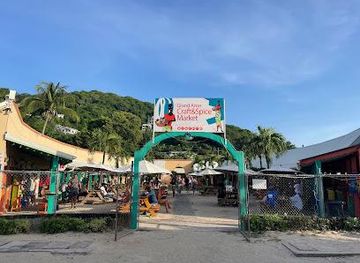
Grand Anse Craft and Spice Market
Discover the essence of Grenada at the Grand Anse Craft and Spice Market, where local crafts and spices come to life in a vibrant atmosphere.
20 min drive · 6.5 km from city centre
-
Supermarket
Foodland Market Square
Discover the vibrant offerings of Foodland Market Square in St. George's, Grenada, a supermarket that blends local culture with convenience.
22 min drive · 7.3 km from city centre
-
Market
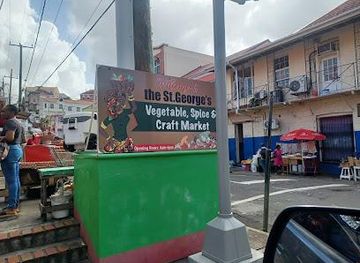
St. George's Market
Experience the vibrant flavors and rich culture at St. George's Market, a must-visit destination in Grenada for every traveler.
22 min drive · 7.2 km from city centre
-
Supermarket
Foodland
Explore the rich culinary offerings of Grenada at Foodland Supermarket, where local flavors meet convenience and variety.
2 min walk · 0.2 km from city centre

Get your free copy of our complete guide to Westerhall, delivered straight to you.
Everything on this page, from attractions and restaurants to essentials and local phrases, in one PDF you can read offline, print or share.
Already have an account? Sign in
Your Westerhall guide is ready.
We'll send it to · Not you? Sign out

Getting your guide ready…
We are putting together a fresh copy of the Westerhall guide. This can take up to a minute.
This can take a few moments. If your browser asks, choose Allow so the download can start. You'll find the guide in your Downloads folder.
Nothing happened? Download it again
Sorry, the guide is taking longer than usual. Please try again in a minute, or get it by email instead.
Westerhall essentials
Currency and Payment
Safety
Emergency Situations
Do's and Don'ts
Local Tips
From Eve
Local phrases worth knowing
You don't need to get them perfect. A few words go a long way, and locals appreciate the effort.
Basics
| English | Local | Say it |
|---|---|---|
| Hello | Wah Gwan | [Wa Guh-wan] |
| Goodbye | Later | [Lay-tuh] |
| Yes | Yeah man | [Yeh man] |
| No | Nah man | [Nah man] |
| Please/You're welcome | Yes man | [Yehs man] |
| Thank you | Tank yuh | [Tank yuh] |
| Excuse me/Sorry | Pardon | [Pah-dun] |
| How are you? | How yuh dey? | [How yuh day?] |
| Fine. And you? | Ahright. Yuh? | [Ah-right. Yuh?] |
| Do you speak English? | Yuh speak English? | [Yuh speak English?] |
| I don't understand | Ah doh understan | [Ah doh un-deh-stan] |
Eating & Drinking
| English | Local | Say it |
|---|---|---|
| I'd like to see the menu, please | Lemme see de menu nuh | [Lem-mi see deh meh-no nuh] |
| I don't eat meat | Ah doh eat meat | [Ah doh eat meet] |
| Cheers! | Cheers! | [Cheers!] |
| I would like to pay, please | Lemme pay nuh | [Lem-mi pay nuh] |
Emergencies
| English | Local | Say it |
|---|---|---|
| Help! | Help! | [Help!] |
| Go away! | Move from me! | [Move from me!] |
| Call the Police! | Call de police! | [Call deh police!] |
| Call a doctor! | Call a doctor! | [Call a doctor!] |
| I'm lost | Ah lost | [Ah lost] |
| I'm ill | Ah sick | [Ah sick] |
Shopping
| English | Local | Say it |
|---|---|---|
| I'd like to buy... | Ah wan buy... | [Ah wan buy...] |
| I'm just looking | Ah jus looking | [Ah jus look-ing] |
| How much is it? | How much dat? | [How much dat?] |
| That's too expensive | Dat too dear | [Dat too deer] |
| Can you lower the price? | Yuh cud drop de price? | [Yuh kud drop deh price?] |
Time & Numbers
| English | Local | Say it |
|---|---|---|
| What time is it? | Wha time it is? | [Wha time it is?] |
| It's one o'clock | It one o'clock | [It one o'clock] |
| Half past (10) | Half ten | [Half ten] |
| Morning | Mawnin | [Mawnin] |
| Afternoon | Evenin | [Evenin] |
| Evening | Night | [Nite] |
| Yesterday | Yestaday | [Yes-ta-day] |
| Today | Today | [Today] |
| Tomorrow | Tomorra | [Tom-or-ra] |
| 1 | One | [Wun] |
| 2 | Two | [Too] |
| 3 | Tree | [Tree] |
| 4 | Foah | [Foh] |
| 5 | Fie | [Fie] |
| 6 | Six | [Six] |
| 7 | Seven | [Sev-en] |
| 8 | Eight | [Ate] |
| 9 | Nine | [Nin] |
| 10 | Ten | [Ten] |
Transport & Directions
| English | Local | Say it |
|---|---|---|
| Where's a/the...? | Weh de...deh? | [Weh de...deh?] |
| What's the address? | Wha de address deh? | [Wha de address deh?] |
| Can you show me (on the map)? | Yuh cud show me (on de map)? | [Yuh kud show me (on de map)?] |
| When's the next (bus)? | When de next (bus)? | [When deh next (bus)?] |
| A ticket (to ....) | A ticket (to ....) | [A ticket (to ....)] |
History of Westerhall
Kalinago Grenada Before Colonisation
Before European settlement, Grenada was inhabited by Indigenous peoples commonly identified in historical sources as Kalinago, whose communities used the island’s forests, rivers and coastal waters for cultivation, fishing and trade. The island’s fertile volcanic soils supported food production, while its position in the southern Lesser Antilles connected it with wider Caribbean exchange networks. European accounts of the early colonial period were shaped by conflict and often misunderstood Indigenous society, but place names, archaeological evidence and surviving Caribbean traditions remain part of Grenada’s deeper historical context. Westerhall’s hills and coastline therefore belong to a landscape with a human history that long predates the plantation buildings associated with the settlement.
French Settlement and Plantation Agriculture
French colonisation expanded in Grenada during the seventeenth century, particularly after the French secured control of the island in 1650. Plantations producing sugar and other export crops were established with the forced labour of enslaved Africans, transforming lowlands and valleys while linking Grenada to Atlantic commerce. The French influence survives in many Grenadian place names and in aspects of the island’s cultural heritage. The rural districts around present-day Westerhall developed within this plantation economy, whose wealth depended on land ownership, maritime trade and the violent exploitation of enslaved people.
British Rule and the Sugar Estate
Britain captured Grenada in 1762 during the Seven Years’ War, and the island was formally ceded to Britain in 1763 before briefly returning to French control during the American Revolutionary period. British rule was restored in 1783 and continued until Grenada became independent in 1974. During the eighteenth and nineteenth centuries, sugar remained central to the colonial economy, and estates such as Westerhall were part of a landscape of mills, fields, processing buildings and enslaved labour. Emancipation in 1834, followed by full freedom in 1838, profoundly changed plantation society, although landownership and economic power remained uneven.
From Sugar to Rum and Small Farming
As sugar production declined across Grenada, the island’s agricultural economy diversified. Cocoa, bananas, nutmeg and other crops became increasingly important, while some former estates retained agricultural or processing functions. Westerhall’s continuing association with rum reflects this transition: sugar-cane production and distilling preserved a connection with the plantation past even as the surrounding countryside became more closely associated with small farms and mixed cultivation. The estate’s historic setting is consequently useful for understanding both the commercial ambitions of colonial Grenada and the gradual restructuring of rural life after emancipation.
Independence and Contemporary Westerhall
Grenada achieved independence from Britain on 7 February 1974, beginning a new period in which national identity, local development and agricultural resilience became central concerns. Political upheaval in the late 1970s and early 1980s affected the country as a whole, while the 1983 United States-led intervention remains a significant and contested episode in modern Grenadian history. Westerhall today is primarily a residential and rural coastal settlement rather than a major urban centre. Its identity rests on the relationship between village life, agricultural land, historic estate culture and the bays and hills of Saint David’s parish.
Westerhall in Photos
Browse through our photo collection highlighting the charm and character of the destination.
Cities near Westerhall
The closest cities to Westerhall, if you have time for more than one stop.
-

-

-

-

-


Swipe for more cities
Explore more
Explore more of Grenada
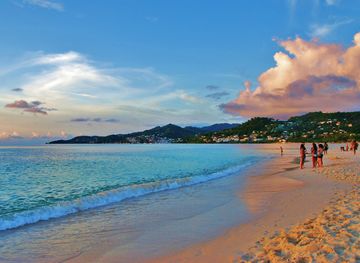
Discover Grenada, the Spice Isle of the Caribbean, where lush landscapes, pristine beaches, and rich cultural heritage create a tropical paradise for all travelers.
Explore Grenada