

Chateaubelair, Saint Vincent and the Grenadines Travel Guide
Discover the tranquil charm of Chateaubelair, a hidden gem in Saint Vincent and the Grenadines, offering pristine beaches, historic sites, and vibrant local culture.
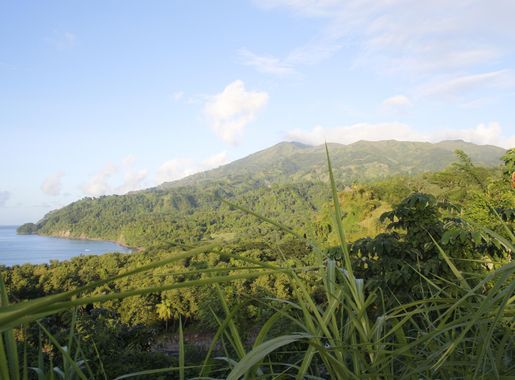
Nestled on the northwest coast of Saint Vincent, Chateaubelair is a charming fishing village that offers a tranquil escape from the hustle and bustle of city life. With its pristine beaches, rich history, and vibrant local culture, it is a hidden gem waiting to be explored. One of the main attractions in Chateaubelair is its stunning natural scenery. The village is surrounded by lush green hills and the sparkling blue waters of the Caribbean Sea. The nearby Chateaubelair Bay is perfect for swimming, snorkeling, and diving, allowing visitors to explore the colorful coral reefs and diverse marine life. History buffs will find plenty to appreciate in Chateaubelair. The village is home to several historic sites, including the ruins of the old French fort, Fort Charlotte, which offers panoramic views of the surrounding area. The local church, St. David’s Anglican Church, is another must-visit, with its beautiful architecture and serene atmosphere. Chateaubelair is also a great place to immerse yourself in the local culture. The village hosts several festivals throughout the year, where visitors can experience traditional music, dance, and cuisine. The friendly locals are always eager to share their stories and traditions, making for an enriching cultural experience. Whether you are looking for adventure, relaxation, or a bit of both, Chateaubelair has something to offer every traveler. Its unspoiled beauty and warm hospitality make it a perfect destination for those looking to experience the true essence of Saint Vincent and the Grenadines.

Know before you go
Hi, I'm Eve. Here are a few practical things to know before exploring Chateaubelair.
- Visit the local market in the morning to experience fresh produce and handmade crafts.
- Carry cash as many small shops and vendors do not accept credit cards.
- Wear comfortable walking shoes for exploring the historic sites and trails.
- Respect local customs and dress modestly when visiting religious sites.
- Try the local cuisine, especially the fresh seafood dishes, for an authentic taste of Chateaubelair.
Explore Chateaubelair: Things to Do, Places to Eat, Hotels & More
Handpicked recommendations for top attractions, local dining, accommodations, and more

Best attractions in Chateaubelair
Top-rated picks
Best Attractions

Botanical Gardens
Explore the enchanting Botanical Gardens in St. Vincent, where nature's beauty and rich history create a serene escape for all travelers.

Fort Charlotte
Explore Fort Charlotte in Clare Valley: A historical gem of St. Vincent with stunning views and rich colonial heritage waiting to be discovered.

Owia Salt Pond
Experience the serene beauty and natural wonders of Owia Salt Pond, a premier destination for adventure and relaxation in Saint Vincent.

Belmont Lookout
Experience the stunning vistas and serene beauty of Belmont Lookout on Mespo Highway in Saint Vincent, perfect for nature lovers and photographers.

Best landmarks in Chateaubelair
Top-rated picks
Best Landmarks

Wallilabou Anchorage
Experience the captivating beauty and delightful flavors of Wallilabou Anchorage, a must-visit restaurant and cocktail bar in Saint Vincent.

Fort Charlotte, Saint Vincent
Discover the rich history and stunning views at Fort Charlotte, a must-visit historical site in Saint Vincent, perfect for tourists seeking cultural experiences.

Rawacou Recreational Park
Experience the breathtaking beauty and tranquility of Rawacou Recreational Park in Argyle, the perfect escape for nature lovers and outdoor enthusiasts.

Walliabou Heritage Park
Experience the tranquil beauty and rich history of Walliabou Heritage Park, a hidden gem on St. Vincent's scenic landscape.

Best restaurants in Chateaubelair
Top-rated picks
Best Restaurants

Mangoz Restaurant and Bar
Experience exquisite Caribbean cuisine at Mangoz Restaurant and Bar in Villa - where every meal is a celebration of flavor.

Flow Wine Bar and Kitchen
Discover exquisite dining at Flow Wine Bar and Kitchen in Kingstown—where gourmet cuisine meets an extensive wine selection.

Beach Front Restaurant & Bar
Experience delectable seafood and stunning ocean views at Beach Front Restaurant & Bar – your perfect dining destination in Chateaubelair.

Stop Light Restaurant & Bar
Experience the vibrant flavors of Caribbean cuisine at Stop Light Restaurant & Bar in Kingstown - a culinary gem for every traveler.

Best bars in Chateaubelair
Top-rated picks
Best Bars

Beach Front Restaurant & Bar
Experience the perfect blend of local cuisine and breathtaking ocean views at Beach Front Restaurant & Bar, your ideal dining destination in Chateaubelair.

Mojito’s Restaurant & Bar
Experience the essence of the Caribbean at Mojito’s Restaurant & Bar, where vibrant flavors and lively atmosphere create the perfect dining experience.

Banners Bar And Grill..
Experience the vibrant flavors and lively ambiance at Banners Bar And Grill in Chateaubelair, the perfect spot for local cuisine and Caribbean hospitality.

Lion Foot Bar and Country Kitchen
Savor the authentic Caribbean flavors at Lion Foot Bar and Country Kitchen, where every bite offers a taste of local tradition and hospitality.

Best nightclubs in Chateaubelair
Top-rated picks
Best Nightclubs

LA ROCA ️
Experience the vibrant nightlife of St. Vincent at La Roca, where local flavors meet lively entertainment in the heart of Spring Village.

Wafulasun Sports Bar
Discover the lively spirit of Cumberland at Wafulasun Sports Bar, where great drinks, friendly faces, and unforgettable events await you.

Beach View Mansion
Dive into the vibrant nightlife at Beach View Mansion, a premier night club in Byera Hill, offering unforgettable music and an electrifying atmosphere.
Status night club
Discover the energetic nightlife at Status Night Club in Arnos Vale, a premier destination for music, dancing, and vibrant social gatherings.

Best shops in Chateaubelair
Top-rated picks
Best Shops

Saint Hill Supermarket
Experience local flavors and friendly service at Saint Hill Supermarket, your go-to grocery destination in Top Lowmans, Saint Vincent.

La Casa Chikita Foods, Grocery/ Bar
Explore local flavors and essentials at La Casa Chikita Foods, Grocery/Bar in Chateaubelair, a vibrant hub for tourists seeking an authentic taste of the region.

#1 Women's Boutique -Miami Girl Boutique
Discover the top women's boutique in Kingstown, where fashion meets elegance at Miami Girl Boutique, your destination for chic clothing and accessories.

Green Hill Shop
Explore the vibrant local culture at Green Hill Shop, where unique crafts and souvenirs await in the heart of Kingstown.

Explore Chateaubelair on the Map
A handpicked selection of must-see spots in Chateaubelair, mapped for you.
Chateaubelair Essentials
-
Chateaubelair is located on the northwest coast of Saint Vincent, the largest island in Saint Vincent and the Grenadines. The nearest international airport is Argyle International Airport (AIA), which is approximately 30 miles away. From the airport, you can take a taxi, rent a car, or use a shuttle service to reach Chateaubelair. The journey typically takes around 1.5 to 2 hours by road. Alternatively, you can take a ferry from Kingstown, the capital, which provides a scenic route along the coastline.
-
Chateaubelair is a small town, and many of its attractions are within walking distance. For longer trips, local taxis are readily available. Public minibuses, known as 'vans', operate regularly and are an affordable option for getting around. Renting a car is also a convenient option for exploring the surrounding areas at your own pace. Ensure to drive on the left side of the road, as this is the local driving custom.
-
The official currency in Saint Vincent and the Grenadines is the Eastern Caribbean Dollar (XCD). Credit cards are accepted in some hotels, restaurants, and shops, but it is advisable to carry cash, especially in smaller establishments. ATMs are available in Chateaubelair, but it is wise to withdraw sufficient cash in Kingstown before traveling to ensure you have enough funds.
-
Chateaubelair is generally a safe destination for tourists. However, it is advisable to take standard precautions. Avoid walking alone at night in unfamiliar areas and keep an eye on your belongings in crowded places. While Chateaubelair does not have high-crime areas specifically targeting tourists, it is always best to stay vigilant and aware of your surroundings. Petty theft can occur, so safeguard your valuables.
-
In case of emergency, dial 911 for immediate assistance. Chateaubelair has a local police station and a small medical clinic for basic healthcare needs. For more serious medical issues, you may need to go to Kingstown, where larger hospitals are located. It is recommended to have travel insurance that covers medical emergencies. Pharmacies are available in the town where you can purchase over-the-counter medications.
-
Fashion: Do dress modestly, especially when visiting religious sites. Avoid wearing revealing clothing. Religion: Do respect local customs and traditions. Always cover your head when entering churches. Public Transport: Do be respectful and give up your seat to elderly passengers. Don't eat or drink on public transport. Greetings: Do greet people with a handshake or a friendly nod. Address older individuals with respect. Eating & Drinking: Do try local delicacies and accept food offerings graciously. Don't refuse hospitality, as it is considered impolite.
-
To experience Chateaubelair like a local, visit the local markets where you can buy fresh produce and traditional Vincentian goods. Engage with locals, as they are often friendly and willing to share stories about the town's history and culture. Don't miss visiting the Chateaubelair Bay, where you can enjoy scenic views and water activities. For a unique experience, take part in local festivals and events to immerse yourself in the vibrant culture of Saint Vincent and the Grenadines.
When is the best time to visit Chateaubelair?
Useful Local Phrases for Chateaubelair
You don't need to speak the language perfectly. Even learning a few simple words can make conversations warmer—and locals usually appreciate the effort.
— Eve

Here are the phrases I use most often in Chateaubelair. Try a few—you'll be surprised how far they go! 😊
❤️
-
- HelloWah gwan
[wah gwan] - GoodbyeLater
[lay-ta] - YesYeah man
[yeah man] - NoNah man
[nah man] - Please/You're welcomePliz/No problem
[pleez/no problem] - Thank youTank yuh
[tank yuh] - Excuse me/SorrySarry
[sarry] - How are you?How yuh doin?
[how yuh doin] - Fine. And you?Mi deh yah. An yuh?
[me deh yah. an yuh] - Do you speak English?Yuh speak English?
[yuh speak english] - I don't understandMi nah understan
[me nah understan]
- HelloWah gwan
-
- I'd like to see the menu, pleaseMi wah see di menu, pliz
[me wah see dee menu, pleez] - I don't eat meatMi nuh eat meat
[me nuh eat meat] - Cheers!Cheers!
[cheers] - I would like to pay, pleaseMi wah pay, pliz
[me wah pay, pleez]
- I'd like to see the menu, pleaseMi wah see di menu, pliz
-
- Help!Help!
[help] - Go away!Go weh!
[go way] - Call the Police!Call di Police!
[call dee police] - Call a doctor!Call a docta!
[call a doctor] - I'm lostMi loss
[me loss] - I'm illMi sick
[me sick]
- Help!Help!
-
- I'd like to buy...Mi wah buy...
[me wah buy] - I'm just lookingMi just a look
[me just a look] - How much is it?How much dat deh?
[how much dat deh] - That's too expensiveDat deh too much
[dat deh too much] - Can you lower the price?Yuh cyan drop di price?
[yuh cyan drop dee price]
- I'd like to buy...Mi wah buy...
-
- What time is it?A wha time it deh?
[a wha time it deh] - It's one o'clockA one o'clock
[a one o'clock] - Half past (10)Haaf pas (10)
[haaf pass (10)] - MorningMawnin
[mawnin] - AfternoonAftanoon
[aftanoon] - EveningIvinin
[ivinin] - YesterdayYestadeh
[yestadeh] - TodayToday
[today] - TomorrowTomara
[tomara] - 1One
[one] - 2Tu
[tu] - 3Tri
[tree] - 4Fo
[fo] - 5Faiv
[faiv] - 6Six
[six] - 7Seven
[seven] - 8Eit
[eit] - 9Nain
[nain] - 10Ten
[ten]
- What time is it?A wha time it deh?
-
- Where's a/the...?Weh a di...?
[weh a dee] - What's the address?Wa di address deh?
[wa dee address deh] - Can you show me (on the map)?Yuh can show mi (pan di map)?
[yuh can show me (pan dee map)] - When's the next (bus)?Wen di nex (bus)?
[wen dee nex (bus)] - A ticket (to ....)A tiket (to ....)
[a ticket (to ....)]
- Where's a/the...?Weh a di...?
History of Chateaubelair
-
Chateaubelair, located on the leeward coast of Saint Vincent, was originally inhabited by the indigenous Kalinago people. They called the island 'Hairoun,' meaning 'Land of the Blessed.' The area was rich in natural resources, providing the Kalinago with food, shelter, and materials for their tools and crafts.
-
The first European contact with Chateaubelair was made by Spanish explorers in the late 15th century. However, it was the French who made a significant impact. In the 18th century, the French established a small settlement in the area, naming it after the French term 'Château Belair,' which means 'Beautiful Castle.'
-
In 1763, following the Treaty of Paris, Saint Vincent was ceded to the British. The British sought to expand their sugar plantations, and Chateaubelair became an integral part of this economic transformation. Sugarcane fields spread across the region, worked by enslaved Africans brought to the island.
-
The Carib Wars, spanning from 1769 to 1795, were a period of conflict between the indigenous Black Caribs (Garifuna) and the British colonizers. Chateaubelair was a strategic location during these wars, serving as a battleground and a refuge for the Garifuna. The wars eventually led to the deportation of the Garifuna to Roatán, an island off the coast of Honduras.
-
Following the abolition of slavery in 1834, Chateaubelair transitioned from a plantation-based economy to one more reliant on small-scale agriculture and fishing. The town's market became a bustling center for trade, where local farmers and fishermen sold their produce and catches. The area retained much of its natural beauty, attracting visitors with its scenic landscapes and vibrant culture.
-
In the 20th century, Chateaubelair saw gradual modernization with improvements in infrastructure, education, and healthcare. The town's economy diversified, incorporating tourism as a significant sector. Historical sites, such as the remnants of French and British colonial structures, along with the natural attractions like the La Soufrière volcano, draw visitors from around the world.
-
Chateaubelair is a melting pot of cultures, reflecting its rich history. The town celebrates various festivals, such as the Nine Mornings Festival, a unique Vincentian Christmas tradition featuring early morning activities and festivities. The local cuisine, music, and crafts are deeply influenced by African, European, and indigenous heritage, offering a vibrant cultural experience for visitors.
Cities near Chateaubelair
The closest cities to Chateaubelair, if you have time for more than one stop.


Your all‑in‑one travel companion app
Explore expert travel guides, compare and book tours, experiences, hotels, and more—all from the palm of your hand. Download now for seamless trip planning wherever your wanderlust takes you.


Chateaubelair in Photos
Browse through our photo collection highlighting the charm and character of the destination.






The Serene Beauty of Chateaubelair
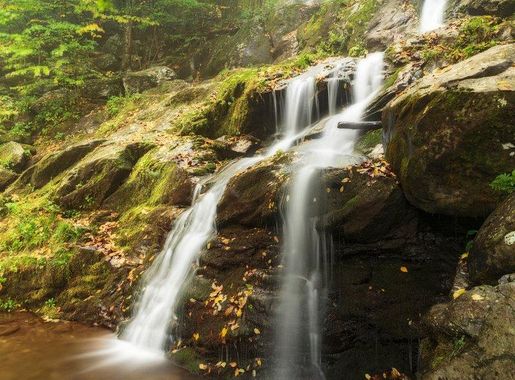
Nestled on the northwest coast of Saint Vincent, Chateaubelair is a charming fishing village that offers a tranquil escape from the hustle and bustle of city life. With its pristine beaches, rich history, and vibrant local culture, it is a hidden gem waiting to be explored. One of the main attractions in Chateaubelair is its stunning natural scenery. The village is surrounded by lush green hills and the sparkling blue waters of the Caribbean Sea. The nearby Chateaubelair Bay is perfect for swimming, snorkeling, and diving, allowing visitors to explore the colorful coral reefs and diverse marine life. History buffs will find plenty to appreciate in Chateaubelair. The village is home to several historic sites, including the ruins of the old French fort, Fort Charlotte, which offers panoramic views of the surrounding area. The local church, St. David’s Anglican Church, is another must-visit, with its beautiful architecture and serene atmosphere. Chateaubelair is also a great place to immerse yourself in the local culture. The village hosts several festivals throughout the year, where visitors can experience traditional music, dance, and cuisine. The friendly locals are always eager to share their stories and traditions, making for an enriching cultural experience. Whether you are looking for adventure, relaxation, or a bit of both, Chateaubelair has something to offer every traveler. Its unspoiled beauty and warm hospitality make it a perfect destination for those looking to experience the true essence of Saint Vincent and the Grenadines.
Explore More of Dark View Falls

Looking beyond Chateaubelair? Discover Dark View Falls for broader travel guides, local hot-spots, and regional highlights.
Explore Dark View FallsExplore More of Saint Vincent and the Grenadines

Looking beyond Chateaubelair? Discover Saint Vincent and the Grenadines for broader travel guides, local hot-spots, and regional highlights.
Explore Saint Vincent and the Grenadines