

Canouan, Saint Vincent and the Grenadines Travel Guide
Discover Canouan: A serene island paradise in Saint Vincent and the Grenadines, where luxury meets natural beauty. Ideal for snorkeling, hiking, and unwinding in style.
Canouan, nestled in the heart of Saint Vincent and the Grenadines, is a small but enchanting island that beckons travelers with its pristine beaches, turquoise waters, and lush green hills. Known for its luxurious resorts and serene atmosphere, Canouan offers a perfect escape from the hustle and bustle of everyday life. The island is a paradise for those who seek tranquility, natural beauty, and a touch of elegance. Canouan is surrounded by crystal-clear waters that are perfect for snorkeling, diving, and sailing. The coral reefs teeming with marine life provide a vibrant underwater world waiting to be explored. For those who prefer to stay on land, the island's hiking trails offer stunning views of the Caribbean Sea and the surrounding islands. Mount Royal, the highest peak on Canouan, provides a breathtaking panorama that is worth the climb. The island's charm extends to its warm and welcoming locals, who are always eager to share their culture and traditions. The village of Charlestown is the heart of Canouan, where you can experience local cuisine, music, and crafts. The island's laid-back vibe is complemented by its luxurious accommodations, including world-renowned resorts and villas that offer top-notch amenities and services. Whether you're looking for adventure or relaxation, Canouan has something for everyone.

Know before you go
Hi, I'm Eve. Here are a few practical things to know before exploring Canouan.
- Bring reef-safe sunscreen to protect marine life while snorkeling and diving.
- Wear comfortable hiking shoes if you plan to explore Mount Royal.
- Visit the local village of Charlestown to experience authentic local cuisine and culture.
- Book your accommodations in advance, especially during peak travel seasons.
- Rent a golf cart to easily explore the island's resorts and beaches.

Best landmarks in Canouan
Top-rated picks
Best Landmarks

Mandarin Oriental, Canouan
Discover the luxury of Mandarin Oriental, Canouan, a Caribbean paradise offering refined accommodations, exquisite dining, and rejuvenating spa experiences.

Sandy Lane Yacht Club and Residences
Experience the ultimate Caribbean luxury at Sandy Lane Yacht Club and Residences, a serene marina perfect for sailing and relaxation.

Atlantic Breeze Apartment Canouan
Discover the serene beauty of Canouan at Atlantic Breeze Apartment, your ideal holiday retreat with breathtaking sea views and cozy accommodations.

Isla Vista Apartments Canouan
Discover the tranquil charm of Isla Vista Apartments Canouan, where comfort meets Caribbean beauty in a perfect holiday retreat.

Best restaurants in Canouan
Top-rated picks
Best Restaurants

Cayo Perico McDonald's
Experience global flavors at Cayo Perico McDonald's while enjoying the beauty of Clifton's Caribbean paradise.

Shell Beach
Experience tranquility at Shell Beach – a stunning Caribbean escape with golden sands and delectable local cuisine.

Conch Shell Restaurant and Bar
Experience vibrant Caribbean flavors at Conch Shell Restaurant and Bar – where fresh seafood meets island hospitality.

Ocean Heights bar &grill
Discover Ocean Heights Bar & Grill in Clifton - where exquisite local cuisine meets breathtaking ocean views.

Best bars in Canouan
Top-rated picks
Best Bars

Shell Beach
Discover the culinary delights and stunning vistas of Shell Beach, a coastal dining experience in the heart of the Caribbean.

Scruffy's Bar
Discover the lively ambiance of Scruffy's Bar in Clifton, offering a wide selection of drinks and a welcoming atmosphere for all travelers.

Conch Shell Restaurant and Bar
Experience authentic Caribbean flavors at Conch Shell Restaurant and Bar, where delicious seafood meets vibrant island hospitality.

Ocean Heights bar &grill
Discover the flavors of the Caribbean at Ocean Heights Bar & Grill, where every meal is accompanied by stunning ocean views.

Best nightclubs in Canouan
Top-rated picks
Best Nightclubs

Scruffy's Bar
Discover the vibrant nightlife of Clifton at Scruffy's Bar, where great drinks, live music, and delicious food create the perfect evening atmosphere.

Maxwell's bar
Discover Maxwell's Bar near Canouan Airport - a rustic beachside grill serving authentic Caribbean cuisine in a stunning coastal setting.

Scooby's Sports Bar
Experience the lively spirit of Canouan Island at Scooby's Sports Bar, where sports, local drinks, and delicious bites create an unforgettable atmosphere.

Shenanagins Beach Club
Discover the vibrant flavors of Caribbean cuisine at Shenanagins Beach Club, where stunning views meet exceptional dining in Canouan.

Best shops in Canouan
Top-rated picks
Best Shops

Isla Vista Apartments Canouan
Experience tropical luxury at Isla Vista Apartments in Canouan, where stunning views and modern comfort meet in paradise.

Rebecca's Place Minimart
Discover local flavors and unique treasures at Rebecca's Place Minimart, your go-to general store in Clifton.
Soho Beach House Canouan
Experience luxury and tranquility at Soho Beach House Canouan, a premier hotel on the idyllic Canouan Island offering breathtaking views and exceptional service.

Faye Gastronomie Caraibes Canouan
Experience the flavors of the Caribbean at Faye Gastronomie Caraibes, your gourmet grocery destination in Canouan.

Explore Canouan on the Map
A handpicked selection of must-see spots in Canouan, mapped for you.
Canouan Essentials
-
Canouan is accessible via air and sea. The island has its own airport, Canouan Airport (CIW), which receives flights from major airports in the Caribbean, including Barbados and Saint Vincent. International travelers can connect through these hubs. There are also ferry services from Kingstown, Saint Vincent, which provide a scenic route to Canouan. Private yachts and charters are another popular option for those coming from neighboring islands.
-
Once on Canouan, transportation options include taxis, rental cars, and golf carts, which are popular for getting around the small island. The island is only 7.6 square kilometers, so many attractions and beaches are within walking distance if you enjoy strolling. Taxis are readily available and can be arranged through your hotel or at the airport. Golf carts can be rented from various vendors on the island.
-
The official currency of Canouan is the Eastern Caribbean Dollar (XCD), but US Dollars are widely accepted. Major credit cards (Visa, MasterCard, and American Express) are accepted in most hotels, restaurants, and shops. However, it is advisable to carry some cash for smaller establishments and local vendors. ATMs are available, but they may be limited, so it's wise to have sufficient cash on hand.
-
Canouan is generally a safe destination for tourists. Crime rates are low, but like any travel destination, it is important to take standard precautions. Avoid walking alone at night in secluded areas and keep your belongings secure. The island does not have specific high-crime areas targeting tourists, but it's always best to stay vigilant and aware of your surroundings.
-
In case of emergency, dial 911 for immediate assistance. The island has a small medical clinic for minor health issues, but serious medical conditions may require evacuation to a larger island or mainland. It is recommended to have travel insurance that covers medical emergencies, including evacuation. Pharmacies are available for over-the-counter medications.
-
Fashion: Do wear light, breathable clothing suitable for the tropical climate. Swimwear is appropriate at the beach but not in town areas. Religion: Do respect local customs and practices, particularly if you visit any religious sites. Public Transport: Do be courteous to drivers and other passengers. Taxis and rental golf carts are the primary modes of transport. Greetings: Do greet locals with a friendly hello or good day. A handshake is a common greeting. Eating & Drinking: Do try local Caribbean dishes and seafood. Accept invitations to dine with locals graciously. Don't refuse food or drink offerings, as it may be considered impolite.
-
To experience Canouan like a local, visit the island's beaches, such as the secluded South Glossy Bay and the popular Grand Bay Beach. Engage with the friendly locals, who are often willing to share stories and recommendations. Try local dishes like fresh seafood and enjoy a rum punch at a beach bar. Don't miss out on exploring the Tobago Cays Marine Park, a short boat ride away, for some of the best snorkeling and diving in the region.
When is the best time to visit Canouan?
Useful Local Phrases for Canouan
You don't need to speak the language perfectly. Even learning a few simple words can make conversations warmer—and locals usually appreciate the effort.
— Eve

Here are the phrases I use most often in Canouan. Try a few—you'll be surprised how far they go! 😊
❤️
-
- HelloWah gwaan
[wah gwaan] - GoodbyeBless up
[bless up] - YesYeah man
[yeah man] - NoNo sah
[no sah] - Please/You're welcomePreez
[preez] - Thank youTank yuh
[tank yuh] - Excuse me/SorrySarry
[sarry] - How are you?How yuh dey?
[how yuh dey] - Fine. And you?Mi dey aight. An yuh?
[mi dey aight. an yuh] - Do you speak English?Yuh chat English?
[yuh chat english] - I don't understandMi nuh undastan
[mi nuh undastan]
- HelloWah gwaan
-
- I'd like to see the menu, pleaseMi waan see di menu, preez
[mi waan see di menu, preez] - I don't eat meatMi nuh nyam meat
[mi nuh nyam meat] - Cheers!Cheers!
[cheers] - I would like to pay, pleaseMi woulda like fi pay, preez
[mi woulda like fi pay, preez]
- I'd like to see the menu, pleaseMi waan see di menu, preez
-
- Help!Help!
[help] - Go away!Go weh!
[go weh] - Call the Police!Call di Police!
[call di police] - Call a doctor!Call a docta!
[call a docta] - I'm lostMi lost
[mi lost] - I'm illMi sick
[mi sick]
- Help!Help!
-
- I'd like to buy...Mi waan buy...
[mi waan buy] - I'm just lookingMi jus a look
[mi jus a look] - How much is it?A ow much it deh?
[a ow much it deh] - That's too expensiveDat too pricy
[dat too pricy] - Can you lower the price?Yuh cyaan drop di price?
[yuh cyaan drop di price]
- I'd like to buy...Mi waan buy...
-
- What time is it?A weh time it deh?
[a weh time it deh] - It's one o'clockA one o'clock
[a one o'clock] - Half past (10)Half afta ten
[half afta ten] - MorningMawnin
[mawnin] - AfternoonAftanoon
[aftanoon] - EveningEvinin
[evinin] - YesterdayYesterday
[yesterday] - TodayToday
[today] - TomorrowTomaro
[tomaro] - 1One
[one] - 2Two
[two] - 3Tree
[tree] - 4Fo'
[fo'] - 5Fev
[fev] - 6Six
[six] - 7Seven
[seven] - 8Eight
[eight] - 9Nine
[nine] - 10Ten
[ten]
- What time is it?A weh time it deh?
-
- Where's a/the...?Weh di ... deh?
[weh di ... deh] - What's the address?Wah di address deh?
[wah di address deh] - Can you show me (on the map)?Yuh cyaan show mi (pan di map)?
[yuh cyaan show mi (pan di map)] - When's the next (bus)?When di nex (bus) deh?
[when di nex (bus) deh] - A ticket (to ....)A ticket (to ....)
[a ticket (to ....)]
- Where's a/the...?Weh di ... deh?
History of Canouan
-
Canouan, like many of the islands in the Caribbean, was originally inhabited by the Carib and Arawak peoples. These indigenous groups lived off the land, fishing in the abundant surrounding waters and cultivating crops. Evidence of their presence can be found in the form of ancient petroglyphs and artifacts unearthed in archaeological digs.
-
The island of Canouan was first encountered by Europeans during Christopher Columbus's second voyage in 1493. However, it wasn't until the 18th century that European powers, particularly the French and the British, began to vie for control over the island. Canouan, along with the rest of Saint Vincent and the Grenadines, changed hands multiple times between these colonial powers before finally becoming a British colony.
-
Under British control, Canouan was developed into a plantation economy, focusing primarily on the cultivation of sugarcane and cotton. This period saw the forced labor of African slaves, who were brought to the island to work on the plantations. The remnants of this era can still be seen in the form of old plantation ruins scattered across the island.
-
Following the abolition of slavery in the British Empire in 1834, Canouan experienced significant social and economic changes. Freed slaves began to establish their own communities and cultivate the land independently. The island's economy shifted away from large plantations to small-scale farming and fishing.
-
In the mid-20th century, Canouan began to attract attention for its pristine natural beauty and strategic location. The island underwent significant development to support tourism, including the construction of luxury resorts, marinas, and an airport. Despite these changes, Canouan has managed to retain much of its natural charm and cultural heritage.
-
The cultural fabric of Canouan is a rich tapestry woven from its indigenous, African, and European influences. This is evident in the island's music, dance, and culinary traditions. Festivals and celebrations often feature elements of African drumming and dance, while the cuisine boasts a fusion of flavors, using local ingredients like fresh seafood, tropical fruits, and spices.
Cities near Canouan
The closest cities to Canouan, if you have time for more than one stop.


Your all‑in‑one travel companion app
Explore expert travel guides, compare and book tours, experiences, hotels, and more—all from the palm of your hand. Download now for seamless trip planning wherever your wanderlust takes you.


Canouan in Photos
Browse through our photo collection highlighting the charm and character of the destination.

Canouan: A Hidden Gem in the Grenadines
Canouan, nestled in the heart of Saint Vincent and the Grenadines, is a small but enchanting island that beckons travelers with its pristine beaches, turquoise waters, and lush green hills. Known for its luxurious resorts and serene atmosphere, Canouan offers a perfect escape from the hustle and bustle of everyday life. The island is a paradise for those who seek tranquility, natural beauty, and a touch of elegance. Canouan is surrounded by crystal-clear waters that are perfect for snorkeling, diving, and sailing. The coral reefs teeming with marine life provide a vibrant underwater world waiting to be explored. For those who prefer to stay on land, the island's hiking trails offer stunning views of the Caribbean Sea and the surrounding islands. Mount Royal, the highest peak on Canouan, provides a breathtaking panorama that is worth the climb. The island's charm extends to its warm and welcoming locals, who are always eager to share their culture and traditions. The village of Charlestown is the heart of Canouan, where you can experience local cuisine, music, and crafts. The island's laid-back vibe is complemented by its luxurious accommodations, including world-renowned resorts and villas that offer top-notch amenities and services. Whether you're looking for adventure or relaxation, Canouan has something for everyone.
Explore More of Saint Vincent and the Grenadines
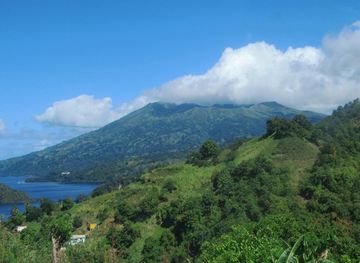
Looking beyond Canouan? Discover Saint Vincent and the Grenadines for broader travel guides, local hot-spots, and regional highlights.
Explore Saint Vincent and the Grenadines