

Free Fagamalo Travel Guide & Mobile App
Plan your Fagamalo trip with Evendo. Get free guides to top attractions, restaurants, hotels, and bars. Web access or download the mobile app.


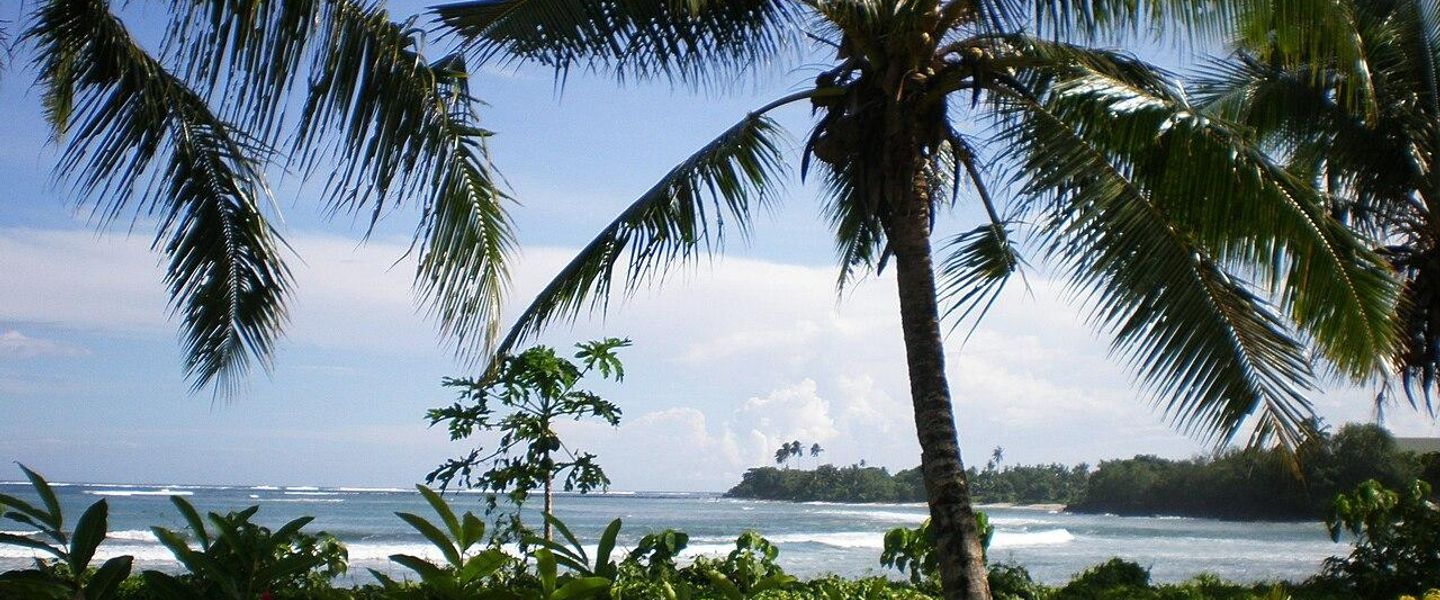


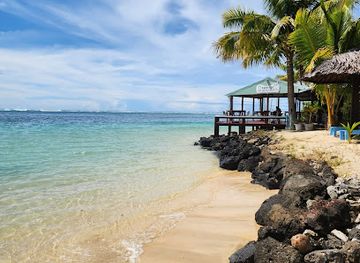
Fagamalo, Samoa, offers quiet Savai'i beaches, village culture, reef exploring and access to volcanic landscapes, coastal pools and island history.
A Village on Savai'i's Northern Coast
Fagamalo is a small coastal village on the island of Savai'i, Samoa's largest island, where daily life follows the rhythms of the ocean, village ceremony and family land. Rather than a conventional town, it is a place of scattered homes, tropical vegetation, shoreline roads and accommodation shaped around the fale tradition. The village lies on a coast known for clear water, coral reefs and broad views across the Pacific, with neighbouring communities and the island's volcanic interior within reach by road.Read more about Fagamalo
Coastal Landscapes and Village Life
A Base for Savai'i Exploration
When is the best time to visit Fagamalo?
Best: June–August · 31–32°C| Month | High (°C) | Rainfall (mm) |
|---|---|---|
| January | 31 | 377 |
| February | 31 | 351 |
| March | 31 | 306 |
| April | 31 | 256 |
| May | 31 | 207 |
| June (best) | 31 | 173 |
| July (best) | 32 | 174 |
| August (best) | 32 | 189 |
| September | 32 | 225 |
| October | 31 | 273 |
| November | 31 | 315 |
| December | 31 | 361 |
Getting to and around Fagamalo
How to get there
Transportation
Best landmarks in Fagamalo
Fagamalo's most meaningful landmarks are modest features embedded in village and coastal life. Mata o le Alelo is a freshwater pool with cultural associations and a strong place in local storytelling, while village churches express the central role of Christianity in Samoa's public landscape. Family compounds, fale structures, cultivated gardens and the coastal road are not monuments in the European sense, yet together they reveal how settlement, custom and environment are organised. The shoreline itself is a defining physical landmark, marked by reefs, volcanic rock and open Pacific views. Beyond the village, Savai'i's lava formations and volcanic terrain provide a geological counterpoint to Fagamalo's water-based landscape. These places should be approached with respect: some areas are connected to customary ownership, spiritual associations or village protocols, and their significance cannot be separated from the community that cares for them.
-
Hotel
Le Lagoto Resort & Spa
Discover the beauty of Savai'i at Le Lagoto Resort & Spa, where luxury meets the tranquility of Samoa's stunning landscapes.
6 min walk · 0.5 km from city centre
-
Hotel
Savaii Lagoon Resort
Experience the serene beauty of Savaii Lagoon Resort, a tropical escape offering relaxation, adventure, and unforgettable Samoan hospitality.
6 min walk · 0.5 km from city centre
-
Tourist attraction
Swimming With Turtles
Experience the magic of swimming with turtles in Sato'alepai, where adventure meets tranquility in the heart of Samoa's stunning marine environment.
11 min walk · 0.9 km from city centre
-
Restaurant
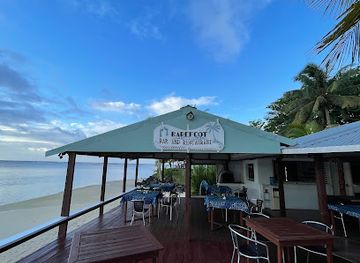
Barefoot Bar and Restaurant
Experience the authentic flavors of Samoa at Barefoot Bar and Restaurant, a culinary gem on the Main Coast Road in Fagamalo.
7 min walk · 0.5 km from city centre
Explore Fagamalo on the map
Plan your Fagamalo trip on one map. See where the top attractions, landmarks, restaurants, bars and hotels are, find what's near where you're staying, and book hotels and experiences in a few clicks.
Best hotels in Fagamalo
Best restaurants in Fagamalo
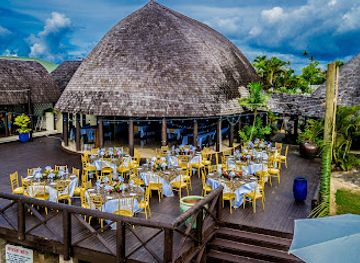
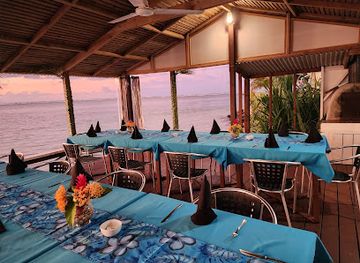
Dining in Fagamalo is closely tied to small-scale accommodation, village hospitality and the ingredients of island life rather than a dense restaurant district. Meals may feature taro, breadfruit, green bananas, coconut, seafood and meat prepared in Samoan styles, with dishes sometimes cooked in an umu, the traditional earth oven used for communal and family occasions. Fresh fish and tropical fruit are particularly relevant along the coast, while simple breakfasts, packed lunches and home-style evening meals are practical arrangements for visitors staying in beach fales or guesthouses. Nearby resorts and accommodation along the north coast may provide more structured dining, but choices are limited compared with Apia. Salelologa has the widest range of shops and everyday supplies on Savai'i, and travellers should respect hosts' guidance about meal times, shared food and village etiquette.
-
Restaurant
Le Lagoto Resort & Spa
Discover paradise at Le Lagoto Resort & Spa in Savai'i - your ultimate destination for relaxation and adventure amidst breathtaking scenery.
6 min walk · 0.5 km from city centre
-
 Restaurant
Savaii Lagoon Resort
Discover tropical bliss at Savaii Lagoon Resort - where exquisite dining meets serene beachfront relaxation in beautiful Samoa.
6 min walk · 0.5 km from city centre
-
Restaurant
Barefoot Bar and Restaurant
Discover the flavors of Samoa at Barefoot Bar and Restaurant - where ocean views meet exceptional cuisine.
7 min walk · 0.5 km from city centre
-
Restaurant
Salvation & Grace
Experience authentic Samoan flavors at Salvation & Grace in Safune – where every meal tells a story.
5 min drive · 1.6 km from city centre
Best bars in Fagamalo
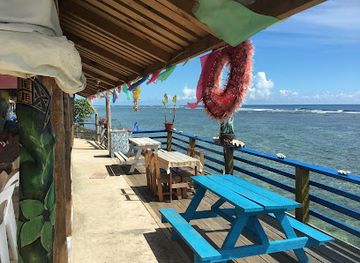
Fagamalo has little conventional nightlife, and evenings are generally quiet, shaped by the sea, family life, church communities and the early rhythm of rural Savai'i. Accommodation providers may offer a relaxed place for conversation or an evening meal, but visitors should not expect a concentration of cocktail bars, nightclubs or live-music venues. Social activity is more likely to take place through village events, communal gatherings and cultural performances arranged in connection with local hospitality, rather than through a formal entertainment quarter. After dark, roads and beaches require care because lighting and transport options are limited. Alcohol should be consumed discreetly and respectfully, particularly near homes, churches and communal spaces. For a broader choice of evening venues, Apia on Upolu is the country's main urban nightlife centre, not a local extension of Fagamalo.
-
Bar
Le Lagoto Resort & Spa
Experience luxury and tranquility at Le Lagoto Resort & Spa, a stunning beachfront escape in Savai'i, Samoa, perfect for relaxation and adventure.
6 min walk · 0.5 km from city centre
-
Restaurant
Savaii Lagoon Resort
Experience the serene beauty and vibrant culture of Savaii Lagoon Resort, your perfect tropical escape in Samoa.
6 min walk · 0.5 km from city centre
-
Restaurant
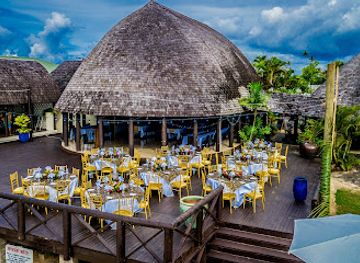
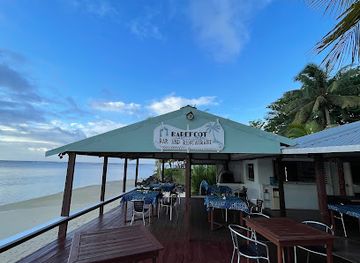
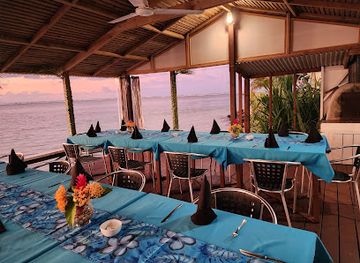
Barefoot Bar and Restaurant
Discover the flavors of Samoa at Barefoot Bar and Restaurant, where local cuisine meets stunning coastal views in Fagamalo.
7 min walk · 0.5 km from city centre
Best nightclubs in Fagamalo
Fagamalo has little conventional nightlife, and evenings are generally quiet, shaped by the sea, family life, church communities and the early rhythm of rural Savai'i. Accommodation providers may offer a relaxed place for conversation or an evening meal, but visitors should not expect a concentration of cocktail bars, nightclubs or live-music venues. Social activity is more likely to take place through village events, communal gatherings and cultural performances arranged in connection with local hospitality, rather than through a formal entertainment quarter. After dark, roads and beaches require care because lighting and transport options are limited. Alcohol should be consumed discreetly and respectfully, particularly near homes, churches and communal spaces. For a broader choice of evening venues, Apia on Upolu is the country's main urban nightlife centre, not a local extension of Fagamalo.
-
Bar
Le Lagoto Resort & Spa
Experience the perfect blend of luxury and nature at Le Lagoto Resort & Spa, a serene beachfront paradise in Savai'i, Samoa.
6 min walk · 0.5 km from city centre
-
Hotel
Savaii Lagoon Resort
Discover the serene beauty of Savaii Lagoon Resort, a tropical paradise where relaxation meets adventure in the heart of Samoa.
6 min walk · 0.5 km from city centre
-
Restaurant
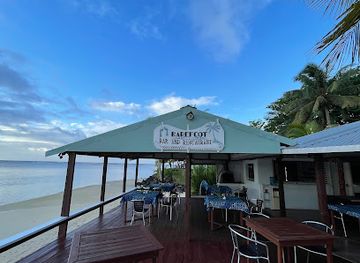
Barefoot Bar and Restaurant
Experience authentic Samoan cuisine with stunning ocean views at Barefoot Bar and Restaurant in Fagamalo.
7 min walk · 0.5 km from city centre
-
Night club
Village house manase
Discover the heartbeat of Samoan nightlife at Village House Manase, where vibrant music and dance collide in an unforgettable experience.
9 min drive · 2.9 km from city centre


Best shops in Fagamalo
Shopping in Fagamalo is limited and practical, with small village shops supplying everyday groceries, drinks and basic necessities rather than a dedicated retail district. For a broader selection, visitors generally travel to Salelologa, where shops, market activity and transport connections serve communities across Savai'i. Local purchasing may include tropical produce, woven goods, food items and small handmade souvenirs, although availability changes with season, family production and market days. Samoa's traditional arts include weaving, carving and the making of fine mats, while tapa cloth and other crafted objects carry cultural meaning and should be bought from reputable sellers with clear understanding of their origin. Cash in Samoan tala is useful for small purchases. Bargaining is not automatically expected, and respectful conversation matters more than treating village commerce as an informal market spectacle.
-
Supermarket
Aunty Pili Saaga
Explore the vibrant flavors of Samoa at Aunty Pili Saaga, a local supermarket offering fresh produce and traditional delicacies.
5 min drive · 1.6 km from city centre
-
Convenience store
Digicel
Explore Fagamalo with ease at Digicel, your friendly convenience store offering local snacks, essentials, and unique Samoan products.
6 min walk · 0.5 km from city centre
-
Store
Lali Faasootauloa variety shop
Explore the vibrant local culture at Lali Faasootauloa Variety Shop in Sale'aula, your go-to destination for unique Samoan products and warm hospitality.
6 min drive · 1.9 km from city centre
-
Grocery store
Matamua Ioane Retail Shop
Discover authentic local flavors and essentials at Matamua Ioane Retail Shop in the charming village of Samalaeulu, Savaii.
23 min drive · 7.6 km from city centre
Get your free copy of our complete guide to Fagamalo, delivered straight to you.
Everything on this page, from attractions and restaurants to essentials and local phrases, in one PDF you can read offline, print or share.
Already have an account? Sign in
Your Fagamalo guide is ready.
We'll send it to · Not you? Sign out

Getting your guide ready…
We are putting together a fresh copy of the Fagamalo guide. This can take up to a minute.
This can take a few moments. If your browser asks, choose Allow so the download can start. You'll find the guide in your Downloads folder.
Nothing happened? Download it again
Sorry, the guide is taking longer than usual. Please try again in a minute, or get it by email instead.
Fagamalo essentials
Currency and Payment
Safety
Emergency Situations
Do's and Don'ts
Local Tips
From Eve
Local phrases worth knowing
You don't need to get them perfect. A few words go a long way, and locals appreciate the effort.
Basics
| English | Local | Say it |
|---|---|---|
| Hello | Talofa | [Tah-loh-fah] |
| Goodbye | Fa | [Fah] |
| Yes | Ioe | [Ee-oh-eh] |
| No | Leai | [Leh-eye] |
| Please/You're welcome | Fa'amalie atu | [Fah-ah-mah-lee-eh ah-too] |
| Thank you | Fa'afetai | [Fah-ah-feh-tie] |
| Excuse me/Sorry | Fa'amalie lava | [Fah-ah-mah-lee lah-vah] |
| How are you? | O a mai oe? | [Oh ah my oh-eh?] |
| Fine. And you? | Lelei. O a oe? | [Leh-leh. Oh ah oh-eh?] |
| Do you speak English? | O lea ou te fai le fa'ainglisi? | [Oh leh-ah oh teh fai leh fah-ah-een-glee-see?] |
| I don't understand | Leai | [Leh-eye] |
Eating & Drinking
| English | Local | Say it |
|---|---|---|
| I'd like to see the menu, please | Fa'amalie i le tauina o le menu | [Fah-ah-mah-lee ee leh tah-oo-ee-nah oh leh men-oo] |
| I don't eat meat | Leai ou te aloa ia le kuki | [Leh-eye oh teh ah-loh-ah ee-ah leh koo-kee] |
| Cheers! | Manuia! | [Mah-noo-ee-ah!] |
| I would like to pay, please | Fa'amalie ia te ou tu'uina | [Fah-ah-mah-lee ee-ah teh oh-too-oo-ee-nah] |
Emergencies
| English | Local | Say it |
|---|---|---|
| Help! | Fesoasoani! | [Feh-soh-ah-so-ah-nee] |
| Go away! | Alu atu! | [Ah-loo ah-too] |
| Call the Police! | Faafoi leoleo! | [Fah-ah-foh-ee leh-oh-leh-oh] |
| Call a doctor! | Faafoi foma'i! | [Fah-ah-foh-ee foh-mah-ee] |
| I'm lost | Ua ou te iloa | [Oo-ah oh teh ee-loh-ah] |
| I'm ill | Ou te mate | [Oh teh mah-teh] |
Shopping
| English | Local | Say it |
|---|---|---|
| I'd like to buy... | Ou te fa'atau... | [Oh teh fah-ah-tah-oo] |
| I'm just looking | Ou te va'ai | [Oh teh vah-ah-ee] |
| How much is it? | E leai se fuai | [Eh leh-eye seh foo-eye] |
| That's too expensive | E leai se tulaga | [Eh leh-eye seh too-lah-ngah] |
| Can you lower the price? | Mafai ona fa'ataga le totogi? | [Mah-fah-ee oh-nah fah-ah-tah-ngah leh toh-toh-gee] |
Time & Numbers
| English | Local | Say it |
|---|---|---|
| What time is it? | O le a le taimi? | [Oh leh ah leh tah-ee-me?] |
| It's one o'clock | Ua le tasi | [Oo-ah leh tah-see] |
| Half past (10) | Itumalo (esefulu) | [Ee-too-mah-loh (eh-seh-foo-loo)] |
| Morning | Taeao | [Tah-eh-ah-oh] |
| Afternoon | Afiafi | [Ah-fee-ah-fee] |
| Evening | Aso | [Ah-soh] |
| Yesterday | Na | [Nah] |
| Today | I le taeao | [Ee-leh tah-eh-ah-oh] |
| Tomorrow | Aso ma le afiafi | [Ah-soh mah leh ah-fee-ah-fee] |
| 1 | Tasi | [Tah-see] |
| 2 | Lua | [Loo-ah] |
| 3 | Tolu | [Toh-loo] |
| 4 | Fa | [Fah] |
| 5 | Lima | [Lee-mah] |
| 6 | Ono | [Oh-no] |
| 7 | Fitu | [Fee-too] |
| 8 | Valu | [Vah-loo] |
| 9 | Iva | [Ee-vah] |
| 10 | Esefulu | [Eh-seh-foo-loo] |
Transport & Directions
| English | Local | Say it |
|---|---|---|
| Where's a/the...? | O fea le...? | [Oh feh-ah leh] |
| What's the address? | O le tusi tupe? | [Oh leh too-see too-peh] |
| Can you show me (on the map)? | Mafai ona fa'ailoa ia te (i le mapa)? | [Mah-fah-ee oh-nah fah-ah-ee-loh-ah ee-ah teh (ee leh mah-pah)?] |
| When's the next (bus)? | Ua e le taimi o le afeiga fua? | [Oo-ah eh leh tah-ee-me oh leh ah-feh-ee-ngah foo-ah?] |
| A ticket (to ....) | Fa'atoka (i le...) | [Fah-ah-toh-kah (ee leh)] |
History of Fagamalo
Lapita Settlement and Early Samoa
Savai'i forms part of the wider Samoan archipelago, which was settled by Austronesian voyagers during the Lapita expansion across the Pacific. Archaeological evidence places human settlement in Samoa more than 2,500 years ago, after which communities developed networks based on fishing, horticulture, navigation and exchange. The island's fertile volcanic soils supported breadfruit, taro, bananas and other crops, while its reefs and coastal waters supplied food. Fagamalo's modern identity is rooted in this long relationship between village land and sea, although the surviving settlement cannot be reduced to a single archaeological site or foundation date. Across Samoa, social organisation developed around extended families, chiefly titles, communal obligations and customary land, structures that continue to influence village life.
Fa'a Samoa and Village Organisation
Over many centuries, Samoan communities refined fa'a Samoa, commonly translated as the Samoan way of life, encompassing obligations to family, village, church and chiefly authority. The system is not a fixed set of customs but a living social framework expressed through hospitality, ceremony, communal work and respect for elders and titled people. Villages such as Fagamalo have historically been shaped by this collective organisation rather than by urban development. Land, homes, gardens and shoreline resources are connected to family and village responsibilities, while the fono, or council of chiefs, remains important in local decision-making. Visitors encounter this history through protocols, funerals, weddings, church life and the careful distinction between public spaces and family areas.
European Contact and Christian Change
European navigators began recording the Samoan islands in the eighteenth century, but sustained outside influence grew during the nineteenth century through missionaries, traders and political agents. Christianity became deeply established, transforming religious life, education and the appearance of villages as churches took prominent places within communities. These changes were interwoven with existing Samoan authority rather than simply replacing it. Coastal settlements became points of contact for maritime movement, while imported goods and new political pressures altered patterns of trade and leadership. Fagamalo's present landscape, in which church, village and coast remain closely connected, reflects this long period of religious and social change across Savai'i.
German Rule and New Zealand Administration
European rivalry over Samoa culminated in the 1899 Tripartite Convention, after which Germany administered the western islands, including Savai'i, while the United States controlled eastern Samoa. German colonial rule lasted until the First World War, when New Zealand occupied German Samoa in 1914. New Zealand's administration continued after the war under a League of Nations mandate and later a United Nations trusteeship. The period included economic change, administrative centralisation and serious public-health failures, most tragically the 1918 influenza epidemic, which killed a large proportion of Samoa's population. These events form part of the national history that lies behind the quieter village landscapes of Savai'i.
Independence and Contemporary Savai'i
Western Samoa became the first Pacific island country to regain independence from colonial rule in 1962, later adopting the name Samoa in 1997. Independence strengthened national control over political institutions while customary authority, village governance and communal land remained central to everyday life. Savai'i has developed more gradually than Upolu's urban corridor, retaining a predominantly rural character alongside tourism, remittances and improved road connections. In Fagamalo, contemporary life combines subsistence and commercial agriculture, fishing, church and family obligations with small-scale visitor accommodation. The village's appeal today rests on continuity: the coast is experienced not as an isolated resort landscape but as part of a living Samoan community shaped by deep environmental and cultural ties.
Fagamalo in Photos
Browse through our photo collection highlighting the charm and character of the destination.
Cities near Fagamalo
The closest cities to Fagamalo, if you have time for more than one stop.
-

-

-

-
-


Swipe for more cities
Explore more

Explore more of Samoa
Discover Samoa: Immerse in Polynesian culture, explore pristine beaches, and enjoy lush landscapes. Experience the unique blend of tradition and natural beauty.
Explore Samoa