

Piula Cave Pool Travel Guide - Free Web & App
Your ultimate guide to Piula Cave Pool. Discover top landmarks, proposed trips, and local tips. Free on the web or via the Evendo companion app.


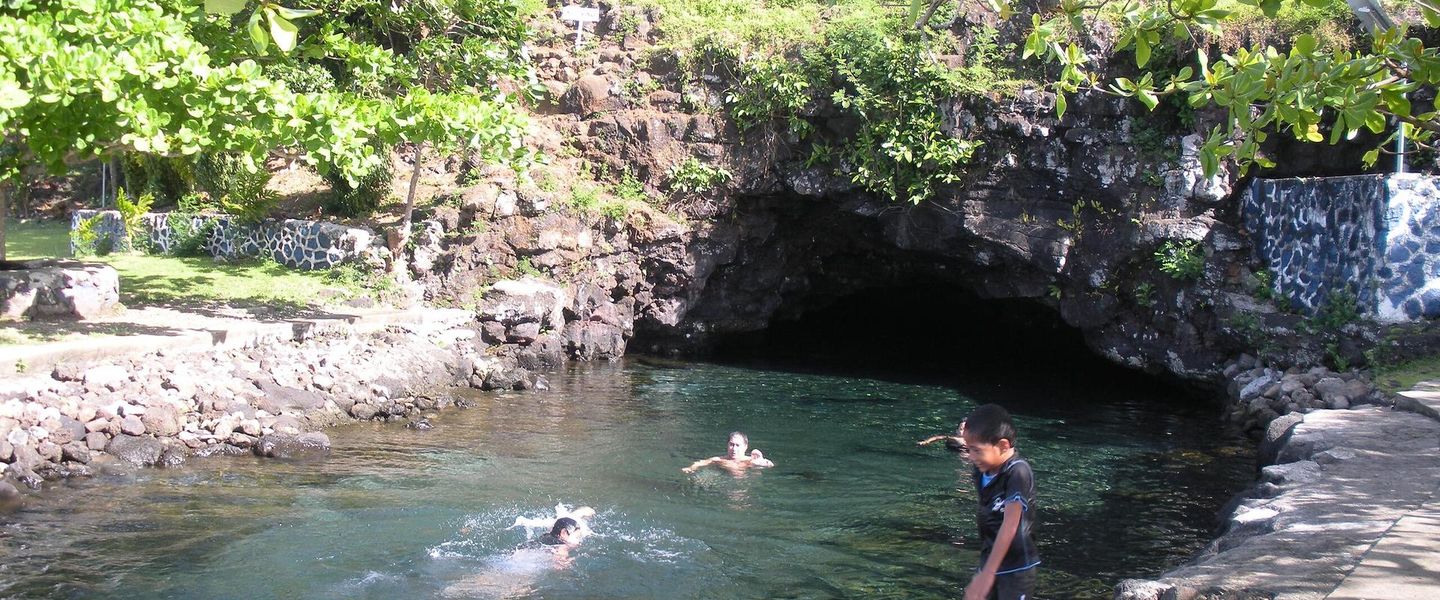


Piula Cave Pool in Samoa combines a cool freshwater lava cave, coastal scenery and Methodist heritage near Lufilufi on Upolu’s east coast.
A Coastal Lava-Cave Retreat
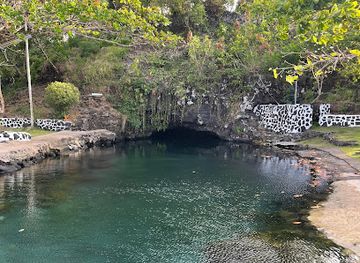
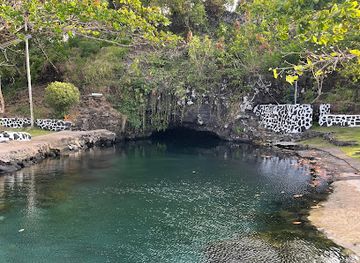
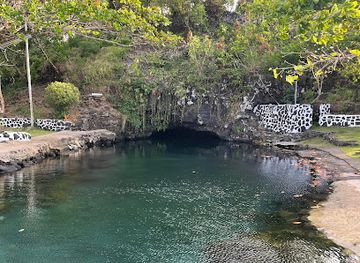
Piula Cave Pool is a small but memorable natural attraction on Upolu’s north coast, near the village of Lufilufi and roughly east of Apia. The pool occupies a lava cave beneath the grounds of Piula Theological College, where dark volcanic rock, dense tropical vegetation and clear freshwater create a cool contrast with Samoa’s warm coastal climate. Visitors reach the cave through the college grounds, making the experience feel closely connected to the surrounding community rather than separated from it as a conventional commercial attraction.Read more about Piula Cave Pool
Water, Rock and Local Character
Heritage on the North Coast
When is the best time to visit Piula Cave Pool?
Best: June–August · 28–29°C| Month | High (°C) | Rainfall (mm) |
|---|---|---|
| January | 30 | 400 |
| February | 30 | 350 |
| March | 30 | 350 |
| April | 30 | 300 |
| May | 29 | 250 |
| June (best) | 29 | 200 |
| July (best) | 28 | 200 |
| August (best) | 29 | 200 |
| September | 29 | 200 |
| October | 29 | 250 |
| November | 30 | 300 |
| December | 30 | 350 |
Getting to and around Piula Cave Pool
How to get there
Transportation
Best attractions in Piula Cave Pool
The principal attraction is the freshwater pool inside the lava cave at Piula Theological College, where visitors can cool off beneath dark volcanic rock and observe the close relationship between the cave, the surrounding vegetation and the north-coast environment. The college grounds provide the cultural setting, while the nearby village of Lufilufi offers an insight into life within the historic district of Atua. Piula is best experienced as one stop on an Upolu road journey: the coast road passes through villages, cultivated land and tropical scenery, with changing views towards the ocean and inland slopes. The pool itself is compact and does not form part of a large national park or extensive trail system. Visitors should distinguish the attraction from other Samoan swimming holes and waterfalls elsewhere on Upolu, including sites on the island’s southern coast, which are separate excursions rather than extensions of Piula Cave Pool.
-
Nature preserve
Giant Clam Sanctuary
Explore the breathtaking Giant Clam Sanctuary in Savaia, a unique nature preserve home to vibrant marine life and stunning coral reefs.
-
Tourist attraction
Palolo Deep Marine Reserve
Explore the vibrant underwater life at Palolo Deep Marine Reserve in Apia, Samoa, a paradise for snorkeling and marine adventure enthusiasts.
-
Tourist attraction
Lalotalie ECAT Ventures Samoa
Explore the vibrant culture and breathtaking beauty of Samoa at Lalotalie ECAT Ventures, an immersive tourist attraction that offers unforgettable experiences.
-
Tourist attraction
Malua Turtle Feeding Pool
Discover the Malua Turtle Feeding Pool, a serene oasis where you can feed and interact with sea turtles while embracing the beauty of Samoa.


Best landmarks in Piula Cave Pool
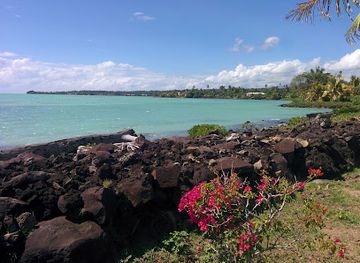
Piula Cave Pool is itself the defining natural landmark, a freshwater cavity formed in Upolu’s volcanic rock and reached beneath the grounds of Piula Theological College. Its importance lies in the unusual encounter between a cool inland pool, a lava-cave environment and the nearby Pacific coast. The theological college is the principal human landmark, representing the role of Methodist education and Christianity in Samoa’s modern social history. Lufilufi, the nearby village, is significant within the traditional district of Atua and provides the wider cultural setting for the visit. The attraction should not be confused with a monumental ruin or a formally developed geological park: its character comes from the relationship between natural rock, freshwater, village life and a functioning religious institution. Any coastal openings or submerged passages should be treated as natural features to observe rather than routes for exploration.
-
Nature preserve
Giant Clam Sanctuary
Discover the Giant Clam Sanctuary in Savaia, a stunning nature preserve rich in marine life and adventure, perfect for snorkelers and nature enthusiasts.
-
Tourist attraction
Palolo Deep Marine Reserve
Discover the stunning underwater paradise at Palolo Deep Marine Reserve, a top snorkeling destination in Apia, Samoa, filled with vibrant marine life.
-
Tourist attraction
Papaseea Sliding Rocks
Discover the exhilarating natural waterslides at Papaseea Sliding Rocks, a breathtaking attraction in Samoa where adventure meets tropical beauty.
-
National park
O Le Pupu-Pue National Park
Explore O Le Pupu-Pue National Park, a stunning blend of lush rainforests, diverse wildlife, and serene waterfalls, perfect for nature lovers and adventurers.
Explore Piula Cave Pool on the map
Plan your trip on one map. See where the top attractions, landmarks, restaurants and hotels are, and book hotels and experiences in a few clicks.
Best hotels in Piula Cave Pool
Best restaurants in Piula Cave Pool
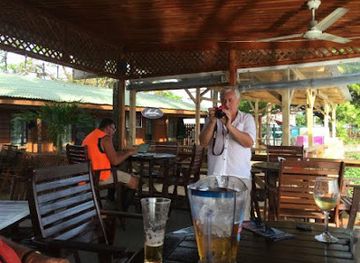
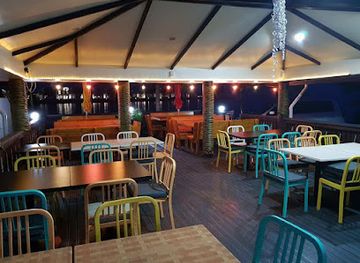
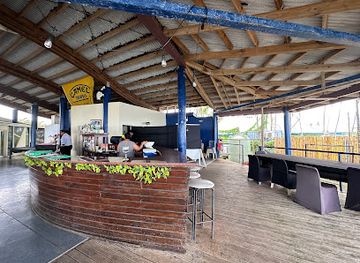
Piula Cave Pool has limited dining infrastructure immediately beside it, so visitors should plan to eat before arriving or carry provisions bought in Apia or another established settlement. Along Upolu’s coastal roads, food may be available from village shops, small roadside stalls and local households, but availability and opening arrangements are not guaranteed. Samoan food commonly draws on taro, breadfruit, coconut, banana, fish and other locally available produce, with meals often prepared for family or community occasions. Apia offers the broadest choice of restaurants, cafés and supermarkets, while accommodation properties and larger settlements elsewhere on Upolu may provide more predictable meals. Visitors should ask permission before entering village-based food businesses, follow local etiquette and avoid treating informal roadside sales as a permanent restaurant service.
-
Restaurant
Paddles Restaurant
Experience the rich flavors of Samoa at Paddles Restaurant in Apia – where culinary tradition meets modern elegance.
-
Pub
The Edge Marina, Samoa
Experience the vibrant culture and stunning views at The Edge Marina in Samoa - where delicious cuisine meets island charm.
-
Restaurant
Bistro Tatau Restaurant
Experience authentic Samoan cuisine at Bistro Tatau in Apia – where tradition meets flavor in a cozy atmosphere.
-
Restaurant
Kokobanana Bar & Grill
Discover Kokobanana Bar & Grill: A vibrant culinary gem in Apia offering delicious Samoan cuisine and live entertainment.


Best bars in Piula Cave Pool
Piula Cave Pool has no established nightlife scene, and the surrounding villages are quiet after dark rather than organised around bars or nightclubs. Evening entertainment is more likely to come from the social life of an accommodation property, a family gathering or a church and community event, provided visitors are invited and behave appropriately. Apia, outside the immediate destination, has Samoa’s widest selection of licensed bars, hotel lounges and occasional live entertainment, although the atmosphere remains comparatively relaxed and closing arrangements can vary. Visitors staying near Lufilufi should not expect to walk from the pool to a late-night venue, and should arrange transport before travelling into the capital. Alcohol should never be taken into college grounds or consumed in ways that disregard local custom.
-
Tourist attraction
Piula Cave Pool
Explore the stunning Piula Cave Pool, a hidden gem in Samoa where crystal-clear waters and lush landscapes create an unforgettable experience.
-
Pub
The Edge Marina, Samoa
Discover the vibrant ambiance of The Edge Marina, where stunning views and delicious food meet Samoan culture in a unique coastal experience.
-
Restaurant
Taumeasina Restaurant & Bar
Experience the best of Samoan and international cuisine at Taumeasina Restaurant & Bar in Apia, where every meal comes with stunning ocean views.
-
Restaurant
Sails Restaurant & Bar
Discover the flavors of Samoa at Sails Restaurant & Bar, where ocean views and delicious cuisine meet in an unforgettable dining experience.
Best nightclubs in Piula Cave Pool
Piula Cave Pool has no established nightlife scene, and the surrounding villages are quiet after dark rather than organised around bars or nightclubs. Evening entertainment is more likely to come from the social life of an accommodation property, a family gathering or a church and community event, provided visitors are invited and behave appropriately. Apia, outside the immediate destination, has Samoa’s widest selection of licensed bars, hotel lounges and occasional live entertainment, although the atmosphere remains comparatively relaxed and closing arrangements can vary. Visitors staying near Lufilufi should not expect to walk from the pool to a late-night venue, and should arrange transport before travelling into the capital. Alcohol should never be taken into college grounds or consumed in ways that disregard local custom.
-
Tourist attraction
Piula Cave Pool
Explore the serene beauty of Piula Cave Pool, a hidden gem in Samoa, surrounded by lush landscapes and crystal-clear waters.
-
 Resort hotel
Return to Paradise Resort
Experience the ultimate tropical getaway at Return to Paradise Resort, where luxury meets breathtaking nature in Lefaga, Matautu.
-
Lodging
Faofao Beach Fales
Discover the serene beauty and authentic Samoan experience at Faofao Beach Fales, where comfort meets the breathtaking coast.
-
Resort hotel
Leuaina Beach Resort
Experience the beauty and tranquility of Leuaina Beach Resort, where luxury meets the stunning landscapes of Samoa for an unforgettable getaway.
Best shops in Piula Cave Pool
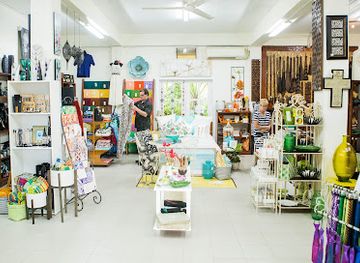
Shopping at Piula Cave Pool itself is very limited, with no substantial retail district or permanent craft market forming part of the attraction. Visitors should buy cash, snacks, water, swimming supplies and any picnic items before leaving Apia or another larger settlement. Small village shops along Upolu’s roads may stock basic provisions, while local roadside sellers sometimes offer seasonal produce or prepared food, subject to availability. For Samoan handicrafts, woven items, carvings, artwork and locally made gifts, Apia provides the widest range of established outlets and markets. Purchases should be made respectfully, with attention to local customs and sensible environmental practice; shells, coral and other natural material should not be removed from the coast or cave surroundings.
-
Tourist attraction
Piula Cave Pool
Experience the breathtaking beauty of Piula Cave Pool in Faleapuna, where crystal-clear waters and lush landscapes create a tropical paradise.
-
Gift shop
Pacific Jewell Gift Shop & Garden Café
Explore unique gifts and savor delicious local cuisine at the Pacific Jewell Gift Shop & Garden Café in Levili, Apia.
-
Gift shop
Janet's Samoa
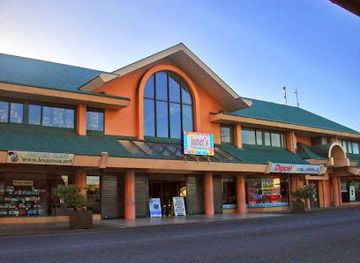
Explore Janet's Samoa: A cultural gem in Apia, offering authentic Samoan gifts and insights into local artistry.
-
Gift shop
Mailelani Samoa Body Care
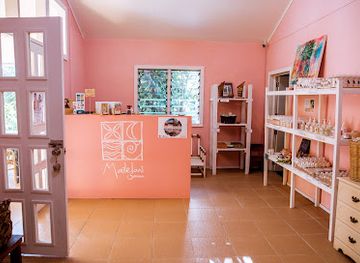
Explore the natural beauty and cultural richness at Mailelani Samoa Body Care, a premier gift and health shop in Apia, Samoa.
Get your free copy of our complete guide to Piula Cave Pool, delivered straight to you.
Everything on this page, from attractions and restaurants to essentials and local phrases, in one PDF you can read offline, print or share.
Already have an account? Sign in
Your Piula Cave Pool guide is ready.
We'll send it to · Not you? Sign out

Getting your guide ready…
We are putting together a fresh copy of the Piula Cave Pool guide. This can take up to a minute.
This can take a few moments. If your browser asks, choose Allow so the download can start. You'll find the guide in your Downloads folder.
Nothing happened? Download it again
Sorry, the guide is taking longer than usual. Please try again in a minute, or get it by email instead.
Piula Cave Pool essentials
Currency and Payment
Safety
Emergency Situations
Do's and Don'ts
Local Tips
From Eve
Local phrases worth knowing
You don't need to get them perfect. A few words go a long way, and locals appreciate the effort.
Basics
| English | Local | Say it |
|---|---|---|
| Hello | Talofa | [Ta-lo-fa] |
| Goodbye | Fa | [Fa] |
| Yes | Ioe | [Yo-eh] |
| No | Leai | [Leh-ai] |
| Please/You're welcome | Fa'amalie | [Fa-ah-ma-lie] |
| Thank you | Fa'afetai | [Fa-ah-feh-tai] |
| Excuse me/Sorry | Tulou | [Too-loo] |
| How are you? | O a mai oe? | [Oh-a-mai-oh-eh] |
| Fine. And you? | Lelei. O a oe? | [Leh-leh. Oh-ah-oh-eh] |
| Do you speak English? | O leai se fa'ailo mai i le fa'asamoa? | [Oh-leh-ai-seh-fa-ai-lo-mai-i-leh-fa-ah-sa-mo-ah] |
| I don't understand | E le mafai ona ou te le mafai ona malamalama | [Eh-leh-ma-fai-oh-na-oh-teh-leh-ma-fai-oh-na-ma-la-ma-la-ma] |
Eating & Drinking
| English | Local | Say it |
|---|---|---|
| I'd like to see the menu, please | Ou te fia vaai i le menu, fa'amalie | [Oh-teh-fee-ah-vah-eye-leh-menu-fa-ah-ma-lie] |
| I don't eat meat | E le auai i le kuka | [Eh-leh-ah-oo-ai-ee-leh-koo-kah] |
| Cheers! | Manuia! | [Mah-noo-ee-ah] |
| I would like to pay, please | Ou te fia tu'uina, fa'amalie | [Oh-teh-fee-ah-too-oo-ee-nah-fa-ah-ma-lie] |
Emergencies
| English | Local | Say it |
|---|---|---|
| Help! | Fesoasoani! | [Fe-so-ah-so-ah-nee] |
| Go away! | Toe fa'amalie! | [To-eh-fa-ah-ma-lie] |
| Call the Police! | Fa'afesootai leoleo! | [Fa-ah-feh-so-o-tai-leh-o-leh-o] |
| Call a doctor! | Fa'afesootai foma'i! | [Fa-ah-feh-so-o-tai-foh-ma-ee] |
| I'm lost | Ua ou iloa | [Oo-ah-oh-oo-ee-loh-ah] |
| I'm ill | Ua ou matagofie | [Oo-ah-oh-ma-tah-go-fee-eh] |
Shopping
| English | Local | Say it |
|---|---|---|
| I'd like to buy... | Ou te fia fa'atau... | [Oh-teh-fee-ah-fa-ah-ta-oo] |
| I'm just looking | Ou te tatalo | [Oh-teh-ta-ta-lo] |
| How much is it? | E fia le tele? | [Eh-fee-ah-leh-teh-leh] |
| That's too expensive | E lelei le tele | [Eh-leh-leh-teh-leh] |
| Can you lower the price? | O le mafai ona e tusa le tele? | [Oh-leh-ma-fai-oh-na-eh-too-sah-leh-teh-leh] |
Time & Numbers
| English | Local | Say it |
|---|---|---|
| What time is it? | O le a le taimi? | [Oh-leh-ah-leh-ta-ee-mee] |
| It's one o'clock | Ua le tasi | [Oo-ah-leh-ta-see] |
| Half past (10) | I le itu i le sefulu | [Ee-leh-ee-too-ee-ee-leh-seh-foo-loo] |
| Morning | Taeao | [Ta-eh-ah-oh] |
| Afternoon | Afiafi | [Ah-fee-ah-fee] |
| Evening | Iliili | [Ee-lee-ee-lee] |
| Yesterday | Nei | [Neh-ee] |
| Today | Lea | [Leh-ah] |
| Tomorrow | Aso | [Ah-so] |
| 1 | Tasi | [Ta-see] |
| 2 | Lua | [Loo-ah] |
| 3 | Tolu | [Toh-loo] |
| 4 | Fa | [Fah] |
| 5 | Lima | [Lee-mah] |
| 6 | Ono | [Oh-no] |
| 7 | Fitu | [Fee-too] |
| 8 | Valu | [Vah-loo] |
| 9 | Iva | [Ee-vah] |
| 10 | Sefulu | [Seh-foo-loo] |
Transport & Directions
| English | Local | Say it |
|---|---|---|
| Where's a/the...? | O fea le... | [Oh-feh-ah-leh] |
| What's the address? | O le a le tuatusi? | [Oh-leh-ah-leh-too-ah-too-see] |
| Can you show me (on the map)? | O le mafai ona fa'ailo mai (i le lapisi)? | [Oh-leh-ma-fai-oh-na-fa-ai-lo-mai-ee-leh-lah-pee-see] |
| When's the next (bus)? | O le a le taimi mo le taeao (autapao)? | [Oh-leh-ah-leh-ta-ee-mee-mo-leh-ta-eh-ah-oh-ow-tah-pah-oh] |
| A ticket (to ....) | Tikitia (i le ....) | [Tee-kee-tee-ah-ee-leh] |
History of Piula Cave Pool
Volcanic Origins of Upolu
Piula Cave Pool exists within the volcanic landscape of Upolu, one of Samoa’s major islands. Lava flows and later weathering created the porous rock formations, coastal cavities and freshwater environments characteristic of parts of the island. The pool’s geological setting is best understood within Samoa’s broader volcanic history rather than as a man-made feature. Rainfall moving through the island’s elevated interior helps sustain freshwater systems, while the nearby coast gives Piula its striking relationship between inland water and the sea.
Early Settlement and Atua
Upolu has been settled by Polynesian communities for many centuries, and the north-eastern part of the island belongs to the historic district of Atua. Lufilufi is regarded as the principal settlement of Atua and remains closely associated with Samoa’s chiefly and political traditions. Before modern tourism, places such as Piula were understood through village life, customary authority, agriculture, fishing and spiritual relationships with the land and water. These continuing traditions are important context for visiting a natural site located within an active community.
The Methodist College at Piula
Piula Cave Pool is situated within Piula Theological College, a Methodist institution established during the nineteenth-century development of Christianity and formal religious education in Samoa. The college reflects the importance of church institutions in Samoan social history: missions became centres of teaching, worship and community organisation as Christianity spread through the islands. The pool is therefore more than an isolated geological attraction; it forms part of a working educational and religious setting whose grounds require appropriate conduct from visitors.
A Modern Visitor Attraction
Piula Cave Pool became better known to visitors as road access along Upolu’s northern coastline improved and independent travel expanded. Its appeal rests on the combination of a freshwater swimming place, volcanic rock and a culturally significant setting rather than on large-scale tourism development. Visitor use remains relatively low-key, with access dependent on the college and local arrangements. That relationship has helped preserve the site’s community character while making respectful tourism, modest behaviour and care for the cave environment central to the experience.
Piula Cave Pool in Photos
Browse through our photo collection highlighting the charm and character of the destination.
Cities in Piula Cave Pool
The towns and cities of Piula Cave Pool, and the easiest places to base yourself.
-

-

-


Swipe for more cities
Neighbouring destination travel guides
The closest destinations to Piula Cave Pool, if you have time for more than one.
-

-

-

-

-


Swipe for more destinations
Explore more

Explore more of Atua
Discover Atua, Samoa: Pristine beaches, lush landscapes, rich cultural heritage, and serene natural beauty await in this stunning coastal district on Upolu.
Explore Atua
Explore more of Samoa
Discover Samoa: Immerse in Polynesian culture, explore pristine beaches, and enjoy lush landscapes. Experience the unique blend of tradition and natural beauty.
Explore Samoa