

Free Taif Travel Guide & Mobile App
Plan your Taif trip with Evendo. Get free guides to top attractions, restaurants, hotels, and bars. Web access or download the mobile app.


Taif, Saudi Arabia, pairs cool Sarawat mountain air with rose farms, historic palaces, lively souqs, highland parks and scenic escapes above Makkah.
Highland Setting and Cooler Summers
Taif rises on the eastern slopes of the Sarawat Mountains in western Saudi Arabia, within Makkah Province and roughly 1,700 metres above sea level. Its elevation gives the city a cooler climate than the coastal plain, making it a long-established summer retreat for residents of Jeddah, Makkah and elsewhere in the Kingdom. Mountain roads lead towards Al Hada and Al Shafa, where steep escarpments, granite outcrops, orchards and broad views create a distinctive highland landscape.Read more about Taif
A City Shaped by Gardens and History
Markets, Mountains and Cultural Memory
When is the best time to visit Taif?
Best: December–February · 25–26°C| Month | High (°C) | Rainfall (mm) |
|---|---|---|
| January (best) | 25 | 4 |
| February (best) | 26 | 4 |
| March | 29 | 3 |
| April | 33 | 1 |
| May | 36 | 0 |
| June | 38 | 0 |
| July | 38 | 0 |
| August | 38 | 0 |
| September | 36 | 0 |
| October | 32 | 0 |
| November | 29 | 1 |
| December (best) | 25 | 3 |
Getting to and around Taif
How to get there
Transportation
Best attractions in Taif
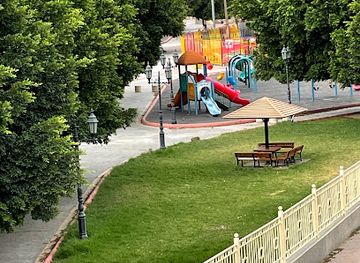
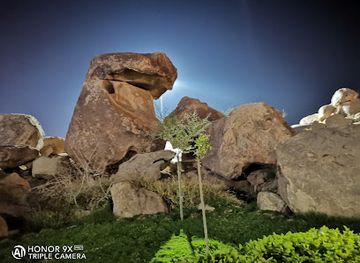
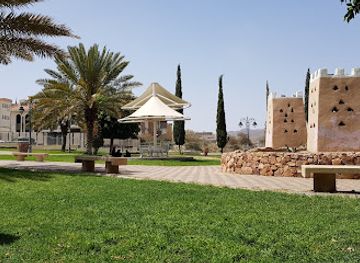
Taif’s principal attractions reflect its mountain setting and cultivated surroundings. Shubra Palace introduces visitors to the city’s royal and architectural history through a grand early twentieth-century residence, while the Abdullah ibn Abbas Mosque carries associations with one of Islam’s most important early scholars. Al Rudaf Park offers landscaped open space, rock formations and family facilities within the city, and the mountain roads towards Al Hada provide elevated views across the western escarpment. Al Shafa is known for its cooler air, rugged scenery, orchards and rose-growing villages, making the journey part of the appeal. In spring, rose farms and traditional distilleries reveal the agricultural culture behind Taif’s best-known product. The historical market of Souq Okaz, located outside the city, connects the region with its pre-Islamic literary and commercial heritage and is linked to seasonal cultural events rather than ordinary urban sightseeing.
-
Garden
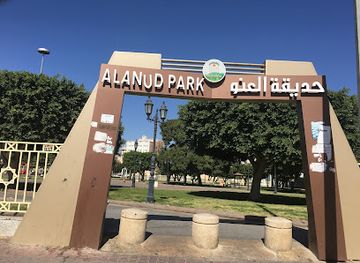
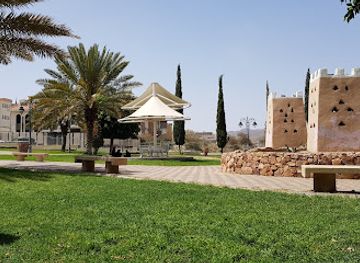
Alanoud Park
Explore the beauty of Alanoud Park in Taif, a serene city park perfect for relaxation, picnics, and enjoying nature's splendor.
9 min walk · 0.7 km from city centre
-
Garden
Al Jal Garden Families Only
Discover the tranquility of Al Jal Garden in Taif, a lush haven perfect for families seeking adventure and relaxation amidst stunning floral displays.
10 min drive · 3.2 km from city centre
-
Tourist attraction
حديقة الملك فهد
Experience the tranquility and beauty of King Fahd Park in Taif, a perfect blend of nature and recreation for every tourist.
12 min drive · 3.9 km from city centre
-
Tourist attraction
Masarrah Park
Explore the tranquil beauty of Masarrah Park in Taif, a perfect destination for families and nature lovers seeking relaxation and adventure.
12 min drive · 4.1 km from city centre
Best landmarks in Taif
Shubra Palace is Taif’s best-known historic building, an early twentieth-century residence whose broad façade and decorative details reflect the period when the city served as a royal summer retreat. The Abdullah ibn Abbas Mosque marks Taif’s connection with the cousin and renowned interpreter of the Quran, although visitors should follow current guidance on access and photography. In the older commercial areas, mosques, market lanes and traditional façades preserve traces of the city’s role as a highland centre serving Makkah and the surrounding agricultural villages. The mountain escarpments of Al Hada and Al Shafa are natural landmarks as well as transport corridors, offering dramatic evidence of Taif’s elevated setting. Outside the urban area, Souq Okaz represents the region’s pre-Islamic literary and trading memory through its historic name and modern cultural events.
-
Garden
Alanoud Park
Experience the serenity of Alanoud Park in Taif, Saudi Arabia—a lush urban park perfect for relaxation and leisure amidst nature's beauty.
9 min walk · 0.7 km from city centre
-
 Historical landmark
Bab Alhazm
Explore Bab Alhazm, a historic landmark in Taif, Saudi Arabia, showcasing stunning architecture and rich cultural heritage.
7 min walk · 0.6 km from city centre
-
Park
حديقة الملك فهد
Discover King Fahd Park in Taif: A serene escape with lush landscapes, recreational activities, and family-friendly amenities for all.
12 min drive · 3.9 km from city centre
-
Park
Masarrah Park
Explore Masarrah Park in Taif, a serene escape rich in natural beauty and recreational activities, perfect for families and nature lovers.
12 min drive · 4.1 km from city centre
Explore Taif on the map
Plan your Taif trip on one map. See where the top attractions, landmarks, restaurants, bars and hotels are, find what's near where you're staying, and book hotels and experiences in a few clicks.
Best hotels in Taif
Best restaurants in Taif
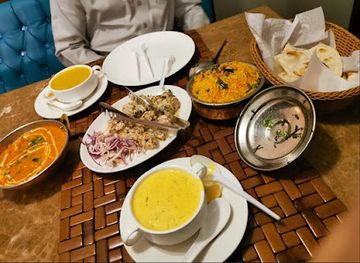
Taif’s dining culture combines western Saudi home cooking with the produce of its cooler uplands. Visitors encounter dishes such as kabsa, rice-based meat preparations, grilled meats, samboosa and hearty stews, alongside breads, dates and Arabic coffee. The mountain climate supports grapes, pomegranates, figs and other fruit, while local honey and rose products appear in speciality shops and some contemporary menus. Traditional eateries and family restaurants are particularly useful for regional rice and meat dishes, whereas cafés and modern restaurants cluster around newer commercial districts and shopping areas. Market visits can add fresh fruit, nuts, sweets and drinks to the culinary experience. Taif’s rose water is more commonly bought as a fragrant ingredient or gift than consumed as a standalone speciality, and visitors should distinguish locally produced items from general packaged souvenirs.
-
Fast Food
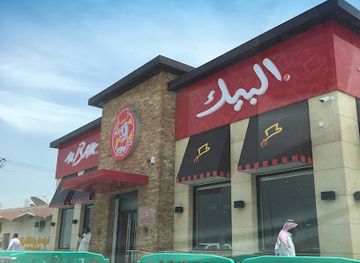
Albaik
Discover Albaik in Taif: The ultimate destination for delicious fried chicken and local flavors at affordable prices.
6 min drive · 2.1 km from city centre
-
Arab restaurant
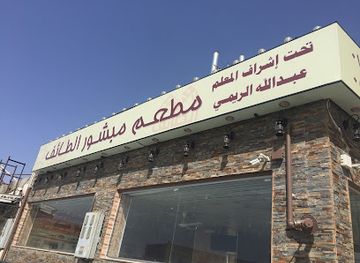
Mabshoor Altaif
Savor authentic Arab cuisine at Mabshoor Altaif in Taif – a delightful blend of tradition and flavor awaits every visitor.
7 min drive · 2.3 km from city centre
-
Restaurant
Kinara Indian Restaurant
Experience authentic Indian cuisine at Kinara Indian Restaurant in Taif - where every dish tells a flavorful story.
5 min drive · 1.8 km from city centre
-
Family-friendly
Aylul Lebanon Restaurant
Experience the authentic taste of Lebanese cuisine at Aylul Lebanon Restaurant in Taif - perfect for families and food lovers alike.
12 min drive · 3.9 km from city centre
Best bars in Taif
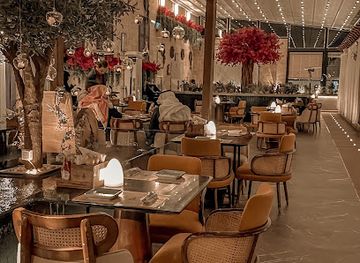
Taif does not have a bar or nightclub scene, as alcohol is prohibited in Saudi Arabia. Evening life instead centres on family restaurants, coffee shops, dessert cafés, shopping centres and open-air public spaces. Al Rudaf Park and other landscaped areas can become popular after sunset, particularly when temperatures are more comfortable, while commercial districts provide cafés where residents meet over Arabic coffee, tea and sweets. Seasonal cultural programming connected with Taif Rose Festival or Souq Okaz may add performances, exhibitions and traditional arts, depending on the programme. In the mountain resorts of Al Hada and Al Shafa, visitors find scenic evening drives, resort dining and viewpoints rather than late-night clubbing. Respectful dress and conduct remain important, and entertainment schedules can change during Ramadan and religious holidays.
-
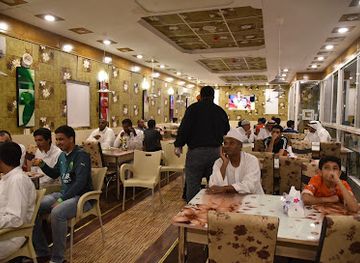
Arab restaurant
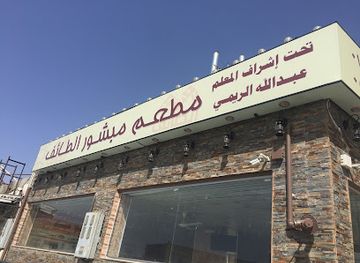
Mabshoor Altaif
Experience the authentic taste of Saudi Arabia at Mabshoor Altaif, a top-rated Arab restaurant in Taif that delights every palate.
7 min drive · 2.3 km from city centre
-
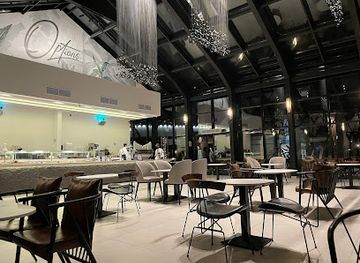
Coffee shop
OPTIONS CAFE
Discover OPTIONS CAFE in Taif - where exceptional coffee meets a cozy atmosphere, perfect for relaxation and connection.
10 min drive · 3.2 km from city centre
-
Meat
Restaurant Kinda
Savor the authentic flavors of Egyptian cuisine at Restaurant Kinda in Taif, where every dish is a celebration of meat perfection.
6 min drive · 1.9 km from city centre
-
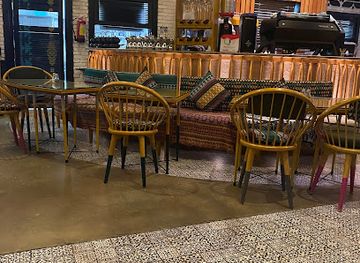
Restaurant
Bohoo - بووهو
Discover the vibrant flavors of Taif at Bohoo - بووهو, a delightful restaurant and café offering a unique culinary experience.
8 min drive · 2.7 km from city centre
Best nightclubs in Taif
Taif does not have a bar or nightclub scene, as alcohol is prohibited in Saudi Arabia. Evening life instead centres on family restaurants, coffee shops, dessert cafés, shopping centres and open-air public spaces. Al Rudaf Park and other landscaped areas can become popular after sunset, particularly when temperatures are more comfortable, while commercial districts provide cafés where residents meet over Arabic coffee, tea and sweets. Seasonal cultural programming connected with Taif Rose Festival or Souq Okaz may add performances, exhibitions and traditional arts, depending on the programme. In the mountain resorts of Al Hada and Al Shafa, visitors find scenic evening drives, resort dining and viewpoints rather than late-night clubbing. Respectful dress and conduct remain important, and entertainment schedules can change during Ramadan and religious holidays.
Best shops in Taif
Shopping in Taif ranges from traditional market browsing to air-conditioned modern retail. Older souqs and the central market are useful places to look for rose water, rose oil, perfumes, incense, honey, dried fruit, nuts and locally grown produce, although quality and packaging vary between sellers. Small specialist shops may carry traditional gifts, prayer beads, textiles and Arabic sweets, while contemporary shopping centres provide familiar fashion, electronics, cafés and family retail. The most distinctive purchases are connected with the Taif rose and the surrounding highlands: fragrant products, honey and seasonal fruit express the agricultural identity of the region more clearly than generic souvenirs. Bargaining may be possible in informal markets, but fixed prices are usual in larger shops. Visitors should check labels when seeking locally produced rose items.
-
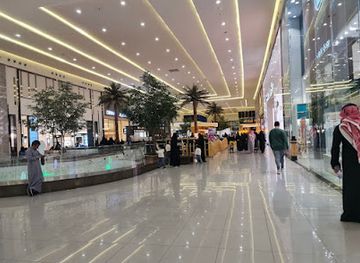
Shopping mall
Jouri Mall by Cenomi
Experience the vibrant allure of Jouri Mall in Taif, where shopping, dining, and entertainment come together for an unforgettable visit.
11 min drive · 3.6 km from city centre
-
Shopping mall
Tera Mall
Discover Tera Mall in Taif, a vibrant shopping destination with diverse stores, dining options, and entertainment for all ages.
11 min drive · 3.6 km from city centre
-
Market
Alangari Mall
Explore Alangari Mall in Taif for a unique shopping experience filled with local flavors, international brands, and memorable dining options.
6 min drive · 2.1 km from city centre
-
Shopping mall
سوق الطائف الدولي
Experience the best of shopping and local culture at Taif International Market, where tradition meets modernity in a vibrant atmosphere.
7 min drive · 2.2 km from city centre
Get your free copy of our complete guide to Taif, delivered straight to you.
Everything on this page, from attractions and restaurants to essentials and local phrases, in one PDF you can read offline, print or share.
Already have an account? Sign in
Your Taif guide is ready.
We'll send it to · Not you? Sign out

Getting your guide ready…
We are putting together a fresh copy of the Taif guide. This can take up to a minute.
This can take a few moments. If your browser asks, choose Allow so the download can start. You'll find the guide in your Downloads folder.
Nothing happened? Download it again
Sorry, the guide is taking longer than usual. Please try again in a minute, or get it by email instead.
Taif essentials
Currency and Payment
Safety
Emergency Situations
Do's and Don'ts
Local Tips
From Eve
Local phrases worth knowing
You don't need to get them perfect. A few words go a long way, and locals appreciate the effort.
Basics
| English | Local | Say it |
|---|---|---|
| Hello | مرحبا | [marhaban] |
| Goodbye | وداعا | [wadaeana] |
| Yes | نعم | [naam] |
| No | لا | [laa] |
| Please/You're welcome | من فضلك | [min fadlik] |
| Thank you | شكرا | [shukran] |
| Excuse me/Sorry | عذرا | [aathirana] |
| How are you? | كيف حالك؟ | [kayfa haluka?] |
| Fine. And you? | بخير. وأنت؟ | [bikhayr. wa anta?] |
| Do you speak English? | هل تتحدث الإنجليزية؟ | [hal tatahadath al'iinjilia?] |
| I don't understand | أنا لا أفهم | [ana la afham] |
Eating & Drinking
| English | Local | Say it |
|---|---|---|
| I'd like to see the menu, please | أود أن أرى القائمة، من فضلك | [awadu 'an 'ara alqaimat, min fadlik] |
| I don't eat meat | أنا لا أتناول اللحم | [ana la atnaul allahm] |
| Cheers! | في صحتك! | [fi sahtik] |
| I would like to pay, please | أريد أن أدفع، من فضلك | [urid 'an 'udfi', min fadlik] |
Emergencies
| English | Local | Say it |
|---|---|---|
| Help! | النجدة! | [alnajdat!] |
| Go away! | اذهب بعيدا! | [adhhab baedan!] |
| Call the Police! | اتصل بالشرطة! | [atawasal bialshurta!] |
| Call a doctor! | اتصل بالطبيب! | [atawasal bialtabib!] |
| I'm lost | لقد ضللت | [laqad dalalt] |
| I'm ill | أنا مريض | [ana mariid] |
Shopping
| English | Local | Say it |
|---|---|---|
| I'd like to buy... | أود شراء... | [awad sharai...] |
| I'm just looking | أنا فقط أتصفح | [ana faqat atasafah] |
| How much is it? | كم سعره؟ | [kam sairuh?] |
| That's too expensive | هذا غالي جدا | [hadha ghali jiddan] |
| Can you lower the price? | هل يمكنك تخفيض السعر؟ | [hal yumkinuk takhfid al'sair?] |
Time & Numbers
| English | Local | Say it |
|---|---|---|
| What time is it? | كم الوقت؟ | [kam alwaqt?] |
| It's one o'clock | الساعة الواحدة | [alssa'at alwahidat] |
| Half past (10) | الساعة والنصف | [alssa'at walnusf] |
| Morning | الصباح | [alssabah] |
| Afternoon | بعد الظهر | [baed alzuhur] |
| Evening | المساء | [almasa'] |
| Yesterday | أمس | [ams] |
| Today | اليوم | [alyawm] |
| Tomorrow | غدا | [ghadan] |
| 1 | واحد | [wahid] |
| 2 | اثنان | [ithnan] |
| 3 | ثلاثة | [thalatha] |
| 4 | أربعة | [arbaa] |
| 5 | خمسة | [khamsa] |
| 6 | ستة | [sitta] |
| 7 | سبعة | [sabaa] |
| 8 | ثمانية | [thamania] |
| 9 | تسعة | [tasia] |
| 10 | عشرة | [ashara] |
Transport & Directions
| English | Local | Say it |
|---|---|---|
| Where's a/the...? | أين... | [ayn...] |
| What's the address? | ما هو العنوان؟ | [ma hu al'ainawan?] |
| Can you show me (on the map)? | هل يمكنك أن تريني (على الخريطة)؟ | [hal yumkinuk 'an tarini ('ala alkharita)?] |
| When's the next (bus)? | متى يأتي الحافلة القادمة؟ | [mata yaati alhafilat alqadima?] |
| A ticket (to ....) | تذكرة (إلى...) | [tazkirat ('iilaa...)] |
History of Taif
Ancient Thaqif Settlement
Taif developed as the principal settlement of the Thaqif, an influential Arab tribe associated with the fertile uplands east of Makkah. Its elevation, cultivable land and position on routes linking the Hijaz with the interior supported agriculture and regional exchange. In the pre-Islamic period, the settlement was known as Wajj and was connected with the sanctuary of al-Lat, a prominent pre-Islamic Arabian deity. The area’s orchards and defensible mountain setting helped distinguish it from the drier environments surrounding many western Arabian settlements. Taif’s early importance therefore rested on a combination of tribal power, agriculture, pilgrimage-route geography and access to the cooler highlands.
Taif in the Early Islamic Period
Taif entered the history of Islam during the Prophet Muhammad’s lifetime. In approximately 619, Muhammad travelled to the town seeking support, but the encounter ended without the political alliance he hoped to establish. After the conquest of Makkah in 630, Taif remained resistant for a time and was besieged before its leaders eventually accepted Islam. The conversion of the Thaqif brought the city into the emerging Muslim polity while preserving its importance as an agricultural and commercial centre. The town’s association with the early Islamic period remains central to its historical identity, particularly through traditions connected with the mosque and shrine of Abdullah ibn Abbas.
A Highland Centre of Trade and Agriculture
Through the medieval and later Islamic periods, Taif remained valued for its orchards, water sources and mountain climate. Grapes, pomegranates and other fruit were cultivated in the surrounding uplands, while the town supplied produce to the Hijaz. Its relationship with Makkah ensured continuing movement of pilgrims, scholars, merchants and officials through the region. Taif’s gardens also gave it a retreat-like role for rulers and notable families, in contrast with the heat of the lowlands. Although political authority over the Hijaz changed across successive periods, agriculture and regional commerce continued to provide the foundations of Taif’s urban life.
From Ottoman Rule to Saudi Unification
Taif formed part of the Ottoman-administered Hijaz during the later Ottoman period, when the wider region was connected to imperial routes and the pilgrimage economy. In the early twentieth century, control of the Hijaz became contested during the Arab Revolt and the subsequent struggle between the Hashemite Kingdom of the Hijaz and forces aligned with Abdulaziz Ibn Saud. Taif was captured by Ibn Saud’s forces in 1924, and its incorporation into the emerging Saudi state helped consolidate control over the mountain approaches to Makkah. The political transition contributed to Taif’s later development as an important administrative, seasonal and royal centre.
Palaces, Gardens and Modern Development
During the twentieth century, improved roads and state investment strengthened Taif’s links with Makkah, Jeddah and the central Hijaz. Royal and government use reinforced the city’s reputation as a summer residence, while new neighbourhoods expanded beyond the older commercial core. Shubra Palace, built in the early twentieth century and later associated with King Abdulaziz and King Faisal, represents this period of architectural and political change. Agricultural traditions also adapted to a modern economy: rose cultivation, fruit growing and honey production became increasingly important both as local industries and as symbols of Taif’s identity.
The Taif Agreement of 1989
Taif gained international political significance in 1989 when Lebanese parliamentarians met there to negotiate an agreement intended to end the Lebanese Civil War. The Taif Agreement, formally the Document of National Accord, established principles for political reform and power-sharing in Lebanon and was followed by the end of the conflict in 1990. The negotiations added a modern diplomatic layer to the city’s historical importance. Taif is consequently associated not only with the early history of Islam and the unification of Saudi Arabia, but also with a major attempt to reshape Lebanon’s post-war political order.
Taif in Contemporary Saudi Arabia
Today, Taif combines a growing urban population with the agricultural and recreational landscapes that have long distinguished the highlands. The city’s roads, parks, shopping areas and public facilities support domestic tourism, while Al Hada and Al Shafa remain closely linked with summer visits. The annual Taif Rose Festival and renewed interest in Souq Okaz connect local heritage with contemporary cultural programming. At the same time, development has made Taif part of wider regional plans for tourism and economic diversification. Its present character reflects the meeting of an old mountain settlement, a modern Saudi city and a surrounding countryside still shaped by orchards and rose fields.
Taif in Photos
Browse through our photo collection highlighting the charm and character of the destination.
Cities near Taif
The closest cities to Taif, if you have time for more than one stop.
-

-

-

-

-


Swipe for more cities

