The House of Slaves: A Testament to Resilience
Explore the House of Slaves on Gorée Island, a UNESCO World Heritage Site that reveals the profound history of the transatlantic slave trade.
The House of Slaves, located on Gorée Island, is a haunting yet essential visit for tourists wishing to understand the history of the transatlantic slave trade. This UNESCO World Heritage Site offers powerful exhibitions and a poignant memorial that honors the lives and struggles of enslaved Africans. Visitors can explore the museum's artifacts, personal stories, and evocative spaces that bear witness to a dark chapter in human history. The island itself, with its vibrant colors and picturesque views, adds to the experience, making it a must-visit for anyone traveling to Dakar.
A brief summary to House of Slaves
- MJ93+23P, Dakar, Gorée, SN
- +221776493824
Local tips
- Plan your visit during the week to avoid larger tourist crowds.
- Take time to walk around Gorée Island and explore its other historical sites and local art.
- Consider joining a guided tour for in-depth historical context and storytelling.
- Visit the museum early in the day to fully absorb the exhibits before it gets busy.
- Bring your camera for stunning views of the Atlantic Ocean and the island's vibrant scenery.

Getting There
-
Ferry
To reach the House of Slaves, start at the Dakar Ferry Terminal located at Place de l'Indépendance. You can take a taxi or a local bus to the terminal if you're not within walking distance. The ferry to Gorée Island departs frequently, so check the schedule upon arrival. After purchasing your ticket, board the ferry heading to Gorée Island. The ride will take about 20-30 minutes. Once you arrive at Gorée Island, you will see signs directing you to the House of Slaves. It's a short walk from the ferry dock, approximately 10 minutes. Follow the main path through the village, enjoying the beautiful scenery and local shops along the way.
-
Walking
If you're staying in the vicinity of the Gorée Island ferry terminal, you can walk to the terminal. From the terminal, follow the same instructions above. After arriving on Gorée Island, exit the ferry and walk straight ahead. Look for the large, historic buildings; the House of Slaves is located at the end of the main street. Signs and locals are usually very helpful if you need directions. The walk to the House of Slaves from the ferry dock is straightforward and takes about 10 minutes.
Discover more about House of Slaves
Iconic landmarks you can’t miss

Mémorial Gorée-Almadies
0.3 km
Explore the Mémorial Gorée-Almadies in Dakar, a profound monument to the legacy of the transatlantic slave trade and a symbol of resilience and cultural heritage.
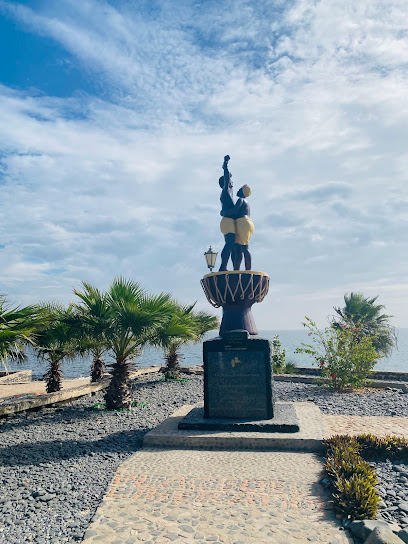
Statue of Emancipation
0.4 km
Explore the Statue of Emancipation in Dakar, a historic landmark symbolizing freedom and resilience, set against the backdrop of Gorée Island's rich cultural heritage.
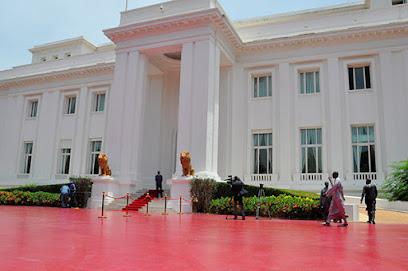
Présidence du Sénégal
3.8 km
Discover the architectural beauty and cultural significance of the Présidence du Sénégal, a landmark of governance in vibrant Dakar.
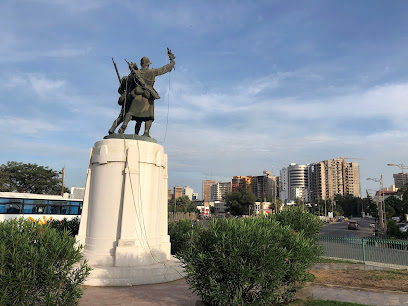
Monument Demba et Dupont
3.9 km
Explore Monument Demba et Dupont in Dakar, a historical gem that showcases Senegal's rich culture and heritage in a vibrant urban setting.
Avenue place 71,Dakar
4.3 km
Explore Avenue Place in Dakar, a historical landmark that showcases the rich cultural heritage and architectural beauty of Senegal.
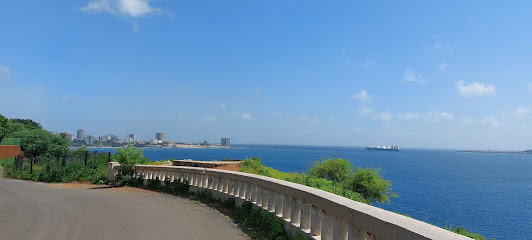
Phare du Cap Manuel
4.3 km
Explore the stunning Phare du Cap Manuel in Dakar, a picturesque lighthouse offering breathtaking ocean views and rich maritime history.
Cathédrale du Souvenir Africain
4.3 km
Explore the stunning Cathédrale du Souvenir Africain in Dakar, a monumental tribute to African heritage and spirituality, rich in culture and history.
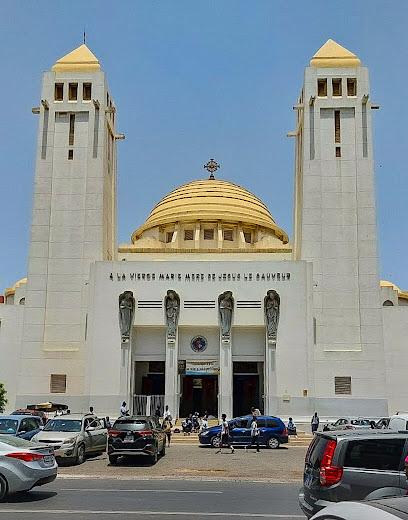
Statue
4.4 km
Explore the historic Statue in Dakar, a monumental tribute showcasing Senegal's cultural heritage and artistic excellence, perfect for travelers seeking rich experiences.
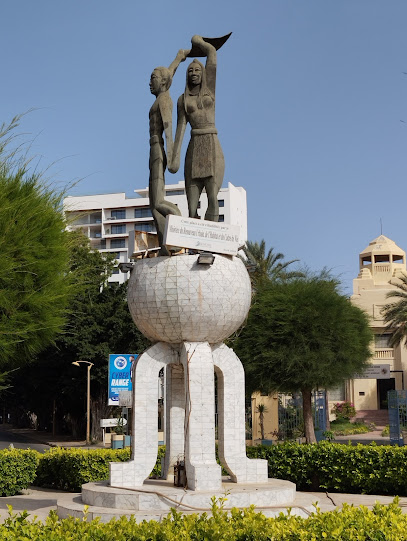
DAKAR
4.4 km
Explore Dakar, Senegal's vibrant capital, where rich history meets modern culture, stunning coastlines, and lively markets await your discovery.
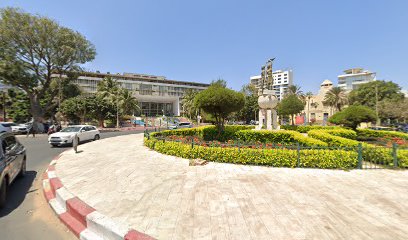
Cap Manuel
4.5 km
Explore the stunning coastal views and tranquil atmosphere of Cap Manuel, a scenic spot in Dakar perfect for relaxation and cultural immersion.
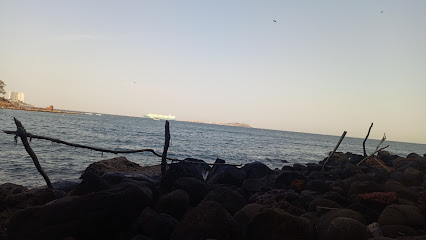
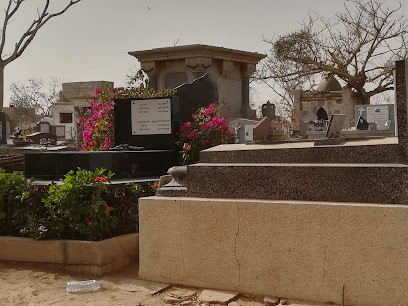
Cimetière Bel-Air
4.6 km
Discover the rich history and serene beauty of Cimetiere Bel-Air, a culturally significant cemetery in Dakar, Senegal.
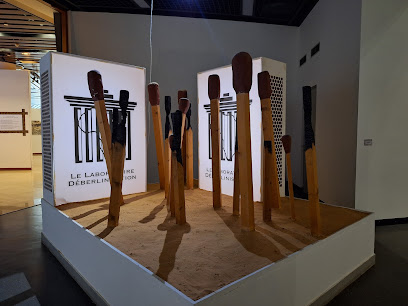
MUSEE DES CIVILISATIONS NOIRES, AUTOROUTE PROLONGEE, PLACE DE LA GARE, DAKAR SENEGAL
4.7 km
Explore the Musée des Civilisations Noires in Dakar, a captivating archaeological museum celebrating the rich heritage of African cultures.
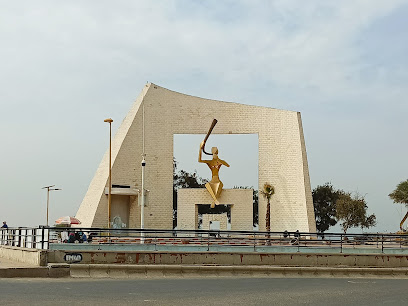
Monument du Millénaire
5.7 km
Discover the Monument du Millénaire in Dakar, a historical landmark that celebrates Senegal's culture and heritage amidst serene surroundings.
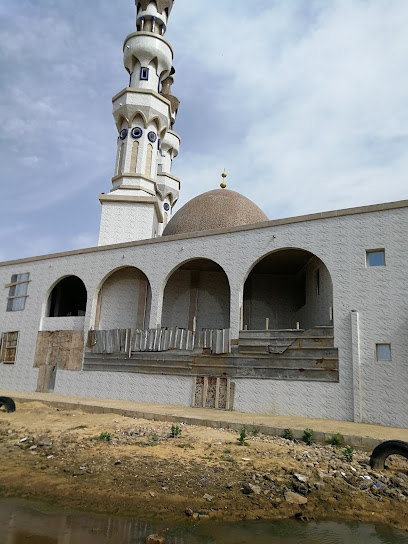
MARCHE TILENE
5.9 km
Experience the colors and flavors of Dakar at Marche Tilene, a bustling market where local culture comes alive with every visit.
Obelisk Square
6.2 km
Discover the vibrant culture and historic significance of Obelisk Square, a must-visit landmark in the heart of Dakar, Senegal.
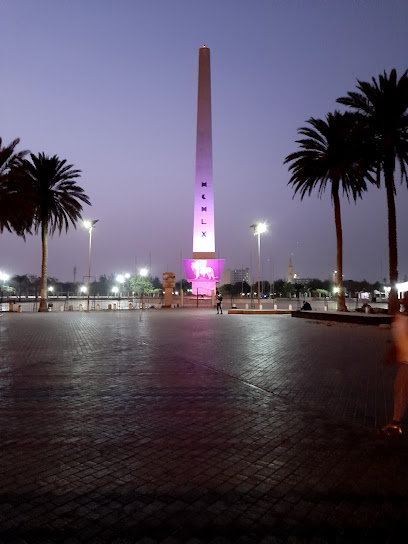
Unmissable attractions to see

IFAN Historical Museum
0.4 km
Discover Senegal's cultural treasures at the IFAN Historical Museum, showcasing the rich heritage and history of West Africa.
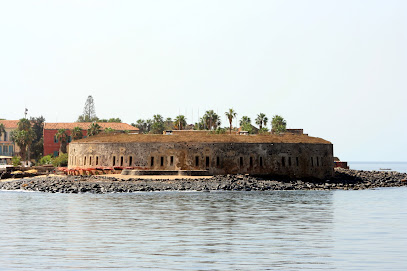
Cool
3.1 km
Experience tranquility at the Cool Garden in Dakar, a lush sanctuary perfect for relaxation and nature lovers amidst the city's vibrant life.
Casino Du Port
3.2 km
Discover the excitement and elegance of Casino Du Port, a premier gaming destination in Dakar, Senegal, where thrilling experiences await.
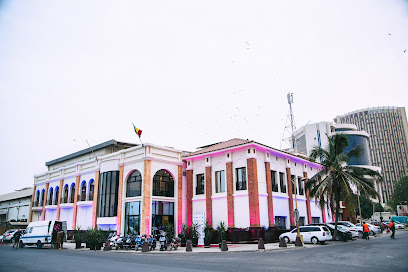
Marche Kermel
3.4 km
Experience the vibrant culture and flavors of Dakar at Marche Kermel, a must-visit market for tourists seeking local crafts and delicious street food.
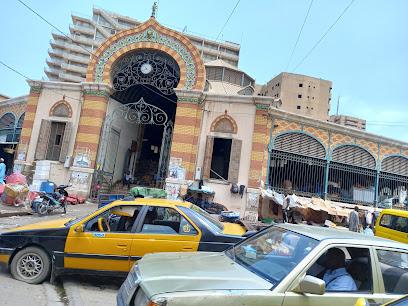
Embarcadère Île de Gorée
3.8 km
Explore the rich history and vibrant culture of Île de Gorée, a UNESCO World Heritage site near Dakar, Senegal, and a must-visit for every traveler.

The Museum of Black Civilisations
4.2 km
Explore the rich cultural heritage at the Museum of Black Civilisations in Dakar, celebrating the achievements of black communities worldwide.
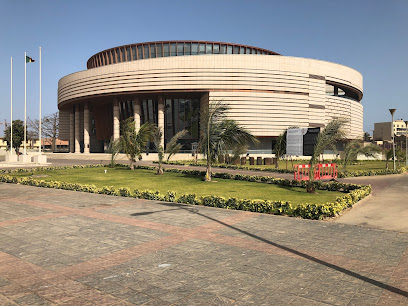
Cathedral of Our Lady of Victories
4.3 km
Discover the architectural beauty and spiritual serenity of the Cathedral of Our Lady of Victories in Dakar, a must-see cultural landmark.
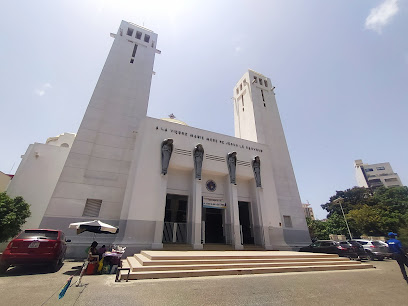
Marché Sandaga
4.4 km
Immerse yourself in the rich culture and vibrant atmosphere of Marché Sandaga, a must-visit market in the heart of Dakar, Senegal.
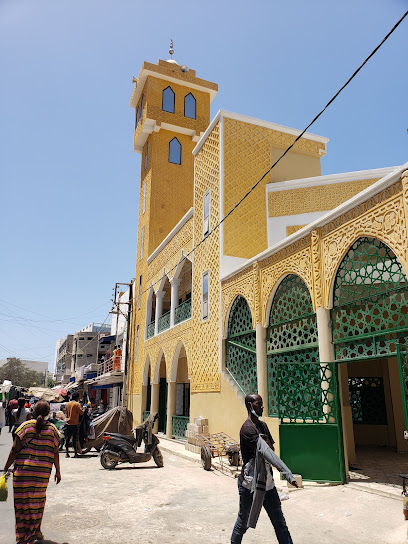
IFAN Museum of African Arts
4.4 km
Explore the IFAN Museum of African Arts in Dakar, a captivating journey through Africa's rich cultural heritage and artistic expressions.
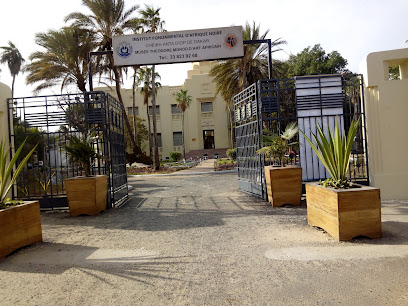
Senegalese Armed Forces Museum
4.8 km
Explore the military heritage of Senegal at the Senegalese Armed Forces Museum, a captivating tourist attraction in Dakar.
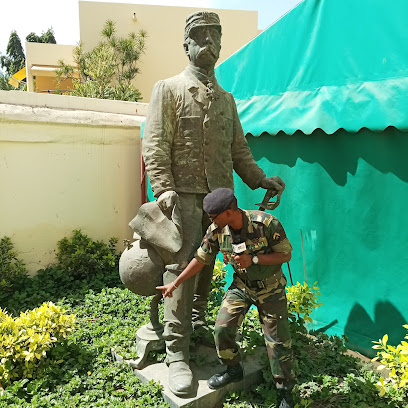
Grand Mosque of Dakar
5.0 km
Experience the grandeur of the Grand Mosque of Dakar, where captivating architecture meets profound spirituality in Senegal's bustling capital.
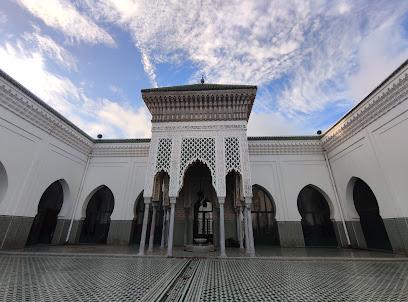
Promenade
5.6 km
Discover the beauty of Dakar's coastline at the Promenade, a perfect blend of culture, relaxation, and scenic views for every traveler.
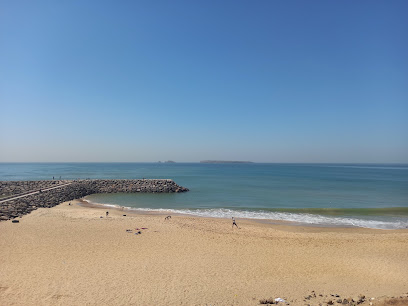
Marché soumbédioune
6.7 km
Discover the vibrant heart of Dakar at Marché Soumbédioune, a bustling market filled with local art, cuisine, and culture.
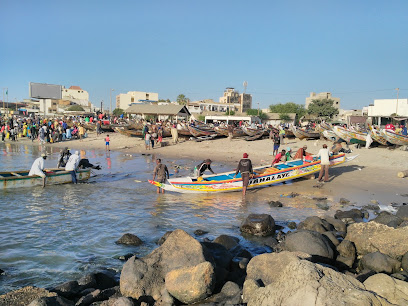
Madeleine National Park
7.1 km
Explore the serene landscapes and rich biodiversity of Madeleine National Park, a coastal gem in Dakar that invites nature lovers and adventure seekers alike.
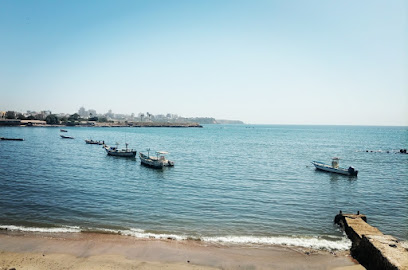
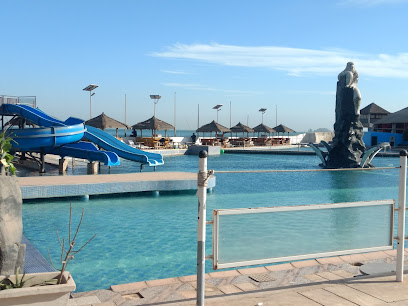
Magic Land
7.2 km
Experience the magic of family fun at Magic Land, Dakar's top amusement park with exciting rides and attractions for all ages.
Essential places to dine

DakySushi
3.2 km
Experience authentic Japanese flavors at DakySushi, a premier sushi restaurant in Dakar known for its fresh ingredients and creative dishes.
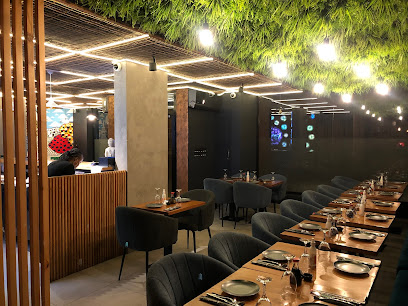
Mood Café & Restaurant
3.2 km
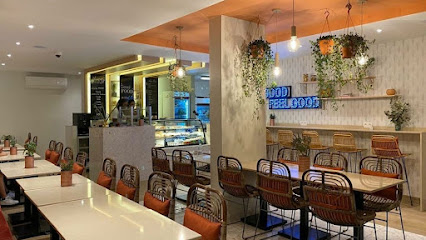
Experience exquisite dining at Mood Café & Restaurant in Dakar - where local flavors meet international cuisine in a vibrant setting.
La Fourchette
3.3 km
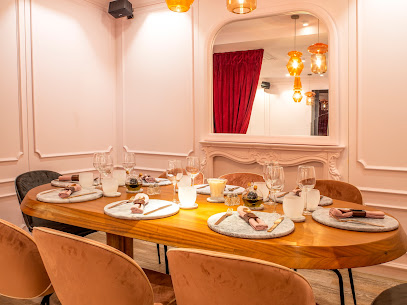
Discover culinary excellence at La Fourchette in Dakar - where local flavors meet international cuisine in an unforgettable dining experience.
Restaurant Le Lagon 1
3.4 km
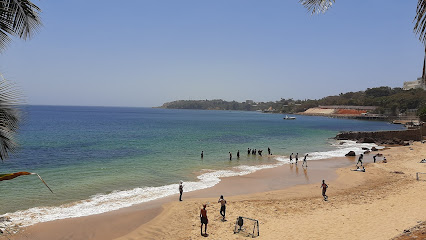
Experience exquisite Senegalese cuisine at Restaurant Le Lagon 1 in Dakar - a culinary gem with stunning ocean views.
Restaurant Le Dagorne
3.4 km
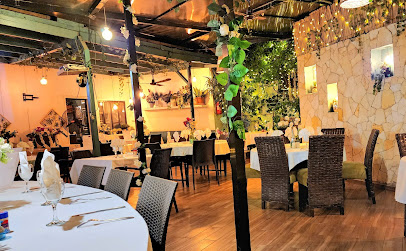
Discover the vibrant flavors of Senegal at Restaurant Le Dagorne in Dakar - where culinary tradition meets modern flair.
Restaurant le Kermel
3.4 km
Discover the exquisite fusion of French cuisine and local flavors at Restaurant le Kermel in Dakar.
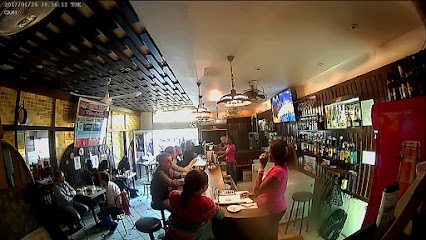
La pampa
3.6 km
Experience authentic Argentinian flavors at La Pampa in Dakar - where culinary passion meets exceptional dining.
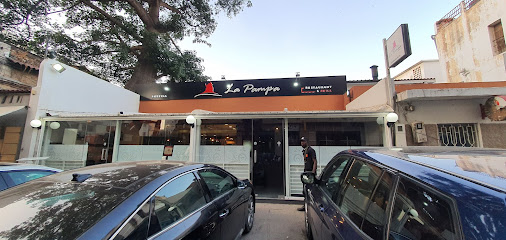
Il Pappagallo
3.6 km
Discover authentic Italian flavors at Il Pappagallo in Dakar – where culinary tradition meets local charm.
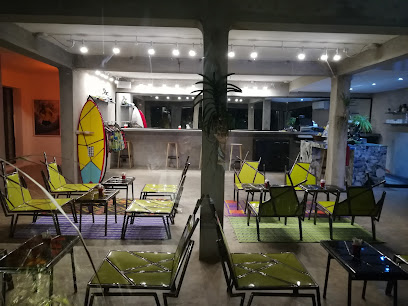
Le Coste
3.7 km
Discover authentic Senegalese flavors at Le Coste in Dakar - where every dish tells a story of local tradition and culinary excellence.
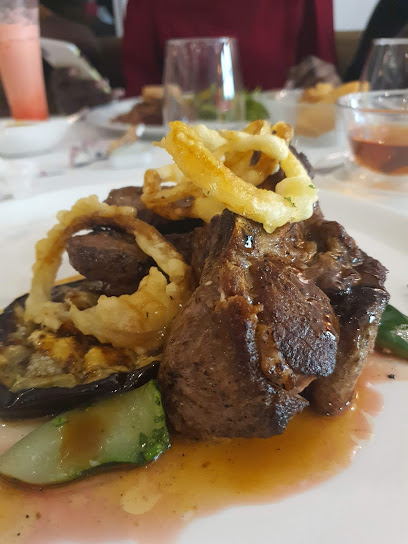
impérial Bar, brasserie et restaurent
3.8 km
Discover delicious Senegalese cuisine in a vibrant setting at L'Impérial Bar & Brasserie in Dakar's historic Independence Square.
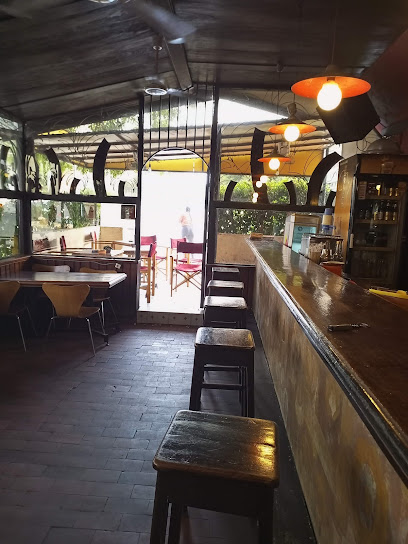
Nostra Restaurant
3.8 km
Experience authentic Italian cuisine at Nostra Restaurant in Dakar - where tradition meets flavor amidst vibrant surroundings.
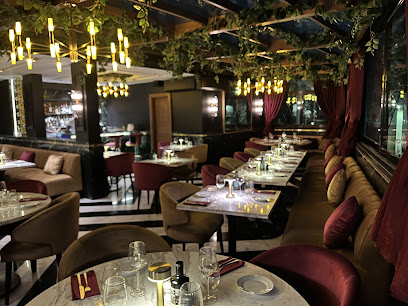
Restaurant du Centre
3.9 km
Experience authentic Senegalese cuisine at Restaurant du Centre in Dakar-Plateau - a culinary haven for travelers seeking local flavors.
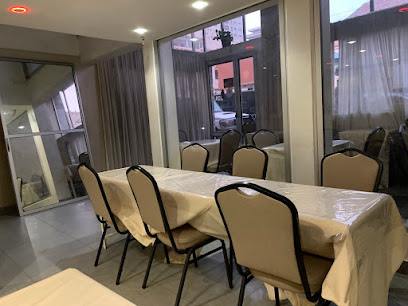
La Parrilla
4.0 km
Experience exceptional Senegalese flavors at La Parrilla - where culinary tradition meets contemporary elegance in the heart of Dakar.
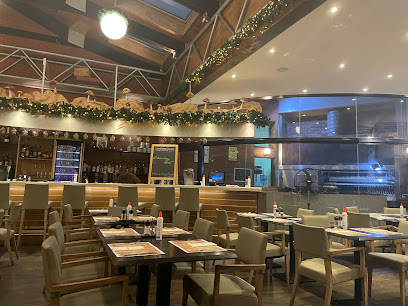
LE MISTRAL RESTAURANT
4.0 km
Discover a unique fusion dining experience at Le Mistral Restaurant in Dakar, blending local flavors with global culinary artistry.
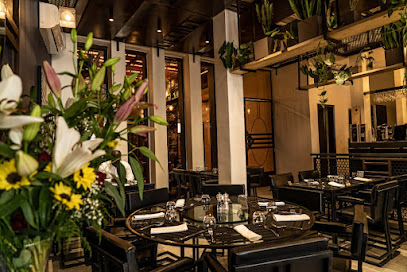
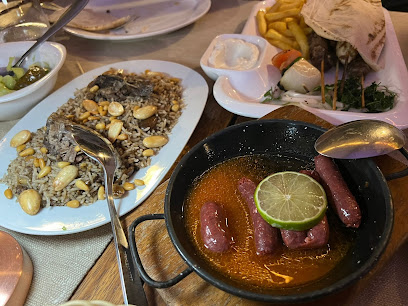
Restaurant Terrasse Farid
4.0 km
Experience authentic Lebanese cuisine at Restaurant Terrasse Farid in Dakar – where every dish tells a story.
Markets, malls and hidden boutiques

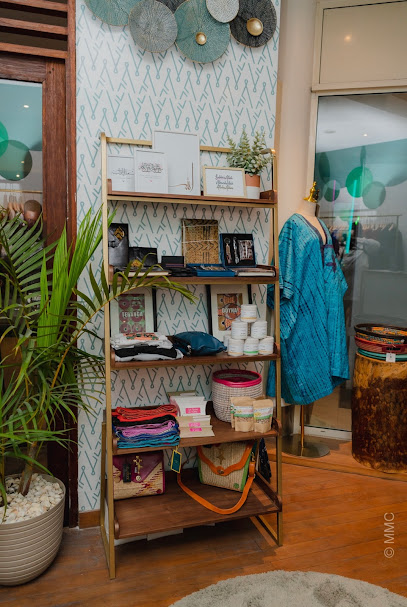
Arka Concept Store
3.2 km
Explore the vibrant Arka Concept Store in Dakar for unique gifts and local treasures that celebrate Senegal's rich culture.
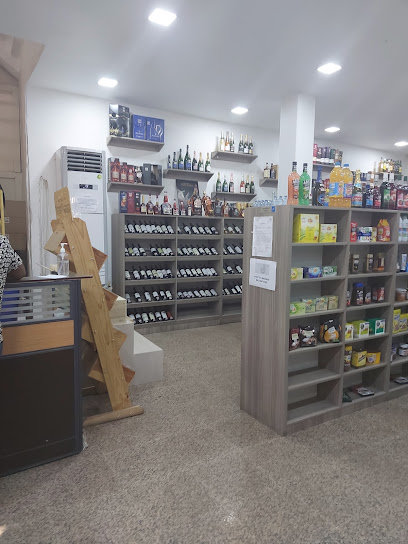
Sénégal Free Store
3.5 km
Explore the vibrant flavors of Senegal at Sénégal Free Store, where local culture meets culinary delight in the heart of Dakar.
PAVACHI LUXURY STORE
3.7 km
Discover luxury shopping in Dakar at Pavachi Luxury Store, featuring exclusive fashion and accessories in a sophisticated boutique setting.
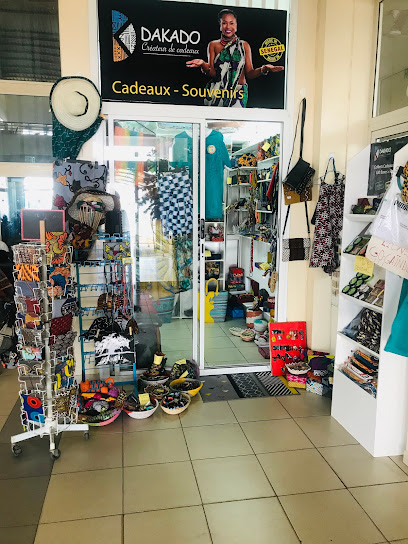
Dakado Créateur de cadeaux
3.7 km
Explore Dakado Créateur de cadeaux: Your gateway to authentic African handicrafts and unique souvenirs in Dakar.
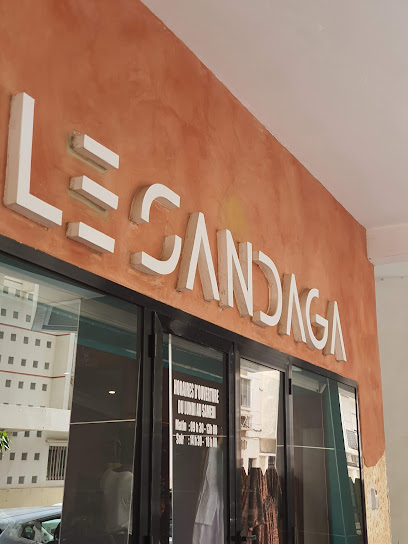
Le Sandaga | Boutique
3.9 km
Discover unique fashion accessories and handcrafted home goods at Le Sandaga, a boutique showcasing Senegalese craftsmanship in Dakar.
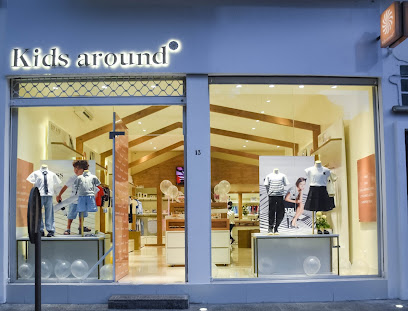
Kids around Sénégal
4.0 km
Discover fashionable children's clothing at Kids around Sénégal in the heart of Dakar, blending style and comfort for your little ones.
Le Grand Bazar
4.0 km
Immerse yourself in the vibrant culture of Dakar at Le Grand Bazar, where local crafts and unique souvenirs await every traveler.
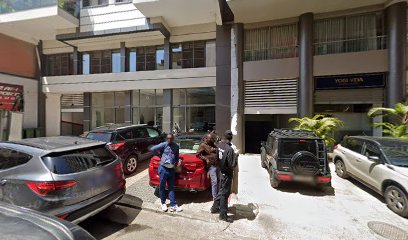
Marse
4.2 km
Discover unique souvenirs and local handicrafts at Marse, a delightful gift shop in the heart of Dakar, celebrating Senegalese culture and craftsmanship.
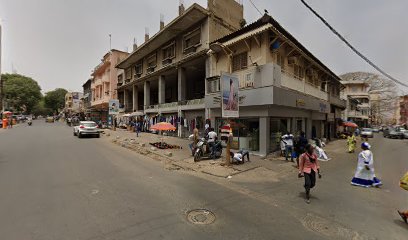
La surprise
4.2 km
Explore the vibrant arts and crafts at La Surprise, a charming home goods store in Dakar, reflecting the rich cultural heritage of Senegal.
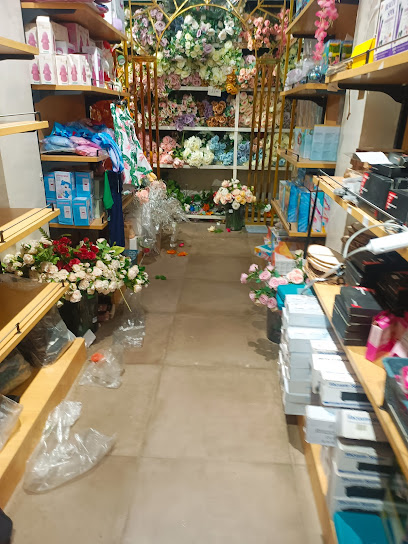
escale beauty shop
4.3 km
Explore the essence of beauty at Escale Beauty Shop, a boutique in Dakar offering local and international beauty products tailored for every need.
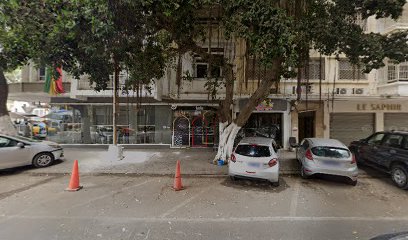
Antique Wax original dakar
4.4 km
Explore the vibrant fashion scene at Antique Wax in Dakar, where unique clothing reflects the rich culture of Senegal.
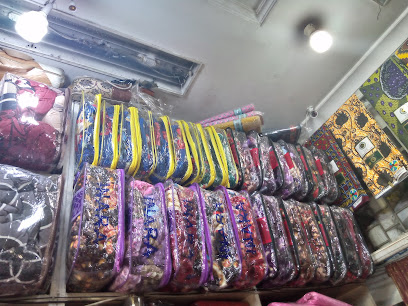
Nahyel - Boutique de Cadeaux Dakar
4.5 km
Explore the vibrant world of Senegalese craftsmanship at Nahyel, Dakar's premier gift shop for unique souvenirs and local treasures.
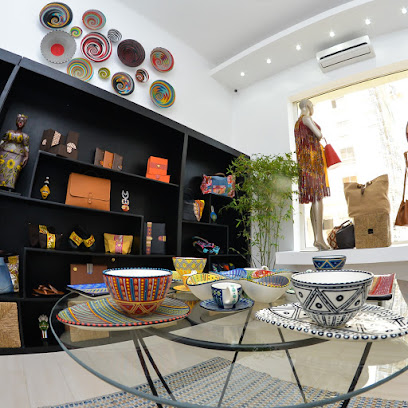
Carrefour des arts
4.5 km
Discover unique handcrafted souvenirs and local art at Carrefour des Arts, a charming gift shop in the heart of Dakar, celebrating Senegalese culture.
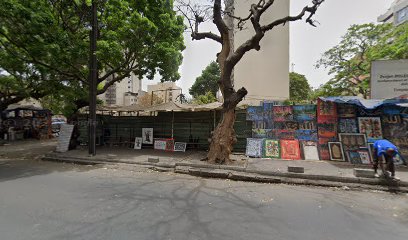
Marche souvenir
4.5 km
Discover unique handmade gifts and traditional crafts at Marche Souvenir, the perfect stop for memorable souvenirs in Dakar.
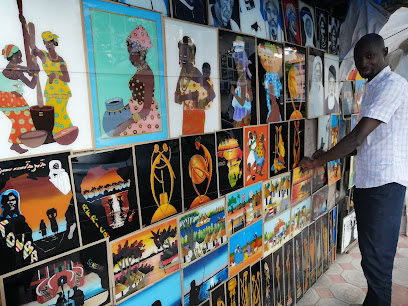
Boutique Tshirt
4.6 km
Explore Boutique Tshirt, Dakar's premier gift shop for unique souvenirs that embody the spirit of Senegalese culture.
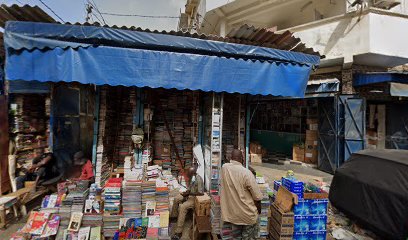
Essential bars & hidden hideouts

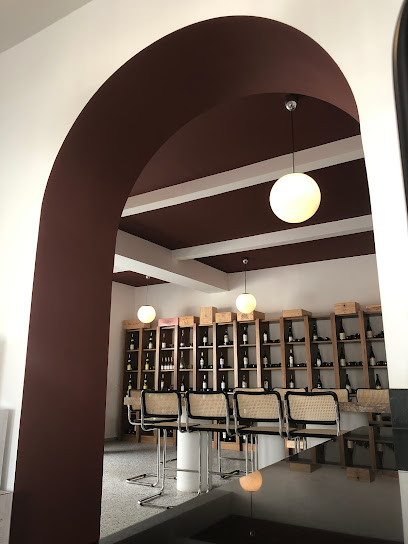
LA CAVE
3.6 km
Experience Dakar's finest wine cellar, La Cave, where exquisite local and international wines meet a cozy ambiance for the perfect outing.
Le Mandingo Teranga
3.7 km
Experience the vibrant nightlife of Dakar at Le Mandingo Teranga, where drinks, music, and culture come together for an unforgettable evening.
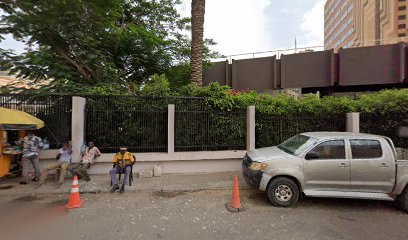
Lun's
3.9 km
Discover the vibrant nightlife at Lun's, a bar in Dakar offering stunning ocean views and a lively atmosphere perfect for socializing and relaxation.
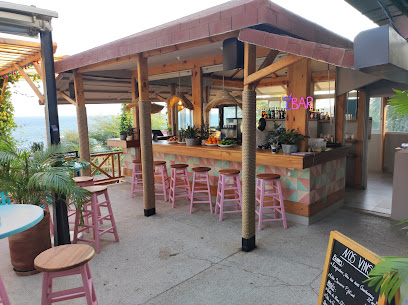
der
3.9 km
Discover the lively atmosphere of der Bar in Dakar, where vibrant nightlife meets delicious cocktails and local music.
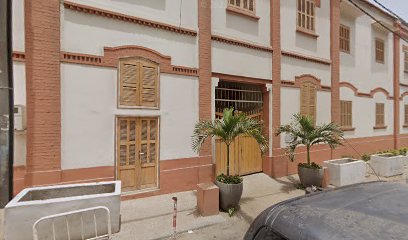
Viking Pub
4.0 km
Discover Viking Pub, a lively bar in Dakar offering a unique blend of local culture, vibrant atmosphere, and delicious drinks.
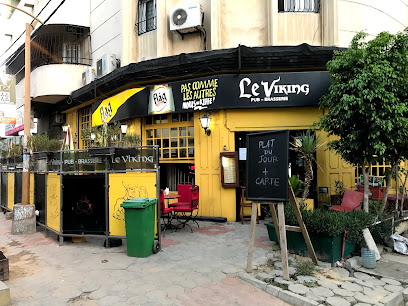
Sky Net Bar
4.0 km
Discover the vibrant nightlife of Dakar at Sky Net Bar, where great drinks and a lively atmosphere await you.
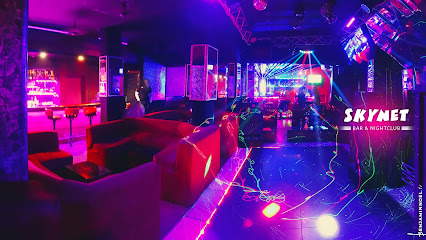
La Véranda
4.1 km
Discover La Véranda in Dakar for a unique lounge experience blending relaxation, vibrant culture, and delightful drinks.
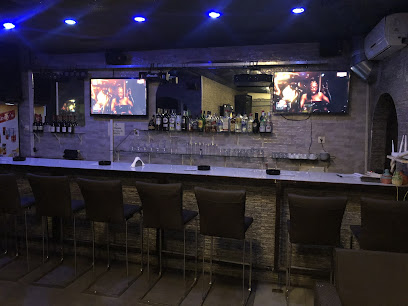
L'Archibar
4.2 km
Discover the flavors of Senegal at L'Archibar, a vibrant restaurant in Dakar offering a unique blend of traditional and contemporary cuisine.
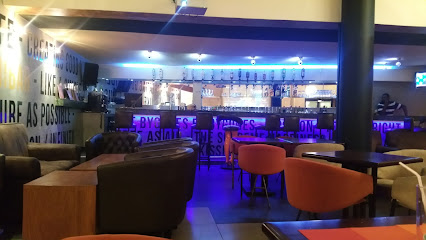
bar
4.6 km
Discover Dakar's nightlife at this charming bar, where local flavors and vibrant ambiance create unforgettable experiences.
Senegal PUB
5.1 km
Discover the essence of Senegal's nightlife at Senegal PUB in Dakar, where local flavors and vibrant ambiance come together for an unforgettable experience.
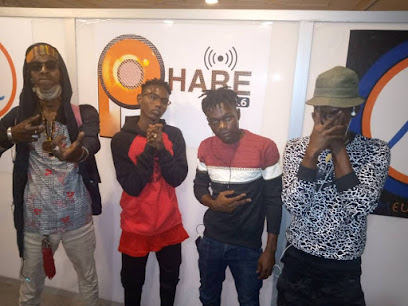
Jiiht
5.9 km
Discover the vibrant nightlife of Dakar at Jiiht, where local culture and refreshing drinks come together for an unforgettable experience.
Com Pub Telecentre
6.1 km
Experience the vibrant nightlife of Dakar at Com Pub Telecentre, a lively bar offering local drinks and a cultural hub for all visitors.
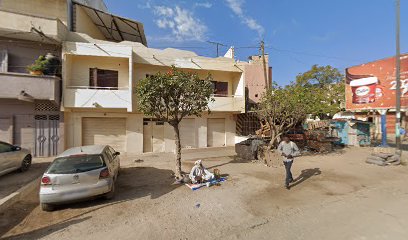
CHEZ DANNY
6.3 km
Discover the lively spirit of Dakar at Chez Danny, a vibrant bar where local culture and nightlife come alive.
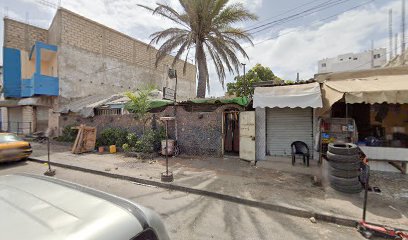
Lumière Bleu
6.3 km
Discover the lively ambiance and refreshing drinks at Lumière Bleu, a must-visit bar in the heart of Dakar, Senegal.
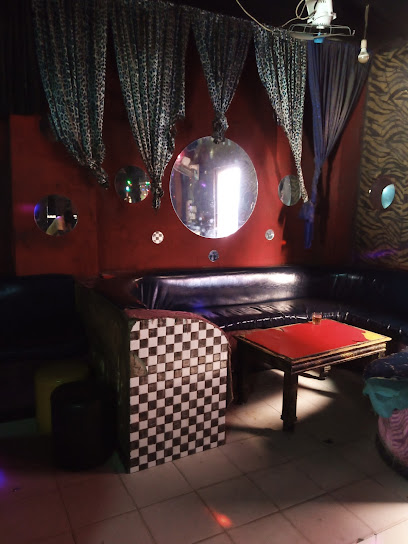
LE ZIO
6.6 km
Discover the lively atmosphere and delightful flavors at LE ZIO, Dakar's premier lounge for locals and tourists alike.
Nightclubs & after hour spots

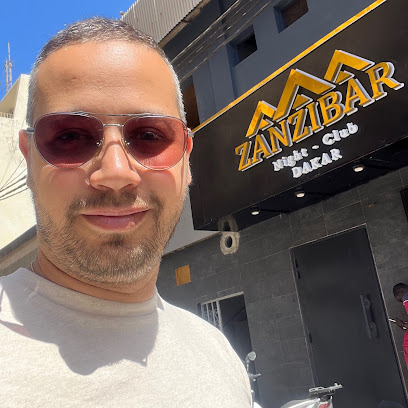
ZANZIBAR Dakar NIGHT-CLUB
3.5 km
Dive into an unforgettable night at ZANZIBAR Dakar Night-Club, where vibrant music and an electric atmosphere await every party lover.
Texas Saloon
3.9 km
Experience the vibrant nightlife of Dakar at Texas Saloon, where the rhythms of the night come alive in a lively atmosphere.
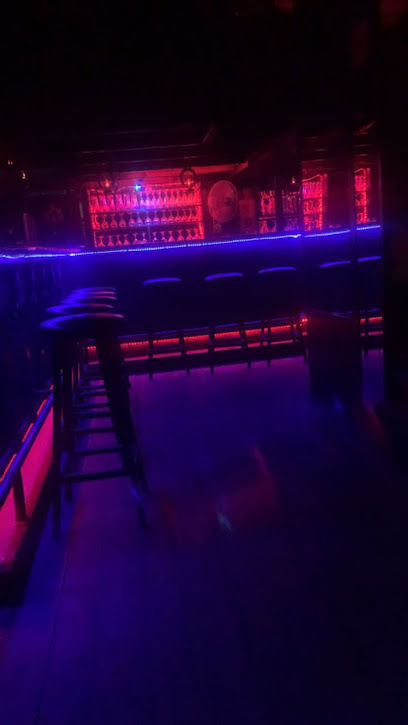
Discotec Calypso
4.0 km
Discover the pulsating nightlife of Dakar at Discotec Calypso - where music, dance, and fun come alive every night.
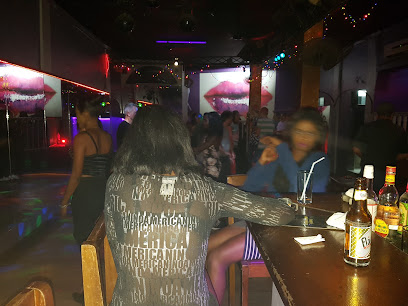
Le Chic Night-Club
4.1 km
Discover Dakar's vibrant nightlife at Le Chic Night-Club, where electrifying beats and a diverse crowd create unforgettable nights.
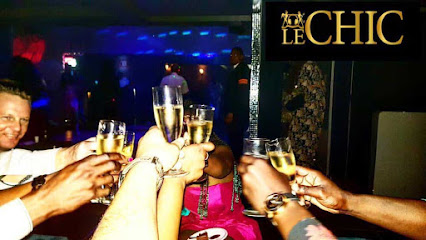
Silencio Club
4.1 km
Discover the electrifying nightlife at Silencio Club in Dakar, where music and dance create unforgettable experiences every night.
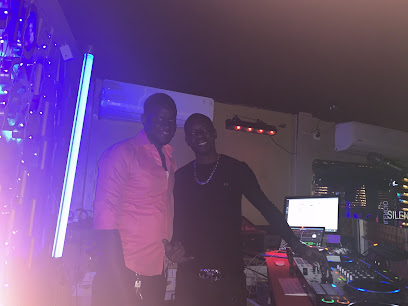
King's Club
4.1 km
Discover the pulse of Dakar's nightlife at King's Club, where music, dance, and vibrant energy await every night of the week.
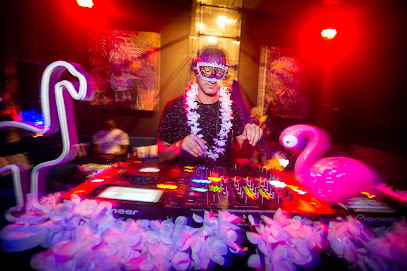
七度柠檬
4.1 km
Discover the electrifying nightlife at 七度柠檬 in Dakar, where music, dance, and vibrant culture come together for an unforgettable evening.
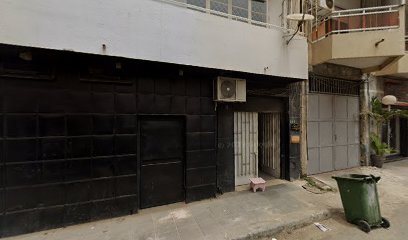
Le Miami
5.4 km
Discover the vibrant nightlife of Dakar at Le Miami, the ultimate destination for music, dancing, and unforgettable experiences in Senegal.
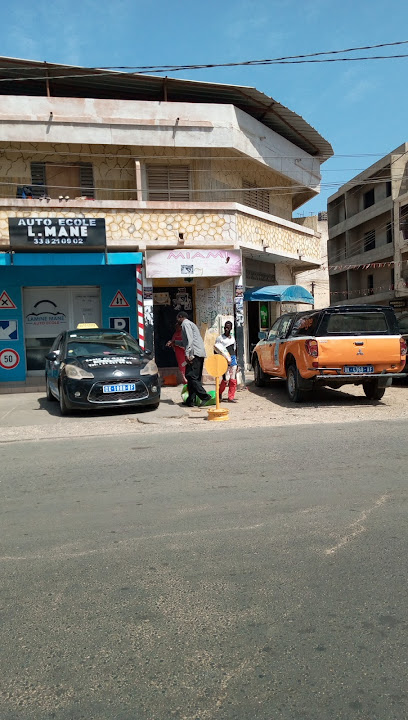
Armería Omraar Sarif
5.9 km
Immerse yourself in Dakar's nightlife at Armería Omraar Sarif, where vibrant music, dance, and culture come alive in a premier night club setting.
Club Gaindé
6.2 km
Discover the heartbeat of Dakar's nightlife at Club Gaindé, where music, dance, and culture come alive in a vibrant atmosphere.
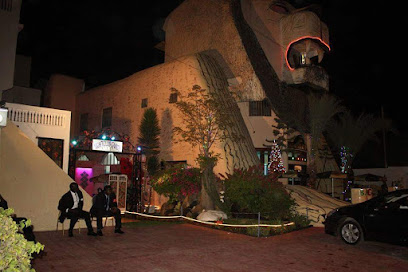
Sunset
6.4 km
Discover the electrifying nightlife at Sunset Night Club, where vibrant music and lively crowds create unforgettable experiences in Dakar.
Alize Clubs
6.6 km
Experience the vibrant nightlife of Dakar at Alize Clubs, where music, dance, and local culture unite for an unforgettable evening.
Saraaba Paradise Night Club
6.6 km
Experience the vibrant nightlife at Saraaba Paradise Night Club in Dakar, where music, dance, and culture blend seamlessly for an unforgettable evening.
Club d'élite des étudiants Mauritanien à Dakar
6.8 km
Discover the vibrant nightlife at Club d'élite des étudiants Mauritanien, a premier night club in Dakar perfect for dancing and socializing.
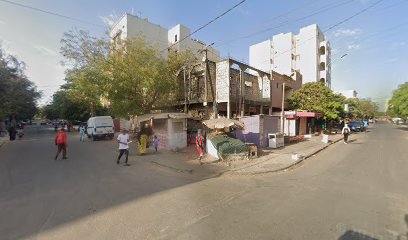
Mille francs
7.3 km
Discover the lively nightlife of Dakar at Mille Francs, a premier night club offering music, dance, and an unforgettable atmosphere.