Free Aride Island Travel Guide & Mobile App
Explore Aride Island with free travel guides. Discover regional history, expert tips, proposed trips, and audio guides on web or mobile app.


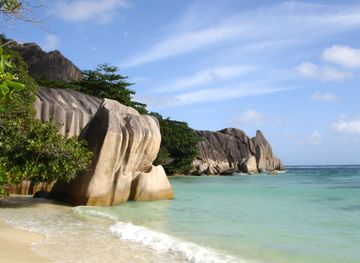
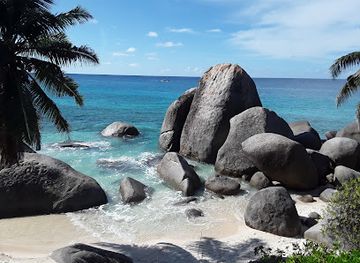
Discover Aride Island in Seychelles, a pristine paradise with rare wildlife, stunning beaches, and crystal-clear waters perfect for nature lovers and eco-conscious travelers.
Read more about Aride Island
When is the best time to visit Aride Island?
Best: June–August · 30°C| Month | High (°C) | Rainfall (mm) |
|---|---|---|
| January | 31 | 200 |
| February | 31 | 150 |
| March | 31 | 130 |
| April | 31 | 170 |
| May | 31 | 150 |
| June (best) | 30 | 110 |
| July (best) | 30 | 100 |
| August (best) | 30 | 120 |
| September | 31 | 140 |
| October | 31 | 160 |
| November | 31 | 180 |
| December | 31 | 190 |
Getting to and around Aride Island
How to get there
Transportation
Best landmarks in Aride Island
Aride Island in Seychelles offers an unparalleled experience for nature enthusiasts and adventure seekers alike, with its pristine white-sand beaches, lush tropical forests, and dramatic cliffs teeming with diverse wildlife. Visitors can explore the island's vibrant coral reefs through snorkeling or diving, encounter rare bird species like the Seychelles Warbler and the Roseate Tern, and wander through trails that lead to breathtaking panoramic viewpoints such as the one at the peak of Aride Hill. The island is also home to a variety of endemic flora, including the Wright’s Gardenia, making it a botanical treasure trove. As a designated nature reserve, Aride Island promises an unspoiled and immersive experience that connects visitors to the raw beauty of the Seychelles.
-
Botanical garden
Victoria Botanical Gardens
Discover the stunning flora of Seychelles at the Victoria Botanical Gardens, a tranquil escape in the heart of Victoria, perfect for nature lovers.
-
Historical landmark
Victoria Clock Tower
Discover the Victoria Clock Tower in Mahé, a charming historical landmark that showcases Seychelles' colonial heritage and vibrant local culture.
-
Botanical garden
Jardin du Roi Spice Garden
Immerse yourself in the botanical paradise of Jardin du Roi Spice Garden, where nature meets culinary excellence in Anse Royale, Seychelles.
-
Hiking area
Copolia Trail
Discover the natural beauty of Seychelles on the Copolia Trail, a stunning hiking route offering breathtaking views and unique wildlife encounters.

Explore Aride Island on the map
Plan your trip on one map. See where the top cities, national parks and sights are, and book hotels and experiences in a few clicks.
Best hotels in Aride Island
Best restaurants in Aride Island
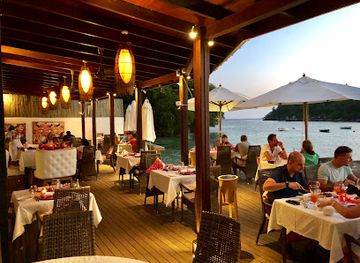
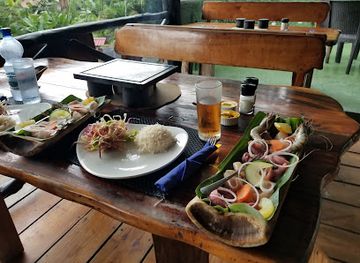
Aride Island, a gem in the Seychelles archipelago, offers a unique and intimate dining experience that seamlessly blends the island's natural beauty with its rich cultural heritage. Visitors can expect to savor fresh, locally-sourced seafood prepared with traditional Creole flair, often enjoyed in open-air settings that overlook the pristine beaches and lush landscapes. The island's culinary scene is characterized by its simplicity and authenticity, featuring dishes infused with tropical fruits, aromatic spices, and herbs grown on the island itself. Dining on Aride Island is not just about the food; it's an immersive experience where the sounds of the ocean and the sights of exotic wildlife create a backdrop that enhances every meal, making it a true feast for the senses.
-
Restaurant
Del Place Restaurant
Experience exquisite local cuisine and breathtaking views at Del Place Restaurant in Seychelles.
-
Restaurant
Maria's Rock Cafeteria
Experience delectable local cuisine with stunning ocean views at Maria's Rock Cafeteria in the Seychelles.
-
Restaurant
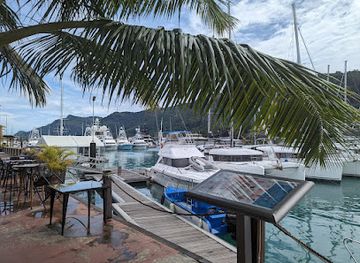
Bravo Restaurant
Discover the exquisite blend of local flavors and international cuisine at Bravo Restaurant on Eden Island, Mahé - a must-visit culinary destination.
-
Restaurant
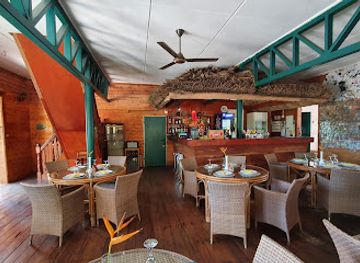
Marie Antoinette
Discover authentic Creole flavors at Marie Antoinette, where every dish tells a story of Seychelles' rich culinary heritage.
Best bars in Aride Island
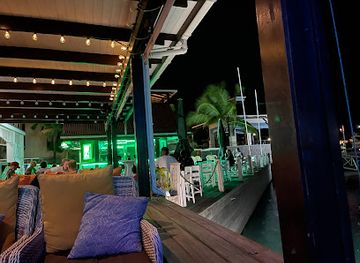
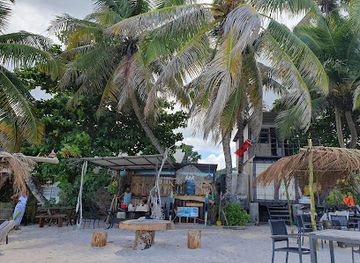
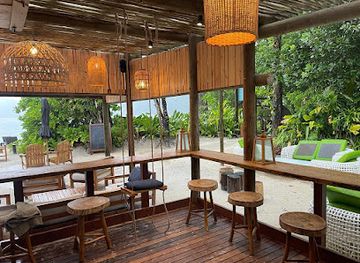
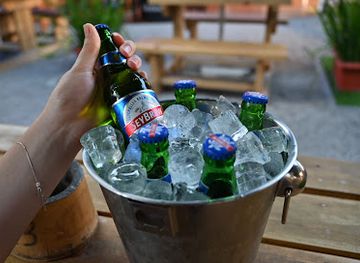
Aride Island's nightlife is a mesmerizing blend of natural beauty and tranquil charm, offering a unique experience under the canopy of a starlit sky. While the island is more renowned for its pristine beaches and rich biodiversity, evenings are marked by intimate gatherings at cozy beachside bars where you can enjoy local Seychellois music and freshly prepared seafood dishes. Imagine sipping on a refreshing cocktail made from exotic island fruits as you listen to the gentle waves lapping the shore, or taking a leisurely night walk to witness the nesting sea turtles under the moonlight. For those seeking a more serene night, stargazing on a secluded part of the island with the Milky Way spread out above is an unforgettable experience. Aride Island’s nightlife is less about the bustling clubs and more about connecting with nature in an enchanting, peaceful setting.
-
Bar
The Boardwalk Bar & Grill
Discover the vibrant atmosphere and delectable cuisine at The Boardwalk Bar & Grill on Eden Island, where dining meets nightlife.
-
Bar
Summer Bar
Experience the vibrant atmosphere and stunning views at Summer Bar, the ultimate beachfront escape in Quatre Bornes.
-
Grill
ROYAL BAY BEACH CLUB
Experience the ultimate beach getaway at Royal Bay Beach Club in Anse Royale, offering delicious grilled cuisine, thrilling water sports, and serene relaxation.
-
Bar
Kabana
Experience the vibrant nightlife at Kabana, N.Y.S. Village's premier bar offering delicious drinks and a breathtaking atmosphere.

Best nightclubs in Aride Island
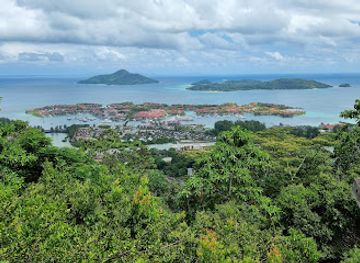
Aride Island's nightlife is a mesmerizing blend of natural beauty and tranquil charm, offering a unique experience under the canopy of a starlit sky. While the island is more renowned for its pristine beaches and rich biodiversity, evenings are marked by intimate gatherings at cozy beachside bars where you can enjoy local Seychellois music and freshly prepared seafood dishes. Imagine sipping on a refreshing cocktail made from exotic island fruits as you listen to the gentle waves lapping the shore, or taking a leisurely night walk to witness the nesting sea turtles under the moonlight. For those seeking a more serene night, stargazing on a secluded part of the island with the Milky Way spread out above is an unforgettable experience. Aride Island’s nightlife is less about the bustling clubs and more about connecting with nature in an enchanting, peaceful setting.
-
Restaurant
The Boardwalk Bar & Grill
Discover the vibrant atmosphere and delicious cuisine at The Boardwalk Bar & Grill, where the essence of Eden Island comes alive.
-
Casino
Club Liberté Casino
Discover the excitement of gaming, fine dining, and live music at Club Liberté Casino in Anse Soleil, Seychelles.
-
Night club
Barrel Night Club
Discover night-time excitement at Barrel Night Club in Victoria, where vibrant music and a lively atmosphere create unforgettable experiences.
-
Bar
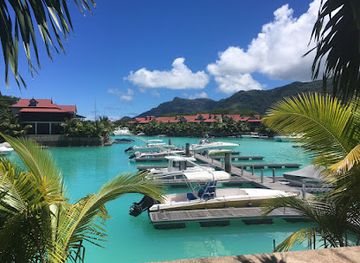
Bourgeois Bar & Lounge at Eden Bleu Hotel
Discover the vibrant atmosphere of Bourgeois Bar & Lounge on Eden Island, where stunning views and exquisite cocktails await you.

Best shops in Aride Island
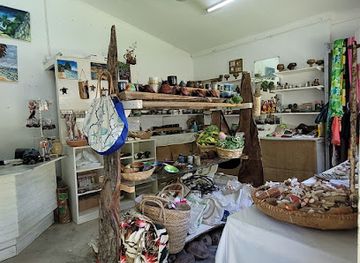
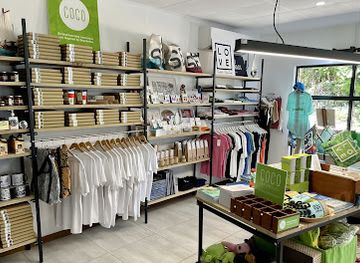
Aride Island, often celebrated for its pristine natural beauty and vibrant wildlife, offers a unique and immersive shopping experience that is closely tied to its local culture and environment. While you won't find bustling malls or commercial shopping centers here, the island boasts quaint, charming stalls and small boutiques where local artisans showcase their handcrafted goods. Visitors can expect to discover beautifully crafted souvenirs made from natural materials, such as seashell jewelry, woven palm leaf baskets, and intricate wood carvings that capture the essence of island life. The shopping scene is an extension of Aride's dedication to sustainability and conservation, with many products reflecting the island's commitment to preserving its natural heritage. Exploring these local treasures not only provides a tangible memory of your visit but also supports the island's small-scale economy and traditional craftsmanship.
-
Historical landmark
Craft Village
Explore Craft Village in Seychelles for an authentic experience of art, culture, and the island's historical heritage.
-
Artist
Roots Seychelles
Discover the vibrant art scene of Seychelles at Roots Seychelles, a cultural hub in Mahe that inspires creativity and community.
-
Souvenir store
Koral Souvenir Boutique
Discover Koral Souvenir Boutique in Beau Vallon for unique handcrafted treasures and unforgettable souvenirs from Seychelles.
-
Supermarket
The Chop Shop Seychelles
Experience the local flavors and vibrant culture at The Chop Shop Seychelles, your go-to supermarket in Victoria for fresh produce and unique island delicacies.
Get your free copy of our complete guide to Aride Island, delivered straight to you.
Everything on this page, from attractions and restaurants to essentials and local phrases, in one PDF you can read offline, print or share.
Already have an account? Sign in
Your Aride Island guide is ready.
We'll send it to · Not you? Sign out

Getting your guide ready…
We are putting together a fresh copy of the Aride Island guide. This can take up to a minute.
This can take a few moments. If your browser asks, choose Allow so the download can start. You'll find the guide in your Downloads folder.
Nothing happened? Download it again
Sorry, the guide is taking longer than usual. Please try again in a minute, or get it by email instead.
Aride Island essentials
Currency and Payment
Safety
Emergency Situations
Do's and Don'ts
Local Tips
From Eve
Local phrases worth knowing
You don't need to get them perfect. A few words go a long way, and locals appreciate the effort.
Basics
| English | Local | Say it |
|---|---|---|
| Hello | Bonzur | [bɔ̃zʏʁ] |
| Goodbye | Orevwar | [ɔʁɛvwaʁ] |
| Yes | Wi | [wi] |
| No | Non | [nɔ̃] |
| Please/You're welcome | S'il vous plaît | [sil vu ple] |
| Thank you | Mersi | [mɛʁsi] |
| Excuse me/Sorry | Pardon | [paʁdɔ̃] |
| How are you? | Kouman ou ete? | [kuˈmɑ̃ u eˈte] |
| Fine. And you? | Byen. E ou? | [bjɛ̃ e u] |
| Do you speak English? | Es ou koz Anglè? | [ɛs u koˈz ɑ̃ɡle] |
| I don't understand | Mwen pa konpran | [mwɛ̃ pa kɔ̃pʁɑ̃] |
Eating & Drinking
| English | Local | Say it |
|---|---|---|
| I'd like to see the menu, please | Mwen anvi vwar meni, sil vous plaît | [mwɛ̃ ɑ̃vi vwaʁ meny sil vu ple] |
| I don't eat meat | Mwen pa manze vyann | [mwɛ̃ pa mɑ̃ze vjɑ̃] |
| Cheers! | Santé! | [sɑ̃te] |
| I would like to pay, please | Mwen ta anvi peye, sil vous plaît | [mwɛ̃ ta ɑ̃vi peje sil vu ple] |
Emergencies
| English | Local | Say it |
|---|---|---|
| Help! | Sikse! | [siˈkse] |
| Go away! | Ale ale! | [ale ale] |
| Call the Police! | Apel polis! | [apɛl pɔlis] |
| Call a doctor! | Apel en doktè! | [apɛl ɛ̃ dɔktɛ] |
| I'm lost | Mwen perdi | [mwɛ̃ pɛʁdi] |
| I'm ill | Mwen malad | [mwɛ̃ maˈlad] |
Shopping
| English | Local | Say it |
|---|---|---|
| I'd like to buy... | Mwen anvi achte... | [mwɛ̃ ɑ̃vi aʃte] |
| I'm just looking | Mwen zis pe regard | [mwɛ̃ zis pe ʁəɡaʁd] |
| How much is it? | Ki kantite li coûte? | [ki kɑ̃tite li kut] |
| That's too expensive | Sa tro chè | [sa tʁo ʃɛ] |
| Can you lower the price? | Es ou kapab bese pri a? | [ɛs u kaˈpab beze pʁi a] |
Time & Numbers
| English | Local | Say it |
|---|---|---|
| What time is it? | Ki letan li? | [ki letã li] |
| It's one o'clock | Li enn l'hor | [li ɛ̃n lɔʁ] |
| Half past (10) | Demie (10) | [dɑ̃mi (10)] |
| Morning | Maten | [maˈtɛn] |
| Afternoon | Apre-midi | [apʁe miˈdi] |
| Evening | Sware | [swaʁ] |
| Yesterday | Yer | [jeʁ] |
| Today | Ajourd'hui | [aʒuʁdʁɥi] |
| Tomorrow | Demain | [dəˈmɛ̃] |
| 1 | Enn | [ɛn] |
| 2 | De | [de] |
| 3 | Trois | [tʁwa] |
| 4 | Katre | [katʁ] |
| 5 | Sink | [sɛ̃k] |
| 6 | Sis | [sis] |
| 7 | Sèt | [sɛt] |
| 8 | Huit | [ɥit] |
| 9 | Nef | [nɛf] |
| 10 | Dix | [dis] |
Transport & Directions
| English | Local | Say it |
|---|---|---|
| Where's a/the...? | Kot i ete...? | [kɔt i eˈte] |
| What's the address? | Ki l'adresse? | [ki laˈdʁɛs] |
| Can you show me (on the map)? | Es ou kapav montre mwa (lo kat)? | [ɛs u kaˈpav mɔ̃tʁ mwa lo kat] |
| When's the next (bus)? | Kan prochen (bis)? | [kɑ̃ pʁoʃɛn bis] |
| A ticket (to ....) | En tikè (pou ....) | [ɛ̃ tiˈke pu] |
History of Aride Island
Early Discoveries and Settlements
Aride Island, part of the Seychelles archipelago, was first sighted by European explorers in the 17th century. Initially uninhabited, it became known for its rich biodiversity, attracting occasional visits from passing ships. However, it wasn't until the late 18th century that the island saw its first permanent settlements. French settlers were among the first to attempt to establish small plantations, but the island's isolation and challenging conditions made long-term habitation difficult.
Colonial Era and Ownership Changes
Throughout the 19th century, Aride Island changed hands multiple times, reflecting the broader colonial tug-of-war between France and Britain in the Indian Ocean. In 1814, following the Treaty of Paris, Seychelles, including Aride Island, was ceded to British control. The island's ownership often shifted among private individuals who used it primarily for plantation agriculture, cultivating crops like coconuts and sisal. However, its remote location meant it remained sparsely populated.
Conservation Beginnings
By the early 20th century, Aride Island began to gain attention not just for its economic potential, but for its ecological significance. In 1973, the island was purchased by Christopher Cadbury, a British conservationist, who recognized its importance as a sanctuary for seabirds and other wildlife. Under his guidance, Aride was transformed into a nature reserve, laying the foundation for its current status as a haven for biodiversity.
Establishment of the Island Conservation Society
In 2004, the Island Conservation Society (ICS) took over the management of Aride Island. The ICS has since been instrumental in enhancing conservation efforts, conducting scientific research, and promoting eco-tourism. Their work has not only helped protect the island's unique flora and fauna but has also raised global awareness about the importance of preserving such pristine habitats.
Cultural Significance and Modern Day
While Aride Island is primarily known for its natural beauty and conservation efforts, it also holds cultural significance. Local Seychellois traditions and folklore often include references to the island, and it plays a role in the broader cultural tapestry of the Seychelles. Today, Aride is a popular destination for eco-tourists and researchers alike, offering a glimpse into both the natural and cultural heritage of the Seychelles.
Aride Island in Photos
Browse through our photo collection highlighting the charm and character of the destination.
Neighbouring regions of Aride Island
The closest regions to Aride Island, if you have time for more than one.
-
-

-

-

-


Swipe for more regions