Free Cousine Island Travel Guide & Mobile App
Explore Cousine Island with free travel guides. Discover regional history, expert tips, proposed trips, and audio guides on web or mobile app.


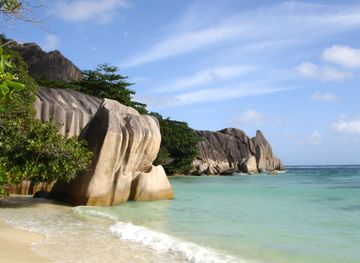
Cousine Island in Seychelles combines private-island seclusion, turtle beaches and focused conservation among the granitic Inner Islands.
Read more about Cousine Island
When is the best time to visit Cousine Island?
Best: June–August · 30°C| Month | High (°C) | Rainfall (mm) |
|---|---|---|
| January | 31 | 300 |
| February | 31 | 250 |
| March | 32 | 200 |
| April | 32 | 150 |
| May | 31 | 100 |
| June (best) | 30 | 75 |
| July (best) | 30 | 75 |
| August (best) | 30 | 75 |
| September | 31 | 100 |
| October | 31 | 150 |
| November | 31 | 200 |
| December | 31 | 250 |
Getting to and around Cousine Island
How to get there
Transportation
Best attractions in Cousine Island
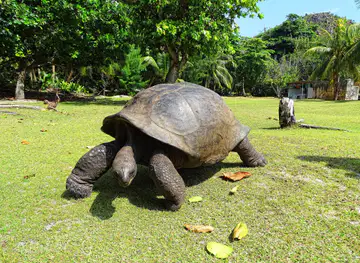
Cousine’s attractions are primarily ecological and experiential rather than architectural. Guided nature walks lead through restored island habitat, where visitors may learn about native plants, invasive-species control and the protection of endemic Seychelles birds. Giant tortoise conservation is another important focus, while the beaches provide opportunities to observe hawksbill turtle activity when seasonal conditions permit. Quiet coves and clear coastal waters can support swimming, snorkelling and boat excursions, although access is governed by weather, sea conditions and wildlife protection. The island’s compact scale makes it possible to combine a short walk with time on the beach without a conventional sightseeing itinerary. There are no public museums, shopping streets, amusement parks or large historical complexes; the principal attraction is seeing how a small private island is managed as a working conservation landscape. Nearby Praslin may provide broader visitor facilities and additional excursions, but it is a separate island and should not be confused with Cousine itself.
Explore Cousine Island on the map
Plan your trip on one map. See where the top cities, national parks and sights are, and book hotels and experiences in a few clicks.
Best hotels in Cousine Island
Best restaurants in Cousine Island
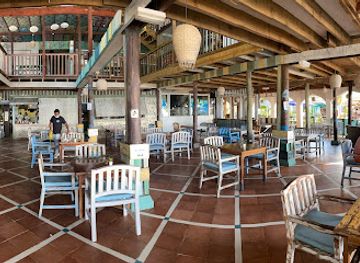
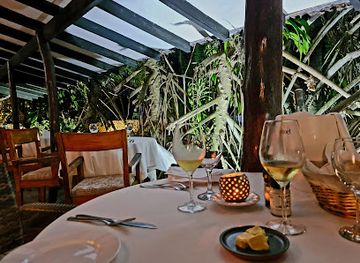
Cousine does not have a public restaurant district; dining is normally provided through the island’s private accommodation and arranged as part of the guest experience. Menus generally reflect the wider Seychellois setting, combining seafood, tropical fruit, vegetables, rice and aromatic influences from the archipelago’s African, European, Indian and Chinese culinary histories. Fresh fish and shellfish may feature when supply and conditions allow, while meals are planned centrally rather than chosen from several competing establishments. Guests should communicate allergies, dietary restrictions and preferences before arrival, since there is no supermarket or independent café on the island. Praslin offers a wider range of restaurants and takeaways, but visitors should make separate plans there rather than expecting spontaneous dining on Cousine. The emphasis on the island is on relaxed meals, outdoor settings and low-volume hospitality, not on a nightlife-led restaurant scene or a claim to a separate Cousine cuisine.
-
Creole
Kafe Kreol Cafe & Restaurant
Experience authentic Creole cuisine at Kafe Kreol Cafe & Restaurant in Anse Royale, where every dish tells a story of Seychelles' rich culinary heritage.
-
Restaurant
The Boat House Restaurant
Experience coastal dining at its best with stunning views and delicious dishes at The Boat House Restaurant in Beau Vallon.
-
Italian
La Perle Noire Restaurant
Experience authentic Italian cuisine at La Perle Noire Restaurant in Beau Vallon - where every dish tells a story.
-
Restaurant
La Plage restaurant
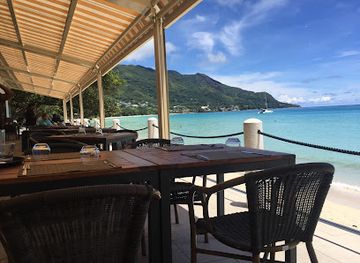
Discover culinary delights at La Plage Restaurant in Seychelles - where fresh seafood meets breathtaking ocean views.

Best bars in Cousine Island
Cousine has no public nightlife district or conventional nightclub scene. Evening drinks, if offered, are centred on the private lodge and are generally paired with dinner, sunset views or conversation rather than late-night entertainment. The island’s small scale, conservation priorities and remote location encourage quiet evenings, with natural sounds and the possibility of guided or informal wildlife observation taking precedence over loud music. Praslin has a broader selection of hotel bars, restaurants and local evening venues, but it is a separate island and requires a planned transfer. Visitors who want clubs, live entertainment or a larger choice of bars should arrange those plans before or after their Cousine stay rather than assuming that boats will operate late at night.
-
Grill
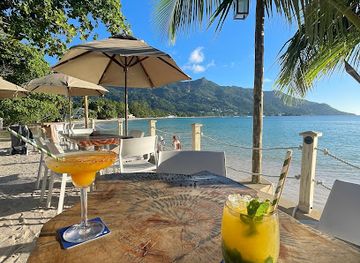
Beach Shak Seychelles
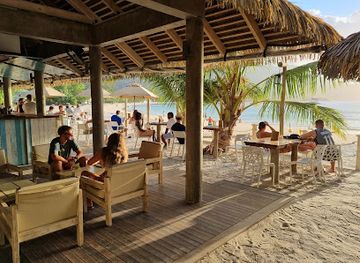
Experience the essence of Seychelles at Beach Shak, where fresh grilled delights meet stunning ocean views and tropical cocktails.
-
Bar
Gecko Bar
Experience the vibrant flavors and stunning views at Gecko Bar in Beau Vallon, Seychelles, where every sip and bite transports you to paradise.
-
Bar
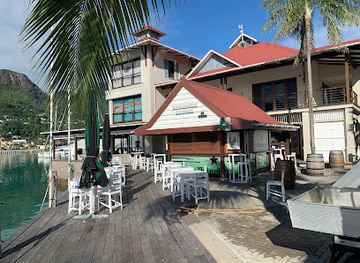
The Boardwalk Bar & Grill
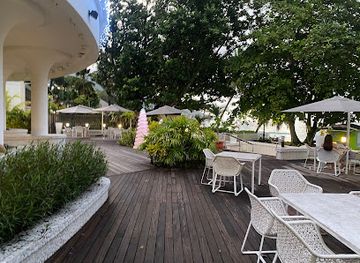
Experience the vibrant nightlife and delectable cuisine at The Boardwalk Bar & Grill, Eden Island's premier spot for dining and entertainment.
-
Italian
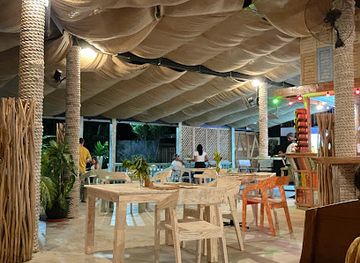
Green House Bar, Cafe, Restaurant
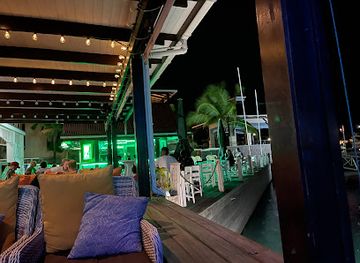
Experience a delightful fusion of Italian and Creole flavors at Green House Bar, Cafe, Restaurant in Victoria, Seychelles.
Best nightclubs in Cousine Island
Cousine has no public nightlife district or conventional nightclub scene. Evening drinks, if offered, are centred on the private lodge and are generally paired with dinner, sunset views or conversation rather than late-night entertainment. The island’s small scale, conservation priorities and remote location encourage quiet evenings, with natural sounds and the possibility of guided or informal wildlife observation taking precedence over loud music. Praslin has a broader selection of hotel bars, restaurants and local evening venues, but it is a separate island and requires a planned transfer. Visitors who want clubs, live entertainment or a larger choice of bars should arrange those plans before or after their Cousine stay rather than assuming that boats will operate late at night.
-
Grill
Beach Shak Seychelles
Experience the best of Seychelles at Beach Shak, where grilled delights and cocktails meet stunning ocean views.
-
Restaurant
The Boardwalk Bar & Grill
Experience the best of dining and nightlife at The Boardwalk Bar & Grill on Eden Island, where every night is a vibrant celebration.
-
Grill
ROYAL BAY BEACH CLUB
Experience the ultimate blend of beach relaxation, gourmet dining, and thrilling water sports at Royal Bay Beach Club in Seychelles.
-
Casino
Club Liberté Casino
Discover the excitement of Club Liberté Casino, your ultimate destination for gaming, dining, and live entertainment in the heart of Seychelles.


Best shops in Cousine Island
Shopping on Cousine is extremely limited because the island has no public high street, market or independent retail area. Any available souvenirs or locally themed products are normally connected with the private accommodation or conservation programme, and availability should be confirmed before arrival rather than assumed. Visitors should obtain essential toiletries, medication, snacks and specialist equipment on Mahé or Praslin. Praslin provides a more practical setting for small shops, food purchases, locally made crafts and Seychelles souvenirs, while larger retail choices are found on Mahé. Appropriate purchases may include locally produced food items or crafts, but visitors should avoid buying shells, coral, feathers or products made from protected wildlife. The most meaningful keepsake from Cousine is often a conservation-related contribution or educational material, provided through legitimate channels and without removing anything from the island’s natural environment.
-
Supermarket
STC Hypermarket
Explore the diverse offerings of STC Hypermarket in Victoria, where local flavors meet international products for a unique shopping experience.
-
Grocery store
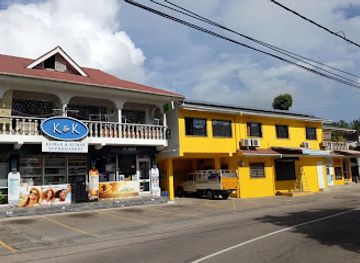
Kumar & Kumar Supermarket
Discover the flavors of Seychelles at Kumar & Kumar Supermarket, a vibrant grocery store offering local and international products in Pointe Au Sel.
-
Souvenir store
Koral Souvenir Boutique
Explore Koral Souvenir Boutique in Beau Vallon for unique Seychellois crafts, local art, and memorable gifts to cherish from your trip.
-
Supermarket
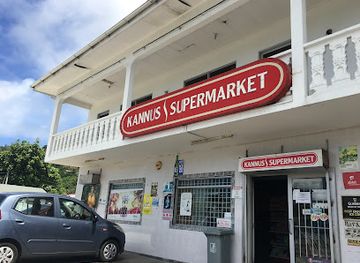
Kannus Supermarket
Explore Kannus Supermarket for a wide range of local and international products in Plaisance Ward, perfect for travelers and locals alike.


Get your free copy of our complete guide to Cousine Island, delivered straight to you.
Everything on this page, from attractions and restaurants to essentials and local phrases, in one PDF you can read offline, print or share.
Already have an account? Sign in
Your Cousine Island guide is ready.
We'll send it to · Not you? Sign out

Getting your guide ready…
We are putting together a fresh copy of the Cousine Island guide. This can take up to a minute.
This can take a few moments. If your browser asks, choose Allow so the download can start. You'll find the guide in your Downloads folder.
Nothing happened? Download it again
Sorry, the guide is taking longer than usual. Please try again in a minute, or get it by email instead.
Cousine Island essentials
Currency and Payment
Safety
Emergency Situations
Do's and Don'ts
Local Tips
From Eve
Local phrases worth knowing
You don't need to get them perfect. A few words go a long way, and locals appreciate the effort.
Basics
| English | Local | Say it |
|---|---|---|
| Hello | Bonzour | [bɔ̃.zur] |
| Goodbye | Aurevoir | [oʁ.vwaʁ] |
| Yes | Wi | [wi] |
| No | Non | [nɔ̃] |
| Please/You're welcome | Silvouplé | [si.lv.u.ple] |
| Thank you | Mersi | [mɛʁ.si] |
| Excuse me/Sorry | Eskize | [ɛs.ki.ze] |
| How are you? | Kouman ou y? | [ku.mã u i] |
| Fine. And you? | Byen. E ou? | [bjɛ̃ e u] |
| Do you speak English? | Ou koz Anglè? | [u ko.zã ɑ̃ɡ.le] |
| I don't understand | Mwen pa konpran | [mɛ̃ pa kɔ̃.pʁã] |
Eating & Drinking
| English | Local | Say it |
|---|---|---|
| I'd like to see the menu, please | Mwen ti a kontan vwar menu, silvouplé | [mɛ̃ ti a kɔ̃.tɑ̃ vwaʁ me.ny sil.vu.ple] |
| I don't eat meat | Mwen pa manze vyann | [mɛ̃ pa mɑ̃.ze vjɑ̃] |
| Cheers! | Santé! | [sɑ̃.te] |
| I would like to pay, please | Mwen ti a kontan peye, silvouplé | [mɛ̃ ti a kɔ̃.tɑ̃ pe.je sil.vu.ple] |
Emergencies
| English | Local | Say it |
|---|---|---|
| Help! | Sove! | [so.ve] |
| Go away! | Ale ou! | [a.le u] |
| Call the Police! | Appel Polis! | [a.pɛl pɔ.lis] |
| Call a doctor! | Appel en doktor! | [a.pɛl ɑ̃ dɔk.tɔʁ] |
| I'm lost | Mwen perdi | [mɛ̃ pɛʁ.di] |
| I'm ill | Mwen malad | [mɛ̃ ma.lad] |
Shopping
| English | Local | Say it |
|---|---|---|
| I'd like to buy... | Mwen ti a kontan achte... | [mɛ̃ ti a kɔ̃.tɑ̃ aʃ.te] |
| I'm just looking | Mwen zis pe regarde | [mɛ̃ zis pe ʁə.ɡaʁ.de] |
| How much is it? | Ki kantite sa kosté? | [ki kɑ̃.ti.te sa kɔs.te] |
| That's too expensive | Sa tro chè | [sa tʁo ʃɛ] |
| Can you lower the price? | Ou kapav desann pri? | [u ka.pav de.sɑ̃ pri] |
Time & Numbers
| English | Local | Say it |
|---|---|---|
| What time is it? | Ki l'heure ki sa? | [ki lœʁ ki sa] |
| It's one o'clock | I enn l'heure | [i ɛ̃ lœʁ] |
| Half past (10) | Demi pase (10) | [də.mi pa.se (diz)] |
| Morning | Dimans | [di.mɑ̃] |
| Afternoon | Apremidi | [a.pʁe.mi.di] |
| Evening | Sware | [swaʁ] |
| Yesterday | Yyer | [i.jɛʁ] |
| Today | Ajourd'hui | [a.ʒuʁ.dɥi] |
| Tomorrow | Demain | [də.mɛ̃] |
| 1 | En | [ɛ̃] |
| 2 | De | [də] |
| 3 | Trois | [tʁwa] |
| 4 | Katre | [ka.tʁə] |
| 5 | Senk | [sɛ̃k] |
| 6 | Sis | [sis] |
| 7 | Set | [sɛt] |
| 8 | Huit | [ɥit] |
| 9 | Nef | [nɛf] |
| 10 | Diz | [diz] |
Transport & Directions
| English | Local | Say it |
|---|---|---|
| Where's a/the...? | Koté in ...? | [ko.te ɛ̃ ...] |
| What's the address? | Ki l'adresse? | [ki l.a.dʁɛs] |
| Can you show me (on the map)? | Ou kapav montre mwan (lo kat)? | [u ka.pav mɔ̃.tʁe mwã (lo kat)] |
| When's the next (bus)? | Kan prosen (bis)? | [kɑ̃ pʁo.sɛ̃ (bis)] |
| A ticket (to ....) | En tiké (pou ....) | [ɛ̃ ti.ke (pu ...)] |
History of Cousine Island
Formation of a Granitic Inner-Island Landscape
Cousine belongs to the granitic Inner Islands of the Seychelles, which are unusual in the Indian Ocean because they are fragments of ancient continental rock rather than volcanic islands. Its granite geology, small size and isolation helped create a distinct coastal and woodland environment. These physical conditions also contributed to the development of highly localised species, a characteristic shared by several Seychelles islands. The island’s present conservation importance cannot be separated from this geological setting, which provides the slopes, forest soils, beaches and rocky shores on which its wildlife depends.
The Seychelles in the French and British Colonial Periods
The Seychelles became a French possession in the eighteenth century and later passed to British rule, before becoming independent in 1976. Cousine, like many small islands in the archipelago, was affected by wider colonial-era patterns of land use rather than becoming a major administrative centre. Coconut cultivation and other forms of resource use altered native vegetation on numerous Seychelles islands. The lasting significance of that period on Cousine is best seen in the contrast between modified landscapes and the later attempt to restore native habitats rather than in large surviving colonial buildings.
Coconut Agriculture and Island Exploitation
For much of the modern historic period, small Seychelles islands were valued for agricultural and extractive uses, particularly coconut production. Such activities reduced native forest and simplified habitats, while introduced plants and animals created additional pressure on endemic wildlife. Cousine’s limited land area made these changes especially consequential. Although it lacks the extensive plantations and built heritage found on larger islands, its environmental history reflects the wider economic transformation of the Seychelles from isolated plantation society towards a service, tourism and conservation economy.
The Creation of a Conservation Island
A major change came in the early 1990s, when Cousine entered a new phase as a privately managed conservation island. Restoration work focused on removing invasive vegetation, encouraging native woodland and protecting breeding habitat. Conservationists also supported the recovery of threatened Seychelles birds and the protection of nesting sea turtles. This was part of a broader national and international movement to safeguard the archipelago’s endemic species, many of which have very restricted ranges. On Cousine, tourism became linked to funding and demonstrating practical island conservation rather than simply exploiting a scenic location.
Contemporary Ecotourism and Species Protection
Today Cousine is known for combining a small-scale private retreat with active environmental management. Its contemporary story includes monitoring turtle nesting, maintaining habitat for endemic birds, caring for giant tortoises and managing visitor activity in sensitive areas. The island’s significance is therefore ecological as well as tourist-oriented. It represents the continuing challenge of protecting biodiversity on a small, isolated island while allowing carefully controlled access. Weather, sea conditions and seasonal wildlife needs remain important influences on daily life and travel arrangements.
Cousine Island in Photos
Browse through our photo collection highlighting the charm and character of the destination.
Neighbouring regions of Cousine Island
The closest regions to Cousine Island, if you have time for more than one.
-

-

-
-

-


Swipe for more regions