

Free Cousin Island Travel Guide & Mobile App
Explore Cousin Island with free travel guides. Discover regional history, expert tips, proposed trips, and audio guides on web or mobile app.


Cousin Island in Seychelles offers guided wildlife encounters, turtle nesting beaches and pioneering conservation close to Praslin.
Read more about Cousin Island
When is the best time to visit Cousin Island?
Best: July–September · 28°C| Month | High (°C) | Rainfall (mm) |
|---|---|---|
| January | 31 | 397 |
| February | 31 | 281 |
| March | 31 | 252 |
| April | 31 | 211 |
| May | 31 | 153 |
| June | 29 | 88 |
| July (best) | 28 | 67 |
| August (best) | 28 | 68 |
| September (best) | 28 | 91 |
| October | 29 | 165 |
| November | 30 | 246 |
| December | 30 | 314 |
Getting to and around Cousin Island
How to get there
Transportation
Best attractions in Cousin Island
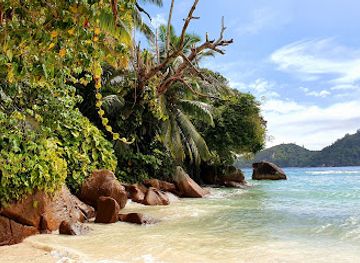
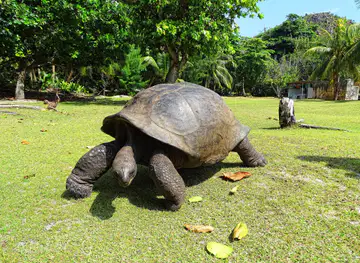
Cousin Island’s attractions are ecological rather than urban or conventional resort facilities. Guided walks pass through native woodland and regenerating habitat where visitors may encounter Seychelles warblers, Seychelles fody, Seychelles magpies and colonies of tropical seabirds. White-tailed tropicbirds, noddies and frigatebirds are among the species associated with the island, although sightings vary with season and conditions. The beaches are important nesting areas for hawksbill turtles and, at times, green turtles, while giant tortoises contribute to the island’s distinctive wildlife experience. Visitors also learn about predator control, habitat restoration and the long-term monitoring that made Cousin a recognised conservation success. Rocky shores, granite outcrops and views across the surrounding Inner Seychelles provide a physical setting for the walk, but access is controlled to protect sensitive areas. There are no museums, galleries, family amusement attractions or independent water-sports businesses on the island. Its appeal lies in seeing a functioning reserve at close range and understanding how a small island can support globally significant endemic species. Boat excursions and visits to neighbouring Praslin, which is outside Cousin Island, provide additional activities and services but should not be confused with attractions situated on Cousin itself.
-
Hiking area
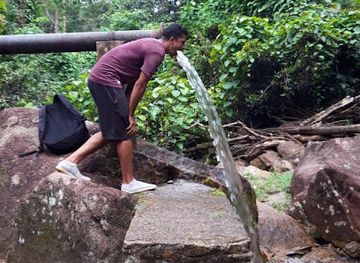
Grand Anse Cascade (waterfall)
Experience the natural beauty and tranquility of Grand Anse Cascade, a hidden gem in N.Y.S. Village perfect for hiking and relaxation.
-
National reserve
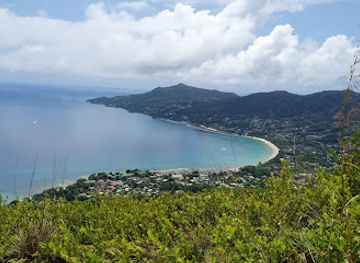
Mare Aux Cochons Trail (Dan Bernard Junction)
Experience the breathtaking landscapes and diverse wildlife of Mare Aux Cochons Trail, a national reserve in the stunning Bel Ombre region of Seychelles.
Best landmarks in Cousin Island
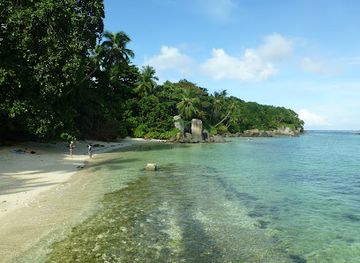
Cousin Island’s most important landmarks are natural and conservation-related. Its nesting beaches form recognisable coastal sites within the reserve, particularly significant because hawksbill turtles return to lay eggs in the sand. Inland, the native woodland and restoration areas represent the landscape transformation that enabled the Seychelles warbler to recover from a critically small population. Granite boulders and exposed rocky shorelines give the island its physical character, while seabird colonies create seasonal landmarks that are biological rather than architectural. The reserve’s conservation station and guided research infrastructure are modest, functional features rather than monuments, but they embody Cousin’s international importance as a place where habitat management and long-term ecological study take place. There are no castles, churches, civic buildings or historic town centres on the island. The defining landmark is the protected island landscape itself: a compact natural setting in which beaches, woodland, seabird colonies and surrounding ocean are managed as one connected ecosystem.
-
Botanical garden
Jardin du Roi Spice Garden
Explore the lush beauty of Jardin du Roi Spice Garden, a botanical paradise in Seychelles that delights the senses and tantalizes the taste buds.
-
Shopping mall
Eden Plaza
Discover Eden Plaza, a vibrant shopping mall in Seychelles, blending local charm with international brands, dining, and entertainment options.
-
National park
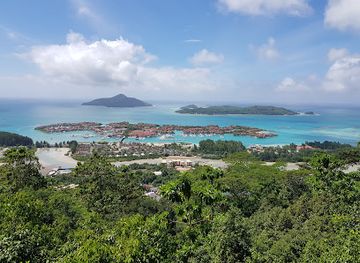
Saint-Anne Marine National Park
Discover the breathtaking beauty of Saint-Anne Marine National Park, a paradise for snorkeling, diving, and exploring diverse marine life in Seychelles.
-
Hiking area
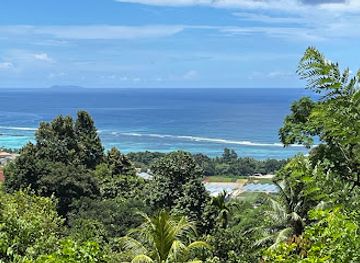
Copolia Trail
Discover breathtaking views and lush biodiversity on the Copolia Trail, a top hiking destination in Seychelles, perfect for nature lovers.
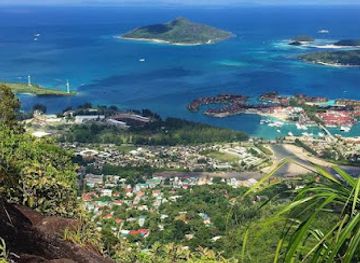
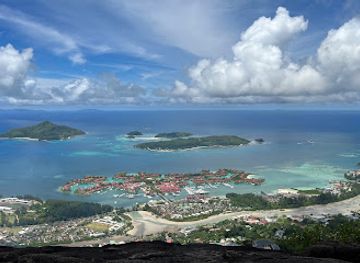
Explore Cousin Island on the map
Plan your trip on one map. See where the top cities, national parks and sights are, and book hotels and experiences in a few clicks.
Best hotels in Cousin Island
Best restaurants in Cousin Island
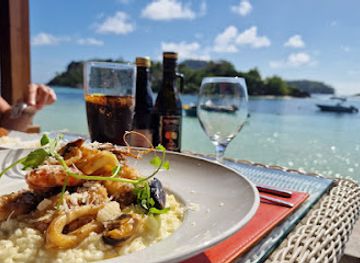
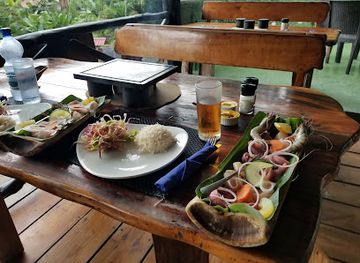
Cousin Island has no restaurants, cafés, shops or food-producing visitor businesses, so meals and refreshments must be arranged before departure or obtained through an excursion operator. Most visitors use Praslin, outside the island, as their dining base, where Seychellois cooking commonly combines Creole flavours with rice, tropical fruit, vegetables, fish and seafood. Depending on the establishment, menus may include grilled or curried fish, octopus preparations, coconut-based sauces and chilli-seasoned accompaniments, alongside international dishes for visitors. Packed food and drinking water may be appropriate for a nature visit, but check the operator’s arrangements and take all waste back with you. Cousin’s culinary importance is therefore indirect: the island protects coastal and terrestrial habitats rather than hosting a dining scene. A visit works best when food planning is treated as part of the wider Praslin itinerary, with attention to heat, hydration and the length of the boat transfer.
-
Restaurant
Del Place Restaurant
Experience exquisite Seychellois cuisine with breathtaking ocean views at Del Place Restaurant in Seychelles.
-
Restaurant
Perry's Grillz
Experience exquisite Seychellois cuisine at Perry's Grillz, where every bite tells a story of local flavors.
-
Restaurant
La Gaulette Restaurant
Experience authentic Seychellois cuisine at La Gaulette Restaurant with breathtaking ocean views on Mahé Island.
-
Restaurant
Maria's Rock Cafeteria
Experience authentic Seychellois flavors at Maria's Rock Cafeteria with breathtaking views and warm hospitality.
Best bars in Cousin Island
Cousin Island has no bars, nightclubs, evening venues or accommodation, and visits normally take place during daylight as guided conservation excursions. Evening entertainment and drinks are found on Praslin, outside the island, where the atmosphere is generally based on hotel bars, restaurants and relaxed coastal dining rather than a concentrated club district. Visitors staying on Praslin may find occasional live music or seasonal entertainment, but availability changes and should be checked locally. The appropriate evening experience after Cousin is usually quiet: reviewing photographs, listening to the sea and allowing time for an early departure or return boat. Alcohol should not be taken onto the reserve unless expressly permitted, and visitors should never let nightlife arrangements compromise the safety requirements of a boat transfer or nature visit.
-
Bar
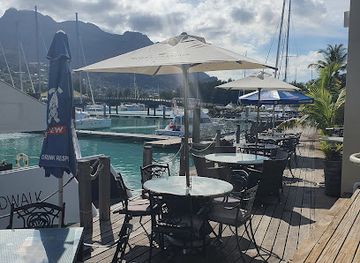
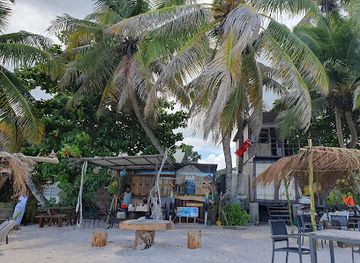
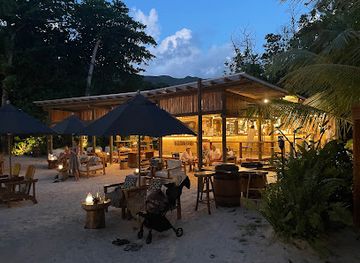
The Boardwalk Bar & Grill
Experience the vibrant nightlife and delicious cuisine at The Boardwalk Bar & Grill in Eden Island, where every moment is a celebration of island life.
-
Bar
Summer Bar
Experience the laid-back charm of Summer Bar, a tropical oasis in Anse Intendance, perfect for unwinding with refreshing drinks and stunning views.
-
Grill
ROYAL BAY BEACH CLUB
Discover the ultimate beachside retreat at Royal Bay Beach Club, offering exquisite dining, thrilling water sports, and breathtaking ocean views.
-
Bar
Kabana
Experience the vibrant atmosphere of Kabana, a top bar in N.Y.S. Village, known for its breathtaking views and delicious drinks.
Best nightclubs in Cousin Island
Cousin Island has no bars, nightclubs, evening venues or accommodation, and visits normally take place during daylight as guided conservation excursions. Evening entertainment and drinks are found on Praslin, outside the island, where the atmosphere is generally based on hotel bars, restaurants and relaxed coastal dining rather than a concentrated club district. Visitors staying on Praslin may find occasional live music or seasonal entertainment, but availability changes and should be checked locally. The appropriate evening experience after Cousin is usually quiet: reviewing photographs, listening to the sea and allowing time for an early departure or return boat. Alcohol should not be taken onto the reserve unless expressly permitted, and visitors should never let nightlife arrangements compromise the safety requirements of a boat transfer or nature visit.
-
Night club
Barrel Night Club
Dive into the electrifying nightlife at Barrel Night Club in Victoria, Seychelles - where unforgettable memories and great music await!
-
Bar
Bourgeois Bar & Lounge at Eden Bleu Hotel
Experience the vibrant nightlife at Bourgeois Bar & Lounge, offering exquisite cocktails and stunning views in the heart of Seychelles.
-
Disco club
Katiolo
Experience the vibrant nightlife of Victoria at Katiolo, Seychelles' premier disco club where music and culture come alive.
-
Bar
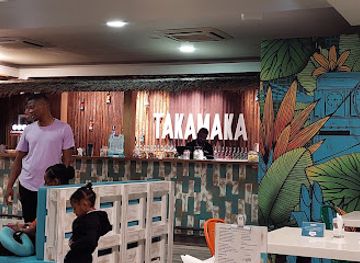
TAKAMAKA BAR & BOUTIQUE
Experience local flavors and vibrant cocktails at Takamaka Bar & Boutique, a tropical retreat at Seychelles International Airport.
Best shops in Cousin Island
Cousin Island has no shops, market, gallery or craft outlet. Visitors should purchase essentials, local products and souvenirs on Praslin or elsewhere in Seychelles before or after the excursion, rather than expecting retail facilities at the reserve. Useful regional purchases may include Seychellois spices, locally made preserves, crafts, artwork, books about island wildlife and responsibly sourced food products, subject to customs and conservation rules. Do not collect shells, coral, feathers, plants, sand or other natural material from Cousin Island; these are part of the protected environment, not souvenirs. Shopping connected with a visit is therefore mainly about supporting established businesses outside the reserve and choosing durable items that reflect Seychelles’ Creole culture or natural heritage. A field guide or pair of binoculars can be more useful than a decorative memento for understanding the island’s wildlife.
-
Supermarket
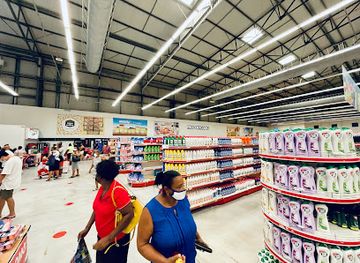
STC Hypermarket
Experience local flavors and international goods at STC Hypermarket, the heart of shopping in Victoria, Seychelles.
-
Historical landmark
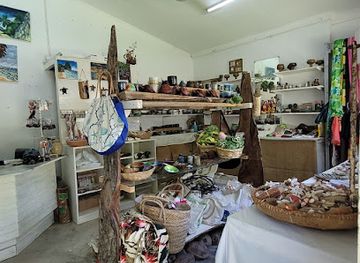
Craft Village
Explore the vibrant Craft Village in Seychelles, showcasing local artistry, delicious cuisine, and rich cultural heritage in a stunning tropical setting.
-
Grocery store
Kumar & Kumar Supermarket
Discover the authentic flavors of Seychelles at Kumar & Kumar Supermarket, your one-stop grocery destination in Pointe Au Sel.
-
Artist
Roots Seychelles
Discover the artistic soul of Seychelles at Roots Seychelles, a vibrant gallery showcasing local talent in the stunning Mare Anglaise.

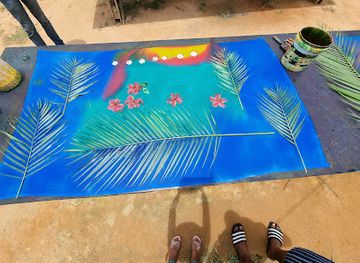
Get your free copy of our complete guide to Cousin Island, delivered straight to you.
Everything on this page, from attractions and restaurants to essentials and local phrases, in one PDF you can read offline, print or share.
Already have an account? Sign in
Your Cousin Island guide is ready.
We'll send it to · Not you? Sign out

Getting your guide ready…
We are putting together a fresh copy of the Cousin Island guide. This can take up to a minute.
This can take a few moments. If your browser asks, choose Allow so the download can start. You'll find the guide in your Downloads folder.
Nothing happened? Download it again
Sorry, the guide is taking longer than usual. Please try again in a minute, or get it by email instead.
Cousin Island essentials
Currency and Payment
Safety
Emergency Situations
Do's and Don'ts
Local Tips
From Eve
Local phrases worth knowing
You don't need to get them perfect. A few words go a long way, and locals appreciate the effort.
Basics
| English | Local | Say it |
|---|---|---|
| Hello | Bonzour | [bawn-zoor] |
| Goodbye | Aurevoir | [or-eh-vwahr] |
| Yes | Wi | [wee] |
| No | Non | [non] |
| Please/You're welcome | S'il vous plaît | [seel voo pleh] |
| Thank you | Mersi | [mehr-see] |
| Excuse me/Sorry | Pardon | [pahr-dohn] |
| How are you? | Koman ou ete? | [koh-mahn oo eh-teh] |
| Fine. And you? | Byen. E ou? | [byan. eh oo?] |
| Do you speak English? | Ou parlez Anglais? | [oo pahr-lay ahn-glay] |
| I don't understand | Mwen pa konpran | [mwen pah kohn-prahn] |
Eating & Drinking
| English | Local | Say it |
|---|---|---|
| I'd like to see the menu, please | Mwen ti a kontan vwar menu, sil vous plaît | [mwen tee ah kohn-tahn vwar meh-nu, seel voo pleh] |
| I don't eat meat | Mwen pa manze lasoy | [mwen pah mahn-zay lah-soy] |
| Cheers! | Santé! | [sahn-tay] |
| I would like to pay, please | Mwen ti a kontan peye, sil vous plaît | [mwen tee ah kohn-tahn pay-ay, seel voo pleh] |
Emergencies
| English | Local | Say it |
|---|---|---|
| Help! | Seki! | [seh-kee] |
| Go away! | Ale! | [ah-lay] |
| Call the Police! | Appel Police! | [ah-pel poh-lees] |
| Call a doctor! | Appel en doktor! | [ah-pel ahn dok-tor] |
| I'm lost | Mwen perdi | [mwen pair-dee] |
| I'm ill | Mwen malad | [mwen mah-lahd] |
Shopping
| English | Local | Say it |
|---|---|---|
| I'd like to buy... | Mwen ti a kontan achte... | [mwen tee ah kohn-tahn ah-shtay] |
| I'm just looking | Mwen zis pe vwar | [mwen zees pe vwar] |
| How much is it? | Ki kantite sa? | [kee kohn-tay sah] |
| That's too expensive | Sa tro cher | [sah tro shair] |
| Can you lower the price? | Eski ou kapab redwir pri? | [es-kee oo kah-pahb red-wir pree] |
Time & Numbers
| English | Local | Say it |
|---|---|---|
| What time is it? | Ki letan li? | [kee leh-tahn lee] |
| It's one o'clock | Li enn zhe | [lee en zhay] |
| Half past (10) | Demi (10) | [duh-mee (10)] |
| Morning | Maten | [mah-ten] |
| Afternoon | Apremidi | [ah-preh-mee-dee] |
| Evening | Swar | [swahr] |
| Yesterday | Yer | [yehr] |
| Today | Aste | [ahs-tay] |
| Tomorrow | Demain | [duh-mahn] |
| 1 | En | [en] |
| 2 | De | [duh] |
| 3 | Trois | [trwah] |
| 4 | Katre | [kah-tray] |
| 5 | Senk | [sank] |
| 6 | Sis | [sees] |
| 7 | Set | [set] |
| 8 | Huit | [weet] |
| 9 | Nef | [nef] |
| 10 | Dis | [dees] |
Transport & Directions
| English | Local | Say it |
|---|---|---|
| Where's a/the...? | Kot i ete en...? | [kot ee eh-teh ahn] |
| What's the address? | Ki adres? | [kee ah-dres] |
| Can you show me (on the map)? | Eski ou kapab montre mwen (lo kat)? | [es-kee oo kah-pahb mohn-tray mwen (loh kaht)] |
| When's the next (bus)? | Kan prosen (buss)? | [kan proh-sen (boos)] |
| A ticket (to ....) | En tiké (pou ....) | [en tee-kay (poo)] |
History of Cousin Island
Seychellois Island Settlement and Colonial Land Use
Cousin Island forms part of the Inner Seychelles, whose wider history was shaped by French settlement from the eighteenth century and later British administration. Like many small Seychelles islands, Cousin was used for plantation activities and the extraction of natural resources rather than developed as a permanent urban settlement. Coconut cultivation and other forms of agricultural exploitation altered native vegetation and reduced the habitat available to specialised island wildlife. Although Cousin has never developed a town or substantial resident population, these earlier land uses left a lasting ecological imprint that later conservation work sought to reverse.
The Decline of the Seychelles Warbler
The Seychelles warbler became a symbol of the risks facing species confined to small islands. By the 1960s, habitat loss and the restricted distribution of suitable native woodland had reduced the bird to a tiny population on Cousin Island. In 1968, conservation attention focused on protecting the island and its remaining warblers. The species’ plight helped demonstrate that the survival of an endemic bird could depend on safeguarding an entire island ecosystem, rather than simply protecting individual nests or birds.
Cousin’s Conservation Transformation from 1968
In 1968, the organisation then known as the International Council for Bird Preservation, now BirdLife International, acquired Cousin Island to protect the Seychelles warbler and its habitat. Plantation-oriented land use was progressively replaced by conservation management, including the restoration of native vegetation and the control of introduced predators. This transformation made Cousin an influential example of island restoration. Its work also helped establish the principle that carefully managed habitat can allow highly restricted endemic species to recover from the brink of extinction.
Protected Status and Scientific Monitoring
Cousin Island was designated a nature reserve in the 1970s and became associated with long-running ecological research and wildlife monitoring. The island’s value lies not only in the species visible to visitors but also in the continuity of scientific records covering breeding birds, vegetation, reptiles and sea turtles. Because the island is small and access is controlled, researchers can examine the effects of habitat restoration and conservation management with unusual clarity. The reserve has therefore become both a protected landscape and a practical field site for island biology.
Sea Turtle Protection and Marine Conservation
Cousin’s sandy beaches and surrounding waters are important to sea turtles, particularly hawksbills that return to nest on Seychelles beaches. Conservation work has involved protecting nesting areas, limiting disturbance and monitoring turtles over time. The island’s significance is therefore not confined to its terrestrial woodland: its beaches, shoreline and near-shore marine environment form part of a wider ecological system. Turtle protection also connects Cousin to the broader conservation history of the Seychelles, where coastal development and human activity have had to be balanced with the needs of nesting wildlife.
Nature Seychelles and Contemporary Stewardship
Management of Cousin Island has since been associated with Nature Seychelles, a Seychelles-based conservation organisation. Contemporary stewardship combines guided ecotourism with habitat restoration, species monitoring, environmental education and protection of seabird and turtle colonies. Visitor access provides an important opportunity to explain conservation without converting the island into a conventional resort. Cousin’s modern history is consequently defined by a deliberate choice to keep infrastructure limited and place ecological protection at the centre of its identity.
Cousin Island in Photos
Browse through our photo collection highlighting the charm and character of the destination.
Neighbouring regions of Cousin Island
The closest regions to Cousin Island, if you have time for more than one.
-

-

-
-

-


Swipe for more regions
Explore more
Explore more of Seychelles
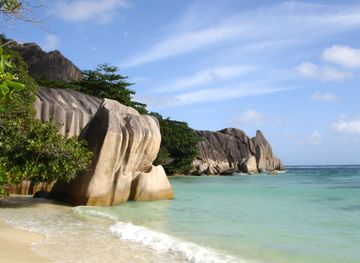
Discover the enchanting islands of Seychelles, where stunning beaches, vibrant wildlife, and rich Creole culture come together for an unforgettable tropical escape.
Explore Seychelles