

Free Frégate Island Travel Guide & Mobile App
Explore Frégate Island with free travel guides. Discover regional history, expert tips, proposed trips, and audio guides on web or mobile app.


Frégate Island, Seychelles, pairs secluded granite beaches and forest trails with wildlife conservation, giant tortoises and private-island stays.
Read more about Frégate Island
When is the best time to visit Frégate Island?
Best: June–August · 30°C| Month | High (°C) | Rainfall (mm) |
|---|---|---|
| January | 30 | 250 |
| February | 31 | 200 |
| March | 31 | 160 |
| April | 32 | 150 |
| May | 31 | 130 |
| June (best) | 30 | 100 |
| July (best) | 30 | 90 |
| August (best) | 30 | 90 |
| September | 30 | 100 |
| October | 31 | 130 |
| November | 31 | 160 |
| December | 30 | 230 |
Getting to and around Frégate Island
How to get there
Transportation
Best attractions in Frégate Island
Frégate’s attractions are concentrated in its natural environment and in the conservation programme that manages it. Guided walks lead through forest, gardens and granite terrain where visitors may see Seychelles magpie-robins, Seychelles white-eyes and giant Aldabra tortoises. The island’s beaches, including Anse Victorin, Anse Macquereau and Anse Bambous, offer different settings for swimming, quiet shoreline walks and sea views, although access and water conditions are weather- and tide-dependent. Snorkelling and boat excursions introduce the surrounding marine environment, while selected viewpoints provide broad panoramas across the Inner Islands and open ocean. Historic plantation traces and cultivated areas add a human layer to the landscape without forming a conventional museum or heritage quarter. There are no public amusement parks, shopping streets or independent visitor attractions; the island’s appeal rests on privacy, guided outdoor experiences and ecological management. Guests can also learn about habitat restoration, turtle monitoring and the care of native wildlife through resort-led activities. Because Frégate is privately managed, access to some beaches, trails and conservation areas may be controlled or adjusted seasonally.
-
Island
Fregate
Discover the enchanting beauty of Fregate Island, a luxurious tropical getaway in the Seychelles, where nature and relaxation meet unforgettable experiences.
-
Tourist attraction
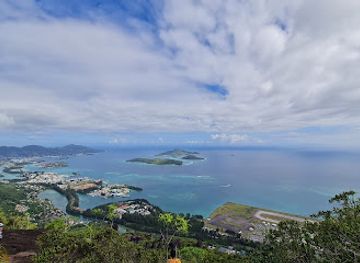
Mont Sebert viewpoint
Discover the breathtaking views and serene beauty of Mont Sebert Viewpoint, a must-visit destination for nature lovers in Seychelles.
-
Beach
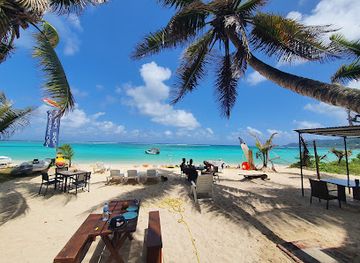
Anse Victorin
Discover the breathtaking beauty of Anse Victorin, a serene beach paradise in the Seychelles, ideal for relaxation and adventure.


Best landmarks in Frégate Island
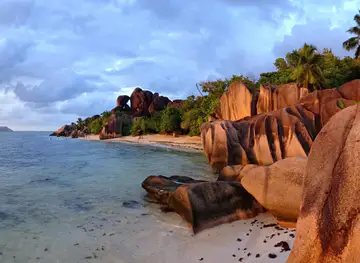
Frégate’s most recognisable landmarks are natural rather than civic. Mount Frégate, rising to roughly 125 metres, forms the island’s central high point and helps explain the steep paths and elevated viewpoints that contrast with the beaches below. The granite outcrops and weathered boulders around the island are characteristic of Seychelles’ ancient Inner Islands, while Anse Victorin, Anse Macquereau and Anse Bambous provide distinctive coastal settings shaped by reef, tide and seasonal swell. The island’s conservation habitats are also landmarks in a cultural sense: restored forest, tortoise areas and protected turtle-nesting beaches express Frégate’s modern identity as a managed ecological refuge. Plantation remnants and old cultivated landscapes recall the colonial agricultural period, though they are more understated than the island’s rocks, forest and shorelines. These places are encountered through resort-managed paths and excursions, not through a conventional public heritage circuit, and access may be restricted to protect wildlife or respond to weather.
-
Island
Fregate
Discover the enchanting beauty of Fregate Island in the Seychelles, where pristine beaches and lush landscapes create a tropical paradise.

Explore Frégate Island on the map
Plan your trip on one map. See where the top cities, national parks and sights are, and book hotels and experiences in a few clicks.
Best hotels in Frégate Island
Best restaurants in Frégate Island
Dining on Frégate is centred on the private island resort rather than on a public restaurant scene. Meals draw on the wider Seychellois setting, where Indian Ocean seafood, tropical fruit, coconut, rice, spices and influences from African, French, Indian and Creole cooking commonly shape menus. Fresh fish and shellfish may feature alongside vegetables and fruit grown or sourced for the island, while breakfasts, casual lunches and evening meals are generally arranged through resort outlets or private dining settings. Guests can expect a choice of formal and informal formats rather than a cluster of independent cafés, market stalls or family restaurants. Special meals may be organised at beaches, viewpoints or other private locations, subject to weather and conservation requirements. The heritage of plantation crops such as coconut and tropical fruit is visible in the island’s gardens, but Frégate should not be presented as a separate regional cuisine from the broader culinary culture of Seychelles.
-
Restaurant
Del Place Restaurant
Experience exquisite Seychellois cuisine with stunning ocean views at Del Place Restaurant – your culinary haven in paradise.
-
Restaurant
The Boat House Restaurant
Discover exquisite Seychellois cuisine at The Boat House Restaurant, where stunning sea views meet flavorful dishes in Beau Vallon.
-
Italian
La Perle Noire Restaurant
Experience authentic Italian cuisine with local flair at La Perle Noire Restaurant in Beau Vallon – a must-visit culinary destination.
-
Restaurant
Surfers Beach Restaurant
Experience exquisite dining at Surfers Beach Restaurant in Seychelles with stunning ocean views and a delightful menu of local flavors.


Best bars in Frégate Island
Frégate has no nightclub district or independent late-night entertainment scene. Evening life is organised around the private resort’s bars, restaurants and guest activities, with drinks, conversation and views of the night sky taking precedence over loud venues. Cocktails, wines and non-alcoholic drinks accompany dinner, while relaxed beach or garden settings may be used for selected resort arrangements when conditions permit. Live music or themed evenings, if offered, are operational details that should be confirmed directly rather than assumed. The island’s remoteness and conservation priorities encourage quiet nights, and activities such as stargazing, night walks with guidance or listening to wildlife may be more characteristic than dancing. Visitors seeking a broad selection of bars and clubs should stay on Mahé or another larger inhabited island rather than treating Frégate as a nightlife destination.
-
Grill
Beach Shak Seychelles
Experience the vibrant flavors of Seychelles at Beach Shak, the ultimate grill and cocktail bar on Mahe's stunning shores.
-
Bar
Gecko Bar
Discover the tropical charm of Gecko Bar in Beau Vallon, where refreshing cocktails and local cuisine meet stunning ocean views.
-
Bar
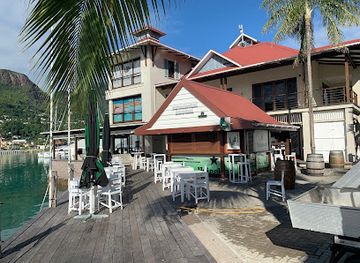
The Boardwalk Bar & Grill
Discover the lively Boardwalk Bar & Grill on Eden Island, where delectable food meets vibrant nightlife in a stunning marina setting.
-
Bar
Summer Bar
Experience the vibrant atmosphere of Summer Bar in Quatre Bornes, where refreshing drinks meet stunning tropical views for the perfect relaxation spot.


Best nightclubs in Frégate Island
Frégate has no nightclub district or independent late-night entertainment scene. Evening life is organised around the private resort’s bars, restaurants and guest activities, with drinks, conversation and views of the night sky taking precedence over loud venues. Cocktails, wines and non-alcoholic drinks accompany dinner, while relaxed beach or garden settings may be used for selected resort arrangements when conditions permit. Live music or themed evenings, if offered, are operational details that should be confirmed directly rather than assumed. The island’s remoteness and conservation priorities encourage quiet nights, and activities such as stargazing, night walks with guidance or listening to wildlife may be more characteristic than dancing. Visitors seeking a broad selection of bars and clubs should stay on Mahé or another larger inhabited island rather than treating Frégate as a nightlife destination.
-
Restaurant
The Boardwalk Bar & Grill
Experience culinary bliss and vibrant nightlife at The Boardwalk Bar & Grill, a must-visit destination on Eden Island, Seychelles.
-
Grill
ROYAL BAY BEACH CLUB
Royal Bay Beach Club: A perfect blend of grilled delicacies and thrilling water sports in Seychelles' tropical paradise.
-
Casino
Club Liberté Casino
Discover the ultimate entertainment destination at Club Liberté Casino in Anse Soleil, where gaming, dining, and live music collide in a vibrant atmosphere.
-
 Hotel
Fregate Island Private
Discover the ultimate luxury getaway at Fregate Island Private, where pristine beaches and lush nature await your arrival in the Seychelles.
Best shops in Frégate Island
Shopping on Frégate is deliberately limited and takes place chiefly through the private resort’s boutique or arranged purchasing services. Visitors may find locally themed souvenirs, resort essentials, crafts, books, clothing and selected Seychelles products, but there is no public high street, permanent market or independent retail quarter. The island is therefore better suited to buying a small memento than conducting a major shopping trip. For a broader choice of Seychellois crafts, spices, textiles, art, jewellery and food products, plan shopping on Mahé or another inhabited island before or after the stay. Since stock and retail arrangements can change, confirm what is available with the resort rather than relying on assumptions. Avoid collecting shells, coral, plants or stones from Frégate’s beaches and conservation areas; responsibly sourced products are the appropriate choice for souvenirs.
-
Hotel
Fregate Island Private
Escape to Fregate Island Private, a luxurious Seychelles retreat blending stunning nature, exclusive accommodations, and unforgettable experiences.
-
Souvenir store
Koral Souvenir Boutique
Explore Koral Souvenir Boutique: Your ultimate destination for unique Seychelles handicrafts, jewelry, and art in the heart of Beau Vallon.
-
Supermarket
The Chop Shop Seychelles
Discover the vibrant local flavors and products at The Chop Shop Seychelles, your go-to supermarket in Victoria for a true taste of the islands.
-
Farm shop
Island thyme Seychelles
Discover the fresh flavors of Seychelles at Island Thyme, your go-to farm shop for local produce and artisanal delights.


Get your free copy of our complete guide to Frégate Island, delivered straight to you.
Everything on this page, from attractions and restaurants to essentials and local phrases, in one PDF you can read offline, print or share.
Already have an account? Sign in
Your Frégate Island guide is ready.
We'll send it to · Not you? Sign out

Getting your guide ready…
We are putting together a fresh copy of the Frégate Island guide. This can take up to a minute.
This can take a few moments. If your browser asks, choose Allow so the download can start. You'll find the guide in your Downloads folder.
Nothing happened? Download it again
Sorry, the guide is taking longer than usual. Please try again in a minute, or get it by email instead.
Frégate Island essentials
Currency and Payment
Safety
Emergency Situations
Do's and Don'ts
Local Tips
From Eve
Local phrases worth knowing
You don't need to get them perfect. A few words go a long way, and locals appreciate the effort.
Basics
| English | Local | Say it |
|---|---|---|
| Hello | Bonjour | [bɔ̃ʒuʁ] |
| Goodbye | Au revoir | [o ʁəvwaʁ] |
| Yes | Oui | [wi] |
| No | Non | [nɔ̃] |
| Please/You're welcome | S'il vous plaît / De rien | [sil vu ple / də ʁjɛ̃] |
| Thank you | Merci | [mɛʁsi] |
| Excuse me/Sorry | Excusez-moi / Désolé | [ɛkskyze mwa / dezole] |
| How are you? | Comment ça va? | [kɔmɑ̃ sa va] |
| Fine. And you? | Bien. Et vous? | [bjɛ̃. e vu] |
| Do you speak English? | Parlez-vous anglais? | [paʁle vu ɑ̃ɡlɛ] |
| I don't understand | Je ne comprends pas | [ʒə nə kɔ̃pʁɑ̃ pa] |
Eating & Drinking
| English | Local | Say it |
|---|---|---|
| I'd like to see the menu, please | Je voudrais voir le menu, s'il vous plaît | [ʒə vudʁɛ vwaʁ lə məny, sil vu ple] |
| I don't eat meat | Je ne mange pas de viande | [ʒə nə mɑ̃ʒ pa də vjɑ̃d] |
| Cheers! | Santé! | [sɑ̃te] |
| I would like to pay, please | Je voudrais payer, s'il vous plaît | [ʒə vudʁɛ peje, sil vu ple] |
Emergencies
| English | Local | Say it |
|---|---|---|
| Help! | Au secours! | [o səkuʁ] |
| Go away! | Allez-vous-en! | [ale vu zɑ̃] |
| Call the Police! | Appelez la police! | [aple la pɔlis] |
| Call a doctor! | Appelez un médecin! | [aple ɛ̃ mɛdəsɛ̃] |
| I'm lost | Je suis perdu | [ʒə sɥi pɛʁdy] |
| I'm ill | Je suis malade | [ʒə sɥi malɑd] |
Shopping
| English | Local | Say it |
|---|---|---|
| I'd like to buy... | Je voudrais acheter... | [ʒə vudʁɛ aʃəte] |
| I'm just looking | Je regarde juste | [ʒə ʁəɡaʁd ʒyst] |
| How much is it? | C'est combien? | [se kɔ̃bjɛ̃] |
| That's too expensive | C'est trop cher | [se tʁo ʃɛʁ] |
| Can you lower the price? | Pouvez-vous baisser le prix? | [puve vu bɛse lə pʁi] |
Time & Numbers
| English | Local | Say it |
|---|---|---|
| What time is it? | Quelle heure est-il? | [kɛl œʁ ɛ t il] |
| It's one o'clock | Il est une heure | [il ɛ yn œʁ] |
| Half past (10) | Dix heures et demie | [di zœʁ e dəmi] |
| Morning | Matin | [matɛ̃] |
| Afternoon | Après-midi | [apʁɛ midi] |
| Evening | Soir | [swaʁ] |
| Yesterday | Hier | [jɛʁ] |
| Today | Aujourd'hui | [oʒuʁdɥi] |
| Tomorrow | Demain | [dəmɛ̃] |
| 1 | Un | [œ̃] |
| 2 | Deux | [dø] |
| 3 | Trois | [tʁwa] |
| 4 | Quatre | [katʁ] |
| 5 | Cinq | [sɛ̃k] |
| 6 | Six | [sis] |
| 7 | Sept | [sɛt] |
| 8 | Huit | [ɥit] |
| 9 | Neuf | [nœf] |
| 10 | Dix | [di] |
Transport & Directions
| English | Local | Say it |
|---|---|---|
| Where's a/the...? | Où est un/une...? | [u ɛ ɛ̃/yn] |
| What's the address? | Quelle est l'adresse? | [kɛl ɛ l'adʁɛs] |
| Can you show me (on the map)? | Pouvez-vous me montrer (sur la carte)? | [puve vu mə mɔ̃tʁe (syʁ la kaʁt)] |
| When's the next (bus)? | Quand est le prochain (bus)? | [kɑ̃ ɛ lə pʁɔʃɛ̃ (bys)] |
| A ticket (to ....) | Un billet (pour ....) | [ɛ̃ bijɛ (puʁ ....)] |
History of Frégate Island
Granite-island formation and early human contact
Frégate is one of the Seychelles’ granitic Inner Islands, part of an ancient continental fragment rather than a volcanic island. Its steep rock formations, weathered boulders and shallow coastal shelves reflect that geological identity. The Seychelles had no long-established indigenous population before European navigation, although sailors and later settlers used the islands intermittently. Early human contact altered coastal vegetation and introduced species, setting a pattern familiar across the archipelago: environments that appear entirely natural often contain traces of maritime movement, cultivation and settlement.
French and British colonial administration
The Seychelles were claimed and settled by France in the eighteenth century, and Frégate entered the colonial island economy alongside the larger settled islands. British control followed the Napoleonic period, with the Seychelles becoming a British colony in the nineteenth century. Frégate’s remote location limited urban development, but its land was incorporated into the plantation system that shaped many granitic islands. Coconut, fruit, spices and other crops were cultivated on a small scale, leaving an agricultural imprint that remains part of the island’s historical landscape.
Plantation agriculture and island settlement
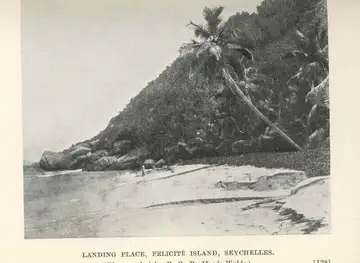
During the nineteenth and early twentieth centuries, Frégate was associated with plantation activity rather than a substantial town. Coconut cultivation and other tropical crops depended on a small resident workforce and on maritime links with the main islands. Agricultural clearings, old paths, planted trees and surviving estate features offer a muted record of this period. Unlike Mahé, Frégate did not develop into a major administrative or commercial centre, and its isolation helped preserve a more rural character even as farming changed the original forest and coastal habitats.
Seychelles independence and changing land use
The Seychelles became independent from Britain in 1976, entering a modern period in which tourism became increasingly important to the national economy. Frégate remained distinct from the expanding settlements of Mahé and Praslin because of its private ownership, limited scale and lack of a public town. Its land use gradually moved away from plantation production towards carefully managed hospitality and environmental restoration. This transition reflected a wider national effort to balance international tourism with protection of the archipelago’s fragile island ecosystems.
The development of Frégate Island Private
Late twentieth-century investment established Frégate as a private luxury-island destination with a deliberately small number of villas and controlled access. Hospitality infrastructure was integrated with gardens, trails, beaches and conservation work rather than built as a dense resort settlement. The development brought international visitors to an island previously known chiefly for its remoteness and plantation history, while creating a management framework for water, waste, habitat and wildlife. Its character today is therefore inseparable from the private resort that organises almost all visitor activity.
Conservation and ecological restoration
Modern Frégate has become associated with restoration of island habitats and protection of native wildlife. Work has included management of invasive species, support for endangered endemic birds and care for giant Aldabra tortoises, as well as monitoring of sea-turtle nesting beaches. The Seychelles magpie-robin is especially significant because the species was once critically reduced across the archipelago before conservation programmes helped it recover. On Frégate, tourism operates within this managed ecological setting, making conservation not an incidental attraction but a central part of the island’s contemporary identity.
Frégate Island in Photos
Browse through our photo collection highlighting the charm and character of the destination.
Neighbouring regions of Frégate Island
The closest regions to Frégate Island, if you have time for more than one.
-
-

-
-

-


Swipe for more regions
Explore more
Explore more of Seychelles
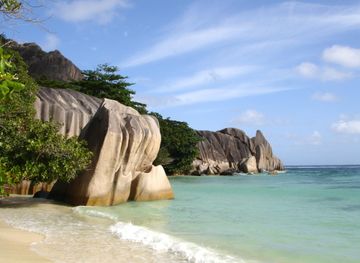
Discover the enchanting islands of Seychelles, where stunning beaches, vibrant wildlife, and rich Creole culture come together for an unforgettable tropical escape.
Explore Seychelles