

Free Île au Cerf Travel Guide & Mobile App
Explore Île au Cerf with free travel guides. Discover regional history, expert tips, proposed trips, and audio guides on web or mobile app.


Île au Cerf in Seychelles offers wooded paths, quiet beaches, marine-park waters and easy access to island activities from Mahé.
Read more about Île au Cerf
When is the best time to visit Île au Cerf?
Best: June–August · 28–29°C| Month | High (°C) | Rainfall (mm) |
|---|---|---|
| January | 29 | 258 |
| February | 30 | 183 |
| March | 30 | 182 |
| April | 30 | 192 |
| May | 30 | 169 |
| June (best) | 29 | 98 |
| July (best) | 28 | 104 |
| August (best) | 28 | 131 |
| September | 28 | 174 |
| October | 29 | 215 |
| November | 29 | 252 |
| December | 29 | 263 |
Getting to and around Île au Cerf
How to get there
Transportation
Best attractions in Île au Cerf
Île au Cerf’s attractions are primarily natural and marine. The island’s wooded interior can be explored on foot along informal paths and access routes leading between accommodation, beaches and rocky coastal viewpoints. Its small coves offer opportunities for swimming and quiet beach time, although tides, coral and changing currents make local guidance important. The principal draw is Sainte Anne Marine National Park, which surrounds the island and protects a varied shallow-water environment of reefs, seagrass and sandy seabeds. Snorkelling, kayaking, paddleboarding and boat excursions reveal the marine landscape more fully than a short shoreline visit. Trips may also include nearby islands within the park, subject to weather, conservation rules and the arrangements of local operators. Île au Cerf has few conventional museums, historic buildings or family attractions, and visitors should not expect the range of facilities found on Mahé. Its appeal lies in combining a quiet, lightly developed island setting with easy access to a protected marine area close to the Seychelles capital.
-
 Resort hotel
Cerf Island Resort
Discover the luxurious Cerf Island Resort in Seychelles, a tranquil escape with stunning ocean views, gourmet dining, and a wealth of activities for every traveler.
-
Island
Ile au Cerf
Explore Île au Cerf, a tropical paradise in Mauritius with stunning beaches, thrilling water sports, and vibrant marine life.
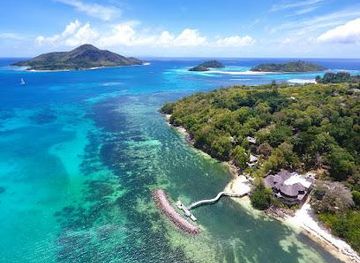
Best landmarks in Île au Cerf
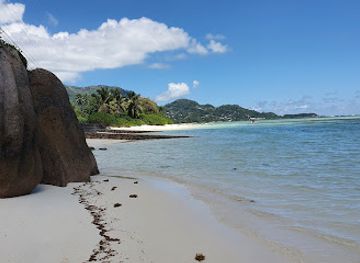
Île au Cerf has few monumental landmarks, but its geographic setting provides several defining points of reference. The island’s wooded granite slopes and rocky shoreline express the characteristic relationship between Seychelles’ ancient island geology and its tropical vegetation. More significant than any single building is the surrounding Sainte Anne Marine National Park, an important protected seascape established in 1973 and one of the central markers of the island’s identity. From elevated paths and open shorelines, views extend across Sainte Anne Channel towards Mahé, with the urban and mountainous profile of the main island contrasting with Cerf’s smaller, quieter landscape. Beaches and sheltered coves also function as natural landmarks, although their appearance changes with tide, wind and seasonal light. There is no cathedral, colonial fort or historic town centre on Île au Cerf; visitors interested in built heritage should explore Victoria and Mahé, while recognising that those places are outside the island itself.
-
Hotel
Constance Ephelia Mahe Seychelles
Experience luxury and adventure at Constance Ephelia, a premier hotel in Mahé, Seychelles, with stunning beaches, world-class amenities, and breathtaking nature.
-
Resort hotel
Savoy Seychelles Resort & Spa
Experience luxury and natural beauty at Savoy Seychelles Resort & Spa, a premier destination on the stunning Beau Vallon beach.
-
Tourist attraction
Takamaka Rum Distillery
Experience the rich tradition of rum-making at Takamaka Rum Distillery, where Seychelles' finest flavors come to life in a stunning tropical setting.
-
Restaurant
Del Place Restaurant
Experience the taste of Seychelles at Del Place Restaurant, where exquisite dining meets breathtaking ocean views in a tropical paradise.
Explore Île au Cerf on the map
Plan your trip on one map. See where the top cities, national parks and sights are, and book hotels and experiences in a few clicks.
Best hotels in Île au Cerf
Best restaurants in Île au Cerf
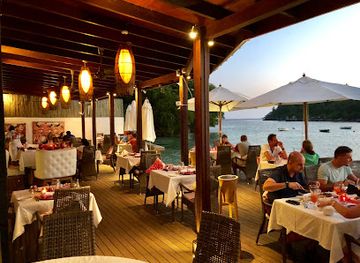
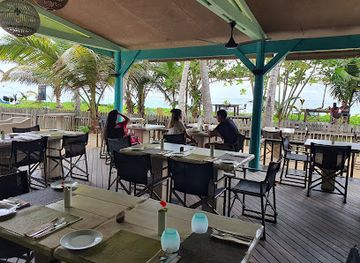
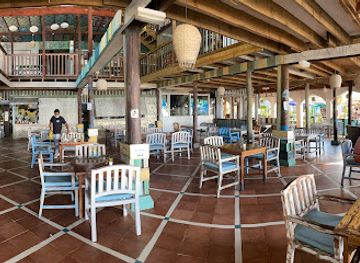
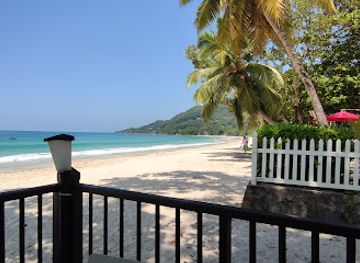
Dining on Île au Cerf is closely connected with its accommodation and small hospitality businesses rather than a broad independent restaurant district. Menus commonly draw on Seychellois Creole cooking, combining rice, fresh fish, seafood, coconut, spices and tropical produce with influences from African, French, Indian and Chinese culinary traditions. Grilled fish, octopus preparations, curries and salads may feature, while fruit such as papaya, mango and pineapple is widely associated with the islands. Breakfasts, packed lunches and evening meals are often best arranged before arrival, especially for visitors staying away from a larger resort operation. Casual meals can be accompanied by fruit juices, local soft drinks or Seychellois beer, while rum-based drinks reflect the wider island culture. For a greater choice of cafés, takeaway food, markets and restaurants, visitors should plan time on Mahé rather than expecting Île au Cerf to function as a dining destination in its own right.
-
Restaurant
Del Place Restaurant
Experience exquisite Seychellois cuisine with stunning waterfront views at Del Place Restaurant in Seychelles.
-
Creole
Kafe Kreol Cafe & Restaurant
Experience authentic Creole cuisine at Kafe Kreol Cafe & Restaurant in Anse Royale - where every dish tells a story.
-
Restaurant
The Boat House Restaurant
Experience exquisite dining at The Boat House Restaurant in Beau Vallon with stunning ocean views and a diverse menu celebrating local flavors.
-
Indian
Mahek Restaurant
Experience authentic Indian flavors at Mahek Restaurant in Beau Vallon, Seychelles – where every dish tells a story.
Best bars in Île au Cerf
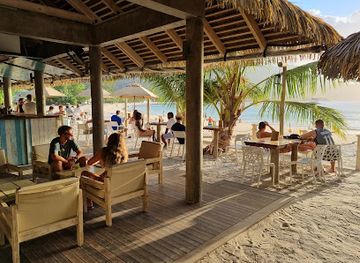
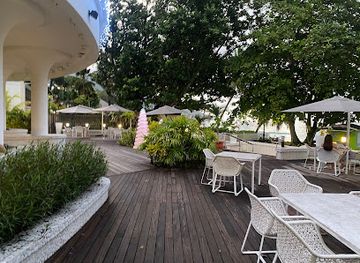
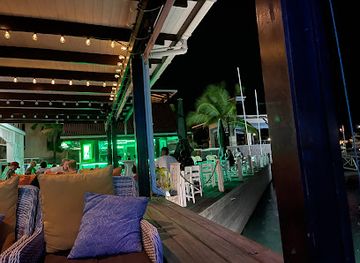
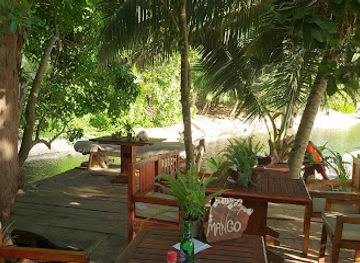
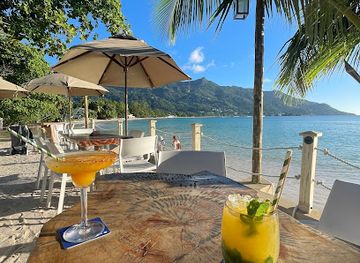
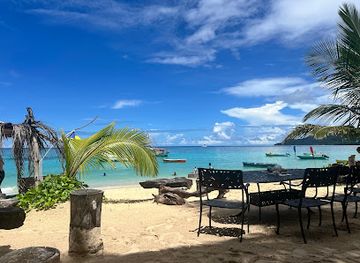
Nightlife on Île au Cerf is quiet and accommodation-led, with evenings generally centred on a restaurant, bar, terrace or beach setting rather than nightclubs. Visitors can expect relaxed drinks, tropical juices, rum-based cocktails and occasional informal entertainment, but opening arrangements and service depend on the property and season. The island’s darkness and limited traffic make stargazing and listening to the sea more typical evening activities than late-night dancing. For live music, a wider choice of bars or a more active social scene, Mahé and Victoria are the practical options, although returning by boat requires careful advance planning and is not suitable in poor conditions. The absence of a substantial nightlife district is part of Île au Cerf’s low-intensity character, not a gap to be filled by unplanned travel after dark.
-
Grill
Beach Shak Seychelles
Experience the vibrant culinary scene at Beach Shak Seychelles, where fresh grilled flavors meet spectacular coastal views.
-
Bar
Gecko Bar
Discover the lively atmosphere and delicious flavors at Gecko Bar in Beau Vallon, where every visit is an unforgettable experience.
-
Bar
The Boardwalk Bar & Grill
Discover the lively atmosphere and exquisite flavors at The Boardwalk Bar & Grill, your perfect spot for dining and nightlife on Eden Island.
-
Bar
Summer Bar
Discover the vibrant atmosphere and refreshing drinks at Summer Bar, the perfect spot to relax in Anse Intendance, Seychelles.
Best nightclubs in Île au Cerf
Nightlife on Île au Cerf is quiet and accommodation-led, with evenings generally centred on a restaurant, bar, terrace or beach setting rather than nightclubs. Visitors can expect relaxed drinks, tropical juices, rum-based cocktails and occasional informal entertainment, but opening arrangements and service depend on the property and season. The island’s darkness and limited traffic make stargazing and listening to the sea more typical evening activities than late-night dancing. For live music, a wider choice of bars or a more active social scene, Mahé and Victoria are the practical options, although returning by boat requires careful advance planning and is not suitable in poor conditions. The absence of a substantial nightlife district is part of Île au Cerf’s low-intensity character, not a gap to be filled by unplanned travel after dark.
-
Grill
Beach Shak Seychelles
Experience the vibrant flavors of Seychelles at Beach Shak, where grilled delights meet tropical cocktails in a stunning beachfront setting.
-
Night club
The Boardwalk Bar & Grill
Experience the vibrant nightlife at The Boardwalk Bar & Grill, where delicious cuisine meets lively entertainment on beautiful Eden Island.
-
Bar
Club Liberté Casino
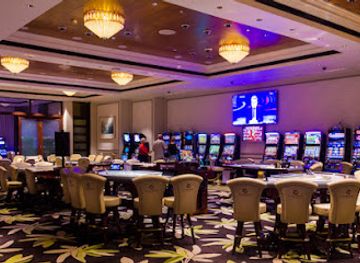
Discover the lively blend of gaming, dining, and entertainment at Club Liberté Casino in Anse Soleil, Seychelles.
-
Grill
Sunrise Beach Bar/Grill
Experience the best of Seychellois cuisine at Sunrise Beach Bar/Grill, where stunning views meet delicious grilled delights.

Best shops in Île au Cerf
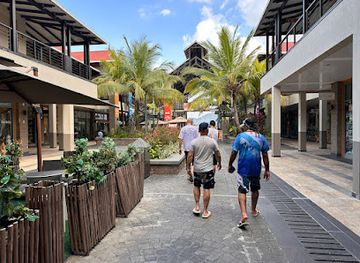
Shopping on Île au Cerf is very limited and usually confined to small accommodation boutiques or practical purchases arranged through hospitality businesses. Visitors should buy essentials, medicines, snacks and substantial supplies on Mahé before taking the boat, as the island does not have a conventional high street, supermarket or market district. Souvenirs may include Seychelles-branded items, beachwear, postcards, locally inspired crafts and packaged products, but selection varies. For a broader choice, Victoria’s markets and shops offer spices, tropical produce, crafts and artworks, while outlets elsewhere on Mahé provide locally made jewellery, textiles and food products. Packaged vanilla, cinnamon, coconut-based goods and rum may appeal as gifts, subject to airline and customs rules. Because Île au Cerf is small and environmentally sensitive, avoid buying coral, shells or products made from protected wildlife.
-
Shopping mall
Eden Plaza
Explore the vibrant Eden Plaza in Seychelles for a unique shopping experience filled with local charm and international flair.
-
Supermarket
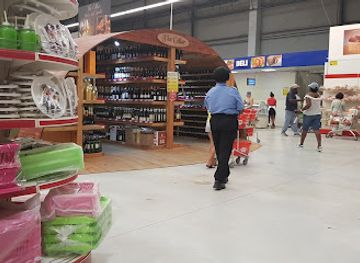
STC Hypermarket
Explore the vibrant STC Hypermarket in Victoria for an unforgettable shopping experience filled with local flavors and international delights.
-
Souvenir store
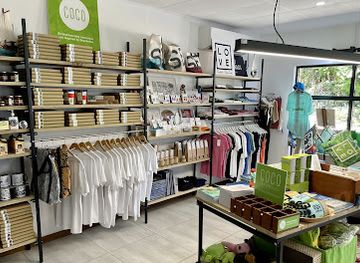
Koral Souvenir Boutique
Explore Koral Souvenir Boutique in Beau Vallon for unique handcrafted treasures and local artistry that capture the spirit of the Seychelles.
-
Supermarket
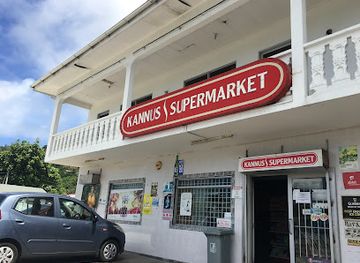
Kannus Supermarket
Discover local flavors and daily essentials at Kannus Supermarket, the heart of Plaisance Ward in the Seychelles.
Get your free copy of our complete guide to Île au Cerf, delivered straight to you.
Everything on this page, from attractions and restaurants to essentials and local phrases, in one PDF you can read offline, print or share.
Already have an account? Sign in
Your Île au Cerf guide is ready.
We'll send it to · Not you? Sign out

Getting your guide ready…
We are putting together a fresh copy of the Île au Cerf guide. This can take up to a minute.
This can take a few moments. If your browser asks, choose Allow so the download can start. You'll find the guide in your Downloads folder.
Nothing happened? Download it again
Sorry, the guide is taking longer than usual. Please try again in a minute, or get it by email instead.
Île au Cerf essentials
Currency and Payment
Safety
Emergency Situations
Do's and Don'ts
Local Tips
From Eve
Local phrases worth knowing
You don't need to get them perfect. A few words go a long way, and locals appreciate the effort.
Basics
| English | Local | Say it |
|---|---|---|
| Hello | Bonjour | [Bohn-zhoor] |
| Goodbye | Au revoir | [Oh ruh-vwahr] |
| Yes | Oui | [Wee] |
| No | Non | [Nohn] |
| Please/You're welcome | S'il vous plaît | [Seel voo pleh] |
| Thank you | Merci | [Mehr-see] |
| Excuse me/Sorry | Excusez-moi | [Ex-kew-zay mwah] |
| How are you? | Comment ça va? | [Koh-mahn sah vah] |
| Fine. And you? | Bien. Et vous? | [Byehn. Ay voo?] |
| Do you speak English? | Parlez-vous anglais? | [Par-lay voo ahn-glay?] |
| I don't understand | Je ne comprends pas | [Zhuh nuh kohm-prahn pah] |
Eating & Drinking
| English | Local | Say it |
|---|---|---|
| I'd like to see the menu, please | Je voudrais voir le menu, s'il vous plaît | [Zhuh voo-dray vwar luh meh-nu, seel voo pleh] |
| I don't eat meat | Je ne mange pas de viande | [Zhuh nuh mahnj pah deh vyahnd] |
| Cheers! | Santé! | [Sahn-tay] |
| I would like to pay, please | Je voudrais payer, s'il vous plaît | [Zhuh voo-dray pay-ay, seel voo pleh] |
Emergencies
| English | Local | Say it |
|---|---|---|
| Help! | Au secours! | [Oh suh-coor] |
| Go away! | Allez-vous-en! | [Ah-lay voo-zahn] |
| Call the Police! | Appelez la police! | [Ah-peh-lay lah poh-lees] |
| Call a doctor! | Appelez un médecin! | [Ah-peh-lay uhn meh-deh-sin] |
| I'm lost | Je suis perdu | [Zhuh swee pair-doo] |
| I'm ill | Je suis malade | [Zhuh swee mah-lahd] |
Shopping
| English | Local | Say it |
|---|---|---|
| I'd like to buy... | Je voudrais acheter... | [Zhuh voo-dray ah-sheh-tay] |
| I'm just looking | Je regarde juste | [Zhuh ruh-gard zhoost] |
| How much is it? | C'est combien? | [Say kohm-byen?] |
| That's too expensive | C'est trop cher | [Say troh shair] |
| Can you lower the price? | Pouvez-vous baisser le prix? | [Poo-vay voo beh-say luh pree?] |
Time & Numbers
| English | Local | Say it |
|---|---|---|
| What time is it? | Quelle heure est-il? | [Kell uhr eh-teel?] |
| It's one o'clock | Il est une heure | [Il eh uhn uhr] |
| Half past (10) | Dix heures et demie | [Deeze uhr eh duh-mee] |
| Morning | Matin | [Mah-tan] |
| Afternoon | Après-midi | [Ah-pray mee-dee] |
| Evening | Soir | [Swahr] |
| Yesterday | Hier | [Ee-air] |
| Today | Aujourd'hui | [Oh-zhoor-dwee] |
| Tomorrow | Demain | [Duh-mahn] |
| 1 | Un | [Uhn] |
| 2 | Deux | [Duh] |
| 3 | Trois | [Trwah] |
| 4 | Quatre | [Kah-truh] |
| 5 | Cinq | [Sank] |
| 6 | Six | [Sees] |
| 7 | Sept | [Set] |
| 8 | Huit | [Wheet] |
| 9 | Neuf | [Nuhf] |
| 10 | Dix | [Deez] |
Transport & Directions
| English | Local | Say it |
|---|---|---|
| Where's a/the...? | Où est un/une...? | [Oo eh uhn/oon?] |
| What's the address? | Quelle est l'adresse? | [Kell eh lah-dress?] |
| Can you show me (on the map)? | Pouvez-vous me montrer (sur la carte)? | [Poo-vay voo muh mohn-tray (sur lah kart)?] |
| When's the next (bus)? | Quand est le prochain (bus)? | [Kahn eh luh pro-shen (boos)?] |
| A ticket (to ....) | Un billet (pour ....) | [Uhn bee-yay (poor ....)] |
History of Île au Cerf
Early Maritime Encounters and an Uninhabited Island
The Seychelles archipelago was visited by Indian Ocean seafarers and was mapped by European navigators before permanent settlement began. Île au Cerf had no large indigenous population or developed pre-colonial settlement, and its early history is therefore tied mainly to the wider maritime routes around Mahé. Its sheltered position near the principal island would have made the surrounding waters familiar to sailors, even though the island itself did not become a major port or political centre.
French Claim and the Name Le Cerf, 1756
France formally claimed the Seychelles in 1753, and a French expedition visited Mahé in 1756 to mark the claim. Île au Cerf takes its name from Le Cerf, one of the ships associated with that expedition. The naming reflects the archipelago’s position within eighteenth-century imperial competition in the Indian Ocean, when European powers sought strategic anchorages and supply points along routes linking Africa, India and other trading regions.
French Settlement and Plantation Development
Permanent French settlement expanded on Mahé and neighbouring islands during the late eighteenth century, drawing on enslaved labour from Africa and Madagascar and later on communities from across the Indian Ocean. Agriculture developed around crops such as coconut, spices and food plants, although Île au Cerf remained much less intensively developed than Mahé. The island’s present vegetation and settlement pattern should be understood against this wider plantation economy rather than as evidence of a major historic town or estate on Cerf itself.
British Rule and the Colonial Indian Ocean
Following the Napoleonic Wars, the Seychelles became a British possession under the Treaty of Paris in 1814. Mahé continued to serve as the administrative and commercial heart of the colony, while smaller islands were used in more limited ways for cultivation, fishing and maritime activity. English became influential alongside French and the island’s developing Creole culture, formed from African, European and Asian connections, shaped the society and cuisine of the archipelago.
Sainte Anne Marine National Park, 1973
The waters around Île au Cerf became part of Sainte Anne Marine National Park when the protected area was established in 1973. The park was created to safeguard coral reefs, seagrass areas, beaches and marine life close to Mahé, while allowing carefully managed recreation. This decision gave the island a lasting conservation significance and helped establish the model of marine-based tourism that now defines much of the visitor experience around Cerf Island.
Tourism and a Low-Intensity Island Community
After Seychelles developed as an international tourism destination in the late twentieth century, Île au Cerf became associated with small-scale island accommodation, private transfers and excursions into the marine park. Unlike Mahé, it did not develop into an urban centre or transport hub. Its contemporary identity remains based on limited development, wooded landscapes, beach access and proximity to Victoria, with tourism operating alongside the environmental constraints of a protected marine setting.
Île au Cerf in Photos
Browse through our photo collection highlighting the charm and character of the destination.
Neighbouring regions of Île au Cerf
The closest regions to Île au Cerf, if you have time for more than one.
-

-

-

-

-


Swipe for more regions
Explore more
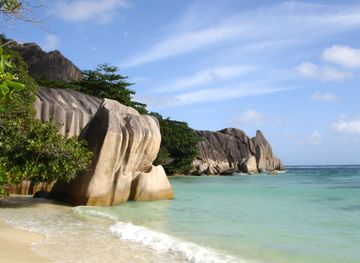
Explore more of Seychelles
Discover the enchanting islands of Seychelles, where stunning beaches, vibrant wildlife, and rich Creole culture come together for an unforgettable tropical escape.
Explore Seychelles