

Free Beau Vallon Travel Guide & Mobile App
Plan your Beau Vallon trip with Evendo. Get free guides to top attractions, restaurants, hotels, and bars. Web access or download the mobile app.


Beau Vallon, Seychelles, pairs a sweeping Mahé beach with Creole food, coral-water activities, sunset cruises and easy access to island history and trails.
A celebrated Mahé shoreline
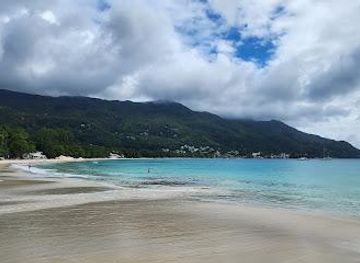
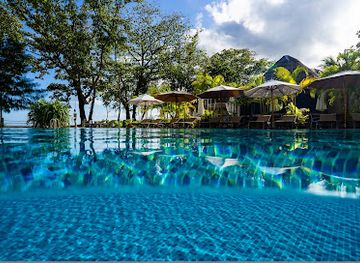
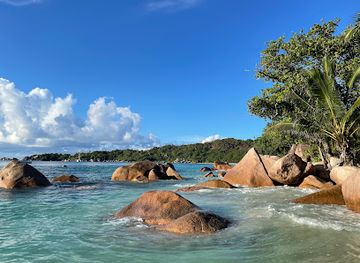
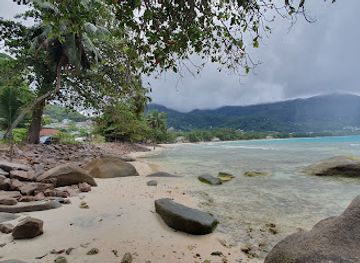
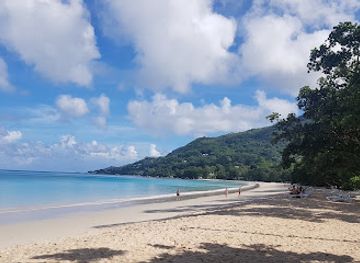
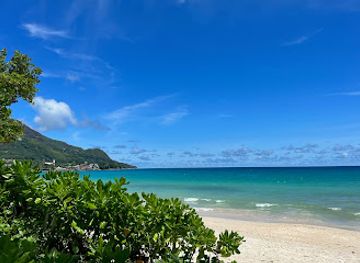
Beau Vallon occupies a broad curve on the north-west coast of Mahé, Seychelles’ largest island, where pale sand meets the clear, generally sheltered waters of the bay. The beach is one of the island’s best-known places for swimming, snorkelling, sunset walks and water-based excursions, yet its appeal extends beyond the shoreline. Inland, steep granite hills rise into dense tropical vegetation, giving the district a strong sense of the mountainous landscape that defines Mahé.Read more about Beau Vallon
Creole life beside the sea
From beach to mountain forest
When is the best time to visit Beau Vallon?
Best: June–August · 29°C| Month | High (°C) | Rainfall (mm) |
|---|---|---|
| January | 30 | 350 |
| February | 30 | 300 |
| March | 30 | 250 |
| April | 30 | 200 |
| May | 30 | 150 |
| June (best) | 29 | 100 |
| July (best) | 29 | 100 |
| August (best) | 29 | 100 |
| September | 29 | 100 |
| October | 29 | 150 |
| November | 29 | 200 |
| December | 30 | 300 |
Getting to and around Beau Vallon
How to get there
Transportation
Best attractions in Beau Vallon
Beau Vallon Beach is the district’s defining attraction, a long sandy bay suited to swimming, shoreline walks, sunset viewing and a range of organised marine activities. The surrounding coast provides opportunities for snorkelling, diving, glass-bottom boat trips and fishing excursions, with conditions varying according to weather and season. Bazar Labrin adds a distinctly local dimension through Creole food, music and informal evening socialising when it is held. Beyond the sand, the road towards Bel Ombre reveals steep granite hills and access points for walks into Mahé’s forested interior. Victoria, although separate from Beau Vallon, is close enough to combine with a stay here and offers the Sir Selwyn Selwyn-Clarke Market, the National Museum of History and the small central Clock Tower. Together, these experiences show the contrast between the district’s relaxed coastal life, the capital’s civic history and Mahé’s mountainous natural environment.
-
Beach
Beau Vallon Beach
Experience the breathtaking beauty of Beau Vallon Beach, a tropical paradise with golden sands and crystal-clear waters, perfect for relaxation and adventure.
6 min drive · 1.9 km from city centre
-
Grill
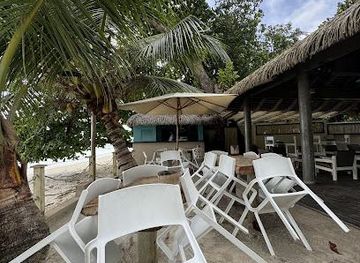
Beach Shak Seychelles
Experience the vibrant flavors and breathtaking views at Beach Shak Seychelles, your beachfront culinary paradise on Mahe Island.
6 min drive · 1.9 km from city centre
-
Beach
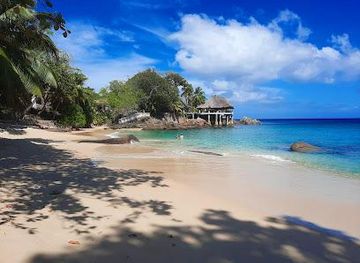
Sunset Beach
Discover the beauty of Sunset Beach, a stunning tropical retreat in the Seychelles, perfect for relaxation and marine adventures.
7 min drive · 2.4 km from city centre
-
Hiking area
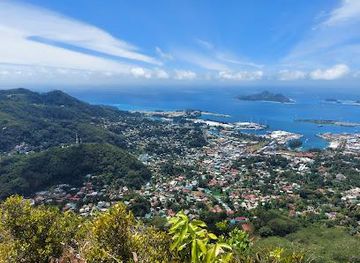
Dans Gallas Trail
Discover the breathtaking landscapes of Dans Gallas Trail in Beau Vallon, a must-visit hiking area for nature lovers in Seychelles.
9 min drive · 2.9 km from city centre
Best landmarks in Beau Vallon
Beau Vallon Beach is both a natural landmark and a defining symbol of Mahé’s northern coast, its broad curve framed by granite hills and tropical vegetation. The bay’s coastal road and headlands illustrate the geography that shaped settlement and tourism on the island, while the beach remains a public space used by residents as well as visitors. Bazar Labrin is a cultural landmark rather than a permanent monument, associated with Creole food, music and communal life. The most important built landmarks nearby are in Victoria: the Clock Tower, modelled on London’s Vauxhall Bridge clock, the Sir Selwyn Selwyn-Clarke Market and the Supreme Court and colonial civic buildings around the centre. These lie outside Beau Vallon but provide essential context for understanding the district’s relationship with Seychelles’ capital and colonial history.
-
Resort hotel
STORY Seychelles
Experience unparalleled luxury and breathtaking beauty at STORY Seychelles, your ultimate retreat in the heart of Beau Vallon.
6 min drive · 1.9 km from city centre
-
Beach
Beau Vallon Beach
Experience the breathtaking beauty and vibrant culture of Beau Vallon Beach, a must-visit destination in the heart of Seychelles.
6 min drive · 1.9 km from city centre
-
Indian
Mahek Restaurant
Discover the rich flavors of India at Mahek Restaurant in Beau Vallon, where every dish tells a story of culinary excellence.
6 min drive · 2.0 km from city centre
-
Italian
La Perle Noire Restaurant
Savor authentic Italian cuisine in a stunning maritime-themed setting at La Perle Noire, a must-visit restaurant in Beau Vallon.
6 min drive · 2.1 km from city centre
Explore Beau Vallon on the map
Plan your Beau Vallon trip on one map. See where the top attractions, landmarks, restaurants, bars and hotels are, find what's near where you're staying, and book hotels and experiences in a few clicks.
Best hotels in Beau Vallon
Best restaurants in Beau Vallon
Beau Vallon’s dining scene reflects the maritime and multicultural character of Seychelles, with grilled fish, octopus curry, coconut-rich sauces, rice, lentils, fruit and chilli appearing across restaurants, takeaways and informal beachside stalls. Creole cooking draws on African, French, Indian and wider Indian Ocean influences, while fresh tuna and other locally caught fish are especially characteristic of coastal meals. Bazar Labrin provides one of the most atmospheric settings for sampling grilled seafood, snacks, fruit juices and home-style dishes in an open-air environment. Restaurants and guesthouses around the bay range from straightforward local plates to international menus aimed at visitors, and nearby Victoria adds a broader selection of cafés, bakeries and markets. Prices and payment methods vary considerably between formal establishments and small vendors, so carrying Seychellois rupees remains useful for casual eating.
-
Restaurant
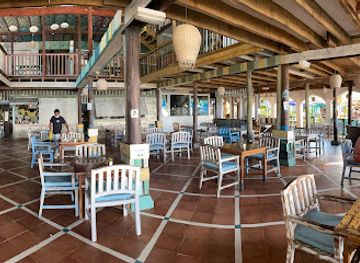
The Boat House Restaurant
Experience delightful cuisine and stunning ocean views at The Boat House Restaurant in Beau Vallon, Seychelles.
6 min drive · 2.0 km from city centre
-
Pizza
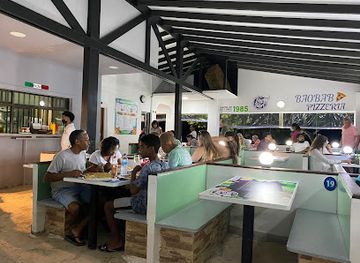
Baobab Pizzeria
Experience delicious pizza at Baobab Pizzeria in Mare Anglaise - where fresh ingredients meet stunning coastal views.
6 min drive · 1.9 km from city centre
-
Indian
Mahek Restaurant
Savor authentic Indian cuisine at Mahek Restaurant in Beau Vallon, where every dish tells a story of tradition and flavor.
6 min drive · 2.0 km from city centre
-
Italian
La Perle Noire Restaurant
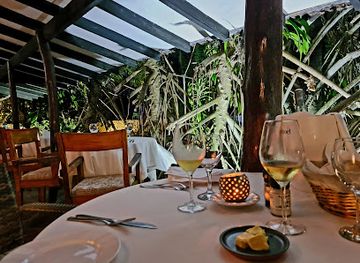
Experience exquisite Italian cuisine at La Perle Noire Restaurant in Beau Vallon - a must-visit for food lovers seeking authentic flavors.
6 min drive · 2.1 km from city centre
Best bars in Beau Vallon
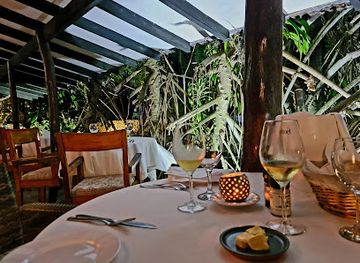
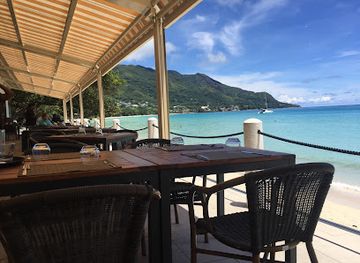
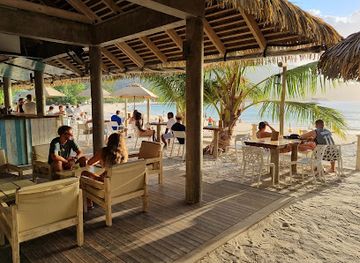
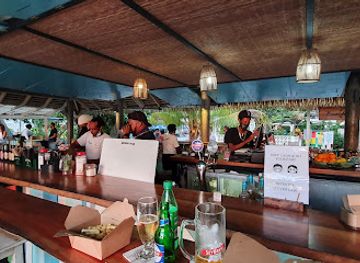
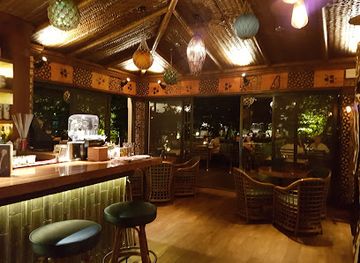
Evenings in Beau Vallon are generally social and relaxed rather than centred on a large club scene. Beachfront bars and hotel venues provide places for rum-based drinks, cocktails, beer and sunset conversation, while some restaurants combine dining with music. Bazar Labrin is particularly important to the district’s after-dark character, bringing Creole food, dancing and local music into an open-air setting when scheduled. Entertainment may include sega or moutya-inspired performances, though events vary and should not be assumed to run every night. Visitors seeking a broader choice of late venues can travel towards Victoria, but Beau Vallon’s appeal lies more in warm coastal evenings, informal gatherings and the sound of music near the bay than in packed nightclubs. Taxis or arranged transport are sensible for returning after evening activities.
-
Italian
La Perle Noire Restaurant
Experience the best of Italian cuisine at La Perle Noire Restaurant in Beau Vallon, where delightful flavors and a unique nautical ambiance await.
6 min drive · 2.1 km from city centre
-
Restaurant
La Plage restaurant
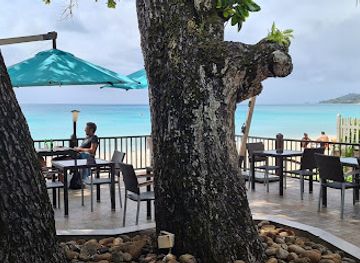
Experience the exquisite flavors of Seychelles at La Plage, a beachfront restaurant offering fresh seafood and stunning ocean views.
6 min drive · 1.9 km from city centre
-
Grill
Beach Shak Seychelles
Experience the vibrant atmosphere and delicious flavors at Beach Shak Seychelles, a must-visit grill and cocktail bar on Mahe Island's beautiful shores.
6 min drive · 1.9 km from city centre
-
Bar
Gecko Bar
Experience the vibrant atmosphere and delicious cuisine at Gecko Bar, a tropical paradise in Beau Vallon, Seychelles.
6 min drive · 2.0 km from city centre
Best nightclubs in Beau Vallon
Evenings in Beau Vallon are generally social and relaxed rather than centred on a large club scene. Beachfront bars and hotel venues provide places for rum-based drinks, cocktails, beer and sunset conversation, while some restaurants combine dining with music. Bazar Labrin is particularly important to the district’s after-dark character, bringing Creole food, dancing and local music into an open-air setting when scheduled. Entertainment may include sega or moutya-inspired performances, though events vary and should not be assumed to run every night. Visitors seeking a broader choice of late venues can travel towards Victoria, but Beau Vallon’s appeal lies more in warm coastal evenings, informal gatherings and the sound of music near the bay than in packed nightclubs. Taxis or arranged transport are sensible for returning after evening activities.
-
Grill
Beach Shak Seychelles
Experience culinary bliss at Beach Shak Seychelles, where grilled delights meet vibrant cocktails amidst stunning ocean views.
6 min drive · 1.9 km from city centre
-
Bar
Traders Vic's Seychelles
Experience the vibrant culinary scene at Traders Vic's Seychelles, where tropical flavors meet breathtaking ocean views for an unforgettable dining experience.
6 min drive · 2.1 km from city centre
-
Bar
Sand Station Beach Bar
Discover relaxation and vibrant beach life at Sand Station Beach Bar in Seychelles, where stunning views and delicious drinks await.
6 min drive · 2.0 km from city centre
-
 Bar
BarCasino Bar
Experience the vibrant nightlife at Casino Bar in Seychelles with exquisite cocktails, live entertainment, and a lively atmosphere.
6 min drive · 2.0 km from city centre
Best shops in Beau Vallon
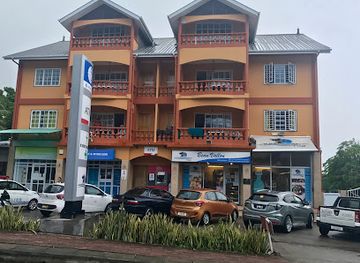
Shopping in Beau Vallon is concentrated on practical visitor needs, beachwear, small souvenirs, local crafts and food rather than a large formal retail district. Market stalls and informal vendors may offer woven items, artwork, jewellery, spices, coconut products and locally made gifts, with stock varying by day and season. Bazar Labrin is as much a food and cultural occasion as a shopping opportunity, allowing visitors to browse small-scale goods alongside grilled seafood and Creole snacks. For a wider selection, Victoria’s Sir Selwyn Selwyn-Clarke Market is the island’s leading place for fresh produce, fish, spices and everyday local trade, while craft shops and galleries around the capital provide more considered souvenirs. Bargaining is not a universal expectation, and visitors should ask about materials and provenance when buying items described as locally made.
-
Supermarket
ISPC Supermarket Fresh Beau Vallon
Discover local flavors and fresh products at ISPC Supermarket Fresh Beau Vallon, your go-to destination for an authentic Seychelles shopping experience.
7 min drive · 2.4 km from city centre
-
Grocery store
Mike's Store
Discover the best of local groceries at Mike's Store in Mare Anglaise, where convenience meets quality in the heart of Seychelles.
5 min drive · 1.8 km from city centre
-
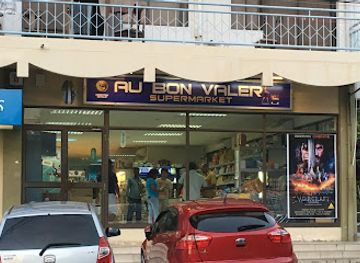
Supermarket
Au Bon Valer
Explore the best of local and imported goods at Au Bon Valer, your go-to supermarket in Beau Vallon for an authentic shopping experience.
7 min drive · 2.4 km from city centre
-
Grocery store
Vimal Bel Ombre Supermarket
Vimal Bel Ombre Supermarket in Beau Vallon offers a diverse selection of local and international products for tourists and locals alike.
6 min drive · 2.1 km from city centre
Get your free copy of our complete guide to Beau Vallon, delivered straight to you.
Everything on this page, from attractions and restaurants to essentials and local phrases, in one PDF you can read offline, print or share.
Already have an account? Sign in
Your Beau Vallon guide is ready.
We'll send it to · Not you? Sign out

Getting your guide ready…
We are putting together a fresh copy of the Beau Vallon guide. This can take up to a minute.
This can take a few moments. If your browser asks, choose Allow so the download can start. You'll find the guide in your Downloads folder.
Nothing happened? Download it again
Sorry, the guide is taking longer than usual. Please try again in a minute, or get it by email instead.
Beau Vallon essentials
Currency and Payment
Safety
Emergency Situations
Do's and Don'ts
Local Tips
From Eve
Local phrases worth knowing
You don't need to get them perfect. A few words go a long way, and locals appreciate the effort.
Basics
| English | Local | Say it |
|---|---|---|
| Hello | Allo | [ah-loh] |
| Goodbye | Orevwar | [oh-rev-wahr] |
| Yes | Wi | [wee] |
| No | Non | [nohn] |
| Please/You're welcome | Silvouple | [seel-voo-play] |
| Thank you | Mersi | [mehr-see] |
| Excuse me/Sorry | Eskiz mwa | [es-keez mwah] |
| How are you? | Koman ou fer? | [koh-mahn oo fehr] |
| Fine. And you? | Byen. E ou? | [byehn. ay oo?] |
| Do you speak English? | Ou koz Angle? | [oo kohz ahn-glay] |
| I don't understand | Mon pa konpran | [mohn pah kohn-prahn] |
Eating & Drinking
| English | Local | Say it |
|---|---|---|
| I'd like to see the menu, please | Mon vler ganny meni, silvouple | [mohn vlayr gahn-nee meh-nee, seel-voo-play] |
| I don't eat meat | Mon pa manze la viann | [mohn pah mahn-zeh lah vee-ahn] |
| Cheers! | Sante! | [sahn-tay] |
| I would like to pay, please | Mon vler peye, silvouple | [mohn vlayr pay-yeh, seel-voo-play] |
Emergencies
| English | Local | Say it |
|---|---|---|
| Help! | Aide! | [ayd] |
| Go away! | Al lor! | [ahl lohr] |
| Call the Police! | Ale Lasante! | [ah-lay lah-sahn-tay] |
| Call a doctor! | Ale en dokter! | [ah-lay ahn dohk-tehr] |
| I'm lost | Mon perdi | [mohn pehr-dee] |
| I'm ill | Mon malad | [mohn mah-lahd] |
Shopping
| English | Local | Say it |
|---|---|---|
| I'd like to buy... | Mon vler aste... | [mohn vlayr ah-stay...] |
| I'm just looking | Mon jis gade | [mohn zhees gah-day] |
| How much is it? | Kombien li koute? | [kohm-byen lee koot] |
| That's too expensive | Sa tro cher | [sah troh shehr] |
| Can you lower the price? | Ou kapab redwi pri? | [oo kah-pahb reh-dwee pree] |
Time & Numbers
| English | Local | Say it |
|---|---|---|
| What time is it? | Ki ler li ye? | [kee lehr lee yeh] |
| It's one o'clock | Li en ler | [lee ahn lehr] |
| Half past (10) | Demi diz | [deh-mee deez] |
| Morning | Maten | [mah-ten] |
| Afternoon | Apremidi | [ah-pray-mee-dee] |
| Evening | Swar | [swahr] |
| Yesterday | Ier | [yehr] |
| Today | Zourner | [zoor-nay] |
| Tomorrow | Demain | [deh-mahn] |
| 1 | En | [ahn] |
| 2 | De | [day] |
| 3 | Troa | [twa] |
| 4 | Kat | [kaht] |
| 5 | Sank | [sahnk] |
| 6 | Sis | [sees] |
| 7 | Set | [seht] |
| 8 | Wit | [weet] |
| 9 | Nef | [nef] |
| 10 | Dis | [dees] |
Transport & Directions
| English | Local | Say it |
|---|---|---|
| Where's a/the...? | Ki kot...? | [kee koht...?] |
| What's the address? | Ki kote li ye? | [kee koht lee yeh] |
| Can you show me (on the map)? | Ou kapab montre mwa (sou lap) | [oo kah-pahb mohn-tray mwah (soo lap)] |
| When's the next (bus)? | Ki le prochen (bis)? | [kee leh proh-shen (bees)] |
| A ticket (to ....) | En billet (vers ....) | [ahn bee-yay (vehr ....)] |
History of Beau Vallon
Mariners Before Permanent Settlement
The Seychelles archipelago was uninhabited when French settlers established a permanent colony on Mahé in the eighteenth century, although the islands were known to Arab and European navigators and had been visited by seafarers. Beau Vallon’s coastline formed part of the natural environment of northern Mahé rather than an established urban settlement. Its sheltered bay, forested slopes and access to the sea would later help shape local movement and coastal activity, but the district’s modern identity belongs mainly to the period after colonial settlement and the growth of tourism.
French Foundations on Mahé
France took possession of the Seychelles in 1753 and permanent settlement began on Mahé in 1770 under the administration of Pierre Poivre and later colonial officials. Early life centred on small plantations producing food crops and commercial commodities, supported by enslaved labour brought from Africa and Madagascar. Northern coastal areas such as Beau Vallon were connected to this wider plantation economy through paths, landing places and scattered settlements rather than dense town planning. The African, Malagasy, French and later Asian influences formed during this period remain visible in Seychelles’ language, cuisine and Creole culture.
British Rule and Creole Society
The British assumed control of the Seychelles during the Napoleonic era, and the transfer was confirmed by the Treaty of Paris in 1814. Mahé then developed within the British colonial empire, with Victoria serving as the administrative and commercial centre. Plantation agriculture gradually declined after the abolition of slavery in 1835, while fishing, smallholding and coastal trade remained important to island life. Beau Vallon stayed a largely rural part of northern Mahé, linked to the capital and neighbouring districts by improving roads and coastal routes. Its later tourism economy grew from this older pattern of dispersed settlement.
Independence and a New Tourism Economy
Seychelles became an independent republic in 1976 after decades as a British colony. The opening of Seychelles International Airport in 1971 had already transformed access to Mahé, making international tourism possible on a much larger scale. Beau Vallon, with one of the island’s most accessible sandy beaches and a relatively sheltered bay, became a natural focus for hotels, guesthouses, restaurants and watersports. The district’s expansion reflected a national shift from plantation-based economic life towards tourism and services, while family businesses and Creole food traditions continued alongside visitor infrastructure.
A Contemporary Coastal District
Today Beau Vallon is recognised as one of Mahé’s principal visitor areas, but it remains part of a living Seychellois landscape rather than a purpose-built resort enclave. The beach, coastal road and surrounding hills accommodate residents, small enterprises, public transport and tourism businesses together. Events such as Bazar Labrin express the continuing importance of music, food and communal life, while access to Victoria and the island’s protected uplands connects the district with the wider history and ecology of Mahé. Its present character therefore combines post-independence tourism with older Creole social and maritime traditions.
Beau Vallon in Photos
Browse through our photo collection highlighting the charm and character of the destination.
Cities near Beau Vallon
The closest cities to Beau Vallon, if you have time for more than one stop.
-

-

-

-

-


Swipe for more cities
Explore more
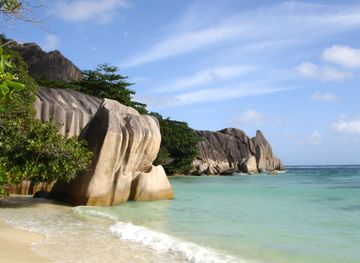
Explore more of Seychelles
Discover the enchanting islands of Seychelles, where stunning beaches, vibrant wildlife, and rich Creole culture come together for an unforgettable tropical escape.
Explore Seychelles