

Free Île de l'Est Travel Guide & Mobile App
Explore Île de l'Est with free travel guides. Discover regional history, expert tips, proposed trips, and audio guides on web or mobile app.


Île de l'Est in Seychelles offers remote coral-island scenery, reef landscapes and expedition-style access for prepared visitors.
Read more about Île de l'Est
When is the best time to visit Île de l'Est?
Best: June–August · 30°C| Month | High (°C) | Rainfall (mm) |
|---|---|---|
| January | 30 | 220 |
| February | 30 | 190 |
| March | 30 | 180 |
| April | 30 | 170 |
| May | 30 | 160 |
| June (best) | 30 | 150 |
| July (best) | 30 | 140 |
| August (best) | 30 | 150 |
| September | 30 | 160 |
| October | 30 | 180 |
| November | 30 | 200 |
| December | 30 | 220 |
Getting to and around Île de l'Est
How to get there
Transportation
Best attractions in Île de l'Est
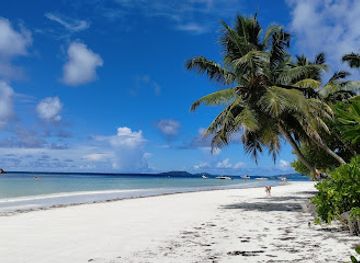
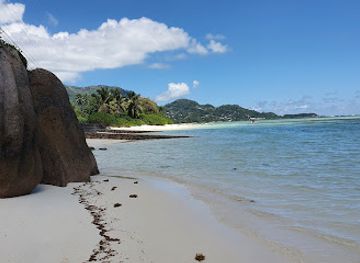
Île de l'Est’s attractions are primarily natural and exploratory. The island itself offers a remote coral-island setting, with low coastal terrain, reef flats, lagoon views and the open-ocean perspective that distinguishes Seychelles’ outer islands from the mountainous inner group. Depending on conditions and authorised access, visitors may observe seabirds, coastal vegetation and marine life from a vessel or during a carefully supervised landing. There are no established museums, visitor centres, family attractions, marked nature trails or developed beaches in the conventional resort sense. The surrounding reef and lagoon environment is more significant than any built feature, although activities such as snorkelling, swimming or shore exploration should only take place where local operators confirm that conditions and conservation rules permit them. The island is best suited to geography, photography, marine observation and expedition travel rather than casual day tourism. Much of the experience lies in the journey across a remote section of the archipelago, the changing relationship between sea, reef and sand, and the absence of urban infrastructure. Visitors should expect a self-sufficient, weather-dependent outing, not a structured attraction with facilities or scheduled interpretation.
-
Historical landmark
Victoria Clock Tower
Explore the iconic Victoria Clock Tower in Mahé, Seychelles - a historical landmark blending colonial charm with vibrant local culture.
-
Morne Blanc Trail
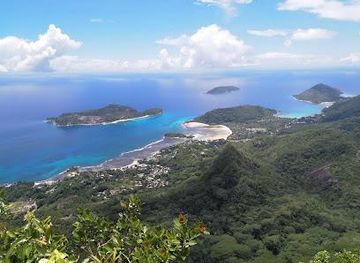
Discover the breathtaking beauty of Morne Blanc Trail in Seychelles, where lush rainforests meet stunning ocean views.
Best landmarks in Île de l'Est
Île de l'Est has no celebrated architectural landmark, monument or historic town centre. Its principal landmark is the island itself: a low coral landform set within the remote outer-island seascape of Seychelles. The meeting of reef, lagoon, beach and open ocean provides the defining visual geography, while the island’s small scale makes its exposure to tides, swell and weather readily apparent. Offshore views towards the wider atoll environment are more meaningful than any individual building or constructed feature. Unlike Mahé, Praslin or La Digue, Île de l'Est has no public road, colonial civic architecture, granite peak or established religious site to anchor a sightseeing circuit. Any natural feature encountered should be treated as part of a fragile coastal system rather than as a marked attraction. Landing points, sandbanks and reef edges can change in appearance and accessibility, so descriptions should not be treated as fixed navigational information. The most important landmark experience is the contrast between this barely developed coral island and the settled, mountainous inner Seychelles.
-
Hotel
Kempinski Seychelles Resort
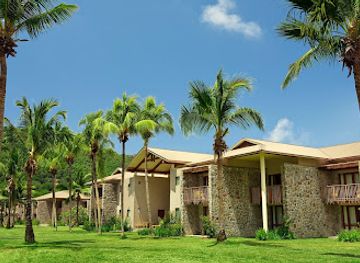
Experience unparalleled luxury, stunning beaches, and exquisite dining at Kempinski Seychelles Resort on Mahé Island.
-
 Resort hotel
Savoy Seychelles Resort & Spa
Experience unparalleled luxury at Savoy Seychelles Resort & Spa, where stunning beachfront views meet exceptional service in the heart of the Seychelles.
-
Market
Sir Selwyn Selwyn-Clarke Market
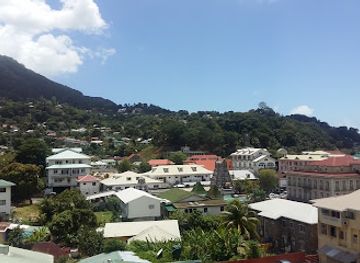
Experience the vibrant culture and flavors of Seychelles at Sir Selwyn Selwyn-Clarke Market, the heart of Victoria's local life and commerce.
-
Tourist attraction
Takamaka Rum Distillery
Experience the rich heritage and craftsmanship of Seychelles' finest rums at the Takamaka Rum Distillery in Pointe Au Sel.
Explore Île de l'Est on the map
Plan your trip on one map. See where the top cities, national parks and sights are, and book hotels and experiences in a few clicks.
Best hotels in Île de l'Est
Best restaurants in Île de l'Est
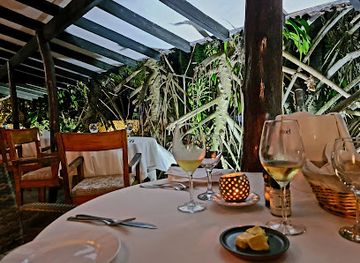
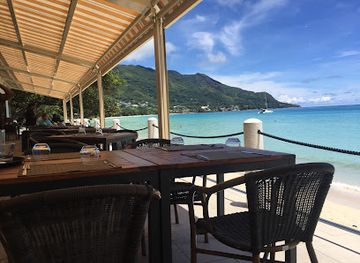
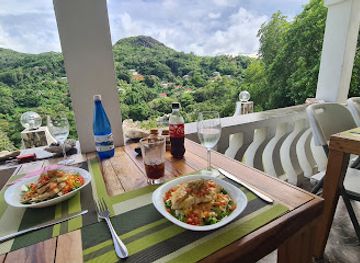
Île de l'Est has no established restaurants, cafés, shops or public catering facilities. Food for any authorised visit must be organised in advance and carried by the expedition, charter operator or visiting vessel, with adequate drinking water and contingency supplies. Meals are therefore more likely to be practical boat provisions or prepared field food than a conventional island dining experience. Visitors may encounter Seychellois dishes elsewhere in their itinerary, especially rice-based meals, grilled fish, seafood, curries, fruit and coconut-based preparations, but these should not be presented as a local Île de l'Est restaurant tradition. All provisions brought ashore should be securely managed in the heat and removed afterwards, including packaging and food waste. Travellers should use Mahé or another serviced Seychelles island to experience the country’s established restaurants, market produce, bakeries and take-away culture before or after a remote-island excursion.
-
Restaurant
Del Place Restaurant
Experience exquisite Seychellois cuisine at Del Place Restaurant, where stunning views meet exceptional flavors in a tropical paradise.
-
Italian
La Perle Noire Restaurant
Experience authentic Italian cuisine at La Perle Noire Restaurant in Beau Vallon - where every meal is a celebration of flavor.
-
Restaurant
La Plage restaurant
Experience exquisite dining at La Plage Restaurant in Beau Vallon - where stunning ocean views meet culinary excellence.
-
Restaurant
Perry's Grillz
Experience the best of Seychellois cuisine at Perry's Grillz - where every dish tells a story of flavor and freshness.

Best bars in Île de l'Est
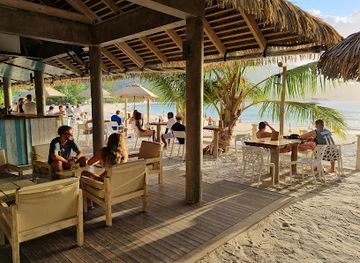
There is no nightlife scene on Île de l'Est: no bars, nightclubs, music venues, breweries or evening entertainment infrastructure operate as public facilities. After dark, the island is an unserviced natural environment where lighting, communications and safe movement may be limited. Any overnight presence would need to form part of a properly equipped and authorised expedition, with strict controls on fires, light pollution, waste and wildlife disturbance. Evening social life belongs to the vessel or to the developed islands visited elsewhere in Seychelles, where hotels, beach bars, restaurants and local venues provide a more conventional setting. Visitors should not bring alcohol as a substitute for safety planning, and should follow the operator’s guidance on storage, consumption, evacuation readiness and protection of the surrounding environment.
-
Grill
Beach Shak Seychelles
Experience the vibrant atmosphere and breathtaking sunsets at Beach Shak Seychelles, the ultimate beach bar to unwind and indulge.
-
Restaurant
Gecko Bar
Discover the vibrant ambiance and delicious culinary offerings at Gecko Bar in Beau Vallon, a true gem of the Seychelles.
-
Restaurant
Koko Zerm
Experience the exquisite flavors of Seychelles at Koko Zerm, a charming restaurant and coffee shop offering stunning beach views and delightful local cuisine.
-
Restaurant
The Boardwalk Bar & Grill
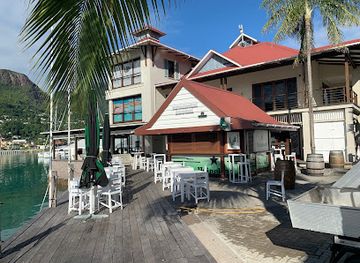
Discover The Boardwalk Bar & Grill on Eden Island: where exquisite dining meets exciting nightlife in a stunning marina setting.

Best nightclubs in Île de l'Est
There is no nightlife scene on Île de l'Est: no bars, nightclubs, music venues, breweries or evening entertainment infrastructure operate as public facilities. After dark, the island is an unserviced natural environment where lighting, communications and safe movement may be limited. Any overnight presence would need to form part of a properly equipped and authorised expedition, with strict controls on fires, light pollution, waste and wildlife disturbance. Evening social life belongs to the vessel or to the developed islands visited elsewhere in Seychelles, where hotels, beach bars, restaurants and local venues provide a more conventional setting. Visitors should not bring alcohol as a substitute for safety planning, and should follow the operator’s guidance on storage, consumption, evacuation readiness and protection of the surrounding environment.
-
Restaurant
The Boardwalk Bar & Grill
Experience the vibrant culinary scene at The Boardwalk Bar & Grill, where local flavors meet a lively nightlife in the heart of Eden Island.
-
Grill
ROYAL BAY BEACH CLUB
Explore the tropical paradise of Royal Bay Beach Club, a beach oasis offering delicious grilling, water sports, and unforgettable sunset views.
-
Casino
Club Liberté Casino
Discover the thrilling atmosphere of Club Liberté Casino in Anse Soleil, featuring gaming, dining, and live entertainment in a stunning setting.
-
Grill
Sunrise Beach Bar/Grill
Experience the flavors of Seychelles at Sunrise Beach Bar/Grill, where stunning ocean views meet delicious culinary delights.

Best shops in Île de l'Est
Île de l'Est has no shops, market, craft outlet, gallery or retail infrastructure. Visitors must purchase fuel, food, water, medical supplies, sun protection and specialist equipment before departure, normally on Mahé or through an authorised expedition provider. There are no locally produced souvenirs available through a public trading scene, and removing shells, coral, sand, plants or other natural material is inappropriate. Travellers seeking Seychelles products should shop on the inhabited islands instead, where markets and independent businesses sell fruit, spices, preserves, coconut products, handicrafts, textiles, artwork and practical beach goods. Buying from established local traders supports the country’s communities without turning a remote island into a collection site. For Île de l'Est, responsible shopping means arriving fully prepared and leaving the island without waste or collected natural objects.
-
Supermarket
STC Hypermarket
Explore the vibrant STC Hypermarket in Victoria, Seychelles - your gateway to local flavors, fresh produce, and a true taste of island life.
-
Grocery store
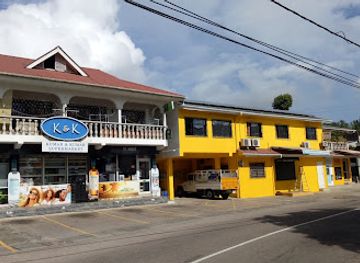
Kumar & Kumar Supermarket
Discover the essence of Seychelles at Kumar & Kumar Supermarket, where local flavors meet international delights in a vibrant shopping experience.
-
Grocery store
Mike's Store
Experience the vibrant local culture at Mike's Store, a grocery haven in Mare Anglaise showcasing the best of Seychelles' flavors.
-
Ice Cream
Ô Saveurs des Iles
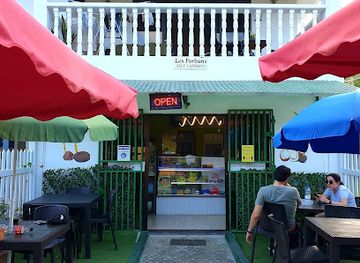
Discover the sweet taste of paradise at Ô Saveurs des Iles, the premier ice cream shop in Mare Anglaise, Seychelles, offering exquisite flavors and delightful treats.

Get your free copy of our complete guide to Île de l'Est, delivered straight to you.
Everything on this page, from attractions and restaurants to essentials and local phrases, in one PDF you can read offline, print or share.
Already have an account? Sign in
Your Île de l'Est guide is ready.
We'll send it to · Not you? Sign out

Getting your guide ready…
We are putting together a fresh copy of the Île de l'Est guide. This can take up to a minute.
This can take a few moments. If your browser asks, choose Allow so the download can start. You'll find the guide in your Downloads folder.
Nothing happened? Download it again
Sorry, the guide is taking longer than usual. Please try again in a minute, or get it by email instead.
Île de l'Est essentials
Currency and Payment
Safety
Emergency Situations
Do's and Don'ts
Local Tips
From Eve
Local phrases worth knowing
You don't need to get them perfect. A few words go a long way, and locals appreciate the effort.
Basics
| English | Local | Say it |
|---|---|---|
| Hello | Bonzour | [bɔ̃.zur] |
| Goodbye | Aurevoir | [oʁ.vwaʁ] |
| Yes | Wi | [wi] |
| No | Non | [nɔ̃] |
| Please/You're welcome | S'il vous plaît/De rien | [sil vu plɛ/de ʁjɛ̃] |
| Thank you | Mersi | [mɛʁ.si] |
| Excuse me/Sorry | Eskuze mwen | [ɛs.ky.ze mwɛ̃] |
| How are you? | Kouman ou ete? | [ku.mɑ̃ u e.te] |
| Fine. And you? | Bien. E ou? | [bjɛ̃ e u] |
| Do you speak English? | Ou koz Anglez? | [u koz ɑ̃.ɡle] |
| I don't understand | Mwen pa konpran | [mɛ̃ pa kɔ̃.pʁɑ̃] |
Eating & Drinking
| English | Local | Say it |
|---|---|---|
| I'd like to see the menu, please | Mwen anvi vwar meni, sil vous plaît | [mɛ̃ ɑ̃.vi vwaʁ me.ni sil vu plɛ] |
| I don't eat meat | Mwen pa manze vyann | [mɛ̃ pa mɑ̃.ze vjɑ̃] |
| Cheers! | Santé! | [sɑ̃.te] |
| I would like to pay, please | Mwen anvi peye, sil vous plaît | [mɛ̃ ɑ̃.vi pe.je sil vu plɛ] |
Emergencies
| English | Local | Say it |
|---|---|---|
| Help! | Sove! | [so.ve] |
| Go away! | Ale lo! | [a.le lo] |
| Call the Police! | Appel Polisi! | [a.pɛl pɔ.li.si] |
| Call a doctor! | Appel en doktor! | [a.pɛl ɑ̃ dɔk.tɔʁ] |
| I'm lost | Mwen perdi | [mɛ̃ pɛʁ.di] |
| I'm ill | Mwen malad | [mɛ̃ ma.lad] |
Shopping
| English | Local | Say it |
|---|---|---|
| I'd like to buy... | Mwen anvi achte... | [mɛ̃ ɑ̃.vi aʃ.te] |
| I'm just looking | Mwen zis pe regard | [mɛ̃ zis pe ʁə.ɡaʁd] |
| How much is it? | Ki kantite li coût? | [ki kɑ̃.ti.le ku] |
| That's too expensive | Sa tro chè | [sa tʁo ʃɛ] |
| Can you lower the price? | Eski ou kapav redwi pri? | [ɛs.ki u ka.pav ʁɛ.dwi pʁi] |
Time & Numbers
| English | Local | Say it |
|---|---|---|
| What time is it? | Ki ler li? | [ki lɛʁ li] |
| It's one o'clock | Li enn ler | [li ɛn lɛʁ] |
| Half past (10) | Demi (10) | [də.mi (diz)] |
| Morning | Dimaten | [di.ma.tɛn] |
| Afternoon | Apremidi | [a.pʁe.mi.di] |
| Evening | Swar | [swaʁ] |
| Yesterday | Yyer | [i.je] |
| Today | Akoz | [a.koz] |
| Tomorrow | Demain | [də.mɛ̃] |
| 1 | En | [ɛ̃] |
| 2 | De | [də] |
| 3 | Trois | [tʁwa] |
| 4 | Katre | [ka.tʁe] |
| 5 | Sen | [sɛ̃] |
| 6 | Siz | [siz] |
| 7 | Set | [sɛt] |
| 8 | Huit | [ɥit] |
| 9 | Nef | [nɛf] |
| 10 | Dix | [dis] |
Transport & Directions
| English | Local | Say it |
|---|---|---|
| Where's a/the...? | Kot i trouv en...? | [kɔt i tʁu.v ɑ̃] |
| What's the address? | Ki adresse? | [ki a.dʁɛs] |
| Can you show me (on the map)? | Eski ou kapav montre mwan (lo kat) | [ɛs.ki u ka.pav mɔ̃.tʁe mwã lo kat] |
| When's the next (bus)? | Kan prosen (buz)? | [kɑ̃ pʁo.sɛ̃ bu] |
| A ticket (to ....) | En tiket (pou ....) | [ɛ̃ ti.kɛt pu] |
History of Île de l'Est
Coral-Atoll Formation and Island Ecology
Île de l'Est belongs to the low-lying coral-island environment that distinguishes many of Seychelles’ outer islands from the granitic inner group. Over immense periods, reefs, lagoons, sand deposits and organic material have shaped islands that remain close to sea level and highly exposed to storms and changing shorelines. This geological setting explains the island’s modest relief, sparse terrestrial resources and dependence on the surrounding marine environment. Its history is therefore inseparable from reef growth, lagoon processes, seabird habitats and the movement of sand and water across the atoll.
Early Navigation in the Outer Seychelles
The islands of Seychelles occupied an important position in the western Indian Ocean for navigators travelling between East Africa, Madagascar, the Arabian Sea and the Mascarene islands. European charts and sailing accounts gradually recorded the remote coral groups, although many outer islands were difficult to approach because of reefs, shoals and changing channels. Île de l'Est’s historical significance lies within this wider maritime geography rather than in the existence of a large settlement or urban centre. Its remote position made accurate navigation and knowledge of seasonal sea conditions especially important.
French and British Colonial Administration
Seychelles was first colonised by France in the eighteenth century and later came under British rule after the Napoleonic era. During both periods, administrative attention concentrated mainly on the more accessible and productive islands, while distant coral islands were used selectively for maritime, fishing or agricultural purposes. Île de l'Est remained part of the broader outer-island landscape governed from the central islands. Colonial mapping, shipping and the development of coconut-based economies elsewhere in the archipelago helped bring these remote islands into a wider commercial and administrative system.
Coconut Economies and Outer-Island Settlement
Across the outer Seychelles, coconut cultivation, copra production and small-scale fishing shaped island life during the nineteenth and twentieth centuries. Copra, the dried kernel of the coconut, could be stored and transported by sea, making it one of the few viable commercial products in remote tropical islands. Not every island supported a permanent community, and Île de l'Est is not known as a major settled plantation centre. Its regional history is better understood through the economic networks, labour patterns and supply voyages that linked isolated islands with larger settlements.
Independence and the Modern Archipelago
Seychelles became independent from Britain in 1976, after which the country continued to administer a widely dispersed archipelago from its constitutional and commercial centre on Mahé. The new state inherited the practical challenge of governing islands separated by large stretches of ocean and differing greatly in population, resources and accessibility. For places such as Île de l'Est, national independence reinforced their identity as part of the Seychelles territory while leaving access dependent on maritime logistics, administrative permission and the wider management of the outer islands.
Conservation and Responsible Remote-Island Access
In recent decades, the outer islands of Seychelles have become increasingly important to marine research, biodiversity protection and carefully controlled nature-based travel. Coral reefs, seabirds, turtles and other coastal species are vulnerable to introduced animals, careless landings, pollution, climate pressures and damage to reef systems. Île de l'Est’s contemporary significance consequently rests less on commercial development than on maintaining a functioning island and lagoon environment. Any future visitor access needs to balance scientific, conservation and logistical interests with the fragility of a low-lying coral island.
Île de l'Est in Photos
Browse through our photo collection highlighting the charm and character of the destination.
Neighbouring regions of Île de l'Est
The closest regions to Île de l'Est, if you have time for more than one.
-

-

-

-

-


Swipe for more regions
Explore more
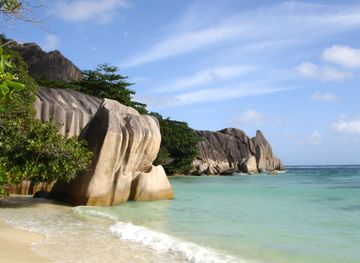
Explore more of Seychelles
Discover the enchanting islands of Seychelles, where stunning beaches, vibrant wildlife, and rich Creole culture come together for an unforgettable tropical escape.
Explore Seychelles