

Free Île Farquhar Travel Guide & Mobile App
Explore Île Farquhar with free travel guides. Discover regional history, expert tips, proposed trips, and audio guides on web or mobile app.


Explore Farquhar Atoll in the Outer Seychelles for remote reefs, lagoon landscapes, birdlife, conservation-minded fishing and quiet island stays.
Read more about Île Farquhar
When is the best time to visit Île Farquhar?
Best: June–August · 30°C| Month | High (°C) | Rainfall (mm) |
|---|---|---|
| January | 29 | 300 |
| February | 29 | 250 |
| March | 29 | 200 |
| April | 29 | 150 |
| May | 29 | 100 |
| June (best) | 30 | 80 |
| July (best) | 30 | 70 |
| August (best) | 30 | 80 |
| September | 30 | 100 |
| October | 30 | 120 |
| November | 30 | 150 |
| December | 30 | 250 |
Getting to and around Île Farquhar
How to get there
Transportation
Best attractions in Île Farquhar
Farquhar's attractions are predominantly natural and marine. The broad lagoon, coral reefs, sand flats and beaches provide the setting for boat excursions, swimming where conditions permit, snorkelling, wildlife observation and specialist saltwater fly-fishing. Anglers come for the opportunity to pursue flats species in a remote environment, but access is regulated and depends on tides, weather, conservation rules and local expertise. The larger islands support coconut palms, coastal scrub and areas of woodland, while smaller cays and reef edges are important for seabirds and other coastal wildlife. Birdwatching is rewarding for visitors prepared to observe quietly and keep away from nesting areas. There are no substantial museums, galleries, amusement parks or developed town attractions, and historical remains are generally modest traces of former plantation and maritime activity rather than formal visitor sites. Walking along beaches and around the island gives a strong sense of the atoll's scale, exposure and changing shoreline, although coral rubble, heat and tidal channels require care. Farquhar is best suited to visitors who value remoteness, guided outdoor activity and a lightly developed environment over a programme of conventional sightseeing.
-
Hiking area
Morne Blanc Trail
Explore the stunning Morne Blanc Trail in Seychelles, where lush greenery meets breathtaking vistas, perfect for every nature lover and adventure seeker.
-
Hiking area
Sauzier Waterfall
Explore the breathtaking beauty of Sauzier Waterfall in N.Y.S. Village, a must-see destination for nature lovers and adventure seekers.
-
Tourist attraction
Craft Village
Explore Craft Village in Seychelles - A vibrant hub of art, culture, and local cuisine that offers an authentic Seychellois experience.
-
Observation deck
Mirante La Misere
Discover breathtaking views at Mirante La Misere, Seychelles' premier observation deck, where nature's beauty unfolds before your eyes.


Best landmarks in Île Farquhar
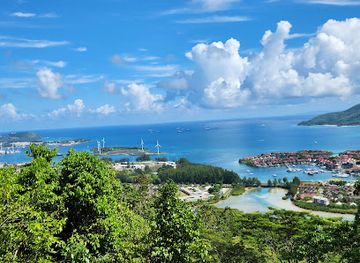
Farquhar's most recognisable landmarks are geographical rather than monumental. The atoll's enclosing reef and broad lagoon define its shape, while the low coral islands and narrow channels demonstrate how exposed island landscapes are formed and altered by tides, currents and storms. Beaches, sand cays and reef flats provide the clearest visual expression of Farquhar's remoteness, but should be approached carefully because some areas are sensitive seabird habitat and others become difficult to cross with the tide. Coconut palms and surviving plantation traces recall the period when copra production structured island life, although the remains are generally functional rather than grand architectural monuments. The atoll's low profile is itself significant: unlike the mountainous inner Seychelles, Farquhar offers no granite peaks or historic urban skyline, only an open horizon of coral, sea and vegetation. Nearby islands of the wider Farquhar Group have their own identities and should not automatically be treated as part of Farquhar Atoll; visits to them require specific arrangements. For travellers, the principal landmark is therefore the relationship between lagoon, reef, island and sky, experienced from the shoreline or a carefully managed boat excursion.
-
Botanical garden
Jardin du Roi Spice Garden
Immerse yourself in the beauty and flavors of Jardin du Roi Spice Garden, a botanical paradise in Seychelles offering rich experiences for every traveler.
-
National park
Saint-Anne Marine National Park
Explore the breathtaking Saint-Anne Marine National Park in the Seychelles, where stunning beaches meet vibrant marine life and lush nature trails.
-
Hiking area
Copolia Trail
Embark on an unforgettable adventure at Copolia Trail in Seychelles, a stunning hiking area showcasing breathtaking views and unique wildlife.
-
Hiking area
Sauzier Waterfall
Experience the breathtaking beauty of Sauzier Waterfall in N.Y.S. Village, a peaceful hiking area perfect for nature lovers and adventure seekers.

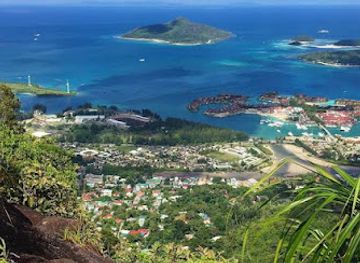


Explore Île Farquhar on the map
Plan your trip on one map. See where the top cities, national parks and sights are, and book hotels and experiences in a few clicks.
Best hotels in Île Farquhar
Best restaurants in Île Farquhar
Dining on Farquhar is normally provided through the island accommodation or organised expedition rather than through independent restaurants. Meals are likely to reflect the wider Seychellois and Indian Ocean setting, with rice, fresh or locally sourced fish, seafood, tropical fruit, vegetables and coconut appearing more often than an extensive à la carte choice. Creole culinary influences are part of the national food culture, but menus on a remote atoll depend on supply boats, air freight, seasonality and the practical limits of island logistics. Visitors should submit allergies and dietary requirements well in advance and should not expect cafés, bakeries, supermarkets or food markets. Fresh catches may feature when legally obtained and operationally available, while imported provisions provide continuity between deliveries. The dining experience is generally communal or lodge-based, with the surrounding lagoon and open sky providing the setting rather than formal restaurant design. Travellers should confirm what is included in their package, whether drinks are supplied and whether any special provisions can be arranged before leaving Mahé.
-
Restaurant
Del Place Restaurant
Experience the best of Seychellois cuisine at Del Place Restaurant with stunning views and exceptional service.
-
Restaurant
STORY Seychelles
Experience unparalleled dining and luxury at STORY Seychelles in Beau Vallon - your gateway to exquisite flavors and breathtaking ocean views.
-
Creole
Kafe Kreol Cafe & Restaurant
Discover authentic Creole flavors at Kafe Kreol in Anse Royale—where every meal tells a story of Seychelles' rich culinary heritage.
-
Restaurant
Jardin du Roi Spice Garden
Discover tropical flavors and botanical beauty at Jardin du Roi Spice Garden in Anse Royale - a must-visit attraction for every traveler.


Best bars in Île Farquhar
Farquhar has no established nightclub district or conventional late-night entertainment scene. Evening life is centred on the accommodation area, where visitors may share a drink, talk with guides, review the day's fishing or boat excursion and watch the changing light over the lagoon. Any bar service is likely to be linked to the lodge or expedition and should be confirmed before arrival; there are no independent pubs, cocktail venues or live-music circuits to explore. After dark, the atoll's low level of artificial lighting creates favourable conditions for quiet stargazing, although cloud, wind and operational requirements affect what is possible. Alcohol should be consumed moderately, particularly before boat travel, reef walking or other outdoor activities. The atmosphere is remote and unhurried, with the natural environment and small group setting defining the evening more than organised nightlife.
-
 Restaurant
Savoy Seychelles Resort & Spa
Discover the ultimate luxury experience at Savoy Seychelles Resort & Spa, where pristine beaches meet world-class hospitality in the heart of Seychelles.
-
Creole
Kafe Kreol Cafe & Restaurant
Experience authentic Creole flavors at Kafe Kreol, a charming café in Anse Royale that embodies Seychelles' culinary heritage and vibrant culture.
-
Restaurant
Fisherman's Cove Resort
Discover exquisite dining and luxurious accommodations at Fisherman's Cove Resort in Bel Ombre, where paradise meets sophistication.
-
Bar
Surfers Beach Restaurant
Discover the flavors of the Seychelles at Surfers Beach Restaurant, where local cuisine meets stunning ocean views for an unforgettable dining experience.


Best nightclubs in Île Farquhar
Farquhar has no established nightclub district or conventional late-night entertainment scene. Evening life is centred on the accommodation area, where visitors may share a drink, talk with guides, review the day's fishing or boat excursion and watch the changing light over the lagoon. Any bar service is likely to be linked to the lodge or expedition and should be confirmed before arrival; there are no independent pubs, cocktail venues or live-music circuits to explore. After dark, the atoll's low level of artificial lighting creates favourable conditions for quiet stargazing, although cloud, wind and operational requirements affect what is possible. Alcohol should be consumed moderately, particularly before boat travel, reef walking or other outdoor activities. The atmosphere is remote and unhurried, with the natural environment and small group setting defining the evening more than organised nightlife.
-
Hotel
Berjaya Beau Vallon Bay Resort & Casino
Discover the tropical paradise of Berjaya Beau Vallon Bay Resort & Casino, where luxury meets adventure in Seychelles' breathtaking coastline.
-
Hotel
Coral Strand Smart Choice Hotel
Experience the ultimate getaway at Coral Strand Smart Choice Hotel – where luxury meets the natural beauty of Seychelles.
-
Creole
Kafe Kreol Cafe & Restaurant
Experience authentic Creole flavors at Kafe Kreol Cafe & Restaurant, where every dish tells a story of Seychelles' rich culinary heritage.
-
Night club
The Boardwalk Bar & Grill
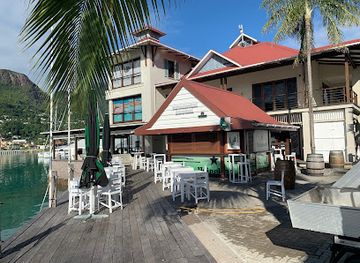
Experience the vibrant nightlife of Eden Island at The Boardwalk Bar & Grill, where dining and dancing meet stunning marina views.

Best shops in Île Farquhar
Shopping on Farquhar is extremely limited and should not be part of the itinerary. There is no normal high street, supermarket, craft quarter or regular public market, and visitors cannot rely on replacing specialist clothing, medicines, toiletries or fishing equipment after arrival. Souvenirs, if available, are likely to be arranged through the accommodation rather than sold by a network of independent shops. The most appropriate purchases are practical or locally produced items offered through authorised channels, not shells, coral, feathers, archaeological objects or other materials removed from the atoll. Visitors who want Seychellois crafts, spices, rum, textiles, jewellery or packaged local produce should shop in Mahé or another developed island before travelling to Farquhar, subject to airline baggage rules and import restrictions. Bring personal supplies in reusable packaging where possible and confirm what the operator provides. The absence of retail infrastructure is part of Farquhar's remote character, but it also makes advance preparation essential.
-
Market
Sir Selwyn Selwyn-Clarke Market
Explore the heart of Seychelles at Sir Selwyn Selwyn-Clarke Market, a vibrant blend of local culture, crafts, and culinary delights.
-
Hotel
Berjaya Beau Vallon Bay Resort & Casino
Discover the ultimate tropical getaway at Berjaya Beau Vallon Bay Resort & Casino, where luxury meets adventure in the Seychelles.
-
Resort hotel
STORY Seychelles
Experience the luxury and beauty of STORY Seychelles, a premier resort in Beau Vallon, perfect for relaxation, adventure, and unforgettable memories.
-
Shopping mall
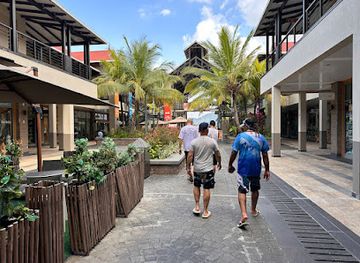
Eden Plaza
Explore the best shopping, dining, and entertainment at Eden Plaza, the heart of retail in Seychelles.


Get your free copy of our complete guide to Île Farquhar, delivered straight to you.
Everything on this page, from attractions and restaurants to essentials and local phrases, in one PDF you can read offline, print or share.
Already have an account? Sign in
Your Île Farquhar guide is ready.
We'll send it to · Not you? Sign out

Getting your guide ready…
We are putting together a fresh copy of the Île Farquhar guide. This can take up to a minute.
This can take a few moments. If your browser asks, choose Allow so the download can start. You'll find the guide in your Downloads folder.
Nothing happened? Download it again
Sorry, the guide is taking longer than usual. Please try again in a minute, or get it by email instead.
Île Farquhar essentials
Currency and Payment
Safety
Emergency Situations
Do's and Don'ts
Local Tips
From Eve
Local phrases worth knowing
You don't need to get them perfect. A few words go a long way, and locals appreciate the effort.
Basics
| English | Local | Say it |
|---|---|---|
| Hello | Bonzour | [bɔn.zur] |
| Goodbye | Au revoir | [o ʁə.vwar] |
| Yes | Wi | [wi] |
| No | Non | [nɔ̃] |
| Please/You're welcome | S'il vous plaît | [sil vu ple] |
| Thank you | Mersi | [mɛʁ.si] |
| Excuse me/Sorry | Desole | [de.zɔ.le] |
| How are you? | Koman ou ete? | [ko.mɑ̃ u e.te] |
| Fine. And you? | Bien. E ou? | [bjɛ̃ e u] |
| Do you speak English? | Ou konn koz angle? | [u kɔ̃n ko.zɑ̃ɡ.le] |
| I don't understand | Mon pa konpran | [mɔ̃ pa kɔ̃.pʁɑ̃] |
Eating & Drinking
| English | Local | Say it |
|---|---|---|
| I'd like to see the menu, please | Mon ti a kontan vwar menu, sil vous plaît | [mɔ̃ ti a kɔ̃.tɑ̃ vwaʁ me.ny sil vu ple] |
| I don't eat meat | Mon pa manze laso | [mɔ̃ pa mɑ̃.ze la.so] |
| Cheers! | Santé! | [sɑ̃.te] |
| I would like to pay, please | Mon ti a kontan pey, sil vous plaît | [mɔ̃ ti a kɔ̃.tɑ̃ peɪ sil vu ple] |
Emergencies
| English | Local | Say it |
|---|---|---|
| Help! | Sove! | [so.ve] |
| Go away! | Ale ale! | [a.le a.le] |
| Call the Police! | Apele Polisi! | [a.pe.le po.li.si] |
| Call a doctor! | Apele en doktor! | [a.pe.le ɛ̃ dɔk.tɔʁ] |
| I'm lost | Mon perdi | [mɔ̃ pɛʁ.di] |
| I'm ill | Mon malad | [mɔ̃ ma.lad] |
Shopping
| English | Local | Say it |
|---|---|---|
| I'd like to buy... | Mon ti a kontan achte... | [mɔ̃ ti a kɔ̃.tɑ̃ aʃ.te] |
| I'm just looking | Mon zis pe regard | [mɔ̃ zis pe ʁə.ɡaʁ] |
| How much is it? | Ki pri sa? | [ki pʁi sa] |
| That's too expensive | Sa tro chers | [sa tʁo ʃɛʁ] |
| Can you lower the price? | Eski ou kapab rabaise pri? | [ɛs.ki u ka.pab ʁa.bɛ.zə pʁi] |
Time & Numbers
| English | Local | Say it |
|---|---|---|
| What time is it? | Ki ler i sa? | [ki lɛʁ i sa] |
| It's one o'clock | I en ler | [i ɛ̃ lɛʁ] |
| Half past (10) | Demi (10) | [də.mi] |
| Morning | Lavi | [la.vi] |
| Afternoon | Apre midi | [a.pʁe mi.di] |
| Evening | Soir | [swaʁ] |
| Yesterday | Yer | [je] |
| Today | Ozi | [o.zi] |
| Tomorrow | Demain | [də.mɛ̃] |
| 1 | En | [ɛ̃] |
| 2 | De | [de] |
| 3 | Trois | [tʁwa] |
| 4 | Katre | [ka.tʁə] |
| 5 | Senq | [sɛ̃k] |
| 6 | Sis | [sis] |
| 7 | Set | [sɛt] |
| 8 | Huit | [ɥit] |
| 9 | Nef | [nɛf] |
| 10 | Dix | [dis] |
Transport & Directions
| English | Local | Say it |
|---|---|---|
| Where's a/the...? | Kot i ete en...? | [kɔt i e.te ɑ̃] |
| What's the address? | Ki adresse? | [ki a.dʁɛs] |
| Can you show me (on the map)? | Eski ou kapab montrez mwan (lo kat)? | [ɛs.ki u ka.pab mɔ̃.tʁe mwa lo kat] |
| When's the next (bus)? | Kan i annan prosen (buss)? | [kɑ̃ i an.nɑ̃ pʁo.sɛ̃ bys] |
| A ticket (to ....) | En tiket (a ....) | [ɛ̃ ti.kɛt a] |
History of Île Farquhar
Early oceanic navigation and European charting
Farquhar lies on historic Indian Ocean sailing routes linking the western Indian Ocean, Madagascar, East Africa and the Mascarene Islands. The atoll was recorded and charted during the era of European maritime exploration, when navigators began to map the widely scattered islands now forming Seychelles. Its low coral profile made accurate navigation difficult, and reefs, channels and changing sandbanks remained important practical hazards for later mariners.
The Farquhar name and colonial administration
The group takes its name from Robert Townsend Farquhar, a British colonial administrator associated with the early nineteenth-century administration of Mauritius and the western Indian Ocean. During the colonial period, the islands were incorporated into the wider administrative and commercial world that eventually developed into the separate colony of Seychelles. Farquhar's distance from Mahé meant that administration was light, seasonal and closely connected with shipping and plantation activity.
Coconut cultivation and island labour
Like several outer Seychelles islands, Farquhar was used for coconut cultivation during the nineteenth and twentieth centuries. Copra, the dried kernel of the coconut, was an important export commodity, and plantation work required a resident workforce, stores, transport arrangements and basic processing facilities. The industry altered the vegetation of the larger islands and left traces in the form of planted palms, old paths and utilitarian structures. Its decline helped return the atoll to a more lightly occupied condition.
Guano and other extractive industries
The seabird colonies of remote coral islands encouraged guano extraction in parts of the western Indian Ocean, including the wider Farquhar Group. Guano was valued as a fertiliser before the widespread use of industrial alternatives, although activity varied over time and between islands. Such extraction reflects the commercial pressures placed on seemingly remote atolls, where coconut products, fish and seabird-derived resources were all treated as potential sources of income.
From plantation economy to national island management
Following the development of Seychelles as an independent state in 1976, the outer islands increasingly came under national planning and management rather than the older plantation system. The Islands Development Company has played an important role in administering and developing several outer-island properties. On Farquhar, this transition brought a stronger emphasis on controlled access, logistical management, conservation and specialised tourism, rather than large-scale permanent settlement.
Contemporary conservation and specialist tourism
Farquhar's modern identity is linked to the protection of coral reefs, beaches, seabirds and marine habitats, alongside carefully managed fishing and low-volume visitation. The atoll attracts visitors primarily for remote nature experiences and saltwater angling rather than mass tourism. This model reflects a broader change in the Seychelles Outer Islands: economic value is increasingly associated with ecological quality, scientific interest and responsible access, although climate change, coral stress and coastal erosion remain continuing concerns.
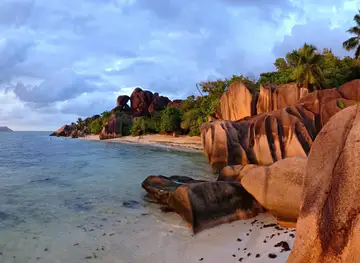
Île Farquhar in Photos
Browse through our photo collection highlighting the charm and character of the destination.
Neighbouring regions of Île Farquhar
The closest regions to Île Farquhar, if you have time for more than one.
-

-

-

-
-


Swipe for more regions
Explore more
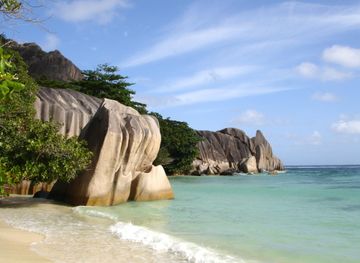
Explore more of Seychelles
Discover the enchanting islands of Seychelles, where stunning beaches, vibrant wildlife, and rich Creole culture come together for an unforgettable tropical escape.
Explore Seychelles