

Free Île Platte Travel Guide & Mobile App
Explore Île Platte with free travel guides. Discover regional history, expert tips, proposed trips, and audio guides on web or mobile app.


Île Platte in the Seychelles offers a remote coral-island escape with reef waters, beaches, conservation and carefully managed resort stays.
Read more about Île Platte
When is the best time to visit Île Platte?
Best: June–August · 30°C| Month | High (°C) | Rainfall (mm) |
|---|---|---|
| January | 30 | 300 |
| February | 31 | 250 |
| March | 31 | 200 |
| April | 31 | 150 |
| May | 31 | 100 |
| June (best) | 30 | 100 |
| July (best) | 30 | 100 |
| August (best) | 30 | 100 |
| September | 30 | 150 |
| October | 31 | 200 |
| November | 31 | 250 |
| December | 30 | 300 |
Getting to and around Île Platte
How to get there
Transportation
Best attractions in Île Platte
Île Platte's attractions are primarily natural and marine rather than urban or architectural. The island's coral beaches, shallow lagoon, reef edges and open-ocean setting create the backdrop for swimming, kayaking, paddleboarding, snorkelling and boat excursions, with conditions varying according to wind, tide and season. Guided activities may focus on reef ecology, seabirds, coastal vegetation and the protection of marine habitats. Turtles and other wildlife may be encountered, but sightings depend on nature and should not be treated as guaranteed performances. The island's compact scale also suits quiet walks between the coast and resort areas, especially at cooler times of day. There are no public museums, historic town centre or extensive network of independent attractions; its appeal lies in remoteness, marine scenery and the chance to experience a low-lying outer Seychellois island. The principal developed visitor facilities are connected with Waldorf Astoria Seychelles Platte Island, whose organised excursions and conservation initiatives provide structure for exploration. Travellers seeking granite landscapes, galleries, markets or densely layered colonial architecture will find those experiences on Mahé and other inner islands rather than on Île Platte itself.
-
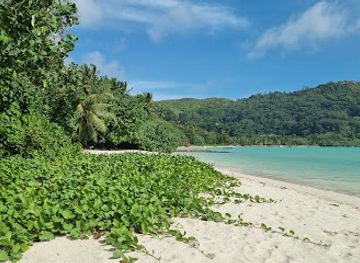
Bay
Anse A La Mouche
Explore the serene beauty of Anse A La Mouche, a tropical bay in Seychelles perfect for relaxation, water sports, and local culture.
Best landmarks in Île Platte
Île Platte's most important landmarks are environmental and maritime rather than monumental. Its low coral profile, encircling reef and lagoon distinguish it from the mountainous granitic islands of the Seychelles and provide the clearest sense of place. The island's airstrip is a notable piece of contemporary outer-island infrastructure because it links this remote coral setting with Mahé and supports modern tourism. The coastline, beaches and reef margin are also significant geographical landmarks, revealing how settlement and travel are conditioned by tides, exposure and ocean access. Coconut landscapes and the island's compact developed area recall the agricultural and logistical history of the outer islands, while the resort represents the latest phase of planned hospitality and conservation management. There is no cathedral, fortified town, colonial civic quarter or large archaeological monument on Île Platte. Visitors interested in grand historic architecture should look to Mahé and other inner islands; here, the defining landmarks are the coral island itself, the surrounding marine environment and the infrastructure that makes a remote stay possible.
-
Tourist attraction
Takamaka Rum Distillery
Experience the rich tradition of rum-making at Takamaka Rum Distillery in Seychelles, where flavor meets the island's vibrant culture.
-
Botanical garden
Victoria Botanical Gardens
Explore the enchanting Victoria Botanical Gardens, a serene oasis showcasing the unique flora of Seychelles, perfect for nature lovers and tourists alike.
-
Botanical garden
Jardin du Roi Spice Garden
Discover the aromatic wonders of Jardin du Roi Spice Garden, a serene botanical escape in Seychelles filled with exotic plants, spices, and delightful Creole cuisine.
-
National park
Saint-Anne Marine National Park
Explore the breathtaking beauty of Saint-Anne Marine National Park, a true tropical paradise in Seychelles, rich in biodiversity and adventure opportunities.


Explore Île Platte on the map
Plan your trip on one map. See where the top cities, national parks and sights are, and book hotels and experiences in a few clicks.
Best hotels in Île Platte
Best restaurants in Île Platte
Dining on Île Platte is centred on the island's resort rather than on a public restaurant scene. Waldorf Astoria Seychelles Platte Island provides the principal choice of restaurants and food services, with menus expected to combine international cooking with ingredients and flavours associated with the Seychelles and the wider Indian Ocean. Seafood, tropical fruit, coconut, rice, spice and fresh produce are natural reference points for local-inspired dishes, although availability can depend on supply logistics and seasonality. Visitors should expect meals to be planned as part of their accommodation arrangement, with advance communication useful for allergies, dietary requirements and special occasions. There are no independent market streets, bakeries or village cafés to explore on foot, and visitors should not rely on finding last-minute provisions outside the resort. Those wishing to investigate the broader Creole food culture, including the greater range of home-style cooking and market produce, will find more choice on Mahé and the other populated islands.
-
Restaurant
Del Place Restaurant
Experience the best of Seychelles' culinary delights at Del Place Restaurant, where breathtaking views meet exquisite flavors.
-
Resort hotel
STORY Seychelles
Experience luxury and tranquility at STORY Seychelles - your ultimate tropical escape in Beau Vallon.
-
Creole
Kafe Kreol Cafe & Restaurant
Experience authentic Creole flavors at Kafe Kreol Cafe & Restaurant in Anse Royale - a culinary treasure in Seychelles.
-
Restaurant
The Boat House Restaurant
Experience coastal dining at its finest with fresh seafood and stunning ocean views at The Boat House Restaurant in Beau Vallon.


Best bars in Île Platte
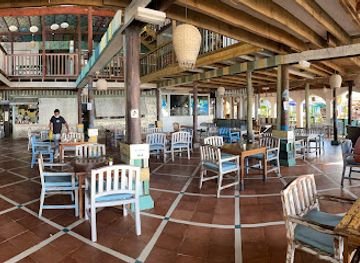
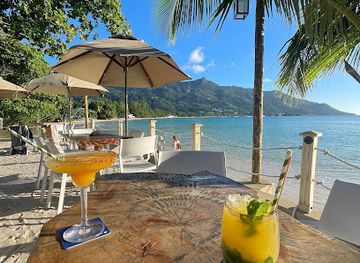
Île Platte has no nightclub district or independent late-night entertainment quarter. Evening life is concentrated within the resort, where guests may find lounges, bars, restaurant service and occasional organised entertainment shaped around a quiet island setting. The emphasis is on sunset drinks, conversation, stargazing and relaxed dining rather than a busy club scene. Any live music, tastings or special evening programmes are subject to the accommodation provider's current arrangements and should not be assumed to operate daily. Alcohol is available through resort services, but it is not necessary to enjoy the island's main experiences, and care is important when combining drinking with swimming, boating or walking on uneven coastal ground. Mahé offers a wider range of bars and evening venues, but it is a separate island and cannot be treated as a convenient night-time extension of Île Platte.
-
 Hotel
Berjaya Beau Vallon Bay Resort & Casino
Experience luxury and adventure at Berjaya Beau Vallon Bay Resort & Casino, your gateway to the beauty of Seychelles.
-
Hotel
Coral Strand Smart Choice Hotel
Experience the beauty of Seychelles at the Coral Strand Smart Choice Hotel, your perfect beachfront escape in Beau Vallon.
-
Resort hotel
Hilton Seychelles Northolme Resort & Spa
Discover the luxurious Hilton Seychelles Northolme Resort & Spa, a perfect blend of elegance, relaxation, and adventure in the heart of Seychelles.
-
Creole
Kafe Kreol Cafe & Restaurant
Discover the essence of Seychellois cuisine at Kafe Kreol, where every dish tells a flavorful story of the islands.

Best nightclubs in Île Platte
Île Platte has no nightclub district or independent late-night entertainment quarter. Evening life is concentrated within the resort, where guests may find lounges, bars, restaurant service and occasional organised entertainment shaped around a quiet island setting. The emphasis is on sunset drinks, conversation, stargazing and relaxed dining rather than a busy club scene. Any live music, tastings or special evening programmes are subject to the accommodation provider's current arrangements and should not be assumed to operate daily. Alcohol is available through resort services, but it is not necessary to enjoy the island's main experiences, and care is important when combining drinking with swimming, boating or walking on uneven coastal ground. Mahé offers a wider range of bars and evening venues, but it is a separate island and cannot be treated as a convenient night-time extension of Île Platte.
-
Grill
Beach Shak Seychelles
Experience the vibrant flavors of Beach Shak Seychelles, the ultimate beach bar for grilled delights and refreshing cocktails in a tropical paradise.
-
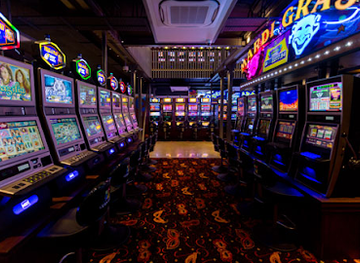
Casino
Gran Kaz Victoria
Gran Kaz Victoria: A vibrant casino in Seychelles offering thrilling gaming, exquisite dining, and live entertainment in a tropical paradise.
-
Restaurant
Trader Vic's Seychelles
Experience the vibrant flavors of the Seychelles at Trader Vic's, where exquisite cuisine meets a tropical atmosphere.
-
Restaurant
Ocean Deck Bar
Discover culinary bliss at Ocean Deck Bar in Beau Vallon, Seychelles, where fresh seafood meets breathtaking ocean views.


Best shops in Île Platte
Shopping on Île Platte is limited and largely connected with the resort. Guests may find a small selection of branded merchandise, practical holiday items, locally inspired gifts or products associated with Seychelles craftsmanship, but there is no independent high street, craft village or regular public market. The island's remote supply chain also means that visitors should bring essentials such as medication, specialist toiletries, reading material and suitable reef or sun protection from Mahé or their home country. For local food products, souvenirs, art, textiles, jewellery and broader choice, Mahé is the principal shopping destination in the Seychelles, while markets and independent shops on other populated islands offer different experiences. Purchases should respect conservation rules: coral, shells, turtle products and other wildlife materials should not be collected or exported. Sustainable, locally made items are preferable to souvenirs derived from protected marine life.
-
Market
Sir Selwyn Selwyn-Clarke Market
Discover the heart of Seychelles at Sir Selwyn Selwyn-Clarke Market, a colorful hub of local culture, cuisine, and crafts in Victoria.
-
Resort hotel
STORY Seychelles
Discover the luxurious paradise of STORY Seychelles, where stunning beaches meet exceptional service for an unforgettable escape.
-
Resort hotel
DoubleTree by Hilton Seychelles - Allamanda Resort and Spa
Experience tropical luxury at DoubleTree by Hilton Seychelles - Allamanda Resort and Spa, where stunning views and world-class amenities await.
-
Shopping mall
Eden Plaza
Discover the vibrant Eden Plaza, Seychelles' premier shopping mall, where shopping, dining, and entertainment come together in a lively atmosphere.


Get your free copy of our complete guide to Île Platte, delivered straight to you.
Everything on this page, from attractions and restaurants to essentials and local phrases, in one PDF you can read offline, print or share.
Already have an account? Sign in
Your Île Platte guide is ready.
We'll send it to · Not you? Sign out

Getting your guide ready…
We are putting together a fresh copy of the Île Platte guide. This can take up to a minute.
This can take a few moments. If your browser asks, choose Allow so the download can start. You'll find the guide in your Downloads folder.
Nothing happened? Download it again
Sorry, the guide is taking longer than usual. Please try again in a minute, or get it by email instead.
Île Platte essentials
Currency and Payment
Safety
Emergency Situations
Do's and Don'ts
Local Tips
From Eve
Local phrases worth knowing
You don't need to get them perfect. A few words go a long way, and locals appreciate the effort.
Basics
| English | Local | Say it |
|---|---|---|
| Hello | Salutation | [sah-loo-ta-syon] |
| Goodbye | Au revoir | [oh ruh-vwahr] |
| Yes | Oui | [wee] |
| No | Non | [noh] |
| Please/You're welcome | S'il vous plaît | [seel voo pleh] |
| Thank you | Merci | [mehr-see] |
| Excuse me/Sorry | Excusez-moi | [ex-kew-zay mwah] |
| How are you? | Comment ça va? | [koh-mohn sah vah] |
| Fine. And you? | Bien. Et vous? | [byan. eh voo] |
| Do you speak English? | Parlez-vous anglais? | [par-lay voo ahn-glay] |
| I don't understand | Je ne comprends pas | [zhuh nuh kohn-prahn pah] |
Eating & Drinking
| English | Local | Say it |
|---|---|---|
| I'd like to see the menu, please | Je voudrais voir le menu, s'il vous plaît | [zhuh voo-dray vwar luh meh-nu, seel voo pleh] |
| I don't eat meat | Je ne mange pas de viande | [zhuh nuh mahnj pah duh vyahnd] |
| Cheers! | Santé! | [sahn-tay] |
| I would like to pay, please | Je voudrais payer, s'il vous plaît | [zhuh voo-dray pay-ay, seel voo pleh] |
Emergencies
| English | Local | Say it |
|---|---|---|
| Help! | Au secours! | [oh suh-koor] |
| Go away! | Allez-vous-en! | [ah-lay voo zahn] |
| Call the Police! | Appelez la police! | [ah-peh-lay lah poh-lees] |
| Call a doctor! | Appelez un médecin! | [ah-peh-lay uh meh-deh-sahn] |
| I'm lost | Je suis perdu | [zhuh swee pair-doo] |
| I'm ill | Je suis malade | [zhuh swee mah-lahd] |
Shopping
| English | Local | Say it |
|---|---|---|
| I'd like to buy... | Je voudrais acheter... | [zhuh voo-dray ah-sheh-tay] |
| I'm just looking | Je regarde juste | [zhuh reh-gard zhoost] |
| How much is it? | Combien ça coûte? | [kohm-byen sah koot] |
| That's too expensive | C'est trop cher | [seh troh shair] |
| Can you lower the price? | Pouvez-vous baisser le prix? | [poo-vay voo beh-say luh pree] |
Time & Numbers
| English | Local | Say it |
|---|---|---|
| What time is it? | Quelle heure est-il? | [kel uhr eh-teel] |
| It's one o'clock | Il est une heure | [eel eh oon uhr] |
| Half past (10) | Dix heures et demie | [dees uhr eh duh-mee] |
| Morning | Matin | [mah-tan] |
| Afternoon | Après-midi | [ah-preh mee-dee] |
| Evening | Soir | [swahr] |
| Yesterday | Hier | [ee-ehr] |
| Today | Aujourd'hui | [oh-zhoor-dwee] |
| Tomorrow | Demain | [duh-mahn] |
| 1 | Un | [uhn] |
| 2 | Deux | [duhr] |
| 3 | Trois | [trwah] |
| 4 | Quatre | [katr] |
| 5 | Cinq | [sank] |
| 6 | Six | [sees] |
| 7 | Sept | [set] |
| 8 | Huit | [weet] |
| 9 | Neuf | [nuhf] |
| 10 | Dix | [dees] |
Transport & Directions
| English | Local | Say it |
|---|---|---|
| Where's a/the...? | Où est un/une...? | [oo eh uh/oon] |
| What's the address? | Quelle est l'adresse? | [kel eh luh-dress] |
| Can you show me (on the map)? | Pouvez-vous me montrer (sur la carte)? | [poo-vay voo muh mon-tray (sur lah kart)] |
| When's the next (bus)? | Quand est le prochain (bus)? | [kahn eh luh pro-shen (boos)] |
| A ticket (to ....) | Un billet (pour ....) | [uhn bee-yay (poor)] |
History of Île Platte
Coral-island formation and early maritime knowledge
Île Platte is a low coral island built on a reef platform rather than the ancient granite geology of the inner Seychelles. Its position in the southern island groups placed it within wider Indian Ocean sailing networks used by navigators, fishermen and trading vessels. As with many remote Seychelles islands, knowledge of the island was shaped by maritime charting and seafaring rather than by the development of a large permanent indigenous settlement. Its reef, lagoon and exposed position were important geographic features for vessels crossing the ocean.
French and British administration
The Seychelles was first colonised by France in the eighteenth century and came under British control during the Napoleonic period. Île Platte was administered within this changing colonial island system, even though its distance from Mahé limited permanent settlement and government infrastructure. Colonial interest in the outer islands centred on mapping, maritime access and the exploitation of natural resources. The island's name appears in the historical geography of the Seychelles as part of this wider process of charting and administering scattered coral islands.
Coconut cultivation and outer-island economy
During the nineteenth and twentieth centuries, coconut cultivation became an important economic activity across many Seychelles islands, including low-lying outer islands such as Île Platte. Copra, the dried kernel of the coconut, could be processed into oil and exported, while fishing and basic subsistence activities supported island operations. These economies were generally small and dependent on shipping links with the larger islands. Remnants of coconut landscapes and the island's limited built infrastructure reflect this period of resource-based outer-island development.
Changing communications and island management
The twentieth century brought more regular surveying, improved communications and stronger state involvement in the management of remote Seychelles islands. Airstrips and maritime facilities became important because they reduced the isolation created by long ocean distances, although access remained weather-dependent and limited. Île Platte continued to be very different from the populated inner islands: it had no substantial urban community and was managed primarily for agricultural, logistical and environmental purposes rather than as a civic centre.
Conservation and contemporary tourism
In the twenty-first century, the economic role of Île Platte has shifted towards conservation-led hospitality and marine tourism. The development of Waldorf Astoria Seychelles Platte Island brought new accommodation and infrastructure while increasing attention to the island's reef, lagoon, beaches and wildlife. This transition reflects a broader Seychelles challenge: creating sustainable economic opportunities in remote islands while limiting ecological pressure. The island's current identity is therefore shaped by both its traditional outer-island landscape and carefully managed high-end tourism.
Île Platte in Photos
Browse through our photo collection highlighting the charm and character of the destination.
Neighbouring regions of Île Platte
The closest regions to Île Platte, if you have time for more than one.
-

-
-
-

-


Swipe for more regions
Explore more
Explore more of Seychelles
Discover the enchanting islands of Seychelles, where stunning beaches, vibrant wildlife, and rich Creole culture come together for an unforgettable tropical escape.
Explore Seychelles