

Free Clementi Travel Guide & Mobile App
Explore Clementi with free travel guides. Discover regional history, expert tips, proposed trips, and audio guides on web or mobile app.


Explore Clementi’s parks, hawker centres, Rail Corridor paths and everyday neighbourhood life in Singapore’s leafy western suburbs.
Read more about Clementi
When is the best time to visit Clementi?
Best: February–March, June · 30–31°C| Month | High (°C) | Rainfall (mm) |
|---|---|---|
| January | 30 | 250 |
| February (best) | 30 | 200 |
| March (best) | 31 | 220 |
| April | 31 | 250 |
| May | 32 | 260 |
| June (best) | 31 | 230 |
| July | 31 | 240 |
| August | 31 | 250 |
| September | 31 | 260 |
| October | 31 | 270 |
| November | 31 | 280 |
| December | 30 | 290 |
Getting to and around Clementi
How to get there
Transportation
Top city travel guides in Clementi
The cities of Clementi, and the easiest places to base yourself.

Swipe for more cities
Best attractions in Clementi
Clementi’s attractions are primarily green spaces, neighbourhood facilities and routes that reveal how contemporary Singapore is organised. Clementi Woods Park is the district’s principal public park, with open lawns, mature trees, play areas and walking paths that provide a welcome break from the surrounding apartment blocks. The Rail Corridor offers a longer recreational journey along a former railway alignment, linking Clementi with neighbouring parts of western Singapore; visitors should distinguish the sections within Clementi from nearby stretches beyond its boundary. Clementi Central combines Clementi Mall, local shops, a market and food-centre culture, making it useful for observing everyday life as well as for practical refreshment. Sunset Way has a quieter, small-scale retail and dining atmosphere, while Clementi Forest appeals to walkers seeking a more informal woodland setting. Educational institutions in the surrounding area, including Singapore Polytechnic and the National University of Singapore, are nearby points of interest but should be treated as adjacent destinations rather than automatically counted as Clementi attractions. The district is most rewarding when approached through short walks, local meals and contrasts between dense housing and undeveloped greenery.
-
Science museum
Science Centre Singapore
Discover the Science Centre Singapore - a fascinating science museum with interactive exhibits and educational programs for all ages, located in Jurong East.
-
Park
West Coast Park
Explore the vast green expanses and family-friendly amenities of West Coast Park, a serene escape in the heart of Singapore's urban landscape.
-
Tourist attraction
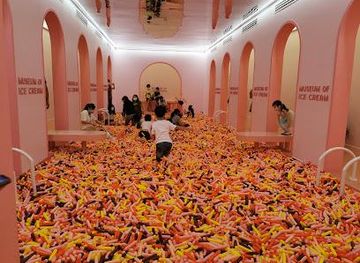
MUSEUM OF ICE CREAM SINGAPORE
Discover the whimsical world of ice cream at the Museum of Ice Cream Singapore, a sweet paradise filled with interactive exhibits and delightful treats.
-
Hawker center
Clementi 448 Market & Food Centre
Discover the delicious flavors of Singapore at Clementi 448 Market & Food Centre, where authentic hawker dishes await in a vibrant atmosphere.



Best landmarks in Clementi
Clementi’s most recognisable landmarks are functional urban structures and green corridors rather than monumental historic buildings. Clementi MRT station and its adjoining bus interchange mark the district’s civic centre, where transport, shopping and food facilities converge. Clementi Mall is a prominent contemporary reference point within the neighbourhood, while the mature public-housing precincts around Clementi Avenue and Commonwealth Avenue West express the visual language of Singapore’s planned new towns. Clementi Woods Park provides a contrasting natural landmark, with a broad belt of greenery that separates residential areas from the southern edge of the district. The former railway alignment at the Rail Corridor is historically significant because it preserves the route of Singapore’s old connection with the Malayan railway network; its linear path is more important as infrastructure heritage than as a single monument. Clementi Forest, with its dense vegetation and uneven informal terrain, is a geographical feature rather than a formally landscaped attraction. Together these places show Clementi’s defining contrast: a highly planned residential district bordered and interrupted by surviving traces of woodland, transport history and open public space.
-
Shopping mall
The Clementi Mall
Explore The Clementi Mall in Singapore, a vibrant outlet mall offering diverse shopping, dining, and entertainment experiences all under one roof.
-
Historical place
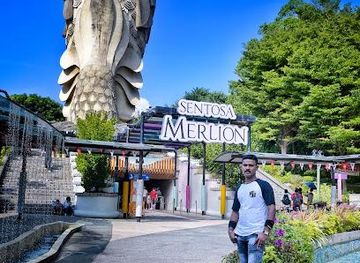
Sentosa Merlion
Discover the iconic Sentosa Merlion, a historical landmark offering stunning views, cultural insights, and a glimpse into Singapore's rich heritage.
-
Hawker center
Clementi 448 Market & Food Centre
Discover a culinary treasure at Clementi 448 Market & Food Centre, where authentic Singaporean dishes and vibrant local culture come together.
-
Historical landmark
Bukit Timah Railway Station
Explore the historical essence of Bukit Timah Railway Station, a charming landmark that showcases Singapore's rich railway heritage amidst stunning natural scenery.



Explore Clementi on the map
Plan your trip on one map. See where the top cities, national parks and sights are, and book hotels and experiences in a few clicks.
Best hotels in Clementi
Best restaurants in Clementi
Clementi’s dining scene is grounded in Singapore’s hawker and neighbourhood food culture rather than destination restaurants. Clementi 448 Market and Food Centre and other local centres provide familiar dishes such as chicken rice, laksa, char kway teow, roti prata, fish-ball noodles and nasi lemak, alongside drinks from traditional coffee shops. Small eateries around Clementi Central and Sunset Way serve Chinese, Malay, Indian and broadly Southeast Asian food, reflecting Singapore’s multicultural culinary landscape. Clementi Mall adds cafés, casual chains and sit-down restaurants, while the surrounding housing estates contain bakeries, dessert shops and takeaway counters. Prices, menus and payment methods vary between stalls, and busy meal periods can mean queues. The area is also convenient for exploring food associated with the wider western Singapore community, including vegetarian options and halal-certified establishments, but individual certification should always be checked on site. Dining here is less about formal culinary theatre than about variety, efficiency and the everyday social life of markets, coffee shops and hawker tables.
-
Hawker center
Clementi 448 Market & Food Centre
Discover a culinary gem at Clementi 448 Market & Food Centre – where authentic Singaporean flavors come alive in a vibrant hawker setting.
-
Buffet
Captain Kim Korean BBQ & Hotpot Buffet
Discover authentic Korean BBQ and hotpot delights at Captain Kim - a must-visit buffet experience in Clementi, Singapore.
-
Malaysian
Island Penang Kitchen
Experience authentic Malaysian flavors at Island Penang Kitchen in Singapore - where every dish tells a story.
-
Seafood
Chin Huat Live Seafood
Discover Chin Huat Live Seafood: A vibrant dining destination in Singapore offering fresh seafood delights prepared with traditional Chinese flavors.


Best bars in Clementi
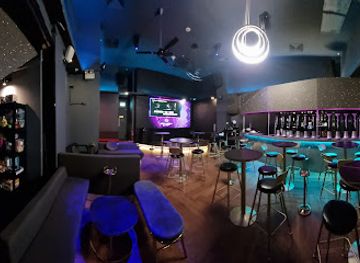
Clementi does not have a major nightclub district, and evening life is centred on food, conversation and residential convenience rather than late-night entertainment. Neighbourhood coffee shops, casual restaurants and small bars provide places to meet after work or study, particularly around Clementi Central and Sunset Way. Clementi Mall and nearby commercial areas offer cafés and mainstream evening dining, while larger nightlife scenes are found elsewhere in Singapore and require a journey beyond the district. Students and local residents contribute to a modest social atmosphere around the nearby educational belt, but venues and operating arrangements can change. The area is well suited to a relaxed dinner, dessert or drink after a park walk, with public transport and taxis providing practical ways to return to other parts of the island. Visitors should not expect the concentrated clubs, live-music venues or seafront bars associated with Singapore’s central entertainment zones.
-
Bar
Brotzeit German Beer Bar and Restaurant - WestGate
Savor authentic German cuisine and a wide selection of beers in a vibrant atmosphere at Brotzeit German Beer Bar and Restaurant in Singapore.
-
Bar
Wala Wala Cafe Bar
Discover the vibrant atmosphere of Wala Wala Cafe Bar, a beloved spot in Holland Village, Singapore, perfect for live music, delicious food, and refreshing drinks.
-
Karaoke bar
L Bistro
Discover the vibrant atmosphere of L Bistro, Singapore's premier karaoke bar, where music and delightful dining come together for an unforgettable night.
-
Gastropub
Bar Bar Black Sheep @ Cherry Ave
Experience the vibrant fusion of Indian and pub cuisine at Bar Bar Black Sheep, Singapore's premier gastropub destination.


Best nightclubs in Clementi
Clementi does not have a major nightclub district, and evening life is centred on food, conversation and residential convenience rather than late-night entertainment. Neighbourhood coffee shops, casual restaurants and small bars provide places to meet after work or study, particularly around Clementi Central and Sunset Way. Clementi Mall and nearby commercial areas offer cafés and mainstream evening dining, while larger nightlife scenes are found elsewhere in Singapore and require a journey beyond the district. Students and local residents contribute to a modest social atmosphere around the nearby educational belt, but venues and operating arrangements can change. The area is well suited to a relaxed dinner, dessert or drink after a park walk, with public transport and taxis providing practical ways to return to other parts of the island. Visitors should not expect the concentrated clubs, live-music venues or seafront bars associated with Singapore’s central entertainment zones.
-
Karaoke bar
L Bistro
Discover L Bistro, Singapore's lively karaoke bar in Jurong East, where music, friends, and unforgettable nights come together.
-
Disco club
ALPHA NIGHTLIFE
Experience the best of Singapore's nightlife at Alpha Nightlife, where electrifying music and vibrant energy create unforgettable nights.
-
Disco club
Club Colaba Bollywood
Immerse yourself in the vibrant nightlife of Singapore at Club Colaba Bollywood, where Bollywood beats and a lively atmosphere await.
-
Bar
So High Social Club
Discover the ultimate nightlife experience at So High Social Club in Singapore, where board games, karaoke, and great company come together.


Best shops in Clementi
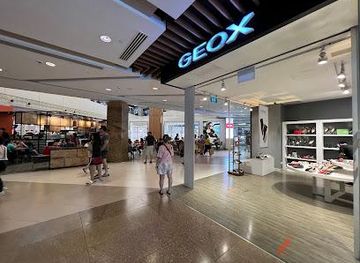
Shopping in Clementi is practical, local and closely tied to daily neighbourhood life. Clementi Mall, directly connected with the MRT station and bus interchange, contains supermarkets, pharmacies, fashion and household retailers, as well as cafés and service businesses. The nearby market and food-centre environment is more useful for fresh produce, prepared food and observing local routines than for souvenir hunting. Smaller shops around Sunset Way and the housing estates sell groceries, stationery, cakes, clothing and everyday essentials, while larger retail choices can be reached easily by MRT in neighbouring districts. Visitors looking for regional gifts may find packaged snacks, tea, sauces and confectionery in supermarkets, although these are Singapore-wide products rather than items exclusive to Clementi. The district has no strongly defined luxury or craft-shopping quarter, so its appeal lies in accessible high-street retail, food shopping and the experience of a mature residential town. Go during daytime for markets and independent services, and remember that individual stalls may accept different payment methods.
-
Shopping mall
IMM Building
Explore IMM Building in Jurong East, Singapore's largest outlet mall offering unbeatable deals, diverse dining, and family-friendly entertainment.
-
Shopping mall
The Clementi Mall
Explore The Clementi Mall in Singapore, where shopping, dining, and entertainment come together in a vibrant urban experience.
-
Shopping mall
West Coast Plaza
Experience the vibrant shopping and dining scene at West Coast Plaza, a top destination in Singapore for tourists and locals alike.
-
Shopping mall
321 Clementi
Explore 321 Clementi, a vibrant shopping mall in Singapore offering diverse retail, dining, and entertainment experiences for every visitor.


Get your free copy of our complete guide to Clementi, delivered straight to you.
Everything on this page, from attractions and restaurants to essentials and local phrases, in one PDF you can read offline, print or share.
Already have an account? Sign in
Your Clementi guide is ready.
We'll send it to · Not you? Sign out

Getting your guide ready…
We are putting together a fresh copy of the Clementi guide. This can take up to a minute.
This can take a few moments. If your browser asks, choose Allow so the download can start. You'll find the guide in your Downloads folder.
Nothing happened? Download it again
Sorry, the guide is taking longer than usual. Please try again in a minute, or get it by email instead.
Clementi essentials
Currency and Payment
Safety
Emergency Situations
Do's and Don'ts
Local Tips
From Eve
Local phrases worth knowing
You don't need to get them perfect. A few words go a long way, and locals appreciate the effort.
Basics
| English | Local | Say it |
|---|---|---|
| Hello | Hello | [Hello] |
| Goodbye | Goodbye | [Goodbye] |
| Yes | Yes | [Yes] |
| No | No | [No] |
| Please/You're welcome | Please/You're welcome | [Please/You're welcome] |
| Thank you | Thank you | [Thank you] |
| Excuse me/Sorry | Excuse me/Sorry | [Excuse me/Sorry] |
| How are you? | How are you? | [How are you?] |
| Fine. And you? | Fine. And you? | [Fine. And you?] |
| Do you speak English? | Do you speak English? | [Do you speak English?] |
| I don't understand | I don't understand | [I don't understand] |
Eating & Drinking
| English | Local | Say it |
|---|---|---|
| I'd like to see the menu, please | I'd like to see the menu, please | [I'd like to see the menu, please] |
| I don't eat meat | I don't eat meat | [I don't eat meat] |
| Cheers! | Cheers! | [Cheers!] |
| I would like to pay, please | I would like to pay, please | [I would like to pay, please] |
Emergencies
| English | Local | Say it |
|---|---|---|
| Help! | Help! | [Help!] |
| Go away! | Go away! | [Go away!] |
| Call the Police! | Call the Police! | [Call the Police!] |
| Call a doctor! | Call a doctor! | [Call a doctor!] |
| I'm lost | I'm lost | [I'm lost] |
| I'm ill | I'm ill | [I'm ill] |
Shopping
| English | Local | Say it |
|---|---|---|
| I'd like to buy... | I'd like to buy... | [I'd like to buy...] |
| I'm just looking | I'm just looking | [I'm just looking] |
| How much is it? | How much is it? | [How much is it?] |
| That's too expensive | That's too expensive | [That's too expensive] |
| Can you lower the price? | Can you lower the price? | [Can you lower the price?] |
Time & Numbers
| English | Local | Say it |
|---|---|---|
| What time is it? | What time is it? | [What time is it?] |
| It's one o'clock | It's one o'clock | [It's one o'clock] |
| Half past (10) | Half past (10) | [Half past (10)] |
| Morning | Morning | [Morning] |
| Afternoon | Afternoon | [Afternoon] |
| Evening | Evening | [Evening] |
| Yesterday | Yesterday | [Yesterday] |
| Today | Today | [Today] |
| Tomorrow | Tomorrow | [Tomorrow] |
| 1 | 1 | [1] |
| 2 | 2 | [2] |
| 3 | 3 | [3] |
| 4 | 4 | [4] |
| 5 | 5 | [5] |
| 6 | 6 | [6] |
| 7 | 7 | [7] |
| 8 | 8 | [8] |
| 9 | 9 | [9] |
| 10 | 10 | [10] |
Transport & Directions
| English | Local | Say it |
|---|---|---|
| Where's a/the...? | Where's a/the...? | [Where's a/the...?] |
| What's the address? | What's the address? | [What's the address?] |
| Can you show me (on the map)? | Can you show me (on the map)? | [Can you show me (on the map)?] |
| When's the next (bus)? | When's the next (bus)? | [When's the next (bus)?] |
| A ticket (to ....) | A ticket (to ....) | [A ticket (to ....)] |
History of Clementi
The origins of the Clementi name
Clementi takes its name from Sir Cecil Clementi Smith, who served as Governor of the Straits Settlements from 1887 to 1893. The name became associated with Clementi Road and the surrounding area during the colonial period. Before large-scale urban development, this western part of Singapore was predominantly rural, with plantations, villages, military land and scattered roads. The name therefore predates the modern housing estate, linking the district’s present-day identity to Singapore’s British colonial administrative era.
Rural land and kampong communities
Before the post-war building boom, much of Clementi consisted of low-density rural settlement rather than apartment blocks. Kampongs, small farms and plantation landscapes were common across western Singapore, while roads such as Clementi Road connected scattered communities to the rest of the island. These settlements gradually disappeared as land was acquired for public housing, schools and infrastructure. Although little of the physical kampong landscape survives, the transition explains Clementi’s mixture of mature vegetation, broad roads and planned residential precincts.
Post-war housing transformation
Singapore’s severe housing shortage after the Second World War led to an accelerated programme of public-housing construction. Clementi became one of the western districts reshaped by this policy, with new housing estates planned alongside schools, shops, transport links and community facilities. From the 1960s and 1970s, apartment blocks replaced much of the former rural environment, creating the urban neighbourhood recognisable today. The district illustrates how Singapore combined mass housing with deliberate provision of everyday services rather than treating homes as isolated developments.
Infrastructure and the growth of western Singapore
Clementi’s development was closely connected to improvements in roads, public transport and education across western Singapore. Clementi Road became an important arterial route, while the arrival of the East West MRT Line in the late twentieth century made the district more accessible to central Singapore and Jurong. New educational facilities and employment centres in adjacent districts strengthened Clementi’s role as a residential and transport hub. Its present urban form reflects this coordinated expansion rather than a single historic event.
The former railway corridor
The Rail Corridor follows the former railway alignment that linked Singapore’s rail network with the mainland. The line was operated by Malayan Railways, commonly known as KTM, until railway operations in Singapore ended in 2011. Parts of the alignment near Clementi and the neighbouring western districts have since been adapted for recreation and walking. The corridor preserves traces of an older transport geography, when rail connected communities and industrial areas before Singapore’s modern MRT network became the principal inland public-transport system.
Clementi in contemporary Singapore
In recent decades, Clementi has matured from a largely new public-housing estate into an established residential town. Older blocks have been joined by replacement developments and upgraded community facilities, while schools, shopping areas and transport services have continued to evolve. The district’s mature trees, parks and forest margins are now important counterpoints to dense housing. Clementi’s history is therefore also a story of urban renewal: rural land became planned housing, and that housing has gradually been adapted to the needs of a more affluent, mobile and environmentally conscious Singapore.
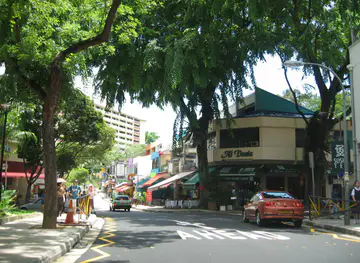
Clementi in Photos
Browse through our photo collection highlighting the charm and character of the destination.
Neighbouring regions of Clementi
The closest regions to Clementi, if you have time for more than one.
-
-

-

-

-


Swipe for more regions
Explore more

Explore more of Singapore
Explore Singapore: A vibrant city-state where modernity meets tradition, offering world-class cuisine, stunning gardens, and unique cultural experiences.
Explore Singapore