

Free Bukit Batok Travel Guide & Mobile App
Explore Bukit Batok with free travel guides. Discover regional history, expert tips, proposed trips, and audio guides on web or mobile app.


Explore Bukit Batok in western Singapore for granite-quarry landscapes, Little Guilin, nature trails, local food and relaxed neighbourhood life.
Read more about Bukit Batok
When is the best time to visit Bukit Batok?
Best: February, June–July · 31–32°C| Month | High (°C) | Rainfall (mm) |
|---|---|---|
| January | 31 | 220 |
| February (best) | 31 | 165 |
| March | 32 | 186 |
| April | 32 | 193 |
| May | 33 | 180 |
| June (best) | 32 | 150 |
| July (best) | 32 | 155 |
| August | 32 | 175 |
| September | 32 | 180 |
| October | 32 | 201 |
| November | 32 | 239 |
| December | 31 | 250 |
Getting to and around Bukit Batok
How to get there
Transportation
Best attractions in Bukit Batok
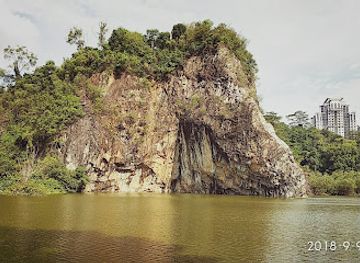
Bukit Batok's attractions are concentrated around urban nature, quarry heritage and everyday neighbourhood life. Little Guilin at Bukit Batok Town Park is the best-known sight, with a landscaped path and a quarry lake framed by granite cliffs. Bukit Batok Nature Park provides a more wooded setting for walking, birdwatching and quiet observation, while its former quarry and wartime commemorative marker add historical interest. The parks are not large wilderness reserves, but their contrast with surrounding housing makes them valuable examples of Singapore's approach to integrating greenery into town planning. Visitors can also explore Bukit Batok Central, browse West Mall and eat at local food centres to see the social infrastructure of a mature new town. Families may appreciate the accessible paths and open areas, while photographers tend to focus on the quarry viewpoints. The district is less suited to a packed sightseeing programme than to a relaxed morning or afternoon combining landscape, local food and a sense of how residential Singapore functions away from the central tourist zone.
-
Wildlife and safari park
Night Safari
Experience the magic of wildlife at Night Safari, Singapore's enchanting nocturnal zoo, where adventure meets conservation in a stunning environment.
-
Nature preserve
Bukit Timah Nature Reserve
Experience the lush landscapes and rich biodiversity of Bukit Timah Nature Reserve, a top nature preserve and tourist attraction in Singapore.
-
Park
Jurong Lake Gardens
Explore the beauty of Jurong Lake Gardens, a serene park in Singapore filled with lush landscapes, recreational spaces, and vibrant gardens.
-
Nature preserve
Bukit Batok Nature Park
Explore the lush landscapes and serene beauty of Bukit Batok Nature Park, a tranquil escape in the heart of Singapore's vibrant city life.


Best landmarks in Bukit Batok
Little Guilin is Bukit Batok's defining visual landmark: the still quarry lake and tall granite outcrops preserve a striking fragment of the district's former extraction landscape. Its informal name refers to the resemblance some visitors see between the rock scenery and the karst landscapes associated with Guilin, China, but the site remains distinctly Singaporean in its landscaped setting beside a planned town. Bukit Batok Nature Park contains another important quarry landscape, where forested slopes and exposed rock reveal the area's geological and industrial past. A heritage marker in the park identifies the former site of Syonan Jinja, the Japanese wartime shrine built on Bukit Batok during the occupation; the shrine itself was removed after the war. Bukit Batok MRT station and West Mall are less historic but significant civic landmarks, representing the town's role as a transport and commercial centre. Together these places show the district's layered identity: granite hills, wartime memory, public housing and contemporary infrastructure occupy the same compact landscape.
-
Tourist attraction
Cloud Forest
Experience the wonder of nature at Cloud Forest, an indoor garden featuring a stunning waterfall and exotic plant species in Singapore's Gardens by the Bay.
-
Wildlife and safari park
Night Safari
Explore the nocturnal wonders of the Night Safari in Singapore, a unique wildlife park showcasing over 900 animals in their natural habitats at night.
-
National museum
National Museum of Singapore
Explore Singapore's journey through history and culture at the National Museum, a vibrant museum experience for all ages.
-
Nature preserve
Bukit Timah Nature Reserve
Discover the stunning biodiversity and scenic trails of Bukit Timah Nature Reserve, Singapore's highest hill and a haven for nature lovers.


Explore Bukit Batok on the map
Plan your trip on one map. See where the top cities, national parks and sights are, and book hotels and experiences in a few clicks.
Best hotels in Bukit Batok
Best restaurants in Bukit Batok
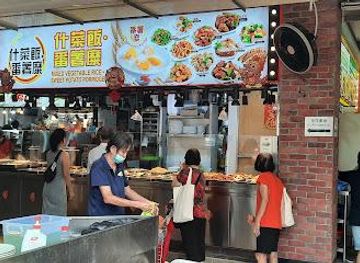
Dining in Bukit Batok is primarily local, practical and centred on hawker food courts, coffeeshops, neighbourhood restaurants and the eateries around West Mall. Visitors can expect familiar Singaporean staples such as chicken rice, laksa, fishball noodles, nasi lemak, roti prata, kaya toast and Indian-Muslim dishes, alongside Chinese regional cooking and casual cafés. The district does not have a separate cuisine of its own, but it offers a useful cross-section of Singapore's multicultural food culture without requiring a journey into the city centre. Food courts and coffeeshops are convenient for inexpensive meals, while shopping-mall restaurants provide air-conditioned seating and broader international choices. Drink stalls commonly serve kopi and teh, Singapore-style coffee and tea, as well as cold drinks suited to the climate. Prices, stall selection and operating arrangements vary, so visitors should look at current on-site information. A meal before or after visiting the quarry parks is usually easier than expecting dedicated dining at the nature attractions themselves.
-
Hawker center
Bukit Timah Market & Food Centre
Discover diverse culinary treasures at Bukit Timah Market & Food Centre, Singapore's vibrant hawker haven for delicious street food.
-
Indian
Al-Azhar Restaurant
Savor the essence of India at Al-Azhar Restaurant - where rich flavors meet warm hospitality in Bukit Timah.
-
Italian
iO Italian Osteria
Experience authentic Italian cuisine at iO Italian Osteria, where every dish is a celebration of flavor amidst a charming atmosphere.
-
Hawker center
Bukit Panjang Hawker Centre & Market
Singapore's authentic hawker culture served fresh daily—where tradition meets affordability in every bowl.


Best bars in Bukit Batok
Bukit Batok has limited nightlife in comparison with Singapore's central entertainment districts. Evening activity is focused on neighbourhood restaurants, coffeeshops, dessert shops, casual bars and mall dining rather than large nightclubs. Bukit Batok Central and the area around West Mall provide the most convenient concentration of places to eat after dark, while local community and commercial centres may have small, unpretentious venues serving drinks and food. The atmosphere is predominantly residential, with many people travelling elsewhere for major live music, cocktail bars or club nights. Visitors seeking a quieter evening can use the district as a base for dinner, a late coffee or a walk through well-lit public areas, while those wanting a substantial club scene should plan to travel into central Singapore by MRT or taxi. Check current operating details locally, as individual outlets and late-night services can change.
-
Italian
iO Italian Osteria
Experience the authentic taste of Italy at iO Italian Osteria in Singapore, a culinary haven perfect for indulging in classic Italian flavors.
-
Bar
Brotzeit German Beer Bar and Restaurant - WestGate
Savor the essence of Germany at Brotzeit, Singapore's premier German beer bar and restaurant, offering authentic cuisine and a lively atmosphere.
-
Bar
Wala Wala Cafe Bar
Discover Wala Wala Cafe Bar in Holland Village, where vibrant nightlife meets delicious cuisine in a welcoming atmosphere.
-
Restaurant
Micasa Kitchen & Bar
Experience a culinary journey at Micasa Kitchen & Bar in Singapore, where grilled delights meet exquisite wines in a cozy atmosphere.


Best nightclubs in Bukit Batok
Bukit Batok has limited nightlife in comparison with Singapore's central entertainment districts. Evening activity is focused on neighbourhood restaurants, coffeeshops, dessert shops, casual bars and mall dining rather than large nightclubs. Bukit Batok Central and the area around West Mall provide the most convenient concentration of places to eat after dark, while local community and commercial centres may have small, unpretentious venues serving drinks and food. The atmosphere is predominantly residential, with many people travelling elsewhere for major live music, cocktail bars or club nights. Visitors seeking a quieter evening can use the district as a base for dinner, a late coffee or a walk through well-lit public areas, while those wanting a substantial club scene should plan to travel into central Singapore by MRT or taxi. Check current operating details locally, as individual outlets and late-night services can change.
-
Disco club
ALPHA NIGHTLIFE
Dance the night away at Alpha Nightlife, Singapore's premier disco club with electrifying music and an unforgettable atmosphere.
-
Restaurant
Paradise Now
Experience a vibrant blend of delicious dining, live entertainment, and karaoke fun at Paradise Now in Singapore's SAFRA Choa Chu Kang.
-
Karaoke bar
8 Degree Lounge - Bukit Batok
Discover the lively 8 Degree Lounge in Bukit Batok, a karaoke bar and bistro offering delicious food and vibrant entertainment for all.
-
Disco club
Club Colaba Bollywood
Immerse yourself in the vibrant nightlife of Singapore at Club Colaba Bollywood, where Bollywood beats and energetic vibes come alive.


Best shops in Bukit Batok
Shopping in Bukit Batok is practical and neighbourhood-based rather than focused on luxury retail or visitor-oriented souvenirs. West Mall, directly beside Bukit Batok MRT station, is the area's principal shopping centre, with everyday retailers, services, food outlets and facilities useful to travellers. Smaller neighbourhood centres and shops around the housing precincts provide groceries, snacks, pharmacies, household goods and casual services. Visitors can browse Singaporean packaged foods, drinks, confectionery and familiar regional products in supermarkets, while hawker centres and coffeeshops offer opportunities to observe local daily commerce rather than shop for traditional crafts. The district has no major specialist craft quarter, antique market or designer shopping strip. For serious retail, art, fashion or large-scale markets, central Singapore and other established commercial districts offer a wider choice and are readily reached by MRT. Bukit Batok is best approached as a place for convenient provisions and ordinary local shopping, with West Mall serving as the most dependable starting point.
-
Nature preserve
Bukit Timah Nature Reserve
Experience the rich biodiversity and scenic trails of Bukit Timah Nature Reserve, Singapore's premier nature preserve for adventure and tranquility.
-
Shopping mall
West Mall
Explore West Mall in Bukit Batok, Singapore, for a unique shopping and dining experience amidst modern amenities and local culture.
-
Shopping mall
The Rail Mall
Explore The Rail Mall in Singapore, a vibrant shopping and dining destination perfect for all your retail therapy needs.
-
Electronics store
COURTS Bukit Timah
Discover an extensive range of electronics and home appliances at COURTS Bukit Timah, Singapore's top destination for tech enthusiasts and savvy shoppers.


Get your free copy of our complete guide to Bukit Batok, delivered straight to you.
Everything on this page, from attractions and restaurants to essentials and local phrases, in one PDF you can read offline, print or share.
Already have an account? Sign in
Your Bukit Batok guide is ready.
We'll send it to · Not you? Sign out

Getting your guide ready…
We are putting together a fresh copy of the Bukit Batok guide. This can take up to a minute.
This can take a few moments. If your browser asks, choose Allow so the download can start. You'll find the guide in your Downloads folder.
Nothing happened? Download it again
Sorry, the guide is taking longer than usual. Please try again in a minute, or get it by email instead.
Bukit Batok essentials
Currency and Payment
Safety
Emergency Situations
Do's and Don'ts
Local Tips
From Eve
Local phrases worth knowing
You don't need to get them perfect. A few words go a long way, and locals appreciate the effort.
Basics
| English | Local | Say it |
|---|---|---|
| Hello | Hello | [Hello] |
| Goodbye | Goodbye | [Goodbye] |
| Yes | Yes | [Yes] |
| No | No | [No] |
| Please/You're welcome | Please/You're welcome | [Please/You're welcome] |
| Thank you | Thank you | [Thank you] |
| Excuse me/Sorry | Excuse me/Sorry | [Excuse me/Sorry] |
| How are you? | How are you? | [How are you?] |
| Fine. And you? | Fine. And you? | [Fine. And you?] |
| Do you speak English? | Do you speak English? | [Do you speak English?] |
| I don't understand | I don't understand | [I don't understand] |
Eating & Drinking
| English | Local | Say it |
|---|---|---|
| I'd like to see the menu, please | I'd like to see the menu, please | [I'd like to see the menu, please] |
| I don't eat meat | I don't eat meat | [I don't eat meat] |
| Cheers! | Cheers! | [Cheers!] |
| I would like to pay, please | I would like to pay, please | [I would like to pay, please] |
Emergencies
| English | Local | Say it |
|---|---|---|
| Help! | Help! | [Help!] |
| Go away! | Go away! | [Go away!] |
| Call the Police! | Call the Police! | [Call the Police!] |
| Call a doctor! | Call a doctor! | [Call a doctor!] |
| I'm lost | I'm lost | [I'm lost] |
| I'm ill | I'm ill | [I'm ill] |
Shopping
| English | Local | Say it |
|---|---|---|
| I'd like to buy... | I'd like to buy... | [I'd like to buy...] |
| I'm just looking | I'm just looking | [I'm just looking] |
| How much is it? | How much is it? | [How much is it?] |
| That's too expensive | That's too expensive | [That's too expensive] |
| Can you lower the price? | Can you lower the price? | [Can you lower the price?] |
Time & Numbers
| English | Local | Say it |
|---|---|---|
| What time is it? | What time is it? | [What time is it?] |
| It's one o'clock | It's one o'clock | [It's one o'clock] |
| Half past (10) | Half past (10) | [Half past (10)] |
| Morning | Morning | [Morning] |
| Afternoon | Afternoon | [Afternoon] |
| Evening | Evening | [Evening] |
| Yesterday | Yesterday | [Yesterday] |
| Today | Today | [Today] |
| Tomorrow | Tomorrow | [Tomorrow] |
| 1 | 1 | [1] |
| 2 | 2 | [2] |
| 3 | 3 | [3] |
| 4 | 4 | [4] |
| 5 | 5 | [5] |
| 6 | 6 | [6] |
| 7 | 7 | [7] |
| 8 | 8 | [8] |
| 9 | 9 | [9] |
| 10 | 10 | [10] |
Transport & Directions
| English | Local | Say it |
|---|---|---|
| Where's a/the...? | Where's a/the...? | [Where's a/the...?] |
| What's the address? | What's the address? | [What's the address?] |
| Can you show me (on the map)? | Can you show me (on the map)? | [Can you show me (on the map)?] |
| When's the next (bus)? | When's the next (bus)? | [When's the next (bus)?] |
| A ticket (to ....) | A ticket (to ....) | [A ticket (to ....)] |
History of Bukit Batok
Early Rural Landscape and Place Name
Before modern housing estates, Bukit Batok was part of Singapore's western rural landscape, characterised by forest, plantations, village settlement and low hills. The Malay word bukit means hill, while the second element of the name is commonly linked to local interpretations involving cough or noise, though its exact historical explanation is not completely settled. The name nevertheless reflects the area's topography: unlike much of low-lying Singapore, Bukit Batok developed around prominent granite hills that later became central to its industrial and recreational identity.
Granite Quarrying and Industrial Change
Granite extraction became an important activity in the Bukit Batok area during the colonial period and continued into the twentieth century. Quarrying cut into the hills and created deep excavations that gradually filled with rainwater after operations ceased. The exposed rock faces and quarry lakes now visible at Bukit Batok Nature Park and Bukit Batok Town Park are remnants of that industrial phase. Their survival within a built-up town illustrates how former resource-extraction sites were later incorporated into Singapore's green and recreational infrastructure.
Second World War and Japanese Occupation
Bukit Batok was affected by the Japanese occupation of Singapore from 1942 to 1945. A Japanese military shrine, Syonan Jinja, was built on Bukit Batok during the occupation, using materials and labour in wartime circumstances. The shrine was dismantled after Japan's defeat, but a commemorative marker in Bukit Batok Nature Park records the former site. The surviving reference is important not because the structure remains, but because it connects the neighbourhood's wooded hills with the wider wartime history of Singapore.
Housing Development after Independence
After Singapore's independence in 1965, the expansion of public housing reshaped Bukit Batok from a largely rural and industrial landscape into a planned new town. Housing estates, schools, transport links, markets and community facilities were developed as part of the national programme to provide secure, modern accommodation for a growing population. The town's present layout, with neighbourhood precincts arranged around local services and green spaces, reflects this era of state-led urban planning rather than the older village pattern.
Bukit Batok Town and the MRT Era
The opening of Bukit Batok MRT station in 1990 connected the town directly with Singapore's wider rail network and strengthened Bukit Batok Central as a commercial and transport focus. The station was part of the North South line's extension into the west, making journeys between the residential districts and central Singapore more practical. Subsequent upgrades to housing, parks, pedestrian routes and community facilities have continued the transformation of the area while retaining selected quarry landscapes as public open spaces.
Quarries Recast as Public Green Space
In the late twentieth century, former quarry sites were increasingly treated as valuable landscapes rather than simply derelict industrial ground. Bukit Batok Town Park, widely known for Little Guilin, presents a former quarry as a landscaped civic space, while Bukit Batok Nature Park protects woodland, rock faces and a second quarry setting. This approach is part of Singapore's broader effort to integrate nature into a highly urbanised island. For visitors, the parks offer a visible record of how industrial heritage can be adapted to contemporary recreation.
Bukit Batok in Photos
Browse through our photo collection highlighting the charm and character of the destination.
Neighbouring regions of Bukit Batok
The closest regions to Bukit Batok, if you have time for more than one.
-

-
-

-

-


Swipe for more regions
Explore more

Explore more of Singapore
Explore Singapore: A vibrant city-state where modernity meets tradition, offering world-class cuisine, stunning gardens, and unique cultural experiences.
Explore Singapore