

Free Central Region Travel Guide & Mobile App
Explore Central Region with free travel guides. Discover regional history, expert tips, proposed trips, and audio guides on web or mobile app.


Explore Singapore’s Central Region for Marina Bay, historic districts, tropical gardens, museums, hawker food and lively urban neighbourhoods.
Read more about Central Region
When is the best time to visit Central Region?
Best: February, June–July · 31–32°C| Month | High (°C) | Rainfall (mm) |
|---|---|---|
| January | 31 | 250 |
| February (best) | 31 | 200 |
| March | 32 | 250 |
| April | 32 | 250 |
| May | 32 | 250 |
| June (best) | 32 | 200 |
| July (best) | 32 | 200 |
| August | 32 | 250 |
| September | 32 | 250 |
| October | 32 | 250 |
| November | 31 | 300 |
| December | 31 | 350 |
Getting to and around Central Region
How to get there
Transportation
Top city travel guides in Central Region
The cities of Central Region, and the easiest places to base yourself.
-

-

-

-

-

-


Swipe for more cities
Destinations in Central Region
Resorts, valleys and scenic spots worth a trip of their own.
-

-

-

-

-


Swipe for more destinations
Best attractions in Central Region
The Central Region brings together Singapore’s densest concentration of museums, cultural quarters, gardens and public spaces. The Civic District links the National Gallery Singapore, Asian Civilisations Museum, Victoria Theatre and other historic institutions, while the Singapore River provides a route between former trading landscapes and contemporary restaurants. Chinatown, Little India and Kampong Glam offer temples, mosques, shophouses, food markets and specialist shops, each with a different community history. Marina Bay adds large-scale modern attractions, including Gardens by the Bay, the ArtScience Museum and the waterfront promenade. For a greener experience, Singapore Botanic Gardens and Fort Canning Park provide planted landscapes, walking routes and historical interpretation; Bukit Timah Nature Reserve offers a more natural forest setting within the western part of the region. Families may find suitable museums, aquariums or educational venues in the wider central area, but some of the region’s greatest attractions are simply its public streets, hawker centres and conserved buildings. Visitors should allow time for indoor activities during the hottest or wettest parts of the day and check arrangements for exhibitions, performances and ticketed gardens before setting out.
-
Botanical garden
Singapore Botanic Gardens
Discover the enchanting beauty of Singapore Botanic Gardens, a UNESCO World Heritage site featuring lush landscapes and diverse flora.
-
Shopping mall
Ngee Ann City
Explore the dynamic blend of shopping, dining, and culture at Ngee Ann City, the heart of Singapore's Orchard Road.
-
Tourist attraction
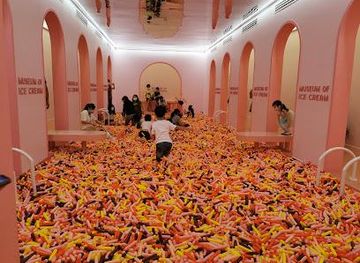
MUSEUM OF ICE CREAM SINGAPORE
Discover the delightful world of ice cream at the Museum of Ice Cream Singapore, where imagination meets sweetness in an unforgettable experience.
-
Park
Southern Ridges
Discover the Southern Ridges, a breathtaking 10-kilometer hiking trail in Singapore that connects parks and offers stunning views of nature and the skyline.



Best landmarks in Central Region
The Central Region’s landmarks express several different chapters of Singapore’s history. The Merlion at Marina Bay is a modern national symbol, while the Esplanade and the towers around the bay represent the city’s contemporary civic and financial identity. Gardens by the Bay is distinguished by its Supertree structures and horticultural domes, creating a deliberately engineered skyline beside Marina Reservoir. In the Civic District, the Padang, former Supreme Court and City Hall buildings form one of the island’s most important architectural ensembles, now associated with national institutions and museums. Fort Canning Hill preserves a strategic rise above the old settlement and remains a memorable green landmark in the city centre. Sri Mariamman Temple in Chinatown, Sultan Mosque in Kampong Glam and Sri Veeramakaliamman Temple in Little India anchor distinct religious and community landscapes. Raffles Hotel and the conserved shophouses of Boat Quay, Chinatown and Little India add further architectural markers of the colonial and trading-port city, while Bukit Timah’s forested summit provides a natural counterpoint to the built skyline.
-
Garden
Gardens by the Bay
Explore Singapore's iconic Gardens by the Bay, a stunning blend of nature and technology with breathtaking landscapes and innovative attractions.
-
Park
Merlion Park
Explore the enchanting Merlion Park, home to Singapore's iconic Merlion statue, offering breathtaking views and a serene atmosphere.
-
Garden
Supertree Grove
Discover the breathtaking Supertree Grove in Singapore, where nature meets innovation in a stunning garden experience that captivates visitors of all ages.
-
Fountain
Merlion
Discover the Merlion, Singapore's iconic fountain symbolizing strength and prosperity, nestled by the Marina Bay's stunning skyline.


Explore Central Region on the map
Plan your trip on one map. See where the top cities, national parks and sights are, and book hotels and experiences in a few clicks.
Best hotels in Central Region
Best restaurants in Central Region
Dining in the Central Region ranges from hawker centres and traditional coffee shops to hotel restaurants and contemporary dining rooms. Chinatown is associated with Cantonese, Hokkien and other Chinese food traditions, while Little India is a strong area for South Indian vegetarian meals, breads, sweets and spice-rich dishes. Kampong Glam offers Malay and Muslim culinary influences, including rice dishes, grilled foods and regional specialities, and Peranakan cooking is represented in several central neighbourhoods. Maxwell Food Centre, Tekka Centre, Newton Food Centre and Lau Pa Sat each have their own atmosphere and mix of stalls, although individual vendors and payment arrangements change over time. Cafés and bakeries are particularly plentiful around the river, Orchard and conserved shophouse districts. Singapore’s dining culture is shared across the nation rather than exclusive to the Central Region, but the central districts make it easy to compare hawker traditions, heritage recipes, international cuisines and polished modern interpretations within a short journey.
-
Turkish
Cappadocia Turkish & Mediterranean Restaurant
Savor authentic Turkish and Mediterranean cuisine at Cappadocia Restaurant in Singapore's vibrant Kampong Glam district.
-
Turkish
Ayasofya Turkish Restaurant
Experience authentic Turkish cuisine at Ayasofya Turkish Restaurant in Kampong Glam - where every dish tells a story.
-
Restaurant
The Great Mischief
Experience culinary artistry at The Great Mischief in Singapore's National Gallery—where every meal is a masterpiece.
-
Barbecue
Burnt Ends
Experience exquisite modern Australian barbecue at Burnt Ends in Singapore—where flavor meets innovation in a vibrant setting.


Best bars in Central Region
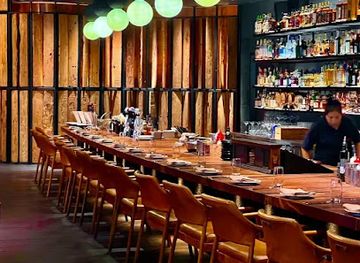
Evening life in the Central Region is concentrated around the Singapore River, Marina Bay, the Civic District, Orchard and selected shophouse areas. Boat Quay, Clarke Quay and Robertson Quay offer riverside restaurants, bars and live entertainment, while the Civic District and nearby lanes have cocktail bars, wine bars and cultural venues in restored buildings. Kampong Glam has a more intimate evening scene centred on cafés, restaurants and independent bars, and Chinatown combines late dining with traditional establishments and newer venues. Nightclubs and larger entertainment spaces are more likely around the downtown core and Clarke Quay than in residential districts. Many neighbourhoods become quieter after dinner, with local evening life focused on food centres, coffee shops and community facilities rather than clubbing. Venue policies, prices and opening arrangements change frequently, so visitors should check current information and use licensed transport options if travelling late.
-
Cocktail bar
ATLAS
Discover the elegance of ATLAS, Singapore's premier cocktail bar, featuring an extensive gin selection and exquisite ambiance for a night to remember.
-
Grill
Potato Head Singapore
Discover the vibrant blend of gourmet dining and cultural heritage at Potato Head Singapore, a culinary gem in Chinatown.
-
Restaurant
Hopscotch (Gillman Barracks)
Discover the perfect blend of grilled delights and unique cocktails at Hopscotch in Gillman Barracks, Singapore's culinary hotspot.
-
Bar
Jigger & Pony
Discover the art of mixology at Jigger & Pony, Singapore's acclaimed cocktail bar known for its innovative drinks and vibrant atmosphere.


Best nightclubs in Central Region
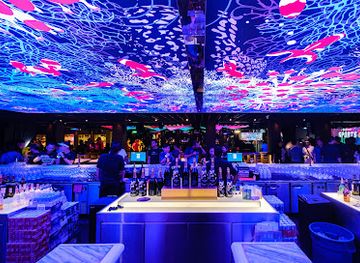
Evening life in the Central Region is concentrated around the Singapore River, Marina Bay, the Civic District, Orchard and selected shophouse areas. Boat Quay, Clarke Quay and Robertson Quay offer riverside restaurants, bars and live entertainment, while the Civic District and nearby lanes have cocktail bars, wine bars and cultural venues in restored buildings. Kampong Glam has a more intimate evening scene centred on cafés, restaurants and independent bars, and Chinatown combines late dining with traditional establishments and newer venues. Nightclubs and larger entertainment spaces are more likely around the downtown core and Clarke Quay than in residential districts. Many neighbourhoods become quieter after dinner, with local evening life focused on food centres, coffee shops and community facilities rather than clubbing. Venue policies, prices and opening arrangements change frequently, so visitors should check current information and use licensed transport options if travelling late.
-
Night club
Zouk Singapore
Experience the electrifying nightlife at Zouk Singapore, a premier night club known for world-class DJs and unforgettable parties.
-
Night club
XclusiV
Experience the vibrant nightlife of Singapore at XclusiV, where electrifying music and exquisite cocktails create unforgettable nights.
-
Disco club
ALPHA NIGHTLIFE
Discover the ultimate disco experience at Alpha Nightlife in Singapore, where electrifying beats and a vibrant atmosphere create unforgettable nights.
-
Bar
So High Social Club
Discover the vibrant So High Social Club in Singapore, where board games, karaoke, and socializing come together for an unforgettable nightlife experience.


Best shops in Central Region
Shopping in the Central Region ranges from major malls and department stores on Orchard Road to independent businesses in conserved neighbourhoods. Orchard remains Singapore’s principal concentration of fashion, beauty, electronics and large shopping complexes, while Marina Bay and the downtown core focus on luxury, design and international brands. Chinatown is useful for traditional snacks, tea, craft-inspired souvenirs and inexpensive goods, though visitors should compare quality and prices. Little India has textiles, jewellery, spices, sweets and household items, while Kampong Glam is known for fabrics, modest fashion, fragrances, arts-oriented shops and cafés along and around Arab Street and Haji Lane. Markets and hawker centres are practical places to buy packaged food products, but perishable goods and customs restrictions should be considered before travelling onward. Independent design shops, bookshops, galleries and craft businesses are scattered through central shophouse districts, offering a more local alternative to formal malls; retail leases and individual stores change, so a current check is sensible for specific purchases.
-
Shopping mall
ION Orchard
Experience the ultimate shopping destination at ION Orchard, where luxury meets local charm in the heart of Singapore.
-
Shopping mall
Bugis Street
Explore Bugis Street in Singapore - a bustling shopping paradise offering diverse shops and mouthwatering local cuisine in a vibrant atmosphere.
-
Shopping mall
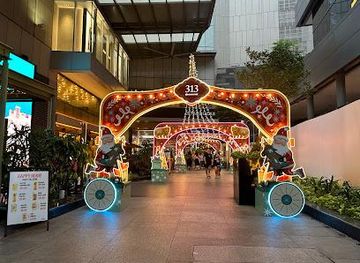
313@somerset
Discover the heart of shopping at 313@somerset, Singapore's vibrant shopping mall featuring top brands and delightful dining experiences.
-
Shopping mall
Ngee Ann City
Discover the bustling retail haven of Ngee Ann City, where luxury meets local charm in the heart of Singapore.


Get your free copy of our complete guide to Central Region, delivered straight to you.
Everything on this page, from attractions and restaurants to essentials and local phrases, in one PDF you can read offline, print or share.
Already have an account? Sign in
Your Central Region guide is ready.
We'll send it to · Not you? Sign out

Getting your guide ready…
We are putting together a fresh copy of the Central Region guide. This can take up to a minute.
This can take a few moments. If your browser asks, choose Allow so the download can start. You'll find the guide in your Downloads folder.
Nothing happened? Download it again
Sorry, the guide is taking longer than usual. Please try again in a minute, or get it by email instead.
Central Region essentials
Currency and Payment
Safety
Emergency Situations
Do's and Don'ts
Local Tips
From Eve
Local phrases worth knowing
You don't need to get them perfect. A few words go a long way, and locals appreciate the effort.
Basics
| English | Local | Say it |
|---|---|---|
| Hello | Hi | [Hai] |
| Goodbye | Bye | [Bai] |
| Yes | Yeah | [Yea] |
| No | Nope | [Nope] |
| Please/You're welcome | No problem | [No problem] |
| Thank you | Thanks | [Tanks] |
| Excuse me/Sorry | Sorry | [Sorry] |
| How are you? | How are you? | [How are you?] |
| Fine. And you? | Good. You? | [Gud. You?] |
| Do you speak English? | You speak English? | [You speak English?] |
| I don't understand | I don’t get it | [I don't get it] |
Eating & Drinking
| English | Local | Say it |
|---|---|---|
| I'd like to see the menu, please | Can I see the menu? | [Can I see the menu?] |
| I don't eat meat | I’m vegetarian | [I’m vegetarian] |
| Cheers! | Cheers! | [Cheers!] |
| I would like to pay, please | Can I get the bill? | [Can I get the bill?] |
Emergencies
| English | Local | Say it |
|---|---|---|
| Help! | Help! | [Help!] |
| Go away! | Leave me alone! | [Leave me alone!] |
| Call the Police! | Call the cops! | [Call the cops!] |
| Call a doctor! | Get a doctor! | [Get a doctor!] |
| I'm lost | I'm lost | [I'm lost] |
| I'm ill | I’m sick | [I’m sick] |
Shopping
| English | Local | Say it |
|---|---|---|
| I'd like to buy... | I want to buy... | [I want to buy...] |
| I'm just looking | Just browsing | [Just browsing] |
| How much is it? | How much? | [How much?] |
| That's too expensive | That's pricey | [That's pricey] |
| Can you lower the price? | Can you give discount? | [Can you give discount?] |
Time & Numbers
| English | Local | Say it |
|---|---|---|
| What time is it? | What time? | [What time?] |
| It's one o'clock | It's one | [It's one] |
| Half past (10) | Half past ten | [Half past ten] |
| Morning | Morning | [Morning] |
| Afternoon | Afternoon | [Afternoon] |
| Evening | Evening | [Evening] |
| Yesterday | Yesterday | [Yesterday] |
| Today | Today | [Today] |
| Tomorrow | Tomorrow | [Tomorrow] |
| 1 | One | [One] |
| 2 | Two | [Two] |
| 3 | Three | [Three] |
| 4 | Four | [Four] |
| 5 | Five | [Five] |
| 6 | Six | [Six] |
| 7 | Seven | [Seven] |
| 8 | Eight | [Eight] |
| 9 | Nine | [Nine] |
| 10 | Ten | [Ten] |
Transport & Directions
| English | Local | Say it |
|---|---|---|
| Where's a/the...? | Where is ...? | [Where is ...?] |
| What's the address? | What's the address? | [What's the address?] |
| Can you show me (on the map)? | Show me on the map? | [Show me on the map?] |
| When's the next (bus)? | When's the next bus? | [When's the next bus?] |
| A ticket (to ...) | A ticket to ... | [A ticket to ...] |
History of Central Region
Early Temasek and Maritime Trade
Long before modern Singapore, the island formed part of the maritime world of the Malay Peninsula and the wider Straits. The settlement known as Temasek appears in historical sources and was connected to trading networks linking the South China Sea, the Malay Archipelago and the Indian Ocean. Archaeological work around the Singapore River and Fort Canning has found evidence of earlier occupation and commerce, although interpretations of the settlement’s exact political importance continue to develop. The central area’s waterways and elevated ground helped make it a logical place for exchange, authority and settlement.
British Foundation of Singapore, 1819
In 1819, Stamford Raffles and representatives of the British East India Company established a trading post under an agreement with local Malay rulers. The new settlement developed around the Singapore River, whose warehouses, quays and boat traffic became central to its economy. British planning later divided the town into areas associated with different communities, leaving a lasting imprint on Chinatown, Kampong Glam and Little India. The present Civic District and surrounding historic streets preserve the architectural and administrative legacy of this colonial period, though the port city was always shaped by diverse Asian communities as well as European rule.
A Port City of Migration and Enterprise
During the nineteenth and early twentieth centuries, Singapore grew into a major entrepôt. Chinese, Indian, Arab, Malay and European merchants, labourers, artisans and religious communities established businesses, associations, schools and places of worship across the central districts. Shophouses combined commercial premises with living quarters, while the riverfront handled an extensive movement of goods. Chinatown’s temples, Little India’s religious and commercial landmarks, and Kampong Glam’s Malay and Muslim institutions reflect this period of migration and community formation. The resulting cultural geography remains one of the Central Region’s defining characteristics.
Japanese Occupation, 1942–1945
Singapore fell to Japan in February 1942 and was occupied until the end of the Second World War in 1945. The city was renamed Syonan-to, and the occupation brought repression, shortages, forced labour and profound insecurity. The former Ford Motor Factory, outside the Central Region in Bukit Timah, is a major nearby site associated with the surrender, but the occupation affected communities throughout central Singapore. War memorials, museums and surviving civic landscapes help place the region’s later political development in the context of wartime trauma and the end of British military dominance in Asia.
Self-Government, Merger and Independence
After the war, demands for political representation and self-government grew. Singapore achieved internal self-government in 1959, joined Malaysia in 1963 and became an independent republic in 1965. The central civic precinct was the setting for many institutions of the new state, while public housing, education, healthcare and industrial policies transformed the wider island. Former kampongs and older urban districts were progressively reshaped, and new residential towns and transport systems changed how people lived and travelled. The Central Region today contains both the ceremonial spaces of nationhood and the older neighbourhoods that survived or adapted through this transformation.
Urban Renewal and the Global City
From the late twentieth century, Singapore pursued extensive urban redevelopment while also beginning to conserve selected historic districts and buildings. The Singapore River was cleaned and its working waterfront was converted into public, cultural and dining spaces. Marina Bay was progressively reclaimed and developed into a new downtown extension, while former civic and commercial buildings gained renewed uses as museums, galleries and performance venues. Orchard Road, the financial district and major transport interchanges reinforced the Central Region’s role as Singapore’s commercial centre. Conservation areas in Chinatown, Kampong Glam, Little India and the Civic District preserve a layered urban history within this rapidly modernising landscape.
Central Region in Photos
Browse through our photo collection highlighting the charm and character of the destination.
Neighbouring regions of Central Region
The closest regions to Central Region, if you have time for more than one.
-

-
-

-

-


Swipe for more regions
Explore more

Explore more of Singapore
Explore Singapore: A vibrant city-state where modernity meets tradition, offering world-class cuisine, stunning gardens, and unique cultural experiences.
Explore Singapore