

Free West Region Travel Guide & Mobile App
Explore West Region with free travel guides. Discover regional history, expert tips, proposed trips, and audio guides on web or mobile app.


Explore Singapore’s West Region for Jurong Lake Gardens, science attractions, hawker food, university landscapes and evolving new towns.
Read more about West Region
When is the best time to visit West Region?
Best: January–March · 29–30°C| Month | High (°C) | Rainfall (mm) |
|---|---|---|
| January (best) | 29 | 200 |
| February (best) | 30 | 180 |
| March (best) | 30 | 190 |
| April | 31 | 200 |
| May | 31 | 210 |
| June | 31 | 220 |
| July | 31 | 210 |
| August | 31 | 200 |
| September | 31 | 210 |
| October | 30 | 220 |
| November | 30 | 230 |
| December | 30 | 240 |
Getting to and around West Region
How to get there
Transportation
Top city travel guides in West Region
The cities of West Region, and the easiest places to base yourself.
-

-

-

-

-


Swipe for more cities
Destinations in West Region
Resorts, valleys and scenic spots worth a trip of their own.
-

-

-

-

-

-


Swipe for more destinations
Best attractions in West Region
The West Region’s attractions combine science, landscaped public space, education and the everyday life of Singapore’s new towns. Jurong East is the main visitor cluster, centred on Science Centre Singapore, the Omni-Theatre and Snow City, with interactive exhibits that make the district particularly suitable for families and visitors interested in technology. Nearby Jurong Lake Gardens provides lawns, water views and horticultural landscapes, including the heritage settings associated with the Chinese and Japanese Gardens. The wider area is best explored at an unhurried pace rather than treated as a single compact attraction. Residential districts such as Bukit Batok, Clementi and Jurong West reveal Singapore’s distinctive public-housing urbanism, with markets, community facilities and carefully planned green spaces. Nanyang Technological University contributes substantial campus landscapes and contemporary architecture, although it is a working institution and access varies. The western coast and Tuas are dominated by port and industrial operations, so they offer context about Singapore’s economy rather than a conventional sightseeing circuit. New Tengah provides an opportunity to observe the island’s continuing approach to planned urban development, while routes towards the Western Water Catchment should be followed only where public access is clearly indicated.
-
Tourist attraction
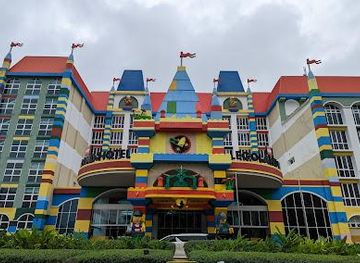
LEGOLAND Malaysia
Experience a world of creativity and adventure at LEGOLAND Malaysia, a premier theme park for families and LEGO enthusiasts in Iskandar Puteri, Johor.
-
Museum
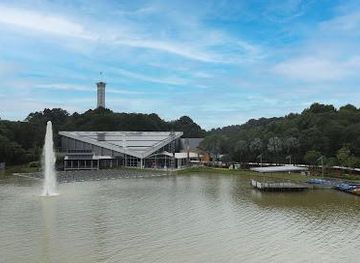
Singapore Discovery Centre
Explore the past, present, and future of Singapore at the Singapore Discovery Centre, where history meets innovation in a captivating experience.
-
Science museum
Science Centre Singapore
Discover the marvels of science at Science Centre Singapore, an interactive museum that captivates visitors with hands-on exhibits and immersive experiences.
-
Park
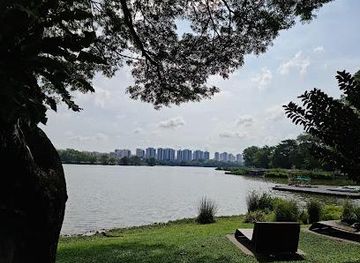
Jurong Lake Gardens
Explore the serene beauty of Jurong Lake Gardens, an urban oasis featuring vibrant gardens, lakeside views, and recreational activities for all ages.

Best landmarks in West Region
Jurong Lake and its associated garden landscapes are among the West Region’s most recognisable civic places. The Chinese Garden, created in the 1970s with pavilions, bridges and formal planting influenced by classical Chinese design, and the neighbouring Japanese Garden form an important part of the area’s cultural and horticultural history, although visitors should check current access during redevelopment or maintenance. Science Centre Singapore is another defining landmark, its purpose-built complex representing Singapore’s long-standing emphasis on science education and technological development. The large campus of Nanyang Technological University provides a contrasting landmark landscape of academic buildings, woodland and modern infrastructure near the western edge of the island. Jurong’s industrial waterfront and the extensive port facilities towards Tuas are less accessible but historically significant, marking the western zone as a foundation of Singapore’s manufacturing and maritime economy. In the residential districts, high-rise housing estates, transport interchanges and community centres are not monuments in the conventional sense, yet they are essential to the region’s identity: together they show how planned urban development connected homes, employment, education and public amenities across western Singapore.
-
Garden
Gardens by the Bay
Discover the enchanting Gardens by the Bay, where innovative horticulture meets breathtaking beauty in Singapore's urban landscape.
-
Theme park
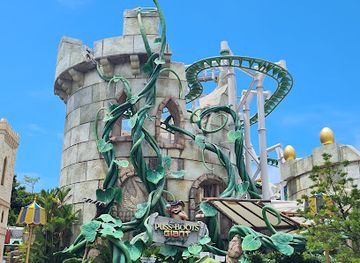
Universal Studios Singapore
Discover adventure and excitement at Universal Studios Singapore, where movie magic comes alive through thrilling rides and unforgettable experiences.
-
Park
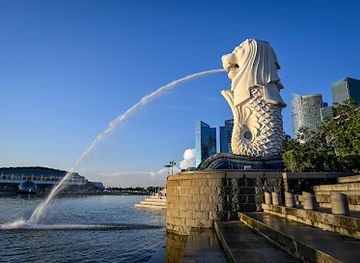
Merlion Park
Experience the essence of Singapore at Merlion Park, home to the iconic Merlion statue and stunning views of Marina Bay.
-
Garden
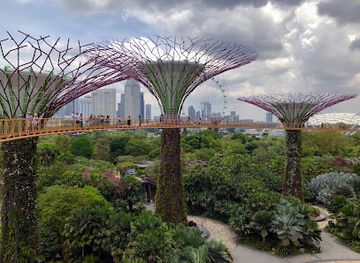
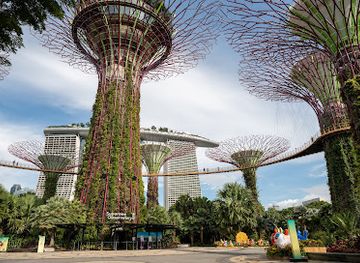
Supertree Grove
Discover the breathtaking Supertree Grove in Singapore, where nature meets innovation in a stunning display of artistry and ecological harmony.
Explore West Region on the map
Plan your trip on one map. See where the top cities, national parks and sights are, and book hotels and experiences in a few clicks.
Best hotels in West Region
Best restaurants in West Region
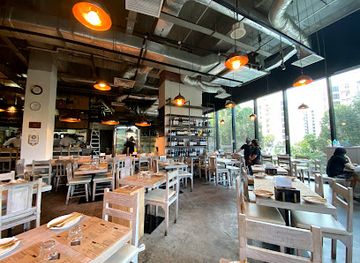
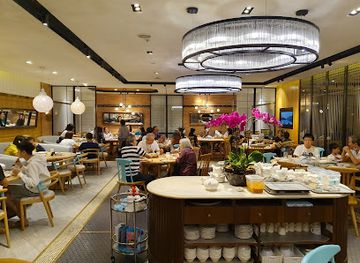
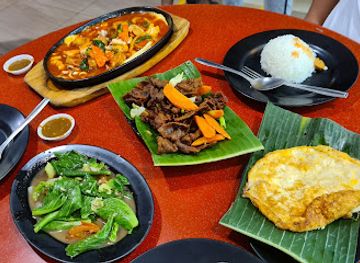
Dining in the West Region is rooted in hawker centres, coffee shops and neighbourhood food courts rather than a concentrated restaurant quarter. Jurong West, Boon Lay, Taman Jurong, Clementi and Bukit Batok provide opportunities to try Singaporean staples such as chicken rice, laksa, char kway teow, roti prata, fishball noodles and variations of nasi dishes. Seafood and grilled foods are also familiar on menus, while Indian, Malay, Chinese and other Asian cuisines reflect Singapore’s wider multicultural food culture. Jurong East adds extensive choices in shopping malls, ranging from casual chains to sit-down restaurants, making it convenient after a visit to the Science Centre or Jurong Lake Gardens. Hawker centres are the best setting for comparing inexpensive local dishes and observing the practical rhythms of residential Singapore. Small cafés and bakeries around Clementi and university areas serve students and office workers, while food courts provide air-conditioned alternatives in hot or wet weather. Menus, stallholders and payment practices change, so visitors should regard the region as a collection of local dining clusters rather than a fixed culinary trail.
-
Italian
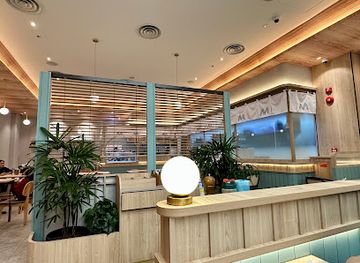
Mamma Mia Trattoria E Caffè (Jurong Point)
Experience the taste of Italy at Mamma Mia Trattoria E Caffè in Jurong Point – where authentic cuisine meets warm hospitality.
-
Italian
iO Italian Osteria
Experience authentic Italian cuisine at iO Italian Osteria in Bukit Batok—where every dish tells a story.
-
Chinese
PUTIEN Jurong Point
Experience authentic Huai'an cuisine at PUTIEN Jurong Point – a must-visit culinary delight in Singapore's vibrant dining scene.
-
Halal
Ayza’s Restaurant
Experience the vibrant tastes of Halal cuisine at Ayza’s Restaurant in Jurong West—where every meal tells a story.
Best bars in West Region
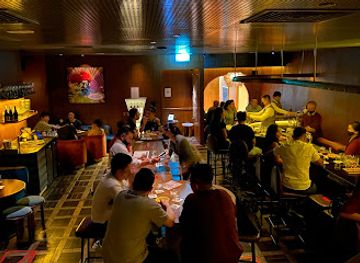
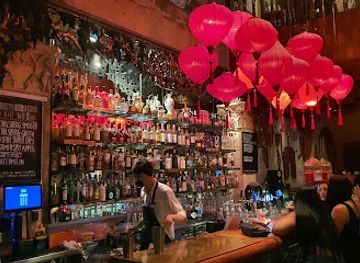
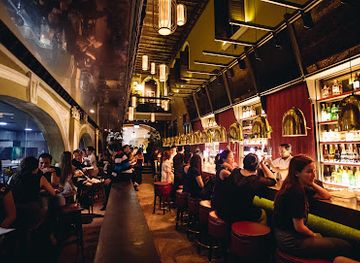
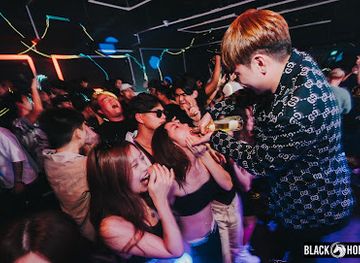
Evening life in the West Region is generally low-key and centred on neighbourhood restaurants, coffee shops, karaoke venues, hotel or mall bars and traditional pubs rather than a large nightclub district. Jurong East is the most convenient place for a meal, a film or a drink after sightseeing, with activity shaped by shopping centres and transport connections. Clementi and the university surroundings have a youthful selection of casual eateries and modest bars, although the atmosphere varies with academic calendars and individual business operations. Boon Lay and Jurong West are primarily residential, so evenings tend to focus on hawker food, family gatherings and community venues. Live entertainment and larger club options are more concentrated in Singapore’s central areas, outside this region, and are reachable by MRT or taxi when desired. Visitors should check current arrangements before planning around a particular venue, especially in districts undergoing redevelopment. The western evening experience is better understood through food, conversation and local neighbourhood activity than through a dedicated nightlife circuit.
-
Bar
Jigger & Pony
Experience the vibrant cocktail culture at Jigger & Pony, one of Singapore's premier bars for innovative drinks and a chic atmosphere.
-
Cocktail bar
No.5 Emerald Hill
Discover No.5 Emerald Hill: A cocktail bar in Singapore offering a blend of traditional charm and modern elegance, perfect for your nightlife adventures.
-
Bar
Wala Wala Cafe Bar
Discover the lively Wala Wala Cafe Bar in Holland Village, a hotspot for food, drinks, and live music that captures the essence of Singapore's nightlife.
-
Bar
Alleybar
Discover Alleybar: A trendy cocktail bar and gastropub in Singapore, offering innovative drinks and a vibrant atmosphere.

Best nightclubs in West Region
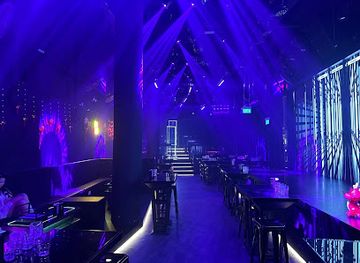
Evening life in the West Region is generally low-key and centred on neighbourhood restaurants, coffee shops, karaoke venues, hotel or mall bars and traditional pubs rather than a large nightclub district. Jurong East is the most convenient place for a meal, a film or a drink after sightseeing, with activity shaped by shopping centres and transport connections. Clementi and the university surroundings have a youthful selection of casual eateries and modest bars, although the atmosphere varies with academic calendars and individual business operations. Boon Lay and Jurong West are primarily residential, so evenings tend to focus on hawker food, family gatherings and community venues. Live entertainment and larger club options are more concentrated in Singapore’s central areas, outside this region, and are reachable by MRT or taxi when desired. Visitors should check current arrangements before planning around a particular venue, especially in districts undergoing redevelopment. The western evening experience is better understood through food, conversation and local neighbourhood activity than through a dedicated nightlife circuit.
-
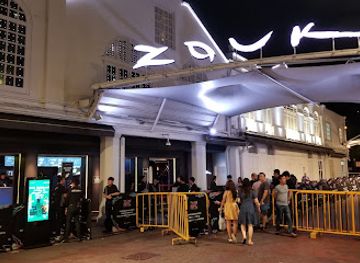
Night club
Zouk Singapore
Experience the electrifying nightlife at Zouk Singapore, a premier nightclub featuring world-class DJs and an unforgettable atmosphere.
-
Night club
XclusiV
Experience the vibrant nightlife at XclusiV, Singapore's premier nightclub, featuring top DJs, stunning visuals, and an unforgettable atmosphere.
-
Disco club
ALPHA NIGHTLIFE
Experience the electric atmosphere at Alpha Nightlife, Singapore's top disco club, with world-class DJs and unforgettable parties.
-
Night club
Black Horse Singapore
Unleash your nightlife experience at Black Horse Singapore, where vibrant parties and electrifying music come together in the heart of the city.

Best shops in West Region
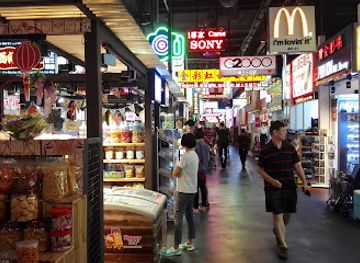
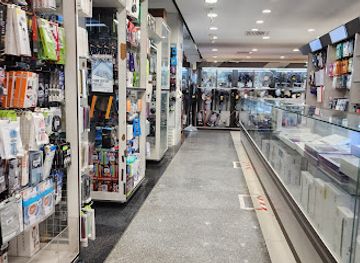
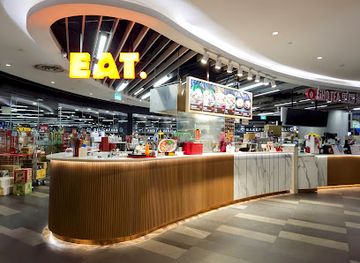
Shopping in the West Region is led by practical suburban centres rather than historic retail streets or luxury enclaves. Jurong East is the principal commercial hub, with large malls offering fashion, electronics, groceries, dining and everyday services around the MRT interchange. Clementi and Bukit Batok have similarly useful town-centre retail, while Jurong West, Boon Lay and Choa Chu Kang provide neighbourhood shops, supermarkets and small businesses serving local residents. For a more distinctly Singaporean purchase, browse food sections and hawker areas for packaged kaya, biscuits, sauces, tea, spice blends and other shelf-stable products, checking labels and airline restrictions before buying. Wet markets and neighbourhood food centres can be more interesting than polished malls, although trading hours and stall selections vary. Independent services, tuition businesses, cafés and practical shops are especially characteristic of the residential districts. Craft and design shopping is not the West Region’s defining strength, so visitors seeking galleries, antiques or specialist luxury goods may need to travel beyond it. The best approach is to combine a mall visit with a local food centre rather than expect a single concentrated shopping quarter.
-
Shopping mall
Jurong Point
Discover Jurong Point, Singapore's largest shopping mall, offering a myriad of shopping, dining, and entertainment options for an unforgettable experience.
-
Department store
Mustafa Centre
Discover the vibrant and diverse shopping experience at Mustafa Centre, Singapore's remarkable 24-hour department store.
-
Shopping mall
The Star Vista
Experience the architectural beauty and diverse shopping options at The Star Vista, Singapore's premier outlet mall for unique retail therapy.
-
Shopping mall
Bras Basah Complex
Discover the artistic essence of Singapore at Bras Basah Complex, a vibrant hub for shopping, art, and music.
Get your free copy of our complete guide to West Region, delivered straight to you.
Everything on this page, from attractions and restaurants to essentials and local phrases, in one PDF you can read offline, print or share.
Already have an account? Sign in
Your West Region guide is ready.
We'll send it to · Not you? Sign out

Getting your guide ready…
We are putting together a fresh copy of the West Region guide. This can take up to a minute.
This can take a few moments. If your browser asks, choose Allow so the download can start. You'll find the guide in your Downloads folder.
Nothing happened? Download it again
Sorry, the guide is taking longer than usual. Please try again in a minute, or get it by email instead.
West Region essentials
Currency and Payment
Safety
Emergency Situations
Do's and Don'ts
Local Tips
From Eve
Local phrases worth knowing
You don't need to get them perfect. A few words go a long way, and locals appreciate the effort.
Basics
| English | Local | Say it |
|---|---|---|
| Hello | Hi | [hai] |
| Goodbye | Bye | [bai] |
| Yes | Yeah | [yea] |
| No | Nah | [nah] |
| Please/You're welcome | No problem | [no prob-lum] |
| Thank you | Thanks | [thanks] |
| Excuse me/Sorry | Sorry | [sor-ree] |
| How are you? | How you doing? | [how yuh doin?] |
| Fine. And you? | Good. You? | [good. yuh?] |
| Do you speak English? | You speak English? | [yuh speak ing-glish?] |
| I don't understand | I don’t get it | [ai dont get it] |
Eating & Drinking
| English | Local | Say it |
|---|---|---|
| I'd like to see the menu, please | Can I see the menu? | [can ai see the menu?] |
| I don't eat meat | I no eat meat | [ai no eat meet] |
| Cheers! | Cheers! | [cheers] |
| I would like to pay, please | Can I get the bill? | [can ai get the bill?] |
Emergencies
| English | Local | Say it |
|---|---|---|
| Help! | Help! | [help] |
| Go away! | Leave me alone! | [leave me a-lone] |
| Call the Police! | Call the cops! | [call the cops] |
| Call a doctor! | Call a doc! | [call a doc] |
| I'm lost | I lost | [ai lost] |
| I'm ill | I feel sick | [ai feel sik] |
Shopping
| English | Local | Say it |
|---|---|---|
| I'd like to buy... | I wanna buy... | [ai wanna bai] |
| I'm just looking | Just looking | [just looking] |
| How much is it? | How much? | [how much?] |
| That's too expensive | That’s too pricey | [that’s too prai-see] |
| Can you lower the price? | Can you give me a discount? | [can you give me a dis-count?] |
Time & Numbers
| English | Local | Say it |
|---|---|---|
| What time is it? | What time? | [what time?] |
| It's one o'clock | It’s one | [its one] |
| Half past (10) | Half past ten | [half past ten] |
| Morning | Morning | [morning] |
| Afternoon | Afternoon | [afternoon] |
| Evening | Evening | [evening] |
| Yesterday | Yesterday | [yesterday] |
| Today | Today | [today] |
| Tomorrow | Tomorrow | [tomorrow] |
| 1 | One | [one] |
| 2 | Two | [two] |
| 3 | Three | [three] |
| 4 | Four | [four] |
| 5 | Five | [five] |
| 6 | Six | [six] |
| 7 | Seven | [seven] |
| 8 | Eight | [eight] |
| 9 | Nine | [nine] |
| 10 | Ten | [ten] |
Transport & Directions
| English | Local | Say it |
|---|---|---|
| Where's a/the...? | Where’s the...? | [where's the...?] |
| What's the address? | What’s the address? | [what's the address?] |
| Can you show me (on the map)? | Can you point it out? | [can you point it out?] |
| When's the next (bus)? | When’s the next bus? | [when's the next bus?] |
| A ticket (to ....) | A ticket to... | [a ticket to...] |
History of West Region
Early coastal settlements and western wetlands
Before modern urban development, western Singapore consisted of coastal inlets, mangroves, marshes, forest and small settlements connected to fishing, agriculture and coastal trade. Areas around Jurong, Pandan and the western shoreline were less densely populated than the island’s central districts, while waterways and tidal flats shaped movement and land use. The historical record is less monumental here than in Singapore’s civic core, but the old relationship between coast, forest and rural settlement helps explain the region’s later transformation. Much of the original landscape was altered through drainage, reclamation and large-scale infrastructure projects during the twentieth century.
The road to industrial Jurong, 1960s
Jurong’s modern history began with Singapore’s decision after self-government and independence to pursue large-scale industrialisation. The Jurong Industrial Estate was developed from the 1960s under the direction of the Jurong Town Corporation, now known as JTC Corporation. Roads, factories, worker housing, utilities and port facilities were built in what had previously been a relatively rural western district. Heavy industry, oil-related activity, engineering and manufacturing created employment and accelerated the growth of nearby new towns. The planned industrial landscape became a defining part of Singapore’s economic model and remains visible across the western part of the island.
Jurong Port and maritime expansion
The development of Jurong Port and associated waterfront infrastructure strengthened the West Region’s role in Singapore’s maritime and industrial economy. Reclamation converted sections of the coast into land for terminals, factories and logistics facilities, while new transport links connected the western estates to the rest of the island. Later expansion towards Tuas continued this process, moving port and industrial functions westwards and separating much of the operational waterfront from ordinary public access. Although visitors cannot freely explore every working harbour district, the port landscape is central to understanding why western Singapore developed differently from the historic riverfront and central business areas.
New towns and planned communities
From the later twentieth century, public housing transformed Jurong East, Jurong West, Bukit Batok, Clementi and Choa Chu Kang into large, carefully planned communities. Housing estates were built alongside schools, markets, clinics, parks, transport interchanges and commercial centres, reflecting Singapore’s integrated approach to urban planning. Jurong East emerged as a major regional centre, while the older industrial estate supplied employment close to many residential districts. The result is a landscape in which high-density housing, open parkland and industrial infrastructure often stand within a short distance of one another.
Chinese and Japanese Gardens and Jurong Lake
The Chinese Garden opened in 1975 beside Jurong Lake, followed by the Japanese Garden in 1979. Their pavilions, bridges, planting schemes and water features introduced carefully designed East Asian garden traditions into a new western urban landscape. The gardens became important recreational and cultural spaces as Jurong developed around them. In the twenty-first century, the wider lake district was reimagined through Jurong Lake Gardens, linking heritage landscapes with lawns, waterfront paths and community-oriented park design. The area demonstrates how Singapore’s planning has repeatedly adapted industrial surroundings into civic and recreational settings.
Universities and the knowledge economy
The establishment and expansion of major educational institutions gave western Singapore a second important identity alongside manufacturing. Nanyang Technological University developed its large campus in the west from the 1980s, while the National University of Singapore’s Kent Ridge campus lies in the Clementi area. Research, engineering, medicine and technology became increasingly prominent in the region’s economy, complementing established industrial activities. These campuses also introduced significant landscaped spaces, research facilities and international communities, although both remain functioning academic institutions rather than conventional visitor attractions.
Tengah and the next phase of western urban development
Tengah represents a new stage in the West Region’s evolution. Planned as a major new town, it is being developed with housing, parks, community facilities, transport links and environmental design intended to support a more car-lite neighbourhood. Its growth sits beside established towns and the Western Water Catchment, illustrating the continuing negotiation between housing demand, infrastructure, industry and green space. Because development is ongoing, the district’s appearance and transport arrangements will continue to change. For visitors, Tengah is best understood as a living example of Singapore’s contemporary urban planning rather than a finished historic quarter.
West Region in Photos
Browse through our photo collection highlighting the charm and character of the destination.
Neighbouring regions of West Region
The closest regions to West Region, if you have time for more than one.
-

-

-

-

-


Swipe for more regions
Explore more

Explore more of Singapore
Explore Singapore: A vibrant city-state where modernity meets tradition, offering world-class cuisine, stunning gardens, and unique cultural experiences.
Explore Singapore