

Free Jurong Travel Guide & Mobile App
Plan your Jurong trip with Evendo. Get free guides to top attractions, restaurants, hotels, and bars. Web access or download the mobile app.


Jurong, Singapore blends lakeside gardens, science attractions, hawker flavours and modern malls with a revealing view of the island’s industrial story.
Lakes, Gardens and Science
Jurong occupies Singapore’s western mainland, a broad urban area shaped by reservoirs, public gardens, research institutions and the industrial expansion that transformed the island after independence. Its best-known recreational centre is Jurong Lake Gardens, where lawns, wetlands, waterfront paths and community spaces surround the lake. Nearby, the Singapore Science Centre turns complex subjects into approachable exhibitions, while Snow City offers an indoor contrast to the tropical climate. Together, these attractions give Jurong a more relaxed, educational character than Singapore’s central districts.Read more about Jurong
A Planned Urban Landscape
When is the best time to visit Jurong?
Best: March, June–July · 31°C| Month | High (°C) | Rainfall (mm) |
|---|---|---|
| January | 31 | 269 |
| February | 31 | 206 |
| March (best) | 31 | 188 |
| April | 31 | 189 |
| May | 31 | 188 |
| June (best) | 31 | 183 |
| July (best) | 31 | 182 |
| August | 31 | 193 |
| September | 31 | 204 |
| October | 31 | 248 |
| November | 30 | 281 |
| December | 30 | 292 |
Getting to and around Jurong
How to get there
Transportation
Best attractions in Jurong
Jurong’s principal attractions gather around learning, landscape and everyday urban life. The Singapore Science Centre presents hands-on exhibitions covering science, technology and the natural world, making it one of the district’s most approachable cultural institutions. Next door, Snow City provides an indoor snow environment, a striking contrast to Singapore’s equatorial climate. Jurong Lake Gardens offers broad lawns, waterfront paths, themed planting and community spaces for walking and quiet observation. The Chinese Garden and Japanese Garden form part of the area’s cultural landscape, although access and facilities may change during redevelopment. In Jurong East, IMM, JEM and Westgate turn the transport interchange into a substantial retail and dining precinct, while neighbourhood markets in Yuhua and Taman Jurong show a more local side of the district. The attractions are spread across a large planned town, so MRT stations and buses are useful for linking them.
-
Zoo
Singapore Zoo
Experience the magic of wildlife up close at Singapore Zoo, a top-tier attraction showcasing conservation and education in a stunning natural setting.
34 min drive · 14 km from city centre
-
Wildlife and safari park
Night Safari
Discover the magic of nocturnal wildlife at Singapore's Night Safari, where adventure meets conservation in a captivating natural setting.
34 min drive · 14 km from city centre
-
Tourist attraction
LEGOLAND Malaysia
Discover a world of fun and adventure at LEGOLAND Malaysia, where creativity comes to life through thrilling rides and interactive LEGO experiences.
34 min drive · 14 km from city centre
-
Museum
Singapore Discovery Centre
Discover the rich history and vibrant culture of Singapore at the Singapore Discovery Centre, an interactive museum experience for all ages.
6 min drive · 2.1 km from city centre


Best landmarks in Jurong
Jurong’s landmarks express Singapore’s industrial, civic and multicultural ambitions. The Singapore Science Centre is a distinctive modern institutional building and remains a major public symbol of science education in the west. Near it, the Chinese Garden and Japanese Garden use pavilions, bridges, ponds and carefully composed planting to create a cultural landscape beside Jurong Lake; their condition and accessibility should be checked during ongoing changes. Jurong Lake Gardens is a contemporary civic landmark, reflecting Singapore’s preference for integrating recreation, ecology and community use into planned towns. The Jurong East MRT interchange and surrounding commercial towers represent the district’s later transformation into a regional centre, while the industrial installations and port infrastructure beyond the residential areas recall the manufacturing strategy that built modern Jurong. Together, these places show how the west developed from rural land into a major urban and economic landscape.
-
Shopping mall
Jurong Point
Explore Jurong Point, Singapore's premier shopping mall, where shopping, dining, and entertainment come together for an unforgettable experience.
8 min drive · 2.6 km from city centre
-
Shopping mall
Jem
Explore Jem in Jurong East, Singapore: a shopping haven with diverse retail, delectable dining, and exciting entertainment options for every visitor.
17 min drive · 5.7 km from city centre
-
Museum
Singapore Discovery Centre
Explore the vibrant history and future of Singapore at the Singapore Discovery Centre, a museum that combines education and entertainment for all ages.
6 min drive · 2.1 km from city centre
-
Science museum
Science Centre Singapore
Explore the Science Centre Singapore, a hub of innovation and learning where science comes to life through interactive exhibits and engaging presentations.
15 min drive · 4.9 km from city centre
Explore Jurong on the map
Plan your Jurong trip on one map. See where the top attractions, landmarks, restaurants, bars and hotels are, find what's near where you're staying, and book hotels and experiences in a few clicks.
Best hotels in Jurong
Best restaurants in Jurong
Jurong’s food culture is rooted less in a single signature dish than in Singapore’s multicultural hawker tradition. Yuhua Market and Hawker Centre and Taman Jurong Market and Food Centre serve familiar Chinese, Malay, Indian and regional specialities, from rice and noodle dishes to grilled foods, soups, snacks and sweet drinks. Jurong West Hawker Centre adds another neighbourhood food setting, while the malls around Jurong East provide air-conditioned restaurants, cafés and fast-casual options. Wet markets reveal the everyday shopping habits behind home cooking, with fresh produce, seafood and prepared ingredients. Visitors should expect practical, communal dining rather than formal culinary theatre: tables may be shared, queues often indicate popular stalls, and menus can vary by operator. The area’s substantial migrant and resident communities also mean that South Asian, Southeast Asian and Chinese cuisines appear across both hawker centres and commercial developments.
-
Western
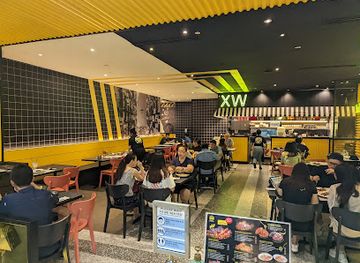
XW Western Grill
Experience delectable Western cuisine at XW Western Grill in Singapore's Jem mall - perfect for families and food lovers alike!
17 min drive · 5.8 km from city centre
-
Taiwanese
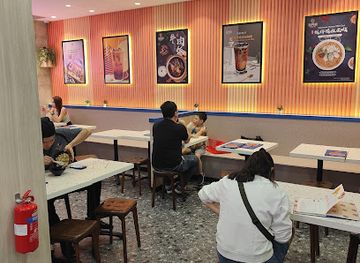
Xi Men Jie 西门街 (West Gate) Wholesome Taiwanese Meals
Experience authentic Taiwanese cuisine at Xi Men Jie in Jurong East - where tradition meets modern dining.
17 min drive · 5.7 km from city centre
-
Italian
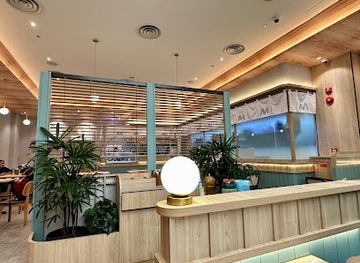
Mamma Mia Trattoria E Caffè (Jurong Point)
Experience authentic Italian cuisine at Mamma Mia Trattoria E Caffè in Jurong Point - where every dish tells a story of tradition.
8 min drive · 2.6 km from city centre
-
Fusion restaurant
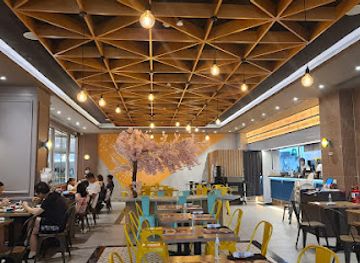
Miam Miam French Japanese Cafe Kitchen (Westgate)
Experience the delightful fusion of French and Japanese cuisine at Miam Miam French Japanese Cafe Kitchen in Singapore's vibrant Westgate.
17 min drive · 5.7 km from city centre
Best bars in Jurong
Jurong is not one of Singapore’s principal clubbing districts, and its evenings are shaped more by dining, shopping and neighbourhood sociability than by a concentrated nightlife scene. The malls around Jurong East contain restaurants, cafés and casual drinking venues where people meet after work or before a film, while the wider residential estates have smaller coffee shops and local gathering places. Public spaces around Jurong Lake can offer a calmer evening atmosphere, subject to park operating arrangements and lighting. Live entertainment is more likely to be found through performances, exhibitions and programmed activities at civic institutions than through dedicated late-night venues. Travellers seeking a dense concentration of cocktail bars, music venues or nightclubs will generally find more choice in central Singapore, which is connected to Jurong by MRT.
-
Bar
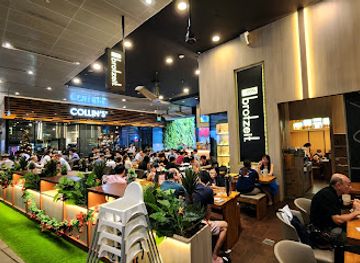
Brotzeit German Beer Bar and Restaurant - WestGate
Discover the taste of Germany at Brotzeit, a vibrant beer bar and restaurant in Jurong East, Singapore, offering authentic cuisine and a lively beer garden.
17 min drive · 5.6 km from city centre
-
Gastropub
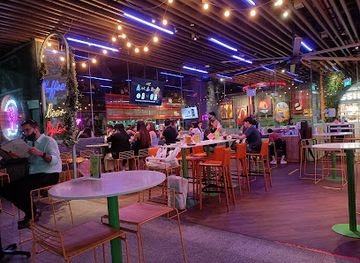
Tipsy Bunny
Experience the perfect blend of culinary delights and vibrant nightlife at Tipsy Bunny, Singapore's premier gastropub in Jurong East.
17 min drive · 5.8 km from city centre
-
Western
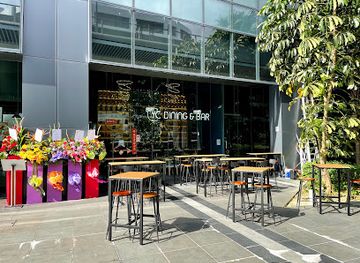
YC Dining & Bar | Western Restaurant Bar
Discover the exquisite flavors of Western cuisine at YC Dining & Bar, a top dining destination in Singapore's vibrant Jurong East.
17 min drive · 5.8 km from city centre
-
Karaoke bar
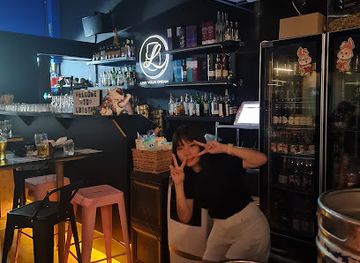
L Bistro
Experience the ultimate karaoke night at L Bistro in Singapore, where fun vibes, delicious food, and endless singing await you.
17 min drive · 5.8 km from city centre
Best nightclubs in Jurong
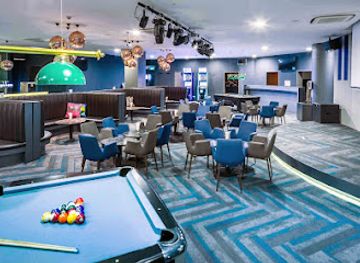
Jurong is not one of Singapore’s principal clubbing districts, and its evenings are shaped more by dining, shopping and neighbourhood sociability than by a concentrated nightlife scene. The malls around Jurong East contain restaurants, cafés and casual drinking venues where people meet after work or before a film, while the wider residential estates have smaller coffee shops and local gathering places. Public spaces around Jurong Lake can offer a calmer evening atmosphere, subject to park operating arrangements and lighting. Live entertainment is more likely to be found through performances, exhibitions and programmed activities at civic institutions than through dedicated late-night venues. Travellers seeking a dense concentration of cocktail bars, music venues or nightclubs will generally find more choice in central Singapore, which is connected to Jurong by MRT.
-
Karaoke bar
L Bistro
Experience the joy of singing at L Bistro, Singapore's top karaoke bar where unforgettable memories are made with friends and family.
17 min drive · 5.8 km from city centre
-
Karaoke bar
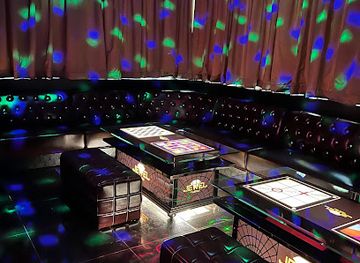
Jewel Music Box Jurong Safra
Experience the ultimate karaoke adventure at Jewel Music Box Jurong Safra, where every night is a celebration of music and joy.
7 min drive · 2.2 km from city centre
-
Karaoke bar
Tap D'Fish KTV Pub and Bistro Bar
Experience the ultimate karaoke and bistro fusion at Tap D'Fish KTV Pub and Bistro Bar in Jurong East, Singapore, where fun meets fine dining.
17 min drive · 5.8 km from city centre
-
Karaoke bar
THE CHEVRONS Aviary KTV
Experience the thrill of karaoke at THE CHEVRONS Aviary KTV - a vibrant nightlife destination in Singapore perfect for friends and families alike.
19 min drive · 6.2 km from city centre


Best shops in Jurong
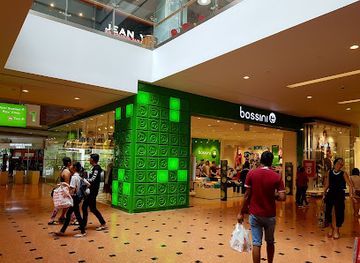
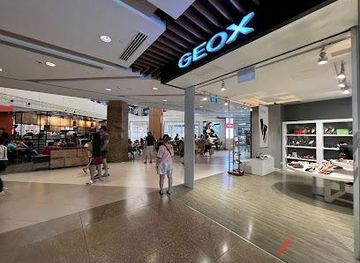
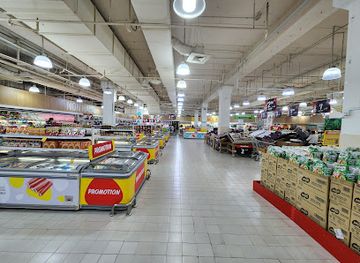
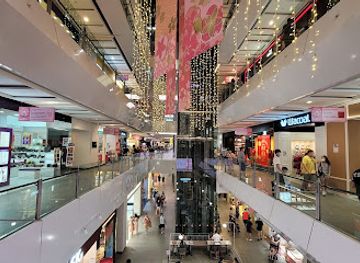
Shopping in Jurong ranges from large, air-conditioned commercial complexes to neighbourhood markets where residents buy food and household goods. Around Jurong East MRT, JEM, Westgate and IMM form the district’s principal retail cluster, combining fashion, electronics, dining and practical services; IMM is particularly associated with outlet-style shopping and factory-store retail. Jurong Point in Boon Lay serves the western housing estates with a broad mix of shops and eateries. For a more local experience, Yuhua Market and Hawker Centre and Taman Jurong Market offer fresh produce, cooked food, snacks and everyday necessities rather than souvenir merchandise. Visitors looking for Singaporean gifts may find packaged foods, tea, confectionery and small lifestyle products in malls and supermarkets, while wet markets provide a better sense of ordinary neighbourhood commerce. Retail is concentrated around transport nodes, making MRT stations useful orientation points.
-
Shopping mall
Jurong Point
Explore Singapore's largest suburban shopping mall, Jurong Point, for an exciting blend of shopping, dining, and entertainment experiences.
8 min drive · 2.6 km from city centre
-
Shopping mall
IMM Building
Explore Singapore's largest outlet mall, IMM Building, where shopping meets family fun and delicious dining.
19 min drive · 6.2 km from city centre
-
Shopping mall
IMM
Explore IMM, Singapore's largest outlet mall, where shopping meets culinary delights in Jurong East.
18 min drive · 6.1 km from city centre
-
Shopping mall
Jem
Discover a retail paradise at Jem in Jurong East, Singapore, where shopping, dining, and entertainment blend seamlessly for an unforgettable experience.
17 min drive · 5.7 km from city centre
Get your free copy of our complete guide to Jurong, delivered straight to you.
Everything on this page, from attractions and restaurants to essentials and local phrases, in one PDF you can read offline, print or share.
Already have an account? Sign in
Your Jurong guide is ready.
We'll send it to · Not you? Sign out

Getting your guide ready…
We are putting together a fresh copy of the Jurong guide. This can take up to a minute.
This can take a few moments. If your browser asks, choose Allow so the download can start. You'll find the guide in your Downloads folder.
Nothing happened? Download it again
Sorry, the guide is taking longer than usual. Please try again in a minute, or get it by email instead.
Jurong essentials
Currency and Payment
Safety
Emergency Situations
Do's and Don'ts
Local Tips
From Eve
Local phrases worth knowing
You don't need to get them perfect. A few words go a long way, and locals appreciate the effort.
Basics
| English | Local | Say it |
|---|---|---|
| Hello | 你好 | [Nǐ hǎo] |
| Goodbye | 再见 | [Zàijiàn] |
| Yes | 是的 | [Shì de] |
| No | 不 | [Bù] |
| Please/You're welcome | 请 | [Qǐng] |
| Thank you | 谢谢 | [Xièxiè] |
| Excuse me/Sorry | 对不起 | [Duìbùqǐ] |
| How are you? | 你好吗? | [Nǐ hǎo ma?] |
| Fine. And you? | 很好。你呢? | [Hěn hǎo. Nǐ ne?] |
| Do you speak English? | 你会说英语吗? | [Nǐ huì shuō yīngyǔ ma?] |
| I don't understand | 我听不懂 | [Wǒ tīng bù dǒng] |
Eating & Drinking
| English | Local | Say it |
|---|---|---|
| I'd like to see the menu, please | 请给我看菜单 | [Qǐng gěi wǒ kàn càidān] |
| I don't eat meat | 我不吃肉 | [Wǒ bù chī ròu] |
| Cheers! | 干杯! | [Gānbēi!] |
| I would like to pay, please | 请给我结账 | [Qǐng gěi wǒ jiézhàng] |
Emergencies
| English | Local | Say it |
|---|---|---|
| Help! | 帮帮我! | [Bāng bāng wǒ!] |
| Go away! | 走开! | [Zǒu kāi!] |
| Call the Police! | 叫警察! | [Jiào jǐngchá!] |
| Call a doctor! | 叫医生! | [Jiào yīshēng!] |
| I'm lost | 我迷路了 | [Wǒ mílù le] |
| I'm ill | 我病了 | [Wǒ bìng le] |
Shopping
| English | Local | Say it |
|---|---|---|
| I'd like to buy... | 我想买... | [Wǒ xiǎng mǎi...] |
| I'm just looking | 我只是看看 | [Wǒ zhǐshì kànkan] |
| How much is it? | 多少钱? | [Duōshǎo qián?] |
| That's too expensive | 太贵了 | [Tài guì le] |
| Can you lower the price? | 可以便宜点吗? | [Kěyǐ piányi diǎn ma?] |
Time & Numbers
| English | Local | Say it |
|---|---|---|
| What time is it? | 现在几点? | [Xiànzài jǐ diǎn?] |
| It's one o'clock | 一点钟 | [Yī diǎn zhōng] |
| Half past (10) | 十点半 | [Shí diǎn bàn] |
| Morning | 早上 | [Zǎoshang] |
| Afternoon | 下午 | [Xiàwǔ] |
| Evening | 晚上 | [Wǎnshang] |
| Yesterday | 昨天 | [Zuótiān] |
| Today | 今天 | [Jīntiān] |
| Tomorrow | 明天 | [Míngtiān] |
| 1 | 一 | [Yī] |
| 2 | 二 | [Èr] |
| 3 | 三 | [Sān] |
| 4 | 四 | [Sì] |
| 5 | 五 | [Wǔ] |
| 6 | 六 | [Liù] |
| 7 | 七 | [Qī] |
| 8 | 八 | [Bā] |
| 9 | 九 | [Jiǔ] |
| 10 | 十 | [Shí] |
Transport & Directions
| English | Local | Say it |
|---|---|---|
| Where's a/the...? | 哪里有... | [Nǎlǐ yǒu...] |
| What's the address? | 地址是什么? | [Dìzhǐ shì shénme?] |
| Can you show me (on the map)? | 你可以给我看地图吗? | [Nǐ kěyǐ gěi wǒ kàn dìtú ma?] |
| When's the next (bus)? | 下一班公交车什么时候? | [Xià yī bān gōngjiāochē shénme shíhòu?] |
| A ticket (to ....) | 一张票(去...) | [Yī zhāng piào (qù...)] |
History of Jurong
Rural Villages and Plantation Land
Before large-scale development, Jurong was a rural western district of Singapore characterised by villages, small farms, plantations, fishing communities and coastal wetlands. The name is commonly associated with the wider western area rather than a single historic settlement, and the landscape was considerably less urban than the residential towns visible today. Roads and waterways connected scattered communities, while the coast supported fishing and small-scale maritime activity. This rural past survives mainly through the district’s place names, surviving waterways and the contrast between its former agricultural landscape and its highly planned modern townships.
Industrialisation After Independence
Jurong became central to Singapore’s economic transformation in the 1960s, when the newly self-governing state pursued manufacturing to create employment and reduce dependence on entrepôt trade. The Jurong Town Corporation, established in 1968, developed industrial estates, roads, utilities and factory land across the west. Jurong also gained a major port and supporting infrastructure, linking manufacturing to maritime trade. The development was difficult and initially attracted scepticism, but it established a model of coordinated industrial planning that helped Singapore move rapidly from a largely trading economy towards export-oriented manufacturing.
Housing a Growing Workforce
Industrial expansion brought workers and families to the west, creating demand for planned housing, schools, markets and transport. Public housing estates developed around areas such as Jurong East, Jurong West, Boon Lay and Lakeside, replacing much of the earlier rural settlement pattern. Neighbourhood centres and hawker facilities became important social spaces, while new roads and rail connections integrated the district with the rest of Singapore. The resulting landscape was not simply a factory zone: it was a complete urban environment in which homes, employment, education and everyday commerce were deliberately positioned near one another.
Cultural and Recreational Landscapes
The creation of Jurong Lake and the Jurong Town Corporation’s Chinese Garden and Japanese Garden introduced a cultural and recreational dimension to the industrial west. The gardens, opened in the 1970s, used bridges, pavilions, ponds and landscaped planting to create spaces associated with Chinese and Japanese garden traditions. Their setting beside the lake helped establish the area as more than an industrial satellite. Later civic and educational projects, including the Singapore Science Centre, added institutions devoted to learning, leisure and public culture, reinforcing Jurong’s identity as a planned town with substantial attractions.
Jurong in Contemporary Singapore
In the late twentieth and early twenty-first centuries, Jurong East developed into a significant western commercial and transport centre, with an MRT interchange, shopping malls, offices and regional services. Jurong Lake Gardens brought together public parkland and waterfront recreation in a renewed landscape, while the Science Centre continued the district’s educational role. At the same time, the industrial areas around Jurong Island and the port remained important to Singapore’s energy, chemical and logistics sectors. Contemporary Jurong therefore reflects several stages of national development at once: rural origins, industrial ambition, public housing and an increasingly diversified urban economy.
Jurong in Photos
Browse through our photo collection highlighting the charm and character of the destination.
Cities near Jurong
The closest cities to Jurong, if you have time for more than one stop.
-

-

-

-

-


Swipe for more cities

