

Free Sentosa Travel Guide & Mobile App
Plan your Sentosa trip with Evendo. Get free guides to top attractions, restaurants, hotels, and bars. Web access or download the mobile app.


Sentosa Singapore blends island beaches, heritage forts, family attractions, coastal trails and resort experiences for relaxed city-centre escapes year-round.
An Island Shaped by Transformation
Sentosa lies just off Singapore’s southern coast, linked to the mainland by road, cable car, pedestrian boardwalk and monorail. Known today for beaches, resorts and major attractions, the island has a layered past that reaches beyond its contemporary leisure identity. Formerly called Pulau Blakang Mati, it was used for military defence during the colonial era and later became the setting for Singapore’s ambitious island-resort development. Fort Siloso, coastal artillery structures and wartime exhibits preserve traces of these earlier chapters.Read more about Sentosa
Beaches, Attractions and Coastal Landscapes
Resort Life and Open-Air Discovery
When is the best time to visit Sentosa?
Best: June–August · 31°C| Month | High (°C) | Rainfall (mm) |
|---|---|---|
| January | 30 | 273 |
| February | 30 | 198 |
| March | 31 | 238 |
| April | 31 | 206 |
| May | 31 | 143 |
| June (best) | 31 | 118 |
| July (best) | 31 | 116 |
| August (best) | 31 | 128 |
| September | 31 | 205 |
| October | 31 | 291 |
| November | 30 | 359 |
| December | 30 | 328 |
Getting to and around Sentosa
How to get there
Transportation
Best attractions in Sentosa
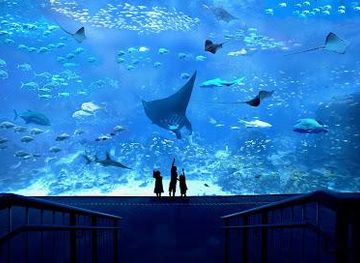
Sentosa brings together large-scale entertainment, beaches and outdoor discovery within a compact island setting. Resorts World Sentosa contains Universal Studios Singapore, where themed rides and live attractions draw families and film enthusiasts, as well as the Singapore Oceanarium, which interprets marine habitats through extensive aquarium displays. Adventure Cove Waterpark adds slides, pools and water-based activities, while the Skyline Luge offers downhill rides above the island. Along the southern shore, Siloso, Palawan and Tanjong beaches provide contrasting spaces for recreation and relaxation. Fort Siloso introduces a more historical dimension through preserved coastal-defence structures and wartime interpretation. The Sentosa Sensoryscape links parts of the island with designed gardens and interactive installations, while the Singapore Cable Car offers broad views across Keppel Harbour. Together, these attractions make Sentosa less a conventional urban district than a carefully planned leisure landscape with cultural, coastal and family-oriented experiences.
-
 Resort hotel
Resorts World Sentosa
Experience luxury and adventure at Resorts World Sentosa, Singapore's premier integrated resort with attractions, dining, and entertainment for all.
10 min walk · 0.8 km from city centre
-
Aquarium
S.E.A. Aquarium
Discover the breathtaking underwater world at S.E.A. Aquarium on Sentosa Island, home to thousands of marine species in stunning exhibits.
14 min walk · 1.2 km from city centre
-
Tourist attraction
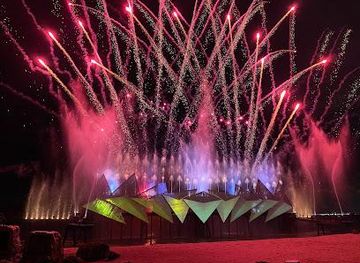
Wings of Time
Experience the enchanting Wings of Time at Siloso Beach, a mesmerizing show of light, water, and fire that brings Singapore's vibrant culture to life.
13 min walk · 1.1 km from city centre
-
Tourist attraction
Madame Tussauds Singapore
Experience the magic of Madame Tussauds Singapore, where you can meet lifelike wax figures of your favorite celebrities and historical icons in an interactive setting.
14 min walk · 1.1 km from city centre

Best landmarks in Sentosa
Fort Siloso is Sentosa’s most significant historic landmark, preserving coastal batteries, tunnels, military buildings and interpretive displays associated with Singapore’s defence history and the Second World War. The Singapore Cable Car is a modern landmark in its own right, linking Mount Faber with Sentosa in a prominent aerial route across Keppel Harbour. The island’s beaches also possess a civic and recreational significance, particularly Palawan Beach with its suspension bridge leading to a small offshore islet described as the southernmost point of continental Asia, although the geographical claim is often presented in tourism contexts with qualifications. At Resorts World Sentosa, the integrated resort complex represents Singapore’s transformation of Sentosa into an international leisure destination. The Sentosa Boardwalk and newer Sentosa Sensoryscape add contemporary public infrastructure, connecting the island’s attractions while framing views of the coast and harbour.
-
Theme park
Universal Studios Singapore
Experience the magic of movies at Universal Studios Singapore, where thrilling rides and enchanting attractions await every visitor.
7 min walk · 0.6 km from city centre
-
Resort hotel
Resorts World Sentosa
Discover the ultimate resort experience at Resorts World Sentosa, featuring Universal Studios, luxurious hotels, and breathtaking attractions in Singapore.
10 min walk · 0.8 km from city centre
-
Aquarium
S.E.A. Aquarium
Explore the S.E.A. Aquarium on Sentosa Island, a stunning marine attraction showcasing over 100,000 marine animals and promoting ocean conservation.
14 min walk · 1.2 km from city centre
-
Tourist attraction
Wings of Time
Discover the magical spectacle of Wings of Time at Siloso Beach, Singapore – an unforgettable night show of water, fire, and light!
13 min walk · 1.0 km from city centre


Explore Sentosa on the map
Plan your Sentosa trip on one map. See where the top attractions, landmarks, restaurants, bars and hotels are, find what's near where you're staying, and book hotels and experiences in a few clicks.
Neighbourhoods in Sentosa
-

-

-


Swipe for more neighbourhoods
Best hotels in Sentosa
Best restaurants in Sentosa
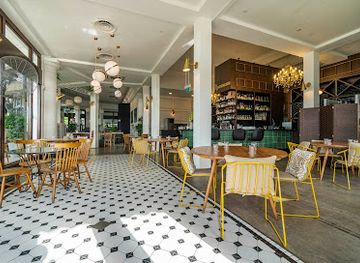
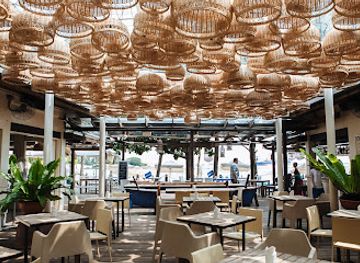
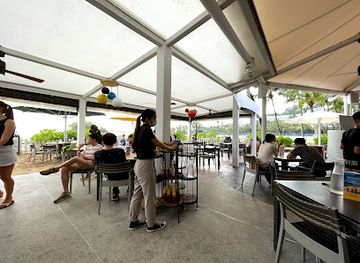
Sentosa’s dining scene reflects its resort character, with hotel restaurants, destination dining, casual cafés, beach venues and international cuisines concentrated around Resorts World Sentosa, Siloso Beach, Quayside Isle and Sentosa Cove. Visitors can find Singaporean specialities such as chicken rice, laksa, nasi lemak and chilli crab alongside seafood, Japanese, Chinese, Indian, Mediterranean and contemporary menus. Resorts World provides a broad range of polished dining settings, while the beach areas favour relaxed meals and drinks near the shoreline. Quayside Isle and the marina at Sentosa Cove offer waterside restaurants with a quieter residential atmosphere. Food courts and casual outlets are useful for faster meals between attractions, although the island generally carries resort pricing rather than the value associated with Singapore’s hawker centres. The wider city remains the stronger destination for traditional hawker culture, while Sentosa concentrates on convenience, ambience and varied international dining.
-
Restaurant
Panamericana
Experience vibrant flavors from across the Americas at Panamericana in Sentosa Golf Club – where grilling meets elegance amidst stunning views.
10 min walk · 0.8 km from city centre
-
Food court
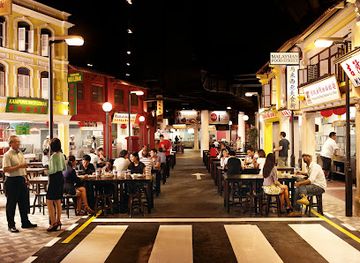
Malaysian Food Street
Experience authentic Malaysian cuisine at Malaysian Food Street in Sentosa – a must-visit destination for food lovers seeking vibrant flavors.
12 min walk · 1.0 km from city centre
-
Restaurant
Coastes
Experience beachfront dining at Coastes in Singapore – where delicious food meets stunning ocean views.
15 min walk · 1.2 km from city centre
-
Italian
Trapizza
Experience authentic Italian cuisine at Trapizza, where wood-fired pizzas meet breathtaking beach views on Siloso Beach.
5 min drive · 1.8 km from city centre
Best bars in Sentosa
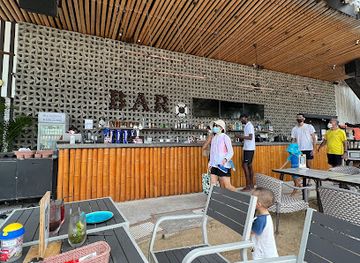
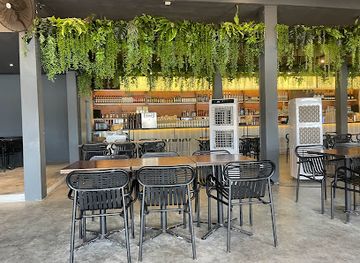
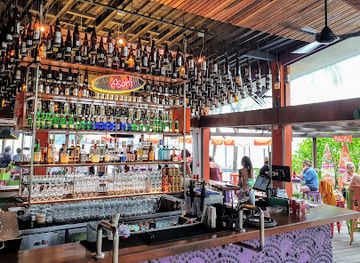
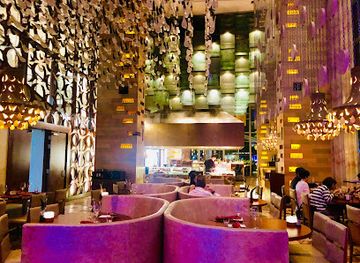
Evenings on Sentosa are generally more resort-oriented than club-centred, with beach bars, hotel lounges, marina restaurants and casual venues around Siloso Beach and Sentosa Cove. Siloso has the island’s most recognisable after-dark social atmosphere, combining music, drinks and open-air settings, while the Cove tends towards waterside dining and quieter conversation. Resorts World Sentosa offers bars, lounges, casino entertainment and evening shows, subject to applicable age and entry regulations. The Wings of Time production provides a family-friendly night-time spectacle by the sea, and selected hotels host live music or themed events. Sentosa does not match Singapore’s principal nightlife districts for density, but it offers an appealing change of pace: sunset drinks, illuminated resort promenades and organised evening entertainment rather than a continuous late-night club circuit.
-
Bar
Ola Beach Club
Experience vibrant beachside fun at Ola Beach Club in Singapore, featuring exquisite dining, refreshing cocktails, and thrilling water sports.
17 min walk · 1.3 km from city centre
-
Restaurant
Rumours Beach Club
Discover the ultimate beach dining experience at Rumours Beach Club, where culinary delights meet stunning ocean views in Sentosa.
18 min walk · 1.4 km from city centre
-
Bar
Bikini Bar
Experience the vibrant atmosphere of Bikini Bar at Siloso Beach, where delicious food and refreshing drinks meet stunning ocean views.
16 min walk · 1.2 km from city centre
-
Steak
SKIRT Restaurant
Experience culinary excellence at SKIRT Restaurant, a premier steakhouse in Singapore offering stunning views and exquisite flavors.
5 min drive · 1.8 km from city centre
Best nightclubs in Sentosa
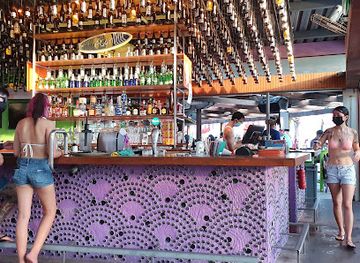
Evenings on Sentosa are generally more resort-oriented than club-centred, with beach bars, hotel lounges, marina restaurants and casual venues around Siloso Beach and Sentosa Cove. Siloso has the island’s most recognisable after-dark social atmosphere, combining music, drinks and open-air settings, while the Cove tends towards waterside dining and quieter conversation. Resorts World Sentosa offers bars, lounges, casino entertainment and evening shows, subject to applicable age and entry regulations. The Wings of Time production provides a family-friendly night-time spectacle by the sea, and selected hotels host live music or themed events. Sentosa does not match Singapore’s principal nightlife districts for density, but it offers an appealing change of pace: sunset drinks, illuminated resort promenades and organised evening entertainment rather than a continuous late-night club circuit.
-
Bar
Tanjong Beach Club
Discover the vibrant experience of Tanjong Beach Club, where sun-soaked days and lively evenings meet exquisite seafood and crafted cocktails.
10 min walk · 0.8 km from city centre
-
Bar
Ola Beach Club
Discover Ola Beach Club, Singapore's ultimate beachside bar and restaurant offering vibrant dining, thrilling water sports, and unforgettable seaside events.
17 min walk · 1.3 km from city centre
-
Bar
Bikini Bar
Discover Bikini Bar in Singapore: A vibrant beachside bar and restaurant offering delicious food, refreshing cocktails, and stunning seaside views.
16 min walk · 1.2 km from city centre
-
Bar
Casino Royale Bar
Discover the lively atmosphere and eclectic drinks at Casino Royale Bar, a premier nightlife destination in Singapore's Southern Islands.
12 min walk · 1.0 km from city centre



Best shops in Sentosa
Shopping on Sentosa is concentrated within resorts and attraction precincts rather than a traditional retail district. Resorts World Sentosa contains boutiques, souvenir shops and specialist outlets serving visitors to Universal Studios Singapore and other attractions, while Quayside Isle and Sentosa Cove offer a smaller selection of lifestyle retailers and marina-oriented businesses. Shops around the beaches and major attractions stock swimwear, gifts, toys, themed merchandise and practical holiday items. Visitors seeking Singaporean food products, crafts, textiles, antiques or a large choice of independent retailers will find a broader selection on the mainland, particularly in areas such as Chinatown, Kampong Gelam and Little India. On Sentosa, shopping is chiefly about convenience and themed souvenirs: character goods, resort clothing, small gifts and mementoes connected with the island’s attractions and coastal setting.
-
Shopping mall
VivoCity
Explore VivoCity, Singapore's largest shopping mall, featuring diverse retail, dining options, and stunning waterfront views, perfect for every tourist.
5 min drive · 1.7 km from city centre
-
Shopping mall
HarbourFront Centre
Discover the vibrant HarbourFront Centre, Singapore's premier shopping mall with stunning waterfront views and diverse dining options.
5 min drive · 1.8 km from city centre
-
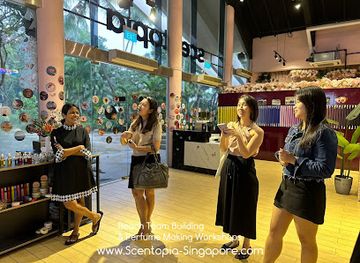
Tourist attraction
Scentopia
Immerse yourself in the captivating world of fragrances at Scentopia, an enchanting tourist attraction on Sentosa Island, Singapore.
5 min drive · 1.5 km from city centre
-
Gift shop
Universal Studios Store
Explore the Universal Studios Store in Sentosa for unique movie merchandise, collectibles, and souvenirs that bring your favorite films to life.
11 min walk · 0.9 km from city centre


Get your free copy of our complete guide to Sentosa, delivered straight to you.
Everything on this page, from attractions and restaurants to essentials and local phrases, in one PDF you can read offline, print or share.
Already have an account? Sign in
Your Sentosa guide is ready.
We'll send it to · Not you? Sign out

Getting your guide ready…
We are putting together a fresh copy of the Sentosa guide. This can take up to a minute.
This can take a few moments. If your browser asks, choose Allow so the download can start. You'll find the guide in your Downloads folder.
Nothing happened? Download it again
Sorry, the guide is taking longer than usual. Please try again in a minute, or get it by email instead.
Sentosa essentials
Currency and Payment
Safety
Emergency Situations
Do's and Don'ts
Local Tips
From Eve
Local phrases worth knowing
You don't need to get them perfect. A few words go a long way, and locals appreciate the effort.
Basics
| English | Local | Say it |
|---|---|---|
| Hello | 你好 | [Nǐ hǎo] |
| Goodbye | 再见 | [Zàijiàn] |
| Yes | 是的 | [Shì de] |
| No | 不 | [Bù] |
| Please/You're welcome | 请 | [Qǐng] |
| Thank you | 谢谢 | [Xièxiè] |
| Excuse me/Sorry | 对不起 | [Duìbùqǐ] |
| How are you? | 你好吗? | [Nǐ hǎo ma?] |
| Fine. And you? | 很好。你呢? | [Hěn hǎo. Nǐ ne?] |
| Do you speak English? | 你会说英文吗? | [Nǐ huì shuō yīngwén ma?] |
| I don't understand | 我不明白 | [Wǒ bù míngbái] |
Eating & Drinking
| English | Local | Say it |
|---|---|---|
| I'd like to see the menu, please | 请给我看菜单 | [Qǐng gěi wǒ kàn càidān] |
| I don't eat meat | 我不吃肉 | [Wǒ bù chī ròu] |
| Cheers! | 干杯! | [Gānbēi!] |
| I would like to pay, please | 请结账 | [Qǐng jiézhàng] |
Emergencies
| English | Local | Say it |
|---|---|---|
| Help! | 救命! | [Jiùmìng!] |
| Go away! | 走开! | [Zǒu kāi!] |
| Call the Police! | 报警! | [Bàojǐng!] |
| Call a doctor! | 请叫医生! | [Qǐng jiào yīshēng!] |
| I'm lost | 我迷路了 | [Wǒ mílù le] |
| I'm ill | 我生病了 | [Wǒ shēngbìng le] |
Shopping
| English | Local | Say it |
|---|---|---|
| I'd like to buy... | 我想买... | [Wǒ xiǎng mǎi...] |
| I'm just looking | 我只是看看 | [Wǒ zhǐshì kàn kàn] |
| How much is it? | 多少钱? | [Duōshǎo qián?] |
| That's too expensive | 太贵了 | [Tài guì le] |
| Can you lower the price? | 可以讲价吗? | [Kěyǐ jiǎngjià ma?] |
Time & Numbers
| English | Local | Say it |
|---|---|---|
| What time is it? | 现在几点? | [Xiànzài jǐ diǎn?] |
| It's one o'clock | 一点了 | [Yī diǎn le] |
| Half past (10) | 十点半 | [Shí diǎn bàn] |
| Morning | 早上 | [Zǎoshang] |
| Afternoon | 下午 | [Xiàwǔ] |
| Evening | 晚上 | [Wǎnshang] |
| Yesterday | 昨天 | [Zuótiān] |
| Today | 今天 | [Jīntiān] |
| Tomorrow | 明天 | [Míngtiān] |
| 1 | 一 | [Yī] |
| 2 | 二 | [Èr] |
| 3 | 三 | [Sān] |
| 4 | 四 | [Sì] |
| 5 | 五 | [Wǔ] |
| 6 | 六 | [Liù] |
| 7 | 七 | [Qī] |
| 8 | 八 | [Bā] |
| 9 | 九 | [Jiǔ] |
| 10 | 十 | [Shí] |
Transport & Directions
| English | Local | Say it |
|---|---|---|
| Where's a/the...? | 哪里有...? | [Nǎlǐ yǒu...?] |
| What's the address? | 地址是什么? | [Dìzhǐ shì shénme?] |
| Can you show me (on the map)? | 可以给我看地图吗? | [Kěyǐ gěi wǒ kàn dìtú ma?] |
| When's the next (bus)? | 下一班(公共汽车)什么时候? | [Xià yī bān (gōnggòng qìchē) shénme shíhòu?] |
| A ticket (to ....) | 一张票(去...) | [Yī zhāng piào (qù...)] |
History of Sentosa
Pulau Blakang Mati Before Sentosa
Before its resort era, the island was known as Pulau Blakang Mati, a name commonly translated as “island behind death”, although the origins and interpretation of the name have been discussed in different historical accounts. Its position at the entrance to Keppel Harbour gave it strategic importance, while coastal communities and maritime activity formed part of the wider history of Singapore’s southern islands. The landscape was shaped by forest, hills and shoreline rather than the roads, hotels and attractions visible today. British surveys and the development of Singapore as a major port increased the island’s military significance during the nineteenth century, setting the stage for the fortifications that remain among Sentosa’s most meaningful historic sites.
British Coastal Defence
During the nineteenth and early twentieth centuries, the British developed Singapore’s southern coastline as part of a defensive system protecting the harbour and approaches to the port. Fort Siloso, completed in the late nineteenth century and expanded over time, formed the principal surviving military complex on Sentosa. Gun emplacements, command posts, tunnels and observation structures reflected the importance attached to controlling access by sea. Other batteries and installations occupied the island’s high ground and shoreline. Although many military features have disappeared or been adapted, Fort Siloso’s surviving structures provide tangible evidence of Singapore’s role within the British imperial defence network before the Second World War.
War and Japanese Occupation
Sentosa became part of Singapore’s wartime defensive landscape during the Second World War. British forces operated coastal guns and other installations on the island, but Singapore fell to Japan in February 1942. The Japanese occupation lasted until 1945 and brought profound political, social and economic upheaval across Singapore. Fort Siloso later became a place where visitors could examine this period through preserved military structures, documents and interpretation concerning the fall of Singapore and the occupation. The island’s wartime history is therefore not separate from the wider story of Singapore’s transition from British colony through occupation to post-war self-government and independence.
From Military Island to Recreation
After the war, the island gradually moved away from its military role as Singapore pursued economic development and sought new spaces for recreation. In 1967, the British government transferred Sentosa to Singapore, and extensive planning followed for its redevelopment. In 1970, the island was officially renamed Sentosa, derived from a Malay word associated with peace and tranquillity. The new identity accompanied landscaping, road construction, leisure facilities and public access. This transformation reflected a wider nation-building project: Singapore was creating places for recreation and tourism while reshaping former colonial and military landscapes for a rapidly modernising population.
The Modern Resort Era
Sentosa’s contemporary development accelerated with the opening of the Singapore Cable Car in 1974, which created a dramatic connection from Mount Faber across the harbour. Beaches, hotels, attractions and transport links followed, turning the island into a major leisure district. Later projects expanded its international tourism role, particularly the opening of Resorts World Sentosa in 2010 with Universal Studios Singapore, hotels, a casino and marine attractions. More recent investment has focused on pedestrian connections, coastal experiences and the Sentosa Sensoryscape. Alongside this continual reinvention, Fort Siloso and the island’s remaining military landscapes preserve a historical counterpoint to its resort identity.
Sentosa in Photos
Browse through our photo collection highlighting the charm and character of the destination.
Cities near Sentosa
The closest cities to Sentosa, if you have time for more than one stop.
-

-

-

-

-


Swipe for more cities
Explore more

Explore more of Singapore
Explore Singapore: A vibrant city-state where modernity meets tradition, offering world-class cuisine, stunning gardens, and unique cultural experiences.
Explore Singapore