

Free Sentosa Island Travel Guide & Mobile App
Explore Sentosa Island with free travel guides. Discover regional history, expert tips, proposed trips, and audio guides on web or mobile app.


Sentosa Island combines Singapore’s beaches, theme parks, heritage forts, ocean attractions, dining and outdoor adventures in one resort destination.
Read more about Sentosa Island
When is the best time to visit Sentosa Island?
Best: February–March, June · 31–32°C| Month | High (°C) | Rainfall (mm) |
|---|---|---|
| January | 31 | 200 |
| February (best) | 31 | 150 |
| March (best) | 31 | 180 |
| April | 32 | 200 |
| May | 32 | 200 |
| June (best) | 32 | 180 |
| July | 31 | 200 |
| August | 31 | 190 |
| September | 31 | 190 |
| October | 31 | 210 |
| November | 31 | 230 |
| December | 31 | 250 |
Getting to and around Sentosa Island
How to get there
Transportation
Top city travel guides in Sentosa Island
The cities of Sentosa Island, and the easiest places to base yourself.

Swipe for more cities
Best attractions in Sentosa Island
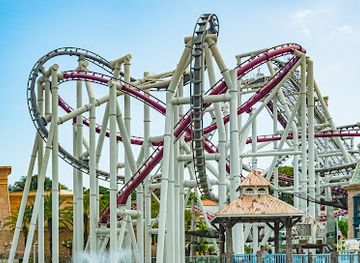
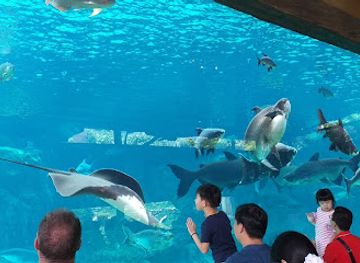
Sentosa’s attractions combine large-scale entertainment with beaches, greenery and military heritage. Resorts World Sentosa is the island’s principal concentration of ticketed experiences, including Universal Studios Singapore and the Singapore Oceanarium, while family visitors can also find indoor and interactive activities in the surrounding resort complex. The Skyline Luge and Singapore Cable Car provide elevated views and active ways to move through the landscape. Along the southern shore, Siloso, Palawan and Tanjong beaches offer different settings for swimming, recreation, relaxation and beach dining, subject to current conditions and safety notices. Fort Siloso adds historical depth through gun emplacements, tunnels, trails and displays linked to Singapore’s wartime and coastal-defence history. Other possibilities include nature walks, golf, spas, zipline and adventure facilities, and guided experiences focused on the island’s ecology or heritage. Sentosa is compact by regional standards but its attractions are dispersed across wooded slopes and resort precincts, so visitors should allow for transfers rather than assuming every sight is immediately walkable from the next.
-
Tourist attraction
Universal Studios Singapore
Discover the magic of movies at Universal Studios Singapore, where thrilling rides and beloved characters create unforgettable memories.
-
 Resort hotel
Resorts World Sentosa
Experience the ultimate blend of entertainment, luxury, and adventure at Resorts World Sentosa, Singapore's top resort destination.
-
S.E.A. Aquarium
Experience the mesmerizing underwater world at the S.E.A. Aquarium, a must-visit attraction in Singapore showcasing marine life and conservation efforts.
-
Tourist attraction
Wings of Time
Discover the magic of Wings of Time, Singapore's renowned night show featuring spectacular water, fire, and light displays set against Siloso Beach.

Best landmarks in Sentosa Island
Fort Siloso is Sentosa’s most important historic landmark, preserving coastal guns, military buildings, tunnels and interpretive features on the island’s western side. Its position overlooking the Singapore Strait helps explain why this ground was chosen for defence, while the surviving structures connect the island to Singapore’s colonial military history and the events of 1942. The Singapore Cable Car is a modern landmark rather than a historic monument, linking Sentosa’s hills with Mount Faber and creating a conspicuous aerial route across the harbour; its mainland stations are outside the island. Sentosa’s three principal beaches form a different kind of landmark landscape: Siloso’s developed shoreline, Palawan’s family-oriented coast and Tanjong’s more open beach reflect the island’s planned resort identity. The Merlion statue that once stood on Sentosa was removed in 2019, so it should not be presented as a current island landmark. Today, the island’s most recognisable modern architecture is concentrated around Resorts World Sentosa, whose hotels, theatres and ocean-focused attractions define the northern resort precinct.
-
Theme park
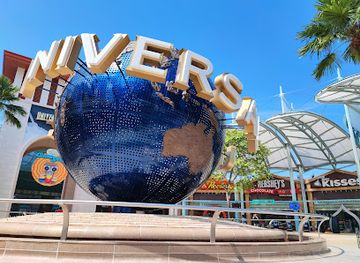
Universal Studios Singapore
Discover the exhilarating world of Universal Studios Singapore, where movie magic and thrilling adventures await at every turn.
-
Resort hotel
Resorts World Sentosa
Discover the ultimate vacation experience at Resorts World Sentosa, Singapore's premier resort with world-class attractions, dining, and entertainment.
-
Aquarium
S.E.A. Aquarium
Explore the wonders of the ocean at the S.E.A. Aquarium in Singapore, where you can encounter diverse marine life and learn about ocean conservation.
-
Tourist attraction
Wings of Time
Discover Wings of Time, Singapore's stunning outdoor night show that combines water, fire, and laser effects for an unforgettable experience.


Explore Sentosa Island on the map
Plan your trip on one map. See where the top cities, national parks and sights are, and book hotels and experiences in a few clicks.
Best hotels in Sentosa Island
Best restaurants in Sentosa Island
Dining on Sentosa ranges from casual cafés and beachside venues to hotels, international restaurants and the substantial food offering around Resorts World Sentosa. Visitors can find Singaporean favourites such as chicken rice, laksa, satay and local-style seafood alongside Japanese, Chinese, Korean, Indian, Italian and contemporary menus. Beach areas suit relaxed meals and drinks with views, while resort restaurants provide more formal settings and air-conditioned comfort. Prices vary considerably, with major attractions and hotels often costing more than comparable venues in mainland neighbourhoods. Singapore’s multicultural food culture is not exclusive to Sentosa, but the island offers a convenient resort-based introduction to it. Menus may change with events, hotel operations and seasonal programming, so it is sensible to check current availability, especially when planning meals around timed attraction visits. Hawker-style food and a wider range of everyday local dining are generally easier to find on the mainland than within the resort precincts.
-
Food court
Food Republic @ VivoCity
Explore the diverse flavors of Singapore at Food Republic @ VivoCity – a vibrant food court offering local and international delights.
-
Restaurant
Panamericana
Experience the rich flavors of Latin America at Panamericana in Sentosa Golf Club - where every meal is a celebration.
-
Food court
Malaysian Food Street
Experience authentic Malaysian cuisine at Malaysian Food Street - a vibrant food court showcasing diverse flavors and culinary traditions.
-
Italian
Trapizza
Experience authentic Italian cuisine at Trapizza – where delicious pizza meets breathtaking beachfront views in Singapore.


Best bars in Sentosa Island
Sentosa’s evening scene is concentrated around beach venues, hotels and Resorts World Sentosa rather than resembling the dense bar districts of central Singapore. Siloso Beach has the island’s strongest association with casual evening drinks, music and beach-club culture, while Palawan and Tanjong offer a generally more relaxed atmosphere outside organised events. Resort hotels and restaurants provide cocktail bars, lounges and dining-led evenings, and the wider entertainment complex may host performances or late activities depending on its current programme. Nightclubs are not the defining feature of the island, and opening arrangements can change, particularly for seasonal beach events. Visitors seeking a broad choice of late-night bars, live music rooms or clubs may prefer to continue to mainland districts such as Clarke Quay, Boat Quay or Kampong Gelam, which are outside Sentosa and require a journey back across the city. Evening plans should account for the last practical transport connection and the time needed to cross the island.
-
Bar
Tanjong Beach Club
Experience the ultimate beachside retreat at Tanjong Beach Club in Singapore, where luxury meets relaxation and delight awaits.
-
Bar
Ola Beach Club
Experience the vibrant Ola Beach Club, where relaxation meets adventure in the heart of Singapore's stunning Siloso Beach.
-
Bar
Coastes - Beach Bar & Restaurant | Siloso Beach, Sentosa
Discover the vibrant atmosphere of Coastes, a beach bar and restaurant in Sentosa, where relaxation meets culinary delight by the sea.
-
Spanish
FOC by the Beach
Experience the best of Spanish cuisine at FOC by the Beach, a vibrant beach club in Singapore offering stunning views and delicious dishes.


Best nightclubs in Sentosa Island
Sentosa’s evening scene is concentrated around beach venues, hotels and Resorts World Sentosa rather than resembling the dense bar districts of central Singapore. Siloso Beach has the island’s strongest association with casual evening drinks, music and beach-club culture, while Palawan and Tanjong offer a generally more relaxed atmosphere outside organised events. Resort hotels and restaurants provide cocktail bars, lounges and dining-led evenings, and the wider entertainment complex may host performances or late activities depending on its current programme. Nightclubs are not the defining feature of the island, and opening arrangements can change, particularly for seasonal beach events. Visitors seeking a broad choice of late-night bars, live music rooms or clubs may prefer to continue to mainland districts such as Clarke Quay, Boat Quay or Kampong Gelam, which are outside Sentosa and require a journey back across the city. Evening plans should account for the last practical transport connection and the time needed to cross the island.
-
Beach club
Tanjong Beach Club
Experience the ultimate beachside relaxation at Tanjong Beach Club, Singapore's premier destination for sun, sand, and sumptuous dining.
-
Bar
Ola Beach Club
Experience the ultimate beachside escape at Ola Beach Club in Singapore, where relaxation and adventure unite on the stunning shores of Siloso Beach.
-
Restaurant
Rumours Beach Club
Experience the ultimate beach getaway at Rumours Beach Club, where luxury meets relaxation on the shores of Sentosa.
-
Bar
Bikini Bar - Beachfront Bar on Siloso Beach, Sentosa
Experience the ultimate beachfront escape at Bikini Bar on Siloso Beach, where delicious cocktails and stunning views come together for an unforgettable day.



Best shops in Sentosa Island
Shopping on Sentosa is principally convenience- and leisure-oriented rather than a destination for extensive high-street retail. Resorts World Sentosa and the island’s hotels contain shops selling souvenirs, children’s merchandise, fashion, beauty products and attraction-related goods, while beach areas offer practical items, resort clothing and gifts. Visitors can also find Singapore-themed products, snacks and small craft or design pieces, although selection and individual retailers change over time. For traditional markets, independent boutiques, antiques, textiles, jewellery and a broader range of local food products, mainland districts such as Chinatown, Little India, Kampong Gelam and Orchard Road offer more variety and are outside Sentosa. The island is most useful for buying gifts linked to its attractions, comfortable holiday clothing, beach essentials and packaged Singaporean treats. Check baggage and customs restrictions before purchasing food, skincare or other products intended for international travel.
-
Shopping mall
VivoCity
Experience the ultimate shopping, dining, and entertainment at VivoCity, Singapore's largest and most vibrant shopping mall located at HarbourFront.
-
Aquarium
S.E.A. Aquarium
Explore the depths of the ocean at the S.E.A. Aquarium, a mesmerizing journey through the wonders of marine life on Sentosa Island.
-
Shopping mall
Clarke Quay Central
Discover Clarke Quay Central: Singapore's vibrant shopping mall blending modern retail and rich cultural heritage in the heart of the city.
-
Shopping mall
HarbourFront Centre
Experience shopping, dining, and entertainment at HarbourFront Centre, a vibrant mall with stunning waterfront views in Singapore.


Get your free copy of our complete guide to Sentosa Island, delivered straight to you.
Everything on this page, from attractions and restaurants to essentials and local phrases, in one PDF you can read offline, print or share.
Already have an account? Sign in
Your Sentosa Island guide is ready.
We'll send it to · Not you? Sign out

Getting your guide ready…
We are putting together a fresh copy of the Sentosa Island guide. This can take up to a minute.
This can take a few moments. If your browser asks, choose Allow so the download can start. You'll find the guide in your Downloads folder.
Nothing happened? Download it again
Sorry, the guide is taking longer than usual. Please try again in a minute, or get it by email instead.
Sentosa Island essentials
Currency and Payment
Safety
Emergency Situations
Do's and Don'ts
Local Tips
From Eve
Local phrases worth knowing
You don't need to get them perfect. A few words go a long way, and locals appreciate the effort.
Basics
| English | Local | Say it |
|---|---|---|
| Hello | Hello | [həˈloʊ] |
| Goodbye | Goodbye | [ɡʊdˈbaɪ] |
| Yes | Yes | [jɛs] |
| No | No | [noʊ] |
| Please/You're welcome | Please/You're welcome | [pliz/jʊr ˈwɛlkəm] |
| Thank you | Thank you | [θæŋk ju] |
| Excuse me/Sorry | Excuse me/Sorry | [ɪkˈskjus mi/ˈsɔri] |
| How are you? | How are you? | [haʊ ɑr ju] |
| Fine. And you? | Fine. And you? | [faɪn. ənd ju] |
| Do you speak English? | Do you speak English? | [du jʊ spiːk ˈɪŋɡlɪʃ] |
| I don't understand | I don't understand | [aɪ doʊnt ˌʌndərˈstænd] |
Eating & Drinking
| English | Local | Say it |
|---|---|---|
| I'd like to see the menu, please | I'd like to see the menu, please | [aɪd laɪk tə si ðə ˈmɛnju, pliz] |
| I don't eat meat | I don't eat meat | [aɪ doʊnt iːt miːt] |
| Cheers! | Cheers! | [tʃɪrz] |
| I would like to pay, please | I would like to pay, please | [aɪ wʊd laɪk tə peɪ, pliz] |
Emergencies
| English | Local | Say it |
|---|---|---|
| Help! | Help! | [hɛlp] |
| Go away! | Go away! | [ɡoʊ əˈweɪ] |
| Call the Police! | Call the Police! | [kɔl ðə pəˈlis] |
| Call a doctor! | Call a doctor! | [kɔl ə ˈdɑktər] |
| I'm lost | I'm lost | [aɪm lɔst] |
| I'm ill | I'm ill | [aɪm ɪl] |
Shopping
| English | Local | Say it |
|---|---|---|
| I'd like to buy... | I'd like to buy... | [aɪd laɪk tə baɪ...] |
| I'm just looking | I'm just looking | [aɪm dʒʌst ˈlʊkɪŋ] |
| How much is it? | How much is it? | [haʊ mʌtʃ ɪz ɪt] |
| That's too expensive | That's too expensive | [ðæts tu ɪkˈspɛnsɪv] |
| Can you lower the price? | Can you lower the price? | [kæn jʊ ˈloʊər ðə praɪs] |
Time & Numbers
| English | Local | Say it |
|---|---|---|
| What time is it? | What time is it? | [wʌt taɪm ɪz ɪt] |
| It's one o'clock | It's one o'clock | [ɪts wʌn əˈklɑk] |
| Half past (10) | Half past (10) | [hæf pæst (10)] |
| Morning | Morning | [ˈmɔrnɪŋ] |
| Afternoon | Afternoon | [ˌæftərˈnun] |
| Evening | Evening | [ˈivnɪŋ] |
| Yesterday | Yesterday | [ˈjɛstərdeɪ] |
| Today | Today | [təˈdeɪ] |
| Tomorrow | Tomorrow | [təˈmɔroʊ] |
| 1 | 1 | [wʌn] |
| 2 | 2 | [tu] |
| 3 | 3 | [θri] |
| 4 | 4 | [fɔr] |
| 5 | 5 | [faɪv] |
| 6 | 6 | [sɪks] |
| 7 | 7 | [sɛvən] |
| 8 | 8 | [eɪt] |
| 9 | 9 | [naɪn] |
| 10 | 10 | [tɛn] |
Transport & Directions
| English | Local | Say it |
|---|---|---|
| Where's a/the...? | Where's a/the...? | [wɛrz ə/ðə...?] |
| What's the address? | What's the address? | [wʌts ði əˈdrɛs?] |
| Can you show me (on the map)? | Can you show me (on the map)? | [kæn jʊ ʃoʊ mi (ɑn ðə mæp)?] |
| When's the next (bus)? | When's the next (bus)? | [wɛnʤ ðə nɛkst (bʌs)?] |
| A ticket (to ....) | A ticket (to ....) | [ə ˈtɪkɪt (tə ....)] |
History of Sentosa Island
Early Island Names and Maritime Setting
Sentosa was historically known as Pulau Belakang Mati, a Malay name commonly translated as the island behind death, although the name’s precise origins and interpretations are debated. Its position at the southern approaches to Singapore placed it within a busy maritime environment shaped by trade, fishing, navigation and regional movement. Colonial accounts also associated the island with piracy, though such descriptions reflected the concerns and categories of their time. Before its resort redevelopment, Sentosa was a sparsely populated island whose significance came chiefly from its strategic location beside the Singapore Strait.
Colonial Coastal Defences
As Singapore developed into a British trading port, the waters around the island became part of a wider defensive system. Fort Siloso, constructed in the late nineteenth century and later expanded, guarded the western entrance to Keppel Harbour with coastal guns, batteries, tunnels and supporting installations. Sentosa’s military role was connected to Singapore’s wider strategic importance rather than isolated from it. The surviving fortifications provide physical evidence of the way colonial authorities sought to control shipping approaches and protect the harbour.
The Second World War and the Fall of Singapore
During the Second World War, Sentosa formed part of Singapore’s military landscape. Fort Siloso’s guns were intended primarily for attacks from the sea, while the Japanese advance came down the Malay Peninsula. Singapore surrendered to Japan in February 1942, and the island subsequently experienced the occupation that affected the whole city. The fort and its associated structures are now among the most tangible places on Sentosa for understanding the military crisis of 1942, although they represent only one part of the wider wartime history.
Post-war Military Island
After the war, Sentosa remained associated with Singapore’s armed forces and coastal security. Military installations, restricted access and undeveloped land shaped the island’s character for decades, contrasting sharply with its later image as a public leisure destination. The island’s built remains, roads and wooded areas still reflect aspects of this transitional period. As Singapore’s economy and urban population grew, the government increasingly considered ways to open the island to recreation while retaining selected heritage structures.
Renaming and Resort Redevelopment
In 1969, the island was renamed Sentosa, a name derived from Malay and associated with peace and tranquillity. Large-scale redevelopment followed in the 1970s, introducing access infrastructure, landscaped spaces, accommodation and leisure facilities. This transformation was part of Singapore’s broader effort to expand tourism and create public recreational areas in a rapidly urbanising city-state. Beaches were shaped and landscaped, while selected military remains were conserved alongside modern attractions, creating the contrasting historic and resort character visitors see today.
Resorts World and Contemporary Sentosa
The opening of Resorts World Sentosa in 2010 marked a major new phase in the island’s development. Its integrated resort brought Universal Studios Singapore, casino and hotel facilities, restaurants and later ocean-focused attractions into one substantial complex. Sentosa has since continued to combine entertainment, hospitality, nature, heritage and events, while Singapore has promoted the island as a leading leisure and tourism district. Its present landscape is therefore the result of several successive transformations rather than a single traditional settlement history.
Sentosa Island in Photos
Browse through our photo collection highlighting the charm and character of the destination.
Neighbouring regions of Sentosa Island
The closest regions to Sentosa Island, if you have time for more than one.
-

-

-

-
-


Swipe for more regions
Explore more

Explore more of Singapore
Explore Singapore: A vibrant city-state where modernity meets tradition, offering world-class cuisine, stunning gardens, and unique cultural experiences.
Explore Singapore