

Free Kampong Glam Travel Guide & Mobile App
Explore Kampong Glam with free travel guides. Discover regional history, expert tips, proposed trips, and audio guides on web or mobile app.


Explore Kampong Glam in Singapore for Sultan Mosque, Malay-Arab heritage, conserved shophouses, textiles, cafés and creative street life.
Read more about Kampong Glam
When is the best time to visit Kampong Glam?
Best: February, July, September · 30–31°C| Month | High (°C) | Rainfall (mm) |
|---|---|---|
| January | 30 | 235 |
| February (best) | 30 | 165 |
| March | 31 | 184 |
| April | 31 | 166 |
| May | 31 | 171 |
| June | 31 | 161 |
| July (best) | 31 | 154 |
| August | 31 | 167 |
| September (best) | 31 | 153 |
| October | 31 | 191 |
| November | 30 | 243 |
| December | 30 | 287 |
Getting to and around Kampong Glam
How to get there
Transportation
Best attractions in Kampong Glam
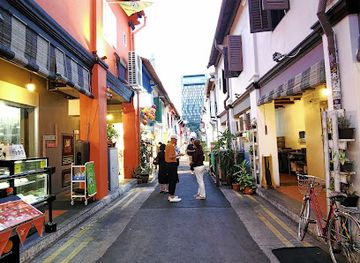
Kampong Glam’s attractions are concentrated within a walkable heritage quarter, but they represent several different kinds of experience. Sultan Mosque provides the district’s central religious and architectural focus, while the former Istana Kampong Gelam and the Malay Heritage Centre building connect the neighbourhood to Singapore’s Malay royal history and cultural institutions; visitors should verify current museum access before travelling. Conserved shophouses along Arab Street, Bussorah Street and North Bridge Road reveal the commercial history of the area through their façades, shopfronts and specialist businesses. Haji Lane and Bali Lane offer a more contemporary side, with independent retail, cafés, murals and small creative venues. Food is itself a major attraction, ranging from Malay and Indonesian specialities to Indian Muslim and Middle Eastern cooking. Kampong Glam is not a large parkland or museum district, so its appeal lies in close observation: architectural details, religious life, street-level commerce and the contrast between restored buildings and newer businesses. Its central position also makes it easy to combine with nearby Bugis and the Civic District, although those neighbouring areas are outside Kampong Glam proper.
-
Mosque
Sultan Mosque
Explore the architectural beauty and cultural significance of the Sultan Mosque in Kampong Glam, Singapore's vibrant heritage district.
-
Bridge
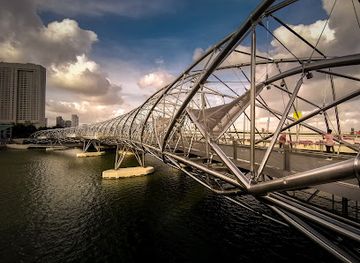
The Helix (Helix Bridge)
Discover the Helix Bridge in Singapore, a stunning architectural marvel connecting Marina Centre to Marina South with breathtaking views and unique design.
-
Tourist attraction
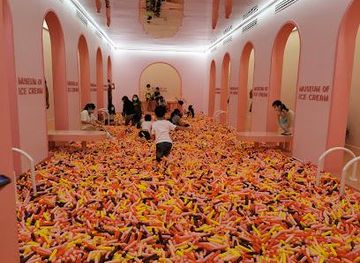
MUSEUM OF ICE CREAM SINGAPORE
Explore the whimsical Museum of Ice Cream Singapore, a unique attraction where art and ice cream collide for an unforgettable experience.
-
Tourist attraction
Boat Quay
Experience the lively fusion of history and modernity at Boat Quay, Singapore's vibrant riverside destination for dining and entertainment.

Best landmarks in Kampong Glam
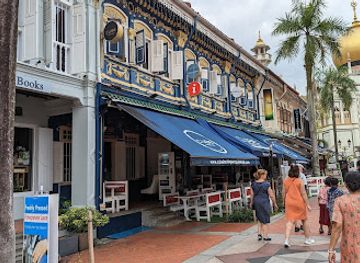
Sultan Mosque is Kampong Glam’s defining landmark, recognised by its gold-coloured domes, broad prayer hall and prominent position at the end of Bussorah Street. Its present form dates from the early twentieth century and represents the continuing importance of Islam and the Malay-Muslim community in Singapore. Nearby, the former Istana Kampong Gelam marks the district’s association with Sultan Hussein Shah and the nineteenth-century royal settlement established after the founding of the British port. The surrounding conserved shophouses are landmarks on a smaller scale: their narrow plots, ornamented façades, tiled details and covered walkways record Kampong Glam’s history as a trading quarter. Arab Street and Bussorah Street provide particularly clear views of this urban fabric, while Haji Lane shows how the same historic building stock has been adapted for contemporary creative businesses. The landmark character of Kampong Glam is therefore collective as well as monumental, combining a mosque and former palace with an intact streetscape shaped by commerce, migration and religious life.
-
Mosque
Sultan Mosque
Explore the stunning Sultan Mosque, a cultural landmark in Singapore's Kampong Glam, showcasing exquisite architecture and rich Islamic heritage.
-
Historical place
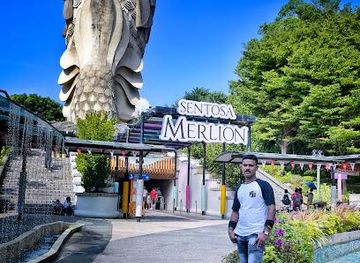
Sentosa Merlion
Discover the captivating Sentosa Merlion, a historical landmark symbolizing Singapore's rich heritage, offering stunning views and immersive experiences.
-
Tourist attraction
Elephant Parade Haji lane
Experience the colorful world of Elephant Parade Haji Lane in Singapore, where art and conservation unite in vibrant sculptures.
-
Heritage museum
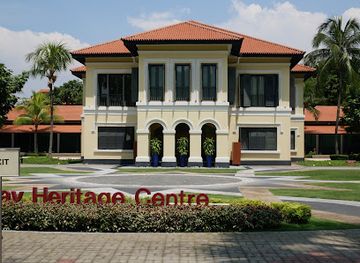
Malay Heritage Centre
Explore the Malay Heritage Centre in Singapore, a cultural hub that celebrates the rich traditions and history of the Malay community in a vibrant setting.

Explore Kampong Glam on the map
Plan your trip on one map. See where the top cities, national parks and sights are, and book hotels and experiences in a few clicks.
Best hotels in Kampong Glam
Best restaurants in Kampong Glam
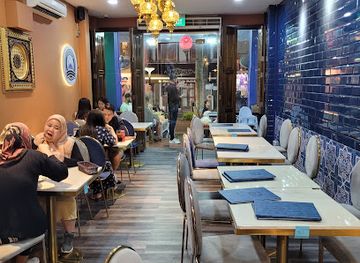
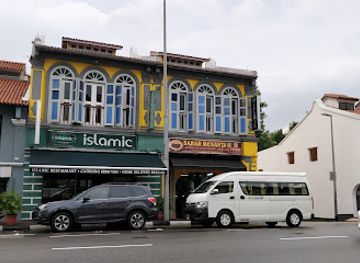
Dining in Kampong Glam reflects the neighbourhood’s Malay, Indonesian, Indian Muslim, Arab and broader Southeast Asian connections. Around Sultan Mosque and North Bridge Road, visitors will find casual eateries serving dishes such as nasi padang, nasi briyani, mee goreng, ayam penyet and Malay-style grilled foods, alongside restaurants specialising in Middle Eastern dishes, breads, grilled meats and rice plates. The precise mix changes from street to street, with long-established family businesses sharing conserved shophouses with modern cafés and contemporary restaurants. Sweet drinks, dates, pastries and regional desserts are common in the district, while textile and perfume shops help preserve the area’s older commercial identity beyond mealtimes. The neighbourhood works well for informal eating and group dining, and it is especially active around the evening meal during Ramadan. Popular establishments can be busy, so meal times may require patience. Singapore’s standard service charges and taxes may apply, and visitors should read the bill rather than assume that every restaurant follows the same practice.
-
Turkish
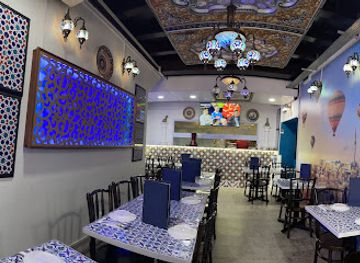
Cappadocia Turkish & Mediterranean Restaurant
Experience the rich flavors of Turkish and Mediterranean cuisine at Cappadocia Restaurant in Singapore's vibrant Kampong Glam district.
-
Italian
Tipo Pasta Bar — Aliwal
Discover the charm of Italian cuisine at Tipo Pasta Bar in Kampong Glam - where every bite is a celebration of flavor.
-
Turkish
Ayasofya Turkish Restaurant
Discover authentic Turkish cuisine at Ayasofya Restaurant in Singapore's historic Kampong Glam district.
-
Halal
Hjh Maimunah Restaurant and Catering
Indulge in authentic Indonesian flavors at Hjh Maimunah Restaurant, Singapore's premier halal dining destination in Kampong Glam.
Best bars in Kampong Glam
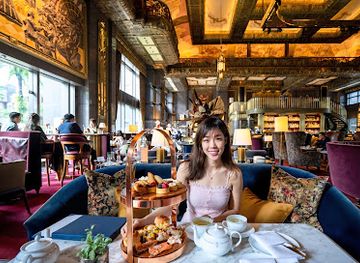
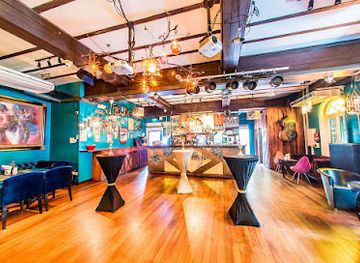
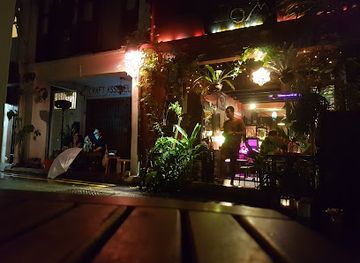
Kampong Glam’s evening scene is varied but not centred on a large nightclub district. Haji Lane and Bali Lane are known for small bars, cafés, live music and late-opening creative venues, while nearby streets offer restaurants and places for an evening drink. The atmosphere is more intimate and mixed-use than that of Singapore’s major nightlife zones, with conserved shophouses housing businesses beside homes, religious institutions and daytime shops. Around Sultan Mosque, visitors should remember that the area is an active Muslim neighbourhood and behave respectfully, particularly near prayer times. Alcohol availability and opening arrangements vary between establishments, and Ramadan can significantly alter the rhythm of the district. For a quieter evening, choose a restaurant or café; for music and a livelier atmosphere, the lanes around Haji Lane generally provide more options, though crowds and business line-ups change over time.
-
Cocktail bar
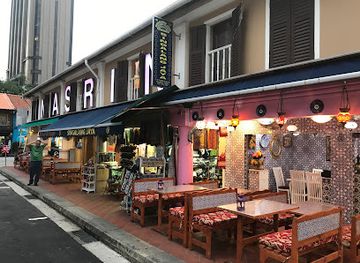
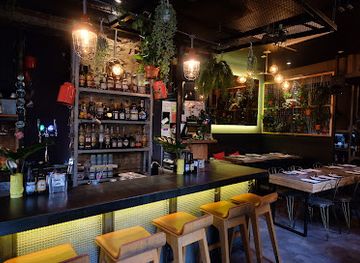
ATLAS
Experience the ultimate in luxury at ATLAS, Singapore's premier cocktail bar offering an exquisite blend of artful drinks and opulent surroundings.
-
Bar
Blu Jaz, Bali Lane
Discover the vibrant nightlife at Blu Jaz, a lively bar in Singapore's Kampong Glam with live music, comedy, and delightful cuisine.
-
Cafe
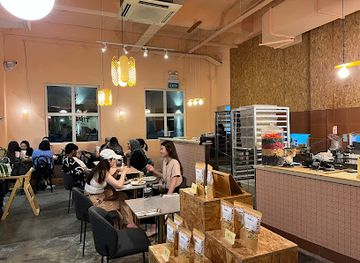
Kampong Glam Cafe
Discover the charm of Kampong Glam Cafe, a delightful breakfast spot in Singapore, offering local flavors and a cozy atmosphere.
-
Bar
Symmetry
Discover Symmetry: a modern Australian restaurant and bar in Kampong Glam, Singapore, offering delightful dishes and vibrant cocktails.
Best nightclubs in Kampong Glam
Kampong Glam’s evening scene is varied but not centred on a large nightclub district. Haji Lane and Bali Lane are known for small bars, cafés, live music and late-opening creative venues, while nearby streets offer restaurants and places for an evening drink. The atmosphere is more intimate and mixed-use than that of Singapore’s major nightlife zones, with conserved shophouses housing businesses beside homes, religious institutions and daytime shops. Around Sultan Mosque, visitors should remember that the area is an active Muslim neighbourhood and behave respectfully, particularly near prayer times. Alcohol availability and opening arrangements vary between establishments, and Ramadan can significantly alter the rhythm of the district. For a quieter evening, choose a restaurant or café; for music and a livelier atmosphere, the lanes around Haji Lane generally provide more options, though crowds and business line-ups change over time.
-
Live Music
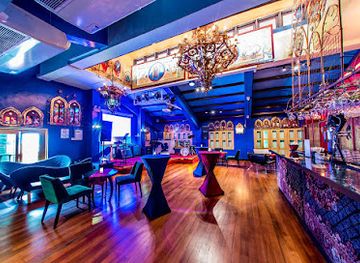
Blu Jaz, Bali Lane
Discover the vibrant nightlife of Blu Jaz, Bali Lane, where live music, great food, and a lively atmosphere unite for an unforgettable experience in Singapore.
-
Disco club
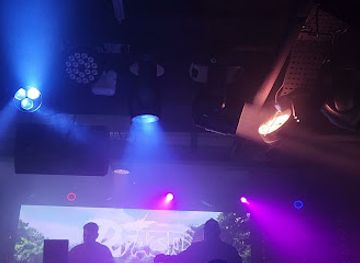
ALPHA NIGHTLIFE
Discover the electrifying nightlife at Alpha Nightlife, Singapore's premier disco club, where every night is a celebration of music and dance.
-
Bar
Going Om
Discover Going Om in Kampong Glam, Singapore - a trendy bar and café perfect for unwinding with artisanal drinks and delicious bites in a vibrant setting.
-
Cocktail bar
Club 5
Discover Club 5, a stylish cocktail bar in Singapore's Kampong Glam, offering innovative drinks, stunning views, and a vibrant atmosphere for every occasion.

Best shops in Kampong Glam
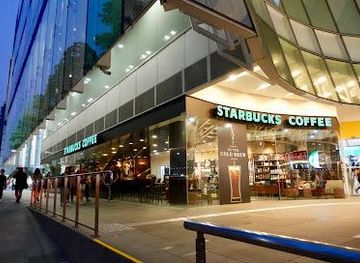
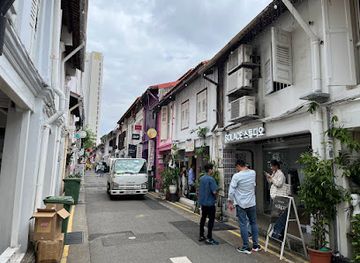
Shopping in Kampong Glam is closely connected to its historic trading identity. Arab Street remains associated with textiles, fabrics, carpets, prayer items, perfumes and decorative goods, while shops around Sultan Mosque cater to religious, cultural and everyday needs. Bussorah Street combines small retailers with cafés and businesses occupying conserved shophouses. Haji Lane and Bali Lane offer a more contemporary selection of independent fashion, accessories, design objects and gifts, although individual shops and product ranges change. Visitors may also find Malay and Southeast Asian food products, sweets, dates, spices and packaged specialities suitable for taking home, subject to Singapore’s and the destination country’s import rules. The area is better suited to browsing specialist shops and independent businesses than to conventional department-store shopping. Ask about materials, return policies and final prices before purchasing textiles or craft goods, and remember that the narrow streets can become crowded at weekends and during festive periods.
-
Shopping mall
Changi City Point
Explore Changi City Point: Singapore's premier shopping mall, offering diverse retail options, dining experiences, and entertainment for every visitor.
-
Shopping mall
Clarke Quay Central
Discover the vibrant shopping and dining experience at Clarke Quay Central, Singapore's ultimate lifestyle destination along the beautiful riverside.
-
Cafe
% Arabica Singapore Arab Street
Experience the perfect cup of coffee in a stylish setting at % Arabica Singapore Arab Street, a gem in the vibrant Kampong Glam district.
-
Leather goods store
Crafune (Leather Goods & Workshops)
Explore Crafune in Singapore for exquisite leather goods and immersive workshops, celebrating artistry and craftsmanship in the heart of Kampong Glam.

Get your free copy of our complete guide to Kampong Glam, delivered straight to you.
Everything on this page, from attractions and restaurants to essentials and local phrases, in one PDF you can read offline, print or share.
Already have an account? Sign in
Your Kampong Glam guide is ready.
We'll send it to · Not you? Sign out

Getting your guide ready…
We are putting together a fresh copy of the Kampong Glam guide. This can take up to a minute.
This can take a few moments. If your browser asks, choose Allow so the download can start. You'll find the guide in your Downloads folder.
Nothing happened? Download it again
Sorry, the guide is taking longer than usual. Please try again in a minute, or get it by email instead.
Kampong Glam essentials
Currency and Payment
Safety
Emergency Situations
Do's and Don'ts
Local Tips
From Eve
Local phrases worth knowing
You don't need to get them perfect. A few words go a long way, and locals appreciate the effort.
Basics
| English | Local | Say it |
|---|---|---|
| Hello | Halo | [hah-loh] |
| Goodbye | Selamat tinggal | [suh-lah-maht tee-ngahl] |
| Yes | Ya | [yah] |
| No | Tidak | [tee-dahk] |
| Please/You’re welcome | Silakan/Terima kasih | [see-lah-kahn/tuh-ree-mah kah-see] |
| Thank you | Terima kasih | [tuh-ree-mah kah-see] |
| Excuse me/Sorry | Maaf | [mah-ahf] |
| How are you? | Apa khabar? | [ah-pah kah-bahr] |
| Fine. And you? | Baik. Dan kamu? | [bye-ik. dahn kah-moo] |
| Do you speak English? | Adakah anda bercakap bahasa Inggeris? | [ah-dah-kah ahn-dah ber-chah-kap bah-hah-sah ing-ge-ris] |
| I don't understand | Saya tidak faham | [sah-yah tee-dahk fah-hahm] |
Eating & Drinking
| English | Local | Say it |
|---|---|---|
| I’d like to see the menu, please | Saya ingin melihat menu, silakan | [sah-yah in-gin meh-lih-hat meh-nu, see-lah-kahn] |
| I don't eat meat | Saya tidak makan daging | [sah-yah tee-dahk mah-kahn dah-ging] |
| Cheers! | Selamat! | [suh-lah-maht] |
| I would like to pay, please | Saya ingin membayar, silakan | [sah-yah in-gin mem-bah-yahr, see-lah-kahn] |
Emergencies
| English | Local | Say it |
|---|---|---|
| Help! | Tolong! | [toh-long] |
| Go away! | Pergi jauh! | [per-gee jah-oo] |
| Call the Police! | Panggil polis! | [pahn-gil poh-lis] |
| Call a doctor! | Panggil doktor! | [pahn-gil dok-tor] |
| I’m lost | Saya tersesat | [sah-yah ter-seh-saht] |
| I’m ill | Saya sakit | [sah-yah sah-kit] |
Shopping
| English | Local | Say it |
|---|---|---|
| I’d like to buy... | Saya ingin membeli... | [sah-yah in-gin mem-buh-lee] |
| I’m just looking | Saya hanya melihat | [sah-yah han-yah meh-lih-hat] |
| How much is it? | Berapa harganya? | [ber-ah-pah har-gah-nyah] |
| That’s too expensive | Itu terlalu mahal | [ee-too ter-lah-loo mah-hahl] |
| Can you lower the price? | Bolehkah anda turunkan harga? | [bo-leh-kah ahn-dah too-run-kahn har-gah] |
Time & Numbers
| English | Local | Say it |
|---|---|---|
| What time is it? | Jam berapa? | [jahm ber-ah-pah] |
| It’s one o'clock | Pukul satu | [poo-kool sah-too] |
| Half past (10) | Setengah (10) | [seh-teng-ah (sepuluh)] |
| Morning | Pagi | [pah-gee] |
| Afternoon | Petang | [puh-tahng] |
| Evening | Malam | [mah-lahm] |
| Yesterday | Semalam | [suh-mah-lahm] |
| Today | Hari ini | [hah-ree ee-nee] |
| Tomorrow | Esok | [eh-sok] |
| 1 | Satu | [sah-too] |
| 2 | Dua | [doo-ah] |
| 3 | Tiga | [tee-gah] |
| 4 | Empat | [em-pah-t] |
| 5 | Lima | [lee-mah] |
| 6 | Enam | [eh-nahm] |
| 7 | Tujuh | [too-joo] |
| 8 | Lapan | [lah-pahn] |
| 9 | Sembilan | [sem-bee-lahn] |
| 10 | Sepuluh | [seh-poo-looh] |
Transport & Directions
| English | Local | Say it |
|---|---|---|
| Where's a/the...? | Di mana ...? | [dee mah-nah] |
| What's the address? | Apa alamatnya? | [ah-pah ah-lah-maht-nyah] |
| Can you show me (on the map)? | Bolehkah anda tunjukkan (peta)? | [bo-leh-kah ahn-dah tun-jook-kahn (peh-tah)] |
| When's the next (bus)? | Bila bas seterusnya? | [bee-lah bahs seh-teh-roos-nyah] |
| A ticket (to ....) | Sebuah tiket (ke ....) | [suh-boo-ah tik-et (keh)] |
History of Kampong Glam
A Malay Coastal Landscape Before Modern Singapore
Before the nineteenth-century town was laid out, the area now called Kampong Glam formed part of Singapore’s coastal and riverine landscape, connected to Malay settlements and maritime routes. Gelam, the cajeput tree associated with the district’s name, grew in parts of the island and was valued for practical uses. The wider region was linked to the Malay world through shipping, fishing, agriculture and movement between ports. These connections help explain why Kampong Glam later became a place where Malay, Bugis, Arab and other communities conducted business and established religious and social institutions.
The Sultan’s Settlement and the 1820s Town Plan
Following the 1819 agreement that established a British trading post at Singapore, the colonial administration recognised a settlement for Sultan Hussein Shah and his followers in the area of Kampong Glam. An 1823 town plan associated the district with the Malay royal household and allocated space for a mosque, palace and related community uses. The arrangement gave Kampong Glam a distinctive political and cultural position within the expanding port. The former Istana Kampong Gelam and Sultan Mosque remain the most visible architectural reminders of this period.
Sultan Mosque and the Growth of a Muslim Commercial Quarter
The mosque associated with Kampong Glam developed alongside the royal settlement and the growth of Singapore as a regional port. The present Sultan Mosque was built in the early twentieth century on the site of an earlier mosque, with the completed building reflecting both Islamic architectural traditions and the resources of a prosperous trading community. Around it grew businesses serving Malay, Arab, Bugis, Indian Muslim and other visitors, including textile merchants, food sellers, religious bookshops and traders connected with journeys across the region.
Maritime Trade, Pilgrimage and Diverse Communities
During the nineteenth and early twentieth centuries, Kampong Glam’s commercial life was shaped by Singapore’s position between the Indian Ocean and the Malay Archipelago. Arab and Indian Muslim merchants, Malay traders and Bugis seafarers contributed to the district’s connections with ports across Southeast Asia. Singapore also became an important departure point for Muslims from the region travelling towards Mecca, giving the quarter a wider religious and commercial significance. The surviving street pattern, shophouses and specialist shops reflect this layered history rather than a single ethnic or architectural tradition.
War, Independence and Changing Urban Functions
The Japanese occupation of Singapore from 1942 to 1945 disrupted the district’s commercial and social life, as it did throughout the island. After the war, Singapore’s rapid urban development and housing programmes altered the character of many older neighbourhoods. Kampong Glam retained its mosque, palace compound, small businesses and community institutions, while some traditional trades declined or adapted. The district’s continued importance to Malay and Muslim life ensured that it remained more than a collection of historic buildings.
Conservation and the Contemporary Heritage Quarter
From the late twentieth century, conservation policies protected much of Kampong Glam’s shophouse fabric and helped establish the area as a recognised heritage destination. The former Istana Kampong Gelam became the setting for the Malay Heritage Centre, while streets such as Haji Lane acquired new cafés, boutiques, galleries and creative businesses. This transformation brought more visitors but also raised familiar questions about commercial change, community identity and the use of historic buildings. Today the quarter combines active religious and commercial life with Singapore’s broader approach to conserving its urban heritage.
Kampong Glam in Photos
Browse through our photo collection highlighting the charm and character of the destination.
Neighbouring regions of Kampong Glam
The closest regions to Kampong Glam, if you have time for more than one.
-

-

-

-

-


Swipe for more regions
Explore more

Explore more of Singapore
Explore Singapore: A vibrant city-state where modernity meets tradition, offering world-class cuisine, stunning gardens, and unique cultural experiences.
Explore Singapore