

Free Central Business District Travel Guide & Mobile App
Explore Central Business District with free travel guides. Discover regional history, expert tips, proposed trips, and audio guides on web or mobile app.


Explore Singapore’s Central Business District for skyline walks, historic riverfronts, major museums, waterfront gardens and diverse dining.
Read more about Central Business District
When is the best time to visit Central Business District?
Best: February, June–July · 31–32°C| Month | High (°C) | Rainfall (mm) |
|---|---|---|
| January | 30 | 250 |
| February (best) | 31 | 200 |
| March | 31 | 230 |
| April | 32 | 230 |
| May | 32 | 240 |
| June (best) | 32 | 220 |
| July (best) | 31 | 210 |
| August | 31 | 230 |
| September | 31 | 240 |
| October | 31 | 250 |
| November | 31 | 260 |
| December | 31 | 270 |
Getting to and around Central Business District
How to get there
Transportation
Top city travel guides in Central Business District
The cities of Central Business District, and the easiest places to base yourself.
-

-

-

-

-


Swipe for more cities
Best attractions in Central Business District
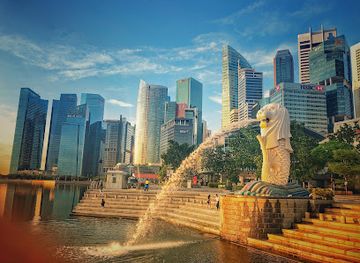
The Central Business District offers a concentrated mixture of heritage, museums, architecture and waterfront recreation. The National Gallery Singapore is the district’s major cultural institution, occupying the former City Hall and Supreme Court and interpreting modern art from Singapore and Southeast Asia. Nearby, the Asian Civilisations Museum, Victoria Theatre and Victoria Concert Hall form part of the wider Civic District’s cultural landscape. Along the Singapore River, visitors can follow the historic Boat Quay waterfront before continuing towards the modern promenades of Marina Bay. The bay area brings together Marina Bay Sands, the ArtScience Museum, the Singapore Flyer, the Merlion and Gardens by the Bay, each offering a different view of Singapore’s approach to urban design and tourism. Telok Ayer adds conserved shophouses and historic places of worship at the edge of the financial centre, while observation decks and rooftop viewpoints provide a high-level perspective on the dense skyline. The attraction scene is compact but varied: art and history occupy former civic buildings, while promenades, gardens and illuminated architecture make the waterfront especially suitable for evening exploration.
-
Tourist attraction
Merlion Park
Experience the essence of Singapore at Merlion Park, where cultural heritage meets breathtaking views of Marina Bay.
-
Hotel
Marina Bay Sands Singapore
Discover unparalleled luxury and entertainment at Marina Bay Sands Singapore, a premier destination for unforgettable experiences in the heart of the city.
-
Garden
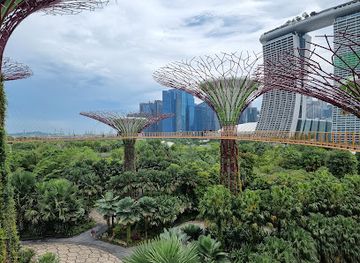
Supertree Grove
Experience the breathtaking beauty of Supertree Grove, where nature meets innovation in Singapore's iconic garden attraction.
-
 Tourist attraction
Clarke Quay
Explore Clarke Quay, Singapore's vibrant riverside hub for dining, shopping, and nightlife, rich in history and modern charm.


Best landmarks in Central Business District
The Merlion, Singapore’s symbolic fish-lion statue at the edge of Marina Bay, is the most immediately recognisable landmark in the district and looks across the water towards the modern skyline. Marina Bay Sands forms another defining architectural feature with its three towers and elevated SkyPark, while the ArtScience Museum adds a distinctive lotus-inspired silhouette beside the bay. The Helix Bridge is both a pedestrian link and a notable piece of contemporary engineering, its curving steel structure connecting Marina Centre with the Marina Bay Sands area. At the historic core, the former City Hall and Supreme Court buildings are important civic landmarks and now form National Gallery Singapore. The Padang, Victoria Theatre and Victoria Concert Hall express the ceremonial character of Singapore’s colonial civic centre. Raffles Place represents the financial district’s transformation from an early commercial square into a high-rise business cluster. Along Telok Ayer Street, surviving religious buildings and shophouses provide a contrasting landmark group, preserving the memory of migrant communities beside the glass and steel towers.
-
Garden
Gardens by the Bay
Discover the beauty of nature and innovation at Gardens by the Bay, Singapore's iconic urban garden featuring stunning Supertrees and diverse flora.
-
Park
Merlion Park
Discover the iconic Merlion Park in Singapore, a blend of culture and stunning waterfront views, perfect for relaxation and memorable photos.
-
Hotel
Marina Bay Sands Singapore
Discover the luxurious Marina Bay Sands in Singapore, a stunning blend of architecture, entertainment, and dining experiences that define modern elegance.
-
Garden
Supertree Grove
Explore the breathtaking Supertree Grove in Singapore, where nature meets innovation with stunning views, vibrant flora, and enchanting light shows.


Explore Central Business District on the map
Plan your trip on one map. See where the top cities, national parks and sights are, and book hotels and experiences in a few clicks.
Best hotels in Central Business District
Best restaurants in Central Business District
Dining in the Central Business District reflects Singapore’s role as an international port and financial centre. Office workers sustain a large weekday market of cafés, casual restaurants, food courts and hawker-style stalls, while hotel dining rooms, contemporary restaurants and rooftop venues provide more formal alternatives. Singaporean favourites such as chicken rice, laksa, satay, curry, noodles and kaya toast appear alongside Chinese, Malay, Indian, Peranakan and international cuisines, though their strongest local traditions extend well beyond the CBD. Lau Pa Sat, in the financial district, is a prominent historic market building with a broad range of inexpensive and casual food options, while the riverfront and Marina Bay concentrate more polished dining. Coffee shops and bakery cafés are useful for breakfast, and evening visitors can choose between restaurants in commercial complexes, hotel venues and bars with food menus. Prices vary sharply by setting, and service charges and taxes are commonly added to restaurant bills.
-
Hawker center
Amoy Street Food Centre
Experience authentic Singaporean cuisine at Amoy Street Food Centre – where local flavors come alive in Chinatown's vibrant hawker culture.
-
Japanese
KOMA Singapore
Experience authentic Japanese cuisine in an enchanting setting at KOMA Singapore, located within Marina Bay Sands.
-
Restaurant
Yardbird Southern Table and Bar
Experience authentic Southern cuisine with a modern twist at Yardbird Southern Table and Bar in Singapore's Marina Bay Sands.
-
European
NOX - Dine in the Dark
Embark on a unique culinary adventure at NOX - Dine in the Dark, where exquisite European cuisine meets sensory exploration.


Best bars in Central Business District
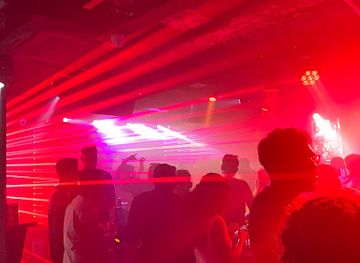
Evening life in the Central Business District is centred more on dining, hotel bars, rooftop venues and waterfront walks than on a dense nightclub district. Raffles Place and the office core become quieter after working hours, while Boat Quay and the Marina Bay area offer a greater concentration of restaurants and drinks venues. Cocktail bars and high-rise lounges provide skyline views, whereas traditional-style pubs and casual bars serve after-work customers and visitors near the river. Major hotels and entertainment complexes may host live music or seasonal programming, but arrangements change frequently and should be checked in advance. The district is particularly attractive after sunset, when the bay’s buildings, bridges and promenades are illuminated; visitors do not need to drink alcohol to enjoy the evening atmosphere. Nightlife usually becomes more limited as one moves away from the river and waterfront towards primarily commercial streets.
-
Bar
Lantern
Experience exquisite dining and breathtaking views at Lantern, a premier bar and restaurant atop the Fullerton Bay Hotel in Singapore.
-
Bar
Jigger & Pony
Experience the art of mixology at Jigger & Pony, Singapore's premier cocktail bar, known for its innovative drinks and vibrant atmosphere.
-
Cocktail bar
Smoke & Mirrors
Experience the perfect blend of art and mixology at Smoke & Mirrors, the premier cocktail bar with stunning skyline views in Singapore.
-
Cocktail bar
28 HongKong Street
Experience innovative cocktails and a vibrant atmosphere at 28 HongKong Street, Singapore's premier cocktail bar.


Best nightclubs in Central Business District
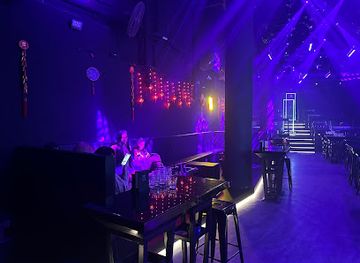
Evening life in the Central Business District is centred more on dining, hotel bars, rooftop venues and waterfront walks than on a dense nightclub district. Raffles Place and the office core become quieter after working hours, while Boat Quay and the Marina Bay area offer a greater concentration of restaurants and drinks venues. Cocktail bars and high-rise lounges provide skyline views, whereas traditional-style pubs and casual bars serve after-work customers and visitors near the river. Major hotels and entertainment complexes may host live music or seasonal programming, but arrangements change frequently and should be checked in advance. The district is particularly attractive after sunset, when the bay’s buildings, bridges and promenades are illuminated; visitors do not need to drink alcohol to enjoy the evening atmosphere. Nightlife usually becomes more limited as one moves away from the river and waterfront towards primarily commercial streets.
-
Night club
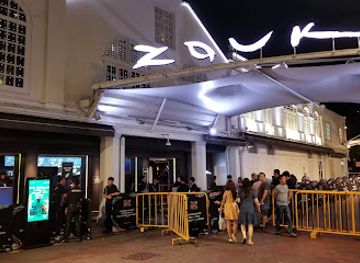
Zouk Singapore
Discover Zouk Singapore, a world-renowned nightclub offering electrifying beats, vibrant atmosphere, and unforgettable nightlife experiences in the heart of the city.
-
Night club
XclusiV
Experience the vibrant nightlife at XclusiV, Singapore's premier night club offering exceptional music, stylish ambiance, and unforgettable moments.
-
Disco club
ALPHA NIGHTLIFE
Dive into the electrifying nightlife of Alpha Nightlife in Singapore, where music, dance, and unforgettable moments await you.
-
Night club
MARQUEE Singapore
Dive into the electrifying nightlife of MARQUEE Singapore, where world-class DJs set the stage for unforgettable nights in Marina Bay.

Best shops in Central Business District
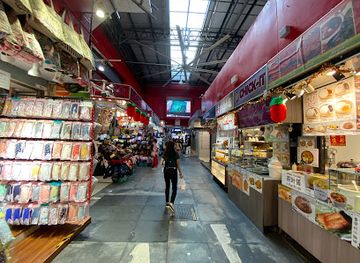
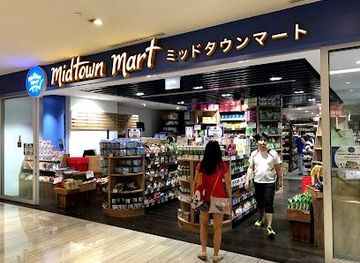
Shopping in the Central Business District is strongest in modern mixed-use complexes, hotel arcades and the Marina Bay area rather than in a traditional market-town high street. Raffles City and surrounding commercial developments provide fashion, beauty, food and everyday retail, while The Shoppes at Marina Bay Sands focuses on international luxury brands, dining and polished indoor surroundings. Smaller specialist shops and galleries can be found around conserved streets near Telok Ayer and the river, where visitors may encounter books, design goods, art and Singapore-themed products. Food makes a practical souvenir: packaged tea, coffee, kaya, confectionery and other locally produced items are easier to transport than fresh market goods. The district’s shopping scene is convenient and air-conditioned, but visitors seeking broader bargain shopping, independent boutiques or traditional markets will find more variety elsewhere in Singapore. Check customs rules before carrying food products across international borders.
-
Shopping mall
Bugis Street
Explore Bugis Street, Singapore's ultimate shopping destination, where culture meets trendy fashion and delectable street food.
-
Shopping mall
Bugis Junction
Discover Bugis Junction, Singapore's vibrant shopping mall, where modern retail meets cultural treasures and culinary delights.
-
Shopping mall
Marina Square
Explore Marina Square, Singapore's vibrant shopping mall filled with diverse retail options, delightful dining, and exciting entertainment experiences.
-
Shopping mall
Clarke Quay Central
Discover the heart of Singapore's shopping and dining at Clarke Quay Central, where culture, cuisine, and entertainment converge.
Get your free copy of our complete guide to Central Business District, delivered straight to you.
Everything on this page, from attractions and restaurants to essentials and local phrases, in one PDF you can read offline, print or share.
Already have an account? Sign in
Your Central Business District guide is ready.
We'll send it to · Not you? Sign out

Getting your guide ready…
We are putting together a fresh copy of the Central Business District guide. This can take up to a minute.
This can take a few moments. If your browser asks, choose Allow so the download can start. You'll find the guide in your Downloads folder.
Nothing happened? Download it again
Sorry, the guide is taking longer than usual. Please try again in a minute, or get it by email instead.
Central Business District essentials
Currency and Payment
Safety
Emergency Situations
Do's and Don'ts
Local Tips
From Eve
Local phrases worth knowing
You don't need to get them perfect. A few words go a long way, and locals appreciate the effort.
Basics
| English | Local | Say it |
|---|---|---|
| Hello | Hello | [həˈloʊ] |
| Goodbye | Goodbye | [ɡʊdˈbaɪ] |
| Yes | Yes | [jɛs] |
| No | No | [noʊ] |
| Please/You're welcome | Please/You're welcome | [pliz/ jʊr ˈwɛlkəm] |
| Thank you | Thank you | [θæŋk ju] |
| Excuse me/Sorry | Excuse me/Sorry | [ɪkˈskjuz mi/ˈsɔri] |
| How are you? | How are you? | [haʊ ɑr ju] |
| Fine. And you? | Fine. And you? | [faɪn. ənd ju] |
| Do you speak English? | Do you speak English? | [du ju spiːk ˈɪŋɡlɪʃ] |
| I don't understand | I don't understand | [aɪ doʊnt ˌʌndərˈstænd] |
Eating & Drinking
| English | Local | Say it |
|---|---|---|
| I'd like to see the menu, please | I'd like to see the menu, please | [aɪd laɪk tə si ðə ˈmɛnjuː, pliz] |
| I don't eat meat | I don't eat meat | [aɪ doʊnt it miːt] |
| Cheers! | Cheers! | [ʧɪrz] |
| I would like to pay, please | I would like to pay, please | [aɪ wʊd laɪk tə peɪ, pliz] |
Emergencies
| English | Local | Say it |
|---|---|---|
| Help! | Help! | [hɛlp] |
| Go away! | Go away! | [ɡoʊ əˈweɪ] |
| Call the Police! | Call the Police! | [kɔl ðə pəˈlis] |
| Call a doctor! | Call a doctor! | [kɔl ə ˈdɑktər] |
| I'm lost | I'm lost | [aɪm lɔst] |
| I'm ill | I'm ill | [aɪm ɪl] |
Shopping
| English | Local | Say it |
|---|---|---|
| I'd like to buy... | I'd like to buy... | [aɪd laɪk tə baɪ...] |
| I'm just looking | I'm just looking | [aɪm dʒʌst ˈlʊkɪŋ] |
| How much is it? | How much is it? | [haʊ mʌʧ ɪz ɪt] |
| That's too expensive | That's too expensive | [ðæts tuː ɪkˈspɛnsɪv] |
| Can you lower the price? | Can you lower the price? | [kæn ju ˈloʊər ðə praɪs] |
Time & Numbers
| English | Local | Say it |
|---|---|---|
| What time is it? | What time is it? | [wɑt taɪm ɪz ɪt] |
| It's one o'clock | It's one o'clock | [ɪts wʌn əˈklɑk] |
| Half past (10) | Half past (10) | [hæf pæst (10)] |
| Morning | Morning | [ˈmɔrnɪŋ] |
| Afternoon | Afternoon | [ˌæftərˈnun] |
| Evening | Evening | [ˈivnɪŋ] |
| Yesterday | Yesterday | [ˈjɛstərˌdeɪ] |
| Today | Today | [təˈdeɪ] |
| Tomorrow | Tomorrow | [təˈmɔroʊ] |
| 1 | 1 | [wʌn] |
| 2 | 2 | [tu] |
| 3 | 3 | [θri] |
| 4 | 4 | [fɔr] |
| 5 | 5 | [faɪv] |
| 6 | 6 | [sɪks] |
| 7 | 7 | [sɛvən] |
| 8 | 8 | [eɪt] |
| 9 | 9 | [naɪn] |
| 10 | 10 | [tɛn] |
Transport & Directions
| English | Local | Say it |
|---|---|---|
| Where's a/the...? | Where's a/the...? | [wɛrz ə/ðə...?] |
| What's the address? | What's the address? | [wɑts ði əˈdrɛs] |
| Can you show me (on the map)? | Can you show me (on the map)? | [kæn ju ʃoʊ mi (ɑn ðə mæp)?] |
| When's the next (bus)? | When's the next (bus)? | [wɛn'z ðə nɛkst (bʌs)?] |
| A ticket (to ....) | A ticket (to ....) | [ə ˈtɪkɪt (tə ....)] |
History of Central Business District
The Singapore River Trading Settlement
The river mouth became the centre of Singapore’s modern port settlement after Stamford Raffles established a British trading station in 1819. The river provided a sheltered anchorage and a practical route for goods moving between ships and warehouses. Boat Quay, Clarke Quay and the surrounding commercial streets developed through this maritime economy, alongside communities of merchants, labourers and migrants. Although much of the original waterfront has been transformed, the river’s alignment and surviving historic buildings still explain why the modern financial district grew in this location.
Colonial Planning and the Civic District
During the nineteenth and early twentieth centuries, colonial authorities formalised Singapore’s administrative and commercial centre. Government offices, courts, financial institutions and civic buildings gathered around the Padang and the river. The former City Hall and Supreme Court, now occupied by National Gallery Singapore, express the scale and ceremonial character of this period. Nearby Victoria Theatre and Victoria Concert Hall reflect the emergence of civic and cultural institutions. These buildings helped establish the urban core that later became surrounded by modern office towers.
Telok Ayer and Migrant Community Life
Telok Ayer Street and the southern edge of the business district developed beside the former shoreline, where many early Chinese migrants settled and worked. Temples, clan associations and places of worship supported community life, mutual aid and commercial networks. Thian Hock Keng, one of Singapore’s oldest Hokkien temples, stands just beyond the modern financial core and reflects the maritime connections of early migrants. The area’s conserved shophouses and religious buildings remain important evidence of a densely multicultural port society.
War, Occupation and Post-war Reconstruction
Singapore’s commercial and administrative centre was deeply affected by the Japanese invasion in 1942 and the subsequent occupation, which lasted until 1945. The surrender of British forces took place at the former Ford Factory, outside the CBD, but the political consequences were felt throughout the city’s institutions and population. After the war, reconstruction, housing programmes and the growth of public administration changed Singapore’s urban priorities. The period also strengthened demands for self-government and shaped the political environment leading to independence.
Independence and the Planned Financial Centre
After Singapore became independent in 1965, the government pursued industrialisation, international trade and a highly coordinated programme of urban redevelopment. The central area was reshaped through new roads, land reclamation, public infrastructure and high-rise construction. Raffles Place became a major financial node, while the Marina Bay area was gradually created from reclaimed land. This transformation replaced much older low-rise fabric in some locations, but conservation programmes protected selected streets, religious buildings and civic monuments.
Marina Bay and the Twenty-first-century Skyline
Marina Bay’s development represents Singapore’s shift towards a globally connected finance, tourism and services economy. Reclaimed land, integrated transport and carefully designed public spaces allowed a new cluster of offices, cultural venues, hotels and leisure attractions to form beside the historic centre. Marina Bay Sands, Gardens by the Bay and the waterfront promenade became prominent symbols of this phase. The district continues to evolve, with new buildings and public-realm projects added alongside efforts to retain heritage sites and improve connections across the central area.
Central Business District in Photos
Browse through our photo collection highlighting the charm and character of the destination.
Neighbouring regions of Central Business District
The closest regions to Central Business District, if you have time for more than one.
-

-

-

-

-


Swipe for more regions
Explore more

Explore more of Singapore
Explore Singapore: A vibrant city-state where modernity meets tradition, offering world-class cuisine, stunning gardens, and unique cultural experiences.
Explore Singapore