

Nizke Tatry National Park Travel Guide - Free Web & App
Your ultimate guide to Nizke Tatry National Park. Discover top landmarks, proposed trips, and local tips. Free on the web or via the Evendo companion app.


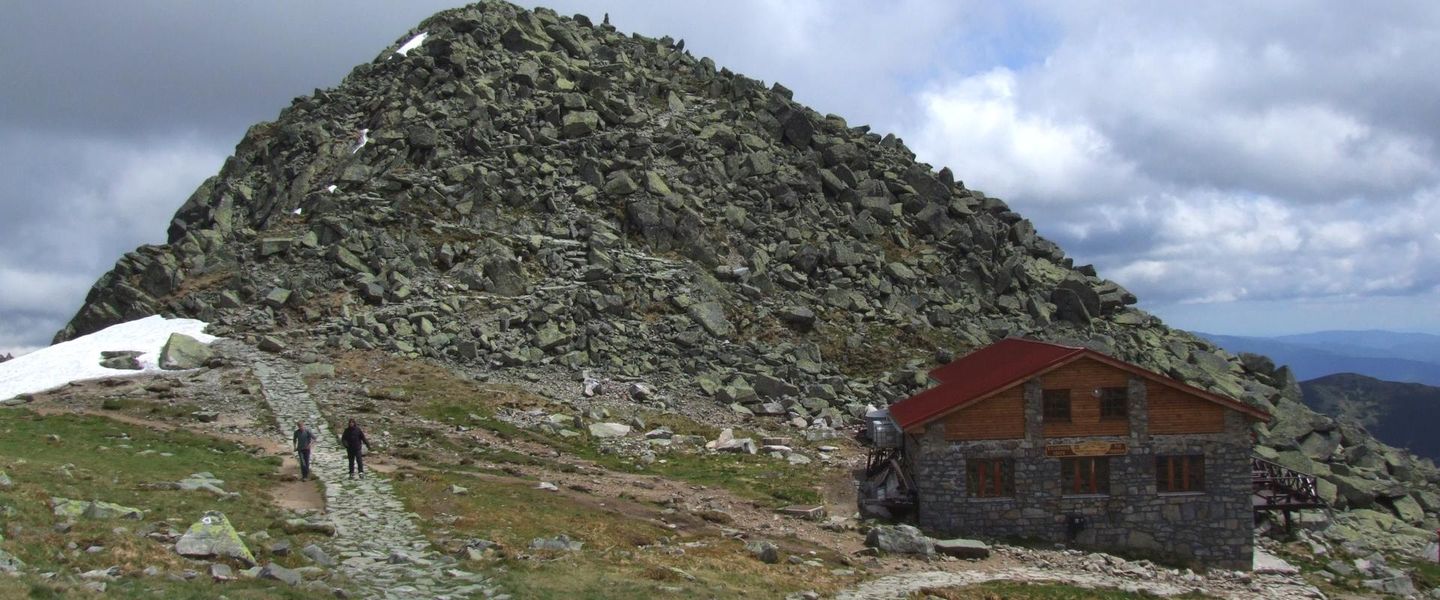


Nizke Tatry National Park in Slovakia offers alpine hiking, ski slopes, limestone caves, mountain huts and views across central Europe's Carpathian landscapes.
Mountain Landscapes
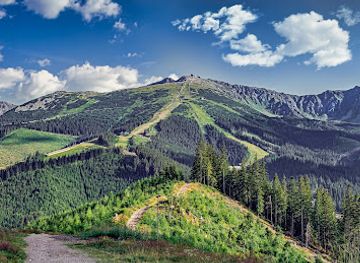
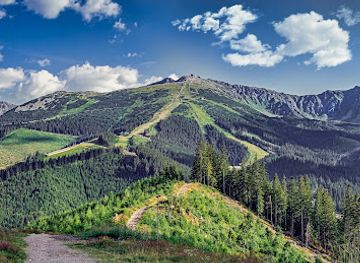
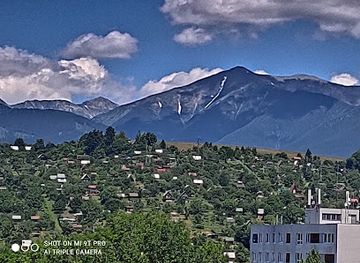
Nizke Tatry National Park stretches across the central Slovak Carpathians between the Váh and Hron valleys, forming one of the country’s broadest protected mountain landscapes. Its main ridge is crowned by Ďumbier, at 2,043 metres Slovakia’s highest mountain outside the High Tatras, and by the distinctive summit of Chopok. Open subalpine meadows, spruce forests, rocky ridges and deep limestone valleys create a varied setting for walking, skiing and wildlife observation. Weather can change quickly on the crest, while lower valleys retain a more settled landscape of villages, woodland and mountain streams.Read more about Nizke Tatry National Park
Valleys, Caves and Gateways
Nature and Mountain Culture
When is the best time to visit Nizke Tatry National Park?
Best: June–August · 21–23°C| Month | High (°C) | Rainfall (mm) |
|---|---|---|
| January | 0 | 50 |
| February | 2 | 50 |
| March | 5 | 50 |
| April | 10 | 60 |
| May | 16 | 60 |
| June (best) | 21 | 70 |
| July (best) | 23 | 70 |
| August (best) | 22 | 70 |
| September | 18 | 60 |
| October | 12 | 60 |
| November | 6 | 50 |
| December | 2 | 50 |
Getting to and around Nizke Tatry National Park
How to get there
Transportation
Best attractions in Nizke Tatry National Park
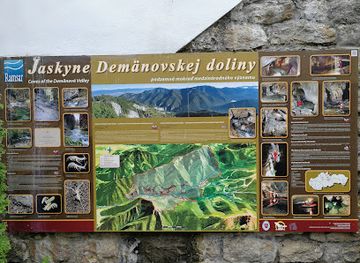
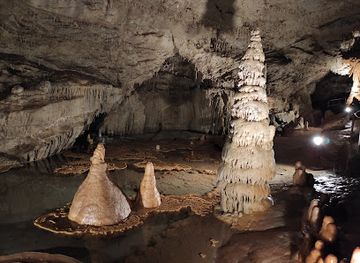
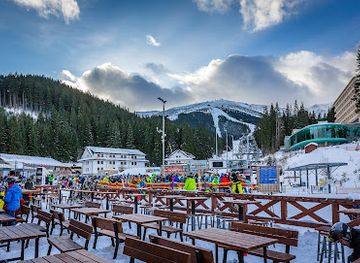
Nizke Tatry National Park offers contrasting ways to experience the Low Tatras. The main ridge between Donovaly and the Ďumbier massif provides demanding mountain walking and broad views, with Ďumbier and Chopok as the best-known high points. On the northern side, Jasná and the Demänovská Valley combine summer trails, winter-sports infrastructure and access towards the central peaks. Below ground, the Demänovská Cave of Liberty is noted for its varied limestone formations, while the Demänovská Ice Cave presents a different cave environment subject to seasonal conditions and managed visiting arrangements. The southern side around Brezno is generally more wooded and rural, with routes leading through forest and upland meadow landscapes. Donovaly forms a western gateway with walking and outdoor facilities, while mountain huts along established routes provide shelter and a tangible link with Slovak hiking culture.
-
Tourist attraction
Zoo Kontakt
Discover diverse wildlife and engage with animal conservation at Zoo Kontakt in Liptovský Mikuláš, a must-visit attraction for every animal lover.
-
Ski resort
Jasna Low Tatras
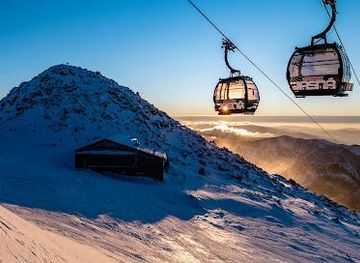
Experience the thrill of skiing and the beauty of hiking at Jasna Low Tatras, Slovakia's top destination for outdoor adventures.
-
Ski resort
Jasna Low Tatras
Experience the thrill of skiing and the beauty of nature at Jasna Low Tatras, Slovakia's premier ski resort and hiking destination.
-
Tourist attraction
Cave of Liberty
Journey through the stunning Cave of Liberty in Demänovská Dolina, Slovakia, and witness nature's artistry at its finest.
Best landmarks in Nizke Tatry National Park
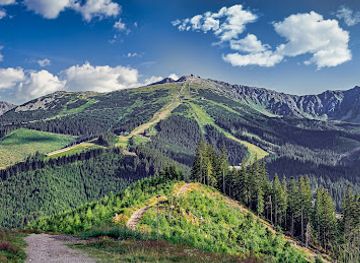
The defining natural landmark of Nizke Tatry National Park is the Ďumbier massif, whose 2,043-metre summit is the highest point in the Low Tatras and a focal point of the main ridge. Nearby Chopok is recognisable for its exposed summit environment, mountain facilities and panoramic position between the northern and southern valleys. The Demänovská Valley is significant for its limestone geology and underground system, particularly the Demänovská Cave of Liberty and Demänovská Ice Cave. Donovaly marks an important western mountain crossing and visitor gateway, while the forested southern slopes descend towards the Hron valley and Brezno. Mountain huts, marked ridge paths and open grazing meadows are cultural features as well as practical elements of the landscape, showing how hiking, pastoral use and modern recreation have become linked with the identity of the range.
-
Zoo
Zoo Kontakt
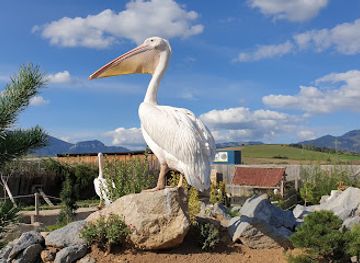
Explore wildlife up close at Zoo Kontakt in Liptovský Mikuláš - an exciting attraction for families and nature lovers alike.
-
Rail museum
Čiernohronská railway
Discover the enchanting Čiernohronská Railway, a historic narrow-gauge journey through Slovakia's stunning landscapes and rich railway heritage.
-
Hotel
Hotel Rotunda Chopok
Hotel Rotunda Chopok: A Luxurious Retreat in Demänovská Valley, Perfect for Outdoor Adventures and Relaxation in Slovakia's Stunning Nature.
-
Cave
Demänovská Cave of Liberty
Discover the breathtaking Demänovská Cave of Liberty, a natural wonder in Slovakia known for its stunning formations and rich history.

Explore Nizke Tatry National Park on the map
Plan your trip on one map. See where the top attractions, landmarks, restaurants and hotels are, and book hotels and experiences in a few clicks.
Best hotels in Nizke Tatry National Park
Best restaurants in Nizke Tatry National Park
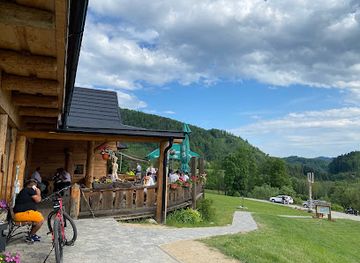
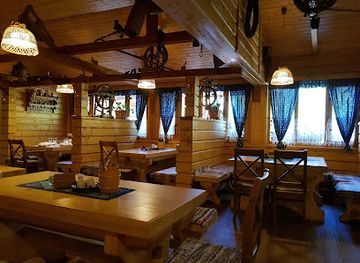
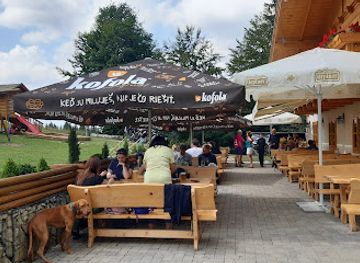
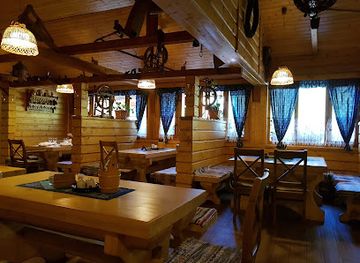
Dining in and around Nizke Tatry National Park reflects central Slovak mountain cuisine rather than a large independent restaurant scene within the protected landscape. In Jasná, Donovaly, Brezno, Liptovský Mikuláš and nearby villages, visitors can find restaurants, cafés, hotel dining rooms and traditional pubs serving dishes such as bryndzové halušky, soups, potato-based specialities and regional meat preparations. Sheep’s cheese, including bryndza, remains an important Slovak ingredient, while smoked products, honey and seasonal forest produce appear in local food culture. Mountain huts may offer simple meals and refreshments, but supplies and service vary, so walkers should not treat them as guaranteed restaurants. Farm shops and rural producers around the gateway settlements can provide cheese, honey and other regional foods, while resort restaurants on the northern side offer a broader choice than isolated valleys.
-
Modern European
Salaš Zbojská - Zbojnícky dvor
Experience authentic Slovak cuisine at Salaš Zbojská - Zbojnícky dvor in Tisovec, where tradition meets modern European flair.
-
Restaurant
Koliba Bystrina
Experience authentic Slovak cuisine amidst the breathtaking beauty of Demänovská Dolina at Koliba Bystrina.
-
Restaurant
Dedečkova chata
Experience authentic Slovak cuisine at Dedečkova Chata, nestled in stunning Mýto pod Ďumbierom - where tradition meets breathtaking nature.
-
Restaurant
Ski, Golf & Hotel Resort Tále
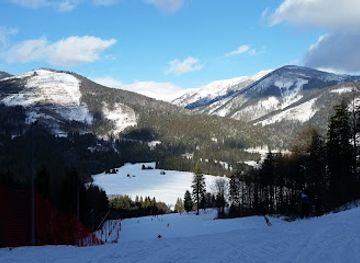
Experience thrilling skiing and serene golfing at Ski, Golf & Hotel Resort Tále – your year-round adventure awaits in Slovakia's stunning landscape.
Best bars in Nizke Tatry National Park
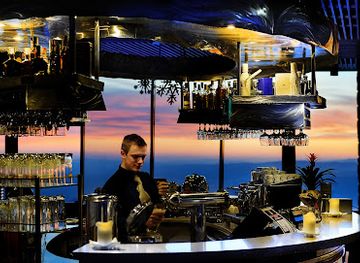
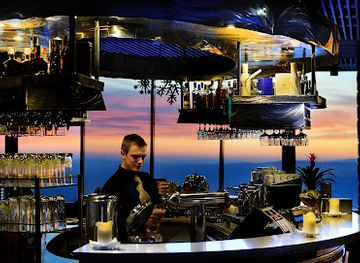
Evening entertainment in Nizke Tatry National Park is concentrated in resort areas and gateway settlements rather than spread across the mountains. Jasná has the most developed après-ski and evening atmosphere, with bars and hotel venues serving visitors after time on the slopes or trails. Donovaly also has hospitality venues associated with accommodation and winter tourism, while Brezno and Liptovský Mikuláš provide ordinary town pubs, cafés and a wider local evening choice outside the protected area. In smaller villages and near mountain huts, evenings are quieter and centred on conversation, food and traditional hospitality rather than nightclubs. Outdoor areas of the park are not places for late-night entertainment, and visitors should respect residential communities, darkness restrictions and the environmental sensitivity of mountain surroundings.
-
Ski resort
Jasna Low Tatras
Experience year-round adventures at Jasna Low Tatras, a premier ski resort and hiking paradise in Slovakia, perfect for outdoor enthusiasts and nature lovers.
-
Restaurant
Koliba Bystrina
Experience authentic Slovak cuisine in the heart of Demänovská Dolina at Koliba Bystrina, surrounded by stunning mountain views.
-
Hotel
Hotel Partizán
Discover the tranquility and luxury of Hotel Partizán, your gateway to wellness and adventure in Bystrá, Slovakia.
-
Restaurant
Dedečkova chata
Discover the authentic flavors of Slovakia at Dedečkova Chata, a charming restaurant nestled in the stunning Mýto pod Ďumbierom mountains.
Best nightclubs in Nizke Tatry National Park
Evening entertainment in Nizke Tatry National Park is concentrated in resort areas and gateway settlements rather than spread across the mountains. Jasná has the most developed après-ski and evening atmosphere, with bars and hotel venues serving visitors after time on the slopes or trails. Donovaly also has hospitality venues associated with accommodation and winter tourism, while Brezno and Liptovský Mikuláš provide ordinary town pubs, cafés and a wider local evening choice outside the protected area. In smaller villages and near mountain huts, evenings are quieter and centred on conversation, food and traditional hospitality rather than nightclubs. Outdoor areas of the park are not places for late-night entertainment, and visitors should respect residential communities, darkness restrictions and the environmental sensitivity of mountain surroundings.
-
Hotel
Hotel Partizán
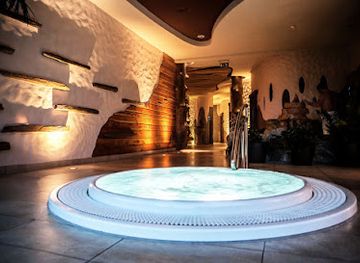
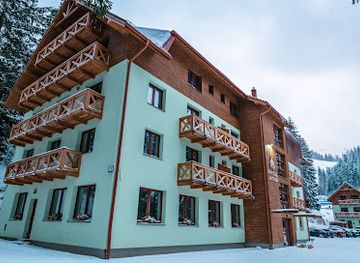
Discover the perfect blend of luxury, wellness, and adventure at Hotel Partizán in Bystrá, Slovakia.
-
Hotel
Hotel Rotunda Chopok
Discover the enchanting Hotel Rotunda Chopok, a luxurious retreat in Demänovská Valley, perfect for adventure and relaxation.
-
 Hotel
Hotelhotel Mikulášska chata Jasná
Discover the enchanting Hotel Mikulášska Chata in Demänovská Dolina, your perfect getaway to nature, adventure, and relaxation.
-
Hotel
Hotel Jasná
Discover comfort and adventure at Hotel Jasná, your gateway to the stunning Demänovská Dolina and its outdoor wonders.
Best shops in Nizke Tatry National Park
Shopping within the national park is limited and is mainly associated with Jasná, Donovaly, mountain facilities and the surrounding gateway towns. In Liptovský Mikuláš, Brezno and nearby villages, visitors can look for Slovak food products, regional cheeses, honey, smoked goods, wooden items, locally made crafts and practical outdoor equipment. Small rural shops and farm producers may offer more direct connections with local agriculture than resort retail, although opening arrangements and product ranges vary. Jasná and Donovaly are more useful for skiing, walking and general outdoor equipment than for traditional market shopping. The park itself should not be treated as a shopping destination, and visitors planning a hut-to-hut or remote valley walk should obtain food, water and essential supplies before leaving the larger settlements.
-
Tourist attraction
Zoo Kontakt
Experience the beauty of wildlife at Zoo Kontakt, a top-tier zoo in Liptovský Mikuláš showcasing diverse animal species and enriching educational programs.
-
Ski resort
Jasna Low Tatras
Experience the breathtaking beauty and thrilling adventures at Jasna Low Tatras, Slovakia's premier ski resort and outdoor adventure destination.
-
Tourist attraction
Slovak Museum of Nature Protection and Speleology
Discover the Slovak Museum of Nature Protection and Speleology, where nature's wonders and the art of speleology come alive in Liptovský Mikuláš.
-
Ski resort
Chopok - departure station of the cable car
Discover the breathtaking beauty and adventure at Chopok, the ultimate ski resort in the heart of the Low Tatras, Slovakia.

Get your free copy of our complete guide to Nizke Tatry National Park, delivered straight to you.
Everything on this page, from attractions and restaurants to essentials and local phrases, in one PDF you can read offline, print or share.
Already have an account? Sign in
Your Nizke Tatry National Park guide is ready.
We'll send it to · Not you? Sign out

Getting your guide ready…
We are putting together a fresh copy of the Nizke Tatry National Park guide. This can take up to a minute.
This can take a few moments. If your browser asks, choose Allow so the download can start. You'll find the guide in your Downloads folder.
Nothing happened? Download it again
Sorry, the guide is taking longer than usual. Please try again in a minute, or get it by email instead.
Nizke Tatry National Park essentials
Currency and Payment
Safety
Emergency Situations
Do's and Don'ts
Local Tips
From Eve
Local phrases worth knowing
You don't need to get them perfect. A few words go a long way, and locals appreciate the effort.
Basics
| English | Local | Say it |
|---|---|---|
| Hello | Ahoj | [ahoy] |
| Goodbye | Dovidenia | [do-vee-de-nyah] |
| Yes | Áno | [ah-noh] |
| No | Nie | [nye] |
| Please/You're welcome | Prosím | [pro-seem] |
| Thank you | Ďakujem | [dya-koo-yem] |
| Excuse me/Sorry | Prepáčte | [pre-paach-te] |
| How are you? | Ako sa máte? | [ah-koh sa mah-teh?] |
| Fine. And you? | Dobre. A vy? | [doh-bre. ah vee?] |
| Do you speak English? | Hovoríte po anglicky? | [ho-vo-ree-teh poh ahn-glit-skee?] |
| I don't understand | Nerozumiem | [neh-ro-zoo-mee-em] |
Eating & Drinking
| English | Local | Say it |
|---|---|---|
| I'd like to see the menu, please | Chcel by som vidieť menu, prosím | [khe-tsel bi som vee-dyet meh-noo, pro-seem] |
| I don't eat meat | Nejem mäso | [neh-yem mah-so] |
| Cheers! | Na zdravie! | [nah zdrah-vee-eh] |
| I would like to pay, please | Chcel by som zaplatiť, prosím | [khe-tsel bi som zap-la-teet, pro-seem] |
Emergencies
| English | Local | Say it |
|---|---|---|
| Help! | Pomoc! | [po-moats] |
| Go away! | Choď preč! | [khoy prech] |
| Call the Police! | Zavolaj políciu! | [za-vo-lay po-lee-tsyoo] |
| Call a doctor! | Zavolaj lekára! | [za-vo-lay leh-ka-ra] |
| I'm lost | Stratil som sa | [stra-teel som sa] |
| I'm ill | Som chorý | [som kho-ree] |
Shopping
| English | Local | Say it |
|---|---|---|
| I'd like to buy... | Chcel by som kúpiť... | [khe-tsel bi som koo-peet...] |
| I'm just looking | Len sa pozerám | [len sa po-ze-ram] |
| How much is it? | Koľko to stojí? | [kol-ko toh stoy-ee?] |
| That's too expensive | To je príliš drahé | [toh yeh pree-leesh dra-heh] |
| Can you lower the price? | Dá sa znížiť cena? | [dah sa znee-zheet tseh-na?] |
Time & Numbers
| English | Local | Say it |
|---|---|---|
| What time is it? | Koľko je hodín? | [kol-ko yeh ho-deen?] |
| It's one o'clock | Je jedna hodina | [yeh yed-na ho-dee-na] |
| Half past (10) | Polovica desiatej | [po-lo-vee-tsa deh-sya-tey] |
| Morning | Ráno | [rah-no] |
| Afternoon | Popoludní | [po-po-loo-dnee] |
| Evening | Večer | [veh-cher] |
| Yesterday | Včera | [v-che-ra] |
| Today | Dnes | [dnes] |
| Tomorrow | Zajtra | [zai-tra] |
| 1 | Jeden | [ye-den] |
| 2 | Dva | [dva] |
| 3 | Tri | [tree] |
| 4 | Štyri | [shti-ree] |
| 5 | Päť | [pyat] |
| 6 | Šesť | [shest] |
| 7 | Sedem | [se-dem] |
| 8 | Osem | [o-sem] |
| 9 | Deväť | [de-vyat] |
| 10 | Desať | [de-saht] |
Transport & Directions
| English | Local | Say it |
|---|---|---|
| Where's a/the...? | Kde je ...? | [kde yeh ...?] |
| What's the address? | Aká je adresa? | [ah-kah yeh ah-dre-sah?] |
| Can you show me (on the map)? | Môžete mi to ukázať (na mape)? | [mo-zhe-teh mee toh oo-kah-zaht (na mah-peh)?] |
| When's the next (bus)? | Kedy je ďalší (autobus)? | [keh-dee yeh dyal-shee (ow-toh-boos)?] |
| A ticket (to ....) | Lístok (do ...) | [lees-tok (doh ...)] |
History of Nizke Tatry National Park
A Carpathian Mountain Foundation
The Low Tatras are part of the Western Carpathians, a mountain system shaped over immense geological timescales by tectonic movement, erosion and glacial and periglacial processes. Limestone and dolomite are particularly important in the Demänovská Valley, where water has created one of Slovakia’s best-known cave systems. The contrast between wooded valleys, karst formations and the open central ridge has given the area its characteristic physical structure. These geological conditions continue to influence settlement, forestry, watercourses and tourism, especially around the northern valleys.
Medieval Settlement and Pastoral Land Use
Human communities developed around the valleys and river basins bordering the Low Tatras during the medieval period, when farming, forestry, trade and livestock keeping became central to local life. Mountain meadows were used for seasonal grazing, creating the open grasslands known as alpine pastures or _bále_. Woodland supplied fuel and timber, while routes across the passes connected settlements on the Váh and Hron sides. Villages around today’s national park retain elements of this relationship between enclosed settlements, managed forests and higher grazing grounds.
Mining and Mountain Economies
The wider Low Tatras region was influenced by the mining economy of central Slovakia. Precious and base-metal extraction developed in several surrounding areas, with Brezno and the Hron valley serving as important regional centres. Mining, charcoal production, forestry and ironworking altered woodland management and encouraged roads and settlements in mountain foothills. Although the national park is now primarily associated with recreation and conservation, its surrounding landscape still reflects the older economic networks that linked upland resources with towns and industrial communities.
War, Resistance and the Twentieth Century
The mountains became significant during the Slovak National Uprising of 1944, when resistance groups operated across central Slovakia and used remote forests and valleys for movement and refuge. The conflict left a difficult wartime heritage in the broader Low Tatras, represented by memorials, commemorative sites and local histories rather than by one single battlefield landscape. After the Second World War, improved roads, mountain huts, ski facilities and organised tourism gradually made the higher terrain more accessible to visitors.
Protection and Modern Tourism
Nizke Tatry National Park was established in 1978 to protect the mountain ecosystems, forests, karst landscapes and high-elevation habitats of the range. Conservation has since had to balance recreation, forestry, winter-sports development and the protection of wildlife corridors. Jasná became the best-known tourism centre on the northern side, while Donovaly and the Brezno area developed their own visitor roles. Today, marked hiking routes, mountain huts, caves and ski infrastructure coexist with regulations intended to protect sensitive habitats and manage pressure on the ridge.
Nizke Tatry National Park in Photos
Browse through our photo collection highlighting the charm and character of the destination.
Neighbouring destination travel guides
The closest destinations to Nizke Tatry National Park, if you have time for more than one.
-

-

-

-

-


Swipe for more destinations
Explore more

Explore more of Liptov
Discover Liptov, Slovakia's hidden gem, offering stunning mountain views, rich cultural heritage, and a range of outdoor activities for every season.
Explore Liptov
Explore more of Slovakia
Discover Slovakia: A land of majestic mountains, charming castles, and vibrant culture in the heart of Europe.
Explore Slovakia