

Free Liptov Travel Guide & Mobile App
Explore Liptov with free travel guides. Discover regional history, expert tips, proposed trips, and audio guides on web or mobile app.


Explore Liptov in Slovakia for Tatras hiking, caves, thermal baths, folk villages, winter sports and hearty mountain cuisine.
Read more about Liptov
When is the best time to visit Liptov?
Best: June–August · 21–24°C| Month | High (°C) | Rainfall (mm) |
|---|---|---|
| January | 1 | 35 |
| February | 2 | 30 |
| March | 7 | 35 |
| April | 12 | 45 |
| May | 17 | 60 |
| June (best) | 21 | 75 |
| July (best) | 24 | 85 |
| August (best) | 23 | 75 |
| September | 18 | 60 |
| October | 13 | 45 |
| November | 7 | 40 |
| December | 3 | 35 |
Getting to and around Liptov
How to get there
Transportation
Top city travel guides in Liptov
The cities of Liptov, and the easiest places to base yourself.

Swipe for more cities
Destinations in Liptov
Resorts, valleys and scenic spots worth a trip of their own.
-

-
-
-

-

-


Swipe for more destinations
Best attractions in Liptov
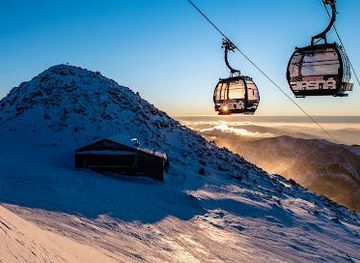
Liptov’s attractions are shaped by the meeting of mountains, water, karst and traditional settlement. The Demänovská Valley provides access to the Demänovská Cave of Liberty and Demänovská Ice Cave, while Jasná is the region’s principal centre for downhill skiing, lifts and summer mountain activities in the Low Tatras. The Liptovská Mara reservoir supports boating and lakeside recreation, with conditions and facilities varying along its shoreline. Thermal resorts at Bešeňová and Liptovský Ján add a bathing tradition that is particularly popular outside the warmest hiking months. Heritage experiences include the Museum of Liptov Village at Pribylina, the open-air architecture of Vlkolínec and the castle remains at Likava and Liptovský Hrádok. Hikers can choose from high ridges, forest paths, karst valleys and gentler routes around rural settlements, while families may combine museums, caves and water attractions. The breadth of the region means that a holiday can alternate between organised resort facilities and quieter landscapes where marked trails lead through working countryside.
-
Water park
Tatralandia
Experience the ultimate water adventure at Tatralandia, Slovakia's largest water park, surrounded by breathtaking mountain views and family-friendly attractions.
-
Heritage museum
Orava Village Museum
Explore Slovakia's rich cultural heritage at Orava Village Museum, an enchanting open-air museum with traditional architecture and vibrant folklore.
-
Ski resort
Jasna Low Tatras
Discover Jasna Low Tatras, Slovakia's premier ski resort, and hiking haven, where breathtaking landscapes meet thrilling adventures year-round.
-
Tourist attraction
Demänovská Ice Cave
Explore the enchanting Demänovská Ice Cave, a breathtaking natural wonder in Slovakia with stunning ice formations and rich geological history.


Best landmarks in Liptov
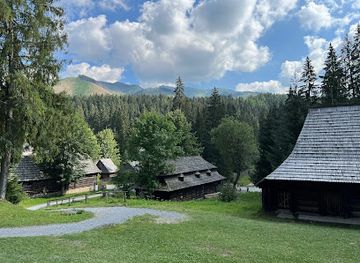
The Liptovská Mara reservoir is one of the region’s most recognisable modern landmarks, its broad water surface occupying the central Váh valley and recalling the extensive twentieth-century transformation of the landscape. In the western part of Liptov, the timber houses and agricultural buildings of Vlkolínec form an exceptionally coherent mountain settlement and illustrate traditional Carpathian village architecture. The ruined Castle Likava, standing above the Váh valley near Ružomberok, represents the medieval defensive network that controlled local routes and estates. Liptovský Hrádok’s castle complex adds another historic marker in the eastern valley, while the forests and limestone formations of the Choč Mountains create a strong natural profile above the settlements. In the south, the peaks and ridges of the Low Tatras define the horizon and provide the setting for Jasná and a network of mountain trails. The Demänovská cave system is both a geological landmark and a reminder of the karst landscape beneath the resort districts.
-
National park
Low Tatras National Park
Explore the stunning landscapes and diverse wildlife of Low Tatras National Park, a top tourist attraction in Slovakia, perfect for outdoor adventures and nature lovers.
-
Water park
Tatralandia
Experience thrilling water adventures and relaxation at Tatralandia, Slovakia's premier water park, nestled in stunning natural beauty.
-
Zoo
Zoo Kontakt
Discover the enchanting wildlife and interactive experiences at Zoo Kontakt in Liptovský Mikuláš, a perfect destination for family fun and education.
-
Historical place
Vlkolínec (UNESCO)
Explore the enchanting village of Vlkolínec, a UNESCO World Heritage site, where traditional Slovak culture meets stunning natural beauty.


Explore Liptov on the map
Plan your trip on one map. See where the top cities, national parks and sights are, and book hotels and experiences in a few clicks.
Best hotels in Liptov
Best restaurants in Liptov
Liptov’s food reflects its former pastoral and farming economy, with potatoes, cabbage, flour, smoked meat and sheep’s dairy products appearing frequently in traditional cooking. Bryndzové halušky, potato dumplings served with sheep’s cheese and often bacon, are associated with Slovak mountain cuisine, while Liptovské droby is a regional potato-based sausage traditionally prepared with seasoning and offal. Žinčica, a lightly fermented sheep’s-milk drink, and fresh or matured sheep’s cheeses are worth seeking out at reputable dairies and traditional restaurants. In Liptovský Mikuláš, Ružomberok and resort settlements, visitors will find contemporary Slovak cooking alongside cafés, pizzerias and international menus. Village inns and mountain restaurants tend to offer filling soups, dumplings and grilled dishes, while farmers’ markets and seasonal food stalls provide opportunities to buy honey, cheese, baked goods and preserves. Menus can be more limited in remote valleys, so plan meals before a full-day walk.
-
Restaurant
Route 66
Discover the best steak and pizza at Route 66 in Liptovský Mikuláš – where family fun meets delicious dining.
-
Restaurant
Salaš Dechtáre
Discover the flavors of Slovakia at Salaš Dechtáre - where tradition meets taste in every dish.
-
Restaurant
Koliba Bešeňovka
Discover traditional Slovak flavors at Koliba Bešeňovka in Liptovský Michal - a delightful blend of cuisine and comfort amidst stunning nature.
-
Hamburger
Restart Burger
Discover Restart Burger in Liptovský Mikuláš - where gourmet burgers meet local charm for an unforgettable dining experience.


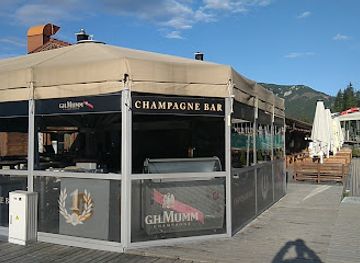
Best bars in Liptov
Liptov’s evening scene is concentrated in Liptovský Mikuláš, Ružomberok and the larger mountain and thermal resorts rather than spread across the countryside. Traditional pubs and hotel bars provide the most common setting for an unhurried drink, with Slovak beer, spirits and simple food widely available. In Liptovský Mikuláš, younger venues and cafés create a modest town nightlife, while Jasná develops a livelier après-ski atmosphere during the winter season, with bars and music linked to the resort’s visitors. Thermal resorts and larger hotels may offer evening entertainment, but arrangements vary by season. Rural villages generally become quiet after dinner, although local cultural events and occasional live music can change the atmosphere. Check current opening information locally, particularly outside the ski season, and do not assume that a mountain resort offers a large nightclub programme every night.
-
Restaurant
Route 66
Experience the heart of America at Route 66 in Liptovský Mikuláš, where great food meets a unique diner atmosphere.
-
Restaurant
Soda Club Restaurant
Experience the finest Slovak and international cuisine at Soda Club Restaurant in Liptovský Mikuláš, where every meal is a memorable adventure.
-
Restaurant
Liptovar - Remeselný pivovar a Pivovarská reštaurácia
Discover authentic Slovak flavors at Liptovar, a vibrant brewery and restaurant in Liptovský Mikuláš, known for its craft beers and traditional cuisine.
-
Brewpub
Krčma Váh
Discover Krčma Váh: A brewpub in Liptovský Mikuláš offering an authentic taste of Slovakian beers and delicious local cuisine.


Best nightclubs in Liptov
Liptov’s evening scene is concentrated in Liptovský Mikuláš, Ružomberok and the larger mountain and thermal resorts rather than spread across the countryside. Traditional pubs and hotel bars provide the most common setting for an unhurried drink, with Slovak beer, spirits and simple food widely available. In Liptovský Mikuláš, younger venues and cafés create a modest town nightlife, while Jasná develops a livelier après-ski atmosphere during the winter season, with bars and music linked to the resort’s visitors. Thermal resorts and larger hotels may offer evening entertainment, but arrangements vary by season. Rural villages generally become quiet after dinner, although local cultural events and occasional live music can change the atmosphere. Check current opening information locally, particularly outside the ski season, and do not assume that a mountain resort offers a large nightclub programme every night.
-
Night club
Ministry of Fun
Discover the ultimate nightlife experience at the Ministry of Fun, Banská Bystrica's premier night club, featuring top DJs and an electrifying atmosphere.
-
Dance restaurant
Happy End Restaurant & Club
Experience the best of nightlife at Happy End Restaurant & Club in Demänovská Dolina, where dining meets dancing in a vibrant atmosphere.
-
Pub
Bombura klub
Discover the heart of Brezno nightlife at Bombura Klub, where vibrant atmosphere and local culture come together for an unforgettable experience.
-
Pub
Kolotočovo
Discover the heart of Slovak hospitality at Kolotočovo, Liptovský Mikuláš's beloved pub with a cozy atmosphere and local flavors.



Best shops in Liptov
Shopping in Liptov is centred on the high streets, supermarkets and small independent businesses of Liptovský Mikuláš and Ružomberok, with more limited everyday provision in villages and resort areas. Markets and farm shops may offer sheep’s cheese, bryndza, žinčica, honey, jams, smoked products and seasonal baked goods, although availability follows the agricultural calendar. Museum shops and craft sellers are useful places to look for wooden objects, woven textiles, ceramics, folk-inspired decorations and books about local history. Around Vlkolínec, Pribylina and other heritage sites, choose products made locally where provenance is clear rather than generic souvenirs labelled as regional. Mountain resorts sell practical outdoor clothing and equipment, while towns provide ordinary pharmacies, food shops and services. Visitors seeking antiques, handmade goods or traditional household items should allow time for browsing rather than expecting a large specialist retail district.
-
Ski resort
Jasna Low Tatras
Experience the thrill of skiing and the serenity of nature at Jasná Low Tatras, Slovakia's premier destination for outdoor adventures.
-
Shopping mall
STOP SHOP
Discover shopping, dining, and entertainment at STOP SHOP, Liptovský Mikuláš's premier shopping destination.
-
Supermarket
Lidl
Discover the best local flavors and essentials at Lidl, Liptovský Mikuláš's top discount supermarket, perfect for budget-conscious travelers.
-
Ski resort
Ski, Golf & Hotel Resort Tále
Experience the best of skiing and golfing at Ski, Golf & Hotel Resort Tále, where adventure meets relaxation in the heart of Slovakia.


Get your free copy of our complete guide to Liptov, delivered straight to you.
Everything on this page, from attractions and restaurants to essentials and local phrases, in one PDF you can read offline, print or share.
Already have an account? Sign in
Your Liptov guide is ready.
We'll send it to · Not you? Sign out

Getting your guide ready…
We are putting together a fresh copy of the Liptov guide. This can take up to a minute.
This can take a few moments. If your browser asks, choose Allow so the download can start. You'll find the guide in your Downloads folder.
Nothing happened? Download it again
Sorry, the guide is taking longer than usual. Please try again in a minute, or get it by email instead.
Liptov essentials
Currency and Payment
Safety
Emergency Situations
Do's and Don'ts
Local Tips
From Eve
Local phrases worth knowing
You don't need to get them perfect. A few words go a long way, and locals appreciate the effort.
Basics
| English | Local | Say it |
|---|---|---|
| Hello | Ahoj | [/ahoy/] |
| Goodbye | Zbohom | [/zbo-hom/] |
| Yes | Áno | [/ah-no/] |
| No | Nie | [/nyay/] |
| Please/You're welcome | Prosím | [/pro-seem/] |
| Thank you | Ďakujem | [/dya-koo-yem/] |
| Excuse me/Sorry | Prepáčte | [/pre-patch-te/] |
| How are you? | Ako sa máš? | [/ah-ko sah mahsh/] |
| Fine. And you? | Dobre. A ty? | [/do-breh. ah tee/] |
| Do you speak English? | Hovoríte po anglicky? | [/ho-vo-ree-teh poh ang-leet-skee/] |
| I don't understand | Nerozumiem | [/ne-ro-zu-miem/] |
Eating & Drinking
| English | Local | Say it |
|---|---|---|
| I'd like to see the menu, please | Chcel by som vidieť jedálny lístok, prosím | [/kh-tzel bee sohm vee-dyeht yeh-dahl-nee lee-stok, pro-seem/] |
| I don't eat meat | Nejem mäso | [/nye-yem mye-so/] |
| Cheers! | Na zdravie! | [/na zdra-vee-eh/] |
| I would like to pay, please | Chcel by som zaplatiť, prosím | [/kh-tzel bee sohm zah-plah-teet, pro-seem/] |
Emergencies
| English | Local | Say it |
|---|---|---|
| Help! | Pomoc! | [/poh-mots/] |
| Go away! | Odiď! | [/oh-dee-dj/] |
| Call the Police! | Zavolajte políciu! | [/zah-vo-lah-yteh poh-lee-ts-ee-oo/] |
| Call a doctor! | Zavolajte lekára! | [/zah-vo-lah-yteh leh-kar-ah/] |
| I'm lost | Stratil som sa | [/stra-til sohm sah/] |
| I'm ill | Som chorý | [/sohm kho-ree/] |
Shopping
| English | Local | Say it |
|---|---|---|
| I'd like to buy... | Chcel by som kúpiť... | [/kh-tzel bee sohm koo-pee-teh/] |
| I'm just looking | Len sa pozerám | [/len sah po-ze-rahm/] |
| How much is it? | Koľko to stojí? | [/kol-koh toh stoy-ee/] |
| That's too expensive | To je príliš drahé | [/to yeh pree-leesh dra-heh/] |
| Can you lower the price? | Môžete znížiť cenu? | [/mwo-zheh-teh znee-zhiht tsen-oo/] |
Time & Numbers
| English | Local | Say it |
|---|---|---|
| What time is it? | Koľko je hodín? | [/kol-koh yeh ho-deen/] |
| It's one o'clock | Je jedna hodina | [/yeh yed-nah ho-dee-nah/] |
| Half past (10) | Pol (10) | [/pol (10)/] |
| Morning | Ráno | [/rah-no/] |
| Afternoon | Popoludnie | [/poh-po-lud-nee-eh/] |
| Evening | Večer | [/veh-cher/] |
| Yesterday | Včera | [/v-cheh-rah/] |
| Today | Dnes | [/dnyes/] |
| Tomorrow | Zajtra | [/zai-tra/] |
| 1 | 1 | [/1/] |
| 2 | 2 | [/2/] |
| 3 | 3 | [/3/] |
| 4 | 4 | [/4/] |
| 5 | 5 | [/5/] |
| 6 | 6 | [/6/] |
| 7 | 7 | [/7/] |
| 8 | 8 | [/8/] |
| 9 | 9 | [/9/] |
| 10 | 10 | [/10/] |
Transport & Directions
| English | Local | Say it |
|---|---|---|
| Where's a/the...? | Kde je...? | [/kdeh yeh.../] |
| What's the address? | Aká je adresa? | [/ah-kah yeh ah-dreh-sah/] |
| Can you show me (on the map)? | Môžete mi to ukázať (na mape)? | [/mwo-zheh-teh mee toh oo-kah-zat (nah mah-peh)?/] |
| When's the next (bus)? | Kedy ide ďalší (autobus)? | [/keh-dee ee-deh dya-l-shee (au-to-boos)?/] |
| A ticket (to ....) | Lístok (do ....) | [/leest-ok (do ....)/] |
History of Liptov
Early Settlement and Celtic-Roman Frontier
Liptov has been settled since prehistoric times, with archaeological evidence of farming communities, hilltop sites and later Celtic activity. The region lay beyond the main Roman provincial centres but within a wider frontier landscape connected to trade routes across northern Slovakia. Finds from the Liptov basin indicate contact between local communities and peoples moving through the Carpathian valleys. These early layers are important because they show that the region was not an isolated mountain wilderness: its river corridors, mineral resources and passes linked the basin with neighbouring parts of the Carpathian world.
Medieval County and the Váh Valley
During the medieval period, Liptov became a county within the Kingdom of Hungary, with settlements developing along the Váh and around fortified sites. The castles at Likava and Liptovský Hrádok guarded routes and administrative centres, while churches, market settlements and estates formed the framework of local society. German settlers, Hungarian royal institutions and Slovak-speaking communities all influenced the region’s development. Medieval landholding families controlled woodland, pasture and agricultural estates, and the valley’s position between important routes helped towns such as Ružomberok and Liptovský Mikuláš grow in importance.
Pastoral Farming, Timber and Mountain Communities
From the late medieval period into the early modern era, Liptov’s economy relied heavily on sheep farming, cattle grazing, forestry and the seasonal use of mountain pastures. Shepherding shaped both the landscape and the food culture, including the production of bryndza and other sheep’s-milk products. Timber extraction, charcoal burning and small-scale crafts supported villages in the valleys and foothills. Traditional houses, hay barns, sheepfolds and field patterns that survive in parts of Liptov reflect this mountain economy, even though modern tourism and improved roads have changed the way many communities use the countryside.
Religious Change and the Reformation Era
The sixteenth and seventeenth centuries brought religious and political upheaval to Liptov, as the Reformation gained influence in parts of the region and Catholic renewal later reshaped parish life. Churches and manor estates became visible expressions of competing confessional and political interests. The region was also affected by the instability that followed the Ottoman expansion into the Kingdom of Hungary, although Liptov itself was not a principal battlefront. Religious foundations, wooden churches and later Baroque interiors remain among the clearest reminders of how faith and administration structured local communities.
Industrialisation and the Rise of Ružomberok
The nineteenth century brought more commercial agriculture, improved roads and railways, and the growth of manufacturing. Ružomberok became especially important through the development of paper production, which helped turn the town into one of northern Slovakia’s notable industrial centres. Timber, milling and textile-related activities also benefited from the region’s forests and transport links. Rail connections strengthened Liptov’s links with central and eastern Slovakia, while schools, civic buildings and new urban institutions reflected the economic and national changes taking place across the Kingdom of Hungary.
War, Czechoslovakia and the Slovak National Uprising
The twentieth century brought the break-up of the Austro-Hungarian Empire, the creation of Czechoslovakia and major social changes in Liptov. During the Second World War, the region formed part of the wartime Slovak state, and the surrounding mountains became important terrain during the Slovak National Uprising of 1944. Resistance activity, military movements and reprisals affected communities across central Slovakia. Memorials and museums in the wider region preserve this difficult history, while post-war industrialisation and state planning altered employment, housing and settlement patterns.
The Liptovská Mara Reservoir and Modern Tourism
Construction of the Liptovská Mara water reservoir in the twentieth century transformed the centre of Liptov. Several settlements were relocated or substantially affected, and the flooded valley changed the region’s landscape and water management. At the same time, state investment in mountain recreation, hotels and ski infrastructure encouraged the growth of tourism in the Low Tatras and surrounding valleys. Since the end of communism, private accommodation, thermal parks, heritage conservation and outdoor recreation have expanded, making tourism one of Liptov’s defining contemporary industries while leaving the legacy of earlier communities visible in museums and relocated buildings.
Liptov in Photos
Browse through our photo collection highlighting the charm and character of the destination.
Neighbouring regions of Liptov
The closest regions to Liptov, if you have time for more than one.
-

-

-

-

-


Swipe for more regions
Explore more

Explore more of Slovakia
Discover Slovakia: A land of majestic mountains, charming castles, and vibrant culture in the heart of Europe.
Explore Slovakia