

Free Sežana Travel Guide & Mobile App
Plan your Sežana trip with Evendo. Get free guides to top attractions, restaurants, hotels, and bars. Web access or download the mobile app.


Sežana, Slovenia, introduces the Karst through landscapes, Teran wine, botanical gardens, borderland history and easy access to Lipica and Škocjan Caves.
A Town Shaped by the Karst
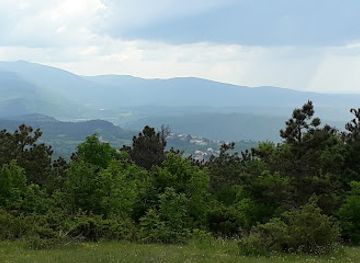
Sežana stands on the high Karst Plateau in western Slovenia, only a short distance from the Italian border and the port city of Trieste. Rather than presenting a dense historic centre, it offers the quieter character of a regional town whose identity is closely tied to limestone, red earth, vineyards and the bora wind. Streets, railway lines and wooded paths spread across a landscape perforated by caves and marked by dry-stone walls, while the surrounding villages preserve the rural architecture and traditions of the Karst.Read more about Sežana
Gardens, Wine and Borderland History
Exploring Around Sežana
When is the best time to visit Sežana?
Best: April–May, September · 21–27°C| Month | High (°C) | Rainfall (mm) |
|---|---|---|
| January | 11 | 70 |
| February | 12 | 60 |
| March | 17 | 60 |
| April (best) | 21 | 70 |
| May (best) | 25 | 80 |
| June | 29 | 80 |
| July | 32 | 60 |
| August | 31 | 60 |
| September (best) | 27 | 80 |
| October | 21 | 100 |
| November | 15 | 110 |
| December | 11 | 90 |
Getting to and around Sežana
How to get there
Transportation
Best attractions in Sežana
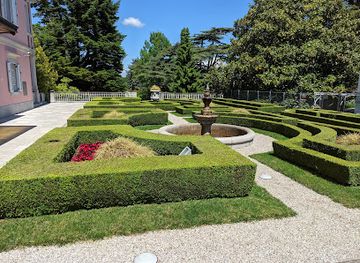
Sežana’s principal attractions are modest in scale but closely connected to the Karst landscape. The Sežana Botanical Garden occupies the grounds of the former Scaramanga estate and combines mature trees, ornamental planting and a calm historic setting close to the town centre. The Kosovel Cultural Centre introduces visitors to the work and legacy of Srečko Kosovel, the Slovenian poet associated with the Karst. The railway station and surrounding streets offer a glimpse of Sežana’s continuing role as a borderland transport town. Beyond the centre, Lipica’s horse-breeding estate provides a major nearby attraction rather than a town-centre sight, with its long association with Lipizzaner horses and formal landscape. The Škocjan Caves, east of Sežana, reveal the dramatic underground geology of the wider Karst and are a separate regional excursion. Between these better-known places, marked walks and cycling routes pass vineyards, dry-stone walls, wooded slopes and small villages whose stone architecture gives the plateau much of its character.
-
Tourist attraction
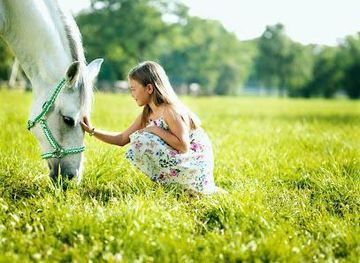
Lipica
Experience the elegance of Lipica, home to the renowned Lipizzaner horses, rich in culture, history, and stunning natural beauty.
12 min drive · 4.2 km from city centre
-
Tourist attraction
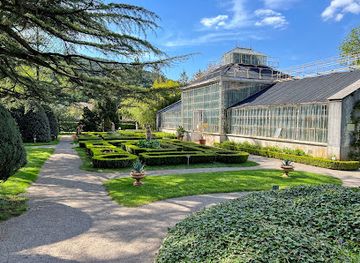
Botanični vrt Sežana ob vili Mirasasso
Explore the enchanting Botanical Garden of Sežana, a serene retreat filled with diverse flora and tranquil landscapes in the heart of Slovenia.
10 min walk · 0.8 km from city centre
-
Tourist attraction
Kobilarna Lipica - Prireditvena jahalnica
Experience the grace of Lipizzaner horses at Kobilarna Lipica, Slovenia's historic stud farm offering captivating tours and stunning landscapes.
13 min drive · 4.3 km from city centre
-
Tourist attraction
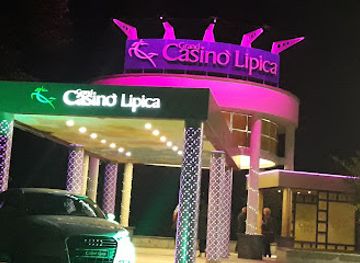
Grand Casinò Lipica
Experience the thrill of gaming and entertainment at Grand Casinò Lipica, where elegance meets excitement in Slovenia's stunning landscapes.
12 min drive · 4.0 km from city centre
Best landmarks in Sežana
Sežana’s landmarks express its role as a Karst town and railway border point. The Sežana Botanical Garden is also a historic estate, with its landscaped grounds and mature vegetation providing a distinctive civic setting within the town. The Church of Saint Martin is a prominent local religious building and a reminder of the parish traditions that shaped settlement life across the plateau. Sežana railway station represents a different layer of heritage: the nineteenth-century railway connected the Habsburg interior with Trieste and helped establish the town as a regional centre. The Kosovel Cultural Centre gives architectural and civic form to the memory of Srečko Kosovel, whose poetry is closely tied to the Karst landscape. Nearby Lipica, although outside Sežana itself, is an important regional landmark of horse-breeding history, while the dry-stone walls, stone houses and roadside shrines of surrounding villages reveal the vernacular architecture of the wider Karst.
-
Hotel
Prunk Hotel - Sežana
Discover comfort and local charm at Prunk Hotel, your ideal base for exploring the stunning landscapes and rich culture of Sežana, Slovenia.
6 min drive · 1.9 km from city centre
-
 Hotel
HotelSafir, Hotel & Casino
Discover the perfect blend of luxury, entertainment, and stunning nature at Safir Hotel & Casino in Sežana, Slovenia.
7 min drive · 2.2 km from city centre
-
Garden
Botanični vrt Sežana ob vili Mirasasso
Explore the natural beauty of the Botanical Garden of Sežana, a tranquil oasis filled with diverse plant life and stunning landscapes.
10 min walk · 0.8 km from city centre
-
Hotel
Hotel Grahor
Discover comfort and Slovenian hospitality at Hotel Grahor, your perfect getaway in Sežana, close to breathtaking Karst attractions.
5 min drive · 1.7 km from city centre
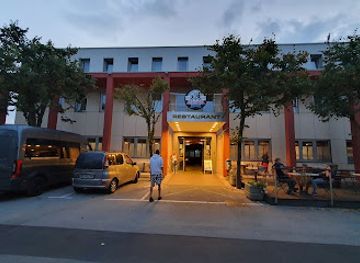
Explore Sežana on the map
Plan your Sežana trip on one map. See where the top attractions, landmarks, restaurants, bars and hotels are, find what's near where you're staying, and book hotels and experiences in a few clicks.
Best hotels in Sežana
Best restaurants in Sežana
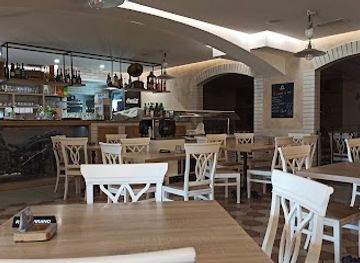
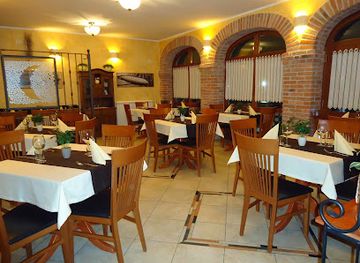
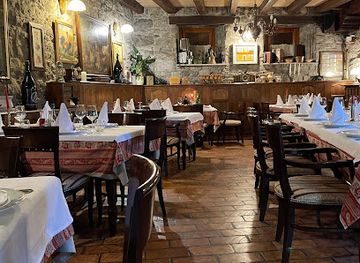
Dining in Sežana reflects the culinary culture of the Karst, where Slovenian traditions meet influences from nearby Trieste and the Italian borderlands. Karst prosciutto, traditionally air-dried in the region’s dry, windy climate, is commonly served with local bread, cheese and seasonal accompaniments. Teran, the distinctive red wine made from the Refošk grape on the Karst, is an important regional drink and is often paired with hearty local food. Traditional gostilne provide dishes such as jota, a filling soup of beans, sauerkraut or sour turnip and potatoes, as well as pasta, gnocchi, meat dishes and seasonal specialities shaped by both inland and coastal cooking. Cafés and pizzerias add an everyday borderland informality, while farms and wine producers in the surrounding villages may offer tastings or meals by arrangement. Menus and opening patterns can be seasonal, particularly outside the town centre.
-
Restaurant
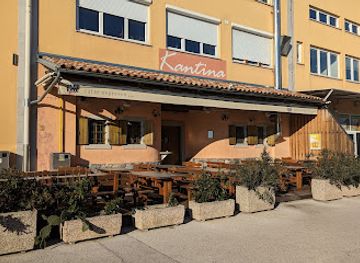
Moja kantina d.o.o.
Discover authentic Slovenian flavors at Moja Kantina - a pizza lover's paradise nestled in Sežana.
13 min walk · 1.0 km from city centre
-
Pizza
Gostilna Spark Sežana
Experience authentic Italian cuisine at Gostilna Spark Sežana, where delicious pizzas meet warm hospitality in a charming setting.
11 min walk · 0.9 km from city centre
-
Restaurant
Pri Naju-gostilnica in pizerija
Discover culinary delights at Pri Naju-gostilnica in pizerija—where authentic pizzas meet Slovenian hospitality.
6 min walk · 0.5 km from city centre
-
Restaurant
Gostilna Domačija Šajna - Šepulje
Discover authentic Slovenian cuisine and warm hospitality at Gostilna Domačija Šajna in scenic Sežana.
16 min drive · 5.3 km from city centre
Best bars in Sežana
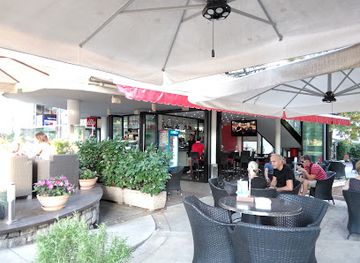
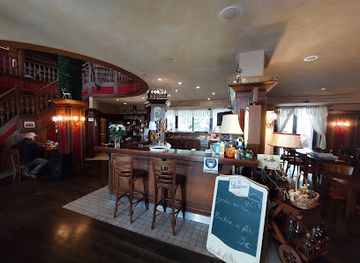
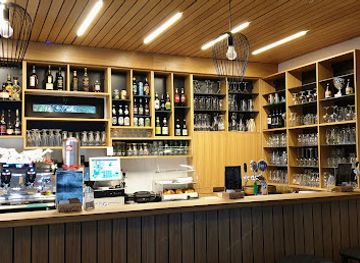
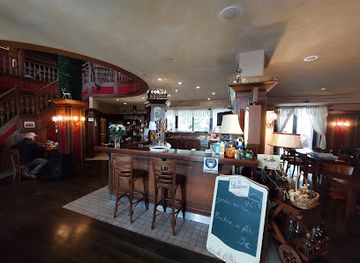
Sežana has a restrained evening scene suited to café culture, conversation and regional food rather than large-scale clubbing. Bars and cafés around the centre provide places for an early drink, coffee or a casual meeting, while traditional inns and restaurants extend the evening with Teran and other Slovenian wines. The town’s cultural calendar, particularly events at the Kosovel Cultural Centre and local festivals, can add theatre, concerts, readings or community performances to the night-time offering. Larger and more varied nightlife is available across the border in Trieste, but transport should be planned carefully rather than assumed late at night. In the Karst villages, evenings are generally quiet, with social life focused on family-run establishments, seasonal celebrations and wine-related gatherings. Visitors should respect residential streets and remember that smaller venues may close earlier than their counterparts in major cities.
-
Bar
cafe Valter
Discover the charm of Café Valter in Sežana, Slovenia – a cozy bar offering delightful drinks and a warm atmosphere perfect for relaxation.
6 min walk · 0.4 km from city centre
-
Restaurant
Sarajevska pivnica
Discover authentic Slovene cuisine and local brews at Sarajevska Pivnica, the perfect culinary retreat in Sežana.
9 min walk · 0.7 km from city centre
-
Bar
Clinton Bar
Experience the vibrant nightlife of Sežana at Clinton Bar, where friendly service meets a fantastic selection of drinks in a lively atmosphere.
6 min walk · 0.4 km from city centre
-
Pub
Restavracija in pivnica HS
Discover the taste of Slovenia at Restavracija in pivnica HS in Sežana, where delicious cuisine meets a lively pub atmosphere.
9 min walk · 0.7 km from city centre
Best nightclubs in Sežana
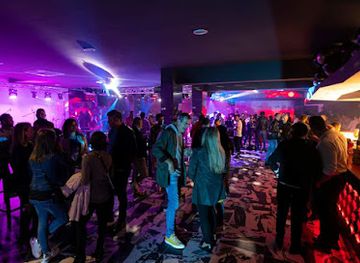
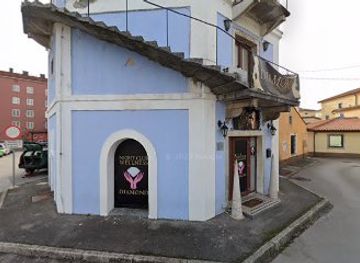
Sežana has a restrained evening scene suited to café culture, conversation and regional food rather than large-scale clubbing. Bars and cafés around the centre provide places for an early drink, coffee or a casual meeting, while traditional inns and restaurants extend the evening with Teran and other Slovenian wines. The town’s cultural calendar, particularly events at the Kosovel Cultural Centre and local festivals, can add theatre, concerts, readings or community performances to the night-time offering. Larger and more varied nightlife is available across the border in Trieste, but transport should be planned carefully rather than assumed late at night. In the Karst villages, evenings are generally quiet, with social life focused on family-run establishments, seasonal celebrations and wine-related gatherings. Visitors should respect residential streets and remember that smaller venues may close earlier than their counterparts in major cities.
-
Night club
Pegas Club
Discover the energetic nightlife of Sežana at Pegas Club, where music, dancing, and fun create unforgettable memories.
7 min walk · 0.6 km from city centre
-
Adult entertainment club
Linda International trgovina, gostinstvo in posredništvo d.o.o., PE nočni klub faraon
Experience the pulse of Sežana's nightlife at Faraon Nightclub, where unforgettable entertainment and vibrant energy await.
7 min walk · 0.6 km from city centre
-
Bar
Društvo naturist faraon Sežana
Discover the tranquility of Društvo Naturist Faraon in Sežana, where nature meets relaxation for an unforgettable bar experience.
7 min walk · 0.6 km from city centre
-
Dance club
Karso club
Discover the electrifying atmosphere of Karso Club in Sežana, Slovenia – a must-visit dance club for an unforgettable nightlife experience.
5 min walk · 0.4 km from city centre

Best shops in Sežana
Shopping in Sežana is centred on everyday local life rather than a large tourist retail district. The town has supermarkets, practical shops, cafés and independent businesses, while the central area is the most convenient place to browse for small gifts and locally produced food. Regional specialities make more distinctive souvenirs than generic merchandise: look for Karst prosciutto, Teran wine, honey, cheeses and other products associated with the plateau, bearing in mind that availability varies by season and producer. Farmers, wine estates and village food producers in the surrounding Karst may offer direct sales or tastings by arrangement. The markets and retail streets of nearby Trieste provide a broader cross-border shopping experience, but Sežana’s appeal lies in its connection to local agriculture, wine and small-scale production. Visitors should distinguish regular shops from occasional cultural, seasonal or festival stalls, whose schedules are not year-round.
-
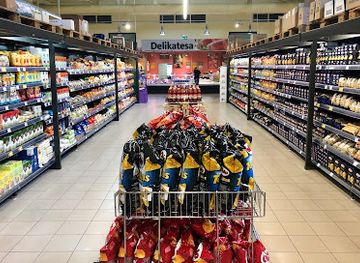
Grocery store
Tuš supermarket C&C Sežana
Experience the best of Slovenian grocery shopping at Tuš Supermarket C&C Sežana, where local flavors meet convenience.
10 min walk · 0.8 km from city centre
-
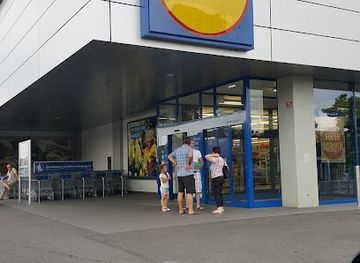
Supermarket
Lidl Sežana
Explore Lidl Sežana for budget-friendly shopping with a wide range of quality groceries and local Slovenian products in a friendly atmosphere.
11 min walk · 0.9 km from city centre
-
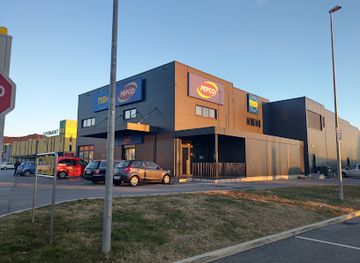
Clothing store
Pepco
Explore Pepco in Sežana for a diverse range of affordable clothing, home essentials, and delightful toys, perfect for every family.
11 min walk · 0.9 km from city centre
-
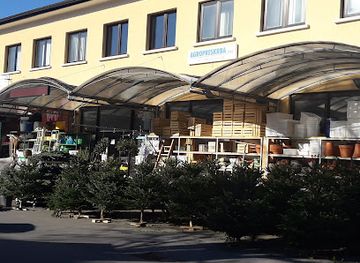
Shopping mall
Agropreskrba trgovska družba d.o.o. Sežana
Discover the heart of local shopping at Agropreskrba in Sežana, Slovenia, where unique finds and local flavors await.
7 min walk · 0.6 km from city centre
Get your free copy of our complete guide to Sežana, delivered straight to you.
Everything on this page, from attractions and restaurants to essentials and local phrases, in one PDF you can read offline, print or share.
Already have an account? Sign in
Your Sežana guide is ready.
We'll send it to · Not you? Sign out

Getting your guide ready…
We are putting together a fresh copy of the Sežana guide. This can take up to a minute.
This can take a few moments. If your browser asks, choose Allow so the download can start. You'll find the guide in your Downloads folder.
Nothing happened? Download it again
Sorry, the guide is taking longer than usual. Please try again in a minute, or get it by email instead.
Sežana essentials
Currency and Payment
Safety
Emergency Situations
Do's and Don'ts
Local Tips
From Eve
Local phrases worth knowing
You don't need to get them perfect. A few words go a long way, and locals appreciate the effort.
Basics
| English | Local | Say it |
|---|---|---|
| Hello | Zdravo | [Zdrah-voh] |
| Goodbye | Nasvidenje | [Nah-svee-deh-nyeh] |
| Yes | Da | [Dah] |
| No | Ne | [Neh] |
| Please/You're welcome | Prosim | [Proh-seem] |
| Thank you | Hvala | [Hvah-lah] |
| Excuse me/Sorry | Oprostite | [Oh-proh-stee-teh] |
| How are you? | Kako ste? | [Kah-koh steh?] |
| Fine. And you? | Dobro. In vi? | [Doh-broh. Een vee?] |
| Do you speak English? | Ali govorite angleško? | [Ah-lee goh-voh-ree-teh ahn-gleh-shkoh?] |
| I don't understand | Ne razumem | [Neh rah-zoo-mehm] |
Eating & Drinking
| English | Local | Say it |
|---|---|---|
| I'd like to see the menu, please | Rad bi videl jedilnik, prosim | [Raad bee vee-del yeh-deel-neek, proh-seem] |
| I don't eat meat | Ne jem mesa | [Neh yehm meh-sah] |
| Cheers! | Na zdravje! | [Nah zdrahv-yeh!] |
| I would like to pay, please | Rad bi plačal, prosim | [Raad bee plah-chahl, proh-seem] |
Emergencies
| English | Local | Say it |
|---|---|---|
| Help! | Pomoč! | [Poh-mohch!] |
| Go away! | Pojdi stran! | [Poy-dee strahn!] |
| Call the Police! | Pokličite policijo! | [Poh-klee-chee-teh poh-lee-tsee-yoh!] |
| Call a doctor! | Pokličite zdravnika! | [Poh-klee-chee-teh zdrahv-nee-kah!] |
| I'm lost | Izgubil sem se | [Eez-goo-beel sehm seh] |
| I'm ill | Boln sem | [Boh-ln sehm] |
Shopping
| English | Local | Say it |
|---|---|---|
| I'd like to buy... | Rad bi kupil... | [Raad bee koo-peel...] |
| I'm just looking | Samo gledam | [Sah-moh gleh-dahm] |
| How much is it? | Koliko stane? | [Koh-lee-koh stah-neh?] |
| That's too expensive | To je predrago | [Toh yeh preh-drah-goh] |
| Can you lower the price? | Lahko znižate ceno? | [Lah-koh znee-zah-teh cheh-noh?] |
Time & Numbers
| English | Local | Say it |
|---|---|---|
| What time is it? | Koliko je ura? | [Koh-lee-koh yeh oo-rah?] |
| It's one o'clock | Je ena ura | [Yeh eh-nah oo-rah] |
| Half past (10) | Pol desetih | [Pohl deh-seh-teeh] |
| Morning | Jutro | [Yoo-troh] |
| Afternoon | Popoldne | [Poh-pohl-dneh] |
| Evening | Večer | [Veh-chehr] |
| Yesterday | Včeraj | [Vcheh-rye] |
| Today | Danes | [Dah-nes] |
| Tomorrow | Jutri | [Yoo-tree] |
| 1 | Ena | [Eh-nah] |
| 2 | Dva | [Dvah] |
| 3 | Tri | [Tree] |
| 4 | Štiri | [Shtee-ree] |
| 5 | Pet | [Peh-t] |
| 6 | Šest | [Shehst] |
| 7 | Sedem | [Seh-dehm] |
| 8 | Osem | [Oh-sehm] |
| 9 | Devet | [Deh-veht] |
| 10 | Deset | [Deh-seht] |
Transport & Directions
| English | Local | Say it |
|---|---|---|
| Where's a/the...? | Kje je... | [Kye yeh...] |
| What's the address? | Kakšen je naslov? | [Kahk-shen yeh nahs-lohv?] |
| Can you show me (on the map)? | Mi lahko pokažete (na zemljevidu)? | [Mee lah-koh poh-kah-zheh-teh (nah zehm-lyeh-vee-doo)?] |
| When's the next (bus)? | Kdaj je naslednji (avtobus)? | [Kdy-eye nass-lehd-nyee (ow-toh-boos)?] |
| A ticket (to ....) | Ena vozovnica (do ...) | [Eh-nah voh-zov-nee-tsah (doh ...)] |
History of Sežana
Early Karst Settlements
The Sežana area developed within the settled Karst plateau, a limestone region crossed by prehistoric and Roman routes linking the Adriatic hinterland with the interior. The town’s name is recorded in medieval sources, although the surrounding landscape has a much older history of farming, pastoralism and movement through the Trieste hinterland. Villages grew around springs, cultivated pockets of red soil and defensible routes across the plateau. Roman influence is particularly visible in the wider region, where roads and settlements connected Tergeste, ancient Trieste, with places inland. The physical character of the Karst—caves, sinkholes, dry-stone boundaries and sparse woodland—has shaped settlement patterns and livelihoods for centuries.
Under Habsburg Administration
For several centuries Sežana belonged to the Habsburg lands and formed part of the wider Austrian Littoral, a politically complex border region inhabited by Slovenian-, Italian- and German-speaking communities. Its position between Trieste and the inland towns gave it commercial importance beyond its modest size. Agriculture remained central, with vineyards, livestock and woodland supporting local households, while trade benefited from proximity to the Adriatic port. The cultural landscape of the Karst consequently developed through contact between Slavic and Romance communities. Many local customs, foods and architectural forms still reflect this borderland history rather than belonging to a single isolated tradition.
Railway and Regional Change
The arrival of the railway in the nineteenth century transformed Sežana’s role. The railway linking Vienna with Trieste reached the town in 1857, placing it on a major imperial route connecting the Habsburg interior with the Adriatic. Improved transport encouraged the movement of people, goods and ideas, and strengthened Sežana’s links with Trieste and other Karst settlements. The station also became part of the town’s modern identity, making Sežana a point of passage as well as a local market centre. Railway development helped shift the settlement from a primarily rural community towards the administrative and service town visible today.
War and a Changing Border
The Karst became a militarised frontier during the First World War, when the nearby Isonzo Front brought destructive fighting and military infrastructure to the region. After the collapse of Austria-Hungary in 1918, Sežana was incorporated into the Kingdom of Italy, beginning a period in which the Slovenian population experienced Italian state administration and, under Fascism, pressure to assimilate. The Second World War brought further occupation and resistance. After 1945 the town became part of Yugoslavia, and the new international border with Italy profoundly shaped everyday movement, trade and family connections across the Karst.
Sežana in Independent Slovenia
Sežana became part of the Republic of Slovenia when the country declared independence in 1991. Slovenia’s entry into the European Union in 2004 and the later removal of routine checks at the internal Schengen border changed the practical meaning of the nearby frontier, although the town has retained its strong relationship with Trieste and the Italian Karst. Contemporary Sežana combines municipal, educational and commercial functions with tourism connected to the plateau’s caves, vineyards and horse-breeding heritage. Cultural institutions such as the Kosovel Cultural Centre keep regional literary history visible, while the railway continues to underline the town’s position between the Adriatic and central Slovenia.
Travel experiences inspired by this city
-
 8 Day Trip
Friends, Karst, and Canyons: 8 Days at Slovenia’s Škocjan Caves
Eco-minded 8-day friends’ adventure to Slovenia’s UNESCO-listed Škocjan Caves, with karst hikes, river canyons, local cuisine, and a comfy base in Divača.
8 Day Trip
Friends, Karst, and Canyons: 8 Days at Slovenia’s Škocjan Caves
Eco-minded 8-day friends’ adventure to Slovenia’s UNESCO-listed Škocjan Caves, with karst hikes, river canyons, local cuisine, and a comfy base in Divača.
 20 Jul 2026
By Esther Mwangi -
 11 Day Trip
Trieste with the Family: Coffeehouses, Castles, and Adriatic Breezes
An 11-day family escape to Trieste, Italy, mixing Habsburg elegance, seaside strolls, Carso hikes, and vibrant coffeehouse culture with fresh Adriatic seafood.
11 Day Trip
Trieste with the Family: Coffeehouses, Castles, and Adriatic Breezes
An 11-day family escape to Trieste, Italy, mixing Habsburg elegance, seaside strolls, Carso hikes, and vibrant coffeehouse culture with fresh Adriatic seafood.
 18 Jul 2026
By Andrea Colombo -
 11 Day Trip
Sežana with Family: 11 Days between the Karst and the Coast
Family-friendly Sežana, Slovenia: discover the Karst, Škocjan Caves, Lipica horses, and easy Trieste day trips by train for a sustainable summer escape.
11 Day Trip
Sežana with Family: 11 Days between the Karst and the Coast
Family-friendly Sežana, Slovenia: discover the Karst, Škocjan Caves, Lipica horses, and easy Trieste day trips by train for a sustainable summer escape.
 15 Jul 2026
By Abena Mensah -
 11 Day Trip
Exploring the Majestic Škocjan Caves with Friends
Discover the awe-inspiring Škocjan Caves in Slovenia with friends, exploring breathtaking karst formations and the rich local culture.
11 Day Trip
Exploring the Majestic Škocjan Caves with Friends
Discover the awe-inspiring Škocjan Caves in Slovenia with friends, exploring breathtaking karst formations and the rich local culture.
 5 May 2026
By Jelena Popović -
 6 Day Trip
Solo Adventure to the Majestic Škocjan Caves
Discover the awe-inspiring Škocjan Caves on a solo journey, exploring Slovenia's natural wonders and capturing breathtaking memories.
6 Day Trip
Solo Adventure to the Majestic Škocjan Caves
Discover the awe-inspiring Škocjan Caves on a solo journey, exploring Slovenia's natural wonders and capturing breathtaking memories.
 15 Nov 2025
By Marko Novak -
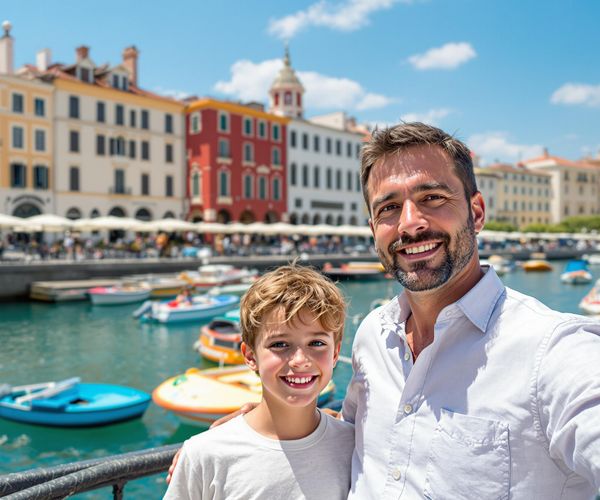 8 Day Trip
Family Adventure in Trieste: Exploring History and Culture
Discover Trieste's rich history and culture with your family, from scenic train rides to exploring architectural marvels and savoring local cuisine.
8 Day Trip
Family Adventure in Trieste: Exploring History and Culture
Discover Trieste's rich history and culture with your family, from scenic train rides to exploring architectural marvels and savoring local cuisine.
 5 Jun 2025
By Michael Garcia
Swipe for more travel diaries
Sežana in Photos
Browse through our photo collection highlighting the charm and character of the destination.
Cities near Sežana
The closest cities to Sežana, if you have time for more than one stop.
-
-

-

-

-


Swipe for more cities
Explore more

Explore more of Slovenia
Discover Slovenia's stunning landscapes, rich cultural heritage, and delightful cuisine. A hidden gem in Europe, perfect for outdoor adventures, history, and culinary exploration.
Explore Slovenia