

Free Portorož Travel Guide & Mobile App
Plan your Portorož trip with Evendo. Get free guides to top attractions, restaurants, hotels, and bars. Web access or download the mobile app.


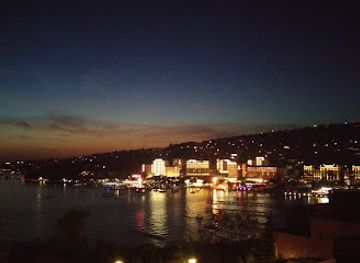
Portorož, Slovenia’s Adriatic resort, combines seaside promenades, spa traditions, Istrian cuisine, salt-pan landscapes, coastal culture and easy access to Piran.
A Resort Shaped by the Sea
Portorož stretches along the sheltered Bay of Piran on Slovenia’s short but distinctive Adriatic coast. Its broad seafront promenade, planted with palms and lined with cafés, hotels and bathing areas, gives the town a relaxed resort character, while the surrounding landscape remains unmistakably Istrian: low hills, olive groves, vineyards and salt pans meet the sea just beyond the built-up shore. The name Portorož, meaning “Port of Roses”, reflects the town’s long association with leisure, gardens and seaside recreation.Read more about Portorož
Seaside Heritage and Contemporary Leisure
Between Piran and the Salt Pans
When is the best time to visit Portorož?
Best: June–July, September · 24–29°C| Month | High (°C) | Rainfall (mm) |
|---|---|---|
| January | 8 | 53 |
| February | 9 | 50 |
| March | 12 | 65 |
| April | 18 | 75 |
| May | 22 | 88 |
| June (best) | 26 | 89 |
| July (best) | 29 | 66 |
| August | 29 | 70 |
| September (best) | 24 | 83 |
| October | 20 | 130 |
| November | 15 | 150 |
| December | 11 | 100 |
Getting to and around Portorož
How to get there
Transportation
Best attractions in Portorož
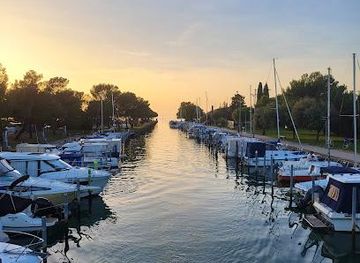
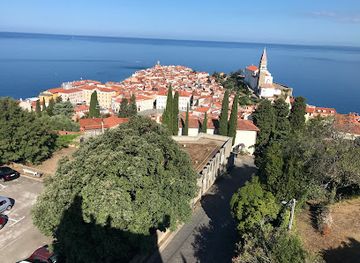
Portorož’s principal attraction is the seafront itself, where a palm-lined promenade links bathing areas, terraces, hotels and views across the Bay of Piran. The central beach offers organised seaside recreation, while the route towards Bernardin becomes quieter and reveals the remains of the former St Bernardin religious complex. The Palace Hotel provides a glimpse of the grand resort that established Portorož’s twentieth-century reputation, and the nearby Auditorium Portorož hosts cultural and congress events. In Lucija, the marina adds a more modern nautical atmosphere, with boats and coastal walking routes around the harbour. The Sečovlje Salina Nature Park lies just beyond the town rather than within its centre, but is an important nearby excursion, preserving traditional salt production and extensive wetland habitats. Piran’s medieval streets and Tartini Square are also close enough for a separate half-day visit, while Forma Viva’s outdoor stone sculptures can be explored on the Seča peninsula.
-
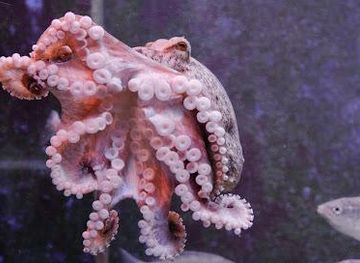
Aquarium
Akvarij Piran
Discover the diverse marine life at Akvarij Piran, Slovenia's enchanting aquarium along the stunning Adriatic coast, perfect for family visits and sea life enthusiasts.
5 min drive · 1.6 km from city centre
-
Tourist attraction
Grand Casino Portorož
Experience the thrill of gaming and exquisite dining at Grand Casino Portorož, a premier destination along Slovenia's stunning Adriatic coast.
18 min walk · 1.4 km from city centre
-
Beach pavillion
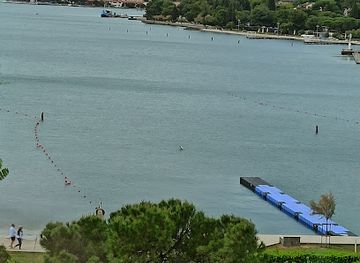
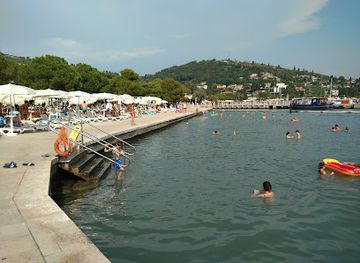
Plaža Portorož
Discover the enchanting beauty of Plaža Portorož, where sun, sea, and sand create unforgettable moments on Slovenia's Adriatic coast.
15 min walk · 1.2 km from city centre
-
Tourist attraction
Casino Riviera
Discover the excitement of Casino Riviera in Portorož, where gaming, entertainment, and stunning coastal views come together for an unforgettable experience.
9 min walk · 0.7 km from city centre
Best landmarks in Portorož
The Palace Hotel is Portorož’s defining architectural landmark, recalling the grand hotel culture that transformed the shoreline into an international resort in the early twentieth century. Its historic façade and position beside the promenade give the town a visual link with the Austro-Hungarian age of seaside travel. On the Bernardin peninsula, the surviving church and fragments associated with the former St Bernardin monastery mark a much older religious presence on the coast. The modern Auditorium Portorož represents the town’s role as a venue for congresses, performances and cultural events, while the marina at Lucija reflects the resort’s contemporary maritime identity. The central promenade, with its hotels, palms and bathing structures, is itself an important urban landmark: it expresses Portorož as a purpose-built seaside town rather than a medieval settlement. Nearby Piran contains major historic monuments of its own, including Tartini Square and St George’s Church, but these belong to the adjacent city, not Portorož.
-
Historical landmark
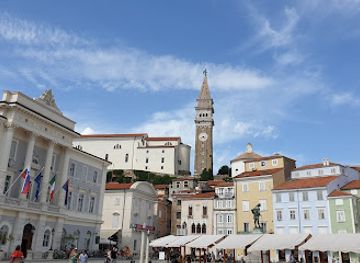
Tartinijev trg
Discover the charm of Tartinijev Trg in Piran, Slovenia - a historical square rich in culture, stunning architecture, and vibrant local life.
5 min drive · 1.6 km from city centre
-
Historical landmark
Walls of Piran
Discover the Walls of Piran, Slovenia's historical gem, offering stunning sea views and a journey through centuries of rich heritage.
17 min walk · 1.4 km from city centre
-
 Hotel
HotelKempinski Palace Portoroz Istria
Experience the epitome of luxury at Kempinski Palace Portorož, where stunning Adriatic views meet exquisite dining and relaxation in a historic setting.
12 min walk · 1.0 km from city centre
-
Hotel
Grand Hotel Portorož - LifeClass Hotels & Spa
Discover the luxury of Grand Hotel Portorož, where Mediterranean elegance meets top-notch wellness on the stunning Adriatic coast.
10 min walk · 0.8 km from city centre
Explore Portorož on the map
Plan your Portorož trip on one map. See where the top attractions, landmarks, restaurants, bars and hotels are, find what's near where you're staying, and book hotels and experiences in a few clicks.
Best hotels in Portorož
Best restaurants in Portorož
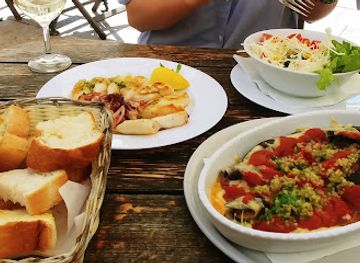
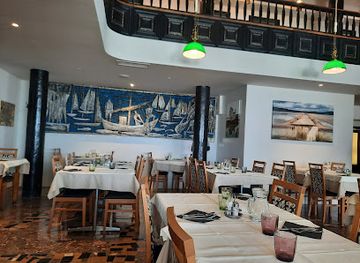
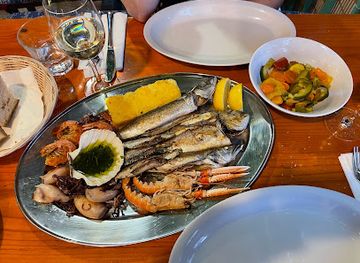
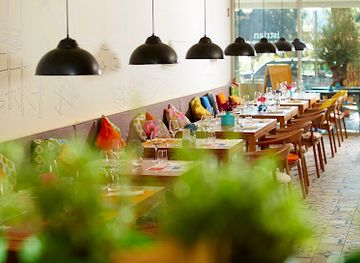
Portorož’s dining scene reflects the meeting of Adriatic, Slovenian and Istrian traditions. Seafood is central, with fish, squid, shellfish and other seasonal catches appearing in restaurants along the resort waterfront and in nearby Piran. Local cooking also draws on extra-virgin olive oil, wild herbs, vegetables, fuži or other Istrian-style pasta, and prized ingredients such as truffles from the wider peninsula. The coastal hinterland contributes wines including Malvazija and Refošk, while Karst-influenced products and prosciutto broaden the regional table. Casual cafés and ice-cream shops line the promenade, whereas more formal dining is concentrated in hotels and established restaurants. Menus also reflect Portorož’s international tourism, so familiar Mediterranean and continental dishes sit alongside local specialities. The best sense of place comes from choosing seasonal seafood, regional oil and wine rather than relying only on standard resort menus.
-
Restaurant
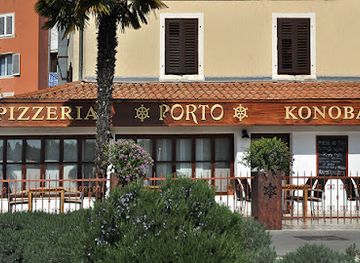
Pizzeria Porto Konoba
Discover authentic Italian flavors at Pizzeria Porto Konoba in Portorož – where every pizza tells a story.
6 min drive · 1.9 km from city centre
-
Restaurant
Fritolin Pri Cantini
Discover exquisite seafood dishes at Fritolin Pri Cantini in Piran - where local flavors meet stunning coastal views.
5 min drive · 1.8 km from city centre
-
Restaurant
Pirat Piran
Discover exquisite Mediterranean flavors at Pirat Piran - where fresh seafood meets stunning sea views in beautiful Slovenia.
17 min walk · 1.4 km from city centre
-
Seafood
Fritolin, gostinstvo, d.o.o.
Discover Fritolin in Portorož: where fresh seafood meets stunning coastal views at budget-friendly prices.
15 min walk · 1.2 km from city centre
Best bars in Portorož
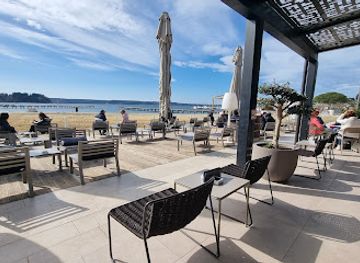
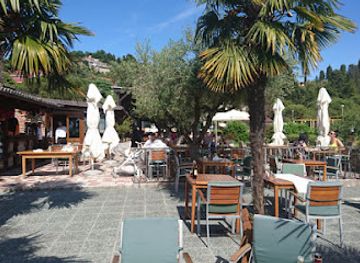
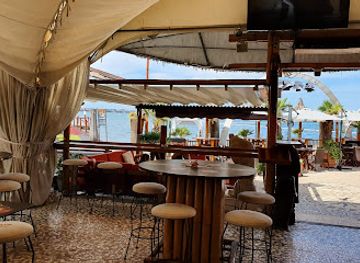
Evenings in Portorož centre on the seafront promenade, where hotel lounges, cafés, cocktail bars and terraces remain sociable after sunset, particularly during the summer season. The atmosphere is generally more polished and leisurely than that of a large clubbing destination, with visitors moving between waterfront drinks, casino entertainment and late dinners. Casino Portorož and the casino at the Kempinski Palace add an established gaming tradition to the resort’s nightlife, while larger hotels may host seasonal music or other evening programmes. The Bernardin area has further hotel bars and entertainment facilities, though activity varies outside the main holiday period. Nearby Piran offers atmospheric squares and intimate bars in historic surroundings, but its narrow old town is not designed around large nightclubs. Night-time entertainment is therefore best understood as a mixture of seaside socialising, live or seasonal events and casino leisure rather than an extensive club circuit.
-
Bar
Cacao Portorož
Discover the elegance of Cacao Portorož, where exquisite drinks and stunning Adriatic views create an unforgettable experience.
14 min walk · 1.1 km from city centre
-
Bar
Stara Oljka
Discover the culinary delights of Stara Oljka in Portorož, where Mediterranean flavors meet vibrant ambiance.
16 min walk · 1.3 km from city centre
-
Lounge
Club Alaya
Discover the luxury and lively ambiance of Club Alaya, Portorož's premier lounge for an unforgettable night out.
13 min walk · 1.0 km from city centre
-
Tapas
Istrian bistro & Tapas bar
Experience authentic Istrian flavors at the Istrian Bistro & Tapas Bar, a delightful culinary destination in Portorož.
10 min walk · 0.8 km from city centre
Best nightclubs in Portorož
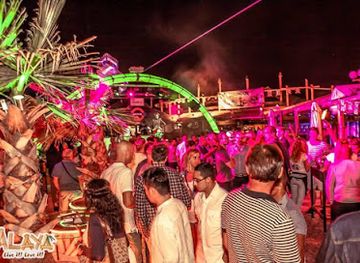
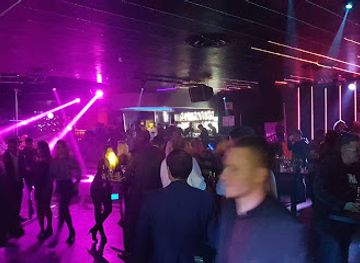
Evenings in Portorož centre on the seafront promenade, where hotel lounges, cafés, cocktail bars and terraces remain sociable after sunset, particularly during the summer season. The atmosphere is generally more polished and leisurely than that of a large clubbing destination, with visitors moving between waterfront drinks, casino entertainment and late dinners. Casino Portorož and the casino at the Kempinski Palace add an established gaming tradition to the resort’s nightlife, while larger hotels may host seasonal music or other evening programmes. The Bernardin area has further hotel bars and entertainment facilities, though activity varies outside the main holiday period. Nearby Piran offers atmospheric squares and intimate bars in historic surroundings, but its narrow old town is not designed around large nightclubs. Night-time entertainment is therefore best understood as a mixture of seaside socialising, live or seasonal events and casino leisure rather than an extensive club circuit.
-
Lounge
Club Alaya
Enjoy exquisite cocktails and vibrant nights at Club Alaya, the ultimate lounge experience in Portorož.
13 min walk · 1.0 km from city centre
-
Night club
Tivoli Club
Dive into the vibrant nightlife of Tivoli Club in Portorož, Slovenia, where music and dancing create unforgettable memories by the coast.
12 min walk · 1.0 km from city centre
-
Night club
Club Pergola
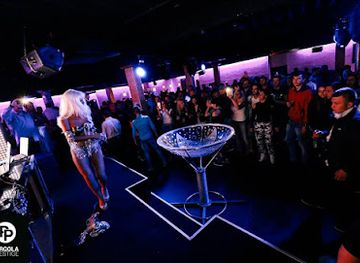
Discover the vibrant nightlife at Club Pergola, Portorož's premier night club offering a unique blend of music, drinks, and stunning coastal views.
16 min walk · 1.2 km from city centre
Best shops in Portorož
Shopping in Portorož is concentrated along the central promenade, surrounding streets and the commercial area of Lucija, where visitors find beachwear, resort essentials, gifts, jewellery and small independent shops rather than a major metropolitan retail district. The most distinctive purchases are connected with Slovenian Istria: local olive oil, Malvazija and Refošk wines, sea salt from the Sečovlje salt pans, honey, dried herbs and other regional foods. The coastal market tradition is more evident in nearby Piran and in smaller local markets than in large permanent bazaars within Portorož itself. Specialist food shops and delicatessens can be useful for assembling a regional picnic, while the marina area has a practical nautical character. For crafts and distinctive souvenirs, look for products with a clear local origin and ask whether salt, oil or wine comes from the Slovenian coast rather than assuming that every seaside-labelled item is regional.
-
Beauty supply store
Trgovina L'OCCITANE, Portorož
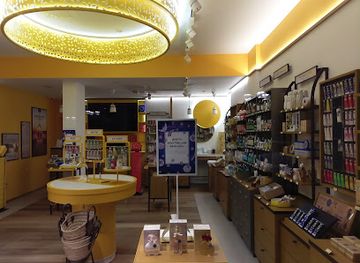
Explore the luxury of L'OCCITANE in Portorož, where nature meets beauty in a delightful shopping experience of premium skincare and cosmetics.
13 min walk · 1.1 km from city centre
-
Fashion accessories store
GUESS ACCESSORIES
Explore GUESS ACCESSORIES in Portorož for high-end handbags and fashion accessories that elevate your style.
11 min walk · 0.9 km from city centre
-
Gift shop
Souvenir Store Zaklad
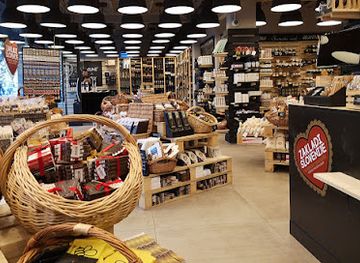
Discover the essence of Slovenia at Souvenir Store Zaklad, where unique gifts, gourmet treats, and local craftsmanship come together.
13 min walk · 1.1 km from city centre
-
Boutique
Boutique Napoleon - Portorose Grand Hotel
Discover unique fashion treasures at Boutique Napoleon, a stylish boutique in Portorož, offering local and international clothing and accessories.
11 min walk · 0.9 km from city centre
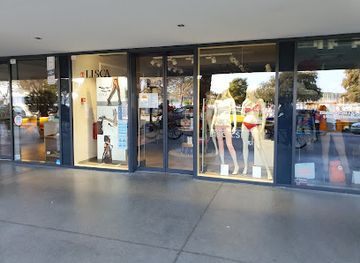
Get your free copy of our complete guide to Portorož, delivered straight to you.
Everything on this page, from attractions and restaurants to essentials and local phrases, in one PDF you can read offline, print or share.
Already have an account? Sign in
Your Portorož guide is ready.
We'll send it to · Not you? Sign out

Getting your guide ready…
We are putting together a fresh copy of the Portorož guide. This can take up to a minute.
This can take a few moments. If your browser asks, choose Allow so the download can start. You'll find the guide in your Downloads folder.
Nothing happened? Download it again
Sorry, the guide is taking longer than usual. Please try again in a minute, or get it by email instead.
Portorož essentials
Currency and Payment
Safety
Emergency Situations
Do's and Don'ts
Local Tips
From Eve
Local phrases worth knowing
You don't need to get them perfect. A few words go a long way, and locals appreciate the effort.
Basics
| English | Local | Say it |
|---|---|---|
| Hello | Zdravo | [Zdrah-vo] |
| Goodbye | Nasvidenje | [Nahs-vee-deh-nyeh] |
| Yes | Da | [Dah] |
| No | Ne | [Neh] |
| Please/You're welcome | Prosim | [Proh-seem] |
| Thank you | Hvala | [Hvah-lah] |
| Excuse me/Sorry | Oprostite | [Oh-proh-stee-teh] |
| How are you? | Kako ste? | [Kah-koh steh?] |
| Fine. And you? | V redu. In vi? | [V reh-doo. Een vee?] |
| Do you speak English? | Govorite angleško? | [Go-vo-ree-te ahn-gleh-shko?] |
| I don't understand | Ne razumem | [Neh rah-zoo-mem] |
Eating & Drinking
| English | Local | Say it |
|---|---|---|
| I'd like to see the menu, please | Rad bi videl jedilnik, prosim | [Raad bee vee-del yeh-deel-neek, proh-seem] |
| I don't eat meat | Ne jem mesa | [Neh yem meh-sa] |
| Cheers! | Na zdravje! | [Nah zdrahv-yeh!] |
| I would like to pay, please | Rad bi plačal, prosim | [Raad bee plah-chahl, proh-seem] |
Emergencies
| English | Local | Say it |
|---|---|---|
| Help! | Pomoč! | [Poh-mohch!] |
| Go away! | Pojdite stran! | [Poy-dee-teh strahn!] |
| Call the Police! | Pokličite policijo! | [Poh-klee-chee-teh po-lee-tsee-yoh!] |
| Call a doctor! | Pokličite zdravnika! | [Poh-klee-chee-teh zdrahv-nee-kah!] |
| I'm lost | Izgubil sem se | [Eez-goo-beel sehm seh] |
| I'm ill | Bolam | [Boh-lahm] |
Shopping
| English | Local | Say it |
|---|---|---|
| I'd like to buy... | Rad bi kupil... | [Raad bee koo-peel...] |
| I'm just looking | Samo gledam | [Sah-moh gleh-dahm] |
| How much is it? | Koliko stane? | [Koh-lee-koh stah-neh?] |
| That's too expensive | To je predrago | [Toh yeh preh-drah-goh] |
| Can you lower the price? | Lahko znižate ceno? | [Lah-koh znee-zah-teh cheh-no?] |
Time & Numbers
| English | Local | Say it |
|---|---|---|
| What time is it? | Koliko je ura? | [Koh-lee-koh yeh oo-rah?] |
| It's one o'clock | Je ena ura | [Yeh eh-nah oo-rah] |
| Half past (10) | Pol desetih | [Pohl deh-seh-teeh] |
| Morning | Jutro | [Yoo-troh] |
| Afternoon | Popoldne | [Poh-pohl-deh-neh] |
| Evening | Večer | [Veh-chehr] |
| Yesterday | Včeraj | [V-cheh-rye] |
| Today | Danes | [Dah-nehs] |
| Tomorrow | Jutri | [Yoo-tree] |
| 1 | Ena | [Eh-nah] |
| 2 | Dva | [Dvah] |
| 3 | Tri | [Tree] |
| 4 | Štiri | [Shtee-ree] |
| 5 | Pet | [Peh-t] |
| 6 | Šest | [Shest] |
| 7 | Sedem | [Seh-dehm] |
| 8 | Osem | [Oh-sehm] |
| 9 | Devet | [Deh-veht] |
| 10 | Deset | [Deh-seht] |
Transport & Directions
| English | Local | Say it |
|---|---|---|
| Where's a/the...? | Kje je... | [Keh yeh...] |
| What's the address? | Kakšen je naslov? | [Kahk-shen yeh nahs-lohv?] |
| Can you show me (on the map)? | Mi lahko pokažete (na zemljevidu)? | [Mee lah-koh poh-kah-zheh-teh (nah zehm-lyeh-vee-doo)?] |
| When's the next (bus)? | Kdaj je naslednji (avtobus)? | [Kdyah yeh nahs-lehd-nee (ow-toh-boos)?] |
| A ticket (to ....) | Ena vozovnica (za ...) | [Eh-nah voh-zohv-nee-tsah (zah ...)] |
History of Portorož
Early Coastal and Salt-Making Traditions
The Portorož area belongs to the wider historical landscape of Istria, a peninsula shaped by Adriatic trade, farming and salt production. The nearby salt pans at Sečovlje preserve an industry that developed over centuries and influenced settlement, commerce and local livelihoods along the coast. Before Portorož became a resort, the shoreline consisted of small settlements, agricultural land and saline environments connected culturally and economically to Piran. Roman and medieval remains in the broader region demonstrate the long occupation of the northern Adriatic, although the modern town itself emerged much later as a specialised coastal centre.
The Monastic Shore at St Bernardin
The Bernardin peninsula, now on Portorož’s northern edge, takes its name from a former monastery dedicated to Saint Bernardine of Siena. Religious communities helped shape the coastal landscape during the late medieval and early modern periods, and the surviving church remains and fragments of the monastic complex provide a tangible link with that earlier shoreline. The site stood between the maritime settlement of Piran and the developing resort area, illustrating how Portorož’s present urban form incorporates places that were once separate religious and coastal communities.
The Rise of the Seaside Resort
Portorož began developing as a health and leisure resort in the nineteenth century, when the mild coastal climate, seawater and saline treatments attracted visitors from across the Austro-Hungarian Empire. Hotels, bathing facilities and therapeutic establishments gradually replaced the older rural shoreline. The resort’s growth formed part of a wider European fashion for seaside cures and seasonal travel. Its position near Piran, connected to the transport networks of the empire, helped it become one of the best-known holiday centres on the northern Adriatic.
The Palace Hotel and International Fashion
The opening of the Palace Hotel in 1910 marked a decisive moment in Portorož’s development. Built as a grand establishment for an international clientele, it gave the resort an architectural focal point and strengthened its reputation as an elegant Adriatic retreat. The hotel and its surrounding seafront hosted a more sophisticated form of tourism than the earlier bathing facilities alone could provide. Portorož’s identity as a place of promenades, grand hospitality and organised leisure was established during this period, even though political upheavals soon altered the region’s connections.
From Imperial Borderland to Yugoslav Resort
After the First World War, Portorož became part of the Kingdom of Italy, reflecting the redrawing of borders across Istria. The Second World War and its aftermath brought further political change, and the coastal territory was incorporated into Yugoslavia before becoming part of Slovenia in 1991. In the post-war decades, Portorož was developed as a major holiday and congress resort, with larger hotels, beaches and recreational facilities added along the shore. Contemporary Portorož therefore reflects several overlapping histories: Habsburg spa culture, Italian and Istrian heritage, Yugoslav mass tourism and independent Slovenia’s international coastal economy.
Travel experiences inspired by this city
-
 8 Day Trip
Friends, Karst, and Canyons: 8 Days at Slovenia’s Škocjan Caves
Eco-minded 8-day friends’ adventure to Slovenia’s UNESCO-listed Škocjan Caves, with karst hikes, river canyons, local cuisine, and a comfy base in Divača.
8 Day Trip
Friends, Karst, and Canyons: 8 Days at Slovenia’s Škocjan Caves
Eco-minded 8-day friends’ adventure to Slovenia’s UNESCO-listed Škocjan Caves, with karst hikes, river canyons, local cuisine, and a comfy base in Divača.
 20 Jul 2026
By Esther Mwangi -
 11 Day Trip
Sežana with Family: 11 Days between the Karst and the Coast
Family-friendly Sežana, Slovenia: discover the Karst, Škocjan Caves, Lipica horses, and easy Trieste day trips by train for a sustainable summer escape.
11 Day Trip
Sežana with Family: 11 Days between the Karst and the Coast
Family-friendly Sežana, Slovenia: discover the Karst, Škocjan Caves, Lipica horses, and easy Trieste day trips by train for a sustainable summer escape.
 15 Jul 2026
By Abena Mensah -
 11 Day Trip
Exploring the Majestic Škocjan Caves with Friends
Discover the awe-inspiring Škocjan Caves in Slovenia with friends, exploring breathtaking karst formations and the rich local culture.
11 Day Trip
Exploring the Majestic Škocjan Caves with Friends
Discover the awe-inspiring Škocjan Caves in Slovenia with friends, exploring breathtaking karst formations and the rich local culture.
 5 May 2026
By Jelena Popović -
 8 Day Trip
Romantic Escape to Rovinj: A Coastal Adventure
Explore the enchanting town of Rovinj, Croatia with Jennifer and Maximilian on a romantic getaway filled with history, art, and culinary delights.
8 Day Trip
Romantic Escape to Rovinj: A Coastal Adventure
Explore the enchanting town of Rovinj, Croatia with Jennifer and Maximilian on a romantic getaway filled with history, art, and culinary delights.
 5 Apr 2026
By Jennifer Smith -
 6 Day Trip
Solo Adventure to the Majestic Škocjan Caves
Discover the awe-inspiring Škocjan Caves on a solo journey, exploring Slovenia's natural wonders and capturing breathtaking memories.
6 Day Trip
Solo Adventure to the Majestic Škocjan Caves
Discover the awe-inspiring Škocjan Caves on a solo journey, exploring Slovenia's natural wonders and capturing breathtaking memories.
 15 Nov 2025
By Marko Novak -
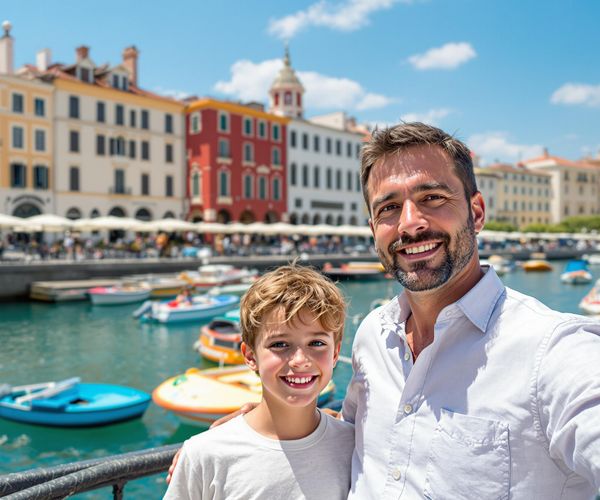 8 Day Trip
Family Adventure in Trieste: Exploring History and Culture
Discover Trieste's rich history and culture with your family, from scenic train rides to exploring architectural marvels and savoring local cuisine.
8 Day Trip
Family Adventure in Trieste: Exploring History and Culture
Discover Trieste's rich history and culture with your family, from scenic train rides to exploring architectural marvels and savoring local cuisine.
 5 Jun 2025
By Michael Garcia
Swipe for more travel diaries
Portorož in Photos
Browse through our photo collection highlighting the charm and character of the destination.
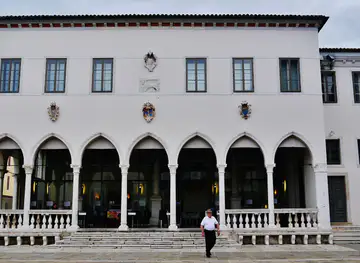
Cities near Portorož
The closest cities to Portorož, if you have time for more than one stop.
-

-

-
-

-


Swipe for more cities
Explore more

Explore more of Slovenia
Discover Slovenia's stunning landscapes, rich cultural heritage, and delightful cuisine. A hidden gem in Europe, perfect for outdoor adventures, history, and culinary exploration.
Explore Slovenia